Mini Electric Convection Oven Suppliers and Manufacturers
Explore 33 verified options for Mini Electric Convection Oven from Guangdong factories and trading companies. Compare ISO 9001 certifications, lead times, response rates, and product specifications like voltage and power before contacting suppliers directly; review the available evidence before requesting comparable quotations from suitable candidates.
Updated
Suppliers List

Guangzhou Nantian Sources Co., Ltd.
- Manufacturer/Factory
- China Guangdong
- Lead time15 days
- Avg. response≤ 6h
Main productsKitchen Equipment, Kitchenware, Food Machine, Kitchen Appliance, Glassware, Food Machinery, Bakery Equipment, Dinnerware, Kitchen Utensils, Food Processor
Main marketsSouth America,Mid East,Southeast Asia,Eastern Asia,Oceania,Africa


Electric Convection Oven (Chamber Enameled) for Hotel Restaurant Bakery Kitchen Equipment
Negotiable
MOQ: 1 Pieces
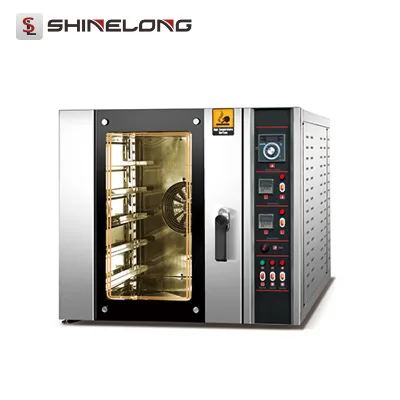
Guangzhou Shinelong Kitchen Equipment Co., Ltd.
- Trading Company
- Lead time旺季: "1 - 50":15,"> 50":"To be negotiated", 淡季: "1 - 50":15,"> 50":"To be negotiated"
- Avg. response≤ 4h
Main productsCooking Equipment, Refrigeration Equipment, Fast Food Equipment, Bakery Equipment, Commercial Kitchen Solutions
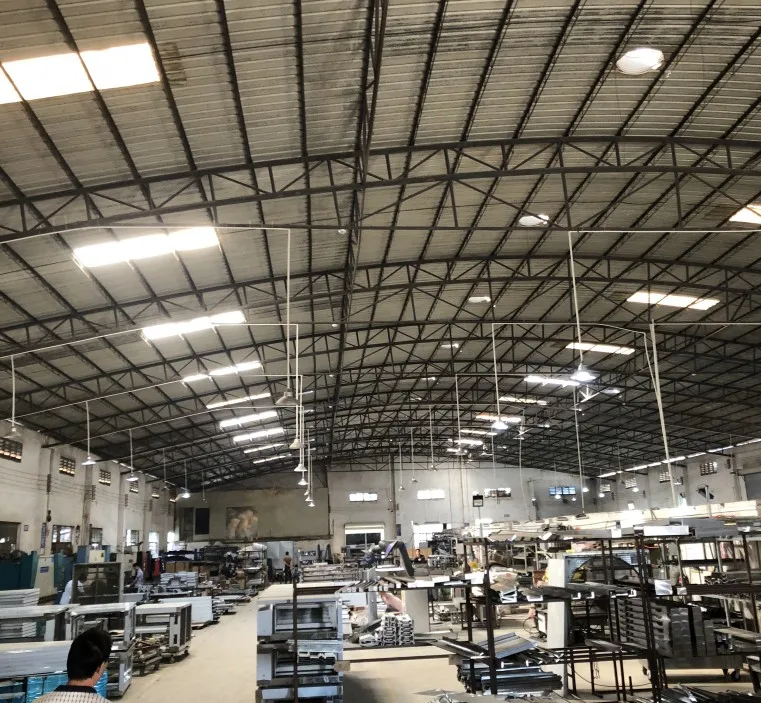
Shijiazhuang Bake Machine Tech Co., Ltd.
- Trading Company
- Hebei, China
- Lead time5 days
- Avg. response≤ 6h
Main productsBakery Machine,Bakery Production Line,Bread Making Machine,Bakery Equipment,Deck Oven
Main marketsNorth America(30.00%), Africa(15.00%), Western Europe(12.00%), Mid East(10.00%), Eastern Europe(5.00%), Northern Europe(5.00%), Central America(5.00%), Southern Europe(5.00%), South America(5.00%), Southeast Asia(3.00%), South Asia(2.00%), Domestic Market(1.00%), Eastern Asia(1.00%), Oceania(1.00%)

Guangdong Jieguan Kitchen Equipment Manufacturing Co., Ltd.
- Combined
- China Guangdong
- Lead time30 days
- Avg. response≤ 6h
Main productsCombi Oven, Convection Oven, Fryer, Griddle, Induction Cooker, Coffee Maker, Chicken Rotisserie, Food Warmer, Bain Marie, Pasta Cooker and Cooking Range
Main marketsSouth America,Africa,Others(foreignTradeCapacity.exportBusinessCapacityMarketOther),Europe,Australia


Popular Electric Convection Bakery Oven with Spray Commercial Kitchen Equipment Baking Oven
$260.00 - $280.00
MOQ: 1 Pieces


Foshan Nanhai Flamemax Catering Equipment Co., Ltd.
- Verified by SGS
- Combined
- China Guangdong
- Lead time30 days
- Avg. response≤ 1h
Main productsConvection Oven, Pizza Oven, Rotisserie, Gas Stove, Shawarma Machine, Fryer, Hot Air Oven, Bakery Oven, Bakery Equipment, Kitchen Equipment
Main marketsSouth America,Africa,Southeast Asia/ Mideast

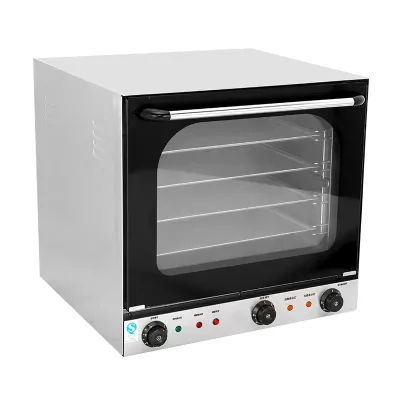
Mini Electric Counter Top Convection Oven with 3 Trays for Efficient Baking
$165.00 - $174.00
MOQ: 1 Pieces

Bakery Machine Electric Convection Oven with Steam Function for Restaurants
$300.00 - $315.00
MOQ: 2 Pieces

Professional Digital Electric Convection Oven for Efficient Bakery Use
$315.00 - $331.00
MOQ: 2 Pieces

Henan Foodmax Machinery Co., Ltd.
- Trading Company
- China Henan
- Lead time0 days
- Avg. response≤ 4h
Main productsBiscuit Machine, Vegetable Washing Machine, Quick Freezer, Yogurt Production Line, Chili Sauce Production Line, Vacuum Low Temperature Fryer, Slaughter Production Line, Cashew Production Line, Freeze Dryer, Cold Storage


Countertop Energy-Saving Built-in Intelligent and Small Fast Convection Oven
$3900.00 - $8500.00
MOQ: 1 Pieces

Guangzhou Youbake Kitchen Equipment Co., Ltd.
- Verified by BV
- Trading Company,Manufacturer/Factory
- China Guangdong
- Lead time23 days
- Avg. response≤ 4h
Main productsBaking Oven, Rotary Oven, Dough Mixer, Proofer, Toast Moulder, Baguette Moulder, Semi-Automatic Dough Rounder, Full-Automatic Dough Rounder, Electric Dough Divider, Deck Oven
Main marketsSouth America,Eastern Europe,Mid East,North America,Southeast Asia,Eastern Asia,Oceania,Western Europe,Africa


Hot Air Convection Oven Electric with Steam Bakery Commercial Convection Ovens
$1000.00 - $1820.00
MOQ: 1 Sets
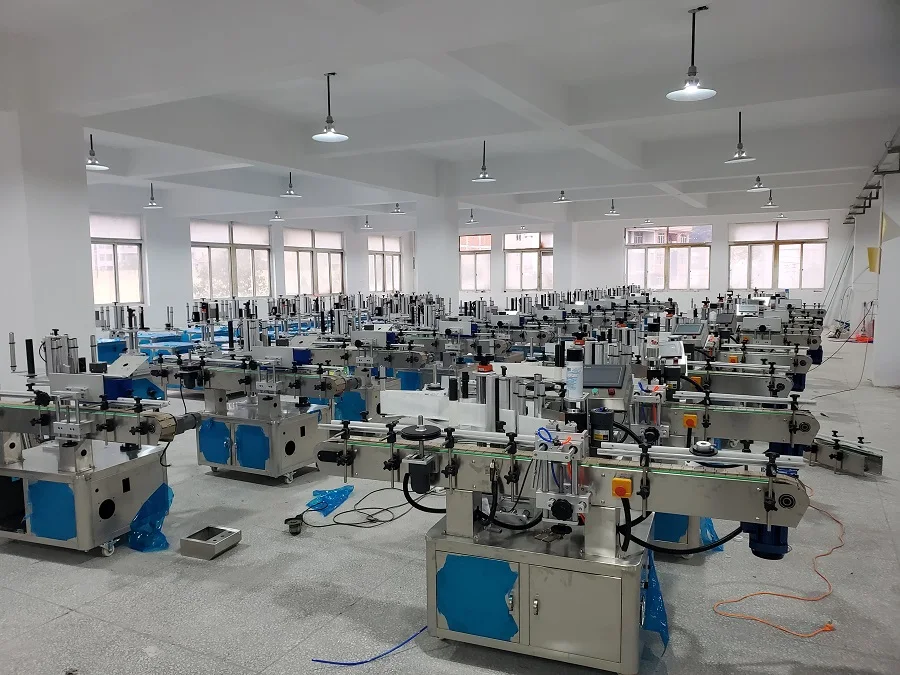
Jiaozuo Fonfar International Trade Co., Ltd.
- Trading Company
- Henan, China
- Lead time3 days
- Avg. response≤ 2h
Main productsPacking machine,Filling Machine,Capping Machine,Labeling Machine,Vacuum Packing Machine
Main marketsSoutheast Asia(23.00%), Eastern Asia(15.00%), South America(15.00%), Mid East(12.00%), Oceania(10.00%), Eastern Europe(6.00%), Western Europe(5.00%), North America(5.00%), Southern Europe(4.00%), Northern Europe(3.00%), Central America(2.00%)

Guangzhou Sunrry Kitchen Equipment Co., Ltd.
- Verified by CTI
- Trading Company,Manufacturer/Factory
- China Guangdong
- Lead time30 days
- Avg. response≤ 3h
Main productsCommercial Kitchen Solutions, Turnkey Kitchen Solutions, Catering Equipment, Restaurant Equipment, Commercial Refrigeration Equipment, Commercial Bakery Equipment, Commercial Cooking Equipment, Stainless Steel Equipment, Commercial Food Prep Equipment, Commercial Kitchen Equipment
Main marketsSouth America,Eastern Europe,Mid East,North America,Southeast Asia,Eastern Asia,Oceania,Western Europe,Africa

Shanghai Mooha Import & Export Co., Ltd.
- Verified by TUVRHEINLAND
- Trading Company,Manufacturer/Factory
- China Shanghai
- Lead time23 days
- Avg. response≤ 3h
Main productsAuger Filler, Powder Filler, Screw Feeder, Bucket Feeder, Net Weight Filling Machine, Liquid Filling Machine, Vffs Machine, Powder Filling Machine, Bakery Equipment, Liquid Filler
Main marketsSouth America,Eastern Europe,Mid East,North America,Southeast Asia,Eastern Asia,Oceania,Western Europe,Africa


12 Pans Convection Oven with Steam Function, Convection Oven 12 Trays
$3116.00 - $3280.00
MOQ: 1 Pieces
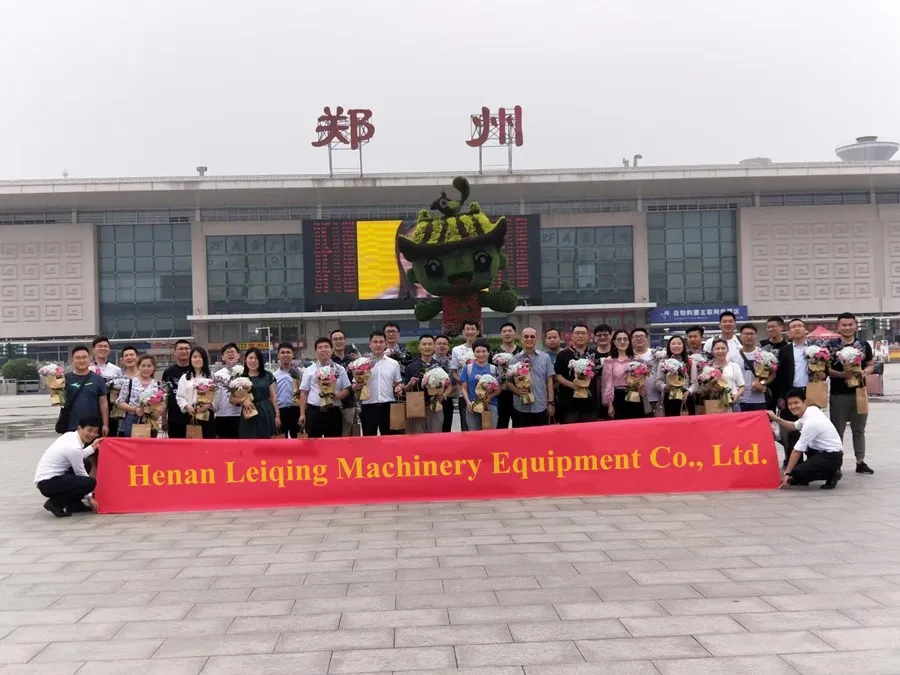
Henan Leiqing Machinery Equipment Co., Ltd.
- Trading Company
- Henan, China
- Lead time5 days
- Avg. response≤ 4h
Main productsDough&Pastry Machines,Meat&Vegetable Machines,Packing Machines,Filling&Packing Machines,Coding&Sealing Machines
Main marketsSouth America(10.00%), Domestic Market(5.00%), South Asia(5.00%), Southern Europe(5.00%), Northern Europe(5.00%), Central America(5.00%), Western Europe(5.00%), Eastern Asia(5.00%), Mid East(5.00%), Oceania(5.00%), Southeast Asia(5.00%), Eastern Europe(5.00%), North America(5.00%)
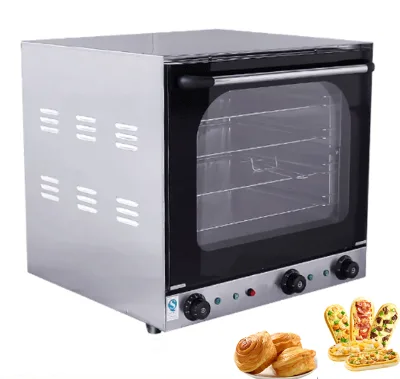
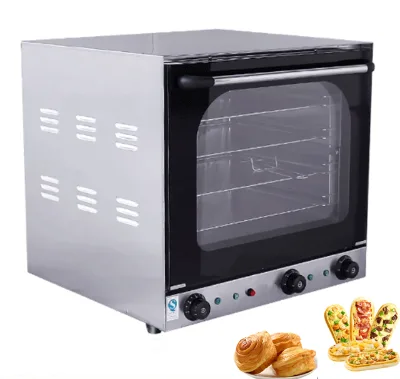
$320.2554 - $371.9094
MOQ: 1 sets
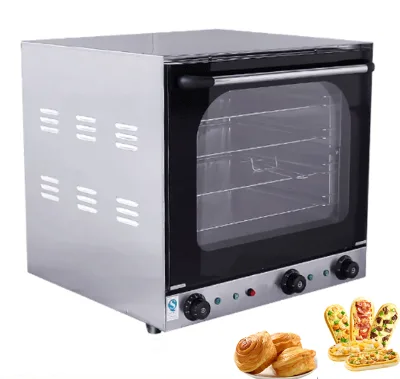
$318.2812 - $369.6159
MOQ: 1 sets

Guangzhou Masterbakes Equipment Co., Ltd.
- Verified by SGS
- Combined
- China Guangdong
- Lead time15 days
- Avg. response≤ 4h
Main productsGas Deck Oven, Electric Deck Oven, Convection Oven, Rotary Oven, Electric Rotary Oven, Gas Rotary Oven, Diesel Rotary Oven, Spiral Mixer, Planetary Mixer, Bread Proofer
Main marketsAfrica,Southeast Asia/ Mideast,Europe

Anti-Corrosion Electric Convection Oven with Humidity-Controlled Baking
$1317.46 - $1549.95
MOQ: 5 Sets


Premium-Quality Electric Convection Oven for Baking with Safety Features
$777.78 - $915.03
MOQ: 5 Sets

Hot Sale Eco-Friendly Electric Convection Oven with Recyclable Materials
$1317.46 - $1549.95
MOQ: 5 Sets
Shenzhen Ai Home Industry Co., Ltd.
- Verified by SGS Group
- Trading Company
- Lead time15 days
- Avg. response≤ 3h
Main productsHome Appliance, Smart Appliance, Creative Appliance
Main marketsSoutheast Asia(20%), Eastern Asia(20%), Southern Europe(20%)

Guangzhou Astar Kitchen Equipment Co., Ltd.
- Verified by BV
- Combined
- China Guangdong
- Lead time15 days
- Avg. response≤ 15h
Main productsBakery Equipment, Oven, Kitchen Equipment, Mixer, Baking Oven, Convection Oven, Rotary Oven, Pizza Oven, Refrigerator, Cake Showcase
Main marketsAfrica,Domestic,Europe

4 Layer Compact Mini Electric Convection Bread Baking Oven with 4 Trays for Home Use
$297.00 - $350.00
MOQ: 1 Pieces


High Efficiency Large Capacity Electric Hot Air Baking Convection Oven
$310.00 - $340.00
MOQ: 1 Pieces


Shanghai Jingyao Industrial Co., Ltd.
- Verified by BV
- Manufacturer/Factory
- China Shanghai
- Lead time15 days
- Avg. response≤ 5h
Main productsFood Truck/Cart/Car/Trailer/Van/Caravan/Trolley, Bakery Equipment, Bakery Oven Machine, Rotary Oven, Ice Flake Machine, Ice Cube Machine, Ice Block Machine, Ice Tube Machine, Ice Evaporator, Ice Machine
Main marketsSouth America,Eastern Europe,Mid East,North America,Southeast Asia,Eastern Asia,Oceania,Western Europe,Africa

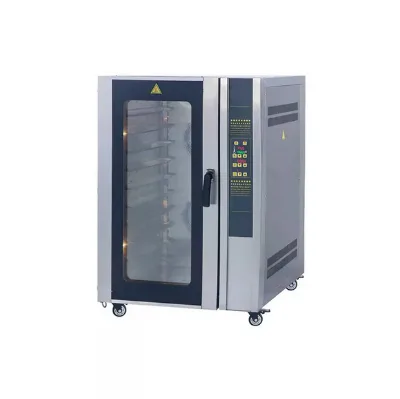
Restaurant Commercial Convection Oven Electric 10 Trays Electric Convection Oven
$1500.00 - $2000.00
MOQ: 1 Pieces

Convection Oven Electric Heating Hot Air Convection Oven for Heating Food
$1044.00 - $1144.00
MOQ: 1 Pieces
Guangzhou Bochang Catering Equipment Co., Ltd.
- Verified by SGS Group
- Manufacturer, Trading Company
- Lead time15 days
- Avg. response≤ 1h
Main productsStainless Steel Kitchen Equipment, Snacks Equipment, Food Machinery and Equipment
Main marketsSoutheast Asia(30%), Domestic Market(30%), Western Europe(20%)
Guangzhou Bochang Catering Equipment Co., Ltd.
- Manufacturer, Trading Company
- Lead time旺季: "1 - 10":7,"> 10":"To be negotiated", 淡季: "1 - 10":7,"> 10":"To be negotiated"
- Avg. response≤ 3h
Main productsCommercial Kitchen Combination Oven,Commercial Deep Fryer,Commercial Grill/Barbecue Grill,Commercial Ice Cream machine,Waffle Maker
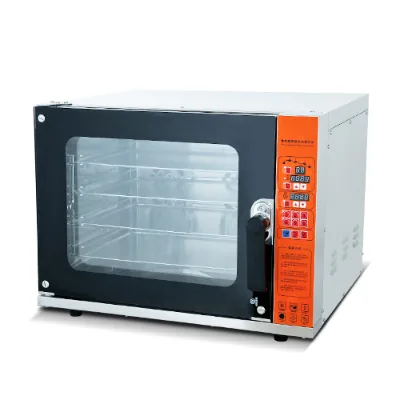
Good Quality Ovens Commercial Equipment Electric Baking Oven Pizza Cone Mini Oven
$350.00 - $378.00
MOQ: 1 pieces
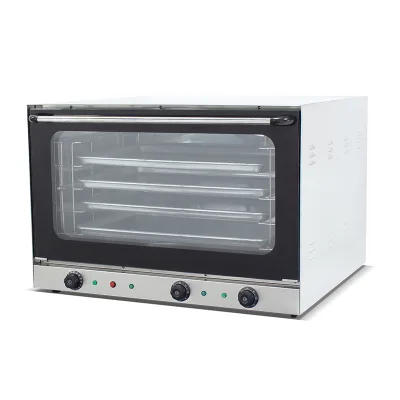
$205.9056 - $226.4974
MOQ: 1 pieces
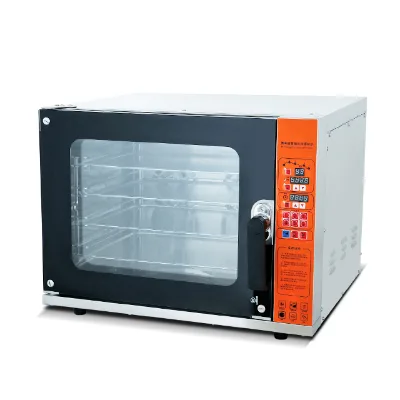
Factory Price Hot Sale Commercial 4 Trays Ovens Electric Convection Oven With Steam Function
$360.5874 - $389.4342
MOQ: 1 pieces
Guangzhou Tailang Industrial Co., Ltd.
- Verified by TüVRheinland
- Trading Company
- Lead time20 days
- Avg. response≤ 2h
Main productsKitchen Equipments, Snack Machines, Stainless Steel Equipments, Bakery Equipments, Refrigerating Machines
Main marketsSouth America(30%), Mid East(20%), North America(10%)

Guangzhou Hongyi Catering Equipment Co., Ltd
- Verified by TUVRHEINLAND
- Combined
- China Guangdong
- Lead time15 days
- Avg. response≤ 8h
Main productsDeep Fryer, Marinating Machine, Grill, Oven, Ice Cream Machine, Commercial Cooking Machine
Main marketsDomestic

Commercial Oven 5 Tray Electric Convection Oven Commercial Electric Convection Baking Equipment
$1077.00 - $1160.00
MOQ: 1 Pieces


8 Trays Hot Air Convection Bread Baking Electric Convection Bread Oven
$1486.00 - $1600.00
MOQ: 1 Pieces

Guangzhou Longterm Kitchen Equipment Co., Ltd.
- Verified by SGS Group
- Trading Company
- Lead time15 days
- Avg. response≤ 2h
Main productsFood Processing Machine, Bakery Equipment, Western Kitchen Equipment, Refrigeration Equipment, Bar Beverage Equipment
Main marketsSouthern Europe(15%), South America(10%), Africa(10%)
Guangzhou Baokang Western Kitchen Equipment Factory
- Verified by Intertek
- Manufacturer, Trading Company
- Lead time30 days
- Avg. response≤ 4h
Main productsFryer, Food Warmer, Griddle, Waffle Maker, Popcorn Machine
Main marketsEastern Europe(45%), Southeast Asia(20%), Africa(20%)

Shijiazhuang Haidier Machinery Export Co., Ltd.
- Trading Company
- Hebei, China
- Lead time15 days
- Avg. response≤ 6h
Main productsfood machine,bakery equipment,baking equipment,bread machine,bakery machine
Main marketsSouthern Europe(11.11%), Central America(11.11%), Eastern Asia(11.11%), Mid East(11.11%), Oceania(11.11%), Africa(11.11%), Southeast Asia(11.11%), South America(11.11%), North America(11.11%), South Asia(0.10%)

Jiangsu Xinyuehai Commercial Kitchenware Co., Ltd
- Verified by SGS
- Combined
- China Jiangsu
- Lead time15 days
- Avg. response≤ 2h
Main productsCatering Equipment, Chinese Stove, Kitchen Equipment, Kitchen Appliance, Gas Stove, Ice Maker Machine, Stainless Steel Shelf, Kitchen Workbench, Refrigerator, Induction Cooker
Main marketsDomestic,Europe


Electric Convection Oven with Glass Window (CE certificate) Stainless Steel
$321.00 - $421.00
MOQ: 1 Sets
Guangzhou Weige Machinery Equipment Co., Ltd.
- Manufacturer, Trading Company
- Lead time旺季: "1 - 1":15,"> 1":"To be negotiated", 淡季: "1 - 1":15,"> 1":"To be negotiated"
- Avg. response≤ 5h
Main productsDeck Oven, Convection Oven, Rotisserie Oven, Pizza Oven, Rotary Oven

HONGKONG FORME ELECTRONIC CO., LIMITED
- Trading Company,Manufacturer/Factory
- China Guangdong
- Lead time0 days
- Avg. response≤ 13h
Main productsKitchen Equipment, Food Machinery, Electric Fryer, Electric Griddle, Popcorn Machine, Bakery Equipment, Kitchen Freezer, Kitchen Chiller, Ice Machine, Food Blender
Main marketsSouth America,Eastern Europe,Mid East,North America,Southeast Asia,Eastern Asia,Oceania,Western Europe,Africa
Guangzhou Sizhi Electromechanical Equipment Co., Ltd.
- Manufacturer
- Guangdong, China
- Lead time45 days
- Avg. response≤ 4h
Main productsKitchen Equipment,Catering Equipment,Commercial Fryer,Commercial Waffle Maker,Commercial Contact Grill
Main marketsMid East(20.00%), Northern Europe(20.00%), South Asia(20.00%), South America(20.00%), Africa(10.00%), Domestic Market(5.00%), Eastern Europe(5.00%)
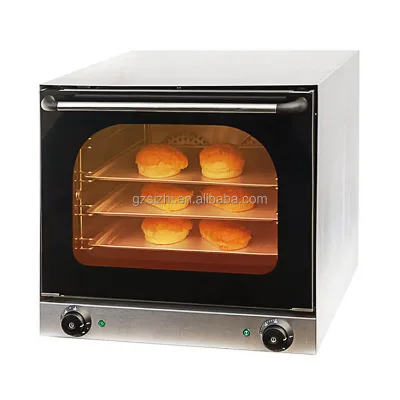
Commercial Kitchen Equipment Electric Convection Oven for Baking Cookies Cake Bread
$170.68 - $196.52
MOQ: 10 sets
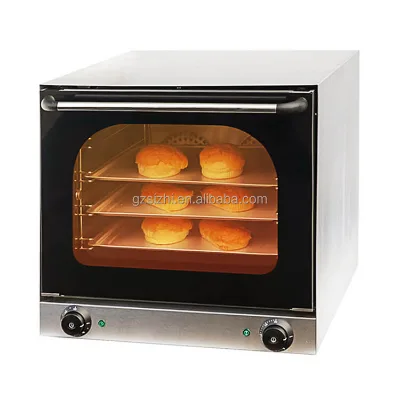
Commercial 3 Layer 28 Liters Electric Hot Air Convection Oven for Cake Pizza Roasting
$170.68 - $196.52
MOQ: 10
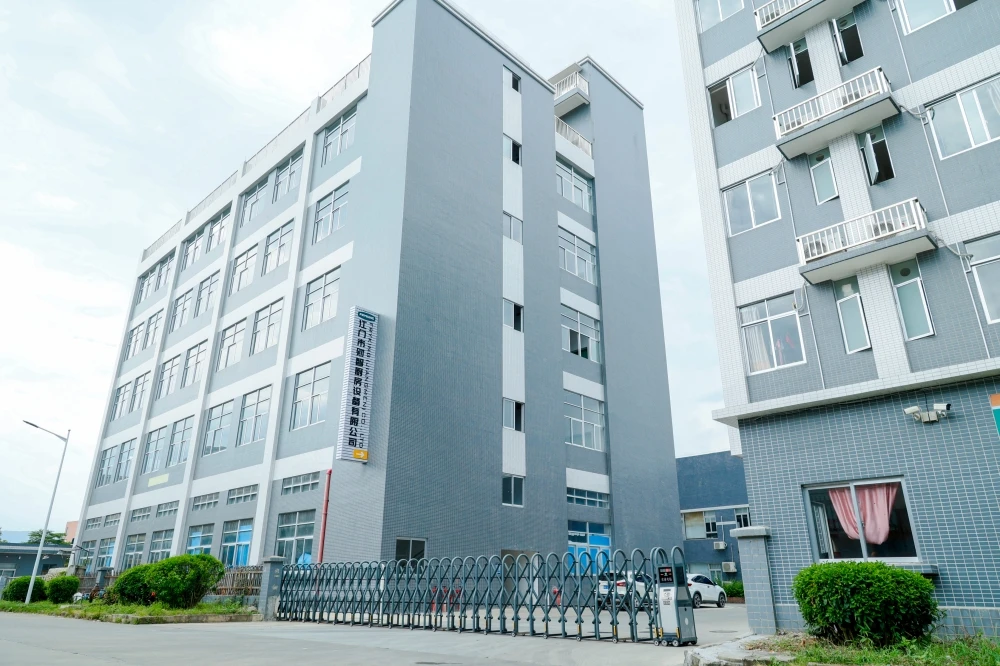
- Manufacturer, Trading Company
- Guangdong, China
- Lead time30 days
- Avg. response≤ 3h
Main productsFryer,Griddle,Warming Cabinet,Oven,Marinator
Main marketsDomestic Market(59.00%), North America(15.00%), Western Europe(15.00%), Eastern Europe(1.00%), South Asia(1.00%), Southern Europe(1.00%), Northern Europe(1.00%), Central America(1.00%), South America(1.00%), Eastern Asia(1.00%), Mid East(1.00%), Oceania(1.00%), Africa(1.00%), Southeast Asia(1.00%)
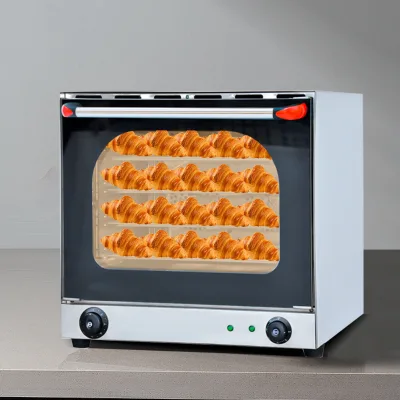
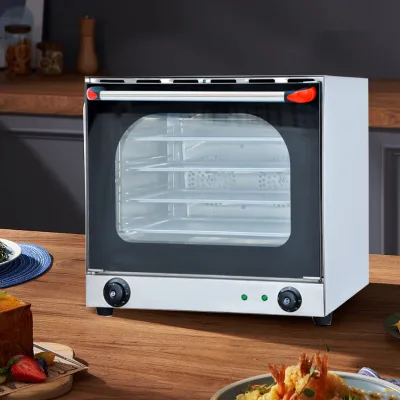
Versatile Countertop Universal Convection Oven Cooking Commercial Electric Oven Convection for Sale
$175.00 - $210.00
MOQ: 2 units

Guangzhou Bakestar Machinery Co.,Ltd
- Combined
- China Guangdong
- Lead time15 days
- Avg. response≤ 11h
Main productsBaking Ovens, Bakery Equipments, Bakery Machines, Rotary Ovens, Moulders, Bread Machine, Pizza Oven, Pita Bread Machine, Tunnel Ovens, Baking Oven
Main marketsDomestic
Guangzhou Gainco Catering Equipment Co., Ltd.
- Verified by Intertek
- Manufacturer, Trading Company
- Lead time35 days
- Avg. response≤ 14h
Main productsFryer, Griddle, Oven, Salamander, Food Warmer
Main marketsWestern Europe(50%), Africa(15%), Southern Europe(15%)
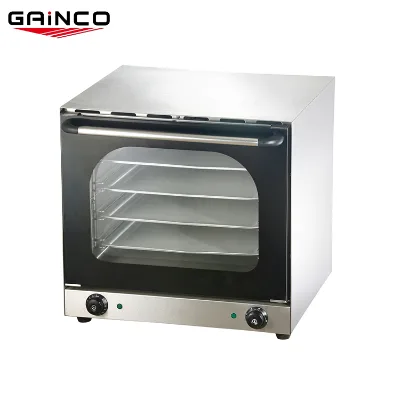
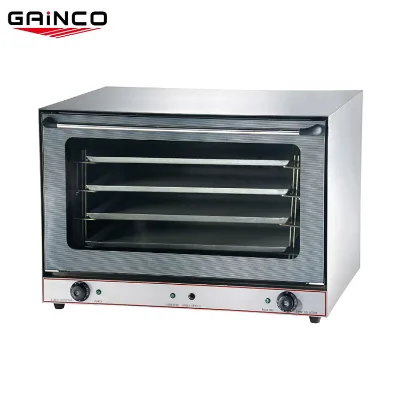
Restaurant Kitchen Electric French Convection Baked Potato Oven
$234.72 - $260.80

BestBake Machinery Technology (Zhaoqing) Co.,Ltd
- Verified by BV
- Combined
- China Guangdong
- Lead time30 days
- Avg. response≤ 5h
Main productsBakery Equipment, Dough Mixer, Baking Oven, Pizza Oven, Bread Oven, Baking Machine, Bakery Machine, Donuts Machine, Bread Machine, Rotary Oven
Main marketsSouth America,Africa,Southeast Asia/ Mideast,East Asia(Japan/ South Korea),Europe,North America
Henan Jinfuda Trading Co., Ltd.
- Trading Company
- Lead time旺季: "1 - 1":15,"> 1":"To be negotiated", 淡季: "1 - 1":15,"> 1":"To be negotiated"
- Avg. response≤ 3h
Main productsFruit Vegetables Processing Machines, Meat Processing Machines, Bakery Pastry Processing Machines, Snack Processing Machines, Packaging Machines
Henan Finer Electromechanical Equipment Co., LTD.
- Verified by SGS Group
- Trading Company
- Lead time0 days
- Avg. response≤ 2h
Main productsDumpling Machine, Cookie Machine, Bakery Equipment, Commercial Kitchen Equipment, Packing Machine
Main marketsNorth America(40%), Oceania(25%), Western Europe(18%)
Guangzhou R&M Machinery Co., Ltd.
- Verified by SGS Group
- Manufacturer, Trading Company
- Lead time0 days
- Avg. response≤ 4h
Main productsBaking Equipment, Bakery Oven, Snack Food Machine, Bakery Mixer, Kitchen Equipment
Main marketsSoutheast Asia(25%), Africa(25%), North America(10%)
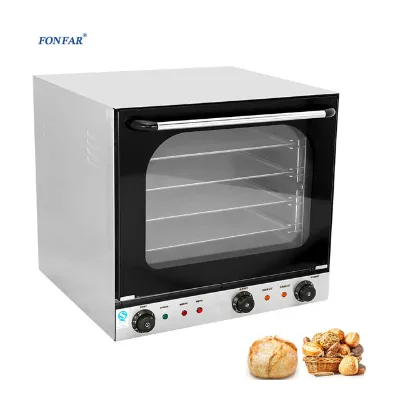


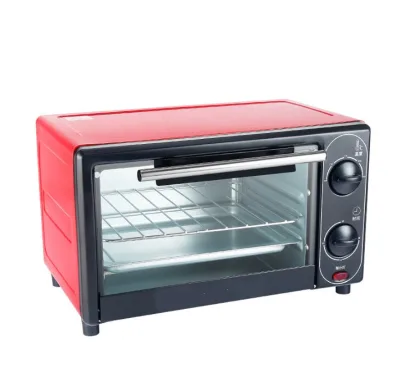
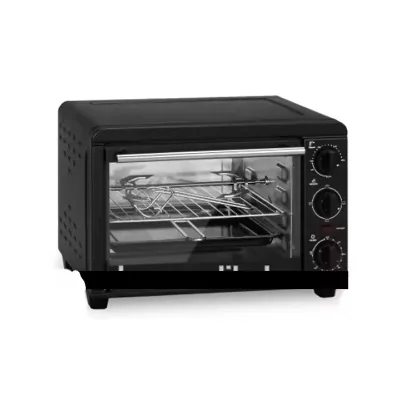
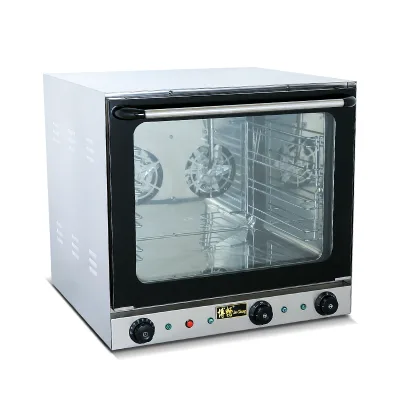
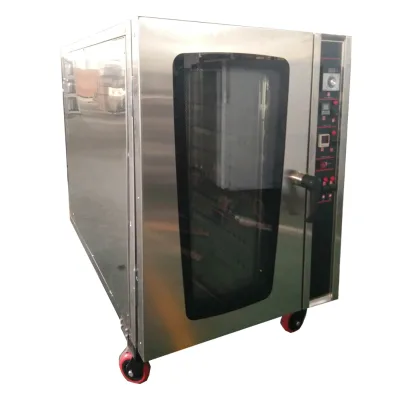

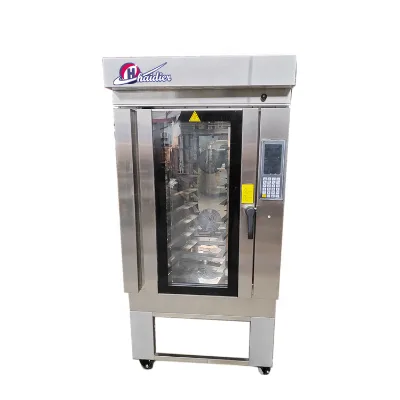

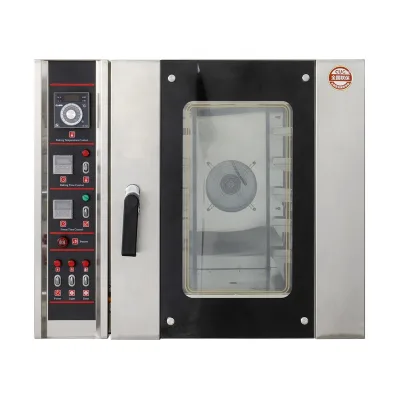



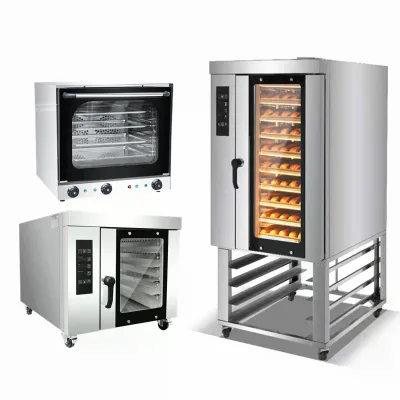
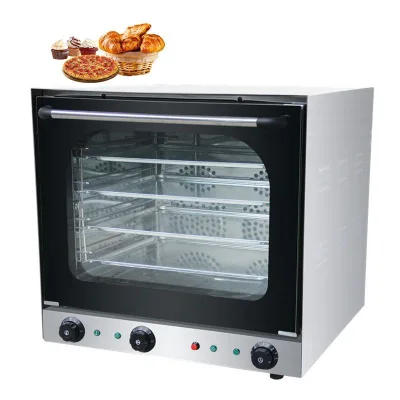
Comprehensive Sourcing Guide
Mini Electric Convection Oven Supplier Concentration and Factory Types
The available data indicates a significant concentration of manufacturing activity in China, specifically within the Guangdong region. This area serves as a primary hub for the production of kitchen equipment, food machinery, and bakery appliances. When evaluating potential partners, buyers should prioritize suppliers whose location data explicitly confirms operations in this specific province, as it correlates with established supply chains for industrial baking machinery. The presence of manufacturers in this cluster suggests access to specialized components and a mature ecosystem for commercial kitchen solutions.
Supplier types in this category vary between direct manufacturers and trading companies. The observed results include entities classified as Manufacturer/Factory, which typically offer OEM, ODM, and own-brand capabilities. These facilities often possess the capacity to customize voltage, power sources, and dimensions to meet specific operational needs. Conversely, some results list Trading Companies, which may aggregate products from various factories. Buyers must distinguish between these entity types to understand the directness of the supply chain, as manufacturers often provide more direct technical support for complex machinery like convection ovens compared to intermediaries.
How to Verify Mini Electric Convection Oven Suppliers
Verification begins with scrutinizing system certifications and product-specific compliance data. The current results show that some suppliers hold ISO 9001 system certification, which is a baseline indicator of quality management processes. Additionally, product listings for electric convection ovens frequently display CE and CCC certifications, confirming adherence to specific safety and electrical standards required for commercial use. Buyers should request valid certificates that match the specific model numbers provided in the product attributes, ensuring the certification applies to the exact machinery being sourced rather than a generic company claim.
Response time and lead time data offer critical insights into supplier reliability and operational capacity. Observed response times vary, with some suppliers indicating a response metric around 5.82, while others show a value of 4. These figures help gauge communication efficiency, which is vital for resolving technical queries regarding voltage or power requirements. Lead times are also documented, with standard periods often listed as 15 days for smaller orders. However, for larger volumes exceeding 50 units, the lead time may shift to a "To be negotiated" status. Buyers must verify these timelines directly with the supplier to confirm current production schedules and avoid delays in project planning.
What to Compare Across Mini Electric Convection Oven Suppliers
Comparing suppliers requires a detailed analysis of product specifications, particularly power sources and voltage compatibility. The market data reveals a mix of electric and gas-powered units, with electric models commonly operating at 220V and varying power ratings from 2.85kW to 16kW. Some units feature mechanical timer controls, while others include timing devices or advanced temperature ranges up to 400°C. Buyers must align these technical attributes with their facility's electrical infrastructure and intended usage, such as commercial catering or bakery production, to ensure the equipment functions correctly without requiring costly retrofitting.
Pricing structures and minimum order quantities (MOQ) also differ significantly across the supplier base. While some listings indicate a price point around 520.00 or 5798.00 with an MOQ of 1, other entries show a price of -1.00, which typically signifies that the price is not publicly listed and requires direct negotiation. This variance underscores the importance of requesting a formal quotation for the specific model and quantity required. Additionally, suppliers may offer different customization options, ranging from non-customized standard units to fully customized solutions. Buyers should compare the total cost of ownership, including shipping and potential customization fees, rather than relying solely on the listed minimum price.
Common Mini Electric Convection Oven Sourcing Risks
One primary risk involves the discrepancy between advertised specifications and actual product capabilities. Product attributes sometimes list conflicting information, such as a power source listed as electric in one section and gas in another for similar model numbers. This inconsistency can lead to the procurement of equipment incompatible with the buyer's power supply. Furthermore, dimensions and weight data vary widely, with some units weighing as little as 38kg while others exceed 230kg. Buyers must verify the physical dimensions and weight against their available floor space and logistics capabilities to prevent installation failures or shipping complications.
Another significant risk relates to after-sales support and warranty terms. While some product listings explicitly state a one-year warranty and offer online support or free spare parts, other entries lack clear warranty details. The availability of local service locations in regions like Vietnam, the Philippines, Thailand, and the UAE is a critical factor for international buyers. Without confirmed local service partners, maintenance and repairs may become difficult and expensive. Buyers should explicitly confirm the scope of the warranty and the availability of technical support in their specific region before finalizing any purchase agreement.
Mini Electric Convection Oven Regional Sourcing and Logistics
The primary sourcing region identified is Guangdong, China, which serves as the origin for the majority of the observed products. The port of dispatch for these shipments is frequently listed as Guangzhou, a major logistics hub that facilitates efficient export operations. Understanding the specific port of origin is essential for calculating accurate freight costs and transit times. Buyers should verify the exact port of dispatch for each supplier, as variations can impact the overall logistics timeline and cost structure. Additionally, the place of origin is consistently noted as Guangdong, China, reinforcing the regional concentration of this manufacturing sector.
Packaging and shipping details are vital for protecting the equipment during transit. Product attributes indicate that units are often packed in export cartons or standard carton boxes, with specific single package sizes provided for some models. For instance, certain ovens have a single package size of 50x40x40 cm, while others may have larger dimensions. Buyers must ensure that the packaging details align with their shipping container requirements to maximize space utilization and minimize damage risks. Furthermore, the supply ability, such as 500 pieces per month, helps buyers assess whether a supplier can meet large-scale demand without compromising on packaging quality or delivery schedules.
Mini Electric Convection Oven Commercial Terms and Order Planning
Order planning must account for the variability in lead times based on order volume. Data suggests that for orders between 1 and 50 units, the lead time is typically 15 days, but for quantities exceeding 50 units, the timeline becomes negotiable. This distinction is crucial for buyers planning large-scale deployments or restocking cycles. Early engagement with suppliers to confirm production slots is necessary to secure the 15-day window. Buyers should also consider the impact of peak seasons, as some suppliers note that lead times may extend during high-demand periods, requiring earlier order placement to avoid delays.
Commercial terms regarding payment and customization should be clarified before placing an order. While some suppliers offer customization services, others list products as non-customized. Buyers needing specific voltage configurations, dimensions, or branding must confirm the availability of these services and any associated costs. Additionally, the presence of escrow services or specific payment terms should be verified to ensure financial security. The supply ability of 500 pieces per month indicates a capacity for medium-to-large orders, but buyers should confirm if this capacity is consistent year-round or subject to seasonal fluctuations. Clear communication on these terms prevents misunderstandings and ensures a smooth transaction process.
FAQs
What is the price range for mini electric convection ovens?
Mini electric convection ovens are available at a fixed price of 520.00 USD for specific models. Other larger commercial units may cost around 5798.00 USD. Prices vary based on capacity and features, so buyers should check individual product listings for exact quotes and confirm current market rates before ordering.
What is the minimum order quantity for these ovens?
The minimum order quantity is typically one unit for mini electric convection ovens. This low MOQ allows buyers to test quality before placing larger orders. Suppliers generally accept single-unit purchases, making it easy to source samples or small batches for initial commercial kitchen setups or bakery trials without high inventory risk.
How long does delivery take for these ovens?
Standard lead times are approximately 15 days for orders ranging from one to fifty units. For larger quantities exceeding fifty units, delivery schedules may need to be negotiated directly with the supplier. Buyers should confirm specific timelines during the inquiry phase to ensure alignment with their operational launch dates.
Are these ovens customizable for commercial use?
Customization is available for many Mini Electric Convection Oven models, including OEM and ODM services. Buyers can often select specific voltages, power sources, and dimensions. However, some standard models are non-customized. It is essential to verify customization options and technical specifications with the supplier before finalizing the purchase agreement.
What certifications do these ovens typically have?
Many mini electric convection ovens carry CE and CCC certifications, ensuring compliance with safety standards. The manufacturing facilities often hold ISO 9001 system certification. Buyers should request valid certification documents for each specific model to verify regulatory compliance for their target market before importing or installing the equipment in their facility.
Where are these ovens manufactured?
These ovens are primarily manufactured in China, with specific origins noted in Guangdong and Guangzhou. Buyers should verify the exact place of origin for each product listing. Understanding the manufacturing location helps in assessing logistics costs, import duties, and supply chain reliability for international procurement of commercial kitchen equipment.