Modern Pudding Bottle Suppliers and Manufacturers in China
Compare 28 verified suppliers of Modern Pudding Bottle based on location, lead times, certifications, and pricing. Review product specifications like ISO standards and MOQs to select the right factory for your needs; review the available evidence before requesting comparable quotations from suitable candidates.
Updated
Suppliers List

Ningbo Beixuan International Trading Co., Ltd.
- Verified by TUVRHEINLAND
- Manufacturer/Factory
- China Zhejiang
- Lead time15 days
- Avg. response≤ 10h
Main productsPlastic Bottle, Plastic Cup, Plastic Honey Jar, Plastic Food Container, Glass Juice/ Beverage Bottle, Glass Jar, Glass Wine Bottle, Glass Essential Oil Bottles, Cosmetic & Perfume Glass Bottles, Paper Cup
Main marketsSouth America,Eastern Europe,Mid East,North America,Southeast Asia,Eastern Asia,Oceania,Western Europe,Africa


500ml Short Bottle Yogurt Glass Bottle Pudding Glass Bottle Square Glass Bottle
$0.08 - $0.24
MOQ: 5000 Pieces


Anhui Creative Packaging Technology Co., Ltd.
- Verified by SGS Group
- Manufacturer, Trading Company
- Lead time15 days
- Avg. response≤ 4h
Main productsGlass Jar, Aluminum Can, Plastic Preform, Tinplate Lid, Glass Bottle
Main marketsSouth America(30%), Southern Europe(20%), Northern Europe(10%)
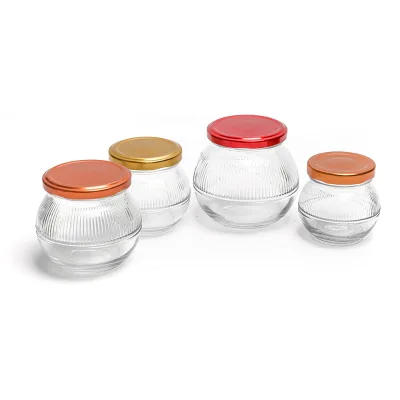
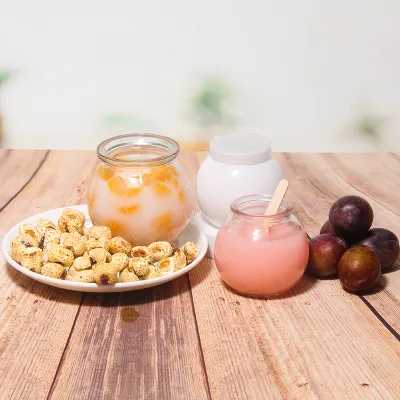
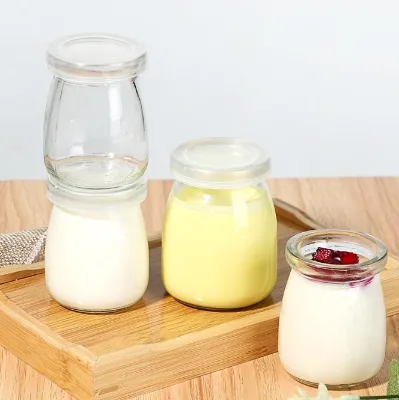
100ml 150ml 200ml 300ml Clear Round Pudding Milk Bottle with Lid for Pudding and Customized logo
$0.12 - $0.16
MOQ: 5000 pieces
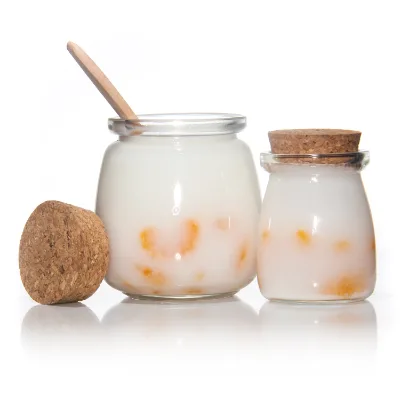
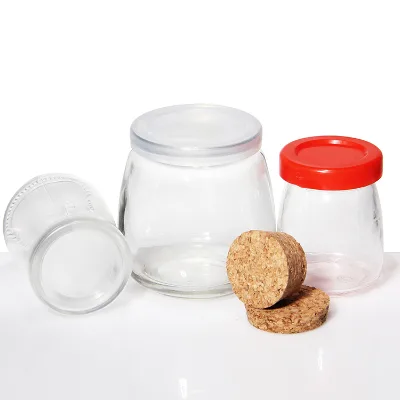
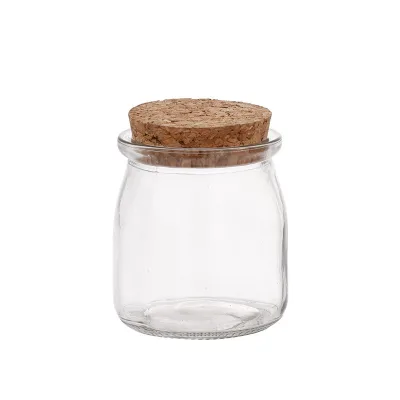
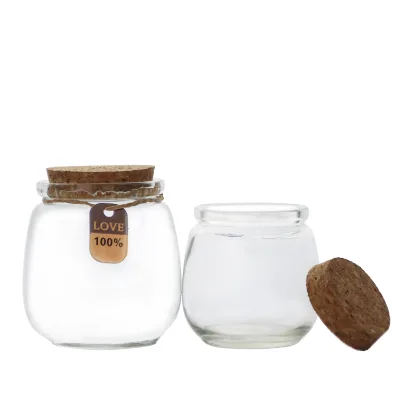
In Bulk 150ml Yogurt Pudding Jars Small Glass Yogurt Pudding Jars with Cork Lids
$0.12 - $0.16
MOQ: 5000 pieces

Xuzhou Crystal Glass Products Co., Ltd.
- Verified by SGS
- Trading Company
- China Jiangsu
- Lead time30 days
- Avg. response≤ 4h
Main productsGlass Bottle, Beverage Bottle, Wine Bottle, Mason Jar, Food Storage Jar, Spice Bottle, Spice Grinder, Table Glassware, Cosmetic Bottle, Cup
Main marketsOthers(foreignTradeCapacity.exportBusinessCapacityMarketOther),Europe


100ml 150ml 200ml Glass Pudding Jar with Plastic Lid for Pudding Yogurt Packing
$0.20 - $0.30
MOQ: 5000 Pieces


JINAN FLAME GLASSWARE COMPANY LIMITED
- Verified by SGS
- Trading Company
- China Shandong
- Lead time23 days
- Avg. response≤ 19h
Main marketsDomestic

Xuzhou Huiming Glass Technology Co., Ltd.
- Manufacturer, Trading Company
- Jangsu, China
- Lead time15 days
- Avg. response≤ 2h
Main productsCosmetic Bottle,Perfume Bottle,Water Cup,Candle Jar,Oil Pot
Main marketsNorth America(50.00%), Domestic Market(30.00%), Southeast Asia(10.00%), Western Europe(10.00%)

LIANYUNGANG KAESHING INTERNATIONAL TRADING CO., LTD.
- Verified by TUVRHEINLAND
- Trading Company
- China Jiangsu
- Lead time15 days
- Avg. response≤ 4h
Main productsGlass Bottle, Glass Jar, Glass Cup, Glassware, High Borosilicate Glass Jar Bottle Mug, Glass Perfume Bottle, Glass Mug, Glass Decanter, Storage Jar, Fused Silica
Main marketsNorth America


Food Packaging Very Cheaper Wide Mouth Glass Square Shape Pudding Bottle
$0.089 - $0.246
MOQ: 10000 Pieces


Square Shape Pudding Bottle/Transparent Jar/Metal Cap/Customsize Jar/Jam Jar/Pickles Jar
$0.096 - $0.15
MOQ: 10000 Pieces

$0.12 - $0.23
MOQ: 5000 Pieces
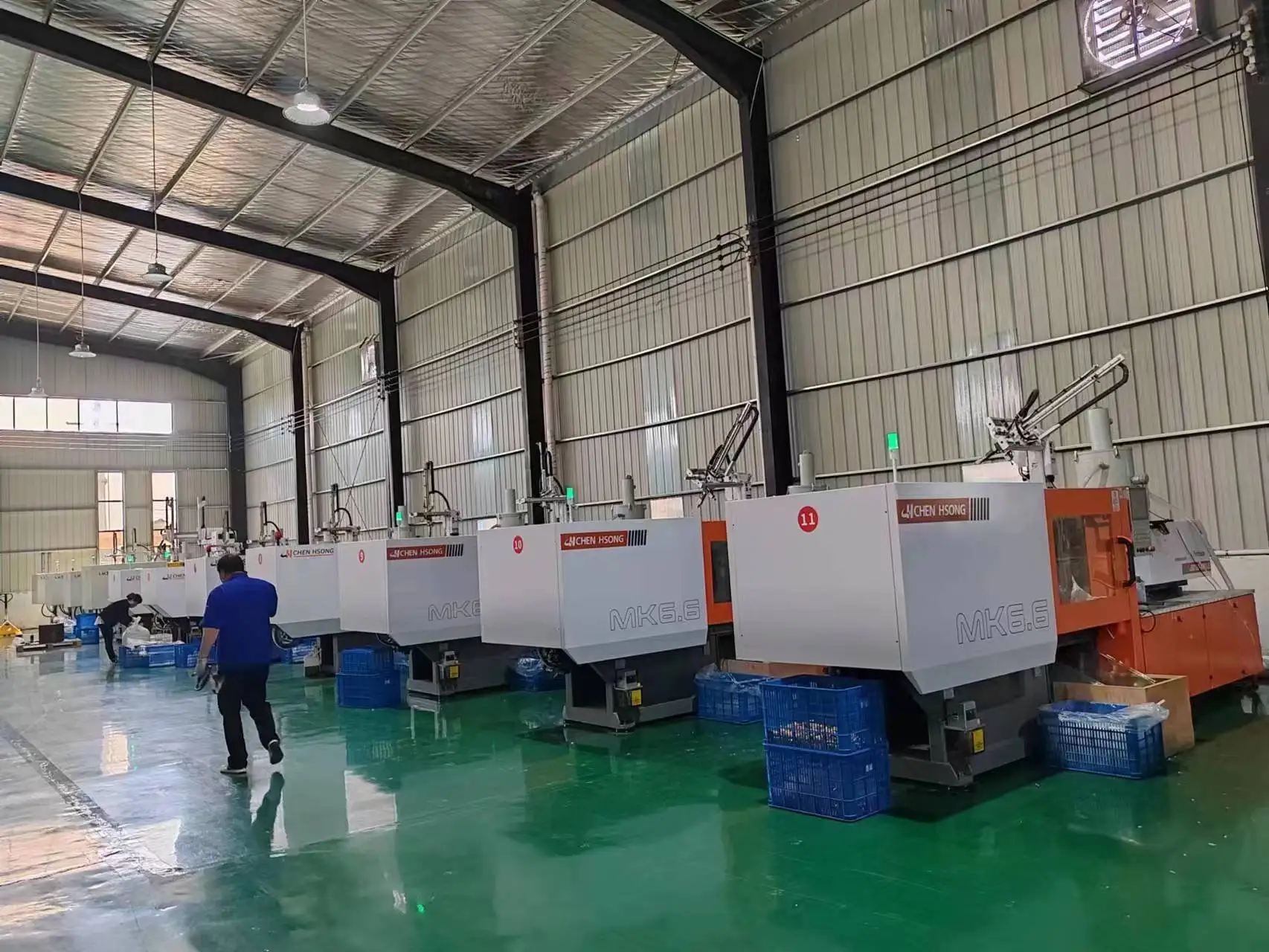
Xuzhou Haoboyang Glass Products Co., Ltd.
- Manufacturer, Trading Company
- Jiangsu, China
- Lead time30 days
- Avg. response≤ 3h
Main productsCR Jar,Glass Bottle,Cosmetic Bottles,Perfume Glass Bottles,Glass Tube Bottles
Main marketsDomestic Market(19.00%), North America(18.00%), Western Europe(10.00%), Oceania(9.00%), Southern Europe(8.00%), South America(5.00%), Eastern Europe(5.00%), Eastern Asia(5.00%), Africa(5.00%), Southeast Asia(5.00%), Mid East(4.00%), South Asia(3.00%), Northern Europe(3.00%), Central America(1.00%)
Ningbo Eversun Glass Product Co., Ltd.
- Verified by SGS Group
- Trading Company
- Lead time15 days
- Avg. response≤ 5h
Main productsGlass Bottle, Glass Jar, Glass Cup, Glass Essential Oil Bottle, Glass Candle Jar
Main marketsNorth America(20%), Mid East(20%), Southeast Asia(16%)
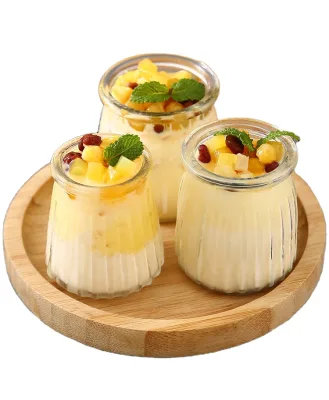
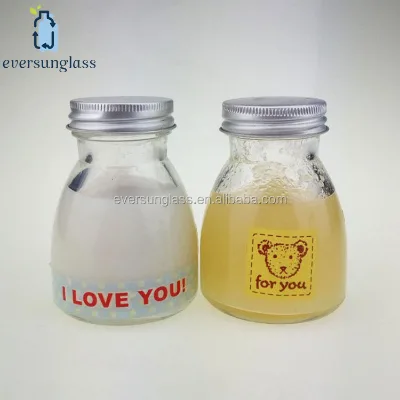
100ml Small Transparent Clear Glass Pudding Milk Jar Bottle With Spiral Aluminum Cover
$0.0514 - $0.144
MOQ: 5 pieces
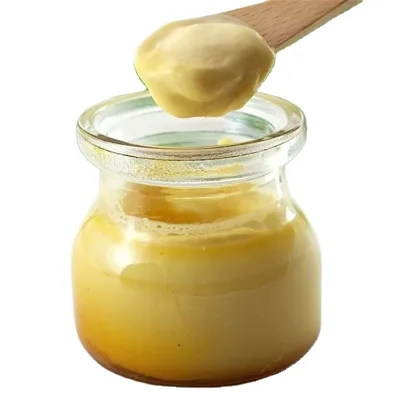
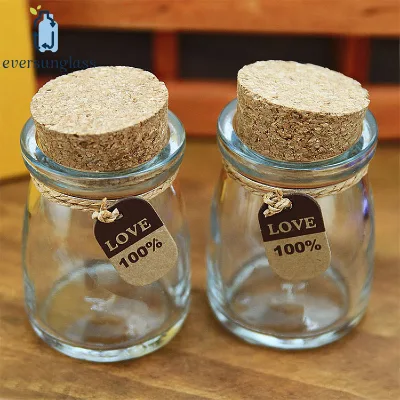
100ml 150ml 200ml Pudding Jar Glass With Cork Lid
$0.03 - $0.12
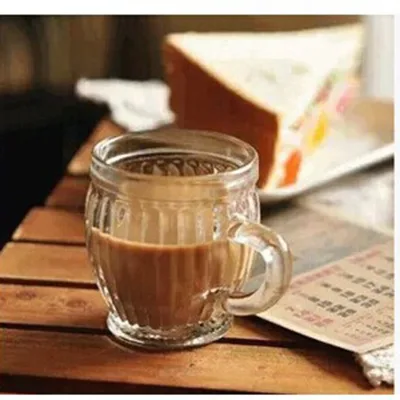
New High Quality 130ml corrugated Glass Pudding Jars With Lid and handle for milk tea coffee honey
$0.1649 - $0.1754
MOQ: 5 pieces
Hefei reihey Imp.&Exp. Co.,Ltd
- Trading Company
- Anhui, China
- Lead time10 days
- Avg. response≤ 6h
Main productsDrinkware,Barware,Dinnerware,Glass packing,Cookware
Main marketsEastern Europe(30.00%), North America(30.00%), Western Europe(12.00%), Southern Europe(10.00%), Oceania(10.00%), Eastern Asia(10.00%)

Zibo Chuangxinzhe International Trade Co., Ltd
- Verified by TUVRHEINLAND
- Trading Company
- China Shandong
- Lead time15 days
- Avg. response≤ 3h
Main productsGlass Bottle, Glass Jar, Bottle, Glass Storage Jar, Glass Tube, Mason Jar, Food Jar, Dropper Bottle, Empty Candle Jars, Perfume Bottle
Main marketsSouth America

Glass Dessert Jam Jar Jelly Milk Shake Glass Yogurt Bottle Pudding Bottle with Lid
$0.05 - $0.50
MOQ: 5000 Pieces


100ml 150ml 200ml Dessert Cup with Lid Yogurt Bottle Glass Pudding Jar Milk Bottle
$0.05 - $0.50
MOQ: 5000 Pieces

150ml Thickened Pudding Jar Juice Bottle Yogurt Bottle Jam Jar Storage Bottle
$0.05 - $0.50
MOQ: 5000 Pieces
Xuzhou Huajing Glass Products Co., Ltd.
- Trading Company
- Jiangsu, China
- Lead time20 days
- Avg. response≤ 7h
Main productsglass bottle,Glass Jar,cosmetic glass jar,borosilicate glass bottle,glass cup
Main marketsNorth America(15.00%), Eastern Asia(10.00%), Mid East(10.00%), Africa(10.00%), Southeast Asia(10.00%), Eastern Europe(10.00%), Central America(10.00%), South Asia(5.00%), Southern Europe(5.00%), Northern Europe(5.00%), South America(5.00%), Western Europe(5.00%)
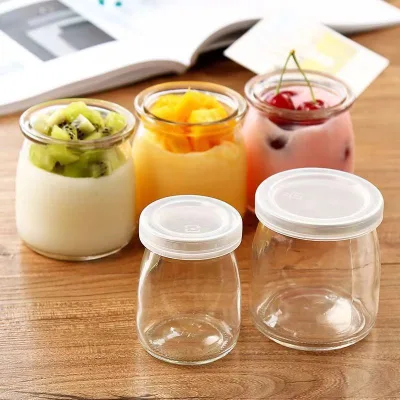
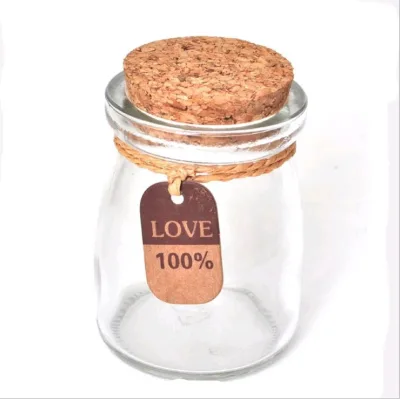
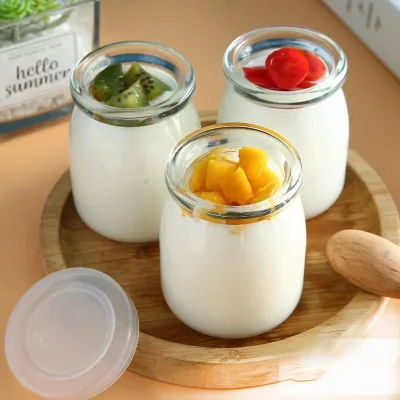
$0.1042 - $0.3133
MOQ: 1000 Minimum

Xuzhou Ahanse Glass Products Co., Ltd.
- Trading Company
- Jiangsu, China
- Lead time0 days
- Avg. response≤ 5h
Main productsglass bottle,High borosilicate glass,glass jar,perfume glass bottle,supplement glass bottle
Main marketsNorth America(30.00%), Eastern Europe(10.00%), South America(10.00%), Southeast Asia(8.00%), Central America(5.00%), Western Europe(5.00%), Northern Europe(5.00%), Mid East(5.00%), Oceania(5.00%), Southern Europe(3.00%), Eastern Asia(3.00%)
Jinan Jinhui Dadi Trading Co., Ltd.
- Verified by TüVRheinland
- Trading Company
- Lead time15 days
- Avg. response≤ 2h
Main productsSalt And Pepper Grinder, Plastic Package Products, Spice Bottle
Main marketsNorth America(35%), South America(25%), Oceania(12%)
Xuzhou Bolite Import & Export Trading Co., Ltd.
- Verified by SGS Group
- Trading Company
- Lead time30 days
- Avg. response≤ 3h
Main productsGlass Bottle and Accessories
Main marketsSoutheast Asia(26%), South Asia(12%), Domestic Market(12%)
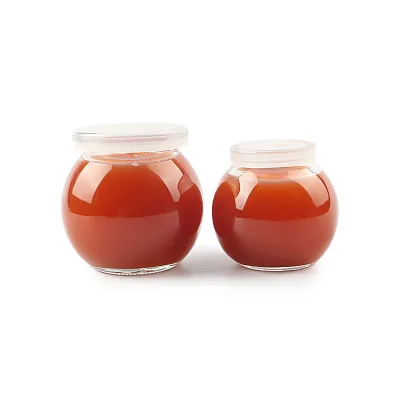
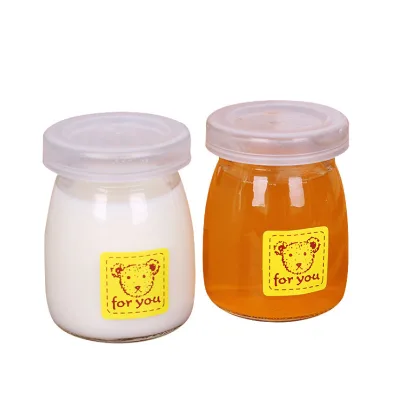
Unique Shape Food Grade Glass Pudding Jar with Lids for Milk Pudding Storage & Container
$0.36 - $0.38
MOQ: 5000 pieces
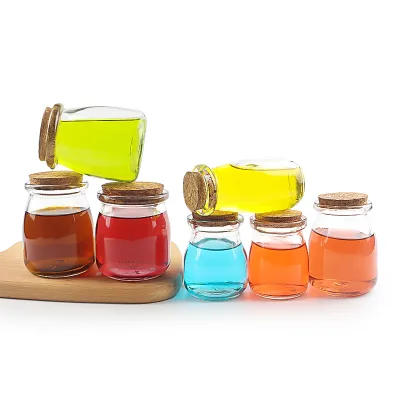
$0.22 - $0.34
MOQ: 1000 pieces
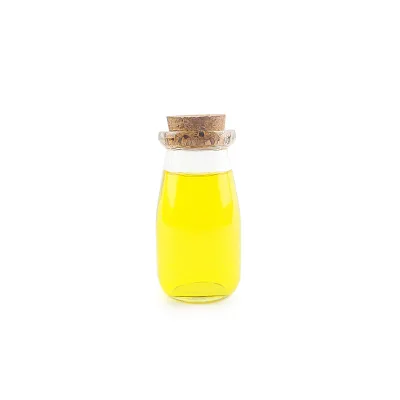
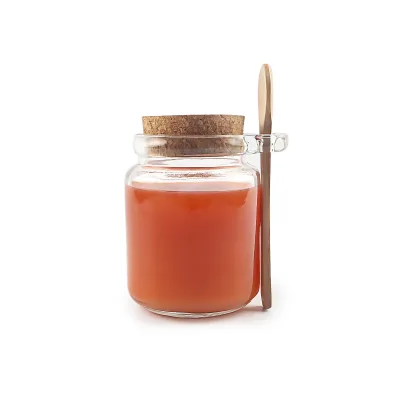
200ml 100ml Wholesale clear Small Milk Pudding Yogurt Glass Pots Jar With Lid and Spoon
$0.12 - $0.20
MOQ: 5000 pieces
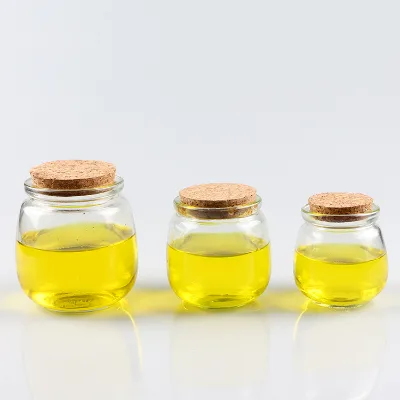
$0.2788 - $0.4527
MOQ: 100 pieces
- Verified by TüVRheinland
- Manufacturer, Trading Company
- Lead time25 days
- Avg. response≤ 3h
Main productsDrinkware, Ceramicware, Barware, Kitchenware, Glass Bottles
Main marketsNorth America(20%), South America(20%), Southeast Asia(20%)
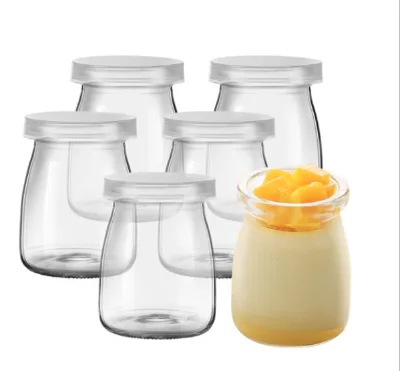
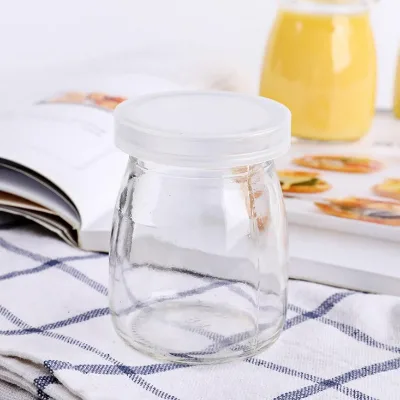
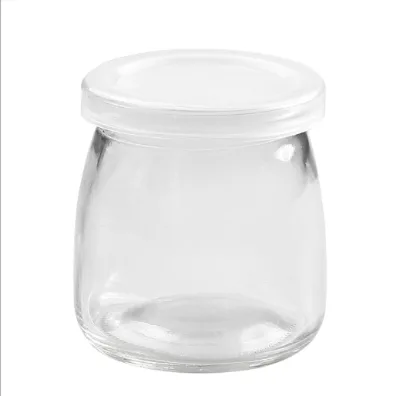
Cheap and Small Stock Pudding Bottle 100ml 50ml Pudding Yogurt Glass Jars with Metal Tin Lid
$0.12 - $0.20
MOQ: 1000 pieces
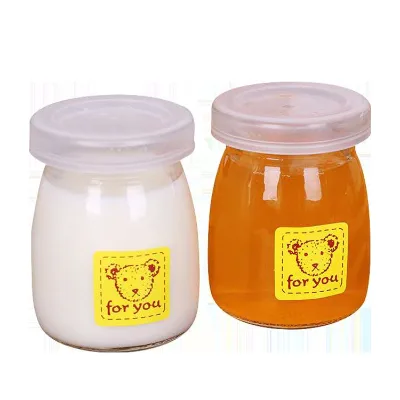
wholesale 100ml pudding glass jar / bottle with cute face decal milk glass bottle
$0.10 - $0.20
MOQ: 1000 pieces
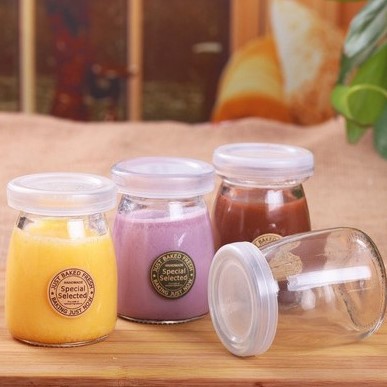
MOQ: 3000
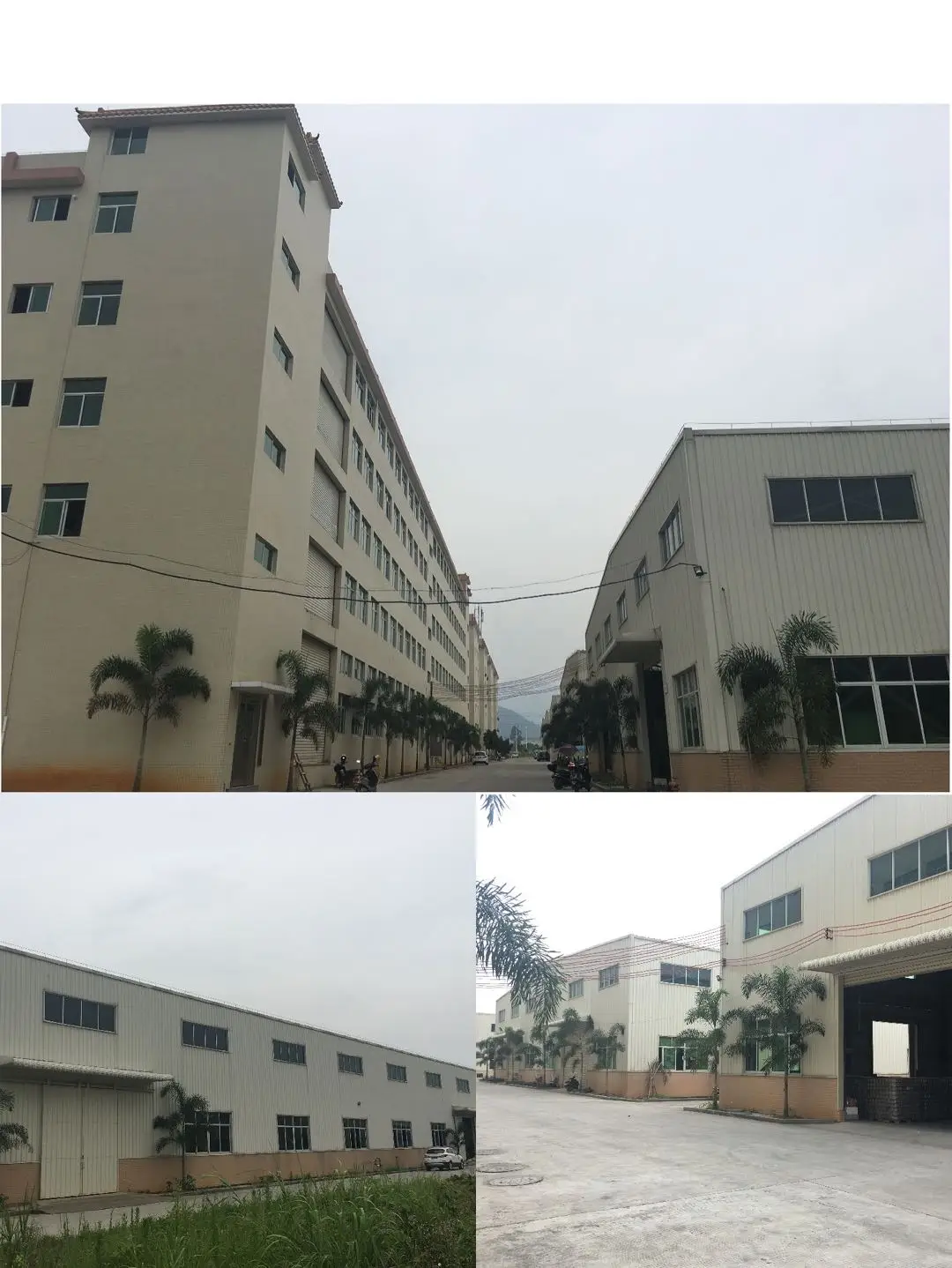
Xiamen Love Houseware Products Co., Ltd.
- Manufacturer, Trading Company
- Fujian, China
- Lead time30 days
- Avg. response≤ 2h
Main productsGlass baby bottle,Glass water bottle,Glass Wine bottle,Glass Storage Bottle,Glass Beer Bottle
Main marketsSouth America(20.00%), North America(20.00%), Northern Europe(15.00%), Central America(10.00%), Africa(8.00%), Mid East(8.00%), Southern Europe(5.00%), Eastern Europe(5.00%), Western Europe(5.00%), South Asia(4.00%)

Rizhao Baibo Packaging Co., Ltd.
- Verified by TUVRHEINLAND
- Trading Company
- China Shandong
- Lead time15 days
- Avg. response≤ 4h
Main productsGlass Vase, Glass Jar, Glass Bottle, Glass Beverage, Glass Candlestick Jar, Glass Lampshade
Main marketsNorth America
Xuzhou Maersk Glass Technology Co., Ltd.
- Verified by TüVRheinland
- Manufacturer, Trading Company
- Lead time15 days
- Avg. response≤ 2h
Main productsGlass Bottles, Glass Jars, Violet Glass Jars, Flower Jars, Concentrate Jars
Main marketsNorth America(30%), Southeast Asia(20%), Western Europe(20%)
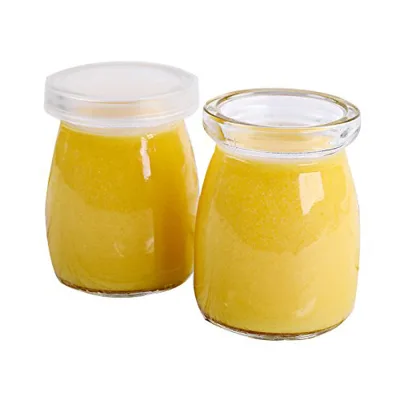
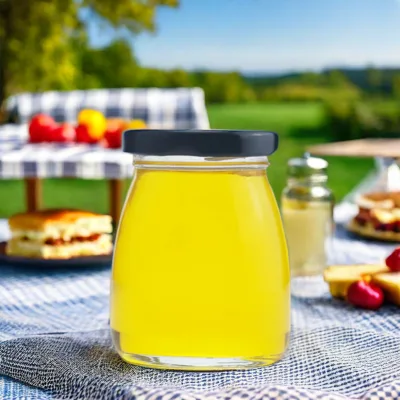
100ml Mini Bottles With Wooden Lids Glass Bottles Pudding Glass Jar With Cork Wooden Stopper
$0.1338 - $0.1964
MOQ: 500 pieces

Xuzhou Shine Packaging Technology Co., Ltd.
- Verified by SGS
- Manufacturer/Factory
- China Jiangsu
- Lead time45 days
- Avg. response≤ 4h
Main productsCosmetic Packaging, Cosmetic Jar, Lotion Bottle, Shampoo Bottle, Sprayer Bottle, Foam Bottle, Acrylic Jar, Dropper Bottle, Airless Bottle, Pet Cosmetic Jar
Main marketsSouth America,Eastern Europe,Mid East,North America,Southeast Asia,Eastern Asia,Oceania,Western Europe,Africa
Hebei Laiyan Technology Co., Ltd.
- Trading Company
- Hebei, China
- Lead time7 days
- Avg. response≤ 2h
Main productsglass storage jar,glass bottles and jars,plastic bottles and jars,aluminum bottles and tins,caps accessories
Main marketsEastern Europe(20.00%), Eastern Asia(20.00%), Africa(15.00%), Western Europe(10.00%), South America(10.00%), North America(10.00%), Oceania(8.00%), Southeast Asia(5.00%), Mid East(2.00%)

Xuzhou Yanjia Glassware Co., Ltd.
- Verified by BV
- Trading Company,Manufacturer/Factory
- China Jiangsu
- Lead time0 days
- Avg. response≤ 5h
Main productsGlass Bottle, Glass Jar, Honey Jar, Wine Bottle, Jam Jar, Juice Bottle, Glass Candle Jar, Tin Lid, Bottle Cap, Perfume Bottle

Clear Manufacturer Custom Logo Water Bottle Glass Milk Pudding Bottle with Caps
$0.27 - $0.42
MOQ: 500 Pieces


Xuzhou Longhua Glass Products Co., Ltd.
- Trading Company
- Jiangsu, China
- Lead time15 days
- Avg. response≤ 2h
Main productsglass bottle,Glass candle holder,Glass storage jar,Glass oil bottle,Cosmetic bottle
Main marketsDomestic Market(10.00%), Africa(10.00%), Southern Europe(10.00%), Eastern Europe(10.00%), South America(10.00%), Northern Europe(10.00%), Oceania(5.00%), South Asia(5.00%), Southeast Asia(5.00%), North America(5.00%), Central America(5.00%), Western Europe(5.00%), Eastern Asia(5.00%), Mid East(5.00%)

ANHUI IDEA TECHNOLOGY IMP AND EXP CO., LTD
- Verified by TUVRHEINLAND
- Trading Company
- China Anhui
- Lead time23 days
- Avg. response≤ 5h
Main productsGlass Jar, Glass Bottle, Pet Preform, Aluminum Cans, Glass Cup, Bottle Caps Jar Lids, Candle Jars, Perfume Bottle, Cosmetic Bottle
Main marketsSouth America,Africa,Southeast Asia/ Mideast,East Asia(Japan/ South Korea),Europe,Australia,North America

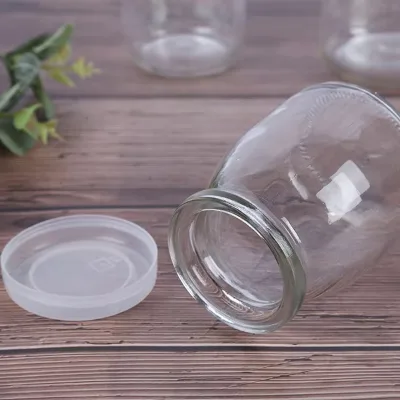
100ml 150ml 200ml Round Pudding Glass Bottle Yogurt Bottles with Plastic Lid
$0.06 - $0.15
MOQ: 10000 Pieces

100ml 150ml 200ml Customized Glass Pudding Yogurt Bottles with Cork Lid
$0.06 - $0.15
MOQ: 10000 Pieces


Xuzhou Huanzhou Glass Technology Co., Ltd.
- Verified by SGS Group
- Manufacturer, Trading Company
- Lead time20 days
- Avg. response≤ 5h
Main productsPerfume Bottle, Water Cup, Aromatherapy Bottle, Lotion Bottle, Candle Holder
Main marketsNorth America(30%), Southeast Asia(20%), South America(10%)
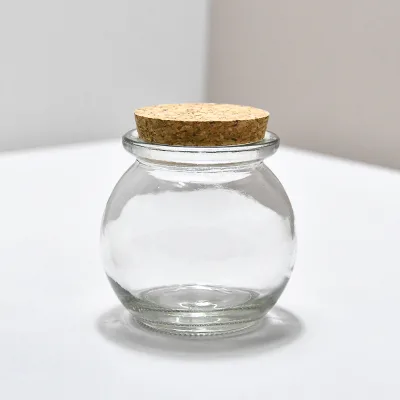
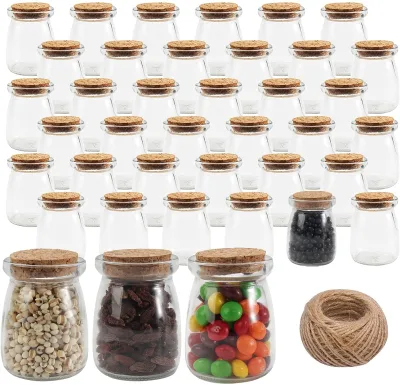
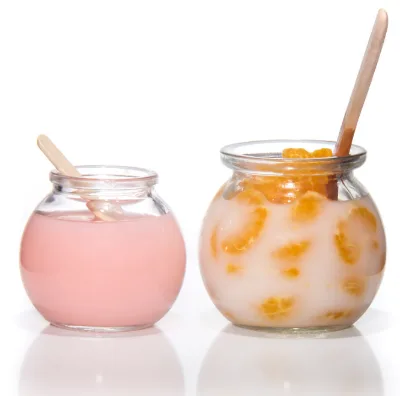
100ml Round Ball Pudding Glass Jar Candy Beverage Glass Gottle Pudding Jar With Cork
$0.30 - $0.40
MOQ: 10000 pieces
Jiangsu Capot Glass Products Co., Ltd.
- Verified by SGS Group
- Trading Company
- Lead time15 days
- Avg. response≤ 2h
Main productsGlass Bottles, Glass Jar, Wine Bottle, Cosmetic Bottle, Beverage Bottle
Main marketsNorth America(15%), Western Europe(15%), Northern Europe(15%)
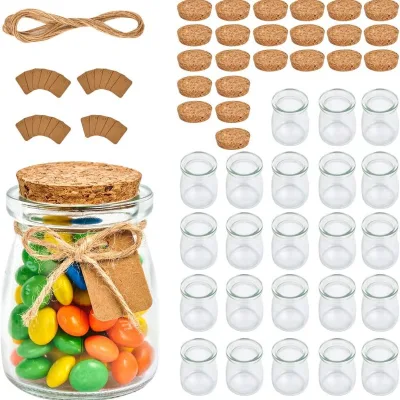
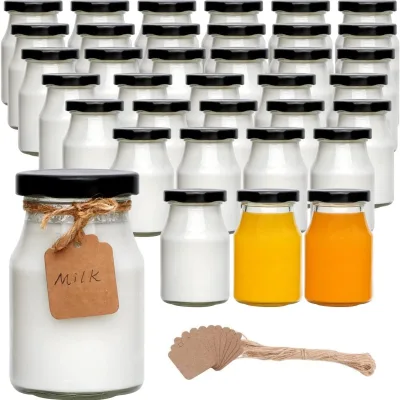
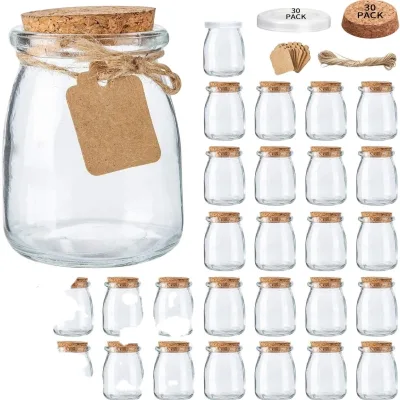
Wholesale 1.7oz 3.4oz 6.8oz Transparent Mini Yoghurt Pudding Glass Bottle with Cork Lids
$0.2084
MOQ: 1000 Minimum

Xuzhou Huajing Glass Products Co., Ltd.
- Verified by BV
- Combined
- China Jiangsu
- Lead time23 days
- Avg. response≤ 8h
Main productsGlass Bottle, Glass Jar, Water Bottle, Perfume Bottle, Mason Jars, Candle Jar, Plastic Bottles, Lids Bottle Caps Closures, Wine Bottle, Juice Bottle
Main marketsSouth America,Africa,Southeast Asia/ Mideast,East Asia(Japan/ South Korea),Domestic,Europe,Australia,North America

$0.248 - $0.268
MOQ: 2000 Pieces


Empty 50ml 80ml 100ml 150ml 200ml Custom Glass Pudding Bottle with Tinplate Screw Cap
$0.09 - $0.15
MOQ: 5000 Pieces
Xuzhou Cuican Glass Products Co., Ltd.
- Verified by TüVRheinland
- Manufacturer, Trading Company
- Jiangsu, China
- Lead time35 days
- Avg. response≤ 2h
Main productsGlass Bottle, Glass Jar, Bottle Cap
Main marketsMid East(32%), North America(16%), Eastern Asia(16%)

Xuzhou Boklan Import & Export Trade Co., Ltd.
- Verified by TUVRHEINLAND
- Trading Company,Manufacturer/Factory
- China Jiangsu
- Lead time38 days
- Avg. response≤ 9h
Main productsGlass Jar, Glass Bottle, Liquor Glass Bottle, Lids Caps Corks, Cosmetic Jar, Essential Oil Bottle, Glass Tube, Sauce Bottle, Mason Jar, Plastic Bottle
Main marketsSouth America,Eastern Europe,Mid East,North America,Southeast Asia,Eastern Asia,Oceania,Western Europe,Africa






Comprehensive Sourcing Guide
Modern Pudding Bottle Supplier Concentration and Factory Types
The current supplier landscape for modern pudding bottles shows a distinct concentration of manufacturing activity within China, specifically in the Zhejiang province. This region hosts a significant number of facilities that produce glass bottles, plastic containers, and related packaging solutions. Buyers observing these results will find that the primary operational hubs are located in this specific area, which suggests a mature supply chain ecosystem for glass and plastic molding. When evaluating potential partners, it is crucial to recognize that the majority of verified entities in this category are classified as manufacturers or factories rather than pure trading companies. This distinction is vital because factory-type suppliers often possess direct control over the production line, allowing for more flexible customization of mold designs and material specifications.
However, the data also indicates the presence of entities operating as both manufacturers and trading companies, which introduces a different layer of complexity to the sourcing process. These hybrid entities may offer a broader range of main products, including glass jars, aluminum cans, and plastic preforms, alongside the core pudding bottle offerings. Buyers must carefully distinguish between a pure factory and a trading company that sources from multiple factories, as this affects the ability to verify production capacity and quality control directly. The presence of diverse company types means that a single search result might represent a manufacturer with in-house R&D capabilities or a trading firm that aggregates products from various origins. Understanding this mix is essential for aligning procurement goals with the appropriate supplier structure, ensuring that the buyer engages with an entity capable of meeting specific volume and customization requirements without unnecessary intermediaries.
How to Verify Modern Pudding Bottle Suppliers
Verification of Modern Pudding Bottle suppliers relies heavily on third-party audit reports and specific certification standards that are explicitly listed in supplier profiles. The available data highlights that certain suppliers have undergone rigorous verification processes by recognized bodies such as TÜV Rheinland and SGS Group. These verifications serve as a critical baseline for assessing the legitimacy and operational stability of a potential partner. Buyers should prioritize suppliers who display these specific verification badges, as they indicate that an independent party has inspected the facility's processes and compliance status. Additionally, the presence of system certifications like ISO 9001, ISO 14001, and TS 16949 provides further evidence of a supplier's commitment to quality management and environmental standards. These certifications are not merely decorative; they represent a structured approach to maintaining consistent product quality and adhering to international safety norms.
Beyond external audits, buyers must scrutinize the specific product attributes and certifications listed for individual items to ensure they meet regulatory requirements. For instance, some product listings explicitly mention certifications such as CE or BPA compliance, which are critical for food-grade packaging intended for pudding, yogurt, or beverage applications. It is important to note that not every supplier or product will display every possible certification, and the absence of a specific label does not automatically imply non-compliance. Instead, buyers should request detailed documentation to confirm that the materials used, such as melt glass or specific plastic types, meet the necessary food safety standards. The verification process should also include checking the response time of the supplier, as a quick reply often correlates with a more responsive and reliable communication channel. By combining third-party verification data with specific product-level certification checks, buyers can build a robust profile of supplier reliability before initiating any commercial dialogue.
What to Compare Across Modern Pudding Bottle Suppliers
When comparing suppliers for modern pudding bottles, the most immediate differentiators are the stated lead times and minimum order quantities (MOQs) associated with specific product models. The data reveals a range of lead times, with some suppliers indicating a standard production window of 15 days, while others may offer faster turnaround times of 7 to 10 days for customized orders. Similarly, MOQs vary significantly, with some suppliers requiring a minimum of 5,000 pieces, while others set the threshold at 10,000 pieces. These figures are critical for buyers to align with their inventory planning and cash flow requirements. A supplier with a lower MOQ might be more suitable for startups or test runs, whereas a supplier with a higher MOQ might offer better economies of scale for large-volume production runs. Buyers must carefully evaluate these constraints against their specific order volumes to avoid unnecessary capital tie-up or production delays.
In addition to logistical metrics, buyers should compare the scope of customization services and the variety of main products offered by each supplier. Some suppliers explicitly state that they offer OEM and ODM services, allowing for custom branding, logo printing, and unique mold designs. The product attributes also highlight differences in sealing types, such as crown caps, cork lids, or plastic lids, which can impact the final application of the bottle. Furthermore, the response time of the supplier, measured in hours, serves as a proxy for their operational efficiency and customer service quality. A supplier with a response time of 4 hours may be more agile in addressing urgent inquiries than one with a response time of 9 hours. By systematically comparing these dimensions, buyers can identify the suppliers that best match their specific operational needs, ensuring a smoother procurement process from initial inquiry to final delivery.
Common Modern Pudding Bottle Sourcing Risks
One of the primary risks in sourcing modern pudding bottles is the potential mismatch between the advertised product specifications and the actual material quality delivered. While supplier profiles list attributes such as "Melt Glass" or "Eco-Friendly" materials, these claims require independent verification to ensure they meet the intended food safety standards. There is a risk that a supplier might advertise a product as food-grade without providing the necessary test reports or certifications to back up that claim. Buyers must be vigilant in requesting material safety data sheets and third-party test results to confirm that the glass or plastic used is free from harmful substances like BPA. Relying solely on the supplier's self-declared attributes without cross-referencing with independent verification can lead to compliance issues and potential product recalls in the destination market.
Another significant risk involves the variability in production capacity and the ability to meet delivery deadlines consistently. Although some suppliers list a standard lead time of 15 days, external factors such as raw material shortages or production bottlenecks can cause delays. The data shows that some suppliers offer stock availability, while others operate strictly on an OEM basis, which inherently carries a longer lead time. Buyers must assess the supplier's capacity to handle their specific order volume without compromising quality or timing. Additionally, the risk of communication breakdowns exists, particularly when dealing with suppliers who have slower response times. A delay in responding to critical inquiries can cascade into production delays, affecting the entire supply chain. To mitigate these risks, buyers should establish clear communication protocols and include penalty clauses for late deliveries in their contracts.
Modern Pudding Bottle Regional Sourcing and Logistics
The regional sourcing landscape for modern pudding bottles is heavily influenced by the concentration of manufacturing facilities in specific Chinese provinces, particularly Zhejiang and Anhui. These regions serve as the primary hubs for glass and plastic packaging production, offering a dense network of suppliers with established logistics infrastructure. Buyers sourcing from these areas can benefit from the proximity of raw material suppliers and the efficiency of local transportation networks. However, the specific location of the factory impacts the overall logistics cost and lead time. For instance, suppliers located in Zhejiang may have different shipping routes and customs procedures compared to those in Anhui. Buyers should verify the exact place of origin for each product to accurately calculate freight costs and estimate delivery timelines. Understanding the regional distribution of suppliers allows buyers to optimize their logistics strategy and minimize transportation expenses.
Logistics planning also involves considering the packaging standards and shipping methods recommended by the supplier. Product attributes often specify packing details, such as "Carton or Pallet" or specific dimensions like "10X10X10 cm," which are crucial for determining the number of units that can be shipped per container. Buyers must ensure that the packaging is robust enough to prevent breakage during transit, especially for glass products. The choice between sea freight and air freight will depend on the urgency of the order and the total volume being shipped. Suppliers with a "Stocks" capacity may offer faster dispatch times, while those requiring custom molding will need more time for production and quality checks. By carefully analyzing the regional location and packaging specifications, buyers can develop a comprehensive logistics plan that ensures the safe and timely delivery of modern pudding bottles to their destination.
Modern Pudding Bottle Commercial Terms and Order Planning
Commercial terms for modern pudding bottles vary significantly based on the supplier's pricing structure and order volume. The data indicates a price range for individual units, with some products listed between $0.08 and $0.24 per piece, while others may range from $0.13 to $1.50 depending on the complexity and customization level. Buyers must carefully analyze these price points in the context of their total order value and the associated MOQs. A lower unit price might be attractive, but it could be offset by a high minimum order requirement that ties up significant capital. Conversely, a higher unit price might be justified by lower MOQs and faster lead times. It is essential for buyers to negotiate terms that balance cost efficiency with inventory management needs, ensuring that the total cost of ownership remains within budget.
Order planning also requires a clear understanding of the customization options and the associated lead times. Suppliers offering "Customized" services may require additional time for mold creation and sample approval, which can extend the overall production timeline. Buyers should factor in the time required for design iterations and sample testing when planning their order schedule. Additionally, the availability of escrow services and payment terms should be evaluated to ensure financial security. Some suppliers may offer flexible payment structures, while others might require full payment upfront. By aligning commercial terms with the specific requirements of the order, buyers can mitigate financial risks and ensure a smooth transaction. Clear communication regarding payment schedules, delivery dates, and quality assurance protocols is essential for successful order planning and execution.
FAQs
What is the typical lead time for modern pudding bottles?
Manufacturers in China Zhejiang generally require 15 days for production. Some suppliers offer faster turnaround times of 7 to 10 days for standard orders. Buyers should confirm specific delivery schedules with the factory before placing bulk orders to ensure timely arrival.
What are the minimum order quantities for glass pudding jars?
Minimum order quantities typically range from 5,000 to 10,000 pieces. Specific models may require 5,000 PCS as a baseline. Buyers seeking smaller batches should verify if the supplier accepts lower MOQs or if sample processing is available for initial testing.
What certifications do these glass bottles hold?
Many suppliers hold ISO 9001, ISO 14001, and TS 16949 certifications. Some products also carry CE certification or BPA compliance. Verification services like TÜV Rheinland and SGS Group are used to validate supplier credentials and product quality standards.
What is the price range for 100ml glass pudding bottles?
Prices for 100ml glass bottles generally range from $0.085 to $0.24 per unit. Specific models may cost between $0.13 and $0.19. Costs vary based on customization, volume, and packaging requirements. Buyers should request quotes for exact specifications.
Can suppliers provide OEM and ODM services?
Yes, most manufacturers offer OEM and ODM services. Customization is available for logos, colors, and shapes. Suppliers support light customization, sample processing, and graphic processing. Buyers can request tailored designs to match their brand identity and product requirements.
How quickly do suppliers respond to inquiries?
Response times vary, with some suppliers averaging 9.19 hours. Others respond within 4 hours. Faster response times indicate active customer service teams. Buyers should prioritize suppliers with quick reply rates for efficient communication during the sourcing process.