Solar Heat Pump Dryer for Fruit and Vegetable Suppliers and Manufacturers
Compare 24 verified suppliers offering Solar Heat Pump Dryer for Fruit and Vegetable solutions with varying lead times, certifications, and capacities. Review specifications like voltage, power, and dimensions to select the right factory for your needs; review the available evidence before requesting comparable quotations from suitable candidates.
Updated
Suppliers List

- Manufacturer/Factory,Group Corporation
- China Hubei
- Lead time23 days
- Avg. response≤ 6h
Main productsAgro Machine, Food Machine, Milking Machine, Tractor, Parboiled Rice Milling Machine, Thresher, Harvester, Solar Dryer, Seeder, Biogas Products
Main marketsSouth America,Eastern Europe,Mid East,North America,Southeast Asia,Eastern Asia,Oceania,Western Europe,Africa


Herbs and Spices Solar Drier Mobile Solar Flower Vegetable Fruit Drying Machine
$1650.00 - $2100.00
MOQ: 1 Pieces


ZHE CHENG HONGXIN MACHINRERY FACTORY
- Verified by TüVRheinland
- Manufacturer, Trading Company
- Lead time15 days
- Avg. response≤ 3h
Main productsIntestine Case Cleaning Machine, Sesame Peeling Machine, Cardboard Expanding Shredder Machine, Flax Brake, Grain Thresher Machine
Main marketsNorth America(20%), Southeast Asia(20%), Africa(20%)
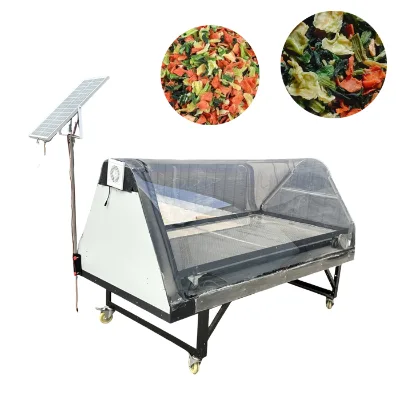
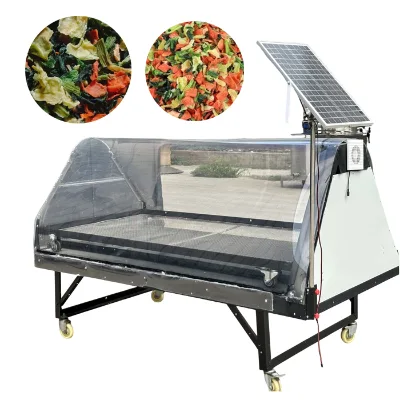
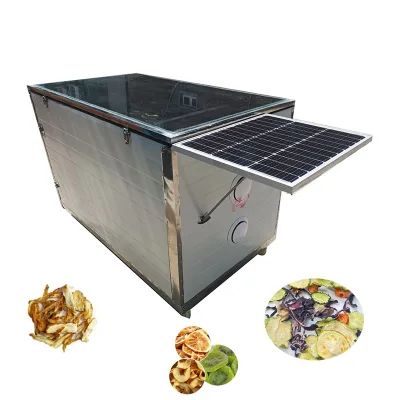
Solar Powered Fruit & Vegetable Dryer for Cassava & Fish Drying Dehydration
$1000.00 - $1550.00
MOQ: 1 sets
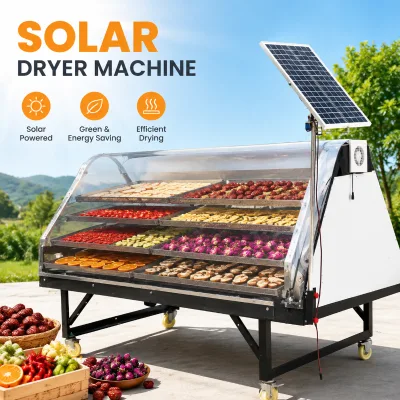
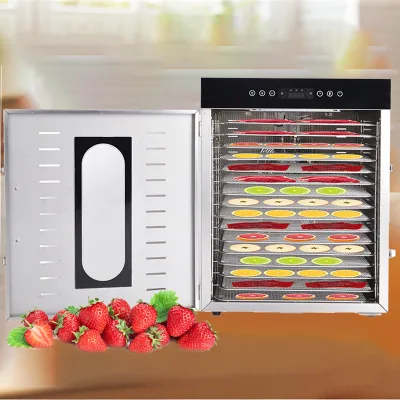

HE NAN PENG HUI MACHINERY AND EQUIPMENT CO., LTD.
- Verified by CTI
- Manufacturer/Factory
- China Henan
- Lead time15 days
- Avg. response≤ 3h
Main productsMeat Processing Machine, Fruit Processing Machine, Vegetable Processing Machine, Seafood Processing Machine, Grain Product Processing Machine, Snack Machine, Nuts Processing Machine, Quilting Machine, Textile Machine, Paper Product Processing Machine
Main marketsSouth America,Eastern Europe,Mid East,North America,Southeast Asia,Eastern Asia,Oceania,Western Europe,Africa

Energy Saving Solar Food Dehydrator Dryer Drying Machine for Fruits and Vegetables
$1800.00 - $2500.00
MOQ: 1 Pieces

Solar Energy Cassava Tomato Mango Chilli Drying Machine Solar Dryer Fruits Vegetables
$1800.00 - $2600.00
MOQ: 1 Pieces

Solar Dryer 6/10 Trays Mango Mushroom Coconut Tomato Fruit Vegetable Dehydrator Machine
$500.00 - $1000.00
MOQ: 1 Pieces

5-Layers Fruit Food Grain Solar Dryer Drying Machine Vegetable Fish Solar-Powered Dehydrator
$1800.00 - $2600.00
MOQ: 1 Pieces

Solar Panel Food Dehydrator Fruit Vegetables Dryer Ginger Chilli Banana Drying Machine
$1800.00 - $2500.00
MOQ: 1 Pieces
Foshan Ike Science & Technology Co., Ltd.
- Manufacturer, Trading Company
- Lead time旺季: "1 - 1":30,"> 1":"To be negotiated", 淡季: "1 - 1":30,"> 1":"To be negotiated"
- Avg. response≤ 2h
Main productsIndustrial Food Dehydrator, Heat Pump Dryer, Conveyor Belt Dryer, Commercial Food Dehydrator, Drying Room
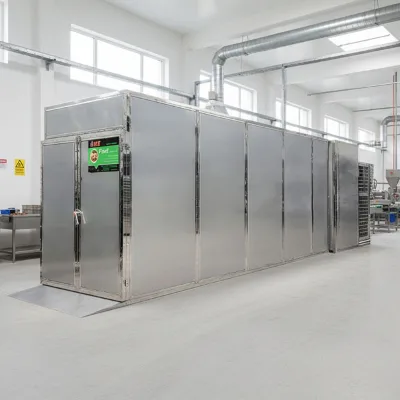
Large Capacity Heat Pump Dryer for Fruits, Vegetables and Fish
$36594.00 - $40660.00
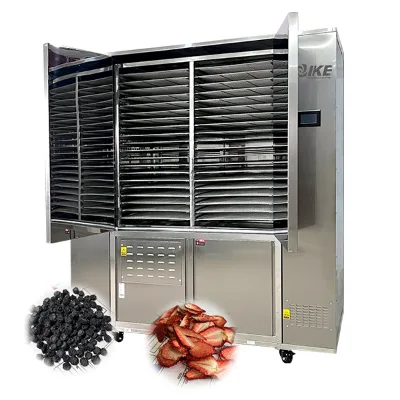

Guangzhou Kaineng Electric Equipment Co., Ltd.
- Manufacturer
- China Guangdong
- Lead time15 days
- Avg. response≤ 14h
Main productsFruit Drying Machine, Vegetable Drying Machine, Fish Drying Machine, Food Drying Machine, Meat Drying Machine, Herb Drying Machine, Incense Drying Machine, Heat Pump Dryer, Flower Drying Machine, Drying Machine for Noodles
Main marketsSouth America,Africa,Southeast Asia/ Mideast

Changzhou Yang Chuan Precision Machinery Co., Ltd.
- Combined
- China Jiangsu
- Lead time23 days
- Avg. response≤ 5h
Main productsCold Storage, Cold Store
Main marketsSoutheast Asia/ Mideast,Domestic,Europe,Australia,North America

Fish Drying Machine Solar Fruit Drying Machine Home Freeze Drying Machine
$1111.00 - $11111.00
MOQ: 1 Sets


Fruit and Vegetable Hot Air Dehydrator Banana Drying Machine Heat Pump Dryer Machine
Negotiable
MOQ: 1 Pieces

Commercial Fruit and Vegetables Dryer Heat Pump Commercial Fruit Drying Machine
Negotiable
MOQ: 1 Pieces

Fruit Vegetable Drying Tomato Dehydrator Machine Heat Pump Dryer Drying Machine
Negotiable
MOQ: 1 Pieces

High Efficiency Fruit and Vegetable Dryer Fruit and Vegetable Dryer Dehydrator Machine
Negotiable
MOQ: 1 Pieces
Henan Jiuyong Machinery Equipment Co., Ltd.
- Manufacturer, Trading Company
- Henan, China
- Lead time15 days
- Avg. response≤ 5h
Main productsUniversal crusher,Vacuum freezing dryer,V Type mixer,Ribbon mixer,Dryer machine
Main marketsAfrica(15.00%), Eastern Europe(15.00%), North America(12.00%), Oceania(10.00%), South America(10.00%), Eastern Asia(10.00%), Northern Europe(5.00%), Central America(5.00%), Western Europe(5.00%), Southeast Asia(5.00%), Mid East(5.00%), Southern Europe(3.00%)
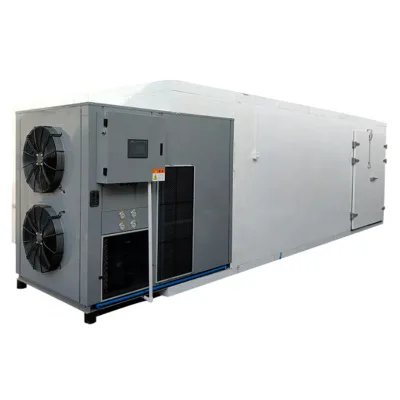
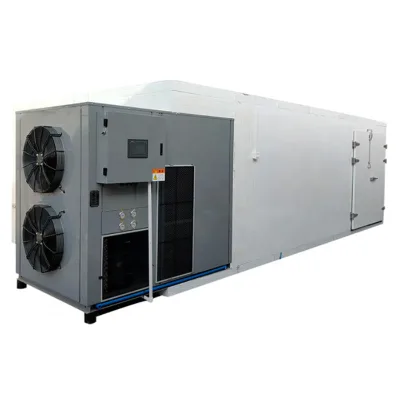
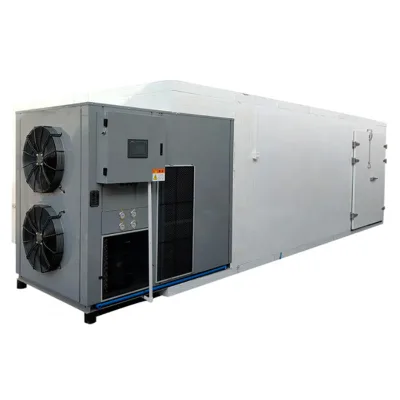
200-3000kg Per Batch High Quality Energy Saving Heat Pump Fruit Vegetables Dryer
$2074.7359
MOQ: 1 Minimum
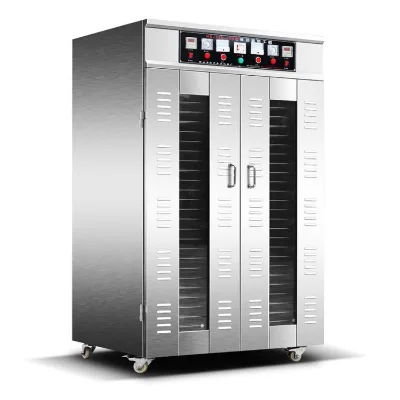
Chongqing Fuchuanggui Trade Co., Ltd.
- Trading Company
- Chongqing, China
- Lead time20 days
- Avg. response≤ 1h
Main productsFood Dryer,Popcorn Machine,Ercial Meat Slicing Machine,Dumpling Machine
Main marketsAfrica(15.00%), South Asia(15.00%), South America(10.00%), Central America(10.00%), North America(10.00%), Northern Europe(8.00%), Eastern Asia(8.00%), Southern Europe(5.00%), Oceania(5.00%), Mid East(5.00%), Domestic Market(5.00%), Western Europe(2.00%), Southeast Asia(2.00%)
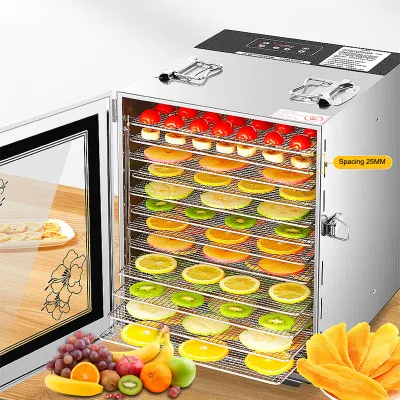
$99.99 - $108.99
MOQ: 1 sets
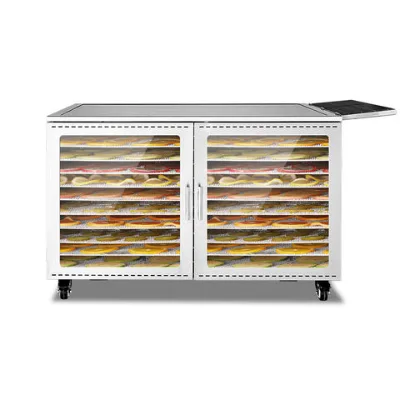
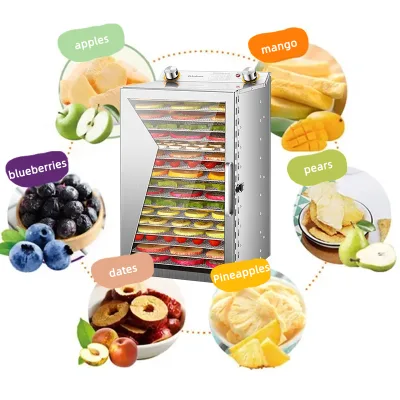
Industrial Commercial Food Machine 30 Tray Cucumber apple Solar Dehydrator
$69.8174 - $87.2718
MOQ: 1 sets
Guangzhou Kaineng Electric Equipment Co., Ltd.
- Manufacturer, Trading Company
- Guangdong, China
- Lead time15 days
- Avg. response≤ 2h
Main productsHeat Pump Dryer,House Heating Heater Pump,Swimming Pool Heat Pump,Sludge Drying Machine
Main marketsDomestic Market(62.00%), Southeast Asia(19.00%), Africa(9.00%), Northern Europe(5.00%), South America(5.00%)
ZHENGZHOU ASLAN MACHINERY CO.,LTD
- Trading Company
- Lead time旺季: "1 - 10":30,"11 - 20":40,"> 20":"To be negotiated", 淡季: "1 - 10":30,"11 - 20":40,"> 20":"To be negotiated"
- Avg. response≤ 6h
Main productsFood Machine, Packing Machine, Vegetable Processing Machine , Meat Processing Machine , Nuts Processing Machine
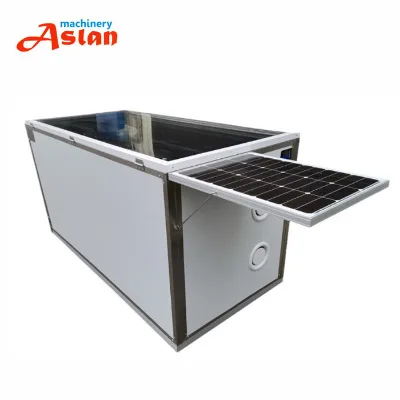
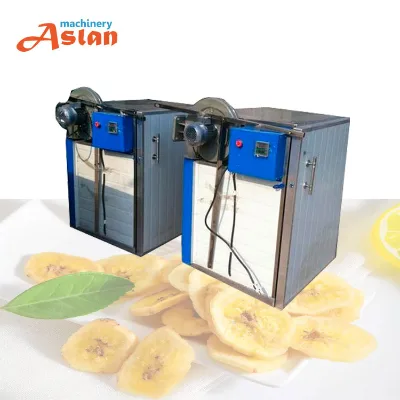
Food Solar Dryer Machine /Fruit Fig Apple Plantains Herb Solar Drying Machine
$1029.5282 - $1214.8436
MOQ: 1 sets
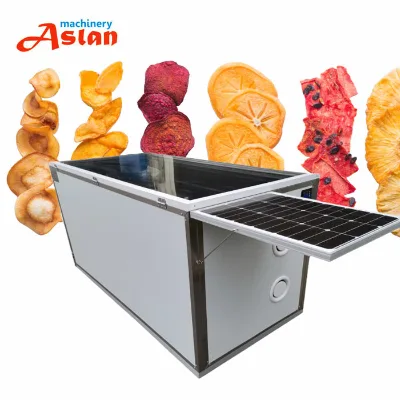
Henan Mayboom Energy Saving Equipment Co., Ltd.
- Verified by Intertek
- Trading Company
- Lead time15 days
- Avg. response≤ 3h
Main productsFreeze Dryer, Chocolate Equipment, Protein Bar Equipment, Nuts Equipment, Fruit and Vegetable Equipment
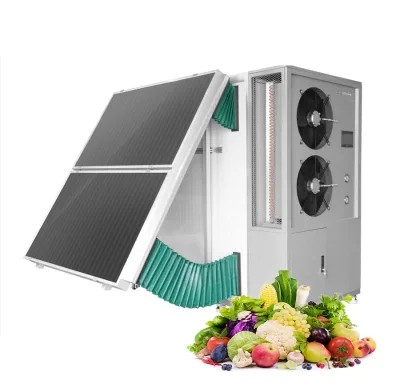
$5900.779 - $6107.8239
MOQ: 1 Minimum
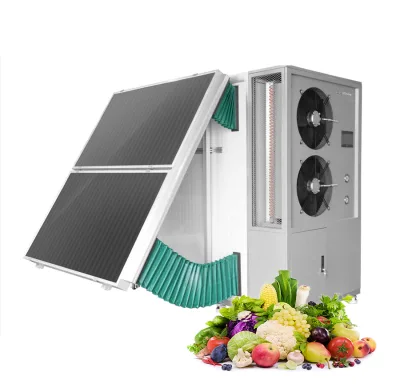
$5700.00 - $5900.00
MOQ: 1 Minimum
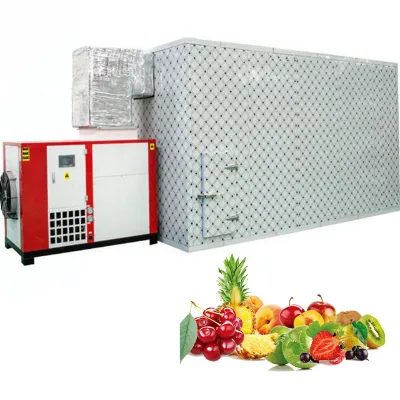
Drytech (guangzhou) Technology Co., Ltd.
- Verified by TüVRheinland
- Manufacturer, Trading Company
- Lead time0 days
- Avg. response≤ 3h
Main productsFood Drying Machine, Fruit Drying Machine, Meat Drying Machine, Dehydrator, Vegetable Drying Machine
Main marketsSoutheast Asia(28%), South Asia(27%), Africa(12%)
Zhengzhou Hongle Machinery Equipment Co., Ltd.
- Verified by SGS Group
- Manufacturer, Trading Company
- Lead time15 days
- Avg. response≤ 4h
Main productsFruit and Vegetables Production Line, Chicken Feet Production Line, Packing Machine Production Line, Nut Processing Line, Frying Production Line
Main marketsCentral America(20%), Africa(15%), Southern Europe(10%)

Jinan Kelid Machinery Co., Ltd.
- Verified by SGS
- Manufacturer/Factory
- China Shandong
- Lead time23 days
- Avg. response≤ 2h
Main productsMicrowave Sterilizing Machine, Snack Food Machine, Drying Machine, Pet Food Machine, Fish Feed Machine, Cheetos Machine, Artificial Rice Machine, Soya Protein Machine, Sterilization Equipment, Dryer
Main marketsSouth America,Eastern Europe,Mid East,North America,Southeast Asia,Eastern Asia,Oceania,Western Europe,Africa
Henan Xifa Network Technology Co., Ltd.
- Verified by Intertek
- Manufacturer, Trading Company
- Lead time7 days
- Avg. response≤ 1h
Main productsAnimal Cages, Tractors, Feed Processing Machinery, Excavators
Main marketsNorth America(20%), Domestic Market(20%), Africa(15%)
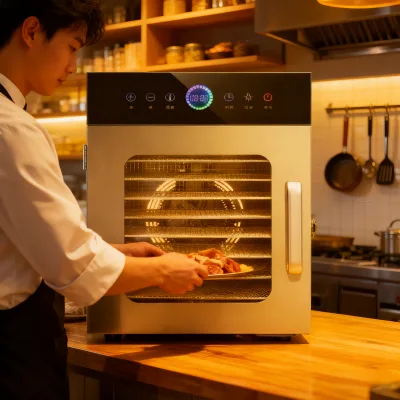
$50.8671 - $74.7431
MOQ: 1 pieces

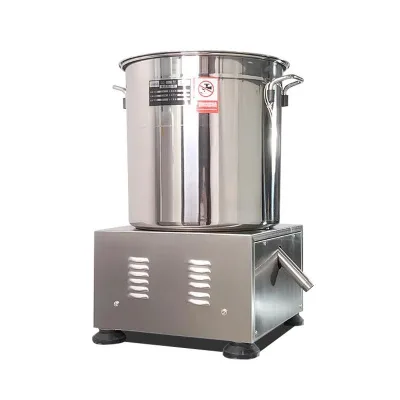

Guangdong Diye Energy Equipment Co., Ltd.
- Manufacturer/Factory
- China Guangdong
- Lead time23 days
- Avg. response≤ 2h
Main productsHeat Pump Dryer, Drying Machine, Dryer Machine, Fruits Dryer, Fish Dryer, Sludge Dryer, Grain Dryer, Sludge Drying Machine, Mesh Belt Drying Machine, Seafood Drying Machine
Main marketsSouth America,Eastern Europe,Mid East,North America,Southeast Asia,Eastern Asia,Western Europe,Africa


$3999.00 - $9999.00
MOQ: 1 Sets

Commercial Use Fruit and Vegetable Dehydrating Equipment Vegetables Dryer
$1799.00 - $6999.00
MOQ: 1 Sets


$1999.00 - $6999.00
MOQ: 1 Sets

Henan Penghui Machinery And Equipment Co., Ltd.
- Trading Company
- Lead time旺季: "1 - 5":7,"> 5":"To be negotiated", 淡季: "1 - 5":7,"> 5":"To be negotiated"
- Avg. response≤ 2h
Main productsPastry Machinery, Food Machinery, Agriculture Machinery, Textile Machinery, Plastic Machinery
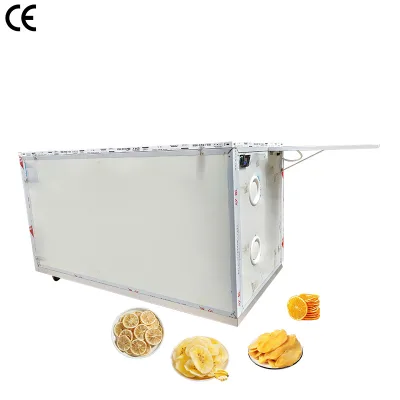
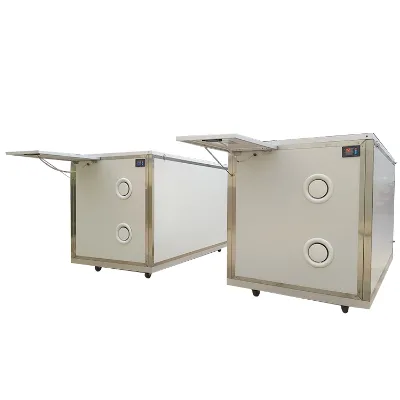
Stainless Steel Food Drying Machine Solar Fruit Dryer Vegetable Dehydrator
$1825.037 - $2542.7477
MOQ: 1 sets
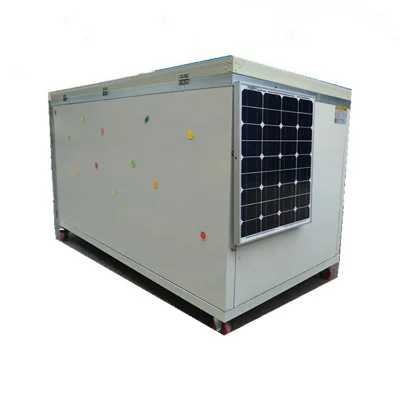

DRYTECH(GUANGZHOU)TECHNOLOGY CO.,LTD
- Verified by SGS
- Manufacturer/Factory
- China Guangdong
- Lead time15 days
- Avg. response≤ 5h
Main productsDrying Machine, Fruit Drying Machine, Fruit Dryer, Fruit Dehydrator, Fruit Dryer Machine, Dehydrator Mango Drying Machine, Pineapple Drying Machine, Fish Drying Machine, Pet Food Drying Machine, Food Drying Machine
Main marketsSouth America,Eastern Europe,Mid East,North America,Southeast Asia,Eastern Asia,Oceania,Western Europe,Africa

Cooling Food Drying Machine Dehydrator Fruit and Vegetables Tomato Dryer
$13356.00 - $14840.00
MOQ: 1 Sets

Good Potato Drying Machine Garlic Dryer Other Fruit & Vegetable Machines
$21039.00 - $22147.00
MOQ: 1 Sets

Quick Operation Shrimp Dehydrator Sea Cucumber Dryer Fruit and Vegetable Dryer
$14098.00 - $14840.00
MOQ: 1 Sets


Multiple Temperature Control Heat Pump Fruit Dryer Vegetable Dryer Machine Black Pepper Dehydrator
$21324.00 - $22147.00
MOQ: 1 Sets

Hot Air Dryer for Fruit and Vegetable Mango Slices Dryer Pineapple Dehydrator
$8353.00 - $8793.00
MOQ: 1 Sets
- Verified by SGS Group
- Manufacturer, Trading Company
- Lead time20 days
- Avg. response≤ 2h
Main productsConcentrator & Extractor, Drying machine, Grinding machine, Mixing Machine, Granulation machine
Henan Baixin Machinery Equipment Co., Ltd.
- Verified by Intertek
- Manufacturer, Trading Company
- Lead time15 days
- Avg. response≤ 2h
Main productsContinuous Mesh Belt Dryer, Heat Pump Dryer, Microwave Dryer, Fruits And Vegetable Processing Equipment
Main marketsDomestic Market(30%), Southeast Asia(21%), Western Europe(12%)
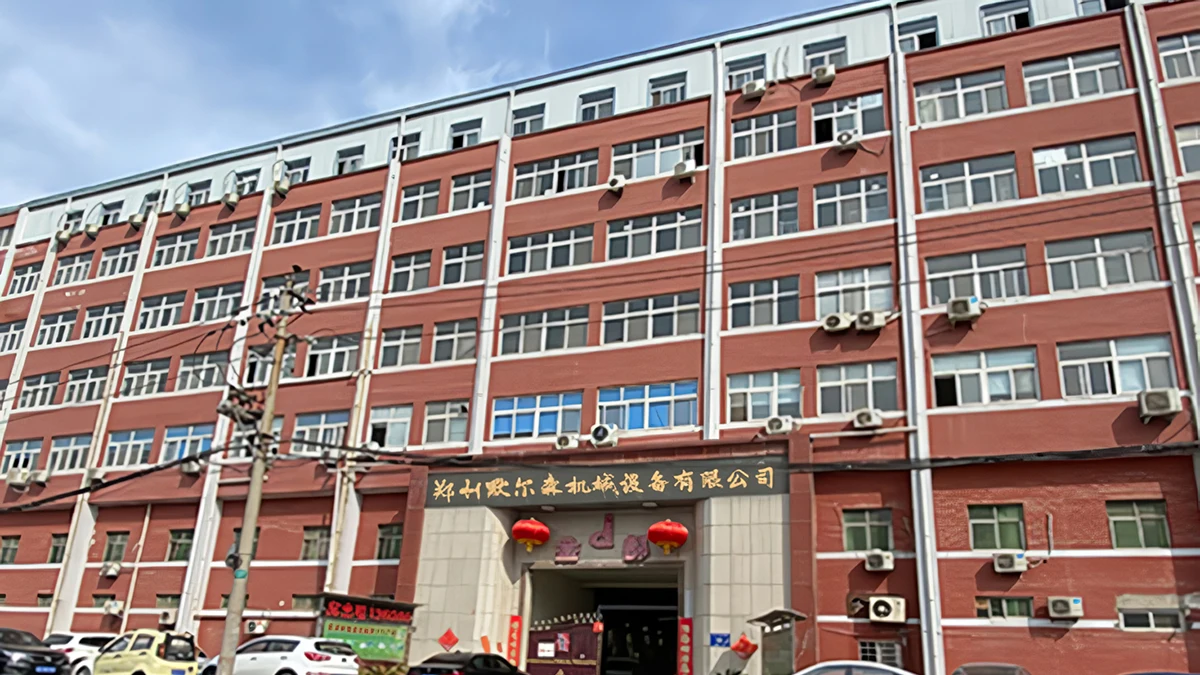
Zhengzhou Merson Machinery Co., Ltd.
- Trading Company
- Henan, China
- Lead time90 days
- Avg. response≤ 9h
Main productsnoodle machine,french fries making machine,packing machine,wafer stick machine,2.compressed biscuit machine
Main marketsMid East(15.00%), South America(10.00%), Africa(10.00%), Southeast Asia(10.00%), Western Europe(5.00%)

Zhengzhou Lerford Machinery Equipment Co., Ltd.
- Verified by SGS
- Trading Company
- China Henan
- Lead time15 days
- Avg. response≤ 5h
Main productsPellet Machine, Packing Machine, Vegetable Processing Machine, Fruit Washing Machine, Dryer Machine, Briquette Machine, Toothpick Machine, Snack Machine, Oil Press, Potato Chips Machine
Main marketsSouth America,Africa,Others(foreignTradeCapacity.exportBusinessCapacityMarketOther),Europe,North America
- Trading Company
- Hubei, China
- Lead time15 days
- Avg. response≤ 2h
Main productsAgriculture Machine,Food Machine,Harvester,Solar Equipments,Rice Mill
Main marketsAfrica(38.00%), Southeast Asia(30.00%), Domestic Market(8.00%), South Asia(5.00%), South America(3.00%), Central America(3.00%), Eastern Europe(2.00%), North America(2.00%), Western Europe(2.00%), Eastern Asia(2.00%), Mid East(2.00%), Northern Europe(1.00%), Oceania(1.00%), Southern Europe(1.00%)
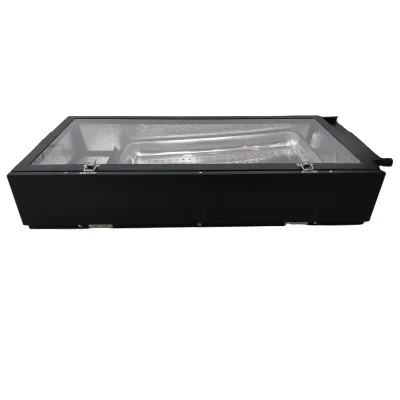
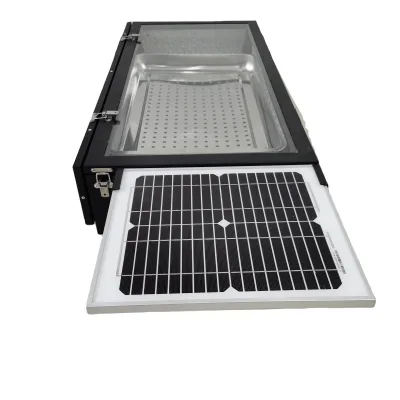
AMS-10 Household High Quality Spice Seed Vegetable Fruit Solar Dryer
$320.00 - $395.00

Zhucheng Lanchuang Machinery Technology Co., Ltd.
- Trading Company
- China Shandong
- Lead time0 days
- Avg. response≤ 2h
Main productsSteam Generator, Meat Grinder, Sterilization Pot






Comprehensive Sourcing Guide
Solar Heat Pump Dryer for Fruit and Vegetable Supplier Concentration and Factory Types
The current supplier landscape for solar heat pump dryers for fruit and vegetable processing reveals a distinct concentration of manufacturing capabilities within specific industrial regions. Evidence indicates that a significant portion of these suppliers are located in China Hubei, a region that has emerged as a notable hub for agricultural machinery and food processing equipment production. This geographic clustering suggests that buyers seeking these specialized drying solutions will likely encounter a dense network of factories offering related agro-machines, tractors, and rice milling equipment alongside solar drying technologies. The presence of such a cluster implies that logistics and supply chain infrastructure in this area are optimized for heavy machinery export, potentially offering buyers access to a broader ecosystem of complementary agricultural tools. When evaluating suppliers from this region, it is crucial to recognize that the concentration of factories often correlates with established supply chains for raw materials like steel and electrical components, which are essential for constructing robust drying units.
Beyond geographic location, the types of entities supplying these machines vary significantly in their operational models and capabilities. The observed supplier base includes both Manufacturer/Factory entities and Group Corporations, indicating a mix of direct production facilities and larger organizational structures that may oversee multiple production lines or brands. Some suppliers are identified as Manufacturers, while others operate as Trading Companies, which can impact the level of technical support and customization flexibility available to the buyer. The presence of OEM and ODM capabilities among these suppliers suggests that many factories are equipped to produce custom-branded units or adapt existing designs to meet specific client requirements. This diversity in company types means that buyers must carefully distinguish between direct manufacturers who control the production process and trading companies that may act as intermediaries. Understanding this distinction is vital for negotiating prices, lead times, and technical specifications, as direct manufacturers often provide more transparent insights into the manufacturing process and quality control measures.
How to Verify Solar Heat Pump Dryer for Fruit and Vegetable Suppliers
Verifying the legitimacy and capability of suppliers requires a multi-layered approach that goes beyond simple profile reviews. One critical step is to check for third-party verification badges, such as those provided by TüVRheinland, which indicate that a supplier has undergone rigorous audits of their business operations and manufacturing facilities. These verifications provide a layer of confidence regarding the supplier’s legal standing and operational integrity. Additionally, buyers should scrutinize the system certifications held by the supplier, such as ISO 9001, ISO 14001, and ISO 14000, which demonstrate adherence to international standards for quality management and environmental protection. For machinery intended for export to certain markets, certifications like CE and 2006/42/EC are essential indicators of compliance with European safety and machinery directives. These certifications are not merely formalities; they reflect the supplier’s commitment to producing equipment that meets specific regulatory requirements, which is crucial for avoiding customs delays and ensuring operational safety.
Another vital aspect of verification involves assessing the supplier’s response capabilities and the availability of technical documentation. A quick response time, such as the observed average of under six hours for some suppliers, can indicate a responsive sales and support team, which is valuable for resolving pre-sales inquiries and technical questions. Buyers should also request machinery test reports, which provide evidence that the equipment has been tested for performance and safety. The availability of after-sales service provisions, such as engineers available for installation or troubleshooting, is another key verification point that distinguishes reliable suppliers from those with limited support structures. Furthermore, examining the supplier’s main product range can reveal their depth of expertise; suppliers focusing on a broad range of agro-machines and food processing equipment may offer more integrated solutions and better understanding of the drying process within the broader agricultural context. Buyers should always ask for specific evidence of these capabilities rather than relying on general claims.
What to Compare Across Solar Heat Pump Dryer for Fruit and Vegetable Suppliers
When comparing suppliers, buyers must evaluate a range of commercial and technical parameters to ensure the best fit for their operational needs. One of the most significant factors is the lead time, which can vary considerably between suppliers. For instance, some suppliers may offer a lead time of around 15 to 23 days, while others might have longer production cycles. This variation can impact project planning and inventory management, so buyers should align their orders with suppliers whose lead times match their urgency. Additionally, the Minimum Order Quantity (MOQ) is a critical consideration, as it determines the financial commitment required to initiate a purchase. Some suppliers may have an MOQ of just one unit, making them suitable for small-scale trials or boutique operations, while others may require larger orders, such as ten units or more, which is typical for industrial-scale deployments. Understanding these thresholds helps buyers determine which suppliers are accessible for their specific volume requirements.
Price and customization options are also central to the comparison process. The price range for solar dryers can vary widely, from small household units starting around $220 to large industrial greenhouse dryers costing upwards of $8,000. Buyers should compare not just the unit price but also the total cost of ownership, including shipping and installation. Customization capabilities, such as the ability to adjust voltage, power, or dimensions, can be a decisive factor for buyers with specific site constraints. Some suppliers offer fully customized solutions, while others provide non-customized standard models. The availability of OEM and ODM services allows buyers to brand the equipment or modify designs for unique applications. Buyers should also compare the technical specifications, such as power consumption, drying capacity, and dimensions, to ensure the equipment meets their production targets. A thorough comparison of these factors will help identify the supplier that offers the best balance of cost, capability, and service.
Common Solar Heat Pump Dryer for Fruit and Vegetable Sourcing Risks
Sourcing solar heat pump dryers involves several risks that buyers must proactively manage to avoid operational disruptions. One significant risk is the mismatch between expected and actual product performance, particularly regarding drying efficiency and energy consumption. Solar dryers rely on specific environmental conditions and technical configurations to operate effectively, and variations in design can lead to inconsistent results. Buyers should be cautious of suppliers who do not provide detailed technical specifications or machinery test reports, as this lack of transparency can obscure potential performance issues. Another risk is the quality of after-sales support, which is critical for maintaining the equipment over its lifespan. Suppliers that do not clearly state their after-sales service provisions, such as the availability of engineers or spare parts, may leave buyers stranded when technical issues arise. This risk is particularly acute for international buyers who may face language barriers and logistical challenges in obtaining timely support.
Intellectual property and branding risks are also prevalent in the manufacturing sector, especially when dealing with OEM and ODM arrangements. Buyers who invest in custom branding or design modifications must ensure that their intellectual property is protected and that the supplier does not share their designs with competitors. Additionally, there is a risk of supply chain disruptions due to the global nature of component sourcing. Solar dryers often rely on imported components such as motors, fans, and electrical controls, which can be subject to shortages or price fluctuations. Buyers should assess the supplier’s supply chain resilience and their ability to source critical components reliably. Furthermore, regulatory compliance risks cannot be overlooked, especially when exporting machinery to markets with strict safety and environmental standards. Buyers must verify that the supplier’s certifications are valid and recognized in their target market to avoid legal complications and product recalls.
Solar Heat Pump Dryer for Fruit and Vegetable Regional Sourcing and Logistics
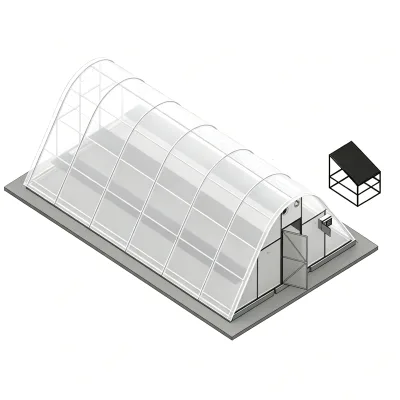
Regional sourcing plays a pivotal role in determining the logistics and cost structure of solar heat pump dryer procurement. The concentration of suppliers in China Hubei offers buyers access to a well-established manufacturing cluster, but it also necessitates careful planning for international shipping and customs clearance. Buyers sourcing from this region should consider the implications of freight costs, which can vary based on the size and weight of the drying units. Large industrial dryers, such as greenhouse models, require specialized shipping arrangements due to their dimensions, while smaller units can be shipped via standard air or sea freight. Understanding the logistics infrastructure in the supplier’s region can help buyers negotiate better shipping terms and reduce transit times. Additionally, buyers should be aware of the import regulations in their home country, including duties, taxes, and safety standards, which can impact the total landed cost of the equipment.
Logistics planning also involves coordinating with the supplier for packaging and handling requirements. Suppliers often use specific packing methods, such as carton boxes for smaller units or iron frames for larger machinery, to ensure safe transit. Buyers should verify that the packaging meets international shipping standards to prevent damage during transit. Furthermore, the supplier’s location can influence the availability of local logistics partners who can assist with inland transportation and port handling. Buyers should inquire about the supplier’s experience with international shipments and their ability to provide necessary documentation, such as bills of lading and certificates of origin. Efficient logistics planning can significantly reduce lead times and minimize the risk of delays, ensuring that the drying equipment arrives at the buyer’s facility in a timely manner. By leveraging the supplier’s regional expertise, buyers can streamline the procurement process and enhance overall supply chain efficiency.
Solar Heat Pump Dryer for Fruit and Vegetable Commercial Terms and Order Planning
Effective order planning requires a clear understanding of the commercial terms offered by suppliers, including payment structures, warranties, and delivery conditions. Buyers should negotiate payment terms that align with their cash flow needs, such as partial upfront payments and balance upon shipment. The warranty period is another critical commercial term, with some suppliers offering a one-year warranty on core components and machinery. Buyers should clarify the scope of the warranty, including what parts and labor are covered, and whether extended warranty options are available. Additionally, buyers should assess the supplier’s return and refund policies in case the equipment does not meet the agreed-upon specifications. These terms provide a safety net for buyers and ensure that they are protected against potential defects or performance issues.
Order planning also involves coordinating with the supplier on production schedules and delivery timelines. Buyers should provide accurate forecasts and order quantities to help the supplier plan their production runs, which can help secure better lead times and pricing. For buyers requiring customized units, early engagement with the supplier’s engineering team is essential to finalize design specifications and avoid delays. Buyers should also consider the scalability of their orders, as some suppliers may offer volume discounts for larger purchases. By establishing a clear communication channel and aligning on commercial terms, buyers can build a strong partnership with their supplier, ensuring a smooth procurement process and reliable supply of solar heat pump dryers for their fruit and vegetable processing operations.
FAQs
What is the price range for solar fruit and vegetable dryers?
Prices for solar dryers vary significantly based on capacity and configuration. Small household units start around $220, while larger commercial greenhouse models can reach up to $8,000. Mid-range portable cart options typically cost between $1,650 and $2,100. Buyers should verify specific pricing for their required throughput and customization needs.
What is the minimum order quantity for these machines?
Minimum order quantities depend on the specific model selected. Some compact solar dryers allow for a single unit purchase, whereas larger industrial greenhouse dryers may require a minimum of ten units. Buyers should check the specific product listing to confirm the exact MOQ applicable to their chosen equipment size and configuration.
How long does delivery typically take for these orders?
Standard lead times for these solar drying machines generally range from fifteen to twenty-three days. This timeframe covers production and preparation for shipment. Buyers should confirm the exact delivery schedule with the supplier, as lead times may vary based on order volume, customization requirements, and current production capacity.
Are these solar dryers customizable for specific applications?
Yes, many suppliers offer customization options for their solar drying equipment. Buyers can often request specific dimensions, power configurations, or branding. Some models support OEM and ODM services. It is advisable to discuss specific application requirements with the manufacturer to ensure the dryer meets your unique operational needs and standards.
What certifications do these solar dryers typically hold?
Manufacturers often hold ISO 9001 and ISO 14001 certifications for their quality and environmental management systems. Some products also carry CE certification for European market compliance. Buyers should request specific test reports and certification documents from the supplier to verify that the equipment meets the regulatory standards required in their target market.
Where are these solar drying machines manufactured?
These solar drying machines are primarily manufactured in China, with specific production hubs located in Hubei province. Buyers should verify the exact origin of the equipment to understand shipping logistics and potential tariffs. Confirming the manufacturing location helps in assessing the supply chain reliability and the specific technical standards applied during production.