Portable Shoe Shaped Waffle Maker Suppliers and Manufacturers
Explore 29 verified options for Portable Shoe Shaped Waffle Maker suppliers in Zhejiang and Henan. Compare response times, lead times, certifications, and product specifications to find the right factory. Contact suppliers directly to request quotes and verify details; review the available evidence before requesting comparable quotations from suitable candidates.
Updated
Suppliers List
Ningbo Goodtime Electric Appliance Co., Ltd.
- Trading Company
- Zhejiang, China
- Lead time26 days
- Avg. response≤ 1h
Main productsElectric Oven,Air Fryer,Blender & Mixer,Sandwich Maker,Coffee Maker
Main marketsEastern Europe(40.00%), Southeast Asia(15.00%), South America(13.00%), North America(13.00%), Africa(10.00%), Western Europe(9.00%)
Henan Shanpu Machinery Equipment Co., Ltd.
- Trading Company
- Henan, China
- Lead time0 days
- Avg. response≤ 2h
Main productsoil press machine,package machine,juicer machine,Woodworking machinery,Rubber and plastic machinery
Main marketsNorth America(15.00%), Mid East(10.00%), Northern Europe(10.00%), Western Europe(10.00%), Southeast Asia(10.00%), Eastern Europe(10.00%), Southern Europe(10.00%), Oceania(5.00%), South Asia(5.00%), Africa(5.00%), South America(5.00%), Central America(2.00%), Eastern Asia(2.00%), Domestic Market(1.00%)
Ningbo Vansand Electrical Appliance Co., Ltd.
- Manufacturer, Trading Company
- Zhejiang, China
- Lead time30 days
- Avg. response≤ 12h
Main productsFloor Brush,Air Purifierg Brush,Food processor,Cooking appliance,Blender
Main marketsNorth America(30.00%), Domestic Market(20.00%), South America(15.00%), Western Europe(15.00%), Southeast Asia(12.00%), Eastern Europe(5.00%), Africa(3.00%)
Xingtai Xiangwei Commercial Co., Ltd.
- Trading Company
- Hebei, China
- Lead time7 days
- Avg. response≤ 2h
Main productsDumpling Making Machine,Vegetable Cutting Machine,Meat Cutting Machine,Baozi Making machine,Vegetable Washing Machine
Main marketsNorthern Europe(12.00%), Oceania(11.00%), Eastern Asia(10.00%), North America(10.00%), South Asia(8.00%), Southern Europe(8.00%), Central America(8.00%), Western Europe(8.00%), Mid East(5.00%), Eastern Europe(5.00%), South America(5.00%), Domestic Market(5.00%), Southeast Asia(4.00%), Africa(1.00%)

Ningbo Yicheng Technology Co., Ltd.
- Verified by TUVRHEINLAND
- Trading Company
- China Zhejiang
- Lead time30 days
- Avg. response≤ 5h
Main productsElectric Grill, Waffle Maker, Air Fryer, BBQ, Food Processor, Kitchenware, Pizza Maker, Multifunction Cooker, Thermomixer, Coffee Grinder
Main marketsEurope

Guangzhou Hongyi Catering Equipment Co., Ltd
- Verified by TUVRHEINLAND
- Combined
- China Guangdong
- Lead time15 days
- Avg. response≤ 8h
Main productsDeep Fryer, Marinating Machine, Grill, Oven, Ice Cream Machine, Commercial Cooking Machine
Main marketsDomestic

Guangzhou Tailang Industrial Co., Ltd.
- Verified by TUVRHEINLAND
- Combined
- China Guangdong
- Lead time15 days
- Avg. response≤ 2h
Main productsDeep Fryer, Popcorn Machine, Crepe Maker, Cotton Candy Machine, Panini Grill, Griddle, Waffle Maker, Fishball Grill, Bain Marie
Main marketsSouth America
Cixi Dameng Electric Appliance Co., Ltd.
- Manufacturer, Trading Company
- Zhejiang, China
- Lead time25 days
- Avg. response≤ 24h
Main productssandwich maekr,waffle maker,food dehydrator,popcorn machine,cotton candy machine
Main marketsEastern Asia(30.00%), North America(20.00%), Eastern Europe(15.00%), South America(5.00%), Southeast Asia(5.00%), Africa(5.00%), Western Europe(5.00%), Central America(5.00%), Mid East(3.00%), Southern Europe(3.00%), Northern Europe(2.00%), South Asia(2.00%)
Jiaozuo Forward Machine Co., Ltd.
- Verified by SGS Group
- Trading Company
- Lead time10 days
- Avg. response≤ 4h
Main productsChocolate Machine, Wax Melting Machine, Freeze Dry Machine, Waffle Machine, Food Grinder
Main marketsEastern Asia(20%), Southeast Asia(19%), North America(10%)
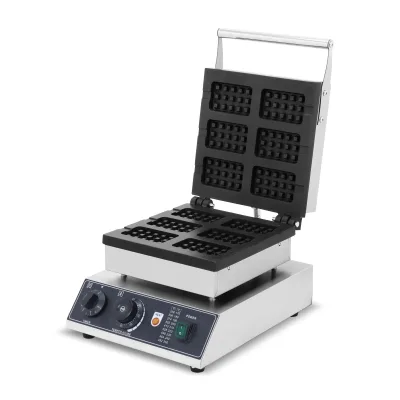
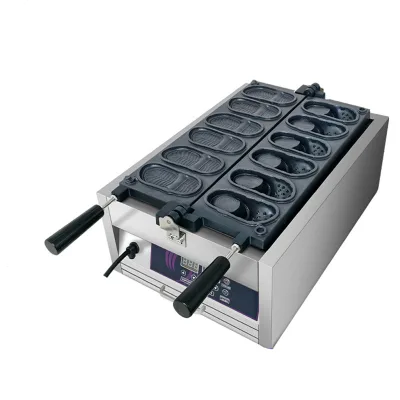
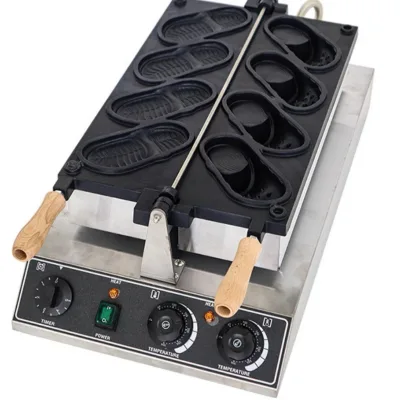
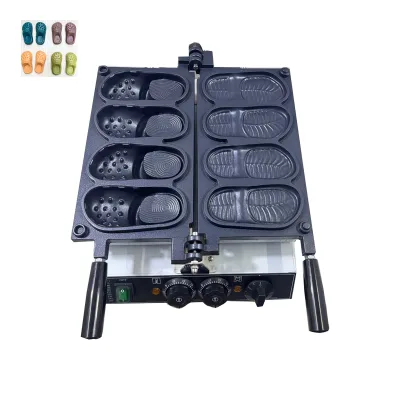
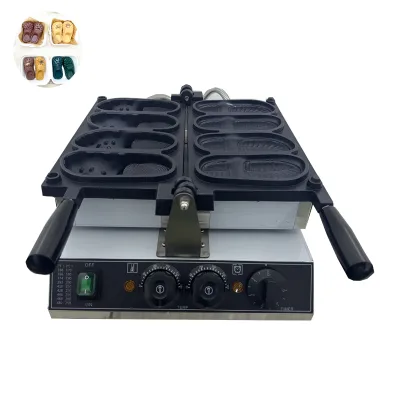
Custom Mold Shape Waffle Maker Nonstick Electric Stuffed Waffle Pancake Shoe Shape Waffle Maker
$284.2599 - $314.9354
MOQ: 1 sets

GGMGASTRO (QINGDAO) INTERNATIONAL CO., LTD.
- Verified by BV
- Trading Company,Manufacturer/Factory
- China Shandong
- Lead time23 days
- Avg. response≤ 1h
Main productsCommercial Refrigerator, Kitchen Equipment, Catering Equipment, Bakery Eqipment, Ice Maker, Stainless Steel Sink, Meat Slicer, Fryer, Induction Cooker, Contact Grill
Main marketsSouth America,Eastern Europe,Mid East,Southeast Asia,Western Europe

Guangzhou Fuqi Food Machinery Co., Ltd.
- Verified by CTI
- Combined
- China Guangdong
- Lead time15 days
- Avg. response≤ 4h
Main productsFryer, Griddle, Shawarma Machine, Electric Bain Marie, Waffle Machine, Crepe Maker
Main marketsSoutheast Asia/ Mideast,Europe,Australia,North America

Wenzhou Cathylin International Trade Co., Ltd.
- Verified by TUVRHEINLAND
- Trading Company
- China Zhejiang
- Lead time15 days
- Avg. response≤ 5h
Main productsFlatware, Cutlery, Kitchen Tools, Tableware, Cookware, Bakeware, Drinkware
Main marketsNorth America
Guangzhou Zhong Bei Mechanical Equipment Co., Ltd.
- Verified by Intertek
- Manufacturer, Trading Company
- Lead time7 days
- Avg. response≤ 3h
Main productsSnow Ice Machine, Ice Cream Machine, Slush Machine, Ice Popsicle, Ice Frying Machine
Main marketsWestern Europe(20%), Mid East(20%), Africa(15%)
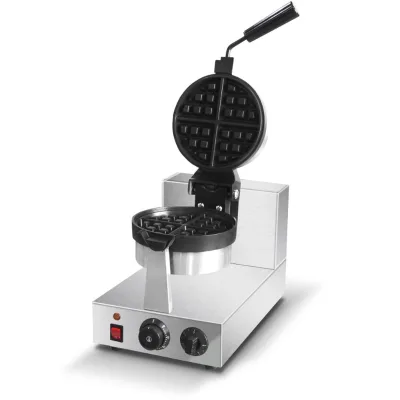
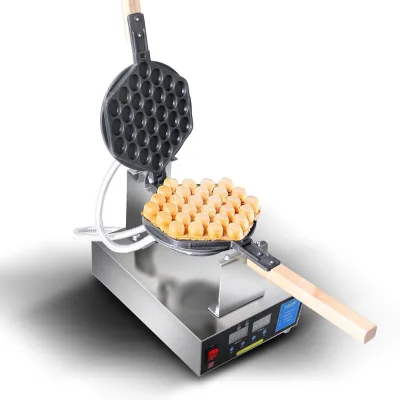
Digital Egg Waffle Maker Waffle Maker for Street Business
$59.00 - $70.00
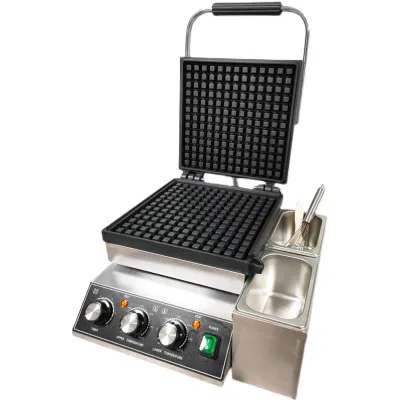
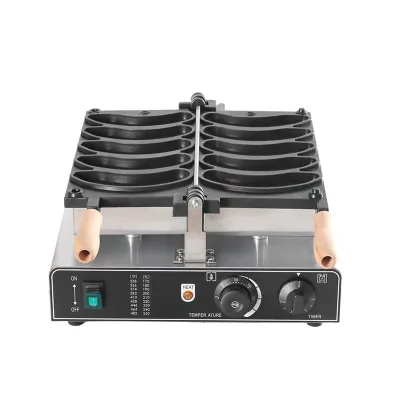

Ningbo Ubest Electrical Appliances Co., Ltd.
- Verified by SGS
- Combined
- China Zhejiang
- Lead time30 days
- Avg. response≤ 6h
Main productsSandwich Maker, Grill Maker, Waffle Maker, Pizza Maker
Main marketsSouth America,Africa,Southeast Asia/ Mideast,Europe


Customer Non-Stick Automatic Temperature Control Waffle Maker for Kitchen
$3.80 - $4.20
MOQ: 1000 Pieces


Shanghai Keyfood Machinery Co., Ltd.
- Verified by BV
- Trading Company,Manufacturer/Factory
- China Shanghai
- Lead time45 days
- Avg. response≤ 4h
Main productsFood Machine, Instant Coffee Line, Juice Production Line, Cheese Making Machine, Packing Machines, Pancake Making Machine, Waffle Production Line, Candy Making Machine, Biscuit Production Line
Main marketsSouth America,Eastern Europe,Mid East,North America,Southeast Asia,Eastern Asia,Oceania,Western Europe,Africa
Henan Xifa Network Technology Co., Ltd.
- Verified by Intertek
- Manufacturer, Trading Company
- Lead time7 days
- Avg. response≤ 1h
Main productsAnimal Cages, Tractors, Feed Processing Machinery, Excavators
Main marketsNorth America(20%), Domestic Market(20%), Africa(15%)
- Verified by Intertek
- Trading Company
- Lead time7 days
- Avg. response≤ 1h
Main productsFruit Vegetable Machine, Meat Processing Machine, Pastry Bakery Machine, Snack Machine, Feed Processing Machine

Ningbo Dingyan International Trade Co., Ltd.
- Trading Company
- China Zhejiang
- Lead time0 days
- Avg. response≤ 10h
Main productsPLA-Straws, Paper-Cup, Paper-Bowl

Guangzhou Nantian Sources Co., Ltd.
- Manufacturer/Factory
- China Guangdong
- Lead time15 days
- Avg. response≤ 6h
Main productsKitchen Equipment, Kitchenware, Food Machine, Kitchen Appliance, Glassware, Food Machinery, Bakery Equipment, Dinnerware, Kitchen Utensils, Food Processor
Main marketsSouth America,Mid East,Southeast Asia,Eastern Asia,Oceania,Africa

Guangzhou ETON Electromechanical Co., Ltd.
- Verified by BV
- Combined
- China Guangdong
- Lead time30 days
- Avg. response≤ 8h
Main productsPopcorn Machine, Candy Floss Machine, Fryer, Soymilk Machine, Sealing Machine, Sealer, Hot Dog Roller, Ice Crusher, Oven, Sugar Cane Presser
Main marketsSouth America,Africa,Southeast Asia/ Mideast,East Asia(Japan/ South Korea),Domestic,Europe,Australia,North America
Guangzhou New Power Catering Equipment Manufacturing Co., Ltd.
- Verified by SGS Group
- Manufacturer, Trading Company
- Lead time7 days
- Avg. response≤ 3h
Main productsCatering Equipment
Main marketsNorth America(25%), South America(14%), Northern Europe(12%)
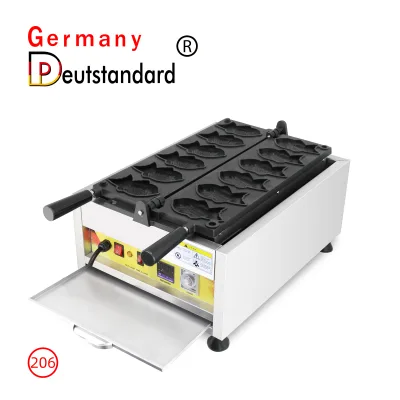
$160.00 - $180.00

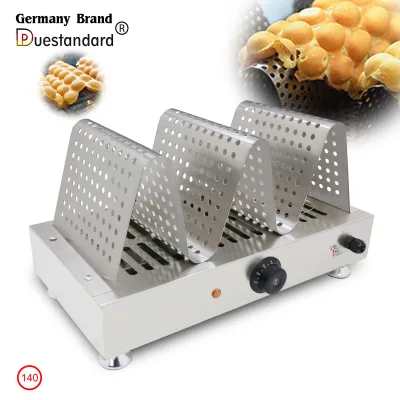
- Trading Company
- Henan, China
- Lead time10 days
- Avg. response≤ 2h
Main productsGrain Product Making Machines,Industrial Sewing Machine,Bakery Dough Mixer,Snack Machines,Dumpling Making Machine
Main marketsEastern Europe(14.00%), Eastern Asia(12.00%), Southeast Asia(10.00%), North America(10.00%), Oceania(8.00%), Western Europe(7.00%), Southern Europe(7.00%), Africa(7.00%), Mid East(6.00%), Northern Europe(6.00%), South America(6.00%), Central America(3.00%), Domestic Market(2.00%), South Asia(2.00%)
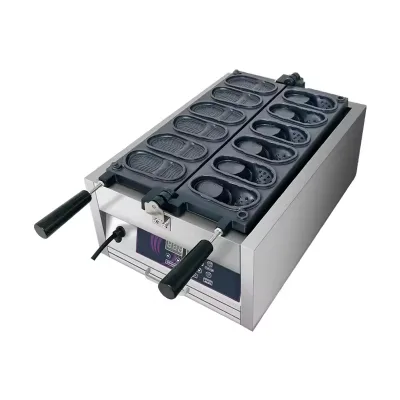
$149.4893 - $267.0169
MOQ: 1 sets
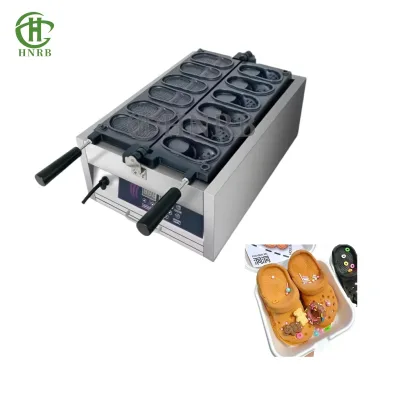
$151.6793 - $250.0092
MOQ: 1 sets

- Trading Company
- China Zhejiang
- Lead time30 days
- Avg. response≤ 14h
Main productsHome Appliance, Cookware Set, Thermos, Home Storage, Furniture, Pet Supplies, Garden Tools, Outdoor Supplies, Baby Supplies, Houesehold Items
Main marketsSouth America,Africa,Southeast Asia/ Mideast,East Asia(Japan/ South Korea),Domestic,Europe,Australia,North America


Mini Maker for Individual Waffles with Easy to Clean, Non-Stick Surfaces
$3.40 - $3.47
MOQ: 1000 Pieces
Foodspark Kitchen Equipment (Shanghai) Co., Ltd.
- Trading Company
- Shanghai, China
- Lead time7 days
- Avg. response≤ 4h
Main productsFast food equipment,Snack equipment,Food processing equipment,Refrigeration equipment,Baking Equipment
Main marketsEastern Europe(40.00%), North America(20.00%), South America(20.00%), Central America(10.00%), Domestic Market(1.00%), South Asia(1.00%), Southern Europe(1.00%), Northern Europe(1.00%), Southeast Asia(1.00%), Western Europe(1.00%), Eastern Asia(1.00%), Mid East(1.00%), Oceania(1.00%), Africa(1.00%)
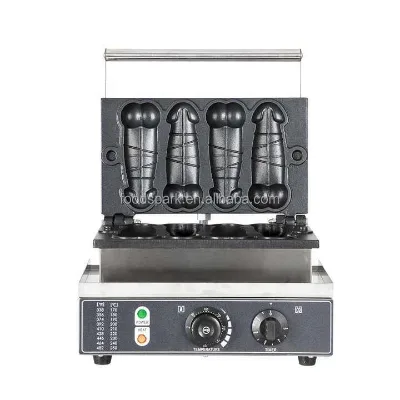
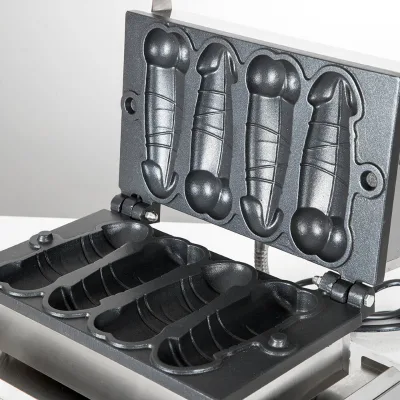
$71.3329 - $89.9415
MOQ: 2 pieces
Yiwu Fengtong Electric Appliance Co., Ltd.
- Verified by TüVRheinland
- Trading Company
- Lead time60 days
- Avg. response≤ 2h
Main productsHome Appliances
Main marketsSoutheast Asia(30%), Eastern Europe(18%), Africa(18%)
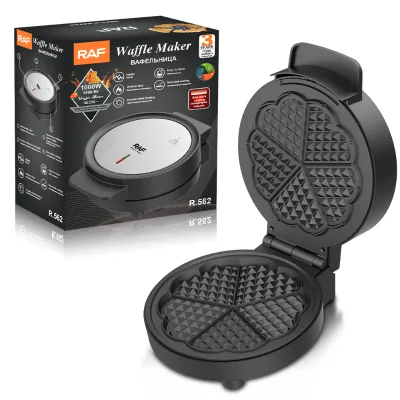
Round Classic Waffle Maker Non-stick Coating Compact and Easy to Clean Waffle Maker
$8.0017 - $8.1681
MOQ: 10 pieces
Guangzhou Maile Kitchen Baking Food Machinery Manufacturing Co., Ltd.
- Manufacturer, Trading Company
- Guangdong, China
- Lead time15 days
- Avg. response≤ 4h
Main productsBakery Equipment,fast food equipment,cooking equipment,Snack equipment,Refrigeration Equipment
Main marketsNorth America(30.00%), Western Europe(20.00%), Mid East(20.00%), Eastern Europe(20.00%), Eastern Asia(10.00%)
Ningbo Hiking Electric Appliance Co., Ltd.
- Verified by TüVRheinland
- Trading Company
- Lead time40 days
- Avg. response≤ 5h
Main productsAir Fryer, Juicers, Popcorn Maker, Food Processor, Hair Dryer
Main marketsWestern Europe(38%), North America(21%), Eastern Europe(8%)
Ningbo Hiking Electric Appliance Co., Ltd.
- Trading Company
- Lead time旺季: "1 - 2000":50,"> 2000":"To be negotiated", 淡季: "1 - 2000":50,"> 2000":"To be negotiated"
- Avg. response≤ 4h
Main productsAir Fryer, Press Grill, Popcorn Maker, Oven, Deep Fryer
- Trading Company
- Zhejiang, China
- Lead time30 days
- Avg. response≤ 4h
Main productsAir Fryers, Sandwich Makers, Egg Boilers, Communication Accessories
Main marketsNorth America(20.00%), South America(15.00%), Eastern Europe(10.00%), Domestic Market(5.00%), South Asia(5.00%), Southern Europe(5.00%), Northern Europe(5.00%), Central America(5.00%), Western Europe(5.00%), Eastern Asia(5.00%), Mid East(5.00%), Oceania(5.00%), Africa(5.00%), Southeast Asia(5.00%)
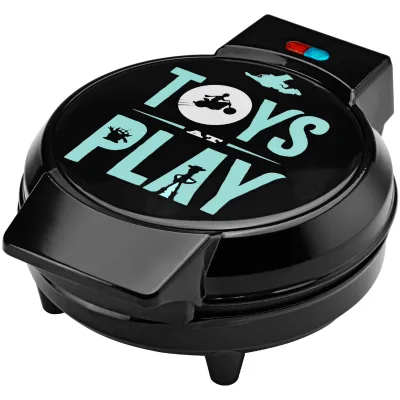
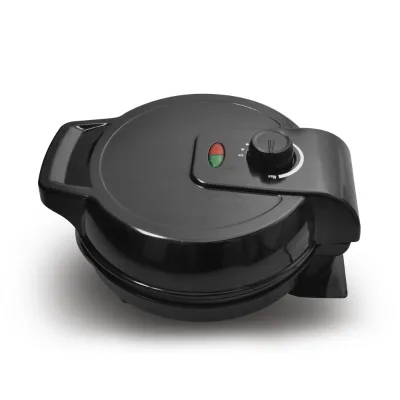
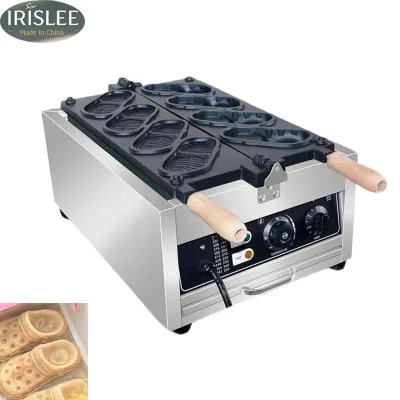
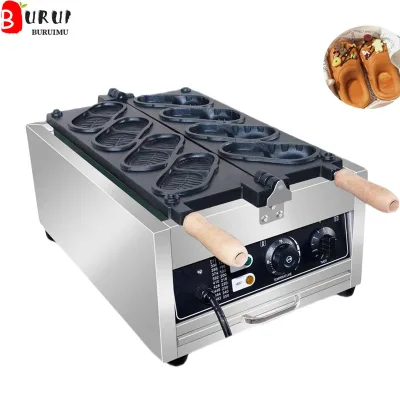






Comprehensive Sourcing Guide
Portable Shoe Shaped Waffle Maker Supplier Concentration and Factory Types
The current supplier landscape for portable shoe shaped waffle makers reveals a distinct concentration of manufacturing activity within specific Chinese industrial hubs. Data indicates that a significant portion of available suppliers are located in Zhejiang, China, which serves as a primary cluster for small kitchen appliance production. This region is well-established for its capability to produce compact, consumer-grade electrical devices, including various waffle makers and similar home appliances. The presence of these suppliers in Zhejiang suggests a mature supply chain ecosystem that supports the production of intricate, shape-specific molds required for novelty items like shoe-shaped waffle makers. Buyers evaluating this market should recognize that this geographic concentration often correlates with competitive pricing and rapid prototyping capabilities, as the local infrastructure is optimized for small appliance manufacturing.
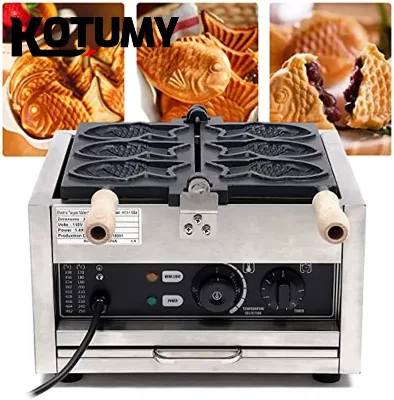
In addition to the Zhejiang cluster, there is evidence of suppliers operating in Henan, China, who focus on commercial-grade equipment and machinery. While the primary focus for portable shoe shaped waffle makers often leans toward household or small commercial use, the existence of suppliers in Henan highlights the diversity of manufacturing capabilities available. These suppliers may specialize in heavier-duty units or commercial snack machines, such as fish-shaped waffle makers, which share similar mechanical principles with portable models. The company types observed include both trading companies and manufacturers, indicating that buyers may encounter intermediaries who aggregate products from various factories. Understanding this mix is crucial, as trading companies may offer broader product ranges but potentially longer lead times compared to direct factory sources. The main products listed by these suppliers often include electric ovens, air fryers, and blenders, suggesting that many factories possess the versatile tooling necessary to produce waffle makers alongside other small kitchen appliances.
How to Verify Portable Shoe Shaped Waffle Maker Suppliers
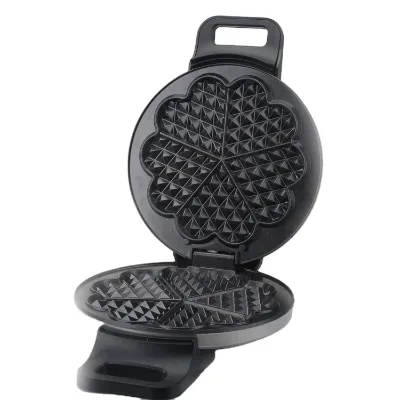
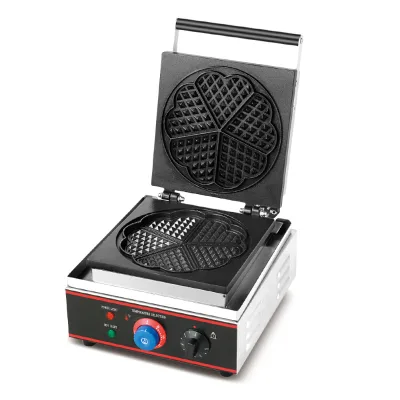
Verifying the legitimacy and capability of suppliers for portable shoe shaped waffle makers requires a careful examination of their stated certifications and response metrics. One observed supplier holds a Declaration of Conformity, which is a critical document for ensuring that electrical products meet basic safety and regulatory standards in target markets. Buyers must confirm whether this certification is sufficient for their specific import requirements or if additional testing, such as CE or UL certification, is necessary. The presence of CE certification on specific product listings, such as heart-shaped waffle makers, provides a baseline for electrical safety compliance. However, buyers should not assume that all suppliers offering similar products possess identical certifications. It is essential to request valid certificates directly from the supplier and verify their authenticity through independent testing laboratories or recognized certification bodies. This step is particularly important for novelty items like shoe-shaped waffle makers, where unique designs might introduce specific safety considerations regarding heat distribution and material safety.
Response time and lead time are also key indicators of supplier reliability and operational efficiency. Current data shows response times of one and two days for different suppliers, which suggests a generally responsive market. However, buyers should treat these figures as benchmarks rather than guarantees, as actual response times can vary based on order volume and seasonality. Lead times are reported as twenty-six days for some suppliers, while others indicate zero days, which may imply ready-stock availability or simply reflect the time required to generate a quote. Buyers should clarify whether a zero-day lead time refers to immediate dispatch or merely the speed of quotation. Additionally, verifying the establishment year of the supplier can provide insight into their stability and experience in the industry. Suppliers with longer track records may offer more consistent quality control and better after-sales support. Buyers should also check for the availability of escrow services to protect their payments until the goods are received and verified, ensuring a secure transaction process.
What to Compare Across Portable Shoe Shaped Waffle Maker Suppliers
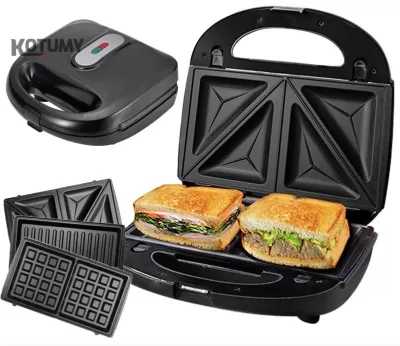
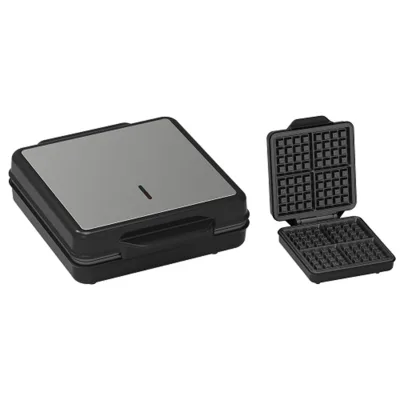
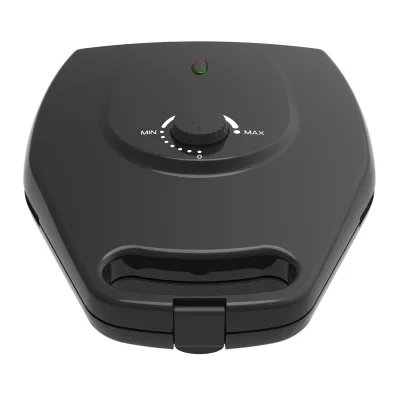
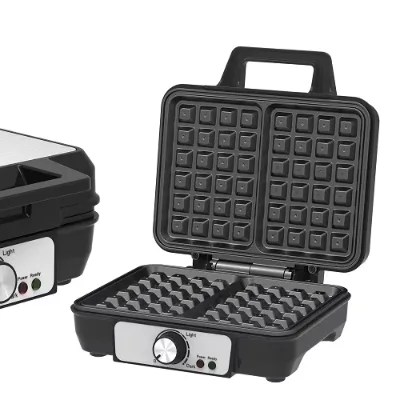
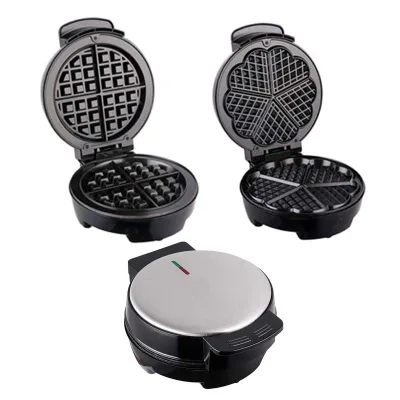
When comparing suppliers for portable shoe shaped waffle makers, buyers should focus on key product attributes such as power consumption, voltage, and material composition. Observed products range from 750W to 1000W, with voltages typically set at 220V or 230V, which are standard for many international markets. Buyers must ensure that the electrical specifications match the requirements of their target market to avoid compatibility issues. The materials used in construction, such as ceramic, stainless steel, or bakelite, also vary and should be evaluated for durability and safety. For instance, one product features a ceramic coating, while another uses bakelite, each offering different benefits in terms of heat retention and weight. Additionally, features like adjustable thermostats, cool-touch exteriors, and non-stick cooking surfaces are common selling points that enhance user experience. Buyers should compare these features across suppliers to determine which model best aligns with their brand positioning and customer expectations. The presence of interchangeable plates, such as sandwich or grilling plates, adds versatility to the product, which may be a deciding factor for buyers seeking multi-functional appliances.
Pricing and minimum order quantities (MOQ) are critical financial factors that vary significantly among suppliers. Prices for similar waffle makers have been observed ranging from approximately $6.80 to $8.50 per unit, with some commercial models priced much higher at around $191.84. These price differences reflect variations in quality, materials, and intended use, whether for household or commercial settings. MOQs also differ, with some suppliers requiring orders of 1500 units, while others accept single-unit orders. This flexibility allows buyers to test the market with smaller quantities before committing to larger production runs. Buyers should also consider the single package size and gross weight, as these factors impact shipping costs and logistics planning. For example, a single package size of 32x16x33 cm and a gross weight of 6.6 kg will have different shipping implications compared to smaller, lighter units. By comparing these detailed specifications and costs, buyers can make informed decisions that balance quality, price, and logistical efficiency.
Common Portable Shoe Shaped Waffle Maker Sourcing Risks
One significant risk in sourcing portable shoe shaped waffle makers is the potential mismatch between product specifications and actual delivery. Suppliers may list products with specific features, such as mechanical control or automatic functions, but the final product may differ in quality or functionality. For instance, while some products advertise adjustable thermostats and cool-touch exteriors, buyers must verify that these features are consistently implemented across all units. Inconsistencies in manufacturing can lead to customer dissatisfaction and returns, particularly for novelty items where design accuracy is crucial. Additionally, the use of different materials, such as ceramic versus stainless steel, can affect the product's longevity and performance. Buyers should request samples to physically inspect the build quality and functionality before placing bulk orders. This step helps mitigate the risk of receiving substandard products that do not meet the agreed-upon specifications.
Another risk involves the reliability of after-sales service and warranty provisions. While some suppliers offer free spare parts and a one-year warranty, the actual implementation of these services can vary. Buyers should clarify the terms of the warranty, including what constitutes valid claims and the process for obtaining spare parts. Inadequate after-sales support can lead to increased costs and reputational damage if products fail shortly after sale. Furthermore, the lack of app-controlled features in some models may limit their appeal to tech-savvy consumers, although this is not necessarily a negative for all market segments. Buyers should also be cautious of suppliers who do not provide clear information about their manufacturing processes or quality control measures. Verifying the supplier's ability to maintain consistent quality over time is essential, especially for long-term business relationships. By proactively addressing these risks through thorough due diligence and clear contractual agreements, buyers can protect their interests and ensure a smoother sourcing experience.
Portable Shoe Shaped Waffle Maker Regional Sourcing and Logistics
Sourcing portable shoe shaped waffle makers from China involves navigating the logistical advantages and challenges associated with specific manufacturing regions. Suppliers in Zhejiang, China, benefit from a well-developed infrastructure for small appliance production, which can facilitate efficient manufacturing and export processes. This region's proximity to major ports and logistics hubs can reduce shipping times and costs, making it an attractive option for buyers seeking timely delivery. However, buyers must also consider the environmental and regulatory conditions in these regions, which can impact production schedules and compliance requirements. Understanding the local supply chain dynamics can help buyers anticipate potential delays or disruptions. Additionally, the presence of suppliers in Henan, China, offers alternative sourcing options, particularly for commercial-grade equipment. Buyers should evaluate the logistical implications of sourcing from different regions, including transportation costs and customs procedures, to optimize their supply chain strategy.
Logistics planning for portable shoe shaped waffle makers requires careful attention to packaging and shipping dimensions. As observed, single package sizes can vary significantly, with some units measuring 32x16x33 cm and weighing up to 6.6 kg. These dimensions directly impact the volume and weight of shipments, influencing freight costs and storage requirements. Buyers should work with suppliers to optimize packaging to minimize shipping expenses while ensuring product protection during transit. Additionally, the type of plug included with the product, such as EU plugs, must align with the electrical standards of the destination market. Buyers may need to arrange for custom plugs or adapters, which adds to the complexity of the sourcing process. Coordinating with freight forwarders to consolidate shipments from multiple suppliers can also help reduce costs and streamline the import process. By carefully planning logistics and considering regional factors, buyers can enhance the efficiency and cost-effectiveness of their sourcing operations.
Portable Shoe Shaped Waffle Maker Commercial Terms and Order Planning
Commercial terms for portable shoe shaped waffle makers often include specific conditions regarding payment, delivery, and customization. Buyers should negotiate clear terms that outline the responsibilities of both parties, including the handling of defects and the process for returns. The availability of private molds, as indicated by some suppliers, allows for customization of the product design, which can be a significant advantage for brands seeking unique offerings. However, customizing molds may involve additional costs and longer lead times, which buyers must factor into their order planning. It is essential to agree on the timeline for mold development and production to avoid delays in product launch. Additionally, buyers should clarify the terms for logo customization, as some suppliers offer customer-designed logos, which can enhance brand visibility. Understanding these commercial terms helps buyers manage expectations and plan their marketing and distribution strategies effectively.
Order planning for portable shoe shaped waffle makers should consider the variability in MOQs and pricing structures. Suppliers with lower MOQs, such as single-unit orders, provide flexibility for testing new products or fulfilling small orders, while higher MOQs may offer better unit prices for bulk purchases. Buyers should assess their market demand and inventory capacity to determine the optimal order quantity. Additionally, the lead time of twenty-six days for some suppliers suggests a production cycle that requires advance planning. Buyers should align their order placement with their sales forecasts to ensure timely availability of stock. The energy efficiency rating of Class A for some products is a valuable selling point that can attract environmentally conscious consumers. Buyers should leverage this feature in their marketing efforts to differentiate their products in a competitive market. By carefully planning orders and understanding commercial terms, buyers can optimize their procurement strategy and maximize profitability.
FAQs
What is the price range for portable waffle makers?
Portable waffle makers are available at various price points depending on features and materials. Prices observed range from approximately $6.80 to $191.84. Lower-cost options typically feature mechanical controls and basic non-stick surfaces, while commercial-grade units with touch controls and stainless steel construction command higher prices. Buyers should verify specific unit costs based on order volume and customization needs.
What certifications are available for these appliances?
Manufacturers offer products with CE certification for electrical safety compliance. Some suppliers provide a Declaration of Conformity for their systems. Buyers should request specific test reports or certificates relevant to their target market regulations. It is important to confirm that the certification matches the voltage and plug type required for your region before placing an order.
What is the typical lead time for orders?
Lead times vary significantly by supplier and product type. Some manufacturers report a lead time of 26 days for standard production runs. Others may indicate zero days for ready stock items. Buyers should confirm the exact production schedule with the supplier, as lead times can be affected by order quantity, customization requirements, and current factory capacity.
What is the minimum order quantity for these items?
Minimum order quantities depend on the specific supplier and product model. Some manufacturers require a minimum of 1500 units for standard items. Others may accept orders as low as one unit for commercial or sample purposes. Buyers should check the specific MOQ listed for each product to ensure it aligns with their purchasing volume and budget constraints.
Where are these waffle makers manufactured?
These appliances are primarily manufactured in China. Specific production locations include Zhejiang and Henan provinces. Zhejiang is known for small kitchen appliances, while Henan hosts commercial machinery suppliers. Buyers can verify the exact place of origin on the product listing to ensure it meets their sourcing preferences and logistical requirements for shipping and customs clearance.
What power specifications do these waffle makers have?
Portable waffle makers typically operate at 220V or 230V with power ratings between 750W and 1000W. Commercial units may require higher power, such as 2000W. The plug type is often EU standard. Buyers should verify the voltage and power consumption to ensure compatibility with their local electrical infrastructure and to determine the appropriate circuit requirements for installation.