Automatic Flavoring Seasoning Mixing Machine Suppliers and Manufacturers
Explore 28 verified sources for automatic flavoring seasoning mixing machines with details on location, response time, and certifications. Compare specifications like capacity and voltage, then request quotes to proceed with sourcing; review the available evidence before requesting comparable quotations from suitable candidates.
Updated
Suppliers List

ZHENGZHOU HONGLE MACHINERY EQUIPMENT CO., LTD.
- Trading Company,Manufacturer/Factory
- China Henan
- Lead time0 days
- Avg. response≤ 9h
Main productsVegetable Fruit Production Machine, Meat Processing Machines, Nuts Processing Machine, Water Treatment System, Snack Processing Machine
Main marketsSouth America,Eastern Europe,Mid East,North America,Southeast Asia,Eastern Asia,Oceania,Western Europe,Africa


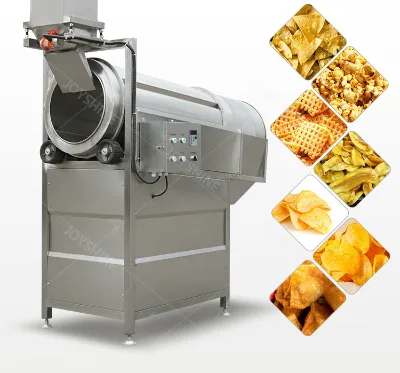
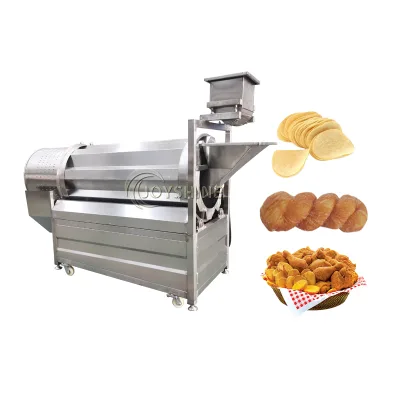
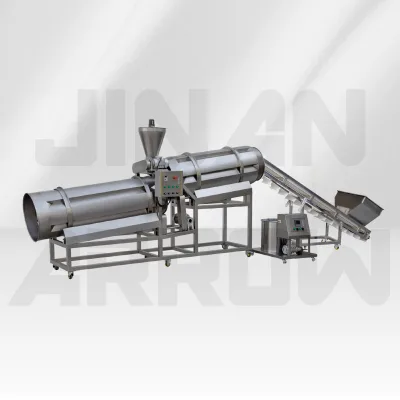
Continuous Seasoning Mixer Cylinder Type Fried Food Drum Mixer Seasoning Food Flavoring Machine
$1120.00 - $2580.00
MOQ: 1 Pieces


Zhucheng Lijie Food Machinery Co.,Ltd.
- Verified by BV
- Combined
- China Shandong
- Lead time30 days
- Avg. response≤ 2h
Main productsPotato Chips Frying Machine, Hot Air Drying Machine, Bubble Washing Machine, Fruit&Vegetable Cutting Machine, Frying Machine, Air Drying Machine, Washing and Hot Air Drying Line, Frozen French Fries Production Line, Turnover Basket Washing Machine, Auxiliary Machine
Main marketsAfrica,Southeast Asia/ Mideast,East Asia(Japan/ South Korea)
Henan Finer Electromechanical Equipment Co., LTD.
- Verified by SGS Group
- Trading Company
- Lead time0 days
- Avg. response≤ 2h
Main productsDumpling Machine, Cookie Machine, Bakery Equipment, Commercial Kitchen Equipment, Packing Machine
Main marketsNorth America(40%), Oceania(25%), Western Europe(18%)
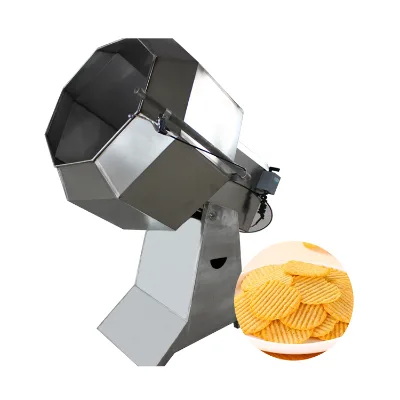
$466.1755 - $517.972
MOQ: 1 sets
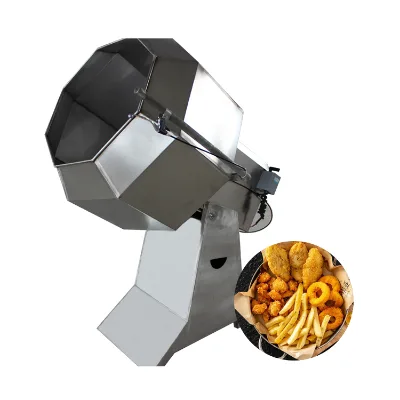
$466.1755 - $517.972
MOQ: 1 sets
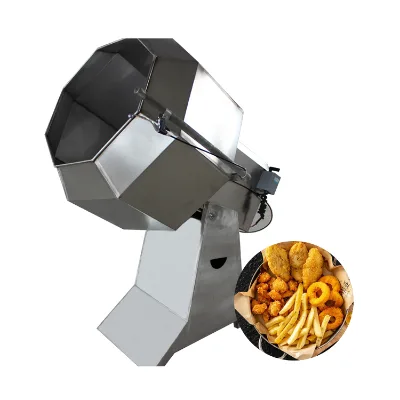
High Performance Full 304ss Food Flavoring Machinery Food Seasoning for Sell
$466.1755 - $517.972
MOQ: 1 sets
Zhengzhou Inber Machinery Co., Ltd.
- Trading Company
- Henan, China
- Lead time5 days
- Avg. response≤ 8h
Main productsfarm machinery,food machinery
Main marketsDomestic Market(10.00%), South Asia(10.00%), Northern Europe(10.00%), Central America(10.00%), Eastern Asia(10.00%), Mid East(10.00%), Africa(10.00%), Southeast Asia(10.00%), South America(10.00%), North America(10.00%)

Zhengzhou Xingsheng Machinery Equipment Co., Ltd.
- Verified by TUVRHEINLAND
- Trading Company
- China Henan
- Lead time15 days
- Avg. response≤ 3h
Main productsCharcoal Briquette Machine, Agricultural Machinery, Food Machine, Animal Feed Pellet Machinery, Fruit Vegetable Washing Machine, Grinding Crusher Machine, Meat Crusher Machine, Toothpick Machine, Hydraulic Press Machine, Some Other Hots Machines
Main marketsSouth America

Fully Automatic Continuous Food Flavoring Machine Seasoning Meat Mixing Machine
$690.00 - $1350.00
MOQ: 1 Pieces

Commercial Mixer Flavor Blender Snack Groundnut Flavoring Seasoning Machine
$690.00 - $1350.00
MOQ: 1 Pieces

Seasoning High Speed Mixer Flavor Blender Groundnut Seasoning Machine Food Snacks Flavoring Machine
$690.00 - $1350.00
MOQ: 1 Pieces

Efficient Snack Mixer Machine Flavoring Solutions Drum Seasoning Machines
$690.00 - $1350.00
MOQ: 1 Pieces
Henan Joyshine Machinery Co., Ltd.
- Verified by SGS Group
- Manufacturer, Trading Company
- Lead time9 days
- Avg. response≤ 2h
Main productsfrozen french fries line, potato chips line, vegetable washing machine, continuous frying machine, vegetable drying machine
Main marketsWestern Europe(18%), South America(13%), Eastern Europe(13%)

HANGZHOU SAIZHOU TECHNOLOGY CO., LTD.
- Manufacturer/Factory
- China Zhejiang
- Lead time23 days
- Avg. response≤ 6h
Main productsVegetable and Fruit Processing Equipment, Meat Processing Equipment, Packaging and Filling Equipment, Nut and Grain Equipment, Bakery Equipment
Main marketsSouth America,Eastern Europe,North America,Southeast Asia,Eastern Asia,Oceania,Africa


Commercial Peanut Snack Food Coating Mixing Flavoring Seasoning Machine
$850.00 - $1500.00
MOQ: 1 Sets


Hot Sale Potato Chips Puff Snacks Food Flavor Coating Seasoning Machine
$400.00 - $1500.00
MOQ: 1 Sets


Qingdao Tune Machinery Co., Ltd.
- Manufacturer/Factory
- China Shandong
- Lead time23 days
- Avg. response≤ 8h
Main productsFrozen French Fries Production Line, Potato Chips Production Line, Fruit and Vegetable Processing Equipment, Meat Food Processing Equipment, Frying Machine
Main marketsSouth America,Eastern Europe,Mid East,North America,Southeast Asia,Eastern Asia,Oceania,Western Europe,Africa


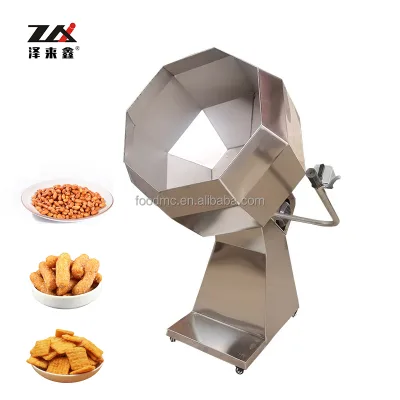
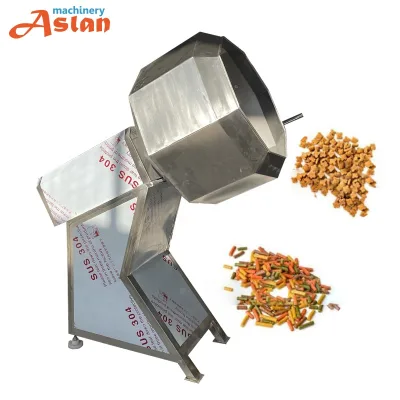
Hot Sale Factory Directly Automatic Octagonal Snacks Seasoning Mixer Machine
$1500.00 - $3000.00
MOQ: 1 Pieces
Xingtai Zelaixin Machinery Factory
- Verified by SGS Group
- Manufacturer, Trading Company
- Lead time7 days
- Avg. response≤ 2h
Main productsDumpling Machine, Vegetable Cutting Machine, Meat Cutting Machine, Steamed Stuffed Bun Machine, Noodle Machine
Main marketsDomestic Market(30%), North America(20%), Eastern Asia(8%)

Zhucheng Tianshun Machinery Co., Ltd.
- Verified by TUVRHEINLAND
- Combined
- China Shandong
- Lead time15 days
- Avg. response≤ 2h
Main productsFood Machine, Frying Machine, Vacuum Packaging Machine, Vegetable Washing Machine, Drying Machine, Potato Chips Frying Machine, Fully Automatic Fried Pasta Machine, French Fries Frying Machine, Package Cleaning Machine, Blanching Machine
Main marketsSouth America,Europe


Food Seasoning Flavoring Mixer Machines Potato Chips Drum Seasoning Machine
$6000.00 - $6500.00
MOQ: 1 Pieces

Spice Mixer Machinery Cashew Nut Automatic Seasoning Flavouring Machine
$2000.00 - $2500.00
MOQ: 1 Pieces

Flavor Drum Mix Seasoning Mixer Machinery Continous Flavouring Machine
$6000.00 - $6500.00
MOQ: 1 Pieces
Henan Liangyi Machinery Co., Ltd.
- Verified by SGS Group
- Manufacturer, Trading Company
- Lead time35 days
Main productsFood Machinery/Food Processing Line, Mixing Machine/Fryer/Oven/Packaging Machine/Cooling Machine
Main marketsDomestic Market(78%), Mid East(15%), Southeast Asia(3%)
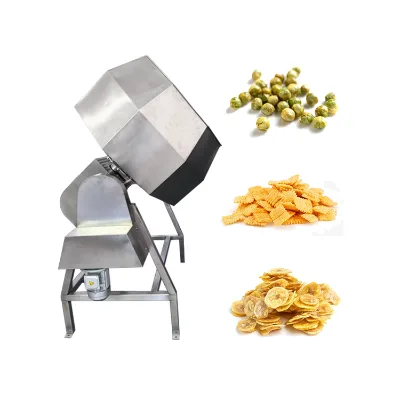
Stainless Steel Automatic Seasoning Mixer/coating Seasoning Machine
$974.7053 - $1026.0055
MOQ: 1 pieces
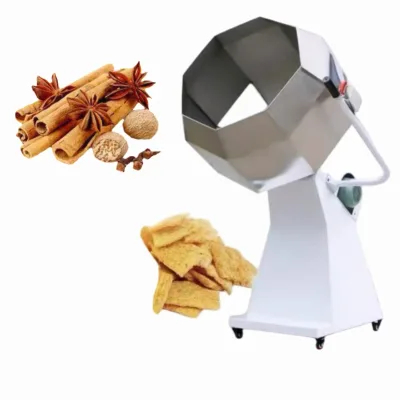
Automatic Seasoning Mixer, Popcorn Coating Machine, Seasoning Coating Machine
$1040.5503 - $1710.2121
MOQ: 1 pieces
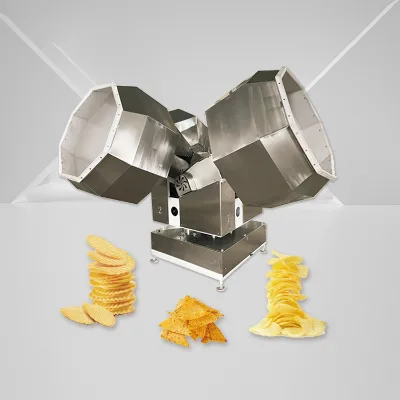
Multi-functional Self-continuous Seasoning Machine/snack Food Seasoning Mixer
$7044.4186 - $7251.6074
MOQ: 1 sets
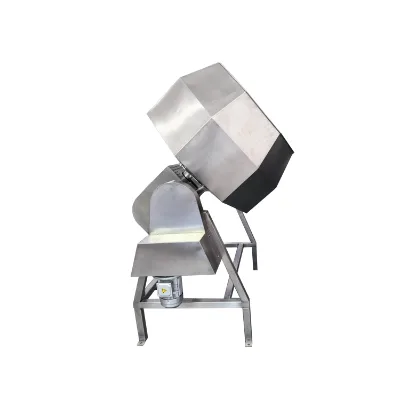
Customizable Food Seasoning Mixer / Meat and Vegetable Flavoring Machine
$1606.883 - $2160.8385
MOQ: 1 sets
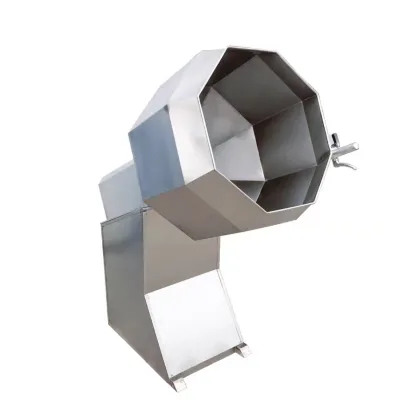
Automatic Snack Food Coating Seasoning Machine Efficient Mixer for Snack Production
$730.4462 - $819.0476
MOQ: 1 pieces
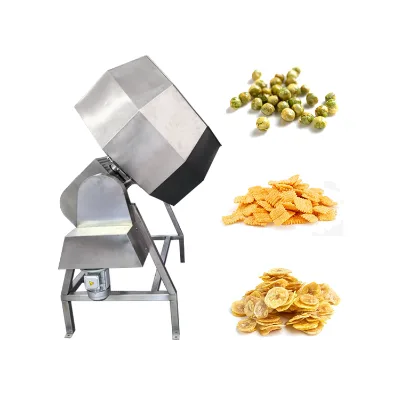
$1539.0083 - $1569.7888
MOQ: 1 sets

Zhengzhou Shuliy Machinery Co., Ltd.
- Verified by SGS
- Trading Company,Manufacturer/Factory
- China Henan
- Lead time0 days
- Avg. response≤ 6h
Main productsPacking Machinery, Food Processing Machinery, Agriculture Processing Machinery, Wood Processing Machinery, Plastic Processing Machinery, Charcoal Processing Machinery, Baler Machinery, Recycling Machinery, Metal Processing Machinery


Factory Sipply Flavors Spicy Mixing and Seasoning Machine for Nuts and Puffed Snacks
$2700.00 - $3500.00
MOQ: 1 set

Shantou Huaxing Machinery Factory Co., Ltd.
- Verified by TUVRHEINLAND
- Combined
- China Guangdong
- Lead time60 days
- Avg. response≤ 25h
Main productsSnack Machine, Food Processing Machine, Potato Chips Production, Fryer, Dryer, Cake Depostor, Puff Snack Production Line, Single Screw Extruder, Double Screw Extruder, Pellet Snack Extruder
Main marketsSoutheast Asia/ Mideast,Europe


Nut Flavor Mixing Machine Chips Seasoning Machine Flavor Coating Machine
$6000.00 - $7000.00
MOQ: 1 Pieces

Henan Jiahuang Mechanical And Electrical Equipment Co., Ltd.
- Trading Company
- Henan, China
- Lead time0 days
- Avg. response≤ 1h
Main productsFood machinery,Packaging machinery,Fruit processing machine,Meat processing machine,Commercial Equipment & Machinery
Main marketsSouth America(40.00%), North America(25.00%), Western Europe(20.00%), Africa(15.00%)

Henan Penghui Machinery And Equipment Co., Ltd.
- Manufacturer, Trading Company
- Henan, China
- Lead time3 days
- Avg. response≤ 2h
Main productsFood machinery,Agricluture machinery,Wood machinery,Recycling machinery,Plastic machinery
Main marketsAfrica(30.00%), Eastern Europe(30.00%), North America(30.00%), Mid East(10.00%)
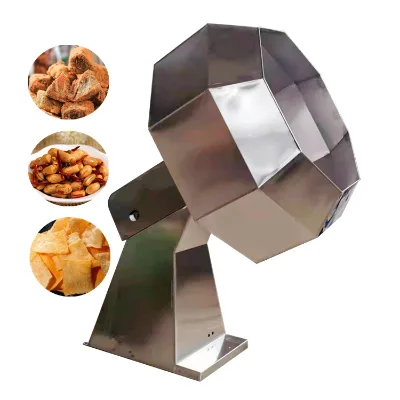
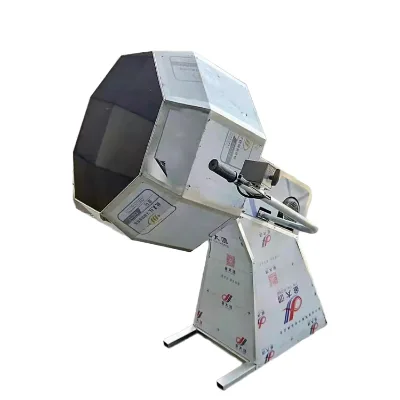
Flavour Mixer Potato Chips Snack Food Nuts Groundnut Seasoning Flavouring Mixer Mixing Machine
$726.1576 - $1244.8416
MOQ: 1 sets

Zheng Zhou Taizy Trading Co., LTD
- Verified by BV
- Trading Company
- China Henan
- Lead time15 days
- Avg. response≤ 6h
Main productsWood Processing Machine, Plastic Processing Machine, Charcoal Processing Machine, Food Processing Machine, Waste Recycling Machine, Packing Machine, Agricultural Machine, Egg Tray Machine, Metal Processing Machine
Main marketsSouth America,Others(foreignTradeCapacity.exportBusinessCapacityMarketOther),Southeast Asia/ Mideast,Europe

Zhengzhou Xiangkun Machinery Co., Ltd.
- Verified by TUVRHEINLAND
- Trading Company
- China Henan
- Lead time0 days
- Avg. response≤ 3h
Main productsFood Puffing Machine, Fruit and Vegetable Washer, Seasoning Machine, Meat Processing Machine, Nut Processing Line, Food Processing Machine, Oil Press, Pitting Machine, Cashew Processing Machine
Henan Maggie Trading Co., Ltd.
- Trading Company
- Lead time旺季: "1 - 1":16,"2 - 100":20,"> 100":"To be negotiated", 淡季: "1 - 1":16,"2 - 100":20,"> 100":"To be negotiated"
- Avg. response≤ 1h
Main productsSnacks,meat,vegetables,and grain processing machinery,Vending machines and packaging machines
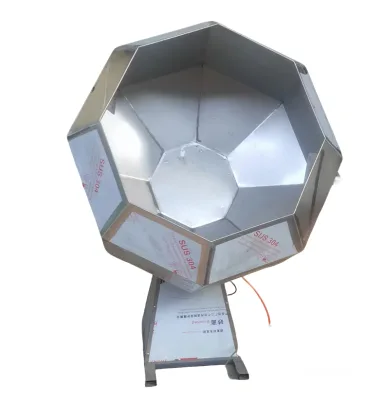
$615.0007 - $666.3355
MOQ: 1 sets
$615.4219 - $666.7927
MOQ: 1 sets
$615.4219 - $666.7927
MOQ: 1 sets
$615.0007 - $666.3355
MOQ: 1 sets
ZHENGZHOU ASLAN MACHINERY CO.,LTD
- Trading Company
- Lead time旺季: "1 - 1":7,"> 1":"To be negotiated", 淡季: "1 - 1":7,"> 1":"To be negotiated"
- Avg. response≤ 6h
Main productsFood Machine, Packing Machine, Vegetable Processing Machine , Meat Processing Machine , Nuts Processing Machine

Shandong Zeko Machinery Co., Ltd
- Verified by SGS
- Combined
- China Shandong
- Lead time30 days
- Avg. response≤ 2h
Main productsFood Machinery, Meat Processing Equipment, Vacuum Meat Tumbler, Meat Cutting Machine, Brine Injection Machine, Meat Grinder
Main marketsOthers(foreignTradeCapacity.exportBusinessCapacityMarketOther),Europe,North America

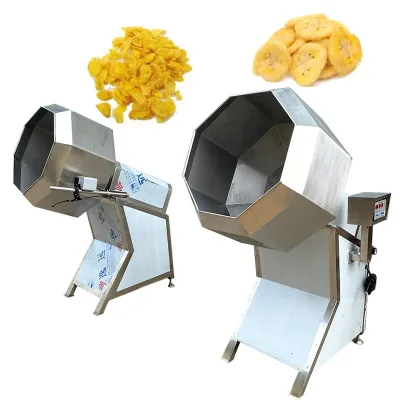
Octagonal Seasoning Machine Stainless Steel Automatic Snack Flavoring Mixer Machine
$1000.00 - $1400.00
MOQ: 1 Pieces

Versatile Mixing Drum Equipment Machine for Efficient Seasoning Machine Use
$1900.00 - $2000.00
MOQ: 1 Pieces

Shandong Huake Machinery Technology Co., Ltd.
- Verified by CTI
- Trading Company,Manufacturer/Factory
- China Shandong
- Lead time45 days
- Avg. response≤ 2h
Main productsPuffed Snack Food Machinery, Pet Feed Machinery, Breakfast Cereal Production Line, Doritos Tortila Chips Machine, Instant Rice Nutrition Rice Production Line, Corn Flake Production Line, Pasta Production Line, Microwave Sterilization and Drying Equipment, Instant Porridge Machine, Extruder Machine
Main marketsSouth America,Eastern Europe,Mid East,North America,Southeast Asia,Eastern Asia,Oceania,Western Europe,Africa

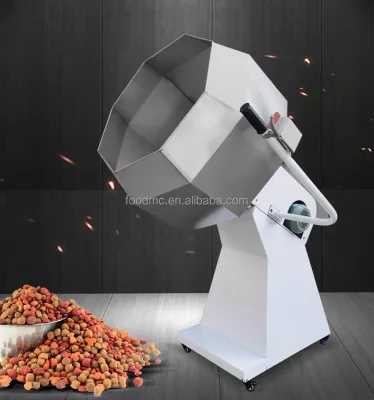
Seasoning Spraying Mixture Machine Pet Food Snack Seasoning Mixer Machine Tumbler Seasoning Machine
$1500.00 - $5000.00
MOQ: 1 set


Jinan Arrow Machinery Co., Ltd.
- Verified by SGS Group
- Manufacturer, Trading Company
- Lead time30 days
- Avg. response≤ 2h
Main productsFood Extruder, Puff Snacks Processing Line, Breakfast Cereals Production Line, Pellets Snacks Making Machine, Pet Food Machine
Main marketsDomestic Market(45%), South Asia(15%), Africa(14%)

Gelgoog Intelligent Technology Co., Ltd.
- Verified by TUVRHEINLAND
- Manufacturer/Factory
- China Henan
- Lead time23 days
- Avg. response≤ 5h
Main productsBiscuit Making Machine, Ice Cream Cone Machine, French Fries Machine, Snack Frying Machine, Vegetable Washing Machine, Cellophane Wrapping Machine, Peanut Butter Machine, Garlic Processing Machine, Cocoa Procssting Machine, Nut Roasting Machine
Main marketsSouth America,Eastern Europe,Mid East,North America,Southeast Asia,Eastern Asia,Oceania,Western Europe,Africa

$4200.00 - $39999.00
MOQ: 1 Sets

Autoamtic Continuous Snack Food Flavoring Seasoning Machine with Best Price
$1500.00 - $3500.00
MOQ: 1 Pieces
Zhengzhou Longer Machinery Co., Ltd.
- Manufacturer, Trading Company
- Lead time旺季: "1 - 1":31,"> 1":"To be negotiated", 淡季: "1 - 1":31,"> 1":"To be negotiated"
- Avg. response≤ 9h
Main productsPeanut Butter Production Line,Cashew Processing Machine,Cocoa Powder Processing Machine,Nuts Roasting Machine

Luohe Quality Mechanical Equipment Co., Ltd.
- Verified by SGS
- Manufacturer/Factory
- China Henan
- Lead time23 days
- Avg. response≤ 5h
Main productsJuice Extractor, Sausage Making Machine, Pita Bread Machine, Biscuit Making Machine
Main marketsSouth America,Eastern Europe,North America,Eastern Asia,Western Europe
Jingdezhen Huiju Technologies Co., Ltd.
- Verified by TüVRheinland
- Manufacturer, Trading Company
- Lead time5 days
- Avg. response≤ 3h
Main productsOil Press Machine, Egg Incubator, Poultry Feed Pellet Machine
Main marketsAfrica(30%), North America(25%), Southeast Asia(10%)
$498.00 - $508.00
MOQ: 1 units

Jiangyin Migreat Machinery Co., Ltd.
- Verified by TUVRHEINLAND
- Trading Company,Manufacturer/Factory
- China Jiangsu
- Lead time23 days
- Avg. response≤ 2h
Main productsGrinding Machine, Mixer Machine, Drying Machine, Granulator, Packing Machine, Sifter, Conveyor, Fluid Bed Dryer, Air Classifier Mill, Spray Dryer
Main marketsSouth America,Eastern Europe,Mid East,North America,Southeast Asia,Eastern Asia,Oceania,Western Europe,Africa

Stainless Steel Seasoning Spices Mixer Dry Food Powder Mixing Machine
$1500.00 - $30000.00
MOQ: 1 Pieces

High Capacity Spice Seasoning Mixing Machine Powder Ribbon Blender Mixer
$1500.00 - $30000.00
MOQ: 1 Pieces
Henan Huanor Import And Export Trade Co., Ltd.
- Verified by TüVRheinland
- Trading Company
- Lead time0 days
- Avg. response≤ 6h
Main productsMeat Grinder, Bowl Cutter, Slicer, Beef Patty Machine
Main marketsNorth America(20%), Western Europe(20%), Eastern Europe(8%)






Comprehensive Sourcing Guide
Automatic Flavoring Seasoning Mixing Machine Supplier Concentration and Factory Types
The current supplier landscape for automatic flavoring seasoning mixing machines reveals a concentration of manufacturing and trading entities primarily located in China, with specific industrial clusters identified in Henan and Shandong provinces. Suppliers in these regions offer a diverse range of capabilities, ranging from pure trading companies to integrated manufacturer-factories that handle both production and sales. This structural diversity allows buyers to access a wide array of product configurations, including vegetable and fruit production machines, meat processing equipment, and specialized snack processing lines. The presence of both trading companies and factories suggests that buyers can choose between direct factory pricing and the logistical support often provided by trading entities, depending on their specific procurement needs and volume requirements.
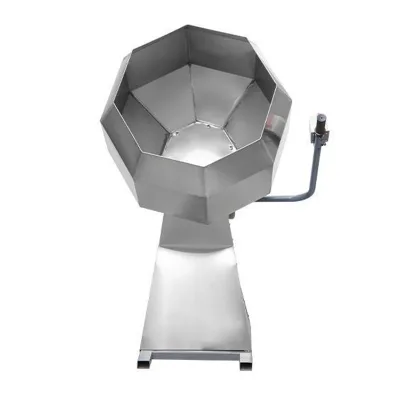
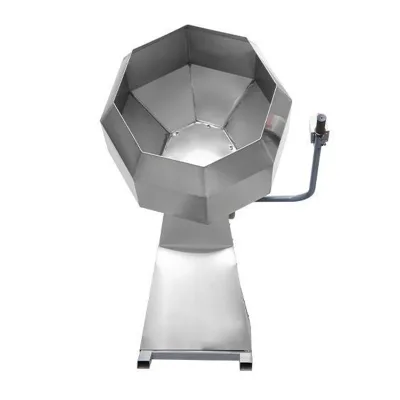
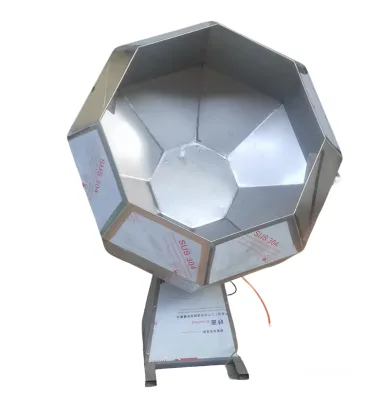
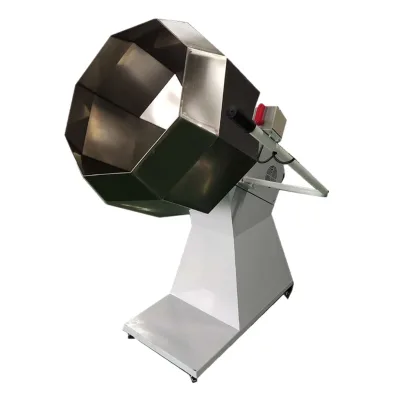
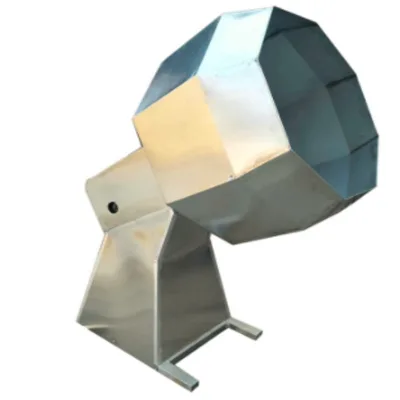
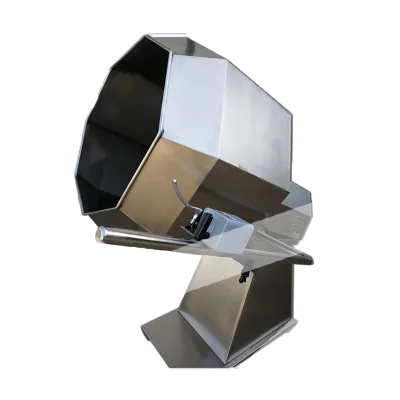
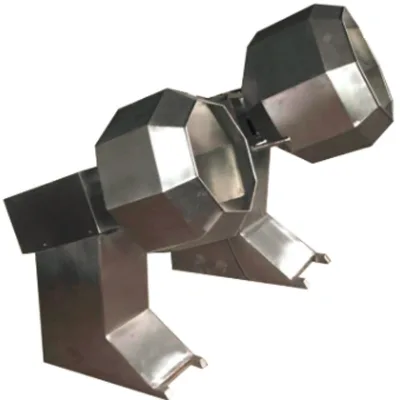
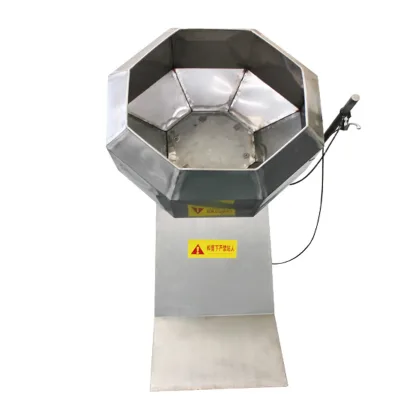
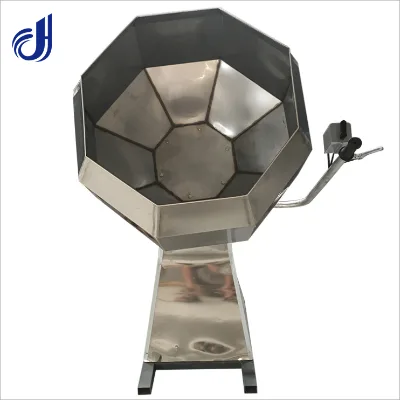
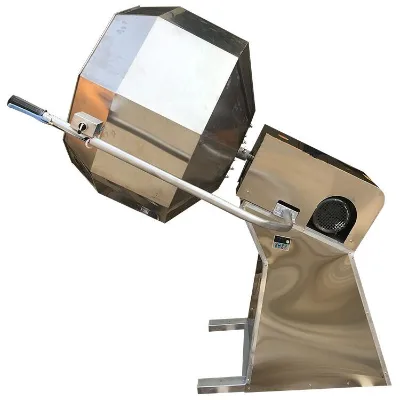
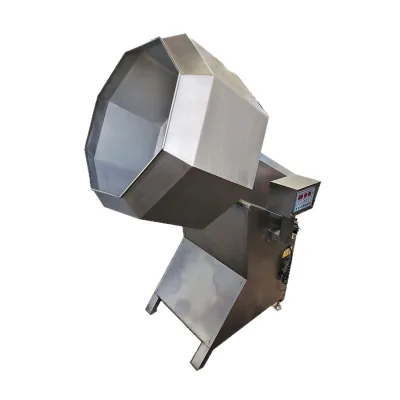
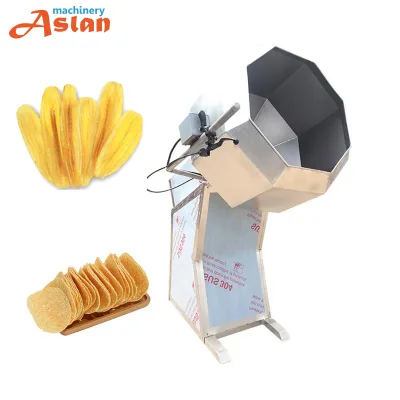
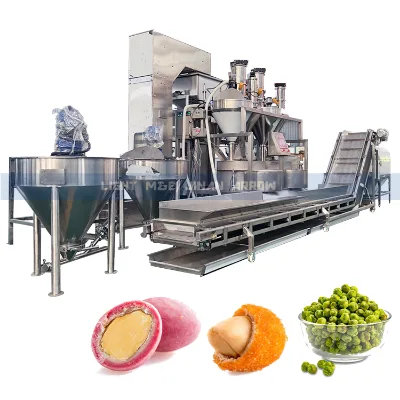
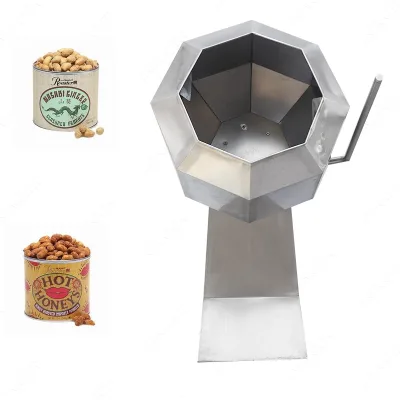
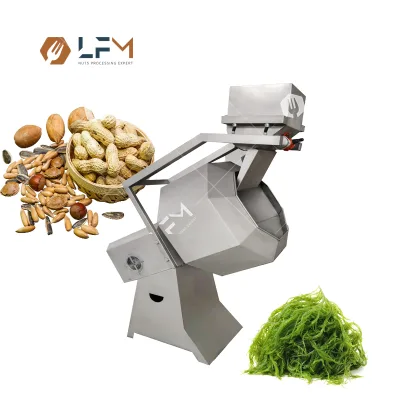
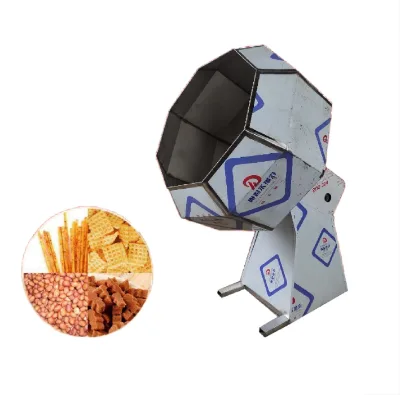
Within these clusters, the product offerings are heavily focused on automated solutions for snack, nut, and fried food seasoning. The available machinery includes automatic seasoning mixing containers, continuous drum mixers, and cylinder-type flavoring machines designed for high-volume production environments. These machines are engineered to handle various applications, from coating chips and popcorn to mixing powders and liquids with suspended solids. The equipment is typically constructed from stainless steel materials, such as SUS304, ensuring durability and compliance with food safety standards. The integration of automatic grades and electric power sources indicates a shift towards streamlined, labor-efficient production processes that minimize manual intervention while maximizing consistency in flavor application across large batches of food products.
How to Verify Automatic Flavoring Seasoning Mixing Machine Suppliers
Verifying the legitimacy and capability of suppliers requires a multi-layered approach that goes beyond simple product listings. Buyers should prioritize suppliers who display third-party verification badges, such as BV verification, which provides an additional layer of trust regarding the company's operational status and business practices. It is crucial to examine the supplier type to determine if the entity is a manufacturer, a trading company, or a combined entity, as this impacts communication efficiency and pricing structure. For manufacturers, verifying the existence of physical production facilities and quality control processes is essential, while for trading companies, assessing their supply chain management capabilities and inventory depth becomes the primary verification metric. This distinction helps buyers align their expectations with the supplier's actual role in the production chain.
Certification and standard compliance are equally critical components of the verification process. Buyers must confirm that the supplier holds relevant system certifications, such as ISO9001:2015, which indicates a standardized approach to quality management. Additionally, product-specific certifications like CE marks should be verified for machinery intended for use in regions with strict safety regulations. The presence of these certifications suggests that the supplier adheres to international standards for electrical safety and mechanical integrity. Furthermore, buyers should request detailed product specifications and test reports to ensure that the machinery meets their specific operational requirements, such as voltage compatibility, power consumption, and material safety. This due diligence minimizes the risk of receiving non-compliant equipment that could lead to operational disruptions or safety hazards in the production facility.
What to Compare Across Automatic Flavoring Seasoning Mixing Machine Suppliers
When evaluating multiple suppliers, buyers must compare key operational metrics to identify the most suitable partner for their specific needs. Response time is a critical indicator of supplier reliability and communication efficiency, with some suppliers demonstrating rapid response capabilities that facilitate quicker decision-making and issue resolution. Lead times for production and delivery vary significantly, with some suppliers offering standard turnaround times while others may have longer queues due to high demand. Buyers should also compare the minimum order quantities (MOQ) to ensure alignment with their initial procurement volumes, as some suppliers may require higher MOQs that could impact cash flow for smaller operations. Understanding these logistical parameters helps in planning inventory levels and production schedules effectively.
Product specifications and customization options are another vital area for comparison. Buyers should assess the machine's capacity, power requirements, voltage compatibility, and material construction to ensure compatibility with their existing infrastructure. Some suppliers offer OEM and ODM services, allowing for tailored solutions that meet unique production requirements, while others may provide standardized models with limited customization. The available capacity, measured in batches per hour or kilograms per hour, should be matched against the buyer's production targets to avoid bottlenecks. Additionally, comparing the warranty terms, after-sales support, and availability of spare parts is essential for long-term operational stability. By systematically comparing these attributes, buyers can make informed decisions that balance cost, performance, and service quality.
Common Automatic Flavoring Seasoning Mixing Machine Sourcing Risks
One of the primary risks in sourcing automatic flavoring seasoning mixing machines is the potential mismatch between advertised specifications and actual product performance. Buyers may encounter discrepancies in machine capacity, power consumption, or material quality, which can lead to inefficiencies in production and increased operational costs. This risk is often exacerbated by suppliers who provide incomplete or misleading product information, making it difficult for buyers to accurately assess the machine's suitability for their specific application. To mitigate this risk, buyers should request detailed technical drawings, performance test results, and references from previous customers to verify the supplier's claims. Conducting a thorough pre-purchase inspection or hiring a third-party inspection service can also help identify any potential issues before the equipment is shipped.
Another significant risk is the lack of adequate after-sales support and maintenance services. Automatic seasoning machines are complex pieces of equipment that require regular maintenance and occasional repairs to ensure optimal performance. Buyers may face challenges in obtaining timely technical support, spare parts, or training for their operational staff if the supplier does not have a robust support network in place. This risk is particularly acute for international buyers who may face language barriers and logistical hurdles in accessing support services. To address this, buyers should inquire about the supplier's warranty terms, service response times, and availability of local service partners. Establishing clear communication channels and documenting support agreements in the contract can help ensure that buyers receive the necessary assistance to maintain their equipment and minimize downtime.
Automatic Flavoring Seasoning Mixing Machine Regional Sourcing and Logistics
Sourcing automatic flavoring seasoning mixing machines from specific regions in China, such as Henan and Shandong, offers distinct logistical advantages and challenges. Suppliers in these regions are often part of established industrial clusters that provide access to a comprehensive supply chain, including raw materials, components, and specialized labor. This concentration can lead to competitive pricing and faster production times due to the proximity of suppliers and manufacturers. However, buyers must also consider the logistical implications of shipping heavy machinery from these inland locations, which may involve additional transportation costs and longer transit times compared to coastal ports. Understanding the regional logistics network is essential for accurately estimating total landed costs and delivery schedules.
Logistics planning should also account for the packaging and handling requirements of the machinery. Automatic seasoning machines are typically packed in standard export wooden boxes or wooden cases to protect them during transit. Buyers should verify the packaging standards to ensure that the equipment is adequately protected against damage during shipping. Additionally, considering the dimensions and weight of the machinery is crucial for selecting appropriate shipping methods and carriers. For large or heavy machines, sea freight is often the most cost-effective option, while air freight may be considered for urgent orders or smaller components. Coordinating with freight forwarders who have experience in handling industrial machinery can help streamline the logistics process and reduce the risk of delays or damage during transit.
Automatic Flavoring Seasoning Mixing Machine Commercial Terms and Order Planning
Commercial terms and order planning are critical factors that influence the overall cost and success of the procurement process. Buyers should carefully review the pricing structure, including any discounts for bulk orders or long-term contracts, to ensure they are receiving competitive rates. The minimum order quantity (MOQ) is another key consideration, as it determines the initial investment required and impacts inventory management strategies. Some suppliers may offer flexible MOQs to accommodate smaller orders, while others may require higher volumes to justify production costs. Understanding these terms helps buyers align their procurement strategy with their financial capabilities and production needs.
Payment terms and escrow services are also important aspects of commercial planning. Buyers should negotiate favorable payment terms, such as partial payments upfront and the balance upon delivery or inspection, to manage cash flow and reduce financial risk. Utilizing escrow services can provide an additional layer of security by holding funds until the buyer confirms receipt and satisfaction with the equipment. Additionally, buyers should consider the total cost of ownership, including installation, training, and maintenance costs, when evaluating the overall value of the supplier's offer. By carefully planning the commercial terms and order logistics, buyers can ensure a smooth procurement process and establish a strong foundation for a long-term partnership with their supplier.
FAQs
What is the price range for automatic seasoning mixing machines?
Prices for automatic seasoning mixing machines typically range from $900 to $13,000. Specific models like the HLGB-700 are priced at $900, while the HL-TW series ranges from $1,120 to $2,580. The HLTW-150 model is listed at $2,083. Buyers should verify exact costs based on capacity and customization needs.
What certifications are available for these seasoning machines?
Many automatic seasoning mixing machines carry CE certification, ensuring compliance with European safety standards. Some models also include ISO certification. These certifications indicate adherence to specific manufacturing and quality control standards. Buyers should request valid certificates from suppliers to confirm compliance before placing orders for food processing equipment.
What is the minimum order quantity for these machines?
The minimum order quantity varies by supplier and model. Some suppliers offer an MOQ of just one unit, allowing for single-machine purchases. Others may require a minimum of ten units. Buyers should check specific product listings to determine the exact MOQ applicable to their desired machine specifications and supplier terms.
What materials are used in constructing these mixing machines?
Most automatic seasoning mixing machines are constructed from stainless steel, specifically SUS304 grade, to ensure hygiene and durability in food processing environments. This material resists corrosion and is easy to clean. Buyers should verify the specific steel grade and thickness with suppliers to ensure it meets their food safety and operational requirements.
What is the typical lead time for manufacturing these machines?
Lead times for automatic seasoning mixing machines can vary. Some suppliers indicate a lead time of approximately 30 days for production and delivery. Others may have different schedules based on customization needs. Buyers should confirm the exact lead time with the supplier, as it depends on order volume and specific machine configurations.
What is the power consumption of these seasoning machines?
Power consumption varies by model, ranging from 0.75KW to 2.32KW. The HLTW-150 model uses 0.75KW, while the HL-TW series uses 2.32KW. Other models may use 1.1KW. Buyers should select a machine that matches their facility's electrical capacity and energy efficiency requirements to optimize operational costs.