Source Screen Beehive Bottom Plate for Apiaries, Farms, and Hives
Compare 13 Screen Beehive Bottom Plate options from verified suppliers. Buyers can evaluate materials like pine and plastic, sizes for 8 or 10 frames, and supply capabilities ranging from 500 sets to 1 million monthly; compare the available evidence and request quotations based on your requirements.
Updated
Key considerations
Products List
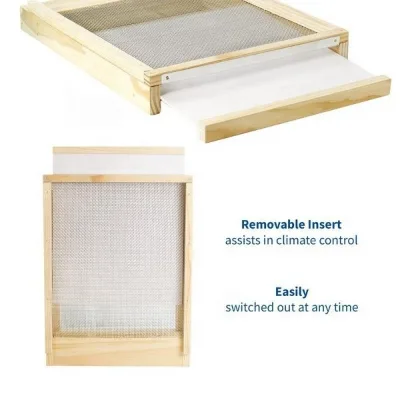
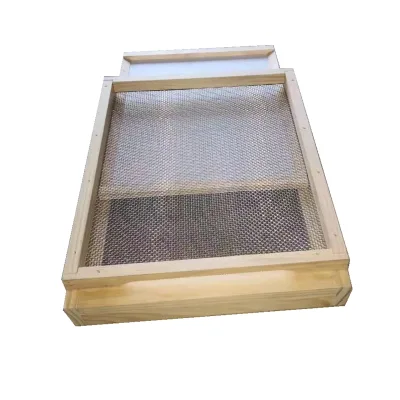
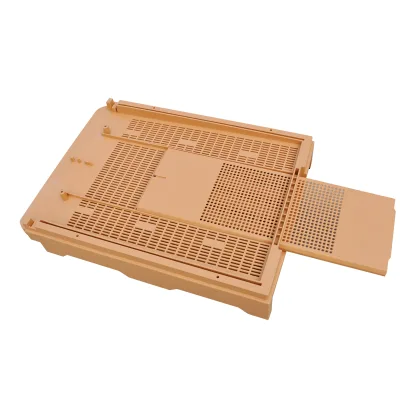
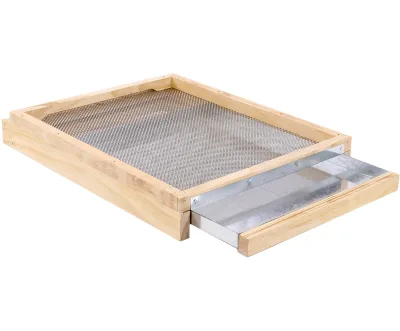
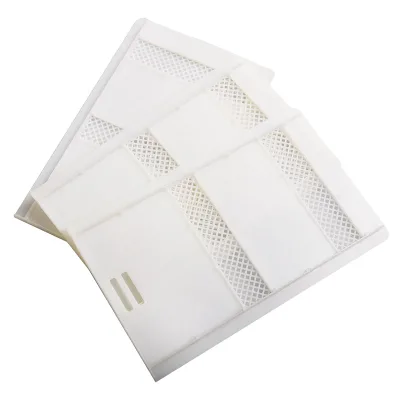
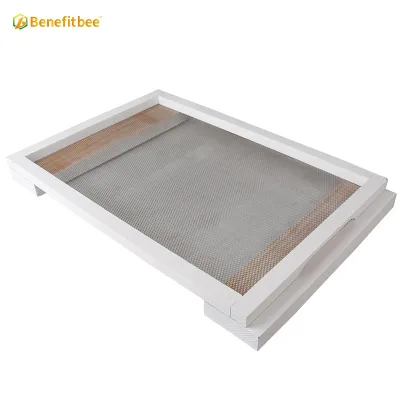
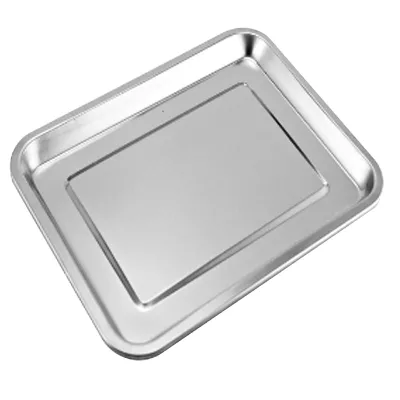
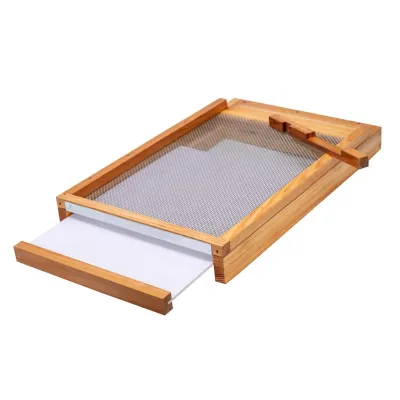
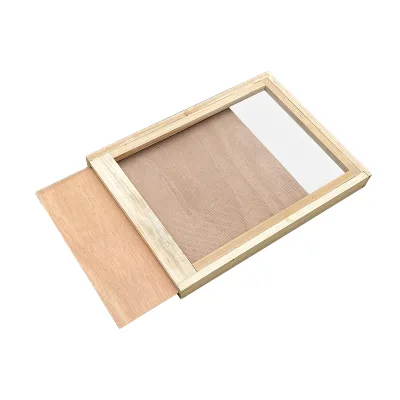
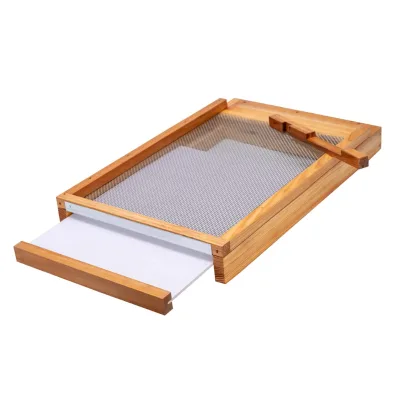
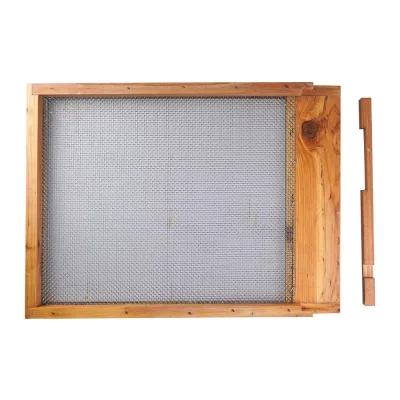
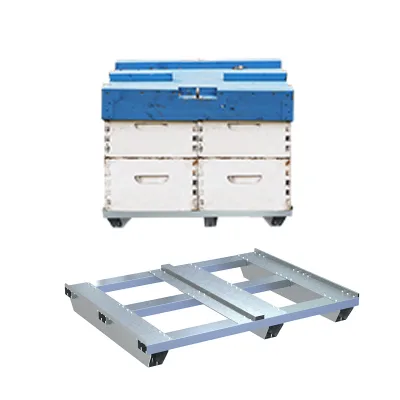
Comprehensive Sourcing Guide
Screen Beehive Bottom Plate Sourcing Guide
Buyers evaluating screen beehive bottom plates must first distinguish between solid and screened configurations, as the supplied data indicates both options exist within the market. The observed product listings reveal a clear divergence in material composition, ranging from solid pine and New Zealand pine to plastic polypropylene variants. This distinction is critical because the material choice directly influences ventilation, mite control, and structural longevity in different climate zones. Procurement teams should verify whether the specific unit requires a screened bottom for Varroa mite management or a solid base for winter insulation, as the functional requirements dictate the appropriate material selection.
The commercial landscape for these components shows significant variation in supply capacity and packaging standards, which impacts logistics planning. While some suppliers offer high-volume monthly outputs of one million sets, others are limited to hundreds of sets per month, creating potential bottlenecks for large-scale apiary operations. Additionally, packaging details vary from bulk pallets to individual cartons, and weight specifications range from 0.027 kg for plastic units to 2 kg for wooden assemblies. Buyers must align their order volume with the supplier's stated supply ability to ensure timely delivery and avoid production delays that could disrupt hive management schedules.
Product Scope and Observed Listing Signals
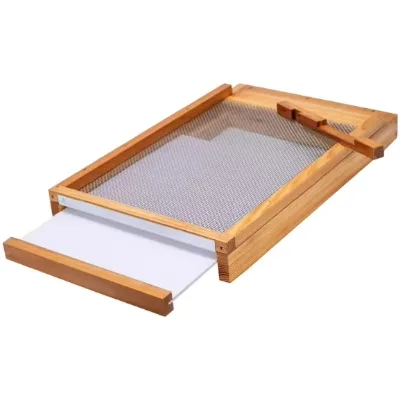
The product scope encompasses various bottom board designs, including Langstroth-compatible models and specific mesh bases with galvanized drawers. Listings explicitly mention features such as 8-frame or 10-frame compatibility, indicating that buyers must match the bottom plate dimensions to their existing hive frames. The observed data highlights a specific model number BSH and other identifiers like HA13, suggesting that standardization is not universal across all manufacturers. This lack of a single global standard necessitates careful verification of frame compatibility before placing an order to ensure the bottom board fits the hive body perfectly.
Market signals also reveal a diversity in warranty periods and brand positioning, ranging from one-year warranties to six-month or two-year coverage terms. Some products are marketed under specific brand names like Beehealthy or Benefitbee, while others are listed with generic descriptions focusing on the material, such as NZ Pine or PP material. This variation suggests that buyers should not rely solely on brand reputation but must scrutinize the specific product attributes listed for each item. The presence of different warranty terms serves as a proxy for manufacturer confidence in product durability, which should be a key factor in the final selection process.
Technical Specifications to Verify
Dimensional accuracy is paramount when selecting a Screen Beehive Bottom Plate, as the supplied data lists specific sizes like 56046060mm for certain wooden models. Buyers must confirm that the listed dimensions align with their hive body measurements, as even minor discrepancies can prevent proper seating or ventilation. The specification for 10-frame models is explicitly mentioned, but the existence of 8-frame options implies that frame count is a critical variable. Procurement teams should request detailed dimension sheets to verify that the internal clearance and external footprint match the intended hive configuration before committing to a bulk purchase.
Material composition and structural integrity are equally vital technical parameters that require rigorous verification. The observed listings include pine, New Zealand pine, plywood, and polypropylene, each offering distinct performance characteristics regarding weight, durability, and resistance to rot. For instance, wooden units are noted to weigh between 1 and 2 kg, whereas plastic variants are significantly lighter at 0.027 kg. Buyers should assess whether the material choice supports their specific environmental conditions, such as high humidity or extreme temperature fluctuations, and verify that the galvanized drawer mentioned in some listings is corrosion-resistant for long-term use.
Compliance and Safety Documentation
While the supplied product facts do not explicitly list specific international safety certifications, buyers must proactively request documentation regarding material safety and treatment. Wooden components, particularly those made from pine or plywood, may require proof of non-toxic treatment to ensure they do not contaminate honey or harm bee colonies. The absence of stated certifications in the initial data means that procurement teams cannot assume compliance with food-grade or agricultural safety standards without direct verification from the supplier. This step is essential to maintain the integrity of the beekeeping operation and ensure the safety of the final honey product.
Documentation regarding the manufacturing origin and port of dispatch is also necessary for regulatory compliance and logistics planning. The data indicates that products originate from regions like Henan and Guangdong in China, with dispatch ports including Qingdao, Shanghai, and Ningbo. Buyers should verify that the supplier can provide necessary export documentation, such as certificates of origin and packing lists, to facilitate smooth customs clearance. Ensuring that the supplier adheres to the export regulations of the destination country is a critical compliance step that prevents shipment delays and potential legal issues upon arrival.
Cost Drivers and Commercial Terms
The cost of screen beehive bottom plates is heavily influenced by the material type and the scale of production, as evidenced by the wide price range observed in the market. Wooden units made from New Zealand pine or standard pine generally command higher prices due to material costs and processing requirements, while plastic options may offer a more budget-friendly alternative. The observed price range of 0.35 to 70 USD reflects this disparity, suggesting that buyers should budget accordingly based on their specific material needs. Understanding these cost drivers helps in negotiating better terms and selecting the most economically viable option without compromising on essential quality.
Commercial terms such as Minimum Order Quantity (MOQ) and supply ability significantly impact the total cost of ownership and inventory management. The data shows MOQs ranging from 10 to 50 units, with supply abilities varying from 500 sets per month to 200 sets per day. Buyers must balance their order size against these constraints to avoid excessive inventory costs or stockouts. Additionally, the packaging details, which range from single items to bulk packs, affect shipping costs and handling efficiency. Negotiating favorable terms regarding packaging and delivery schedules can further optimize the overall procurement cost.
Supplier Qualification and Quality Control
Supplier qualification should focus on verifying their production capacity and consistency, as the data reveals a wide spectrum of supply capabilities. Some suppliers claim a monthly output of one million sets, while others are limited to a few hundred sets, indicating a need to assess whether the supplier can meet the buyer's volume requirements. Buyers should request evidence of their production lines and quality control processes to ensure that the high-volume claims are backed by actual manufacturing capabilities. This verification step is crucial to prevent supply chain disruptions and ensure a steady flow of products for large-scale beekeeping operations.
Quality control measures must be explicitly defined and agreed upon before production begins, given the variation in product attributes like weight and material. The observed weight differences, from 0.027 kg to 2 kg, highlight the importance of defining precise specifications to avoid receiving substandard or incorrect items. Buyers should establish clear acceptance criteria for dimensions, material quality, and finish, such as the presence of a galvanized drawer or the type of wood used. Implementing a pre-shipment inspection protocol can help identify defects early and ensure that the delivered products meet the agreed-upon standards.
Long-Term Procurement Checks
Long-term procurement success depends on monitoring warranty performance and after-sales support, as the observed warranty periods vary from six months to two years. Buyers should track how suppliers handle warranty claims to assess their commitment to product quality and customer satisfaction. A supplier offering a two-year warranty may demonstrate higher confidence in their product durability compared to one offering only six months. Establishing a clear process for warranty claims and support is essential for managing risks and ensuring that any defects are addressed promptly without disrupting beekeeping activities.
Continuous evaluation of supplier reliability and adaptability is necessary to maintain a resilient supply chain over time. The data shows that suppliers operate from various ports in China, which can affect lead times and shipping costs. Buyers should regularly review the supplier's ability to meet delivery schedules and adapt to changing market conditions or logistical challenges. Building a strong relationship with suppliers who demonstrate flexibility and reliability will help mitigate risks and ensure a consistent supply of high-quality screen beehive bottom plates for future operations.
FAQs
What materials are used for screened bottom boards?
Screened bottom boards are typically crafted from pine wood or plastic materials. Wooden options often utilize NZ Pine and plywood for durability, while plastic variants use PP material. These materials ensure structural integrity for beekeeping applications, with wooden boards weighing around 1-2 kg and plastic versions being significantly lighter at approximately 0.027 kg per unit.
Which frame sizes are compatible with these bottom plates?
These bottom plates are designed for standard 10-frame Langstroth hives. The specifications indicate a size of 560*460*60mm, fitting the standard frame configuration. Some models explicitly mention compatibility with 8 or 10 frames, ensuring they align with common beekeeping equipment standards for effective hive management and ventilation.
Can I find screened bottom boards with galvanized drawers?
Yes, screened bottom boards are available with galvanized drawers for mite management. These units feature a mesh base combined with a galvanized drawer to collect debris and pests. This design supports effective Varroa mite control, allowing beekeepers to easily remove and clean the drawer without disturbing the colony, enhancing overall hive health.
What is the typical supply capacity for these products?
Supply capacity varies by manufacturer and material type. Wooden screened bottom boards can have a supply ability of up to 1,000,000 sets per month. Plastic or specialized mesh bases with galvanized drawers may have lower capacities, such as 500 sets per month or 200 sets per day, depending on production constraints and material sourcing.
How are these bottom boards packaged for shipping?
Packaging details depend on the material and order volume. Wooden boards are often packed in bulk or on pallets, with some specifications noting 100 pieces per pack weighing 1 kg. Plastic variants may be packed in cartons. This flexible packaging ensures safe transport via ports like Qingdao or Shanghai, protecting the boards during international shipping.
What warranty periods are offered for these products?
Warranty periods vary significantly across different product listings. Some wooden screened bottom boards come with a 1-year warranty, while others offer 6 months. Plastic or specialized mesh base models may provide a 2-year warranty. Buyers should verify the specific warranty terms with the supplier to ensure adequate protection for their investment in beekeeping equipment.