Reusable Wine Glass Bottle Suppliers and Manufacturers
Compare 16 verified suppliers offering Reusable Wine Glass Bottle options with varying capacities, certifications, and lead times. Review response times, MOQs, and pricing to select the right partner for your beverage packaging needs; review the available evidence before requesting comparable quotations from suitable candidates.
Updated
Suppliers List

Rizhao Baibo Packaging Co., Ltd.
- Verified by TUVRHEINLAND
- Trading Company
- China Shandong
- Lead time15 days
- Avg. response≤ 4h
Main productsGlass Vase, Glass Jar, Glass Bottle, Glass Beverage, Glass Candlestick Jar, Glass Lampshade
Main marketsNorth America

Qingdao Crystal Glass Co., Ltd
- Verified by TUVRHEINLAND
- Combined
- China Shandong
- Lead time15 days
- Avg. response≤ 4h
Main productsWine Bottle, Glass Bottle, Liquor Glass Bottle, Vodka Glass Bottle, Whiskey Glass Bottle, Tequila Glass Bottle, Brandy Glass Bottle, Glass Container, Glass Jar, Perfume Bottle
Main marketsNorth America


Reusable 750ml Whiskey Bottle Manufacturer Glass Bottle for Brandy Whiskey
$0.40 - $0.52
MOQ: 6000 Pieces


Yantai Changyou Glass Co., Ltd.
- Verified by BV
- Manufacturer/Factory,Group Corporation
- China Shandong
- Lead time38 days
- Avg. response≤ 2h
Main productsSpirits Bottle, Wine Bottle, Cosmetic Bottle, Non-Alcoholic Beverages, Pharmaceutical Bottle, Glass Jar, Olive Oil Bottle, Aluminum Cap, Cork Stopper
Main marketsSouth America,Eastern Europe,North America,Southeast Asia,Eastern Asia,Western Europe,Africa
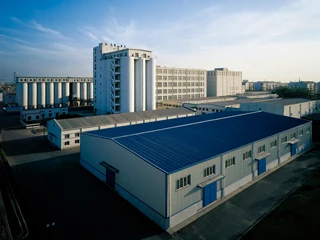
Beijing Shengjing International Trading Co., Ltd.
- Trading Company
- Beijing, China
- Lead time15 days
- Avg. response≤ 9h
Main productsKitchenware,glass vase,glass candle holder,glass mason jar,glass decorate bottle
Main marketsWestern Europe(20.00%), South America(20.00%), North America(20.00%), Eastern Europe(15.00%), Central America(10.00%), Northern Europe(10.00%), Mid East(5.00%)
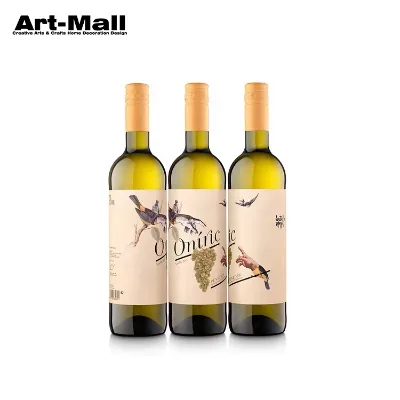
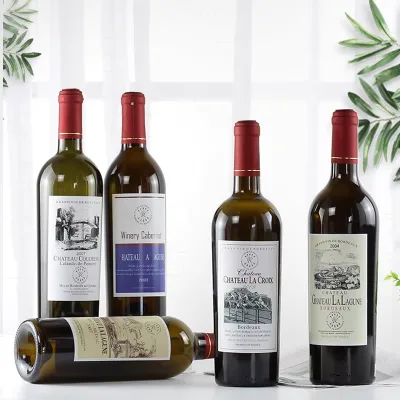
$0.25 - $0.45
MOQ: 3000 pieces
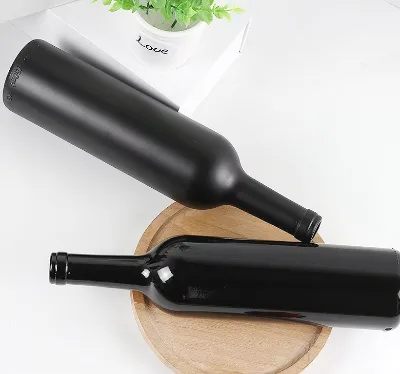
$0.25 - $0.45
MOQ: 3000 pieces
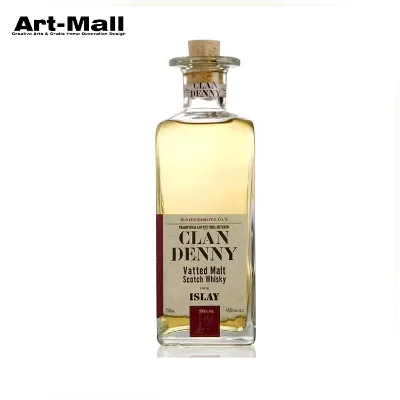
$0.4632 - $0.6686
MOQ: 5 pieces

- Verified by CTI
- Trading Company
- China Shanghai
- Lead time23 days
- Avg. response≤ 9h
Main productsGlass Bottle, Bottle, Vodka Glass Bottle, Whisky Glass Bottle, Glass Beer Bottle, Glass Wine Bottle, Beer Bottle, Glass Decanter, Glass Jars, Glass
Main marketsSouth America,Africa,Europe,Australia,North America


Whiskey Bottle Pretty 250ml Wine Bottle 33cl Glass Bottle 250ml Wine Bottle
$0.25 - $0.50
MOQ: 6000 Pieces

375ml Wine Glass Bottle Sandblasted Glass Bottles 375ml Wine Glass Bottle Sandblasted Glass Bottles
$0.25 - $0.50
MOQ: 6000 Pieces


Shenzhen Guyun Ceramics Co., Ltd.
- Manufacturer, Trading Company, Distributor/Wholesaler
- Guangdong, China
- Lead time30 days
- Avg. response≤ 2h
Main productsceramic vase,ceramic pot,ceramic tableware,ceramic mug,ceramic wine bottle
Main marketsNorth America(20.00%), Southeast Asia(10.00%), Mid East(10.00%), Western Europe(10.00%), Central America(10.00%), Northern Europe(10.00%), Southern Europe(10.00%), South America(5.00%), Eastern Europe(5.00%), Eastern Asia(5.00%), South Asia(5.00%)

Anhui Everecosip Packaging Co., Ltd
- Trading Company
- Anhui, China
- Lead time15 days
- Avg. response≤ 6h
Main productsGlass Bottles,Aluminum Bottles,Boxes,Candles Jars,thermos cup
Main marketsNorth America(25.00%), Domestic Market(16.00%), Southeast Asia(11.00%), Western Europe(10.00%), Southern Europe(7.00%), Africa(5.00%), Eastern Asia(5.00%), Eastern Europe(5.00%), Mid East(5.00%), Oceania(4.00%), South America(2.00%), South Asia(2.00%), Northern Europe(2.00%), Central America(1.00%)
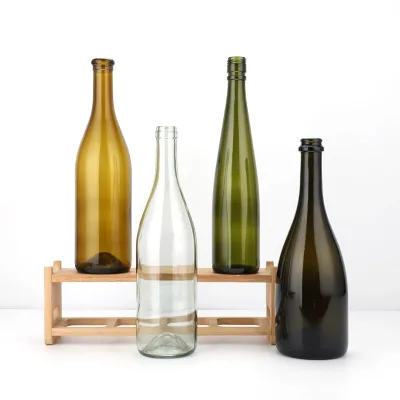
Factory Wholesale Glass Red Wine, Wine Bottle 750ml Transparent Empty Bottle With Stopper
$0.05 - $0.07
MOQ: 1000 pieces
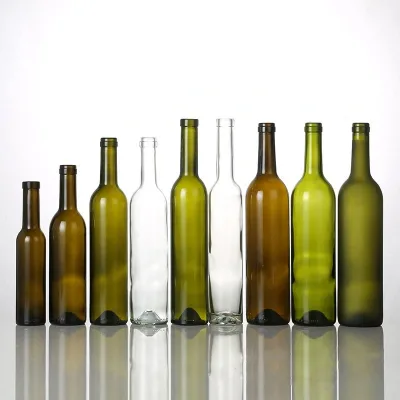
$0.05 - $0.07
MOQ: 1000 pieces
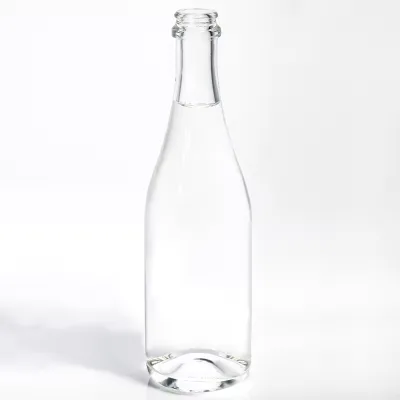
Wine Bottle Manufacturers Wholesale and Customize 700ml Various Wine Bottles With Screw Caps
$0.0514 - $0.072
MOQ: 1000 pieces
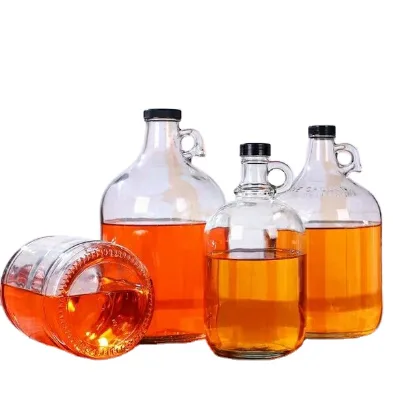
Wholesale Clear Gallon Glass Wine Bottle With Handle for Beer Wine Olive Oil
$0.0514 - $0.072
MOQ: 1000 pieces
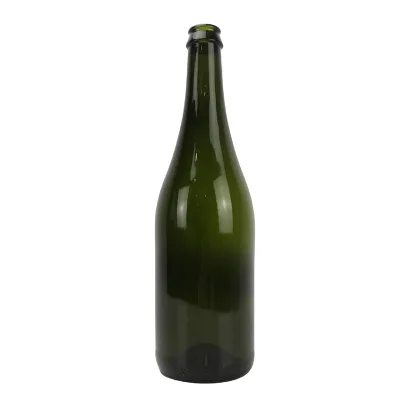
Manufacturer Can Customize Dark Green Glass Wine Red Wine Bottle Empty Bottle
$0.05 - $0.07
MOQ: 1000 pieces
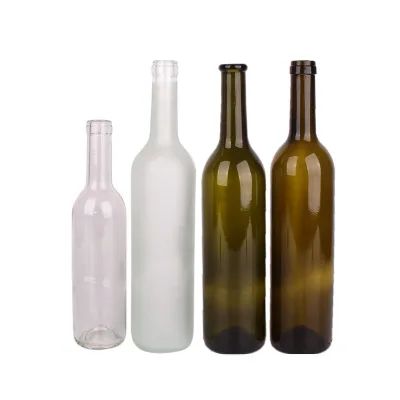
Thickened Multi-specification Wine Bottle, Home Brewed Empty Bottle, sealed Bottle with Cork
$0.05 - $0.07
MOQ: 1000 pieces

Ningbo Beixuan International Trading Co., Ltd.
- Verified by TUVRHEINLAND
- Manufacturer/Factory
- China Zhejiang
- Lead time15 days
- Avg. response≤ 10h
Main productsPlastic Bottle, Plastic Cup, Plastic Honey Jar, Plastic Food Container, Glass Juice/ Beverage Bottle, Glass Jar, Glass Wine Bottle, Glass Essential Oil Bottles, Cosmetic & Perfume Glass Bottles, Paper Cup
Main marketsSouth America,Eastern Europe,Mid East,North America,Southeast Asia,Eastern Asia,Oceania,Western Europe,Africa


250ml Round Wine Bottles Sealed with Buckle Transparent Storage Glass Bottle
$0.15 - $1.50
MOQ: 5000 Pieces


Zibo Chuangxinzhe International Trade Co., Ltd
- Verified by TUVRHEINLAND
- Trading Company
- China Shandong
- Lead time15 days
- Avg. response≤ 3h
Main productsGlass Bottle, Glass Jar, Bottle, Glass Storage Jar, Glass Tube, Mason Jar, Food Jar, Dropper Bottle, Empty Candle Jars, Perfume Bottle
Main marketsSouth America


Large Capacity Glass Wine Bottle for Whiskey with Durable Pack Standard
$0.21 - $0.31
MOQ: 30000 Pieces


Shanghai Vista Glass Co., Ltd.
- Verified by BV
- Combined
- China Shanghai
- Lead time30 days
- Avg. response≤ 8h
Main productsGlass Bottle, Glass Jar, Beer Bottle, Liquor Bottle, Wine Bottle, Vodka Bottle, Amber Bottle, Frost Bottle, Beverage Bottle, Champagne Bottle
Main marketsSoutheast Asia/ Mideast
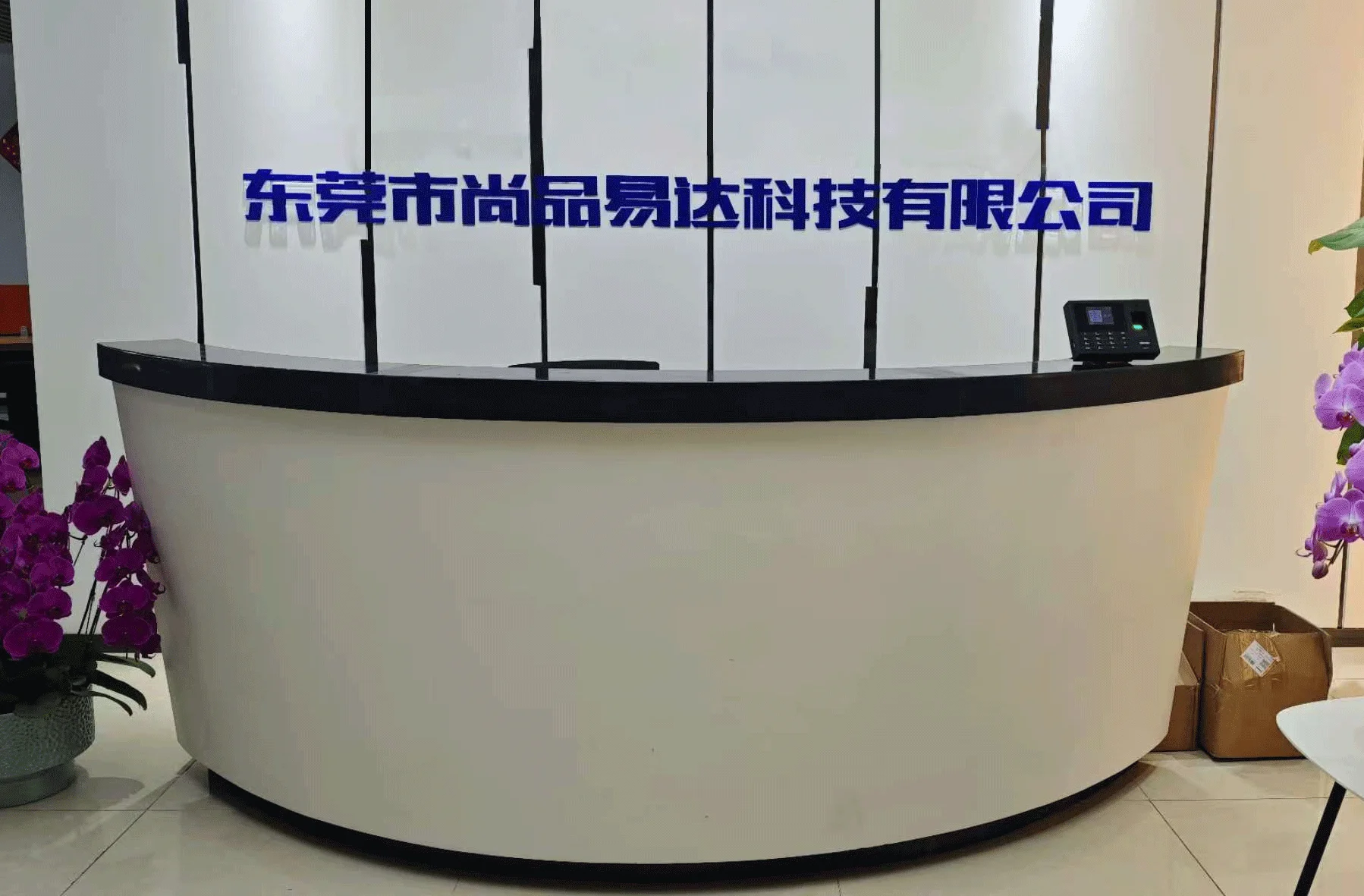
Dongguan Shangpin Yida Technology Co., Ltd.
- Manufacturer, Trading Company
- Guangdong, China
- Lead time10 days
- Avg. response≤ 4h
Main productsCustomized gift box,Custom packaging,Packaging production,PVC wall board,PVC wall panel
Main marketsMid East(40.00%), Eastern Asia(30.00%), North America(20.00%), South America(10.00%)
Changsha Aikeyi Homeware Co., Ltd.
- Trading Company
- Hunan, China
- Lead time25 days
- Avg. response≤ 2h
Main productsCustomized Glassware,Glass Tableware,Wine Glass,Glass Bottle,Glass Jar
Main marketsNorth America(33.00%), Oceania(15.00%), South America(12.00%), Western Europe(9.00%), Mid East(8.00%), Central America(4.00%), Northern Europe(4.00%), Africa(3.00%), Eastern Europe(3.00%), Southern Europe(3.00%), South Asia(2.00%), Southeast Asia(2.00%), Eastern Asia(2.00%)
$0.15 - $0.28
MOQ: 1000 pieces
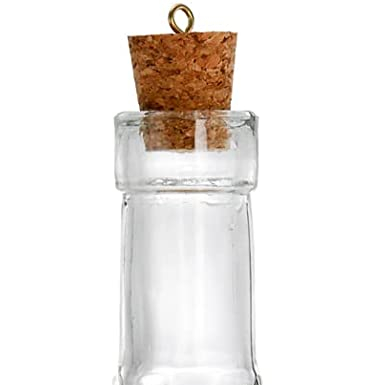

Anhui Creative Packaging Technology Co., Ltd.
- Verified by BV
- Trading Company,Manufacturer/Factory
- China Anhui
- Lead time23 days
- Avg. response≤ 6h
Main productsGlass Jars, Glass Bottles, Glass Liquor/Beer/Oil Bottles, Glass Cosmetic/Perfume Bottles, Glass Cup, Candle Jar, Preform, Lids/Cap, Aluminum Cans, Wine Glass
Main marketsSouth America,Eastern Europe,Mid East,North America,Southeast Asia,Eastern Asia,Oceania,Western Europe,Africa
Shandong Jingtou Glass Products Co., Ltd.
- Verified by TüVRheinland
- Trading Company
- Lead time30 days
- Avg. response≤ 2h
Main productsGlass Bottle, Bottle Cap, Perfume Bottle
Main marketsNorth America(30%), Western Europe(20%), Southern Europe(20%)
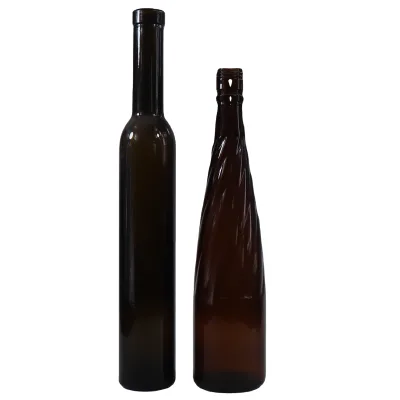
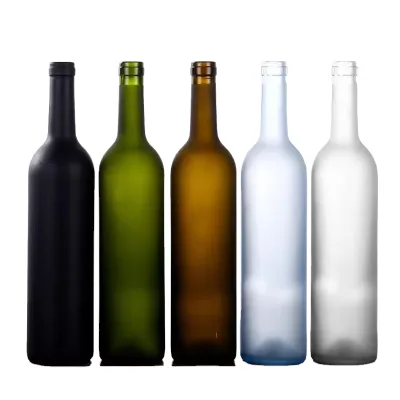
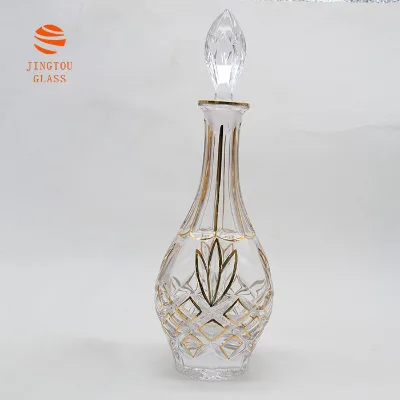
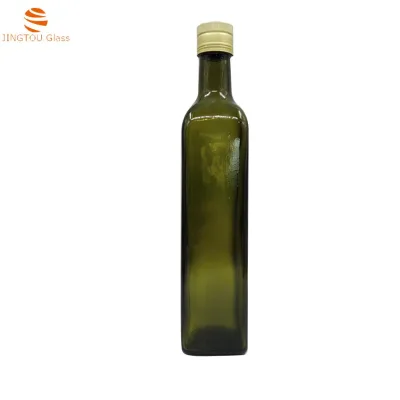
High quality glass bottle with lid and customizable color label 700ml 750ml
$0.3613 - $0.4122
MOQ: 6 pieces
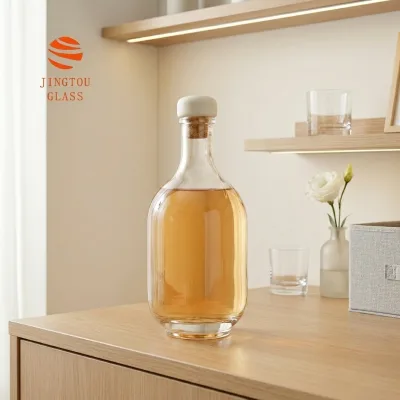

Xuzhou Yanjia Glassware Co., Ltd.
- Verified by BV
- Trading Company,Manufacturer/Factory
- China Jiangsu
- Lead time0 days
- Avg. response≤ 5h
Main productsGlass Bottle, Glass Jar, Honey Jar, Wine Bottle, Jam Jar, Juice Bottle, Glass Candle Jar, Tin Lid, Bottle Cap, Perfume Bottle


90ml Empty Refillable Glass Wine Bottle with Screw Lid for Liquor Whiskey
$0.21 - $0.36
MOQ: 500 Pieces


Hangzhou Topwell Packing Co., Ltd.
- Verified by SGS
- Trading Company
- China Zhejiang
- Lead time15 days
- Avg. response≤ 10h
Main marketsAfrica,Southeast Asia/ Mideast,Domestic,Europe,North America






Comprehensive Sourcing Guide
Reusable Wine Glass Bottle Supplier Concentration and Factory Types
When sourcing a Reusable Wine Glass Bottle, the first structural question is who actually makes it. Glass packaging production is capital intensive, with furnaces that must run continuously, so genuine manufacturers tend to concentrate in regions with energy access, raw material supply, and established export logistics. Supplier data in this category points to Shandong in China as an active production base, with products originating from Shandong and nearby Qingdao, which is consistent with that region's role in glass container manufacturing. Buyers should treat such location signals as a starting point for cluster identification and then confirm whether a listed supplier operates its own furnace or molds, or resells on behalf of a factory.
Supplier types also differ in ways that affect your order. Some listings in this category are labeled as trading companies, while others are combined operations covering both manufacturing and trade, and their main product lines range from wine, liquor, vodka, whiskey, tequila, and brandy bottles to glass jars, perfume bottles, candlestick jars, and lampshades. A trading company may offer broader catalog access and consolidated shipments, whereas a combined or manufacturer-side supplier may control tooling, decoration, and mold development directly. Verify factory status through a business license check, an audit report, or a virtual or on-site factory tour, and ask specifically which production steps happen in-house versus subcontracted.
How to Verify Reusable Wine Glass Bottle Suppliers
Verification should start with the platform-level signals visible on each listing and move toward evidence you request directly. In this category, some suppliers carry third-party verification badges such as TÜV Rheinland, which indicates an independent inspection body has reviewed company credentials, though it does not certify product quality by itself. Response time is another displayed metric: the suppliers represented here show average response speeds of roughly three hours, which is a useful baseline when comparing communication discipline. Beyond platform badges, ask for a business license, export history for glass packaging, and references from beverage or spirits brands, then cross-check the registered company name against the bank account name before any payment.
Product-level evidence matters just as much as company-level proof. Listings in this category show stated certificates such as SGS, ISO, and FDA on specific products; ask for the actual certificate documents and confirm they apply to the bottle material and food-contact use you intend, rather than assuming they cover your order. Request samples before committing, since sample availability is explicitly offered on many of these listings, and inspect wall thickness, base stability, seam quality, and closure fit. If a supplier claims in-house decoration, mold making, or an own brand, ask for photos or video of those specific capabilities. Never rely on catalog claims alone; each claim you intend to use commercially should be backed by a document you have personally reviewed and filed.
What to Compare Across Reusable Wine Glass Bottle Suppliers
Build a comparison table using the attributes suppliers actually display, without assuming every supplier publishes every field. Key dimensions include supplier type (trading company versus combined manufacturer), location, main products, verification status, average response time, and stated research or production capacity such as OEM and ODM acceptance or an own-brand capability. Response times in this category cluster around three hours, but treat displayed figures as historical averages and test current responsiveness with a detailed technical inquiry. Lead time claims should be compared alongside MOQ, because a short lead time on stocked items says little about a fully custom decorated bottle.
On product specifics, compare capacity ranges, closure systems, glass quality, and customization depth. The listings here span small formats from 8 to 16 oz up to large formats of 33 to 64 oz and 2500 ml standards, with push button lids, cork and wooden stoppers, screw caps, and Guala caps, and base materials described as super flint glass in green or custom colors. Also compare quoted price bands, such as the per-piece ranges shown on these listings, together with packing options like carton, pallet, or combined packing, and whether OEM, ODM, logo printing, inspection, and sample services are explicitly accepted. Weight specifications from roughly 420 g to 1000 g also signal differences in glass thickness and perceived durability.
Common Reusable Wine Glass Bottle Sourcing Risks
The most frequent risk in this category is the gap between catalog claims and delivered goods. A listing may advertise customization, logo acceptance, and free samples, yet the factory may need a new mold for your shape, adding tooling cost and weeks of delay. Another common issue is quality drift across production runs: glass bottles can vary in weight, color tint, and dimensional tolerance, which matters when your filling line or cork closure expects a consistent finish. Confirm the sampling process, require a golden sample to be retained by both parties, and define acceptable tolerances in writing before mass production begins.
Compliance and logistics risks deserve equal attention. Food-contact certification claims such as SGS, ISO, and FDA appear on individual product listings, but certificates can be expired, scoped to a different product, or simply unverifiable, so always request the original documents. Reusable bottles with push button lids, cork stoppers, or Guala caps introduce additional failure points, including seal leakage and closure breakage, so test closures under filling, transport vibration, and repeat-use conditions. Packaging is a further vulnerability, since glass is fragile; listings here mention carton, pallet, and customized packing, and inadequate packing is a leading cause of transit breakage claims. Finally, avoid paying large deposits to accounts that do not match the verified company name.
Reusable Wine Glass Bottle Regional Sourcing and Logistics
The only regional signal supplied in the current results is Shandong, China, with product origins also tied to Qingdao, so treat this as the confirmed cluster reference for this page and evaluate other regions only when your own research surfaces verified evidence. Shandong's relevance is practical: a coastal province with established glass production and port access through Qingdao supports both full-container ocean freight and shorter consolidation lead times. Buyers sourcing a Reusable Wine Glass Bottle should still map additional clusters independently, using export data, trade fair exhibitor lists, and factory audits, rather than assuming every capable factory sits in one province.
Logistics planning should follow from product physics. Glass is heavy, and the weight specifications shown in this category range from roughly 420 g to 1000 g per bottle, so freight cost per unit is driven by weight and packing density as much as by the unit price. Ask each supplier to quote packing in cartons, pallets, or combined pallet-and-carton configurations, and request the gross weight and carton dimensions so you can calculate container utilization. Confirm whether the quoted lead time, reported as around 15 days for some suppliers in this category, applies to stock items only or to custom decorated production, since mold making and decoration typically extend schedules. Also clarify Incoterms, loading port, and who arranges inspection before loading.
Reusable Wine Glass Bottle Commercial Terms and Order Planning
Commercial terms vary meaningfully across the listings in this category, so plan orders against the actual numbers rather than category averages. Displayed MOQs range from 3000 pieces on one large-format listing to 6000 pieces with a one-pallet minimum for stocked items on another, and per-unit price bands span roughly 0.10 to 0.60 depending on size and specification. Treat these as negotiating anchors: MOQ flexibility, price breaks by volume, and whether sample costs are credited against the bulk order are all points to confirm in writing. Also agree on payment structure, inspection rights before shipment, and remediation terms for breakage or specification failures.
Order sequencing should protect you at each stage. Start with samples across several suppliers, comparing glass clarity, weight, closure fit, and decoration quality on identical briefs. Then place a trial order sized near the stated MOQ, retain golden samples, and arrange a pre-shipment inspection against your written specification. For ongoing programs, lock the bottle model number, weight, capacity, closure type, and packing configuration into the purchase contract, since listings show multiple models and capacity tiers under the same supplier. Finally, budget lead time buffers around the reported 15-day figures, adding time for mold production, decoration, and holiday-season capacity constraints in Chinese factories, and reconfirm pricing at each reorder rather than assuming prior terms persist.
FAQs
What is the price range for reusable glass wine bottles?
Prices for reusable glass wine bottles typically range from $0.10 to $0.60 per unit depending on customization and volume. Specific models like patterned options start around $0.10, while larger 2500ml bottles cost between $0.40 and $0.60. Bulk orders often secure the lower end of this pricing spectrum.
What is the minimum order quantity for custom glass bottles?
The minimum order quantity varies by supplier and stock status. Some manufacturers require a minimum of 3000 pieces for standard custom orders. Others set the MOQ at 6000 pieces, or require the order to meet one full pallet if items are kept in stock. Buyers should verify specific thresholds before placing orders.
How long does production take for custom glass bottles?
Standard lead times for manufacturing custom glass bottles are approximately 15 days. This timeframe applies to general production runs for reusable glass containers. Buyers requiring expedited shipping or specific capacity sizes should confirm exact delivery schedules with suppliers to ensure alignment with their inventory planning needs.
Are OEM and ODM services available for glass wine bottles?
Yes, many suppliers offer both OEM and ODM services for glass wine bottles. Customization is available for logos, shapes, and capacities ranging from 8 to 64 ounces. Buyers can request specific designs or branding, with samples often provided freely to validate quality before committing to larger production runs.
What certifications do glass bottle suppliers hold?
Suppliers often hold certifications such as SGS, ISO, and FDA to ensure product safety and quality standards. Some manufacturers are also verified by TÜV Rheinland. These credentials indicate compliance with international standards for glass packaging used in beverage and liquor applications, providing assurance for global buyers.
What is the typical response time for glass bottle suppliers?
Typical response times for glass bottle suppliers average around 3.15 to 3.21 hours. This indicates a relatively quick turnaround for initial inquiries and quotations. Buyers can expect prompt communication regarding product specifications, pricing, and customization options during the sourcing process.