step-up adjustable hip and leg trainer Suppliers and Manufacturers
Explore 27 verified options for step-up adjustable hip and leg trainer units from Shandong factories. Compare lead times, certifications like CE and ISO9001, and pricing to source reliable strength training equipment for your facility today; review the available evidence before requesting comparable quotations from suitable candidates.
Updated
Suppliers List
Dezhou Aoshengjia Fitness Equipment Co., Ltd.
- Verified by Intertek
- Manufacturer, Trading Company
- Lead time15 days
- Avg. response≤ 2h
Main productsFitness Equipment
Main marketsSouth America(20%), North America(15%), Eastern Europe(15%)
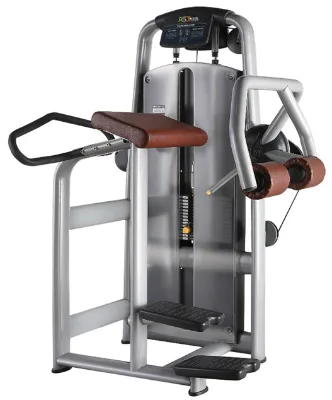
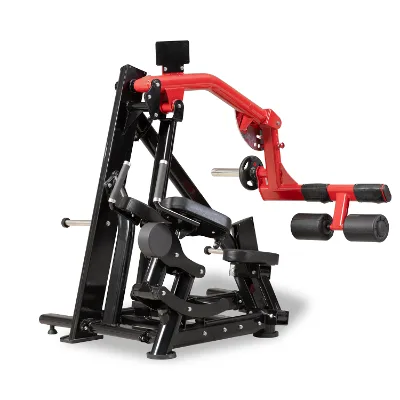
Core Muscle Trainer Reverse Leg Lift, Elevated Leg Training - Rear Leg Lift Buttock Trainer
$580.795
MOQ: 10 Minimum
Qingdao Sirer Technology Co., Ltd.
- Verified by Intertek
- Trading Company
- Lead time30 days
- Avg. response≤ 2h
Main productsgym strength machine, Fitness Equipment, Commercial cardio trainer
Main marketsNorth America(50%), Northern Europe(30%), Eastern Europe(10%)
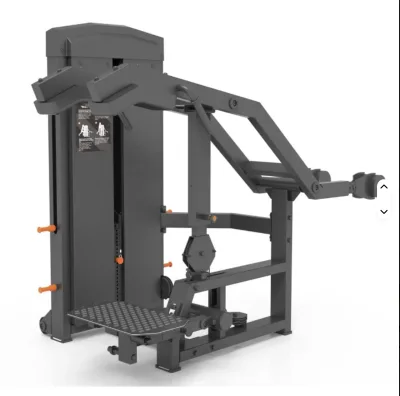
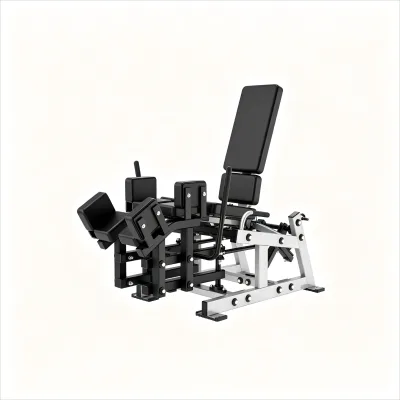
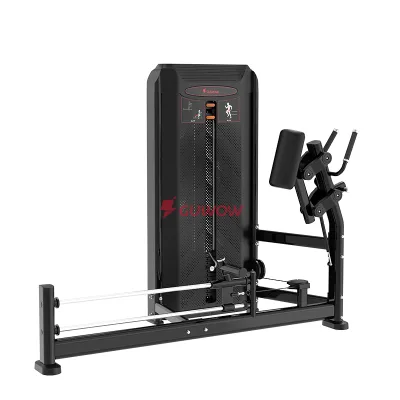
$860.2581 - $937.5256
MOQ: 1 pieces
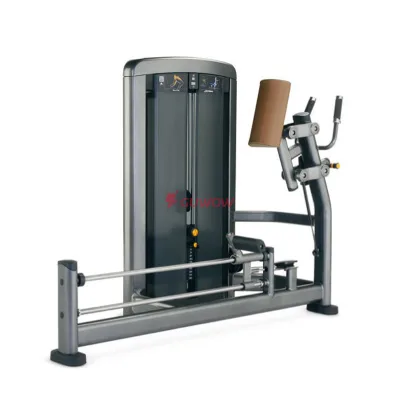
$728.3866 - $798.4424
MOQ: 1 pieces
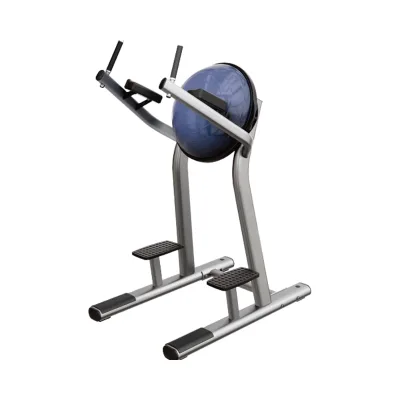
$266.8355 - $313.1966
MOQ: 1 pieces
GUANGZHOU CORE MAX FITNESS EQUIPMENT CO., LTD.
- Verified by TüVRheinland
- Trading Company
- Lead time15 days
- Avg. response≤ 3h
Main productsTreadmill, Spinning Bike, Dumbbell, Cardio Machine, Gym Equipment
Main marketsMid East(30%), Eastern Asia(10%), Western Europe(9%)
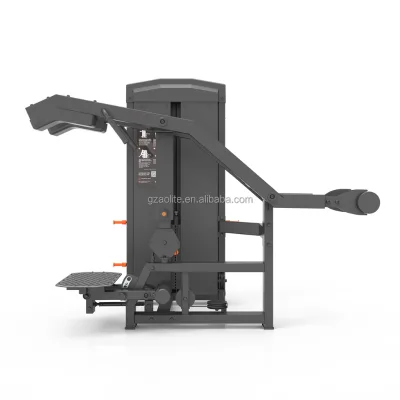
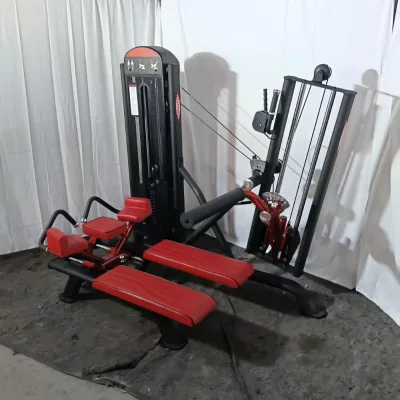
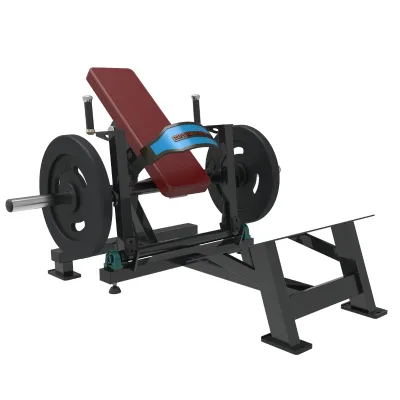
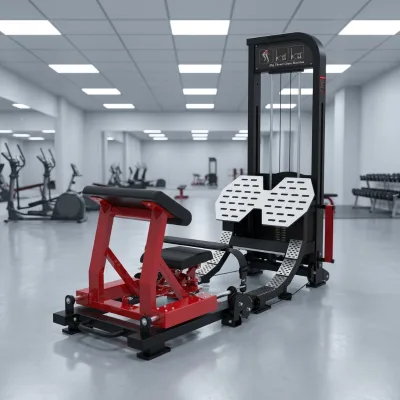
Gym Equipment Hip Trainer Glute Training Hip Thrust Trainer for Sale
$394.26 - $506.35
- Trading Company
- Zhejiang, China
- Lead time0 days
- Avg. response≤ 6h
Main productsFitness Equipment,Weight Lifting,Yoga Products,Fitness Accessories,Outdoor Sports
Main marketsNorth America(60.00%), Western Europe(10.00%), Southern Europe(5.00%), Oceania(5.00%), Northern Europe(5.00%), Southeast Asia(5.00%), Eastern Europe(5.00%), South Asia(1.00%), Mid East(1.00%), Africa(1.00%), South America(1.00%), Eastern Asia(1.00%)

Dezhou TOP Fitness Equipment Co., Ltd.
- Verified by CTI
- Manufacturer/Factory
- China Shandong
- Lead time23 days
- Avg. response≤ 3h
Main productsDumbbell, Smith Machine, Fitness Equipment, Gym Equipment, Teadmill, Spinning Bike, Strength Building Equipment, Weight Plate, Squat Rack, Rubber Floor
Main marketsSouth America,Eastern Europe,Mid East,North America,Southeast Asia,Eastern Asia,Oceania,Western Europe,Africa


New Arrival China Gym Fitness Equipment Glute Trainer/Hip Trainer/Waist Trainer
$399.50 - $561.50
MOQ: 1 Sets
Dezhou Yihe Fitness Equipment Co., Ltd.
- Verified by SGS Group
- Manufacturer, Trading Company
- Lead time15 days
- Avg. response≤ 1h
Main productsFitness Equipment, Aerobic Equipment, Strength Equipment, Treadmill, Free Weight
Main marketsDomestic Market(80%), South America(10%), Southeast Asia(10%)
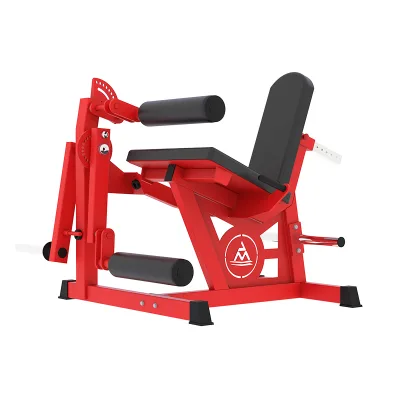
Gym Grade Leg Extension and Leg Curl Combo Plate Loaded Dual Function Thigh Trainer
$280.00 - $360.00
MOQ: 1 pieces
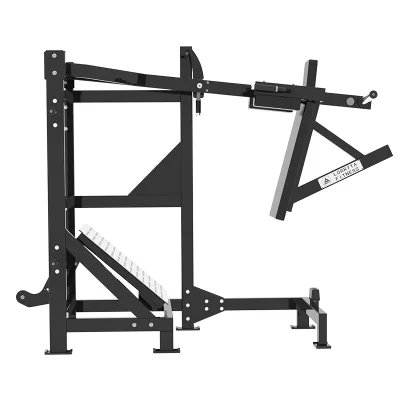

Nantong Splendid Sporting Co., Ltd.
- Verified by BV
- Trading Company,Manufacturer/Factory
- China Jiangsu
- Lead time45 days
- Avg. response≤ 6h
Main productsGym Bench, Power Rack, Functional Machine, Dumbbell, Kettlebell, Barbell, Foam Roller, Yoga Mat, Resistance Band, Slam Ball
Main marketsSouth America,Eastern Europe,Mid East,North America,Southeast Asia,Eastern Asia,Oceania,Western Europe,Africa

Qingdao Guwow Fitness Equipment Co., Ltd.
- Verified by BV
- Trading Company
- China Shandong
- Lead time23 days
- Avg. response≤ 6h
Main productsFitness Equipment, Gym Equipment, Exercise Equipment, Treadmill, Stair Master, Strength Equipment, Accessories
Main marketsAfrica,Others(foreignTradeCapacity.exportBusinessCapacityMarketOther)

High-Quality Gym Fitness Steel Seated Leg Press Machine Adjustable Leg Extension Trainer
$629.00 - $679.00
MOQ: 2 Pieces


Professional Glute Kickback Strength Trainer for Hip Extension and Glute Muscle Training
$790.00 - $830.00
MOQ: 2 Pieces

Seated Leg Extension Trainer Exercise Strength Fitness Machine Gym Equipment
$625.00 - $675.00
MOQ: 2 Pieces

Qingdao Sirer Technology Co., Ltd.
- Verified by SGS
- Trading Company
- China Shandong
- Lead time30 days
- Avg. response≤ 7h
Main productsFitness Equipment, Treadmill, Stregth Machine, Cardio Fitness, Commercial Gym Equipment, Gym Equipment, Gym Machine, Shoulder Press, Fitness Machine, Hammer Fitness Machine
Main marketsSouth America,Southeast Asia/ Mideast,North America


Adjustable Steel Fitness Equipment with Leg Extension Exercise Function
$535.00 - $555.00
MOQ: 1 Pieces

Commercial Multi Hip Thrust Machine Adjustable Glute & Hamstring Strength Trainer
$612.00 - $680.00
MOQ: 1 pieces
Tianjin Ouchen Kerui Trading Co., Ltd.
- Verified by SGS Group
- Trading Company
- Lead time10 days
- Avg. response≤ 1h
Main productsTreadmill, Smith machine, Stationary Cycling Bike, Rowing machine, Pilates
Main marketsNorth America(60%), Southeast Asia(20%), Africa(10%)

Dezhou Ranao Fitness Equipment Co., Ltd.
- Verified by BV
- Combined
- China Shandong
- Lead time15 days
- Avg. response≤ 2h
Main productsDumbbell
Main marketsOthers(foreignTradeCapacity.exportBusinessCapacityMarketOther),Southeast Asia/ Mideast,Europe,Australia,North America

Gym Multi Hip Body Building Hip Integrated Trainer Training Fitness Machine
$480.00 - $510.00
MOQ: 5 pcs

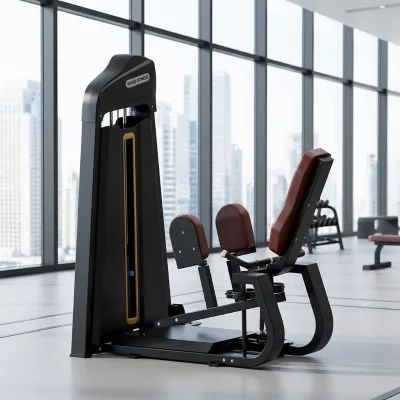
Fitness Equipment Training Inner Thigh Muscle Trainer Hip Adduction for Gym
$680.00 - $730.00
MOQ: 1 Pieces
Shandong Evere Fitness Equipment Co., Ltd.
- Manufacturer, Trading Company
- Shandong, China
- Lead time10 days
- Avg. response≤ 2h
Main productsTreadmill,Spinning Bike,Strength Machine
Main marketsMid East(50.00%), Southeast Asia(30.00%), South America(20.00%)

DEZHOU HENGQING FITNESS EQUIPMENT CO., LTD.
- Combined
- China Shandong
- Lead time23 days
- Avg. response≤ 7h
Main productsGym Equipment, Fitness Equipment, Strength Equipment, Cardio Equipment
Main marketsSouth America,Southeast Asia/ Mideast,Europe


Professional Gym Fitness Sports Machine Seated Leg Press Strength Trainer
$500.00 - $525.00
MOQ: 1 Sets

Anhui Craftsmanship E-Commerce Co., Ltd.
- Trading Company
- Anhui, China
- Lead time30 days
- Avg. response≤ 2h
Main productsSquat Racks,Training Chairs and Storage Racks,Barbell Bars,Dumbbells,Weight Plate
Main marketsNorth America(70.00%), Northern Europe(5.00%), Western Europe(5.00%), Mid East(5.00%), Africa(5.00%), Eastern Europe(5.00%), South America(5.00%)

Shandong Baodelong Fitness Co., Ltd.
- Verified by BV
- Combined
- China Shandong
- Lead time23 days
- Avg. response≤ 7h
Main productsGym Equipment, Fitness Equipment, Fitness Machine, Gym Machine, Treadmill, Spinning Bike, Exercise Bike, Chest Press Machine, Leg Press Machine, Multi Functional Machine
Main marketsSouth America,Africa,Southeast Asia/ Mideast,East Asia(Japan/ South Korea),Domestic,Europe,Australia,North America


Multi-Function Station Curved Leg Trainer for Improved Sitting Posture
$325.00 - $425.00
MOQ: 1 Pieces


Changsha Dinuo Technology Co., Ltd.
- Trading Company
- Hunan, China
- Lead time15 days
- Avg. response≤ 2h
Main productsPower rack,Smith Machine,plate loaded machine,Dumbbell,Rubber gym floor
Main marketsNorth America(35.00%), Southeast Asia(30.00%), Western Europe(10.00%), South America(10.00%), Northern Europe(10.00%), Eastern Europe(5.00%)

Shandong Yuwei Fitness Equipment Co., Ltd
- Verified by SGS
- Combined
- China Shandong
- Lead time23 days
- Avg. response≤ 3h
Main marketsSouth America,Domestic

One-Year Warranty Source Manufacturer Commercial Gym Fitness Equipment Hip Trainer
$940.00 - $1040.00
MOQ: 2 Pieces

Commercial Grade Hip Trainer for Enhanced Glute and Lower Body Strength
$980.00 - $1080.00
MOQ: 2 Pieces
Nantong Get Power Fitness Equipment Co., Ltd.
- Verified by TüVRheinland
- Trading Company
- Lead time30 days
- Avg. response≤ 3h
Main productsDumbbell, Barbell, Weight Plate, Power Rack, Bench
Main marketsNorthern Europe(40%), North America(20%), Southeast Asia(20%)
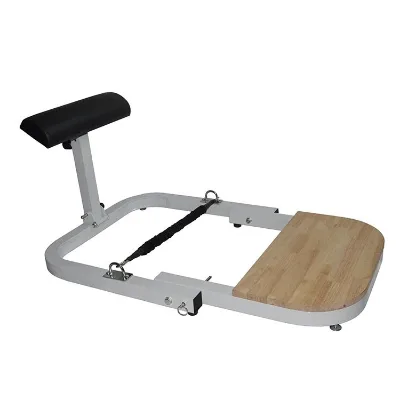
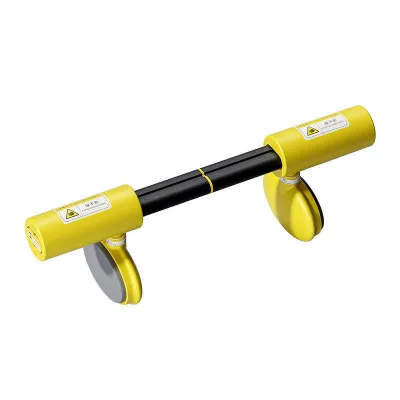
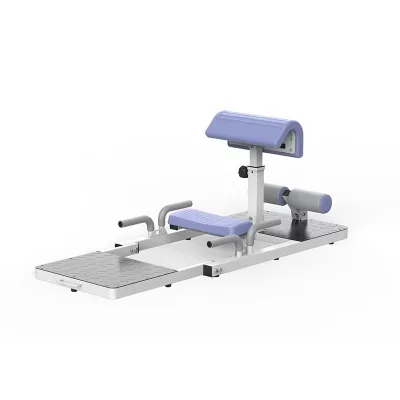
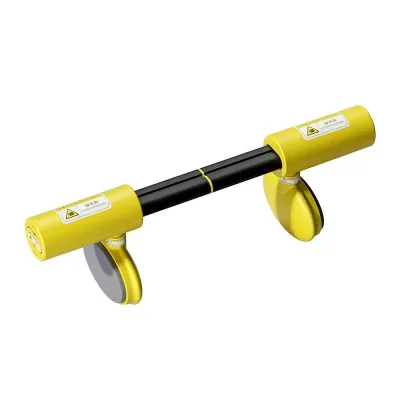
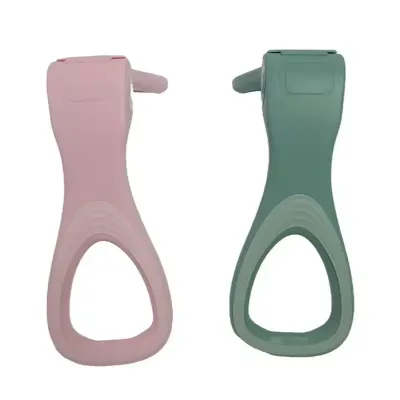
$74.95 - $77.0036
MOQ: 50 pieces

SingSong Sports Equipment Co., Ltd.
- Verified by BV
- Trading Company
- China Hunan
- Lead time23 days
- Avg. response≤ 5h
Main productsPadel Racket, Padel Ball, Paddle Bags, Gym Fitness Equipment, Home Fitness Equipment, Smith Machine, Squat Rack, Spinning Bike, Fitness Bench, Dumbbell/Dumbbell Rack/ Weight Plats
Main marketsSouth America

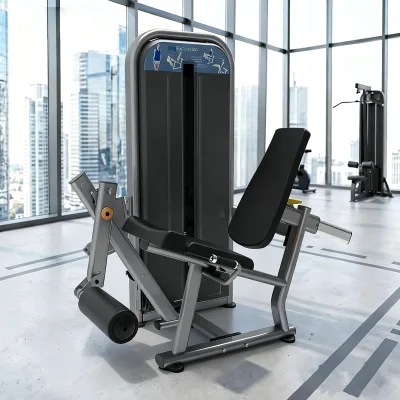
Pin Loaded Leg Extension Leg Exercise Gym Equipment Strength Training Seated Leg Extension
$377.00 - $417.00
MOQ: 1 Pieces

Hot Seller Body Building Gym Equipment Hip Trainer Leg Press Hip Thrust
$320.00 - $355.00
MOQ: 1 Pieces


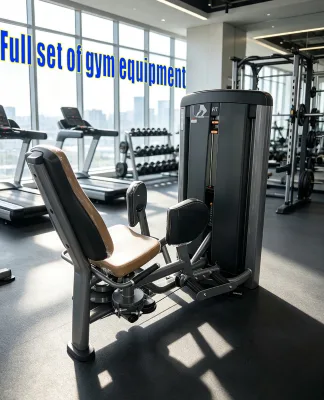
Compact Multi-Function Lower Body Trainer for Home Gym, Targets Hip Adductors and Abductors
$249.00 - $269.00
MOQ: 1 Pieces

Shandong Tianzhan Fitness Equipment Co., Ltd.
- Verified by BV
- Combined
- China Shandong
- Lead time30 days
- Avg. response≤ 9h
Main productsGym Equipment, Fitness Equipment, Strength Machines, Exercise Bike, Body Building Machines, Commercial Fitness Equipment, Motorized Treadmill, Fitness Equipment Gym Machine, Free Weight Accessories, Treadmill
Main marketsSouth America,Southeast Asia/ Mideast,East Asia(Japan/ South Korea),Europe,Australia,North America

Strength Trainer Equipment Vertical Leg Press Machine Vertical Leg Exercise Machine
$300.00 - $380.00
MOQ: 10 Pieces


Hip Bridge Machine Core Training Hip Thrust Machine Leg Training Waist Training
$251.00 - $359.00
MOQ: 1 Pieces


WuYi Chaoyuan Sports Equipment Co., Ltd.
- Verified by Intertek
- Manufacturer, Trading Company
- Lead time25 days
- Avg. response≤ 3h
Main productsPilates Reformer, Sissy Squat Maching, Roman Chair, Pilates Accessories, Dumbbell Rack
Main marketsNorth America(50%), Western Europe(40%), Oceania(10%)
Dezhou Maibo Fitness Equipment Co., Ltd.
- Verified by SGS Group
- Manufacturer, Trading Company
- Lead time10 days
- Avg. response≤ 2h
Main productsTreadmill, Stair Master, SkiErg, RowErg, Strength Machine
Main marketsSouth America(40%), North America(30%), Southeast Asia(20%)
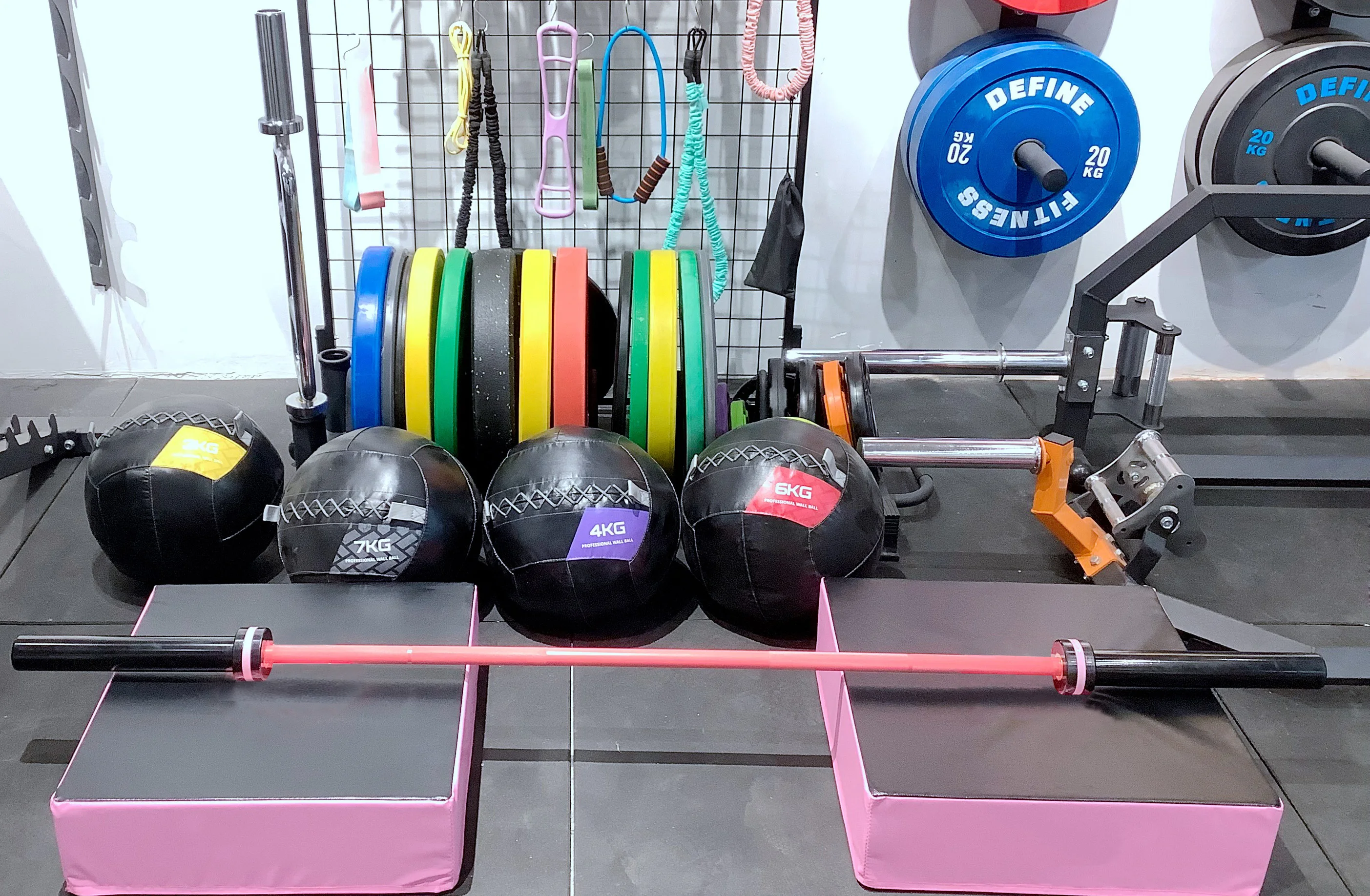
Nantong Define Sporting Equipment Co., Ltd.
- Trading Company
- Jiansu, China
- Lead time30 days
- Avg. response≤ 11h
Main productsWeightlifting Products,Free Weight,Gym Equipment,Yoga Products
Main marketsSouth America(30.00%), Western Europe(30.00%), Mid East(10.00%), Southern Europe(10.00%), North America(10.00%), Southeast Asia(9.00%), Oceania(1.00%)

Shandong Realleader Fitness Co., Ltd.
- Trading Company,Manufacturer/Factory
- China Shandong
- Lead time60 days
- Avg. response≤ 5h
Main productsFitness Equipment, Fitness Equipment-Made in China, Gym, Gym Equipment, Fitness, Bodybuilding Equipment, Fitness Equipment-Made-in-China. com, Gym Equipment-Made-in-China, Cardio Equipment-Made-in-China, Home Gym
Main marketsSouth America,Eastern Europe,Mid East,North America,Southeast Asia,Eastern Asia,Oceania,Western Europe,Africa
Xintai Aoxiang Fitness Co., Ltd.
- Manufacturer, Trading Company
- Shandong, China
- Lead time18 days
- Avg. response≤ 4h
Main productsfitness equipment,gym equipment,sports goods,strength machines,cardio machines
Main marketsSouthern Europe(8.33%), Northern Europe(8.33%), Central America(8.33%), Western Europe(8.33%), Eastern Asia(8.33%), Mid East(8.33%), Oceania(8.33%), Africa(8.33%), Southeast Asia(8.33%), Eastern Europe(8.33%), South America(8.33%), North America(8.33%)

Dezhou Eagle Fitness Equipment Co., Ltd.
- Verified by SGS
- Trading Company
- China Shandong
- Lead time15 days
- Avg. response≤ 6h
Main productsFitness Equipment, Gym Equipment, Commercial Treadmill, Spinning Bike, Air Bike Rowing Machine, Hammer Strength, Hydraulic Circuit Training Equipment, Pilates Equipment, Crossfit Equipment, Fitness Accessory
Main marketsAfrica,Europe,Australia


Professional Fitness Gym Club Bodybuilding Exercise Equipment Leg Extension
$590.00 - $650.00
MOQ: 1 Pieces


Shandong Hammer Fitness Equipment Co., Ltd.
- Verified by BV
- Combined
- China Shandong
- Lead time15 days
- Avg. response≤ 2h
Main productsPilates Reformer, Multifunctional Trainer, Hack Squat, Cardio Equipment, Strength Equipment, Fitness Equipment Accessories, Functional Trainer Cable Machine, Hip Thrust Machine, Stair Climbing Machine
Main marketsSoutheast Asia/ Mideast,Domestic,Europe,North America


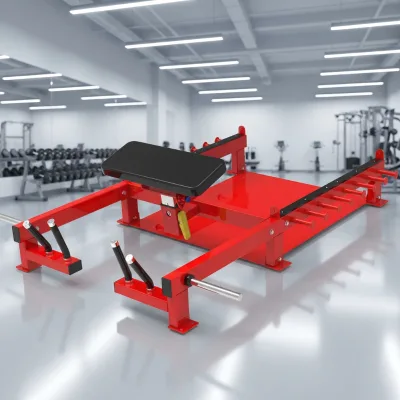
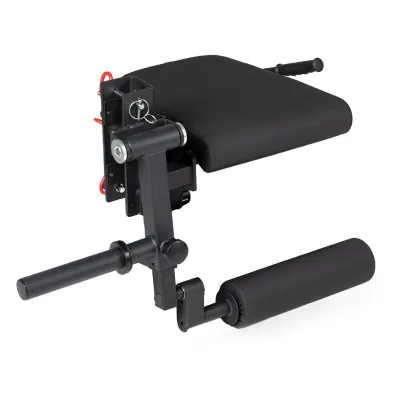
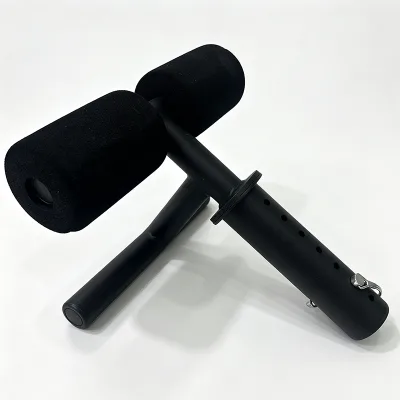
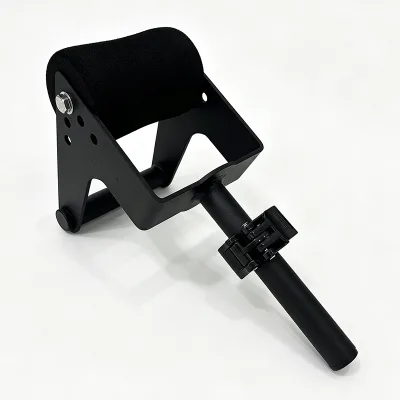
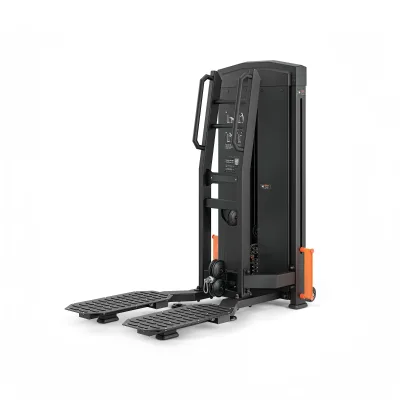
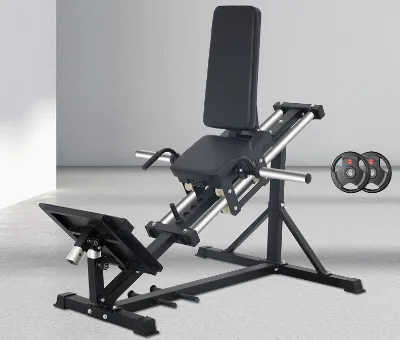
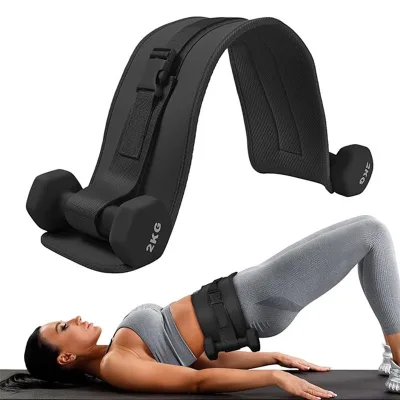
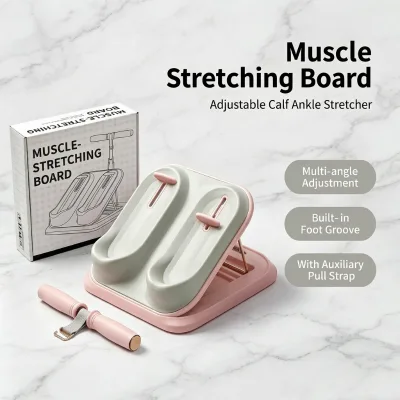




Comprehensive Sourcing Guide
Step-Up Adjustable Hip And Leg Trainer Supplier Concentration and Factory Types
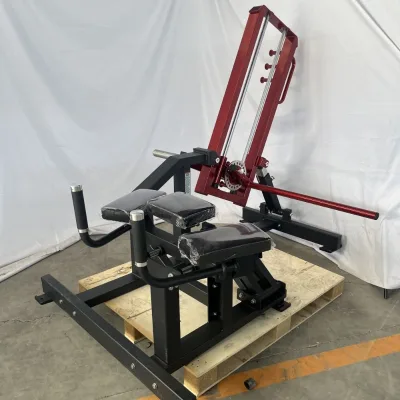
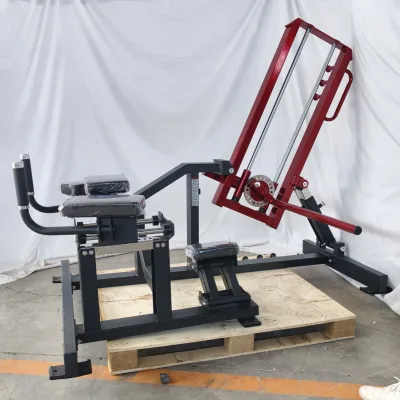
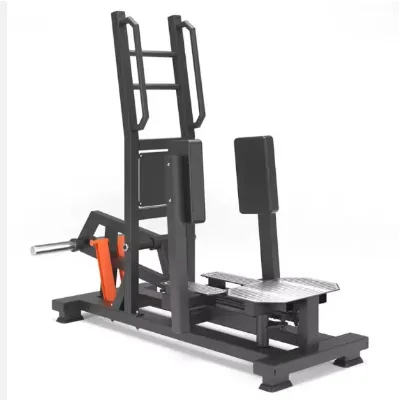
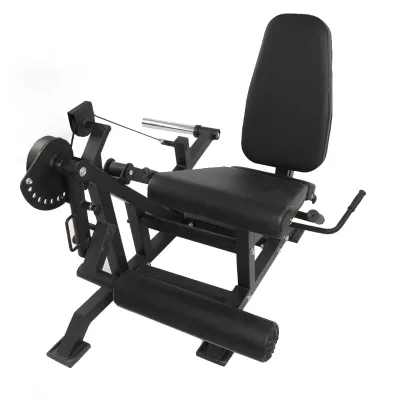
The current supplier landscape for step-up adjustable hip and leg trainers reveals a distinct concentration of manufacturing activity in Shandong, China. This regional clustering suggests a mature industrial ecosystem where specialized fitness equipment production has become a dominant economic driver. Buyers evaluating potential partners should recognize that this geographic focus often correlates with established supply chains for raw materials like steel and aluminum, which are critical for constructing durable strength training machines. The presence of multiple manufacturers in this specific province indicates that logistics infrastructure and skilled labor pools are already optimized for heavy industrial goods, potentially reducing overhead costs for both producers and their international clients. Understanding this concentration allows buyers to streamline their search by focusing on suppliers with verifiable origins in this region, thereby increasing the likelihood of finding factories with proven experience in this specific product category.
Supplier types in this market are diverse, encompassing both direct manufacturers and trading companies. Direct manufacturers typically offer greater control over production quality and customization options, as they own the machinery and oversee the entire fabrication process from raw material cutting to final assembly. In contrast, trading companies may provide a broader portfolio of fitness equipment, including cardio trainers and various strength machines, allowing buyers to consolidate orders for multiple product lines. However, trading entities might have less direct influence over specific manufacturing nuances compared to factory owners. Buyers must carefully distinguish between these entity types to align their sourcing strategy with their operational needs, whether that involves strict quality control protocols or flexible product variety. The coexistence of these supplier types creates a competitive environment where pricing and service levels can vary significantly based on the intermediary structure.
How to Verify Step-Up Adjustable Hip And Leg Trainer Suppliers
Verification of suppliers requires a multi-layered approach that prioritizes third-party certifications and independent audit results. Buyers should look for evidence of system certifications such as GPSD and CE, which indicate compliance with specific safety and performance standards relevant to fitness equipment. Additionally, verification badges from recognized inspection agencies like Intertek provide an external validation of the supplier’s operational integrity and product quality. These credentials are not merely decorative; they serve as critical indicators that the supplier has undergone rigorous scrutiny regarding their manufacturing processes and business practices. When evaluating potential partners, buyers must request and review these certification documents to ensure they are current and applicable to the specific models of step-up adjustable hip and leg trainers being considered. This due diligence helps mitigate the risk of engaging with entities that lack proper regulatory compliance or quality assurance frameworks.
Beyond certifications, buyers should assess the supplier’s response time and communication efficiency as proxies for operational reliability. A rapid response time, such as two days or less, often reflects a well-organized sales and technical support team capable of addressing inquiries and resolving issues promptly. This metric is particularly important for international buyers who may face time zone differences and logistical complexities. Furthermore, verifying the supplier’s capacity for sample processing and graphic customization can reveal their flexibility and commitment to meeting specific client requirements. Buyers should inquire about the supplier’s ability to handle customized orders, including logo placement and structural modifications, to ensure the final product aligns with their brand identity and functional needs. Engaging with suppliers who demonstrate both technical capability and responsive communication increases the probability of a smooth sourcing experience and successful long-term partnership.
What to Compare Across Step-Up Adjustable Hip And Leg Trainer Suppliers
When comparing suppliers, lead time is a critical factor that directly impacts inventory management and market availability. Suppliers may offer varying lead times, such as fifteen days or thirty days, depending on their current production load and supply chain efficiency. Buyers must align these timelines with their sales forecasts and restocking schedules to avoid stockouts or excessive inventory holding costs. In addition to lead times, the minimum order quantity (MOQ) requirements vary significantly across different suppliers and product models. Some suppliers may accept orders as low as one piece, offering flexibility for testing new markets or fulfilling small boutique orders, while others may require higher volumes, such as ten units, to ensure production efficiency. Understanding these MOQ thresholds helps buyers determine which suppliers best fit their order size and business model, whether they are large commercial gyms or small fitness studios.
Price and material composition are also essential comparison points that influence the total cost of ownership. The price range for step-up adjustable hip and leg trainers can vary, with some models priced around five hundred dollars and others exceeding one thousand dollars, reflecting differences in build quality, features, and brand positioning. Buyers should evaluate the material specifications, such as the use of aluminum versus steel, to assess durability and weight capacity. Aluminum components may offer lighter weight and corrosion resistance, while steel structures often provide greater stability and load-bearing capacity for heavy commercial use. Additionally, comparing the single gross weight and package dimensions helps buyers calculate shipping costs and warehouse space requirements accurately. By systematically evaluating these attributes, buyers can identify suppliers that offer the best balance of cost, quality, and logistical efficiency for their specific operational requirements.
Common Step-Up Adjustable Hip And Leg Trainer Sourcing Risks
One significant risk in sourcing fitness equipment is the potential discrepancy between advertised specifications and actual product quality. Buyers may encounter suppliers who claim high durability and safety features but deliver products that fail to meet these standards under rigorous use. This risk is particularly acute when dealing with suppliers who lack transparent manufacturing processes or independent verification of their claims. To mitigate this, buyers should prioritize suppliers who provide detailed product attributes, such as specific model numbers, material grades, and functional capabilities. Requesting physical samples or video demonstrations of the equipment in operation can provide tangible evidence of quality before committing to large orders. Additionally, verifying the supplier’s ability to provide customized logos and packaging ensures that the final product meets branding requirements without compromising structural integrity.
Another common risk involves logistical complications and hidden costs associated with international shipping. Fitness equipment is often bulky and heavy, leading to substantial freight charges and potential damage during transit if not packaged correctly. Buyers must carefully review the single package size and gross weight provided by suppliers to estimate shipping expenses accurately. Some suppliers may offer packaging solutions like plywood boxes, which provide better protection than standard cartons, but this may incur additional costs. Furthermore, buyers should be aware of potential delays caused by customs clearance or port congestion, which can disrupt supply chains. Establishing clear communication regarding shipping terms and insurance coverage is essential to manage these risks effectively. By proactively addressing these logistical challenges, buyers can ensure a smoother procurement process and avoid unexpected expenses that could erode profit margins.
Step-Up Adjustable Hip And Leg Trainer Regional Sourcing and Logistics
Sourcing from Shandong, China, offers distinct logistical advantages due to the region’s established export infrastructure and proximity to major shipping ports. This geographic concentration facilitates efficient consolidation of goods, allowing buyers to combine multiple orders from different suppliers within the same region to reduce per-unit shipping costs. The local ecosystem supports the production of heavy industrial goods, meaning that suppliers are accustomed to handling large, bulky items that require specialized packaging and handling procedures. Buyers should leverage this regional expertise by working with suppliers who have experience in exporting similar fitness equipment to international markets. This experience often translates into better knowledge of international shipping regulations, documentation requirements, and carrier partnerships, which can streamline the logistics process and reduce the likelihood of delays or compliance issues.
However, buyers must also consider the environmental and regulatory differences between the sourcing region and their destination market. Shipping heavy fitness equipment across long distances increases the carbon footprint and requires careful planning to ensure compliance with environmental standards in the importing country. Buyers should inquire about the supplier’s packaging materials and whether they use recyclable or sustainable options to align with their corporate sustainability goals. Additionally, understanding the lead times associated with regional production cycles is crucial for effective inventory planning. Suppliers in Shandong may experience fluctuations in production capacity due to seasonal demand or raw material availability, which can impact delivery schedules. By maintaining open communication with suppliers and monitoring regional production trends, buyers can anticipate potential disruptions and adjust their sourcing strategies accordingly to maintain a steady supply of step-up adjustable hip and leg trainers.
Step-Up Adjustable Hip And Leg Trainer Commercial Terms and Order Planning
Commercial terms such as payment methods, warranty policies, and after-sales support are critical components of any sourcing agreement. Buyers should negotiate clear terms that protect their interests, including secure payment options like escrow services that release funds only upon satisfactory delivery and inspection of the goods. Understanding the supplier’s warranty coverage for structural defects and mechanical failures is essential to minimize long-term maintenance costs. Additionally, buyers should clarify the supplier’s response time for technical support and spare parts availability, as these factors directly impact the usability of the equipment in commercial gym settings. Suppliers with a demonstrated capacity for customized orders and responsive customer service are better positioned to support buyers through the entire lifecycle of the product, from initial procurement to ongoing maintenance and potential upgrades.
Order planning requires a strategic approach that balances volume discounts with inventory turnover rates. Buyers should analyze the price ranges and MOQ requirements of different suppliers to identify opportunities for cost savings through bulk purchasing. However, ordering excessively large quantities can lead to storage challenges and increased risk of obsolescence if market trends shift. Therefore, buyers should adopt a flexible ordering strategy that allows for periodic restocking based on actual sales data. Collaborating with suppliers who offer flexible production schedules and rapid response times can enhance this agility, enabling buyers to adjust order quantities in real-time. By integrating commercial terms with data-driven order planning, buyers can optimize their supply chain efficiency, reduce capital tied up in inventory, and ensure a consistent supply of high-quality step-up adjustable hip and leg trainers to meet market demand.
FAQs
What is the price range for adjustable hip and leg trainers?
Prices for these machines typically range from $355 to $1173 per unit. The cost varies based on material, such as steel or aluminum, and specific functions like leg adduction or glute training. Buyers should check the exact model number to confirm the final price before placing an order.
What is the minimum order quantity for these fitness machines?
The minimum order quantity varies by supplier and specific model. Some manufacturers accept a single piece as the minimum, while others require a batch of ten units. Buyers must verify the specific MOQ for their chosen model to ensure it aligns with their inventory needs and budget constraints.
How long does production take for these gym machines?
Production lead times generally range from 15 to 30 days. This duration depends on the manufacturer's current workload and the complexity of the customization requested. Buyers should confirm the exact timeline with the supplier before finalizing the purchase to ensure timely delivery for their facility opening.
Are these machines certified for safety and quality?
Many suppliers provide certifications such as CE, GPSD, and ISO9001. These documents verify that the equipment meets international safety and quality standards. Buyers should request valid certification copies to ensure the machines are compliant with local regulations and safe for commercial gym environments.
Where are these fitness machines manufactured?
These machines are primarily manufactured in Shandong, China. This region is known for its robust fitness equipment industry and supply chain. Buyers can expect consistent quality and competitive pricing from suppliers located in this area, though shipping costs may vary based on the final destination.
Can I customize the logo and color of the machine?
Yes, many suppliers offer customization options for logos and colors. Buyers can often choose from standard colors like black, red, or silver and request custom branding. This service allows gyms to maintain their brand identity. Buyers should confirm customization details and any associated costs with the supplier.