Sus304 Jacket Mixing Tank Suppliers and Manufacturers
Compare 25 verified suppliers offering sus304 jacket mixing tanks with details on lead times, response times, and certifications. Review product specifications like ISO standards and material grades before contacting factories in Shanghai China; review the available evidence before requesting comparable quotations from suitable candidates.
Updated
Suppliers List

Shanghai Kaiquan Machine Valve Co., Ltd.
- Verified by SGS
- Trading Company
- China Shanghai
- Lead time30 days
- Avg. response≤ 4h
Main productsMilk Processing Machine, Stainless Steel Tank /Mixing Tank, Cooking Pot/ Jacket Kettle, Homogenizer, Emulsifying Machine, Milk Cooling Tank, High Speed Mixing Tank, Heat Exchanger, CIP Cleaning System, Sanitary Butterfly Valve
Main marketsSouth America,Africa,Southeast Asia/ Mideast,East Asia(Japan/ South Korea),Europe,Australia,North America

Zhejiang Jhen Ten Machinery Co., Ltd.
- Verified by CTI
- Manufacturer/Factory
- China Zhejiang
- Lead time38 days
- Avg. response≤ 12h
Main productsStorage Tank, Mixing Tankfilter Housing, Stainless Steel Tank, Filter Housing, Bag Filter, Fermentation Tank, Sanitary Filter, Cartridge Filter, Reactor, Pressure Vessel
Main marketsSouth America,Eastern Europe,Mid East,North America,Southeast Asia,Eastern Asia,Oceania,Western Europe,Africa

Wenzhou Rayen Machinery Co., Ltd.
- Verified by TUVRHEINLAND
- Trading Company
- China Zhejiang
- Lead time30 days
- Avg. response≤ 6h
Main productsStainless Steel Tank, Stainless Steel Filter Housing
Main marketsNorth America

Weishu Machinery Technology (Shanghai) Co., Ltd.
- Verified by BV
- Combined
- China Shanghai
- Lead time0 days
- Avg. response≤ 11h
Main productsFilling Machine, Sterilization Machine, Milk/Yogurt Production Line, Juice Production Line, Beverage Production Line, Pure Water Production Line
Main marketsSouth America,Africa,Southeast Asia/ Mideast,East Asia(Japan/ South Korea),Domestic,Europe,Australia,North America

WENZHOU LENO MACHINERY CO., LTD.
- Verified by BV
- Trading Company
- China Zhejiang
- Lead time30 days
- Avg. response≤ 13h
Main productsMixing Tank, Distillation Equipment, Pump, Filter, Filling Machine, Vacuum Evaporator, Mixing Equipment
Main marketsSouth America,Africa,Southeast Asia/ Mideast,Europe,North America


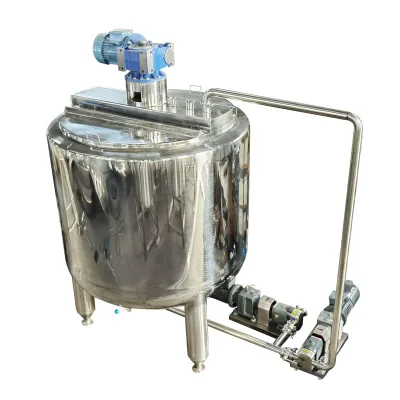
SS304 or 306 Liquid Mixing Tank Chemical Blending Tank Agitator Tank Jacketed Mixer Tank
$1000.00 - $3000.00
MOQ: 1 Sets


SS304 SS316L Stainless Steel Double Jacketed Mixing Tank with Electric Heating
$1000.00 - $3000.00
MOQ: 1 Sets

Li&Li Mechanical (Guangzhou) Corporation
- Verified by TUVRHEINLAND
- Combined
- China Guangdong
- Lead time30 days
- Avg. response≤ 14h
Main productsMixing Tank, Reactor, IBC Tank, Filling Machine, Vacuum Emulsifying Mixer, Heat Exchanger, Storage Tank, Tail Gas Recovery Tower, Planetary Stirrer, Stainless Steel Barrel Drum
Main marketsNorth America

Ningbo Yuanlong Machinery Equipment Co., Ltd.
- Verified by SGS
- Combined
- China Zhejiang
- Lead time60 days
- Avg. response≤ 5h
Main productsMixing Tank, Storage Tank
Main marketsEurope


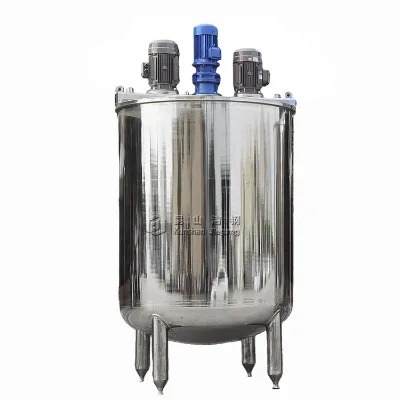
Wholesale Custom Double Jacketed Stainless Steel Tank for Mixing Tank
$3000.00 - $49000.00
MOQ: 1 Pieces


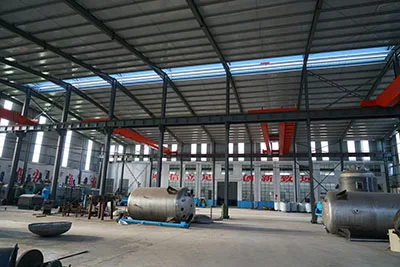
Laizhou New Hongda Chemical Machinery Co., Ltd.
- Manufacturer, Trading Company
- Shandong, China
- Lead time30 days
- Avg. response≤ 1h
Main productsReactor,Sigma Kneader,Ribbon Mixer,Conical Mixer,Three Roller Mill
Main marketsDomestic Market(51.00%), Africa(8.00%), South America(7.00%), Eastern Asia(6.00%), North America(6.00%), South Asia(5.00%), Southeast Asia(5.00%), Eastern Europe(4.00%), Mid East(4.00%), Southern Europe(2.00%), Western Europe(2.00%)
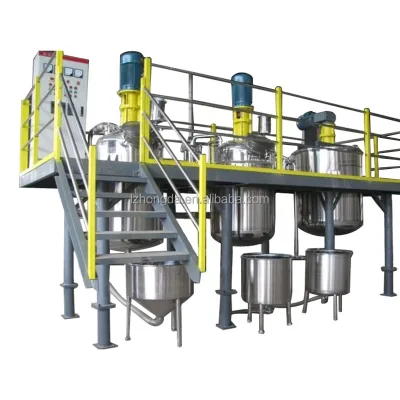
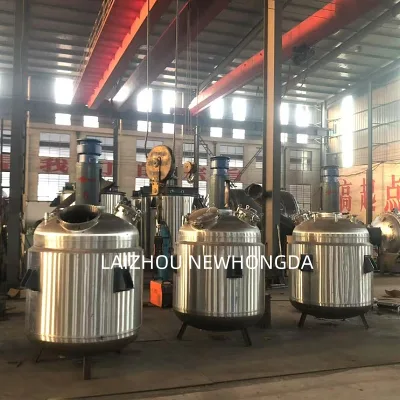
$900.00 - $8800.00
MOQ: 1 Minimum
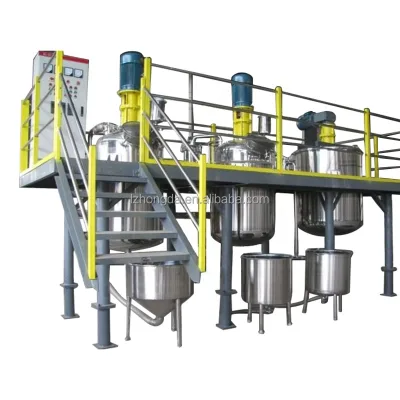
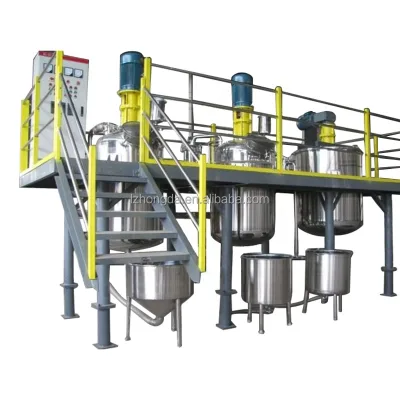
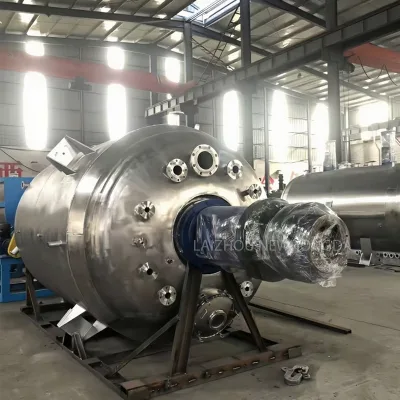
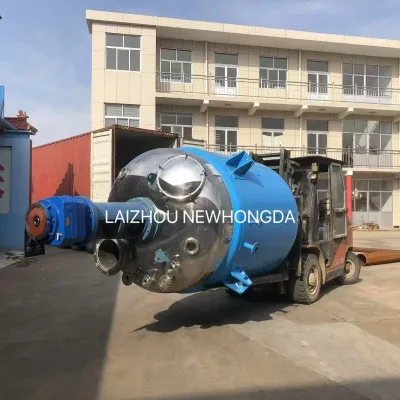
$922.7709 - $11073.2509
MOQ: 1 Minimum

JIANGSU PRETANK PROCESS CO., LTD.
- Verified by SGS
- Trading Company
- China Jiangsu
- Lead time60 days
- Avg. response≤ 3h
Main productsStainless Steel Tank, Heat Exchanger, Wine Fermenter Tank, Beer Fermentation Tank, Chemical Tank, Edible Oil Tank, Pre-Treatment Equipment, Vinegar Fermentation Tank, Biochemical&Pharmacy Tank, Brewery Equipment
Main marketsSouth America,Africa,Southeast Asia/ Mideast,East Asia(Japan/ South Korea),Europe,Australia,North America

Customization SUS304 316 Double Layer Heating and Cooling Liquids Mixing Tank
$4000.00 - $6000.00
MOQ: 1 Pieces

Factory SUS316L/SUS304 Stainless Steel Mixing Tank with Agitator Products Mixing Tank
$4000.00 - $6000.00
MOQ: 1 Pieces

- Verified by Intertek
- Trading Company
- Lead time15 days
- Avg. response≤ 3h
Main productsMixing Tank, Colloid Mill, Lobe Pump, Jacketed Kettle, High Shear Mixer
Main marketsNorth America(33%), Southeast Asia(27%), Africa(25%)
ZHE CHENG HONGXIN MACHINRERY FACTORY
- Verified by TüVRheinland
- Manufacturer, Trading Company
- Lead time15 days
- Avg. response≤ 3h
Main productsIntestine Case Cleaning Machine, Sesame Peeling Machine, Cardboard Expanding Shredder Machine, Flax Brake, Grain Thresher Machine
Main marketsNorth America(20%), Southeast Asia(20%), Africa(20%)

Guangzhou Cosmati Technology Co., Ltd
- Verified by TUVRHEINLAND
- Trading Company
- China Guangdong
- Lead time23 days
- Avg. response≤ 3h
Main productsVacuum Emulsifying Mixer, Liquid Washing Homogenizing Mixer, Liquid Soap Mixer Machine, Perfume Filling Machine, Dry Powder Mixing Machine, Color Cosmetic Making Machine, Filling Capping Labeling Machine, Lab Homogenizer, Mixing Tank, Cream Making Machine
Main marketsSoutheast Asia/ Mideast,Europe,North America
Foshan Jct Machinery Co., Ltd.
- Manufacturer, Trading Company
- Lead time旺季: "1 - 1":30,"> 1":"To be negotiated", 淡季: "1 - 1":30,"> 1":"To be negotiated"
- Avg. response≤ 9h
Main productsMixing machines,Reactor,Sigma mixer,Planetary mixer,Dispersion mixer
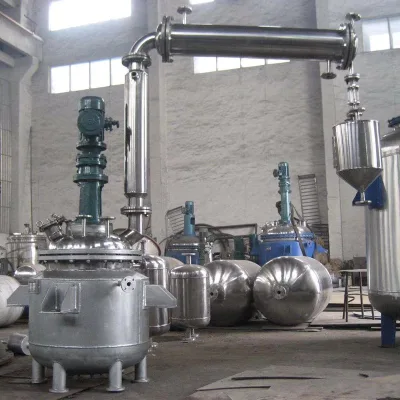
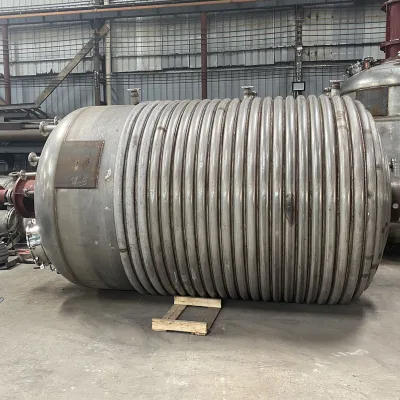
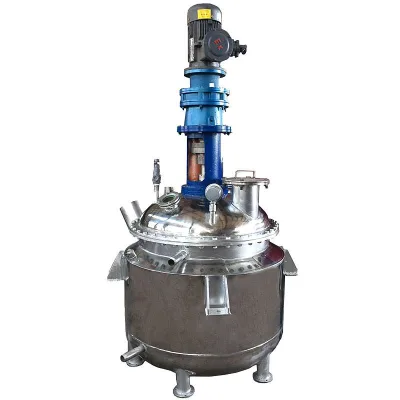
Reactor Ptfe Jacketed Mixing Tank Mixing Tank With Agitator Volume
$14888.00 - $15000.00
$15380.5075 - $15496.2123
MOQ: 1 sets
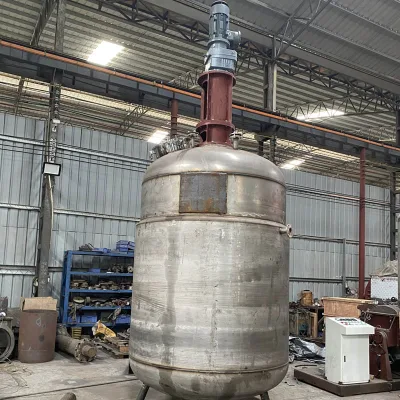
Ss316 304 Chemical Stainless Steel Reactor Jacket Mixing Tank Jacketed Pva Glue Production Equipment
$20393.4753
MOQ: 1 Minimum

Yishui Xinsen Stainless Steel Products Co., Ltd
- Verified by SGS
- Manufacturer
- China Shandong
- Lead time15 days
- Avg. response≤ 1h
Main productsStainless Steel Tank, Daily Chemical Reaction Vessel, Glue Dispensing Machine, Pressure Tank, Water Storage Tank, Palletizer, Stainless Steel Pressure Tank, Hot Melt Glue Dispenser Pressure Tank, PU Injection Machine Pressure Vessel, Composite Autoclave
Main marketsDomestic


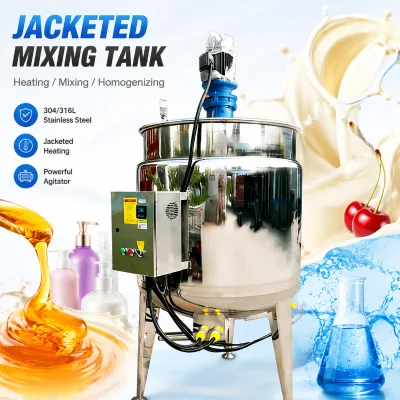
Customizable Jacket Heating Tank Stainless Steel Mixing Pressure Tank
$1000.00 - $1199.00
MOQ: 1 Pieces


Shanghai Stable Industrial Co., Ltd.
- Verified by TUVRHEINLAND
- Manufacturer/Factory
- China Shanghai
- Lead time90 days
- Avg. response≤ 25h
Main productsMixing Tank, Bevarage Processing Equipment, Milk Processing Equipment, Fermentation Tank, Powder Mixer, Vacuum Mixer, Dairy Processing Line, Dairy Machine, Sauce Processing Line
Main marketsEastern Europe,Mid East,Southeast Asia,Eastern Asia,Africa


Storage Mixer Tank Blender Machine Water Tank Mixing Blending Tank
$2000.00 - $200000.00
MOQ: 1 Pieces
Guangzhou Lianmeng Machinery Equipment Co., Ltd.
- Manufacturer, Trading Company
- Lead time旺季: "1 - 1":25,"> 1":"To be negotiated", 淡季: "1 - 1":25,"> 1":"To be negotiated"
- Avg. response≤ 3h
Main productsVacuum Emulsifier, Mixing Homogenizer Tank, Perfume Making Filling Machine, Filling Capping Labeling Machine, Aerosol Machine

Shanghai Linkasia Industrial Co., Ltd.
- Trading Company
- Shanghai, China
- Lead time20 days
- Avg. response≤ 16h
Main productsMixing tank,Powder mixer,Filling machine,Water treatment system,Filters
Main marketsSouth America(30.00%), North America(30.00%), Central America(20.00%), Eastern Europe(10.00%), Mid East(5.00%), Western Europe(5.00%)
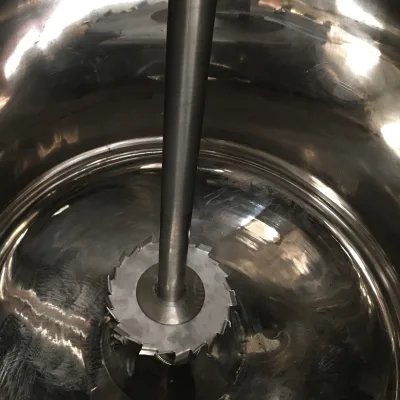
Stainless Steel Paint Mixing Tank
$2900.00 - $3000.00
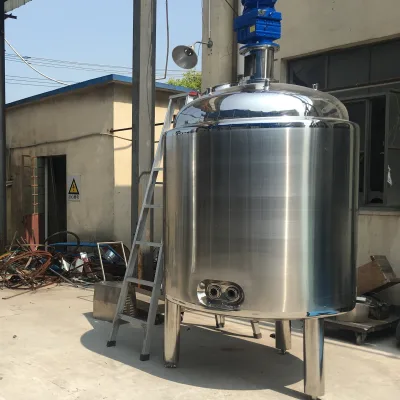
SS Liquid Mixing Tank With Agitator
$2900.00 - $3000.00

Wenzhou Lihong Machinery Technology Co., Ltd.
- Verified by TUVRHEINLAND
- Combined
- China Zhejiang
- Lead time45 days
- Avg. response≤ 8h
Main productsDairy Equipment, Mixing Tank, Stainless Teel Tank, Bulk Farm Milk Cooling Tank, Wine Tank, Pharmaceutical Equipments, Milk Tank, Milk Cooling Tank, Brewery Equipments, Pipe
Main marketsAfrica,Southeast Asia/ Mideast,Australia,North America

Shanghai Benyoud Machinery Group Co., Ltd.
- Trading Company,Manufacturer/Factory
- China Shanghai
- Lead time60 days
- Avg. response≤ 19h
Main productsJuice Production Line, Milk Production Line, Yogurt Processing Plant, Juice Evaporator, Cheese Production Machines, Pasteurizer, Fruit Processing Line, Fruit and Vegetable Processing Plant, Date Processing Line, Orange Processing Line
Main marketsSouth America,Eastern Europe,Mid East,North America,Southeast Asia,Eastern Asia,Oceania,Western Europe,Africa
Zhejiang L&b Machinery Co., Ltd.
- Verified by TüVRheinland
- Manufacturer, Trading Company
- Lead time15 days
- Avg. response≤ 2h
Main productsMixing Tank, Filter, Mixer Pump, Lobe Pump, Colloid Mill
Main marketsDomestic Market(50%), Southern Europe(10%), South Asia(10%)
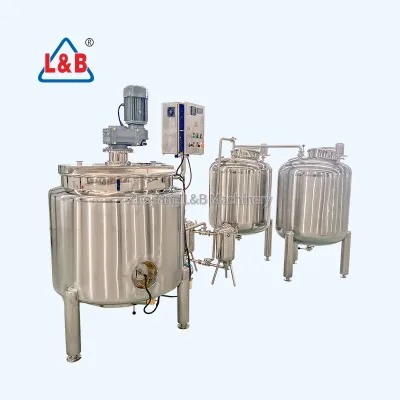
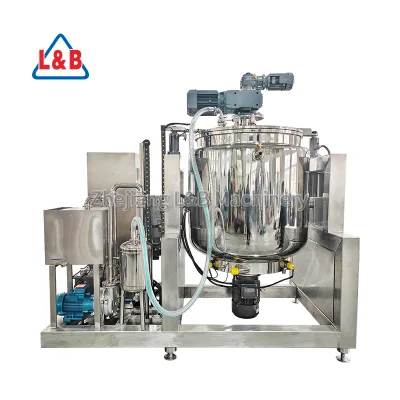
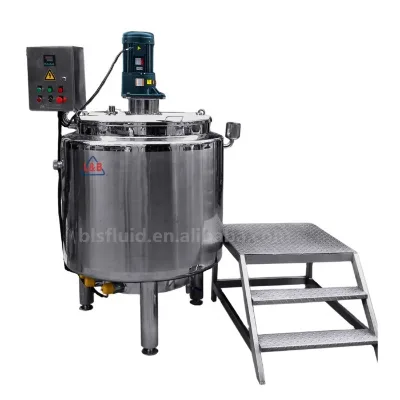
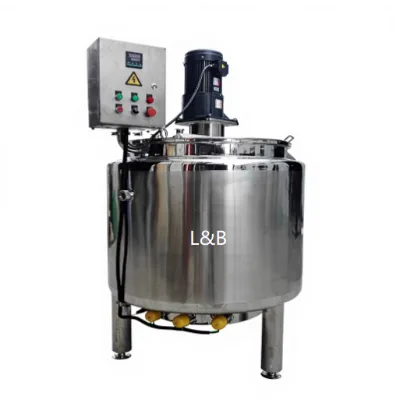
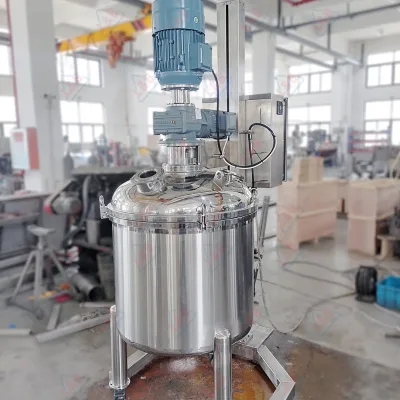
$2076.175 - $3633.3062
MOQ: 1 sets
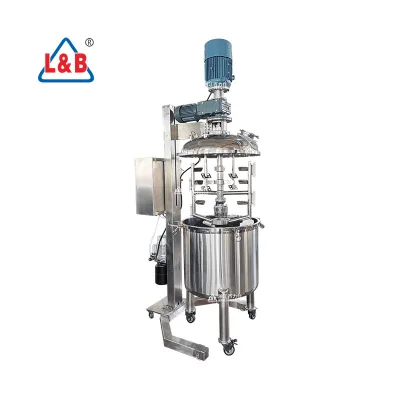
$4601.3079 - $5623.8208
MOQ: 1 sets
Foshan Jct Machinery Co., Ltd.
- Manufacturer, Trading Company
- Guangdong, China
- Lead time25 days
- Avg. response≤ 5h
Main productsReactor,sigma mixer,Mixer Distemper Paint Making Machine,double planetary mixer,paint disperser
Main marketsMid East(20.00%), Domestic Market(10.00%), Central America(10.00%), Western Europe(10.00%), Eastern Asia(10.00%), North America(10.00%), Southeast Asia(10.00%), Eastern Europe(10.00%), South America(10.00%)
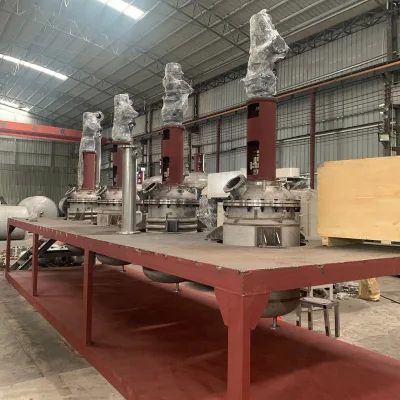
$29761.7966 - $30906.4015
MOQ: 1 sets
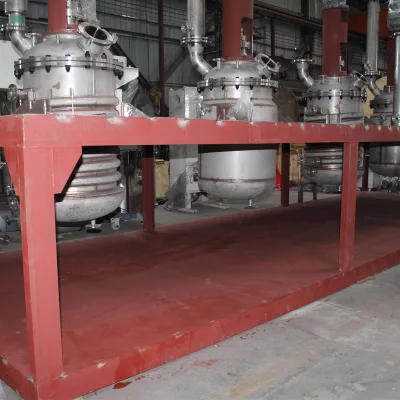
Jacketed Continuous Stirred Tank Reactor Mixing Pu Tank Jacketed Reactor for Hot Melt Butyl Machine
$29967.4863 - $31120.0015
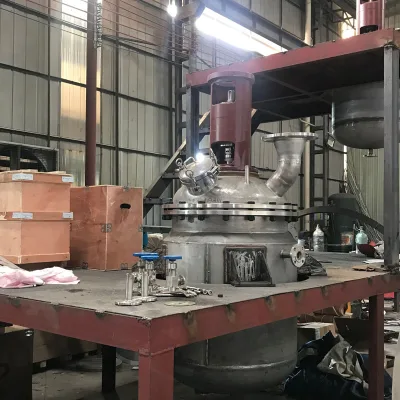
Anti Puncture Tyre Sealant Machine Stainless-Steel-Mixing-Tanks Vacuum Jacketed Mixing Tank
$29639.2488 - $30779.1409
MOQ: 1 sets
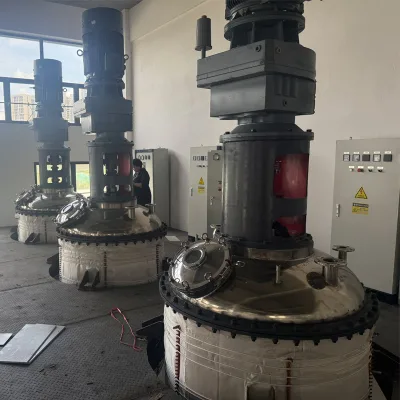
Reaction Tank Heater and Mixer Stainless Steel Tank Adhesive Reactor
$29967.4863 - $31120.0015
- Verified by SGS Group
- Manufacturer, Trading Company
- Lead time20 days
- Avg. response≤ 2h
Main productsConcentrator & Extractor, Drying machine, Grinding machine, Mixing Machine, Granulation machine
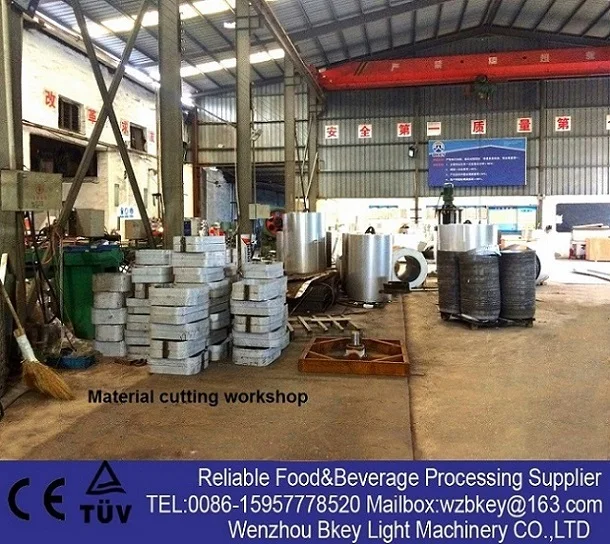
Wenzhou Bkey Light Machinery Co., Ltd.
- Manufacturer, Trading Company
- Zhejiang, China
- Lead time30 days
- Avg. response≤ 9h
Main productsFluid Processing Equipment,milk processing machine,Pasteurization machine,CIP cleaning system,food processing machine
Main marketsDomestic Market(78.00%), Southern Europe(3.00%), Northern Europe(3.00%), Eastern Europe(3.00%), Western Europe(3.00%), Africa(2.00%), North America(1.00%), South Asia(1.00%), Oceania(1.00%), Southeast Asia(1.00%), Central America(1.00%), South America(1.00%), Eastern Asia(1.00%), Mid East(1.00%)

Wenzhou Kosun Fluid Equipment Co., Ltd.
- Verified by TUVRHEINLAND
- Manufacturer/Factory
- China Zhejiang
- Lead time23 days
- Avg. response≤ 6h
Main productsStainless Steel Tank Equipment, Filtration Equipment, Reactor and Fermentation Tanks, Distillation Equipment, Mechanical Sealing Auxiliary System, Concentrator, Evaporator, Extraction Equipment, Brewery Equipment
Main marketsSouth America,Eastern Europe,Mid East,North America,Southeast Asia,Eastern Asia,Oceania,Western Europe,Africa
Yiwu Ehelper Technology Co., Ltd.
- Verified by TüVRheinland
- Trading Company
- Lead time30 days
- Avg. response≤ 2h
Main productsPrecision Air Conditioner, Industrial Cooking Pot, Meat Grinder, Kitchen Equipment, Kitchenware
Main marketsNorth America(41%), Eastern Europe(30%), South America(10%)








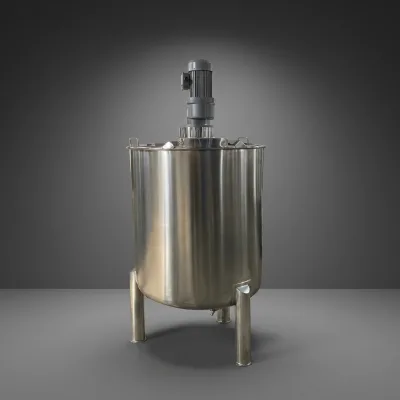
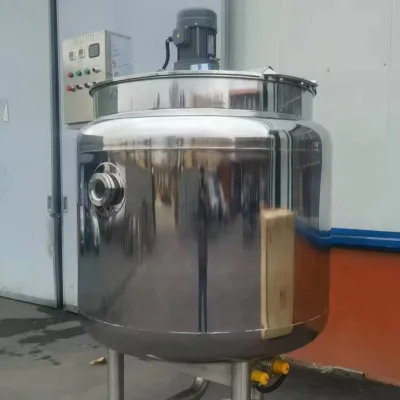
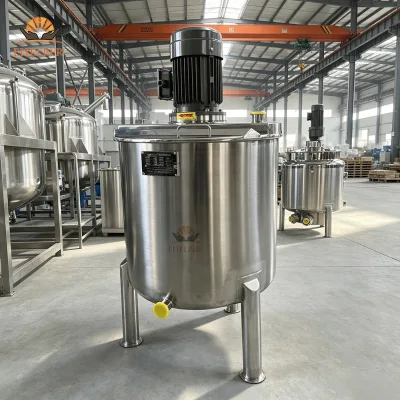
Comprehensive Sourcing Guide
Sus304 Jacket Mixing Tank Supplier Concentration and Factory Types
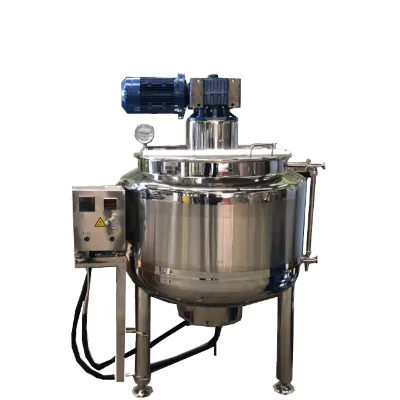
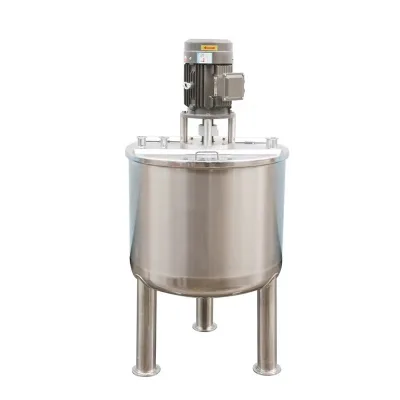
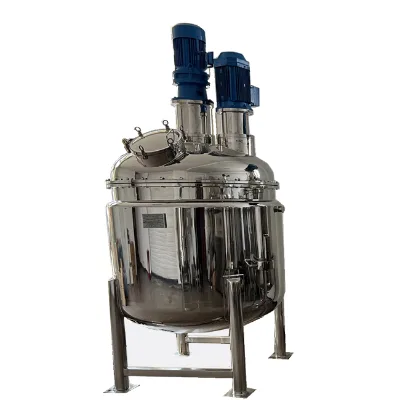
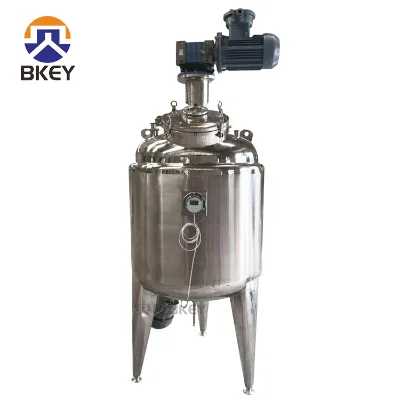
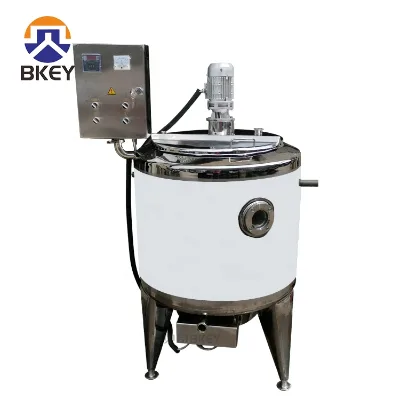
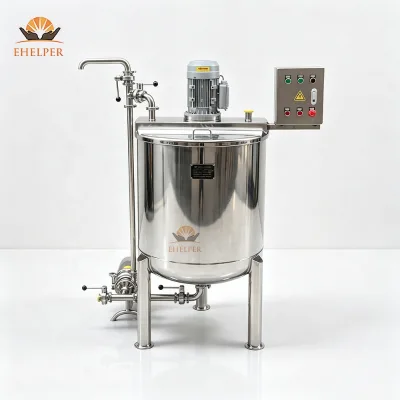
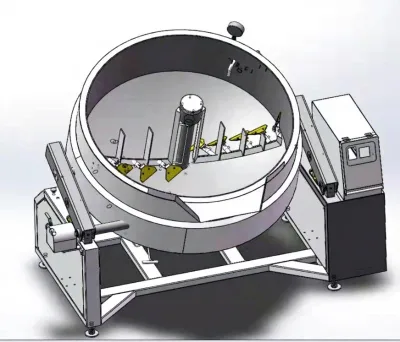
The current supplier landscape for Sus304 jacket mixing tanks reveals a distinct concentration in Shanghai, China, where manufacturing and trading entities cluster to serve global industrial machinery demands. This geographic focus is not arbitrary; Shanghai serves as a critical hub for stainless steel fabrication and food-grade processing equipment, allowing suppliers to leverage established supply chains for raw materials like SS304 and SS316 steel. When evaluating potential partners, buyers should recognize that the majority of results originate from this specific region, which implies a mature ecosystem of specialized workshops, metalworking facilities, and logistics providers. This concentration facilitates faster prototyping and standardized production processes, as local suppliers are accustomed to meeting international sanitary standards for dairy, yogurt, and juice processing applications. However, the presence of a trading company among the verified suppliers indicates that not all entities in this cluster are direct manufacturers. Some may act as intermediaries, aggregating products from various workshops to offer a broader catalog. Therefore, understanding the specific company type is crucial for determining whether you are dealing with a factory that controls the production line or a trading entity that manages the sales and export process.
Identifying the exact nature of the supplier requires careful examination of their declared company type and main product offerings. In this category, suppliers often list a wide array of related equipment, such as milk processing machines, heat exchangers, CIP cleaning systems, and sanitary valves, alongside the jacket mixing tanks. This breadth suggests that many suppliers are comprehensive solution providers rather than niche tank manufacturers. For buyers seeking a direct factory relationship, verifying whether the supplier owns the welding and polishing facilities is essential, as this impacts quality control and customization flexibility. Trading companies may offer more competitive pricing on standard models due to bulk purchasing power but might lack the technical depth for complex customizations. The distinction matters because direct factories can often provide more detailed engineering support for specific applications, such as adjusting agitator speeds or insulation types, while trading companies might rely on third-party engineers. Buyers should prioritize suppliers who explicitly state their manufacturing capabilities, especially when dealing with high-volume orders or specialized sanitary requirements, to ensure that the Sus304 material specifications and weld quality meet their exact operational needs.
How to Verify Sus304 Jacket Mixing Tank Suppliers
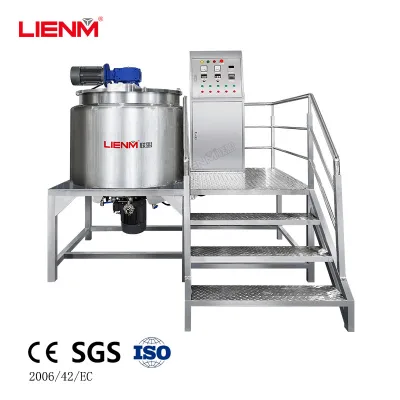
Verification of Sus304 Jacket Mixing Tank suppliers begins with confirming their operational legitimacy and technical compliance through available verification badges and certification data. In the current results, SGS verification is present, which serves as a third-party validation of the supplier’s business existence and basic operational capabilities. This badge provides a foundational layer of trust, indicating that the entity has undergone some level of external scrutiny. However, buyers must distinguish between company verification and product certification. While the supplier may be SGS verified, the product certifications listed vary, with some items displaying ISOCE or CE marks. It is critical to verify that these certifications are current and applicable to the specific model of the jacket mixing tank being purchased. For food-grade applications, the presence of CE certification is often a minimum requirement for entry into many international markets, ensuring that the electrical and mechanical components meet safety standards. Buyers should request copies of these certificates and cross-reference them with the issuing bodies to ensure authenticity, as displayed badges on a listing page do not always guarantee that the specific unit being shipped is covered under that certification.
Beyond certifications, verifying the supplier’s responsiveness and technical accuracy is a practical method for assessing reliability. The response time metric, observed at 3.16 hours in the current data, provides a quantitative measure of how quickly a supplier engages with inquiries. A faster response time often correlates with a more active sales team and better customer service infrastructure, which is vital for resolving technical questions about tank capacity, motor brands, or insulation materials. Buyers should test this responsiveness by asking specific technical questions, such as the difference between mirror polish and sub-light polish for the interior surface, or the availability of specific motor brands like Siemens or ABB. The ability of the supplier to provide detailed, accurate answers to these queries is a strong indicator of their technical competence. Additionally, buyers should verify the supplier’s ability to provide customization options, as many listings indicate that customization is available. Confirming that the supplier can handle custom requests for tank construction, such as double jackets or specific agitator speeds, ensures that they are not just selling off-the-shelf items but can adapt to unique production requirements. This due diligence helps mitigate the risk of receiving a product that does not fully meet the intended application standards.
What to Compare Across Sus304 Jacket Mixing Tank Suppliers
When comparing Sus304 Jacket Mixing Tank suppliers, buyers should focus on key operational dimensions such as lead time, minimum order quantity, and price structure to determine the best fit for their procurement strategy. The current data shows a lead time of 30 days for some suppliers, while others indicate a delivery time of 10 days for specific models. This variance highlights the importance of clarifying whether the lead time refers to production time or total delivery time, including shipping. Buyers should also note the minimum order quantity, which is listed as 1 set for multiple suppliers, indicating flexibility for small-scale operations or pilot projects. However, for larger industrial deployments, buyers should inquire about volume discounts or tiered pricing, as the displayed prices may represent a baseline for standard configurations. Comparing the price range, which spans from $1500 to $3000 for different models, allows buyers to assess the value proposition of each supplier. It is essential to ensure that the price includes all necessary components, such as the motor, control box, and insulation, to avoid hidden costs later in the process.
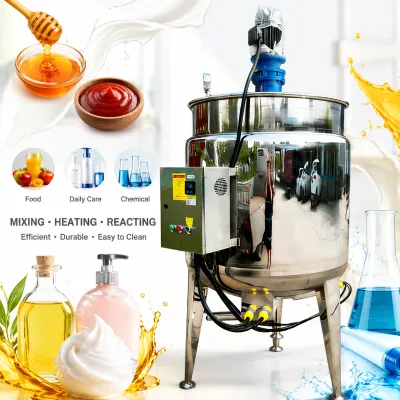
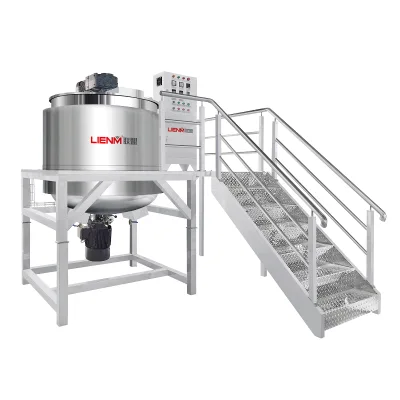
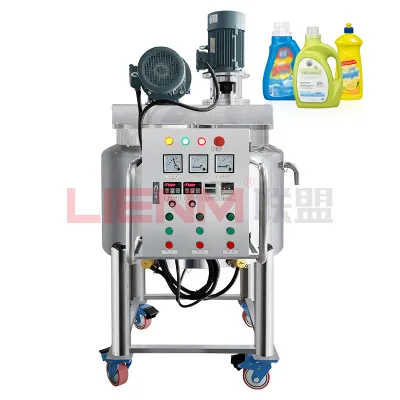
In addition to cost and time, buyers should compare the technical specifications and material quality offered by different suppliers. The Sus304 jacket mixing tanks are described with various material grades, including SS304 and SS316, so buyers must confirm which grade is included in the quoted price. Some suppliers offer customization for the tank capacity, ranging from 200L to 10000L, while others have fixed capacity ranges. Comparing the motor brands, such as Siemens, ABB, or Chinese brands, is also crucial, as this impacts the longevity and performance of the mixing tank. Buyers should also evaluate the surface finish options, such as mirror polish or sub-light polish, and the insulation materials, like rock wool or polyurethane foam, which affect energy efficiency and temperature control. By systematically comparing these technical attributes, buyers can identify suppliers who offer the best balance of quality, customization, and cost. This detailed comparison helps in selecting a supplier who not only meets the basic requirements but also aligns with the specific operational needs of the buyer’s production line, ensuring long-term reliability and performance.
Common Sus304 Jacket Mixing Tank Sourcing Risks
One of the primary risks in sourcing Sus304 jacket mixing tanks is the potential discrepancy between the specified material grade and the actual material delivered. While suppliers claim to use SS304 or SS316 stainless steel, there is a risk that lower-grade materials may be used to reduce costs, especially if the price is significantly below market average. Buyers must implement strict quality control measures, such as requesting material test reports or conducting on-site inspections, to verify the steel grade. Another risk is the variability in welding quality and surface finish, which are critical for sanitary applications in the food and beverage industry. Poor welding can lead to bacterial harborage, while inadequate polishing can affect cleaning efficiency. Buyers should specify the required surface finish, such as mirror polish for the interior, and ensure that the supplier has the capability to achieve this standard. Additionally, the risk of receiving a tank with incorrect insulation or motor specifications is present, particularly when dealing with trading companies that may not have direct control over the manufacturing process.
Another significant risk is the ambiguity in lead times and delivery schedules, which can disrupt production planning. Suppliers may quote a 10-day delivery time, but this might only cover production, excluding shipping and customs clearance. Buyers should clarify the exact meaning of the lead time and request a detailed production schedule. There is also the risk of inadequate after-sales support, especially for complex equipment like jacket mixing tanks with automated controls and heating/cooling systems. If the supplier is a trading company, they may not have the technical expertise to provide timely troubleshooting or spare parts. Buyers should verify the availability of spare parts and the supplier’s ability to provide technical support, such as remote diagnostics or on-site installation assistance. Furthermore, the risk of non-compliance with international standards, such as CE or ISO, is present if the supplier’s certifications are not properly validated. Buyers should ensure that the supplier can provide up-to-date certification documents and that the product design meets the specific regulatory requirements of their target market. Mitigating these risks requires thorough due diligence and clear communication with the supplier throughout the procurement process.
Sus304 Jacket Mixing Tank Regional Sourcing and Logistics
Sourcing Sus304 jacket mixing tanks from Shanghai, China, offers logistical advantages due to the region’s well-developed infrastructure and proximity to major shipping ports. Shanghai is a global hub for container shipping, which facilitates efficient export of heavy industrial machinery like jacket mixing tanks. Buyers should consider the impact of logistics on the total cost of ownership, including freight charges, insurance, and customs duties. The current data indicates that products are packed in standard export wooden boxes, which provides adequate protection for transit but may require additional handling at the destination. Buyers should verify the packing details to ensure that the tanks are securely fastened and protected against moisture and damage during shipping. Additionally, the location of the supplier in Shanghai means that buyers can potentially arrange for third-party inspections at the factory before shipment, reducing the risk of receiving defective products. This proximity also allows for easier communication and faster resolution of any issues that may arise during the production process.
However, buyers must also consider the environmental and regulatory aspects of sourcing from this region. China has strict environmental regulations for manufacturing, which can impact production schedules if factories are required to shut down for compliance checks. Buyers should inquire about the supplier’s environmental compliance status to avoid potential delays. Furthermore, the logistics chain from Shanghai to the buyer’s location involves multiple handovers, including inland transportation, port handling, and ocean freight. Buyers should work with experienced freight forwarders who can optimize the shipping route and reduce transit times. The choice of shipping method, whether by sea or air, will also impact the cost and speed of delivery. For large jacket mixing tanks, sea freight is typically more cost-effective, but it requires careful planning to ensure that the cargo is properly stowed and secured. Buyers should also consider the impact of seasonal fluctuations on shipping rates and availability, particularly during peak holiday seasons, to avoid unexpected delays in receiving their equipment.
Sus304 Jacket Mixing Tank Commercial Terms and Order Planning
Effective order planning for Sus304 jacket mixing tanks requires a clear understanding of the commercial terms offered by suppliers, including payment methods, warranty policies, and after-sales support. The current data shows a minimum order quantity of 1 set, which allows for flexible ordering but may result in higher per-unit costs for small orders. Buyers should negotiate for volume discounts if they plan to purchase multiple tanks or related equipment. Payment terms are a critical aspect of the commercial agreement, and buyers should seek secure payment methods, such as escrow, to protect their funds until the goods are received and inspected. The response time of 3.16 hours suggests that suppliers are generally responsive, but buyers should confirm the availability of technical support and spare parts before finalizing the order. Warranty policies should be clearly defined, covering defects in materials and workmanship, and buyers should ensure that the supplier provides a comprehensive manual and installation
FAQs
What is the price range for SUS304 jacket mixing tanks?
Prices for these tanks typically range from $1,500 to $3,000 per unit. The final cost depends on the specific capacity, motor brand selection, and customization requirements. Buyers should request quotes for their exact volume needs to get accurate pricing.
What is the minimum order quantity for these tanks?
The minimum order quantity is generally one set. This allows buyers to test the equipment quality before committing to larger production runs. Suppliers are flexible with initial orders to accommodate small-scale dairy or food processing operations effectively.
How long does delivery take for these mixing tanks?
Standard lead times are approximately 30 days from order confirmation. Some suppliers offer faster delivery options within 10 days for specific models. Buyers should confirm production schedules with the supplier to ensure timely arrival for their facility setup.
What certifications do these stainless steel tanks hold?
These tanks typically hold ISO and CE certifications. The materials used are often SUS304 or SUS316 stainless steel, ensuring sanitary compliance. Buyers should verify specific certificate documents with the supplier to ensure they meet local regulatory standards for food processing.
Where are these jacketed mixing tanks manufactured?
These tanks are primarily manufactured in Shanghai, China. The region is known for its industrial machinery supply chain. Buyers can expect consistent quality and competitive pricing from suppliers located in this major manufacturing hub for food processing equipment.
Can these tanks be customized for specific applications?
Yes, customization is available for capacity, motor brands, and tank construction. Buyers can specify applications like milk pasteurization or yogurt fermentation. Suppliers offer options for different agitator speeds and insulation materials to match precise operational requirements and fluid viscosities.