Source antibacterial quick-dry jacquard fabric for curtains, bedding, and bags
Compare 30 verified listings for antibacterial quick-dry jacquard fabric suitable for curtains, bedding, and bags. Buyers can review detailed specifications, pricing tiers, and customization options from verified suppliers in China to find the best match for their specific textile needs.
Updated
Key considerations
Products List


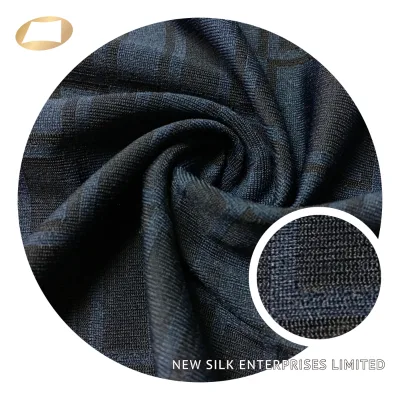
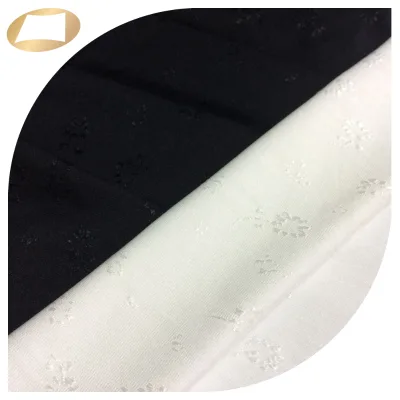
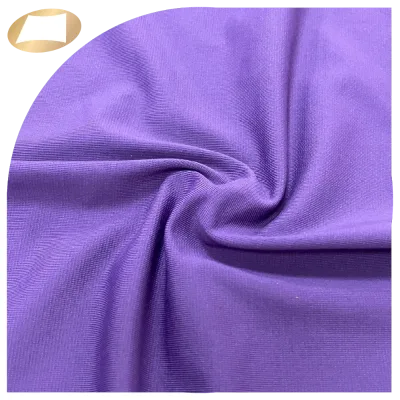


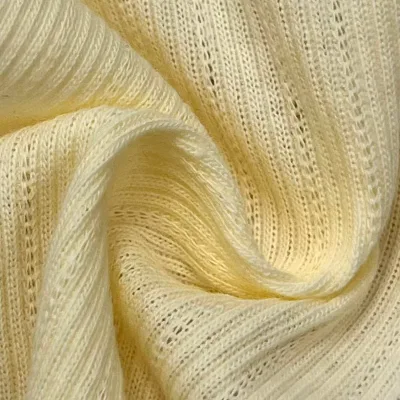
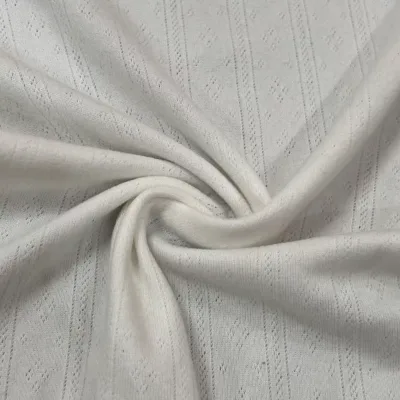
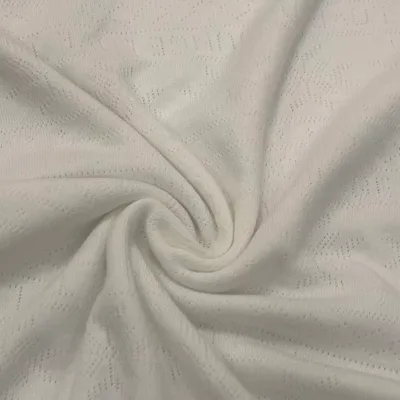
Breathable Two Tone Jacquard Fabric for Moisture Management and Comfort
$1.30 - $2.00
MOQ: 3000 Meters
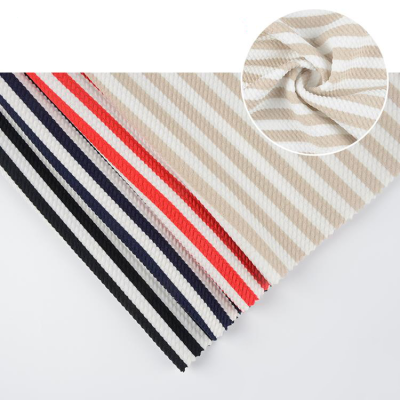
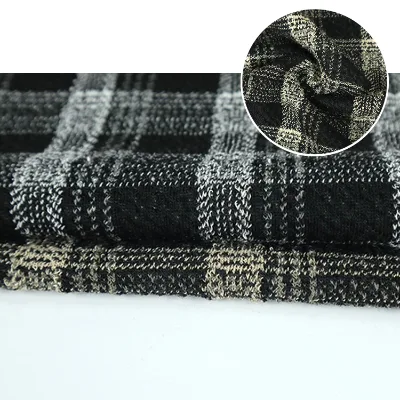


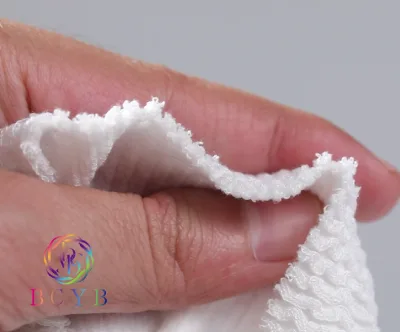
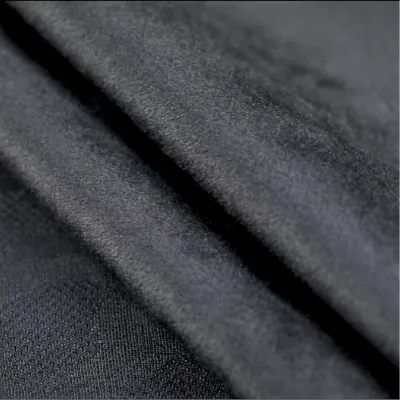
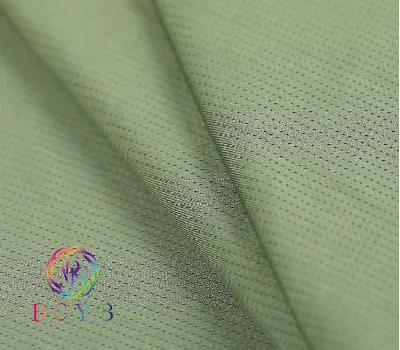
Polyester Knitting Jacquard Fabric Dying Fabric Blanket and Cloth Fabric
$1.4315 - $2.0461
MOQ: 20 yards


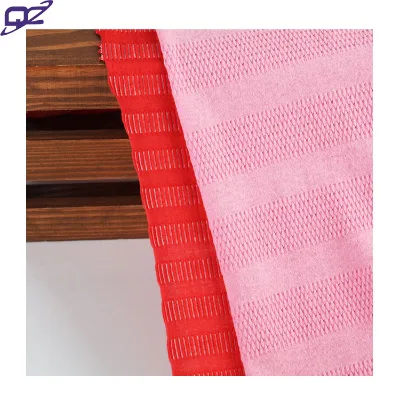
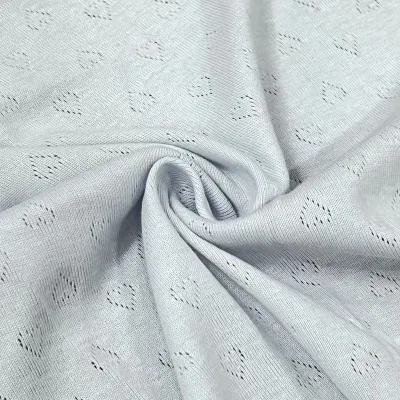
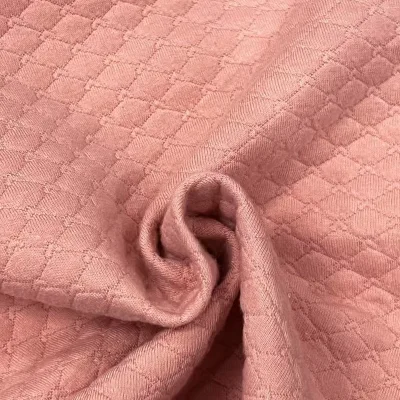
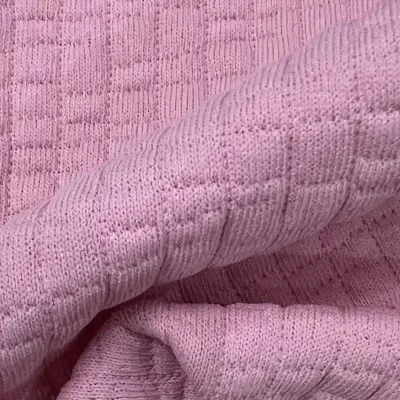


Comprehensive Sourcing Guide
Antibacterial Quick-Dry Jacquard Fabric Sourcing Guide
Buyers seeking antibacterial quick-dry jacquard fabric must first distinguish between woven and knitted constructions, as the supplied data indicates distinct technical pathways for achieving these functional properties. While some listings highlight woven jacquard techniques for home textile applications, others specify weft knitting for mattress fabrics that require specific shrink-resistance and anti-static capabilities. This divergence means that a single product page may not satisfy all performance criteria, requiring the buyer to verify the exact production method against their intended end-use before proceeding.
The observed product attributes reveal a complex landscape where "antibacterial" claims are not universally present in the provided facts, though "anti-static" and "quick-drying" features are explicitly documented for specific synthetic fiber models. Procurement teams must carefully cross-reference the listed functional properties, such as flame retardancy or tear resistance, with the specific fiber types like textured yarn or filament polyester to ensure the material meets the rigorous demands of the target market.
Product Scope and Observed Listing Signals
The available product scope encompasses a wide range of applications including home textiles, curtains, bedding, and mattress fabrics, driven by the versatility of 100% polyester as the primary material base. Listings indicate that customization is widely available for colors, sizes, and specific functional treatments, allowing buyers to tailor products for niche markets ranging from luxury interior design to high-performance athletic bedding. However, the presence of diverse styles like reticular, plain, and satin jacquard suggests that visual aesthetics must be evaluated alongside functional performance to ensure market fit.
Observed listing signals show significant variation in packaging and supply types, with options ranging from roll packages to complex multi-layer plastic bagging and strong tube rolling. The supply type is predominantly make-to-order, which aligns with the high degree of customization observed in color and size specifications. Buyers should note that while some models offer standard color options like navy or black, others require custom color development, which directly impacts the lead time and minimum order quantity requirements for the project.
Technical Specifications to Verify
Verification of fiber cross-section and knitting technics is critical, as the data shows specific mentions of weft knitting and textured yarns alongside filament types that influence the final fabric hand and durability. Buyers must confirm whether the fabric utilizes a satin jacquard weave or a plain weave, as these structural differences dictate the fabric's drape, breathability, and moisture management capabilities. The presence of "good stretch and recovery" in some listings indicates that elasticity is a key variable that must be tested against the specific mechanical requirements of the final garment or textile product.
Functional properties such as shrink-resistance, anti-static behavior, and quick-drying performance are explicitly listed for certain models but are not guaranteed across all variations. Procurement teams must demand test reports that validate these specific claims, particularly for applications requiring flame retardancy or high color fastness. The distinction between "high strength" and "abrasion-resistant" attributes suggests that mechanical testing is essential to ensure the fabric can withstand the intended usage conditions without premature failure.
Compliance and Safety Documentation
While the supplied facts do not explicitly list specific international certification standards, the mention of flame retardant and anti-static functions implies that safety compliance is a potential requirement for the end-user. Buyers should request documentation proving that the fabric meets relevant safety standards for the target market, such as those governing flammability for home textiles or chemical restrictions for bedding materials. The absence of explicit certification data in the product descriptions necessitates a proactive approach to verifying that the supplier can provide third-party test results for these specific functional claims.
Safety documentation must also address the chemical composition of the 100% polyester material to ensure it complies with environmental and health regulations. Since the product origin is listed as China, buyers should be aware of varying regulatory landscapes and ensure that the supplier can provide evidence of compliance with destination market laws regarding textile safety. The verification process should include checking for any restricted substances and confirming that the dyeing processes used for custom colors do not introduce hazardous chemicals into the final product.
Cost Drivers and Commercial Terms
The commercial terms are heavily influenced by the make-to-order nature of the supply, which typically results in longer lead times ranging from 15 to 30 days after receiving a deposit. This production model, combined with the high degree of customization available for colors and sizes, creates a cost structure that is sensitive to order volume and complexity. Buyers must factor in the potential for higher unit costs when ordering smaller quantities, as the minimum order quantities observed range widely from 1 to 5,000 meters depending on the specific product model and customization level.
Pricing dynamics are further driven by the technical complexity of the fabric, such as the integration of jacquard patterns or specialized functional finishes like quick-drying and anti-static treatments. The observed price range of 0.38 to 8.5 USD suggests a significant variance based on these factors, requiring buyers to clearly define their quality and performance thresholds to avoid overpaying for unnecessary features. Understanding the relationship between the technical specifications and the final price is essential for negotiating favorable terms that align with the project budget.
Supplier Qualification and Quality Control
Supplier qualification should focus on verifying the production capabilities in Suzhou and Hangzhou, China, where the listed origins indicate a concentration of textile manufacturing expertise. Buyers must assess the supplier's ability to manage the make-to-order workflow, ensuring they have the capacity to handle custom color development and specific weaving or knitting techniques without compromising quality. The presence of diverse product models suggests a broad capability, but specific verification of the equipment used for jacquard weaving or weft knitting is necessary to ensure consistency.
Quality control protocols must be established to monitor the critical attributes identified in the product data, such as color fastness, shrink-resistance, and mechanical strength. Since the supply type is make-to-order, the risk of deviation from the agreed specifications is higher, making pre-shipment inspections and sample approvals essential steps in the procurement process. Buyers should require detailed quality reports that confirm the fabric meets the specified functional properties before the final deposit is released or the goods are shipped.
Long-Term Procurement Checks
Long-term procurement strategies should prioritize building relationships with suppliers who demonstrate consistent performance in delivering customized, functional fabrics over time. The variability in lead times and minimum order quantities observed in the initial data suggests that a stable supply chain requires clear communication and agreed-upon service level agreements. Buyers should establish a framework for regular quality audits and performance reviews to ensure that the supplier continues to meet the evolving demands of the market and the specific technical requirements of the product line.
Sustainability and supply chain resilience are also critical considerations for long-term success, particularly given the reliance on synthetic fibers and complex dyeing processes. Buyers should investigate the supplier's environmental practices and their ability to adapt to changes in raw material availability or regulatory requirements. By maintaining a proactive approach to supplier management and continuous improvement, buyers can mitigate risks and ensure a steady flow of high-quality antibacterial quick-dry jacquard fabric for their operations.
FAQs
What materials are used for jacquard fabric?
The jacquard fabric is made from 100% polyester. This synthetic fiber provides high strength and durability for home textile applications. The material supports various weaving techniques, including textured yarn and filament options. It ensures consistent quality for curtain and bedding uses while maintaining structural integrity over time.
Can I customize the color of the fabric?
Yes, customization is available for the fabric color. Buyers can select from options like navy, black, white, purple, or custom shades. The supply type is make-to-order, allowing tailored production. This flexibility ensures the fabric matches specific design requirements for curtains and home textiles effectively.
What is the lead time for production?
The lead time is 15-30 days after receiving the deposit. This timeframe applies to the make-to-order supply type. Production begins once the initial payment is confirmed. Buyers should plan their inventory accordingly to account for this manufacturing duration, ensuring timely delivery for their specific project needs.
What is the minimum order quantity required?
The minimum order quantity is 5,000 meters. This threshold applies to specific models like ATA-H0130. Buyers must meet this volume to initiate production. The MOQ ensures efficient manufacturing processes. Smaller orders may not be feasible under current supply constraints, so bulk planning is recommended for procurement.
Where is the fabric manufactured?
The fabric originates from Suzhou and Hangzhou in China. These locations serve as the primary production hubs. The goods are packed in rolls for shipping. Buyers can expect consistent manufacturing standards from these Chinese facilities, which specialize in home textile and curtain fabric production with various technical specifications.
What packaging methods are used for shipping?
The fabric is packed in rolls on strong tubes. Some items use plastic bag packaging with an outer layer. This roll package method protects the material during transit. The standard packing ensures the fabric remains undamaged. Buyers receive the goods ready for immediate use in their textile manufacturing or curtain assembly processes.