Source Anti-Bacteria Woven Medical Scrubs Fabric for Workwear, Uniforms, Hospital
Find 30 verified options for anti-bacteria woven medical scrubs fabric suitable for hospital uniforms, workwear, and apparel manufacturing. Compare specifications like composition, density, and features including breathability and tear resistance from suppliers in China; compare the available evidence and request quotations based on your requirements.
Updated
Key considerations
Products List



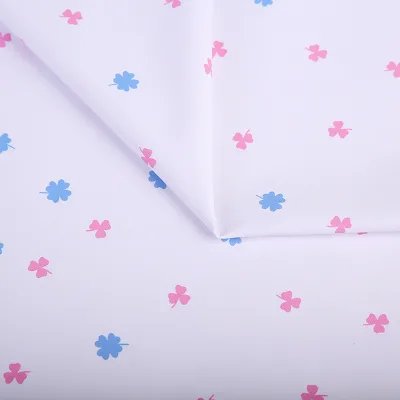
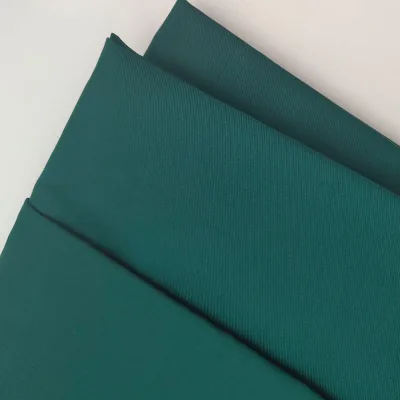


Chlorine-Resistant Tc Hospital Nursing Uniform Doctors Medical Scrub Fabric
$0.90 - $1.50
MOQ: 3000 Yards
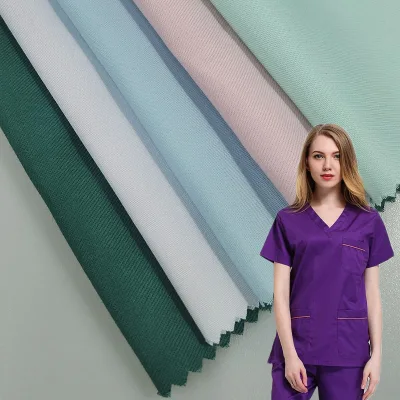
Polyester Cotton Fabric Manufacturer Medical Scrubs Fabric Nurse Uniform Fabric
$0.42 - $1.30
MOQ: 3000 meters
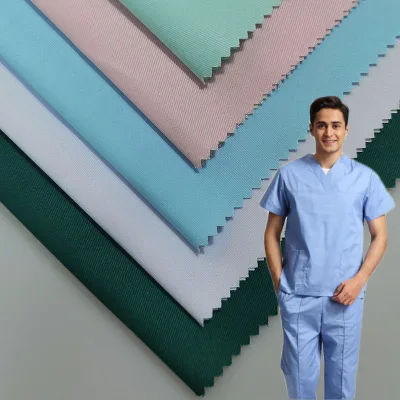


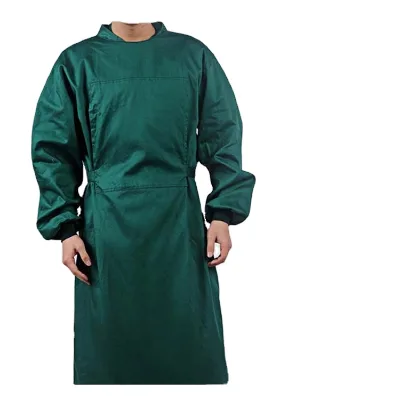



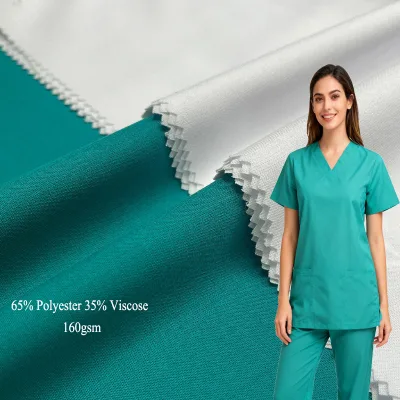
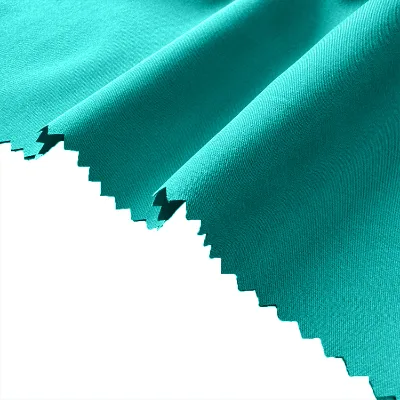
170gsm Plain Olive Woven 94% Polyester 6% Spandex Brushed Medical Green Scrub Fabric
$1.5814 - $1.6849
MOQ: 1000 meters
Comprehensive Sourcing Guide
Anti-Bacteria Woven Medical Scrubs Fabric Sourcing Guide
Procuring woven medical scrubs fabric requires a careful balance of functional performance, regulatory compliance, and supply chain reliability. Buyers must navigate a market where "anti-bacteria" claims often overlap with general hygiene features such as moisture-wicking and cross-infection reduction. The core keyword highlights a specific niche within the broader medical textile sector, demanding verification of both the fabric’s structural integrity and its claimed biological safety properties. This guide provides a structured approach to evaluating suppliers, interpreting technical data, and ensuring that the final product meets the rigorous demands of healthcare environments.
Successful sourcing begins with understanding the distinction between standard medical fabrics and those with specialized antimicrobial treatments. While many suppliers offer plain weave or tricot knits for workwear and apparel, medical-grade materials require additional scrutiny regarding fiber composition and finishing processes. Buyers should focus on suppliers who provide transparent documentation of their manufacturing standards and material origins. By prioritizing evidence-based verification over marketing language, procurement teams can mitigate risks associated with inconsistent quality, non-compliant materials, or unreliable delivery schedules in the competitive medical textile market.
Product Scope and Observed Listing Signals
The observed product landscape for medical scrubs fabric reveals a diverse range of compositions, primarily centered around polyester-cotton blends and synthetic alternatives. Listings frequently highlight compositions such as 65% polyester and 35% cotton, or variations including textured yarn and hollow filament structures. These material choices directly influence the fabric’s breathability, durability, and comfort, which are critical for healthcare professionals wearing uniforms for extended periods. Buyers should note that while some products are marketed as "anti-bacteria," the underlying technical attributes often emphasize physical features like tear resistance, shrink resistance, and anti-static properties, which contribute to overall garment longevity and safety.
Price and minimum order quantity (MOQ) signals indicate a flexible but segmented market, with observed price ranges between $0.35 and $4.00 per unit and MOQs varying from 100 to 20,000 units. This variance suggests that buyers can access both small-batch custom orders and large-scale industrial supplies, depending on their specific needs. The presence of in-stock items alongside make-to-order options further complicates the sourcing decision, requiring careful alignment with inventory management strategies. Understanding these commercial signals helps buyers anticipate lead times and budget constraints, ensuring that the selected fabric aligns with both immediate production requirements and long-term supply chain stability.
Technical Specifications to Verify
Verifying technical specifications is paramount when sourcing medical scrubs fabric, as subtle differences in construction can significantly impact performance. Key attributes to confirm include the fabric’s weight, typically ranging from 175gsm to 200gsm, and its width, which is commonly observed around 147cm to 150cm. These dimensions affect the yield per roll and the final drape of the uniform. Additionally, buyers should scrutinize the density and yarn count, such as 2321 or 13871, which influence the fabric’s strength and texture. Ensuring that the fabric meets the required medium strength and heavyweight criteria is essential for durability in high-traffic medical environments.
The knitting and weaving techniques employed also play a crucial role in the fabric’s functionality. While some listings specify tricot knitting for stretch properties, others emphasize plain weave for stability and ease of cleaning. Buyers must verify whether the fabric is plain dyed or printed, as this affects colorfastness and aesthetic consistency. Furthermore, the inclusion of anti-static fibers or hollow filament structures can enhance comfort and reduce static buildup, which is particularly important in sterile environments. Confirming these technical details through sample testing or detailed supplier documentation ensures that the fabric meets the specific operational needs of the healthcare facility.
Compliance and Safety Documentation
Compliance and safety documentation are non-negotiable when sourcing medical scrubs fabric, especially when "anti-bacteria" claims are involved. Buyers must request detailed certificates and test reports that validate the fabric’s ability to reduce pathogen vectors and cross-infection. While specific standards like ISO 6330 may be referenced for washing durability, the primary focus should be on antimicrobial efficacy tests conducted by accredited laboratories. These documents should clearly outline the methods used, the results achieved, and the duration of the antimicrobial effect, providing tangible evidence of the fabric’s safety performance.
In addition to antimicrobial certifications, buyers should verify compliance with broader textile safety standards, including restrictions on harmful substances and flammability ratings. Documentation should also confirm the origin of the materials, ensuring that they are sourced from reputable suppliers who adhere to ethical and environmental practices. By maintaining a rigorous documentation review process, procurement teams can mitigate legal and reputational risks associated with non-compliant products. This due diligence is essential for building trust with healthcare providers and ensuring that the final uniforms meet the highest standards of patient and staff safety.
Cost Drivers and Commercial Terms
Understanding the cost drivers behind medical scrubs fabric is essential for effective budgeting and negotiation. Key factors influencing price include the fiber composition, with polyester-cotton blends often offering a balance of cost and performance, and the complexity of the finishing processes, such as continuous dyeing or anti-static treatments. The weight and density of the fabric also impact material costs, with heavier, denser fabrics typically commanding higher prices. Buyers should analyze these variables to identify opportunities for cost optimization without compromising on quality or safety standards.
Commercial terms, including payment conditions, shipping arrangements, and return policies, significantly affect the total cost of ownership. Buyers should negotiate favorable terms that align with their cash flow and inventory management strategies, such as flexible MOQs or extended payment periods for large orders. Additionally, understanding the supplier’s lead times and production capacity is crucial for planning procurement cycles and avoiding stockouts. By carefully evaluating these commercial aspects, buyers can secure competitive pricing while ensuring a reliable and responsive supply chain for their medical uniform needs.
Supplier Qualification and Quality Control
Supplier qualification is a critical step in ensuring the reliability and consistency of medical scrubs fabric. Buyers should conduct thorough due diligence on potential suppliers, assessing their manufacturing capabilities, quality control processes, and track record in the medical textile industry. This includes verifying their certifications, inspecting their production facilities, and reviewing their customer feedback and references. A qualified supplier should demonstrate a commitment to quality through rigorous internal testing and adherence to international standards, ensuring that every batch of fabric meets the specified requirements.
Quality control measures should be integrated into the procurement process, from initial sample approval to final shipment inspection. Buyers should establish clear quality criteria and conduct regular audits to monitor supplier performance. Implementing a robust quality control system helps identify and address potential issues early, reducing the risk of defects and non-conformities. By prioritizing supplier qualification and continuous quality monitoring, buyers can build a resilient supply chain that delivers consistent, high-quality medical scrubs fabric, supporting the safety and comfort of healthcare professionals.
Long-Term Procurement Checks
Long-term procurement checks are essential for maintaining the integrity and performance of medical scrubs fabric over time. Buyers should establish a periodic review process to assess supplier performance, product quality, and market trends. This includes monitoring changes in material costs, regulatory requirements, and technological advancements in textile manufacturing. By staying informed about industry developments, buyers can proactively adjust their sourcing strategies to remain competitive and compliant. Regular reviews also help identify opportunities for innovation and improvement, ensuring that the procurement process evolves alongside the needs of the healthcare sector.
Additionally, buyers should foster strong relationships with suppliers through open communication and collaborative problem-solving. This partnership approach encourages transparency and mutual trust, leading to better service levels and more responsive support. By investing in long-term supplier relationships and continuous improvement initiatives, buyers can secure a stable and reliable supply of medical scrubs fabric, supporting the operational efficiency and safety of healthcare facilities. This strategic focus on long-term procurement ensures that the organization remains resilient and adaptable in a dynamic and demanding market.
FAQs
What is the composition of the anti-bacteria woven medical scrubs fabric?
The fabric is composed of 65% polyester and 35% cotton. This blend provides a durable and breathable material suitable for medical environments. It is designed to reduce pathogen vectors and cross-infection while maintaining comfort for healthcare workers during long shifts.
Can this fabric be customized for specific medical uniform requirements?
Yes, customization is available for this woven medical fabric. Buyers can select from various color options including white, light blue, light pink, and light green. The material supports plain dyed patterns and is suitable for both men's and women's hospital workwear applications.
What are the physical features and functions of this medical fabric?
This fabric features tear-resistant, shrink-resistant, and anti-static properties. It is breathable and moisture-absorbent, ensuring comfort during use. The material is classified as heavyweight with a density of 138*71, providing durability and reducing cross-infection risks in hospital settings effectively.
What is the typical weight and width specification for this fabric?
The fabric is available in heavyweight specifications with a weight of 200gsm. The width is approximately 147cm to 150cm. These dimensions ensure adequate coverage for garment manufacturing while maintaining the structural integrity required for durable medical scrubs and uniform pants.
How is the fabric supplied and packaged for bulk orders?
The fabric is supplied as in-stock items or make-to-order depending on availability. It is packed in rolls within plastic bags, with a standard length of 100 meters per roll. This packaging protects the material during transit and facilitates easy handling for apparel manufacturers.