Source Antistatic Flame Retardant Satin for Security, Industry, and Fire Fighting
Compare 30 listings for Antistatic Flame Retardant Satin fabrics suitable for security, industry, and fire fighting applications. Buyers can review specifications like weight, certifications, and delivery times to find the right material for their needs; compare the available evidence and request quotations based on your requirements.
Updated
Key considerations
Products List


290GSM Cotton Flame Retardant Anti-Static Satin Fabric for Heavy Duty Jacket
$2.00 - $4.50
MOQ: 3000 Meters

250GSM Cotton Flame Retardant Anti-Static Satin Fabric for Heavy Duty Jacket
$2.70 - $3.40
MOQ: 3000 Meters

320GSM 88% Cotton 11% Nylon 1% Anti-Static Flame Retardant Satin Fabric
$3.00 - $3.40
MOQ: 3000 Meters

340GSM Cotton Water Repellent Flame Retardant Antistatic Satin Fabric for Safety Workwear
$3.00 - $3.10
MOQ: 3000 Meters

350GSM 99/1% Cotton Flame Retardant Anti-Static Satin Fabric for Workwear
$3.00 - $3.10
MOQ: 3000 Meters
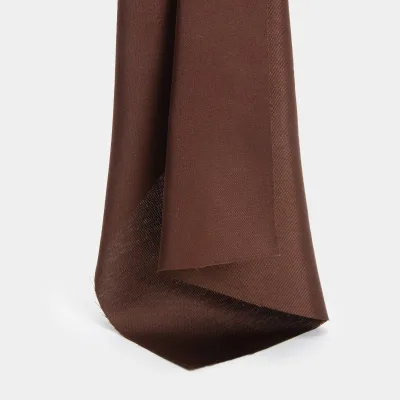
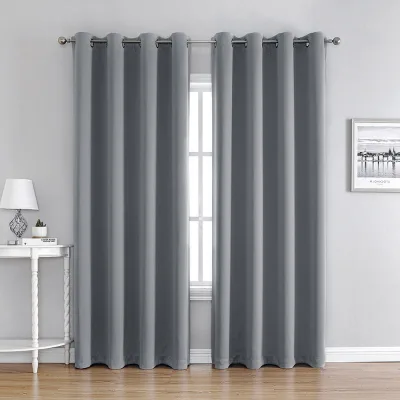
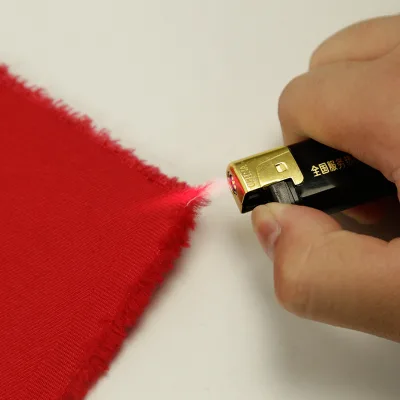
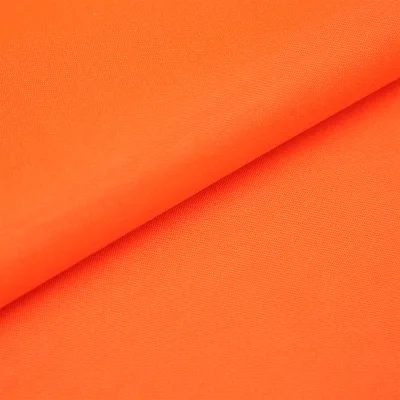
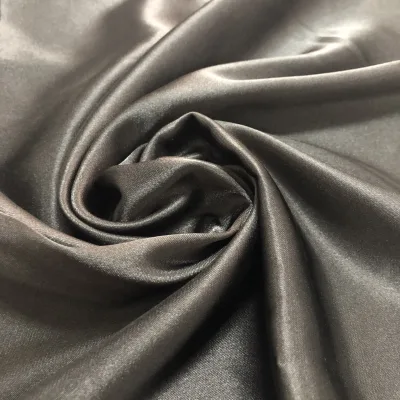
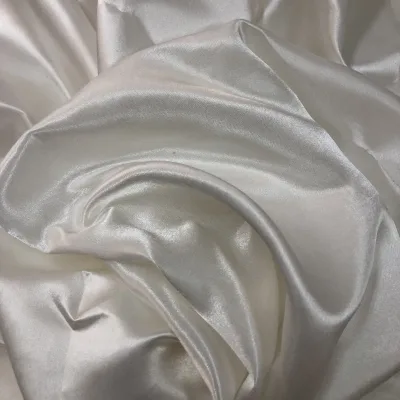
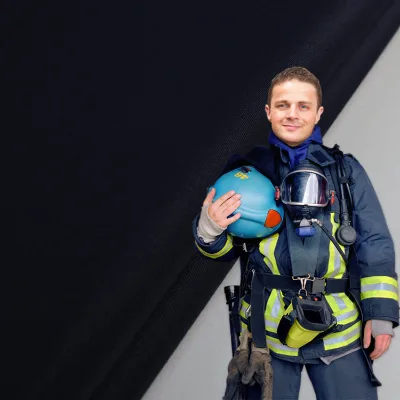
JHDTEX 100% Cotton Fire Retardant Hot Sale Stock Wholesale Fr Flame Retardant Fabric
$5.1805 - $20.7192
MOQ: 3000 meters
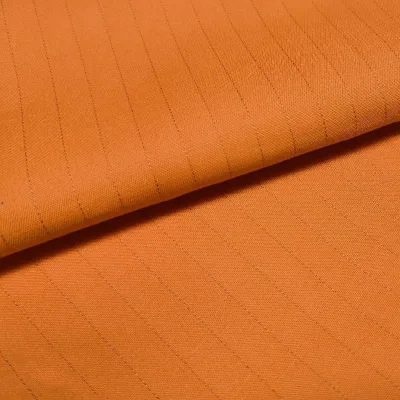
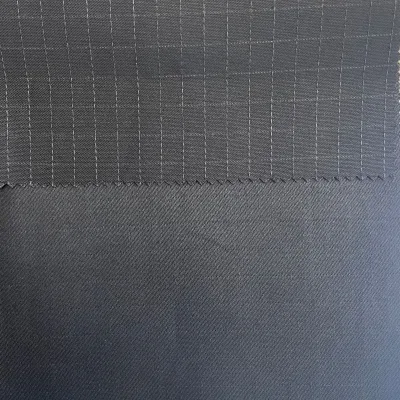
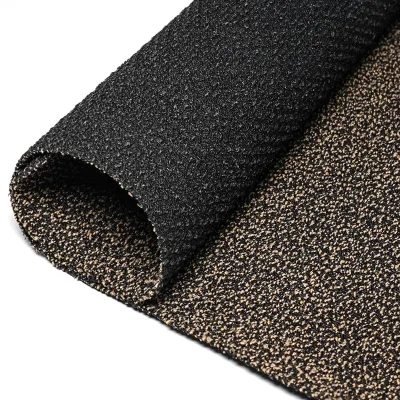

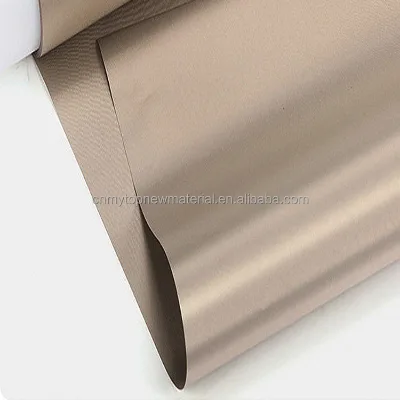
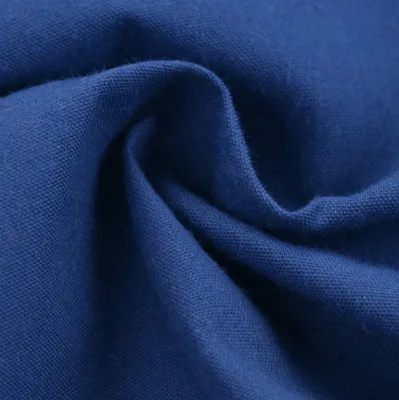
190gsm 54%Modacrylic 45%Cotton 1%Anti-Static Fire Retardant Plain Fabric
$5.1341 - $10.2682
MOQ: 500 Minimum
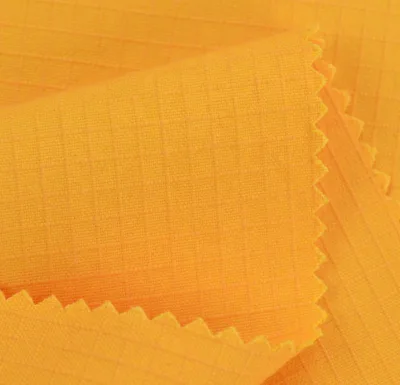
Comprehensive Sourcing Guide
Antistatic Flame Retardant Satin Sourcing Guide
Sourcing Antistatic Flame Retardant Satin requires balancing aesthetic finish with rigorous safety performance, particularly for high-risk industrial environments. Buyers must recognize that "satin" refers to a specific weave structure that can influence how chemical treatments adhere to the fiber surface. The observed market data indicates a diverse range of products, from 100% cotton blends to microfiber constructions, each offering different tactile properties and durability profiles. Procurement teams should prioritize suppliers who explicitly define the relationship between the satin weave and the flame retardant finish, as this combination is critical for maintaining both the visual appeal and the protective integrity of the textile over time.
The procurement landscape for these specialized textiles is characterized by significant variation in material composition and certification standards. Listings reveal products ranging from basic cotton weaves to advanced microfiber structures with complex chemical treatments. Buyers must navigate this diversity by focusing on verified performance metrics rather than generic marketing terms. It is essential to distinguish between fabrics that offer basic static control and those that provide comprehensive protection against ignition sources and high temperatures. Understanding these distinctions allows procurement professionals to align their purchasing decisions with the specific hazard profiles of their end-use applications, ensuring that the selected fabric meets both regulatory requirements and operational safety needs.
Product Scope and Observed Listing Signals
The current market for Antistatic Flame Retardant Satin includes a wide array of product types, with observed listings highlighting specific material compositions such as 100% cotton and microfiber blends. These materials are often processed to achieve specific weights, ranging from approximately 260gsm to 380gsm, which directly impacts the fabric's drape and durability. Buyers should note that the satin finish is frequently combined with other functional attributes, including water resistance, oil-proofing, and anti-static properties. This multifunctional approach ensures that the fabric not only looks professional but also performs reliably in demanding environments where exposure to oils, static discharge, or minor liquid spills is common.
Applications for these textiles span several critical industries, including security, welding, oil and gas, and general industrial settings. The observed data suggests that these fabrics are utilized in protective clothing, home textiles, and specialized garments where safety is paramount. Some listings also indicate suitability for hospital and agricultural use, highlighting the versatility of the material. Procurement teams should verify that the specific satin weave selected is appropriate for the intended application, as the tightness of the weave can affect breathability and comfort. Understanding the end-use context is crucial for selecting the right balance of weight, finish, and functional additives to ensure optimal performance and longevity in the field.
Technical Specifications to Verify
When evaluating technical specifications, buyers must closely examine the yarn count and fabric structure to ensure compatibility with the desired finish. Observed listings show yarn counts such as 2016 and 1310, which influence the texture and strength of the satin weave. It is critical to verify that the flame retardant treatment is applied effectively without compromising the fabric's tensile strength, which should ideally exceed 400n. Additionally, the width of the fabric, typically observed around 57/58 inches, must align with the cutting patterns and efficiency requirements of the manufacturing process. Buyers should request detailed technical sheets that confirm these parameters to avoid production delays or material waste during garment assembly.
The durability of the flame retardant and antistatic properties is another key technical consideration. Listings indicate that some fabrics maintain their protective qualities after 50 to 100 wash cycles, which is a vital metric for reusable protective gear. Buyers should verify the specific finish type, such as chemical treatment, and confirm that the color fastness meets industry standards, typically rated between 3-4. Furthermore, the availability of samples allows for hands-on testing of the fabric's hand feel and drape. It is advisable to test the fabric under conditions that mimic actual use, ensuring that the satin finish does not degrade prematurely and that the antistatic properties remain effective throughout the product's lifecycle.
Compliance and Safety Documentation
Compliance with international safety standards is non-negotiable for Antistatic Flame Retardant Satin used in high-risk industries. Buyers must verify that the supplier provides valid certificates for EN11611 and EN11612, which govern protective clothing for welding and high-temperature applications. Additionally, standards such as EN13034 for protective clothing against liquid chemicals and GB12799 for industrial workwear may be relevant depending on the specific use case. Procurement teams should request copies of these certificates and confirm their validity with the issuing bodies. Ensuring that the fabric meets these rigorous standards protects the buyer from liability and ensures that the end product provides the necessary protection against ignition, heat, and static discharge.
Beyond specific safety standards, broader certifications such as Oeko-Tex Standard 100 and AZO-FREE status are important for ensuring the fabric is safe for human contact and environmentally responsible. These certifications indicate that the textile is free from harmful substances, which is crucial for garments worn close to the skin. Buyers should also check for UL certification or other regional safety marks if the product is intended for export to specific markets. It is essential to maintain a clear audit trail of all compliance documentation, as this evidence may be required during customer audits or regulatory inspections. Verifying these certifications upfront helps mitigate risks associated with non-compliant materials and ensures that the supply chain meets global safety expectations.
Cost Drivers and Commercial Terms
Several factors influence the cost of Antistatic Flame Retardant Satin, including the complexity of the chemical treatment, the quality of the raw materials, and the volume of the order. Observed price ranges vary significantly, reflecting differences in certification levels and fabric performance. Buyers should consider that higher GSM weights and specialized finishes, such as combined flame retardant and antistatic treatments, typically command a premium. Additionally, the availability of custom colors and patterns can impact pricing due to the setup costs associated with dyeing and finishing processes. Understanding these cost drivers allows procurement teams to negotiate more effectively and allocate budgets appropriately based on the required performance level.
Commercial terms, including minimum order quantities (MOQ) and lead times, also play a significant role in the procurement process. Listings indicate MOQs ranging from small sample quantities to large bulk orders of up to 4000 units, providing flexibility for different project scales. Lead times typically range from 15 to 30 days, depending on the complexity of the order and the supplier's production schedule. Buyers should plan their procurement cycles to accommodate these timelines, especially for urgent orders. It is advisable to clarify all commercial terms, including packaging details and delivery conditions, in the initial contract to avoid unexpected costs or delays. Clear communication regarding these terms ensures a smooth transaction and helps maintain supply chain stability.
Supplier Qualification and Quality Control
Selecting a qualified supplier is critical for ensuring the consistent quality of Antistatic Flame Retardant Satin. Buyers should prioritize suppliers who have a proven track record in producing safety textiles and who offer comprehensive quality control processes. It is important to verify that the supplier has the capability to produce fabrics that meet the specific technical and compliance requirements outlined in the purchase order. Suppliers who provide samples and allow for third-party testing demonstrate confidence in their product quality. Additionally, suppliers located in key manufacturing regions, such as Hubei in China, may offer logistical advantages, but buyers should still conduct thorough due diligence to ensure reliability and consistency.
Quality control measures should include regular inspections of raw materials, in-process checks during weaving and finishing, and final product testing. Buyers should request detailed quality reports that include test results for flame retardancy, antistatic performance, and color fastness. It is also advisable to establish clear acceptance criteria and rejection protocols for non-conforming products. Suppliers who offer robust after-sales support and are willing to address quality issues promptly are preferable. By implementing strict quality control requirements and maintaining open communication with suppliers, buyers can minimize the risk of receiving substandard materials and ensure that the final product meets all safety and performance expectations.
Long-Term Procurement Checks
Long-term procurement success depends on continuous monitoring of supplier performance and market trends. Buyers should regularly review supplier certifications to ensure they remain valid and up-to-date with changing regulatory requirements. It is also important to track changes in material costs and availability, as fluctuations in raw material prices can impact the overall cost of the fabric. By maintaining a diversified supplier base, buyers can mitigate the risk of supply chain disruptions and ensure continuity of supply. Additionally, staying informed about new technologies and finishes in the flame retardant and antistatic textile market can help buyers identify opportunities for cost savings or performance improvements.
Feedback from end-users and field performance data should be used to refine procurement specifications over time. If issues arise with fabric durability or performance, buyers should work with suppliers to identify the root cause and implement corrective actions. Regular audits of supplier facilities and quality management systems can help ensure that standards are consistently met. By fostering strong relationships with suppliers and maintaining a proactive approach to quality management, buyers can secure a reliable supply of high-quality Antistatic Flame Retardant Satin. This long-term perspective helps build a resilient supply chain that can adapt to changing market conditions and customer needs.
FAQs
What certifications do Antistatic Flame Retardant Satin fabrics hold?
These fabrics typically hold En11611, En11612, and En13034 certifications. Some products also meet GB12799 standards. Additional approvals may include UL, Oeko-Tex Standard, and AZO-FREE compliance. These credentials ensure the material meets rigorous safety and environmental requirements for industrial and protective applications.
Can Antistatic Flame Retardant Satin be customized for specific projects?
Yes, customization is widely available for these textiles. Buyers can request customized patterns, colors, and specific lengths. Yarn counts such as 20*16 or 13*10 are often selectable. This flexibility allows manufacturers to tailor the fabric to precise technical requirements for various industrial and security uses.
What is the typical delivery time for these flame retardant fabrics?
Delivery times generally range from 15 to 30 days depending on the supplier and order specifics. Some manufacturers offer faster turnaround times of 15-20 days, while others may require up to 25-30 days. This timeframe accounts for production, quality checks, and packaging preparation for shipment.
What are the key features of Antistatic Flame Retardant Satin?
Key features include flame retardancy, antistatic properties, and anti-UV protection. The fabric is often breathable, eco-friendly, and machine washable. It also offers high-temperature resistance and ripstop durability. These attributes make it suitable for demanding environments requiring both safety and comfort in protective clothing.
What materials are used to make Antistatic Flame Retardant Satin?
These fabrics are commonly made from 100% cotton or polyester blends. Some variants use microfiber structures for enhanced performance. The material choice impacts weight, ranging from 260g to 360g, and ensures the fabric meets specific durability and safety standards required for industrial and security applications.
How durable is the wash performance of these flame retardant fabrics?
The wash durability is significant, with many fabrics maintaining performance for 50 to 100 wash cycles. This longevity ensures that the flame retardant and antistatic properties remain effective over time. It makes the material ideal for reusable protective gear that undergoes frequent laundering in industrial settings.