Scuba Knit Fabric Suppliers and Manufacturers
Source 19 verified Scuba Knit Fabric suppliers offering GOTS-certified and SGS-verified options. Compare key dimensions including MOQ, lead times, and response rates to identify suitable partners. Review product specifications and request samples to evaluate quality before placing orders; review the available evidence before requesting comparable quotations from suitable candidates.
Updated
Suppliers List
MELISSA IMPORT AND EXPORT LIMITED
- Verified by SGS Group
- Trading Company
- Lead time0 days
- Avg. response≤ 3h
Main productsFabric
Main marketsNorth America(80%), Oceania(10%), Western Europe(10%)
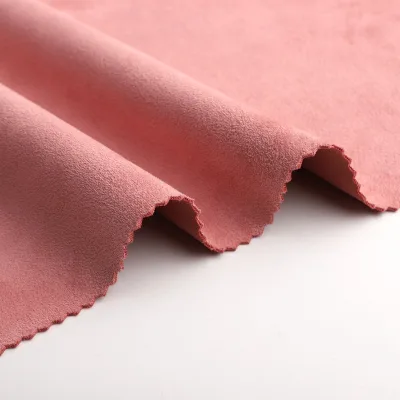
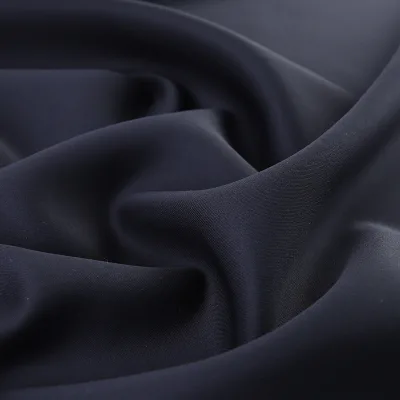
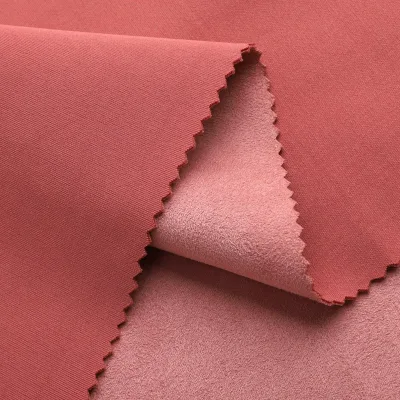
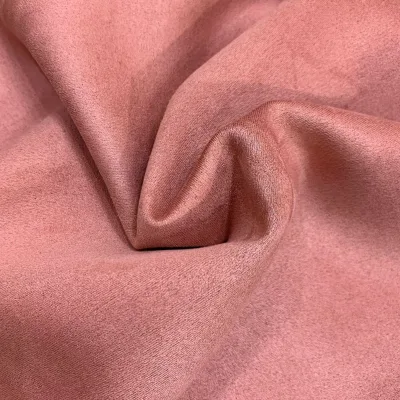
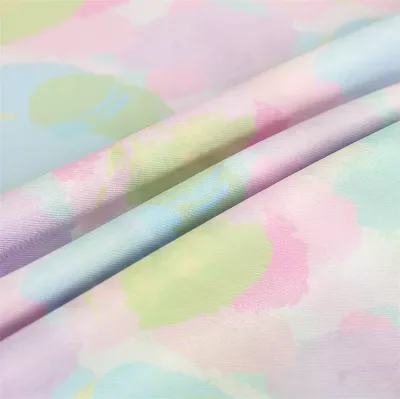
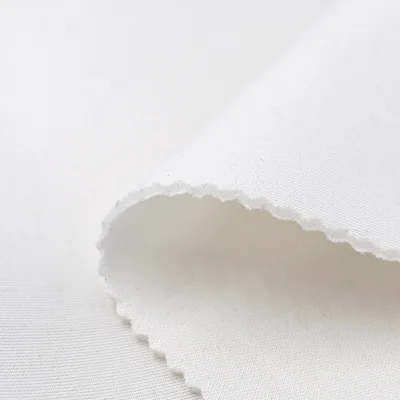
Customized Stretch scuba Fabric scuba Crape Fabric Suede scuba Fabric Hoodie
$5.4572 - $7.0017
MOQ: 100 meters

Shaoxing Yongshu Trade Co., Ltd.
- Trading Company
- Zhejiang, China
- Lead time20 days
- Avg. response≤ 4h
Main productsKnit Fabric,Eco-friendly Fabric,Bamboo Fabric,Organic Cotton Fabric,Recycled Fabric
Main marketsNorth America(22.00%), Southeast Asia(20.00%), South America(18.00%), Mid East(12.00%), Eastern Europe(10.00%), Domestic Market(5.00%), Oceania(3.00%), Northern Europe(3.00%), Eastern Asia(2.00%), Africa(2.00%), Central America(2.00%), South Asia(1.00%)
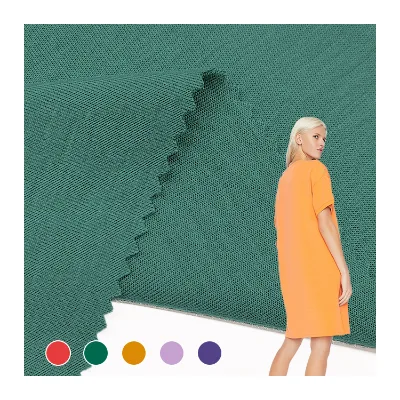
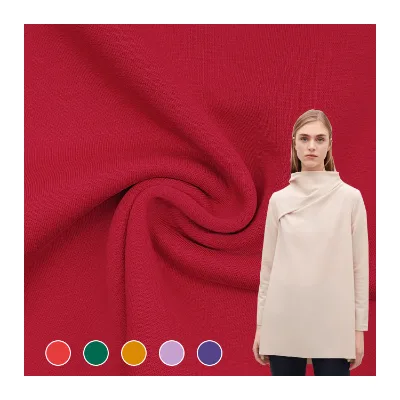
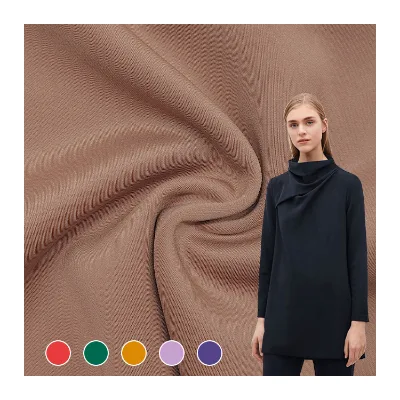
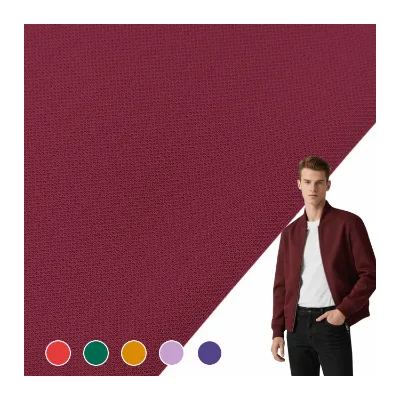
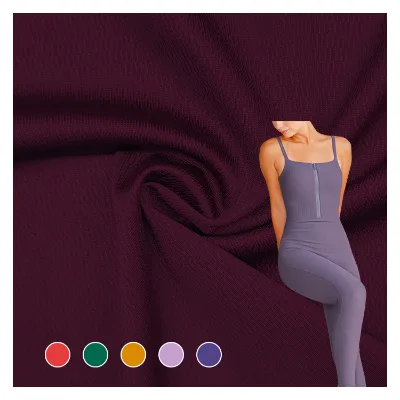
China Supplier Stretch Scuba Knit Fabric, Solid Rayon Polyester Scuba Fabric for Garment/
$3.4484 - $4.094
MOQ: 1000 kilograms

Shaoxing Yewang Textile Co., Ltd.
- Verified by SGS
- Trading Company
- China Zhejiang
- Lead time15 days
- Avg. response≤ 19h
Main productsRayon Print&Dye Fabric, Cotton Print&Dyed Fabric, Polyester Print and Dyed Fabric, Digital Printing Fabric, Nida Fabric and Abaya Fabric, Garment Fabric and Knitted Fabric, Linen Fabric and Hawaii Design Fabric, Velvet Fabric and Cey Fabric, Flano Fabric and Denim Fabric, Woven Fabric
Main marketsDomestic


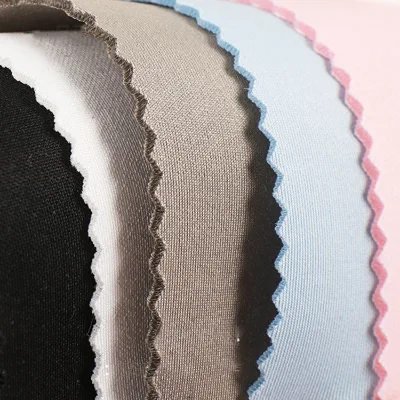
Scuba Knitting Fabric Air Suede Knitted Fabric Polyester Multi-Color Optional 350 Grams Suede
$2.70 - $2.80
MOQ: 1000 Meters

Shaoxing Dalian Imp. & Exp. Co., Ltd.
- Trading Company,Manufacturer/Factory
- China Zhejiang
- Lead time23 days
- Avg. response≤ 3h
Main productsFleece Fabric, Soft Shell Fabric, Stretch Fabric, Scrubs Fabric, Spandex Fabric, Outdoor Fabric
Main marketsSouth America,Eastern Europe,Mid East,North America,Southeast Asia,Eastern Asia,Oceania,Western Europe,Africa


Scuba Fabrics Soft Leather 92%Polyester 8%Spandex Knitted Scuba Suede Dress Garment Fabric
$3.75 - $5.00
MOQ: 500 kg

Zhongfangji (Xiamen) Textile Co., Ltd.
- Verified by TUVRHEINLAND
- Manufacturer/Factory
- China Fujian
- Lead time23 days
- Avg. response≤ 7h
Main productsPolyester Fabric, Nylon Fabric, Stretch/Spandex Fabrics, Fleece Fabric, Printed Fabric, Grs Recycled Fabrics, Jacquard Fabric, Knitted Fabric, Woven Fabric, Apparel & Accessories
Main marketsSouth America,Eastern Europe,Mid East,North America,Southeast Asia,Eastern Asia,Oceania,Western Europe,Africa


4 Way Stretch Poly Scuba Fabric 92% Polyester 8%Spandex Scuba Knitting Fabric
$1.90 - $2.10
MOQ: 1000 Yards
Shaoxing Luorance Import And Export Co., Ltd.
- Verified by TüVRheinland
- Trading Company
- Lead time23 days
- Avg. response≤ 5h
Main productsVelvet Fabric, Digital Printing Fabric, Polyester Fabric, Emboss Fabric, Sequin Fabric
Main marketsNorth America(40%), South Asia(30%), Western Europe(10%)

Shaoxing Dalian Imp. & Exp. Co., Ltd.
- Verified by TUVRHEINLAND
- Trading Company,Manufacturer/Factory
- China Zhejiang
- Lead time120 days
- Avg. response≤ 4h
Main productsInterlock Fabric, Scuba Fabric, Spandex Fabric, Swimwear Fabric, Bird Eye Mesh Fabric, Sports Wear Fabric, T-Shirt Fabric
Main marketsSouth America,Eastern Europe,Mid East,North America,Southeast Asia,Eastern Asia,Oceania,Western Europe,Africa


95polyester 5spandex Soft Skin Friendly Knitted Scuba Fabric for Fashion Garment Dress
$3.85 - $5.50
MOQ: 500 kg

Shaoxing Feimei Knitting Co., Ltd.
- Verified by SGS Group
- Manufacturer, Trading Company
- Lead time20 days
- Avg. response≤ 3h
Main productsKnitted Fabric, Fabric For Clothing, Eco-friendly Fabric, French Terry Fabric, Jersey Fabric
Main marketsNorth America(25%), Southeast Asia(20%), South America(18%)

Ningbo Wokailian Textile Co., Ltd.
- Verified by BV
- Combined
- China Zhejiang
- Lead time30 days
- Avg. response≤ 4h
Main productsFunctional Fabric, Jacquard Fabric, Hacci Fabric, Scuba Fabric, Pique Fabric, Terry&Fleece Fabric, Jersey Fabric, Interlock Fabric, Tweed Fabric, Rib Fabric
Main marketsSouth America,Africa,Southeast Asia/ Mideast,East Asia(Japan/ South Korea),Europe,Australia,North America

Custom Heavy Weight 55%Cotton 45%Polyester CVC Scuba Knit Fabric for Overcoat
$3.50 - $5.50
MOQ: 100 Meters


Chinese Style Super Soft 100% Organic Cotton Black Smooth Air Scuba Knit Fabrics
$3.50 - $5.50
MOQ: 100 Meters


Best-Selling Nylon Cotton for Dress Dress Picture Dyeing Knitting Scuba Fabric
$3.50 - $5.50
MOQ: 100 Meters
Shaoxing Keqiao East Silk Import & Export Co., Ltd.
- Verified by SGS Group
- Manufacturer, Trading Company
- Lead time20 days
- Avg. response≤ 10h
Main productsCoat Fabric, Sweater Fabric, Pajamas Fabric, Suit & Hoodie & Pants Fabric, Shirt & Dresses Fabric
Main marketsWestern Europe(55%), South America(35%), Mid East(4%)
Changshu Shuanghesheng Textile Co., Ltd.
- Trading Company
- Jiangsu, China
- Lead time0 days
- Avg. response≤ 4h
Main productscutton fabric,knitted fabric,3D mesh fabric,Hemp fabric,weft mesh fabric
Main marketsNorth America(50.00%), Western Europe(10.00%), Southeast Asia(10.00%), Domestic Market(10.00%), South America(5.00%)
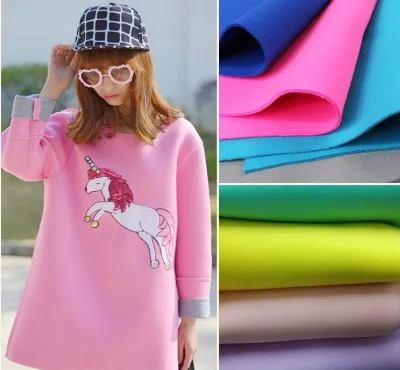
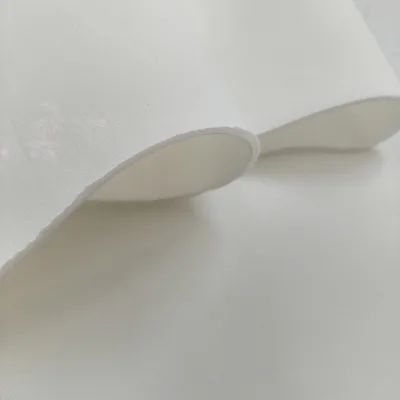
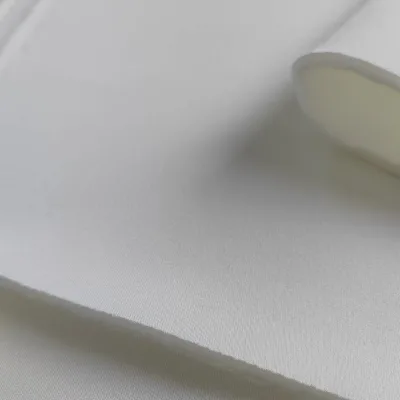
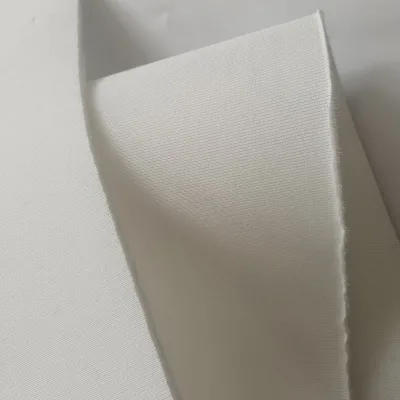
100% Polyester Knit Suede Scuba Fabric Solid Spandex Air Spacer Stretchable for Garment
$2.32 - $3.67
MOQ: 1000

Shaoxing Keqiao Yigao Textile Co., Ltd.
- Verified by BV
- Trading Company,Manufacturer/Factory
- China Zhejiang
- Lead time23 days
- Avg. response≤ 5h
Main productsKnitting Fabric, Printed Fabric, Single Jersey Jabric, Ponti Roma Fabric, Jacquard Fabric, Rib Fabric, Sports Wear Fabric, Suiting Fabric, Velvet Fabric, Yummy Fabric
Main marketsSouth America,Eastern Europe,Mid East,North America,Southeast Asia,Eastern Asia,Oceania,Western Europe,Africa

Yigao Textile Polyester Cotton Spandex Knitting Air Knit Scuba Fabric for Sportswear
$2.75 - $2.90
MOQ: 1500 Meters

Zhejiang Baoxuan Knitting Co., Ltd.
- Verified by SGS Group
- Trading Company
- Lead time20 days
- Avg. response≤ 7h
Main productsPolar Fleece Fabric, Single Jersey Fabric, Interlock Fabric, Mesh Fabric, French Terry Fabric
Main marketsNorth America(30%), South America(30%), Southeast Asia(30%)
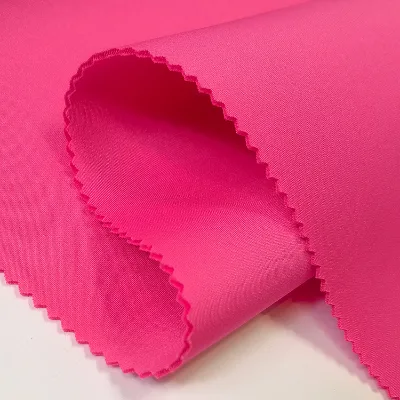
Thick 295gsm Knitted Polyester Spandex scuba air Layer Fabric for Causal Wear
$3.1818 - $3.2836
MOQ: 360 kilograms
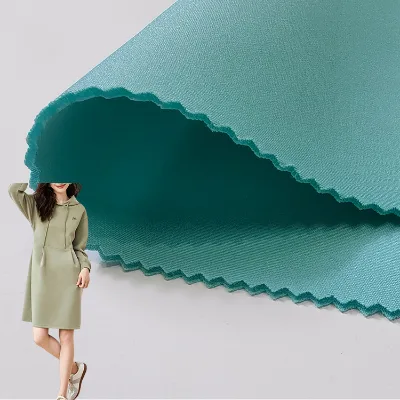
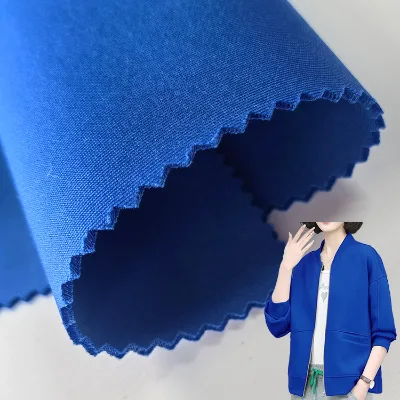
Factory Customized Color Knit 94%Polyester 6%Spandex Scuba Fabric for Jacket,Dress,Causal Wear
$2.9346 - $3.0379
MOQ: 360 kilograms
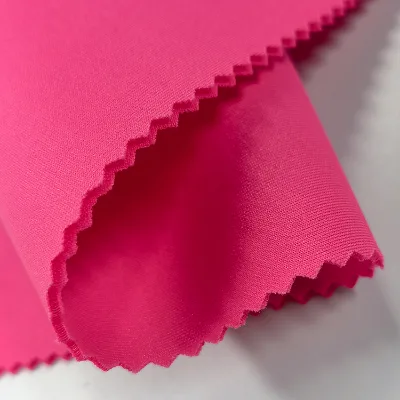
$2.9496 - $3.0529
MOQ: 360 kilograms
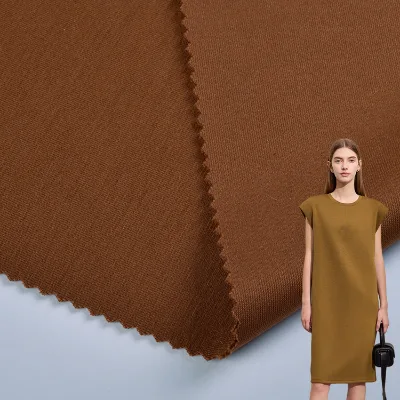
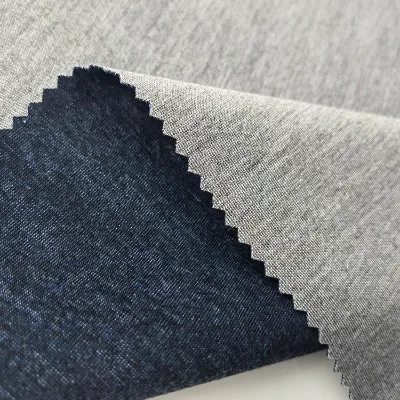
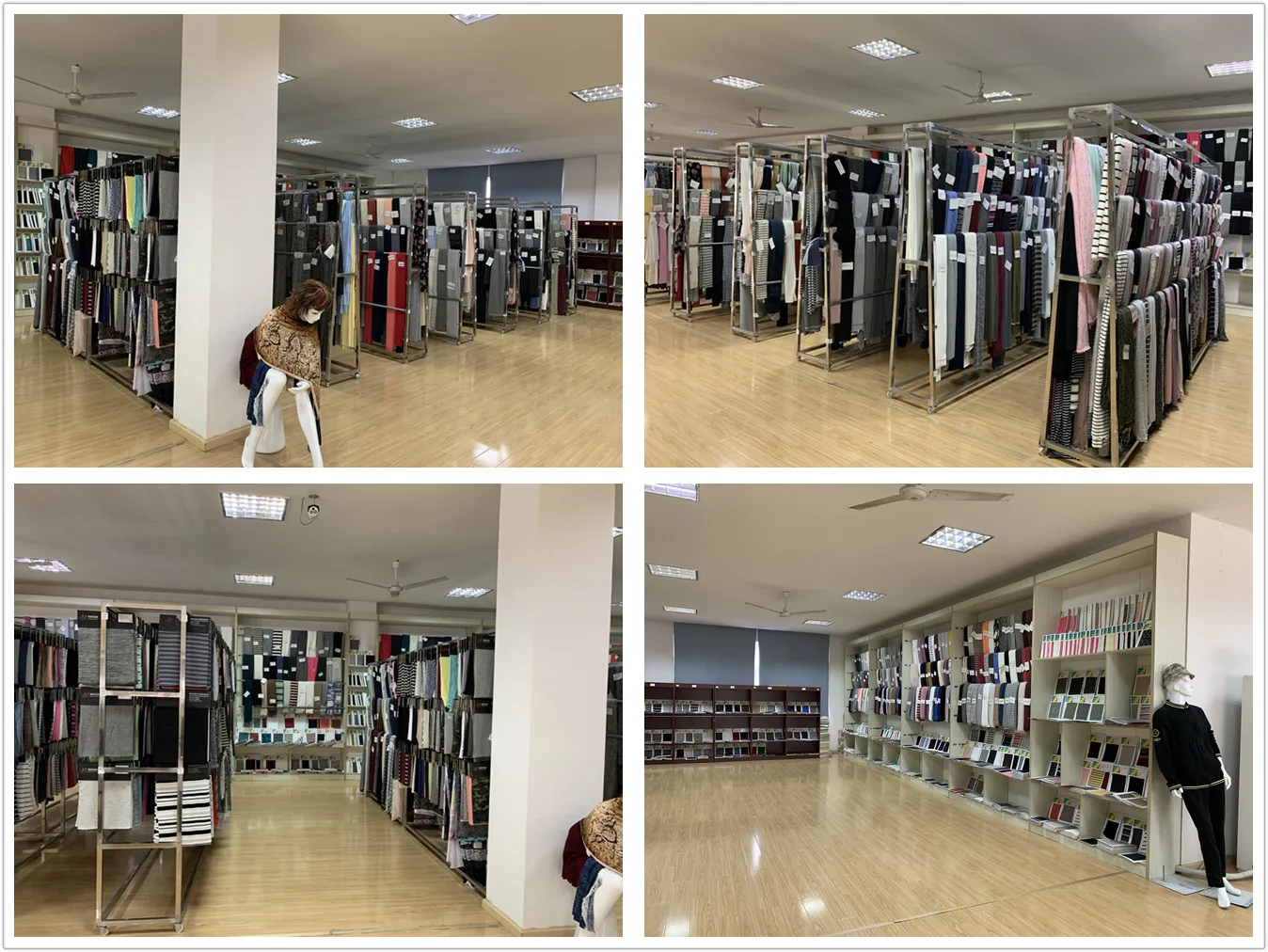
Ningbo Wokailian Textile Co., Ltd.
- Manufacturer
- Zhejiang, China
- Lead time0 days
- Avg. response≤ 3h
Main productsfrench terry fabric,jacquard fabric,Jersey fabric,Pique fabric,Fleece fabric
Main marketsDomestic Market(35.00%), Southeast Asia(30.00%), Africa(10.00%), Eastern Europe(8.00%), Mid East(5.00%), South America(5.00%), Eastern Asia(3.00%), North America(2.00%), Central America(2.00%)
Shaoxing Keqiao Feiyou Textile Co., Ltd.
- Verified by Intertek
- Trading Company
- Lead time10 days
- Avg. response≤ 18h
Main productsSingle Jersey, HACCI, Double Jersey, Fleece, Rib
Main marketsNorth America(50%), Western Europe(22%), Northern Europe(20%)
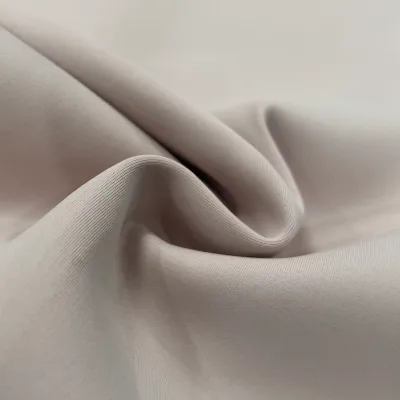
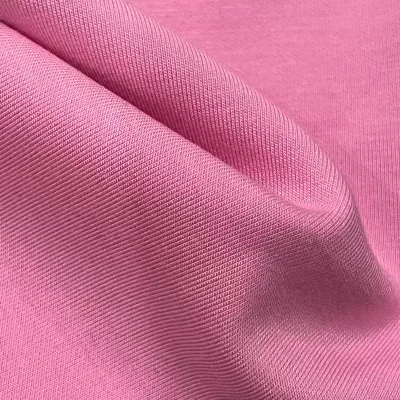
Double Medium Weight 260gsm Scuba Fabric Knitting 165cm for Swimwear Sportswear
$5.5845 - $5.6564
MOQ: 200 kilograms
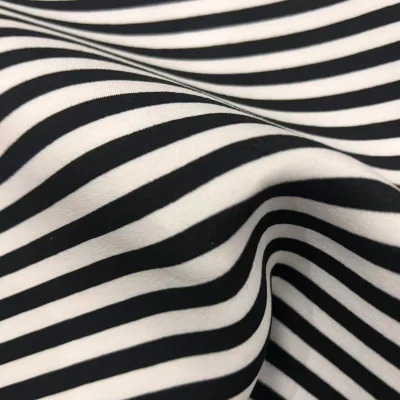
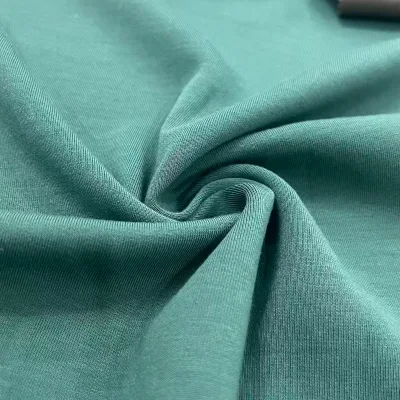
$5.48 - $5.55
MOQ: 200 kilograms
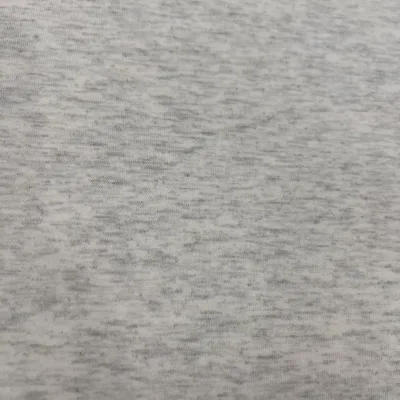
Shaoxing Meizhiliu Knitting Textile Co., Ltd.
- Verified by Intertek
- Trading Company
- Lead time25 days
- Avg. response≤ 4h
Main productsSCUBA Fabric , INTERLOCK Fabric , KNITTING JACQUARD Fabric
Main marketsSoutheast Asia(60%), South America(20%), Central America(20%)
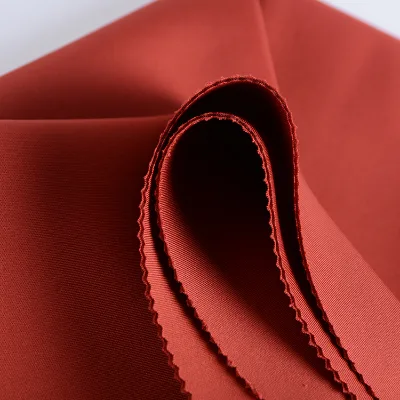
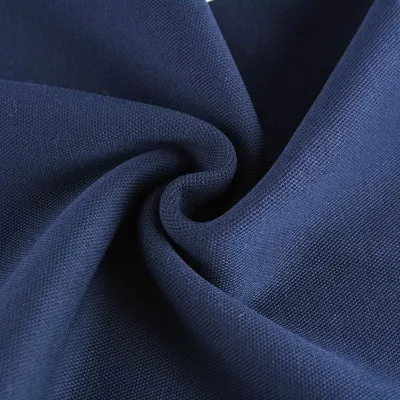
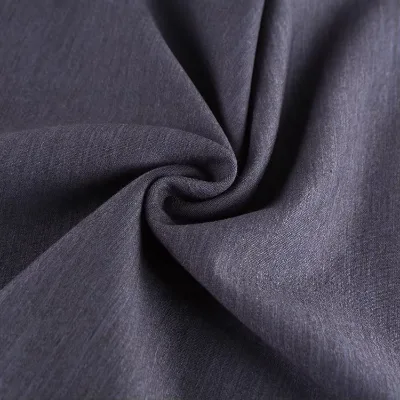
$7.00 - $7.20
MOQ: 350 kilograms

Shaoxing Suerte Textile Co., Ltd.
- Combined
- China Zhejiang
- Lead time23 days
- Avg. response≤ 5h
Main productsRib Fabric, Single Jersey Fabric, Double Jersey Fabric, French Terry Fabric, Hacci Fabric, Velvet Fabric, Jacquard Fabric, Athletic Fabric, Rayon Fabric, Woven Fabric
Main marketsSouth America,Europe,North America


Durable Stretch Neoprene Scuba Fabric with Soft Touch and Unique Colors
$1.10 - $1.30
MOQ: 2000 Meters

Custom Color Luxury Smooth Stretch Scuba Fabric for Soft Touch and Durability
$1.10 - $1.30
MOQ: 2000 Meters


Hangzhou Fantex Textile Co., Ltd.
- Manufacturer/Factory,Group Corporation
- China Zhejiang
- Lead time0 days
- Avg. response≤ 14h
Main productsHigh Tenacity Nylon Yarn, Textile Fabric, High Tenacity Polyester Yarn, Polyester Yarn, High Tenacity Polypropylene Yarn, Polyethylene Fiber, Polyester Knitted Fabric, Polar Fleece Fabric, Polyamide Yarn
Shaoxing Chunnuo Textile Co., Ltd.
- Trading Company
- Zhejiang, China
- Lead time15 days
- Avg. response≤ 15h
Main productsCey Fabric,Dty Fabric,Roma Fabric,Fdy Fabric,Jacqaurd Fabric
Main marketsSouth America(45.00%), Southeast Asia(30.00%), Northern Europe(5.00%), North America(5.00%), Western Europe(5.00%), Mid East(5.00%), Eastern Europe(5.00%)
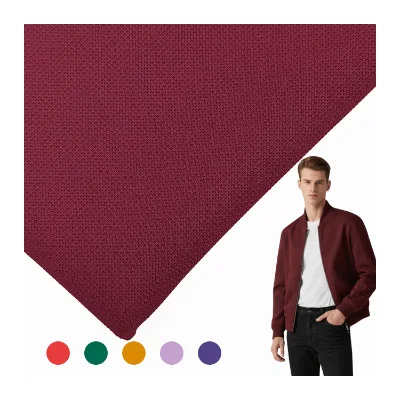
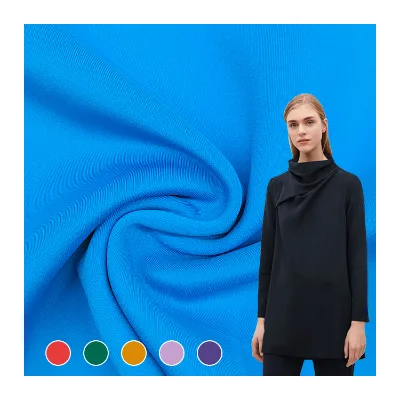
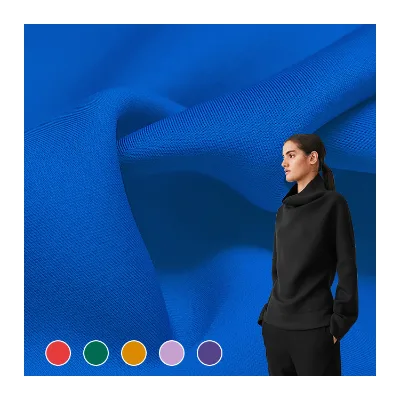
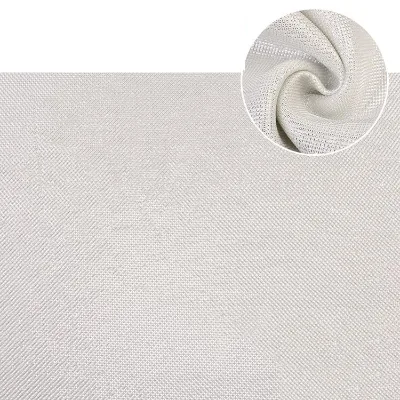


Comprehensive Sourcing Guide
Scuba Knit Fabric Supplier Concentration and Factory Types
Scuba Knit Fabric sits at the intersection of knitted textile production and garment-oriented finishing, so the supplier landscape on major B2B platforms includes a mix of mills, converters, and trading companies. One verifiable signal from current listings is that some results identify themselves explicitly as trading companies rather than manufacturers, and one listing states a location of Zhejiang, China. When a location is displayed with reasonable confidence, you can treat it as a cluster hint: Zhejiang is frequently associated with knit fabric processing in public trade data. However, not every listing exposes a location field, so you should never assume all suppliers in a result set share the same province or the same factory model.
Beyond geography, classify each supplier by type before comparing anything else. A trading company may offer breadth across fabric categories — some current listings show main products spanning knit fabric, eco-friendly fabric, bamboo fabric, organic cotton fabric, and recycled fabric — while a dedicated mill may offer only scuba and related double-knit structures but control dyeing and finishing. Product evidence can help you judge depth: current results show scuba fabric variations including suede scuba, crepe scuba, sandwich scuba, and printed stretch scuba at weights ranging from 220GSM to 360GSM. A supplier listing multiple scuba constructions with distinct specifications (width, yarn count, spandex percentage) is more likely to have genuine production or converting capability than one with a single generic listing.
How to Verify Scuba Knit Fabric Suppliers
Verification begins with third-party inspection status. Some supplier results carry verification by an independent inspection body — one current listing shows verification by SGS Group — and one lists a system certification of GOTS, which matters if your program requires organic-content claims. Treat these as starting points rather than conclusions: a certification label on a profile should be checked against the certificate number, scope, and validity dates directly with the issuing body. If a listing shows no verification or certification fields at all, that is not automatically disqualifying, but it shifts more of the burden onto your own diligence.
Next, verify operational reality. Supplier profiles typically display a response time; current results show response times of 3 and 4 hours among listed suppliers, which tells you the platform measured reply speed, not quality of answers. Send a technical inquiry — ask for composition breakdown (listings show blends such as 96% polyester/4% spandex and 52% nylon/40% rayon/8% spandex), gram weight tolerance, width, and knitting structure — and judge whether the reply is specific or templated. Request a physical sample before any commitment; at least one current listing advertises free samples, which reduces your upfront cost of verification. Ask for evidence of the claimed capabilities: some listings state sample processing, customized on-demand development, and graphic/printed processing support, so ask for photos of recent custom work or lab dips. Finally, confirm the legal entity name on the profile matches business license records, since trading companies sometimes operate under multiple names.
What to Compare Across Scuba Knit Fabric Suppliers
Build a comparison table using only the attributes actually displayed on each profile, because fields vary widely between listings. Useful dimensions include lead time (current results show one supplier at 20 days and another with no lead time displayed), minimum order quantity (scuba fabric listings commonly show 100 meters, but this is product-specific, not company-wide), response time in hours, verification status, system certifications, stated supplier type, and main product lines. A supplier whose main products are bamboo and organic cotton fabrics may still fulfill scuba orders, but their machine base and dye house priorities may differ from a scuba specialist.
Then compare the product-level evidence itself. Current listings show meaningful spread: prices ranging roughly from the mid-four-dollar range to about seven dollars per unit, weights from 220GSM to 360GSM, widths of 150cm and 160cm, and compositions spanning 100% polyester, polyester-spandex blends, and nylon-rayon-spandex blends. Note which suppliers offer make-to-order supply, custom colors, OEM design acceptance, and specific features such as anti-static, shrink-resistant, or tear-resistant finishes — some scuba listings claim these while others do not. Also compare whether the supplier shows multiple distinct scuba products (suede, crepe, sandwich, printed) versus a single item, and whether stated use cases (dress, suit, activewear, school uniform, home textile) align with your application. Record every blank field as "not displayed" rather than assuming a negative, then ask the supplier directly to fill gaps in writing.
Common Scuba Knit Fabric Sourcing Risks
The most frequent risk in this category is specification drift between sample and bulk. Scuba fabric properties depend heavily on spandex percentage and knit density; listings show blends from 100% polyester with no stretch statement to 8% spandex blends, so a sample approved at one composition may be substituted at bulk with a cheaper ratio unless your purchase contract locks composition, weight (e.g., 220GSM vs. 360GSM), and width explicitly. Always include a lab-dip or bulk-top approval step, because solid-color scuba can shift shade between dye lots, and printed scuba adds registration and repeat-alignment risk.
A second cluster of risks concerns identity and compliance. Trading companies and factories may both be legitimate, but misrepresenting a trading company as a mill removes your leverage over dye-house and finishing controls. GOTS-certified suppliers introduce scope risk: the certification may cover the supplier's organic lines, not the polyester scuba item you are buying, so confirm exactly which products fall under the certified scope. Price-listing risk is also common — advertised per-meter prices are typically quoted at the MOQ and the heaviest spec, so a 360GSM suede scuba will not price like a 220GSM basic scuba even from the same supplier. Finally, beware of payment and dispute exposure: some listings state T/T payment, which offers no platform protection if the profile itself does not show escrow or trade-assurance coverage. Verify whether on-platform transaction protection exists before wiring deposits.
Scuba Knit Fabric Regional Sourcing and Logistics
Regional analysis should rest on verified location data, not assumption. Among current supplier results, one listing states Zhejiang, China as the place of origin for a sandwich scuba fabric, which is a reasonable cluster signal for knit fabric processing in that province. Other listings state only "China" without a province, and some display no location field at all. In practice, your first logistics question to any shortlisted supplier should be the actual production or shipping point, because inland origins change trucking cost, port choice, and consolidation options compared with coastal provinces.
Plan logistics around the physical characteristics of scuba knit. Listings show single package sizes around 20x20x10 cm with gross weights near 0.4 kg for sample shipments, but bulk moves in rolls — typically 150cm or 160cm wide per the listings — which affects carton dimensions and container utilization. Roll length per carton and moisture weight gain after dyeing are details worth confirming. Lead time is the key planning variable: current results show one supplier declaring a 20-day lead time while another displays none, so ask each shortlisted supplier for production time separate from transit time, including dye-to-color-approval stages for custom colors. Since most scuba is make-to-order rather than stock, build buffer into your calendar for lab dips and sample rounds before bulk cutting begins. For export, confirm which port the supplier routinely ships from and whether they can consolidate multiple fabric types in one container if you are also sourcing companion knits.
Scuba Knit Fabric Commercial Terms and Order Planning
Commercial terms in this category are narrow but consequential. Payment terms shown in current listings are T/T, which typically means a deposit with balance before shipment; confirm the exact split and whether any on-platform escrow or trade assurance protection applies to the transaction, since wire transfers outside such protection leave limited recourse. Sample policy varies — at least one listing advertises free samples — but free usually applies to the swatch only, with courier charged to the buyer. Confirm sample cost, courier cost, and whether the sample fee is credited against a bulk order.
Order planning should start from the MOQ structure. Scuba fabric listings commonly show a 100-meter MOQ, which is workable for sampling programs and small garment runs, but confirm whether 100 meters applies per color, per construction, or per order, since multi-color programs can multiply effective minimums. Pricing is quoted as a range in current listings (for example, roughly 4.50–6.80 or 5.30–6.80 per unit depending on the item), so ask which weight, composition, and quantity within each range applies to your target spec, and request a tiered quote at multiple volumes. Lock specifications in the contract: weight tolerance, width, composition, spandex content, color standard, and packing. Tie lead-time commitments to color-approval dates — one supplier displays a 20-day lead time, but custom colors typically restart that clock after lab-dip approval. Finally, plan a pre-shipment inspection of bulk rolls for shade consistency, weight, and width before releasing the balance payment.
FAQs
What is the minimum order quantity for Scuba Knit Fabric?
The minimum order quantity is 100 meters. This standard applies to most wholesale listings for Scuba Knit Fabric. Buyers should confirm specific MOQs with suppliers before placing orders to ensure production readiness and pricing alignment.
What materials are used in Scuba Knit Fabric?
Scuba Knit Fabric is primarily made from 100% polyester or blends containing spandex. Some variations include nylon and rayon. These materials provide the fabric with its characteristic structure, stretch, and durability suitable for various garment applications.
What is the typical price range for scuba fabric?
Prices typically range from $4.50 to $7.00 per unit. The cost depends on material composition, weight, and customization requirements. Buyers should request quotes for specific quantities to determine the final price for their production needs.
What certifications are available for scuba fabric suppliers?
Suppliers may hold GOTS system certification and SGS verification. These credentials indicate adherence to specific quality and environmental standards. Buyers should verify current certification status directly with the supplier to ensure compliance with their sourcing requirements.
Where are scuba fabric suppliers located?
Suppliers are located in Zhejiang, China. This region is a known hub for textile manufacturing. Buyers can filter search results by this location to find suppliers with established logistics networks and production capabilities for bulk orders.
What is the lead time for scuba fabric orders?
Lead times vary, with some suppliers offering 20 days for production. Buyers should confirm specific timelines with their chosen supplier. Faster turnaround may be available for sample processing or customized orders depending on factory capacity.
What are the common uses for Scuba Knit Fabric?
Scuba Knit Fabric is used for dresses, garments, suits, and home textiles. Its structure makes it suitable for school uniforms, coats, and jackets. The fabric is also applied in activewear and baby clothing due to its stretch properties.