48V Lifepo4 Lithium Ion Battery Pack with Inverter Suppliers and Manufacturers
Find 33 verified suppliers offering 48V Lifepo4 Lithium Ion Battery Pack with Inverter solutions from China. Compare locations, response times, lead times, certifications, and pricing to source the right partner for your energy storage needs today; review the available evidence before requesting comparable quotations from suitable candidates.
Updated
Suppliers List

Yangzhou Intelligence Solar Group Co., Ltd.
- Combined
- China Jiangsu
- Lead time15 days
- Avg. response≤ 5h
Main productsSolar System, Solar Home Power, Lithium Battery, Solar Home Lighting System, Solar Panels, Solar Battery, Gel Battery 12V 200ah, Opzv Battery, Solar Energy System, Solar Inverters
Main marketsSouth America,Africa,Southeast Asia/ Mideast,East Asia(Japan/ South Korea),Domestic,Europe,Australia,North America

Storage Lithium Ion 48V Solar Generator Pack LiFePO4 Battery with High Quality
$550.00 - $1599.00
MOQ: 1 Pieces

Storage Lithium Ion 48V Generator LiFePO4 Pack Solar Battery with High Quality
$750.00 - $1599.00
MOQ: 1 Pieces

48V 100ah Li Storage Pack LiFePO4 Lithium Ion Battery with High Quality
$550.00 - $1599.00
MOQ: 1 Pieces

- Verified by BV
- Manufacturer/Factory
- China Anhui
- Lead time15 days
- Avg. response≤ 7h
Main productsSolar Panel, Solar System, Battery, Solar Pump, Inverter, Charge Controller, Lithium Battery, PV Mounting System, Solar Street Light, Solar Products
Main marketsSouth America,Eastern Europe,Mid East,North America,Southeast Asia,Eastern Asia,Oceania,Western Europe,Africa


Solar 48V Lithium Ion Battery Lithium Battery 200ah Lithium Battery Pack for Solar Energy System
$650.00 - $850.00
MOQ: 5 Pieces


Lithium Ion Battery Pack 48V 200ah Storage Battery for PV Solar System
$650.00 - $2100.00
MOQ: 5 Pieces

Rechargeable 48V Lithium Ion Battery 10kwh Lithium Ion Battery Pack Backup Storage
$650.00 - $2100.00
MOQ: 5 Pieces

- Verified by TüVRheinland
- Trading Company
- Lead time7 days
- Avg. response≤ 1h
Main productsSolar System, Solar Panels, Solar Inverter, Lithium Battery, Energy Storage System
Main marketsNorth America(24%), Eastern Europe(11%), South America(10%)
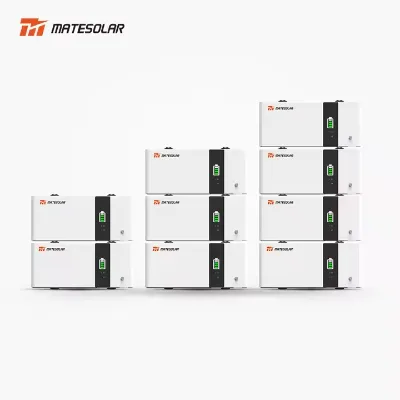
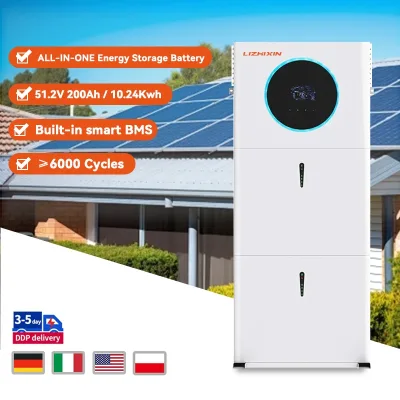
ALL in One Lithium Battery 48V 100Ah 200Ah Lifepo4 Batteries with Hybrid Grid Inverter
$1930.00 - $2000.00
MOQ: 30 pieces
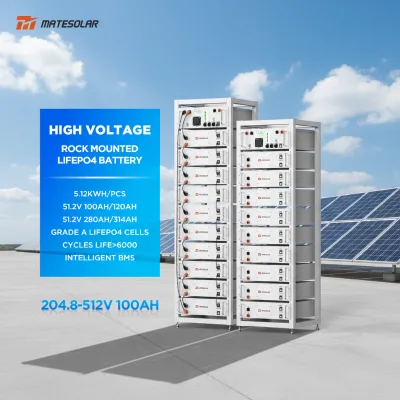
Dongguan Anzhi Electronic Technology Co., Ltd.
- Verified by SGS Group
- Manufacturer, Trading Company
- Lead time0 days
- Avg. response≤ 1h
Main productsBMS, Batteries, Battery Pack
Main marketsNorth America(40%), Western Europe(20%), Oceania(10%)

Shenzhen UPSEN Electronic Co., Ltd.
- Verified by TUVRHEINLAND
- Manufacturer/Factory
- China Guangdong
- Lead time15 days
- Avg. response≤ 8h
Main productsUPS, Inverter, Battery, Energy Storage, Solar Power, UPS Power, Portable Power Station, Online UPS, Power Inverter, DC AC Inverter
Main marketsSouth America,Mid East,North America,Southeast Asia,Eastern Asia,Oceania,Western Europe,Africa


$1170.00 - $1230.00
MOQ: 10 Pieces

48V 100ah LiFePO4 Battery Pack 100ah Lithium Ion 48V100ah Battery for Solar System
$1300.00 - $1542.00
MOQ: 5 Pieces
- Manufacturer, Trading Company
- guangdong, China
- Lead time15 days
- Avg. response≤ 2h
Main productsLifepo4 Battery; Forklift Battery; Lithium Deep Cycle Battery; Customize Electric Vehicle Battery; Lithium Home Battery
Main marketsDomestic Market(20.00%), North America(20.00%), Oceania(15.00%), Eastern Europe(12.00%), Western Europe(7.00%), Southeast Asia(7.00%), Eastern Asia(5.00%), Southern Europe(5.00%), Africa(4.00%), Northern Europe(3.00%), South America(2.00%)

SHENZHEN BATTERYBUILDING INDUSTRY CO., LIMITED
- Verified by BV
- Manufacturer/Factory
- China Guangdong
- Lead time23 days
- Avg. response≤ 15h
Main productsLiFePO4 Battery, Lithium Battery, Electric Bike Battery, Electric Skate Battery, Jump Start Battery, Electric Tool Battery, Lithium Polymer Battery, Solar Panel Battery, BMS, Charger
Main marketsSouth America,Eastern Europe,Mid East,North America,Southeast Asia,Eastern Asia,Oceania,Western Europe,Africa


48V 360ah LiFePO4 Battery Pack for Energy Storage Solar Storage Battery 48V 360ah
$1000.00
MOQ: 5 Pieces

48V 200ah LiFePO4 Energy Storage Battery Power Bank Battery Pack 48V 200ah
$2950.00 - $3100.00
MOQ: 5 Pieces

- Verified by TUVRHEINLAND
- Combined
- China Guangdong
- Lead time30 days
- Avg. response≤ 5h
Main productsLiFePO4 Battery, Lithium Ion Battery, Lithium Polymer Battery, Li Ion Battery, Jump Starter, Power Station, Energy Storage Battery, Hess, Battery Pack, Battery Charger
Main marketsDomestic,Europe


$1000.00 - $1055.00
MOQ: 1 Pieces

HEFEI SUNSHINE SCI-TECH CO., LTD.
- Verified by BV
- Trading Company,Manufacturer/Factory
- China Anhui
- Lead time23 days
- Avg. response≤ 6h
Main productsBattery, Bus Seat, EV Charger, Charging Station, Bus Parts, Solar System
Main marketsSouth America,Eastern Europe,Mid East,North America,Southeast Asia,Eastern Asia,Oceania,Western Europe,Africa


48V 100ah Lithium Battery Pack LiFePO4 Litium Ion Battery 200ah Solar Battery
$720.00 - $1020.00
MOQ: 10 Pieces

Solar Lithium High Voltage Storage 48V 200ah LiFePO4 Battery Lithium Batteries Pack
$720.00 - $1020.00
MOQ: 10 Pieces

48 Volt Lithium Ion Battery Pack 100 Ah 48V LiFePO4 Deep Cycle 48V Lithium Ion Battery
$720.00 - $1020.00
MOQ: 10 Pieces

LiFePO4 Renewable Battery Energy Storage System Lithium Ion Battery Pack
$720.00 - $1020.00
MOQ: 10 Pieces

$720.00 - $1020.00
MOQ: 10 Pieces
Shanghai HuiJue Technologies Group Co., Ltd.
- Manufacturer, Trading Company
- Lead time旺季: "1 - 20":35,"21 - 50":45,"> 50":"To be negotiated", 淡季: "1 - 20":35,"21 - 50":45,"> 50":"To be negotiated"
- Avg. response≤ 1h
Main productsHome energy storage system, Solar Energy System, Energy Storage Battery, Site energy solution, Energy storage container
Guangzhou Felicity Solar Technology Co., Ltd.
- Manufacturer, Trading Company
- Lead time旺季: "1 - 10":10,"> 10":"To be negotiated", 淡季: "1 - 10":10,"> 10":"To be negotiated"
- Avg. response≤ 12h
Main productsLithium Iron Phosphate Batteries, Solar Inverter, Commercial & Industrial Energy Storage Systems, Residential Energy Storage Systems
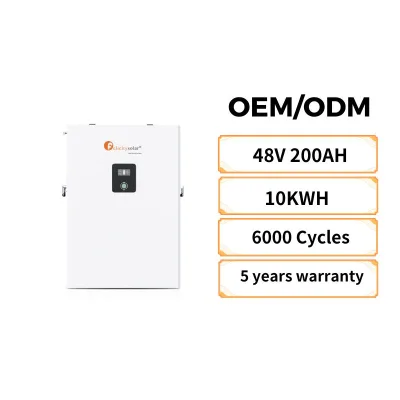
$1595.00 - $1807.00
MOQ: 2 pieces
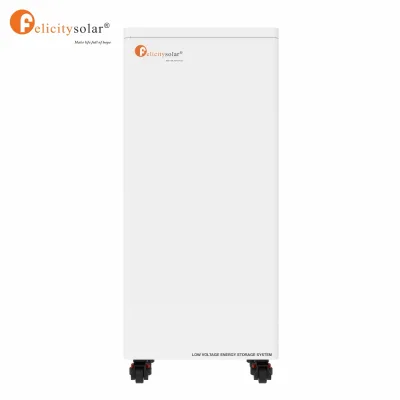
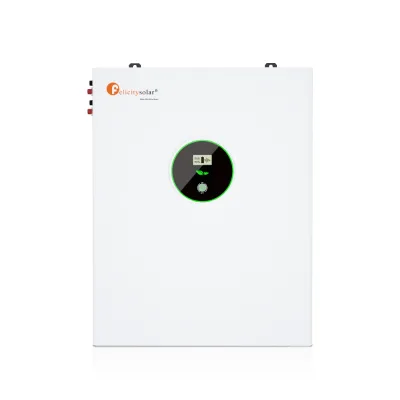
Long Life 10KWH 48V Lithium Ion 200AH Lifepo4 Battery Pack for Off-grid Storage System
$1742.3627 - $1979.5854
- Verified by SGS Group
- Manufacturer, Trading Company
- Lead time0 days
- Avg. response≤ 2h
Main productsLithium Iron Phosphate Battery, Lithium Battery, Lithium Ion Battery, LiFePO4 Battery
Main marketsDomestic Market(50%), North America(10%), Southeast Asia(10%)

Shenzhen ZLPOWER Electronics Co., Ltd.
- Verified by TUVRHEINLAND
- Combined
- China Guangdong
- Lead time15 days
- Avg. response≤ 13h
Main productsUPS, Inverter, Gel Battery, Solar Inverter, Online UPS, Inverter Charger, Pure Sine Wave Inverter, Solar Inverter Charger, Solar Controller, Sai
Main marketsEurope,North America

Hefei Huanxin Technology Development Co., Ltd.
- Verified by BV
- Combined
- China Anhui
- Lead time15 days
- Avg. response≤ 7h
Main productsCurtis Controller, Forklift Parts, Accelerator Pedal, Instrument Cluster, DC Contactor, DC Converter, Emergency Switch, Rear Axle, AC & DC Motor, Drive Wheel Unit
Main marketsSouth America,Africa,Southeast Asia/ Mideast,East Asia(Japan/ South Korea),Domestic,Europe,Australia,North America

- Verified by TUVRHEINLAND
- Combined
- China Guangdong
- Lead time30 days
- Avg. response≤ 5h
Main productsLiFePO4 Battery, Li-ion Battery, Solar Energy Storage Battery, RV/Electric Vehicle Battery, Solar Battery, Customized Battery Pack, UPS Battery, Solar Street Light Battery, Battery Pack, Motorcycle Battery
Main marketsDomestic,Europe

48V 50ah Lithium Ion LiFePO4 Solar Energy Storage Rechargeable Battery Pack
$500.00 - $600.00
MOQ: 10 Pieces


48 Volt LiFePO4 Lithium Ion Battery 100ah 5kwh Lithium Battery Pack for Home Energy Storage 2.4kwh
$900.00 - $1055.00
MOQ: 1 Unit
Guangzhou Meritech Power Co., Ltd.
- Verified by SGS Group
- Trading Company
- Lead time7 days
- Avg. response≤ 7h
Main productsPowerwall, LiFePO4 Battery, Lithium Battery Pack, BMS, ESS
Main marketsNorth America(18%), Africa(15%), Southeast Asia(13%)
Jiujiang Sundance New Energy Development Co., Ltd.
- Manufacturer, Trading Company
- Jiangxi, China
- Lead time0 days
- Avg. response≤ 3h
Main productsHome Energy Storage Batteries, Industrial & Commercial Energy Storage; , Solar Energy System, Solar Inverter , EV Charger Station
Main marketsNorth America(10.00%), Eastern Europe(10.00%), Africa(10.00%), Oceania(10.00%), Mid East(10.00%), Western Europe(10.00%), Domestic Market(10.00%), South America(5.00%), Southeast Asia(5.00%), Eastern Asia(5.00%), Central America(5.00%), Northern Europe(5.00%), Southern Europe(5.00%), South Asia(5.00%)
$950.00 - $2800.00
MOQ: 1 Minimum
- Verified by Intertek
- Manufacturer, Trading Company
- Lead time30 days
- Avg. response≤ 2h
Main productsSolar Panel, Solar Inverter, Solar Energy System, Energy Storage System, Edge Banding
Main marketsWestern Europe(30%), Eastern Europe(20%), North America(15%)
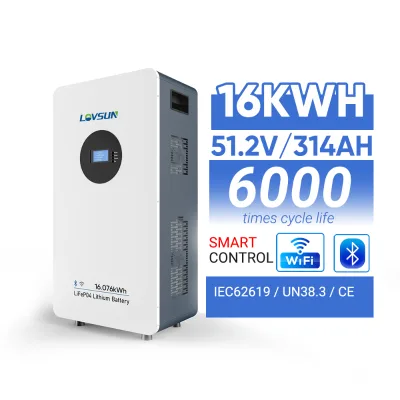
Stock 48v 51.2v Bms Lifepo4 Battery Pack 314ah 15kw 16kwh Solar Energy Storage Lithium Ion Batteries
$790.00 - $920.00
MOQ: 1 sets
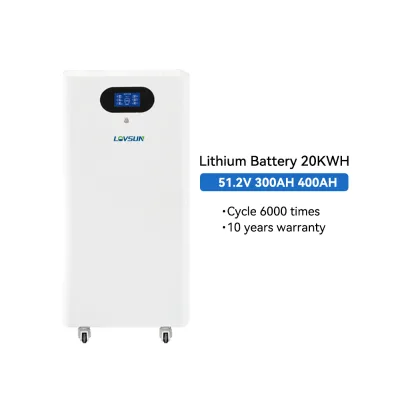
$1000.00 - $1300.00
MOQ: 1 pieces

- Verified by SGS
- Manufacturer/Factory
- China Jiangsu
- Lead time15 days
- Avg. response≤ 4h
Main productsSolar Panel, Solar System, Lithium Battery, Lead Acid Battery, AGM Battery, Gel Battery, Solar Module, Tubular Plate Opzv and Opzs Battery, Deep Cycle Battery, Hybrid Solar System
Main marketsSouth America,Eastern Europe,Mid East,North America,Southeast Asia,Eastern Asia,Oceania,Western Europe,Africa

48V 50ah 100ah 200ah LiFePO4 Lithium Ion Battery Pack for Solar System
$825.00 - $1300.00
MOQ: 1 Pieces

Shenzhen Hysincere Battery Co., Ltd.
- Verified by SGS Group
- Manufacturer, Trading Company
- Lead time14 days
- Avg. response≤ 4h
Main productsLiFePO4 Battery Pack, Lithium Ion Battery, Sodium Ion Battery, Energy Storage System, Lipo Battery
Main marketsNorth America(25%), Western Europe(22%), Domestic Market(15%)
Jiangsu Suyan Lighting Technology Co., Ltd.
- Trading Company
- Jiangsu, China
- Lead time7 days
- Avg. response≤ 2h
Main productssolar panel,solar system,solar street light,solar insecticidal lamp,Battery
Main marketsDomestic Market(24.00%), North America(13.00%), South America(9.00%), Eastern Europe(8.00%), South Asia(7.00%), Southeast Asia(6.00%), Eastern Asia(6.00%), Western Europe(6.00%), Africa(5.00%), Mid East(4.00%), Oceania(4.00%), Northern Europe(3.00%), Central America(3.00%), Southern Europe(2.00%)
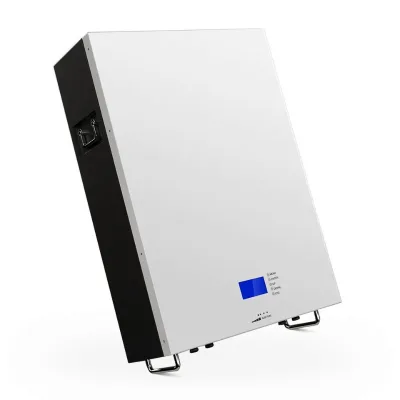
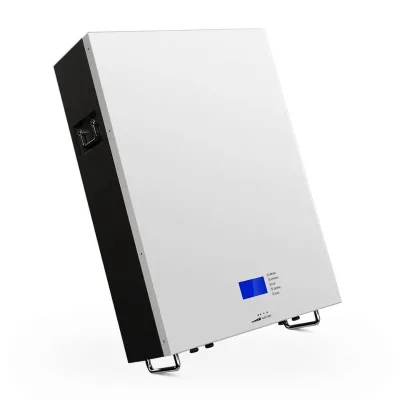
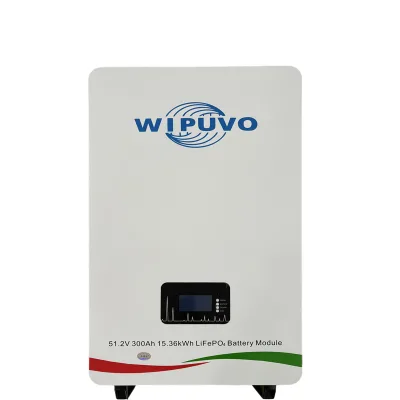
48V 200AH/280AH Lifepo4 Battery Pack 10kwh/15kwh Home Energy Storage Communication Port Hybrid Grid
$315.00 - $675.00
MOQ: 2 pieces

Dezhou Nayu Import and Export Trading Co., Ltd.
- Trading Company,Manufacturer/Factory
- China Shandong
- Lead time0 days
- Avg. response≤ 25h
Main productsSolar Panels, Solar System
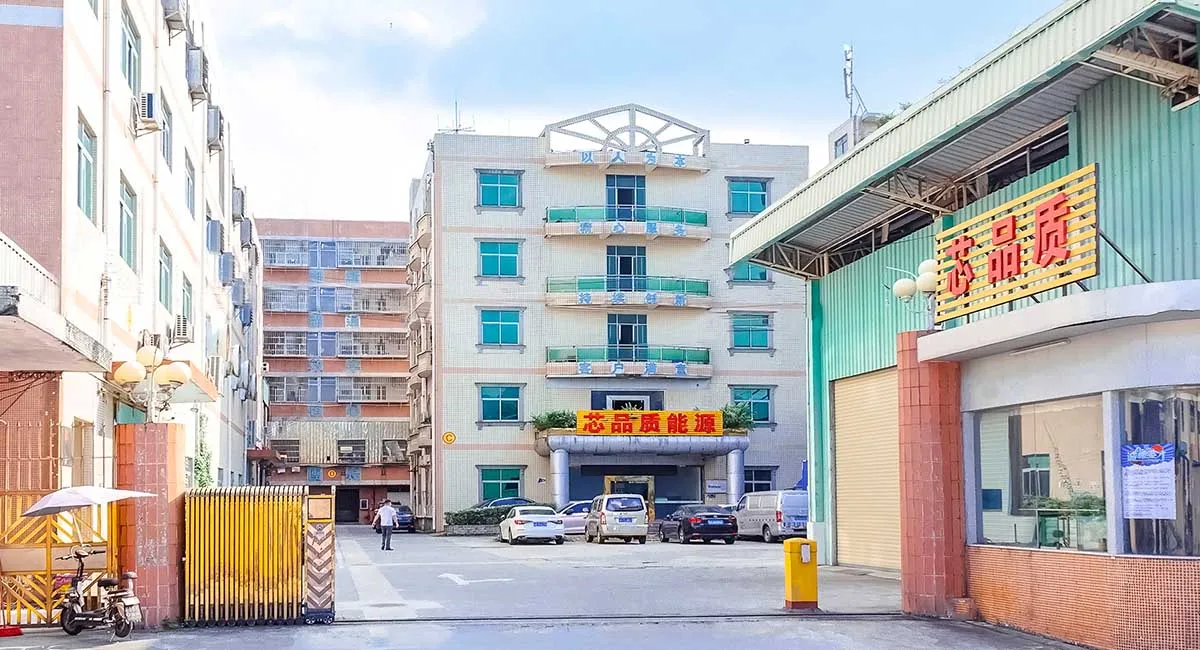
Shenzhen Liushi Solar Lifepo4 Energy Co., Ltd.
- Manufacturer
- Guangdong, China
- Lead time15 days
- Avg. response≤ 7h
Main productsLead Acid Replacement,Power Wall Home Energy Storage,Portable Storage Battery,Electric Bicycles Pack,Lithium Battery
Main marketsNorth America(20.00%), Mid East(5.00%), South Asia(2.00%), Southeast Asia(2.00%), Central America(1.00%)
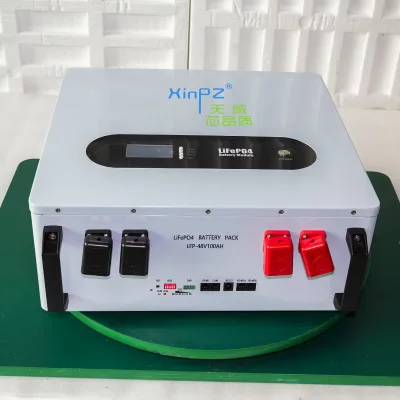
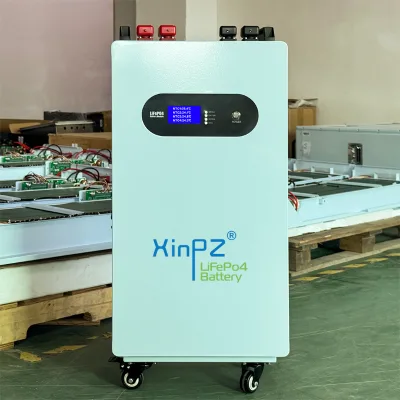
China Hot Sale Batteries Lithium Ion 48v 300ah Lifepo4 48v 300ah Batteries Lithium Ion 48v for Sale
$900.00 - $1200.00
MOQ: 1 packs
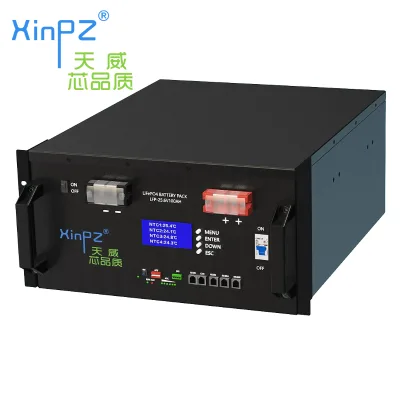
Deep Cycle Lithium Ion Lifepo4 25.6v 200ah Battery Pack for Solar Panel Ups 24v100ah Lifepo4 Battery
$345.00 - $360.00
MOQ: 1 packs

Guangzhou Shiyang Energy Technology Co., Ltd.
- Verified by TUVRHEINLAND
- Manufacturer/Factory
- China Guangdong
- Lead time45 days
- Avg. response≤ 7h
Main productsEnergy Storage, Battery Pack, Portable Power Station, Solar Battery, Lithium Battery Pack
Main marketsSouth America,Eastern Europe,North America

Solar Panels Energy System Lithium Ion Batteries Pack LiFePO4 Energy Storage System
$539.00
MOQ: 20 Pieces


Shenzhen Everwin Tech Co., Limited
- Verified by SGS Group
- Manufacturer, Trading Company
- Lead time20 days
- Avg. response≤ 2h
Main productsLithium Batteries, Lithium Ion Batteries, Lithium Iron Phosphate Batteries, Nickel Metal Hydride Batteries, Nickel Cadimium Batteries

Zhongyu Solar International Trading Co., Ltd
- Trading Company
- China Shandong
- Lead time15 days
- Avg. response≤ 15h
Main productsPhotovoltaic Panel, Solar Panel, Solar System, Solar Inverter, Storage Battery, PV Module, Monocrystalline Solar Panel, Storage Inverter, Solar Shingles, Solar Street Lamp
Main marketsSoutheast Asia/ Mideast

Lithium Solar Battery 48V 51.2V LiFePO4 Battery Pack Energy Storage System
$180.00 - $350.00
MOQ: 10 watt

Lithium Solar Battery 48V 51.2V LiFePO4 Battery Pack Energy Storage System
$180.00 - $350.00
MOQ: 10 watt
Shenzhen Jiaying Shidai Technology Co., Ltd.
- Verified by Intertek
- Manufacturer, Trading Company
- Lead time30 days
- Avg. response≤ 2h
Main productsDrone Battery, Home energy storage system
Main marketsSoutheast Asia(20%), South Asia(20%), Western Europe(10%)
Shenzhen Li Zhi Xin Technology Co., Ltd.
- Verified by TüVRheinland
- Manufacturer, Trading Company
- Lead time0 days
- Avg. response≤ 6h
Main productsLithium Ion Batteries, Lithium Battery Pack, Lithium Polymer Battery, Solar Energy Storage, Solar Inverter
Main marketsNorth America(20%), Southeast Asia(20%), Western Europe(20%)

Ningbo Jovesun Intelligent Technology Co., Ltd
- Verified by SGS
- Manufacturer/Factory
- China Zhejiang
- Lead time23 days
- Avg. response≤ 2h
Main productsLED Solar Street Light, LED Solar Post Light, LED Solar Bollard Light, LED Stadium Light, All in One Solar Street Light, Solar Light Tower Trailer, Home Energy Storage System, Smart Pole, Smart Bench, Solar Related Product
Main marketsSouth America,Eastern Europe,Mid East,North America,Southeast Asia,Eastern Asia,Oceania,Western Europe,Africa
Guangzhou Felicity Solar Technology Co., Ltd.
- Manufacturer, Trading Company
- Guangdong, China
- Lead time10 days
- Avg. response≤ 12h
Main productsResidential ESS,C&I ESS,Off-Grid Solar Inverters,Hybrid Solar Inverters,High-Voltage Energy Storage Inverters
Main marketsAfrica(25.00%), Mid East(20.00%), Southeast Asia(15.00%), Eastern Europe(8.00%), Eastern Asia(5.00%), Northern Europe(5.00%), Western Europe(5.00%), North America(5.00%), Southern Europe(3.00%), Central America(3.00%), South America(3.00%), South Asia(2.00%), Oceania(1.00%)

Tiger Power (Wuxi) Co., Ltd. Shanghai Branch
- Verified by SGS
- Combined
- China Shanghai
- Lead time15 days
- Avg. response≤ 2h
Main productsForklift Lead-Acid Batteries
Main marketsDomestic

Justpower Equipment (Fuan) Co., Ltd.
- Verified by BV
- Trading Company,Manufacturer/Factory
- China Fujian
- Lead time23 days
- Avg. response≤ 1h
Main productsPower Generator, Diesel Generator, Silent Diesel Generator, Diesel Generator Set, Diesel Genset, Super Silent Diesel Generator, Generator Set, Alternator, Silent Generator Set, Silent Genset
Main marketsSouth America,Eastern Europe,Mid East,Southeast Asia,Eastern Asia,Oceania,Western Europe,Africa

$199.00 - $230.00
MOQ: 2 Pieces

$770.00 - $815.00
MOQ: 2 Pieces

Solid Power Industrial (Shenzhen) Co., Ltd.
- Verified by TUVRHEINLAND
- Trading Company,Manufacturer/Factory
- China Guangdong
- Lead time30 days
- Avg. response≤ 4h
Main productsSolar Battery, Lithium Battery, Lithium Ion Battery, Storage Battery, Gel Battery, Lead Acid Battery, AGM Battery, Deep Cycle Battery, VRLA Battery, LiFePO4 Battery
Main marketsSouth America,Eastern Europe,Mid East,North America,Southeast Asia,Eastern Asia,Oceania,Western Europe,Africa








Comprehensive Sourcing Guide
48V Lifepo4 Lithium Ion Battery Pack with Inverter Supplier Concentration and Factory Types
The current supplier landscape for 48V Lifepo4 Lithium Ion Battery Pack with Inverter solutions reveals a distinct concentration of manufacturing and trading entities within specific Chinese provinces. Evidence indicates that suppliers are located in regions such as Jiangsu and Anhui, which serve as key hubs for renewable energy component production. In Jiangsu, the available data points to combined company types that offer both OEM and ODM services, suggesting a flexible manufacturing base capable of adapting to specific brand requirements. These entities often list main products that include solar systems, home power solutions, and various battery types, indicating a broad operational scope that extends beyond just the battery pack itself. The presence of these combined entities suggests that buyers may encounter suppliers who manage both the assembly of the lithium-ion cells and the integration of the inverter components, providing a more unified sourcing experience for complete energy storage systems.
In contrast, suppliers located in Anhui demonstrate a different structural profile, with some operating explicitly as manufacturers or factories while others function as trading companies. The manufacturer entities in this region often highlight extensive certification portfolios, including ISO 9001, ISO 14001, and various safety standards, which implies a mature industrial infrastructure focused on quality control and environmental compliance. These factories frequently offer own-brand products alongside OEM capabilities, allowing buyers to choose between established brand reliability or custom-branded solutions. The trading companies in this cluster, meanwhile, often emphasize rapid response times and verified credentials from third-party inspection agencies like TÜV Rheinland. This diversity in company types means that buyers must carefully distinguish between direct factory sources and intermediaries, as the latter may offer different advantages in terms of product variety and customer service speed, even if they do not directly control the manufacturing process.
How to Verify 48V Lifepo4 Lithium Ion Battery Pack with Inverter Suppliers
Verifying the legitimacy and capability of suppliers requires a multi-layered approach that goes beyond simple profile reviews. Buyers should prioritize suppliers who hold specific third-party verifications, such as BV or TÜV Rheinland, which provide an additional layer of trust regarding business legitimacy and operational standards. For manufacturers, it is crucial to examine the breadth of their system certifications, as a comprehensive list including ISO 9001, ISO 14001, and industry-specific standards like IEC or CE indicates a robust quality management system. These certifications are not merely decorative; they reflect the supplier's ability to maintain consistent production standards and adhere to international regulatory requirements. Buyers should request copies of these certificates and verify their validity through the issuing bodies, ensuring that the supplier's claims align with documented evidence. This step is particularly important for battery products, where safety and performance standards are strictly regulated to prevent hazards associated with lithium-ion technology.
Beyond certifications, buyers must assess the supplier's technical responsiveness and product specificity. A rapid response time, such as the 1-day average observed in some trading companies, can indicate a dedicated customer service team that is well-versed in the technical nuances of 48V systems. However, speed should not compromise accuracy; buyers should ask detailed technical questions about the battery management system (BMS), inverter compatibility, and communication protocols like CAN or RS485. Suppliers who can provide precise answers regarding matched inverters from brands like Solax, Deye, or Goodwe demonstrate a deeper understanding of the end-user application. Additionally, buyers should verify the origin of the battery cells and the assembly location, as these factors significantly impact quality and warranty support. By combining verification of business credentials with technical due diligence, buyers can effectively filter out unreliable suppliers and identify partners who possess the necessary expertise to deliver high-quality 48V Lifepo4 Lithium Ion Battery Pack with Inverter solutions.
What to Compare Across 48V Lifepo4 Lithium Ion Battery Pack with Inverter Suppliers
When evaluating multiple suppliers, buyers must compare key operational metrics to determine the best fit for their specific project requirements. One critical dimension is the lead time, which varies significantly across the supplier base. Some suppliers offer a lead time of 7 days, which is advantageous for urgent projects or small-scale deployments, while others may require 15 days or more, reflecting a more standard production cycle. This difference can impact inventory planning and project timelines, making it essential for buyers to align their procurement schedule with the supplier's stated capabilities. Additionally, the minimum order quantity (MOQ) is a vital factor, with some suppliers accepting orders as low as one unit, which is ideal for testing or small residential installations, while others may require a minimum of five units, catering more to commercial or bulk procurement needs. Understanding these thresholds helps buyers avoid unnecessary costs or logistical complications associated with small or large orders.
Another crucial aspect of comparison is the pricing structure and the range of customization options available. Prices for 48V Lifepo4 Lithium Ion Battery Pack with Inverter solutions can vary widely, with some products starting at lower price points and others commanding higher premiums due to additional features or brand reputation. Buyers should compare the price ranges offered by different suppliers, keeping in mind that lower prices may sometimes correlate with reduced warranty periods or fewer included accessories. Furthermore, the availability of customization is a key differentiator; some suppliers offer extensive customization options, including specific battery sizes, colors, and branding, while others may provide more standardized products. Buyers should also compare the warranty terms, with some suppliers offering up to 10 years of coverage, which provides long-term security and peace of mind. By systematically comparing these operational and commercial details, buyers can make informed decisions that balance cost, speed, and quality.
Common 48V Lifepo4 Lithium Ion Battery Pack with Inverter Sourcing Risks
Sourcing 48V Lifepo4 Lithium Ion Battery Pack with Inverter solutions involves several inherent risks that buyers must actively manage to ensure project success. One significant risk is the mismatch between the battery pack and the inverter, as compatibility issues can lead to system failures or reduced efficiency. While many suppliers claim compatibility with major inverter brands, buyers must verify these claims through technical documentation or direct testing. Another risk is the variability in battery cell quality, as not all LiFePO4 cells are created equal. Buyers should inquire about the source of the battery cells and the quality control processes in place to ensure consistent performance and longevity. Additionally, there is a risk associated with warranty claims, particularly if the supplier is a trading company rather than the original manufacturer. In such cases, the chain of communication can become complex, potentially delaying repairs or replacements. Buyers should clarify the warranty process and ensure that the supplier has the authority to honor claims directly.
Logistical risks are also prevalent, especially when dealing with international shipments of lithium-ion batteries, which are classified as dangerous goods. Improper packaging or labeling can lead to shipping delays, additional costs, or even rejection by carriers. Buyers must ensure that suppliers adhere to international shipping regulations, including UN38.3 testing and proper documentation. Furthermore, there is a risk of intellectual property infringement if buyers opt for OEM solutions without proper legal agreements. Suppliers who offer OEM services must be vetted for their ability to protect proprietary designs and specifications. Buyers should also be cautious of suppliers who do not provide clear product specifications or who use vague terminology in their listings. By identifying and mitigating these risks through thorough due diligence and clear contractual agreements, buyers can protect their investments and ensure the reliable operation of their energy storage systems.
48V Lifepo4 Lithium Ion Battery Pack with Inverter Regional Sourcing and Logistics
Regional sourcing plays a pivotal role in determining the logistics and overall cost structure for 48V Lifepo4 Lithium Ion Battery Pack with Inverter orders. Suppliers located in Jiangsu and Anhui, China, benefit from established industrial clusters that provide access to raw materials, skilled labor, and specialized manufacturing infrastructure. This concentration of suppliers in specific regions can lead to economies of scale, potentially reducing production costs and improving lead times. However, buyers must also consider the logistical implications of sourcing from these regions, including transportation costs and delivery times to their final destination. For buyers in Europe or North America, shipping from China involves navigating complex customs regulations and potential tariffs, which can impact the total landed cost. Buyers should work with suppliers who have experience in international shipping and can provide accurate estimates for freight and insurance costs.
Additionally, the choice of supplier location can influence the level of support and communication available to the buyer. Suppliers in major industrial hubs often have more experience dealing with international clients and may offer better customer service in multiple languages. However, buyers should also consider the benefits of working with local suppliers if available, as this can reduce lead times and simplify communication. For buyers in Asia, sourcing from nearby regions may offer significant advantages in terms of speed and cost. Regardless of the region, buyers should ensure that the supplier has a robust logistics network and can handle the specific requirements of shipping lithium-ion batteries. This includes proper packaging, labeling, and documentation to comply with international regulations. By carefully evaluating the regional advantages and logistical challenges, buyers can optimize their sourcing strategy and ensure a smooth supply chain process.
48V Lifepo4 Lithium Ion Battery Pack with Inverter Commercial Terms and Order Planning
Effective order planning for 48V Lifepo4 Lithium Ion Battery Pack with Inverter solutions requires a clear understanding of the commercial terms offered by suppliers. Payment terms are a critical component of this planning, as they can impact cash flow and risk allocation. Buyers should negotiate favorable payment terms, such as partial payments upfront and the balance upon shipment or delivery, to mitigate financial risk. Additionally, buyers must consider the Incoterms used for shipping, as these determine who is responsible for transportation, insurance, and customs clearance. Common terms like FOB, CIF, and DDP each have different implications for cost and responsibility, and buyers should choose the term that best aligns with their logistical capabilities and risk tolerance. Understanding these terms helps buyers avoid unexpected costs and ensures a transparent transaction process.
Furthermore, buyers should plan for after-sales support and warranty management as part of their commercial strategy. Suppliers who offer comprehensive warranty coverage, such as 10 years, provide long-term value and reduce the total cost of ownership. Buyers should clarify the scope of the warranty, including what components are covered and the process for claiming repairs or replacements. Additionally, buyers should consider the availability of spare parts and technical support, as these are essential for maintaining the system over its lifespan. By integrating these commercial considerations into their order planning, buyers can build a resilient supply chain that supports the long-term success of their energy storage projects. This proactive approach ensures that buyers are not only satisfied with the initial purchase but also have the necessary support for the entire lifecycle of the product.
FAQs
What is the typical lead time for 48V LiFePO4 battery packs?
The typical lead time for these battery packs is 15 days based on current supplier data. Some suppliers offer faster delivery with a 7-day lead time for specific models. Buyers should confirm exact timelines with the supplier before placing an order to ensure timely delivery.
What is the minimum order quantity for these lithium batteries?
The minimum order quantity varies by supplier, with some accepting orders as low as one unit. Other suppliers require a minimum of five units for purchase. Buyers must check the specific product listing to determine the exact MOQ required for their intended order size.
Where are the manufacturers of these 48V battery systems located?
Manufacturers of these systems are primarily located in Jiangsu and Anhui provinces in China. These regions host both combined companies and dedicated manufacturers offering solar energy solutions. Buyers can filter search results by these specific locations to find suppliers near their preferred logistics hubs.
What certifications do these solar battery packs typically hold?
Many suppliers provide certifications including CE, RoHS, UN38.3, IEC, and ISO 9001. Some manufacturers also hold additional standards like BSCI, ISO 14001, and TUV SUD Mark. Buyers should verify specific certification documents for each product to ensure compliance with local safety regulations.
What is the price range for a 48V 100Ah LiFePO4 battery?
The price range for these batteries typically starts at 550 dollars and can go up to 2100 dollars depending on capacity and features. Specific models like the 100Ah pack may range between 550 and 1599 dollars. Buyers should compare multiple listings to find the best value for their specific energy storage needs.
How quickly do suppliers typically respond to inquiries?
Supplier response times vary, with some responding within one day and others taking around seven days. The average response time observed is approximately four to seven days. Buyers seeking urgent quotes should prioritize suppliers with faster response metrics to expedite their sourcing process effectively.
Can these batteries be customized for specific solar systems?
Yes, customization is available for many 48V LiFePO4 battery packs to fit specific solar system requirements. Suppliers offer OEM and ODM services to tailor voltage, capacity, and dimensions. Buyers should discuss their exact specifications with the supplier to ensure the final product meets their unique operational needs.