88 Channel GNSS GPS Modules Suppliers and Manufacturers
Find 23 verified suppliers offering 88 Channel GNSS GPS Modules with ISO 9001 certification and response times under 4 hours. Compare lead times, MOQs, and locations in Guangdong, China to source reliable components for your projects today; review the available evidence before requesting comparable quotations from suitable candidates.
Updated
Suppliers List
Shenzhen Goldeleway Electronics Technology Co., Ltd.
- Verified by Intertek
- Trading Company
- Lead time2 days
- Avg. response≤ 4h
Main productsIC Chips, Transistor Diode, IGBT Mosfet, Resistor, PCB PCBA
Main marketsNorth America(25%), South America(15%), Eastern Europe(15%)

Shenzhen Anzewei Technology Co., Ltd.
- Verified by SGS
- Trading Company
- China Guangdong
- Lead time15 days
- Avg. response≤ 4h
Main productsGnss Module, Rtk Module, Gnss Antenna, Gnss Development Board, Rtk Development Board, Gnss Receiver, Gnss Tracker, Gnss Customized Solution
Main marketsAfrica,Others(foreignTradeCapacity.exportBusinessCapacityMarketOther),Domestic,Europe,Australia,North America


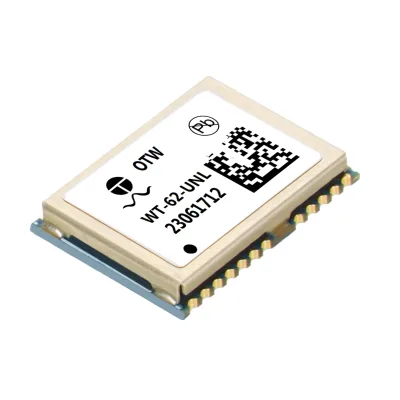
Owt Gnss Module, Multi-Mode GPS Module Supports Multiple Satellite Signals Simultaneously
$5.10 - $5.50
MOQ: 1 Pieces
HoneyComm IoT Technology(Shenzhen)Co., Ltd.
- Verified by SGS Group
- Trading Company
- Guangdong, China
- Lead time7 days
- Avg. response≤ 2h
Main productsBluetooth Beacons, Beacon Gateways, AOA Beacon Tags, Air Tag Tracker, GPS receiver
Main marketsNorth America(50%), South America(20%), Western Europe(20%)
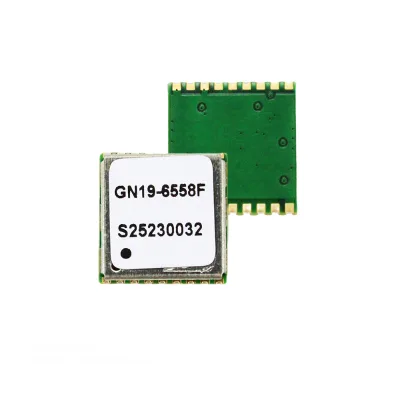
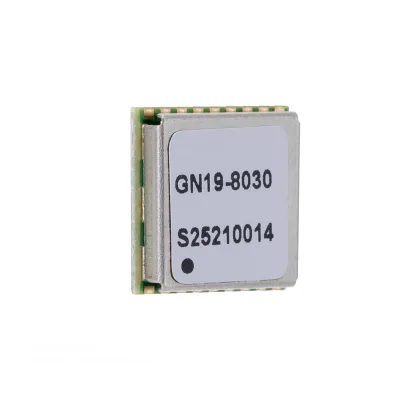
$1.0178 - $9.6626
MOQ: 5 Minimum
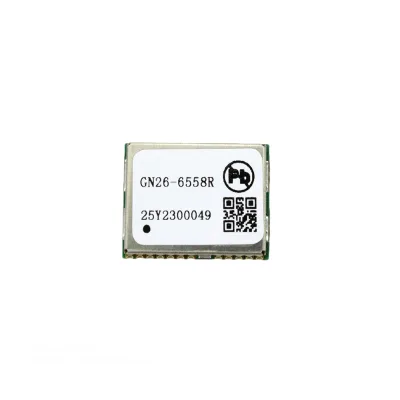
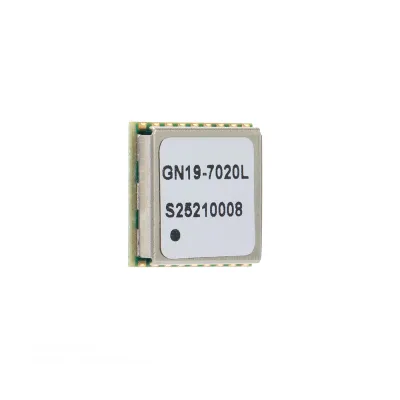
$1.0178 - $6.1504
MOQ: 5 Minimum
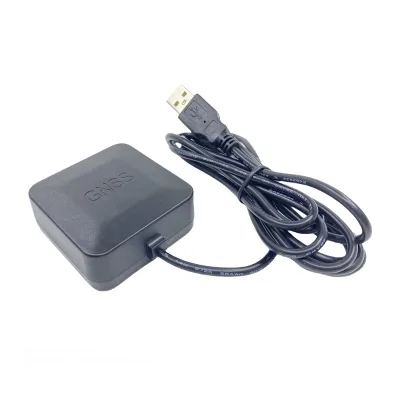
High Precision and High Integration Support RTD Differential Mode Antenna GNSS GPS Module GMOSUE
$9.99 - $15.99
MOQ: 5 Minimum
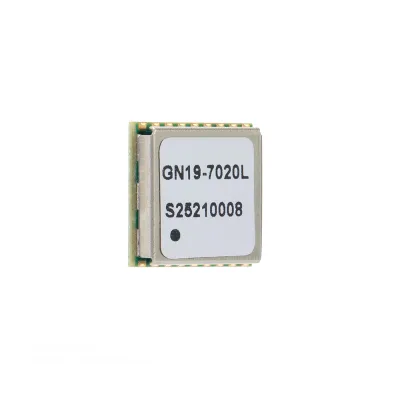

- Trading Company
- China Guangdong
- Lead time15 days
- Avg. response≤ 1h
Main productsIC, Capacitor, Resistor, Electronic Components, Integrated Circuit, Transistor, Relay, Diode, MCU, Connector
Main marketsSouth America,East Asia(Japan/ South Korea),Europe

Beijing Corelogic Communication Co., Ltd.
- Verified by TUVRHEINLAND
- Trading Company,Manufacturer/Factory
- China Beijing
- Lead time45 days
- Avg. response≤ 1h
Main productsVDSL Splitter, ADSL Splitter, Network Transformer, Gnss, Gnss Timing, Power Divider, Antenna, Gnss Atenna, Transformer, Splitter
Main marketsSouth America,Eastern Europe,Mid East,North America,Southeast Asia,Eastern Asia,Oceania,Western Europe,Africa

Timing Module 72-Channel Gnss Timing Module for Telecom Bts GPS Timing Receiver
$90.00 - $150.00
MOQ: 5 Pieces

High Sensitivity Gnss Receiver Gnss Timing Module with Remote Firmware Upgrade
$90.00 - $150.00
MOQ: 5 Pieces

$90.00 - $150.00
MOQ: 5 Pieces

Low Power Gnss Timing Module Gnss Timing Receiver with Flexible Installation Orientation
$90.00 - $150.00
MOQ: 5 Pieces
Shenzhen Chuangdajia Technology Co., Ltd.
- Manufacturer, Trading Company, Distributor/Wholesaler
- Guangdong, China
- Lead time7 days
- Avg. response≤ 9h
Main productsGPS Modules,Electronic Components,PCBA,HUD,Smart Watch
Main marketsNorth America(30.00%), Western Europe(25.00%), Southern Europe(20.00%), Eastern Europe(18.00%), Northern Europe(7.00%)

Shenzhen Huasifei Technology Co., Ltd.
- Manufacturer, Trading Company
- Guangdong, China
- Lead time10 days
- Avg. response≤ 2h
Main products5G CPE, 4G 5G Router, Wireless Bridge, POE Switch, WIFI6 Router
Main marketsNorth America(40.00%), Domestic Market(20.00%), South America(16.00%), Eastern Europe(16.00%), Southeast Asia(8.00%)
Shenzhen Aideshun Technologies Co., Ltd.
- Manufacturer, Agent
- Guangdong, China
- Lead time3 days
- Avg. response≤ 16h
Main productsGSM GPRS Module,GPS Module,PCB,PCBA,IC
Main marketsSouthern Europe(10.00%), Northern Europe(10.00%), Western Europe(10.00%), Eastern Asia(10.00%), Mid East(10.00%), Africa(10.00%), Southeast Asia(10.00%), Eastern Europe(10.00%), South America(10.00%), North America(10.00%)
Shenzhen Lingyi Technology Co., Ltd.
- Verified by Intertek
- Trading Company
- Lead time3 days
- Avg. response≤ 1h
Main productsHigh-precision Positioning Module , LiDAR Sensor, SoC Development Board, Software Testing Development Board, Various Electronic Components
Main marketsSouth America(25%), Mid East(25%), North America(15%)

SHANGRAO HAODI IMP&EXP TRADING CO., LTD.
- Verified by BV
- Trading Company
- China Jiangxi
- Lead time15 days
- Avg. response≤ 5h
Main productsGnss Rtk, Total Station, Slam Scanner, Optical Level & Laser Plummet, Theodolite, Level Staff&Tripod, Measuring Wheel, Prism Pole&Prism Set, Tribrach and Adapter, Surveying Accessories
Main marketsSouth America,Africa,Southeast Asia/ Mideast

Qianxun Se Gnss GPS Receiver Module Price Survey Surveying Instrument Rtk
$2100.00 - $2200.00
MOQ: 1 Sets


E91 Rtk 624 Channels High Precision Chc E91 GPS Geodetic Rtk Gnss with Built in 4G Module
$3400.00 - $3500.00
MOQ: 1 Sets

Qianxun Se Receiver High Accuracy Module Cheap GPS Survey Equipment Cheap Price Rtk
$2100.00 - $2200.00
MOQ: 1 Sets

ZHENGZHOU LEHENG ELECTRONIC TECHNOLOGY CO., LIMITED
- Verified by TUVRHEINLAND
- Trading Company,Manufacturer/Factory
- China Henan
- Lead time23 days
- Avg. response≤ 5h
Main productsGpsgnss Antenna, 5g Antenna, High Precision GPS Antenna, 3G Antenna, LTE Antenna, Lora Antenna, WiFi and WLAN Antenna, Assembly Parts, Coxial Connector, GSM Antenna
Main marketsSouth America,Eastern Europe,Mid East,North America,Southeast Asia,Eastern Asia,Oceania,Western Europe,Africa

Hangzhou Ragine Electronic Technology Development Co., Ltd.
- Verified by SGS
- Trading Company,Manufacturer/Factory
- China Zhejiang
- Lead time30 days
- Avg. response≤ 7h
Main productsAnti Drone System, C-Uav, Drone Gun, Drone Jammer, Drone Detector, Drone Spoofer
Main marketsSouth America,Eastern Europe,Mid East,North America,Southeast Asia,Eastern Asia,Oceania,Western Europe,Africa

$899.00 - $1999.00
MOQ: 1 Pieces

Ragine Factory Sale Directly Multi-Band Gnss/GPS Interference Suppression Module
$295.00 - $300.00
MOQ: 1 Pieces

Multi-Band Gnss Anti-Interference Module with Robust Signal Protection Technology
$295.00 - $300.00
MOQ: 1 Pieces

High-Performance Gnss Anti-Jamming and Anti-Spoofing Navigation Security Module
$295.00 - $300.00
MOQ: 1 Pieces

Integrated Multi-Band Gnss Anti-Jamming Module for Reliable Positioning and Timing
$295.00 - $300.00
MOQ: 1 Pieces
Shenzhen Longlife Technology Co., Ltd.
- Manufacturer
- Guangdong, China
- Lead time0 days
- Avg. response≤ 1h
Main productsic,module,ABB,Schneider Electric,Connector Terminal
Main marketsNorth America(100.00%)
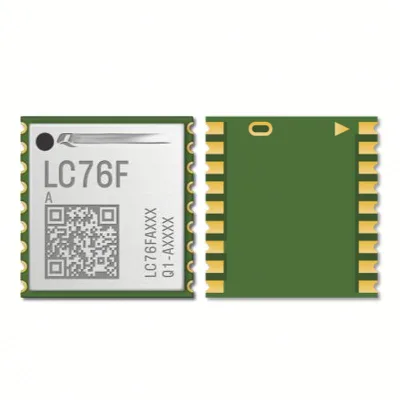
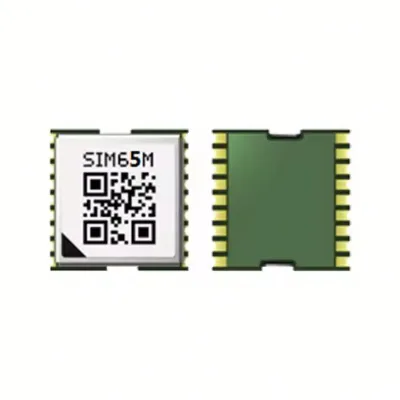
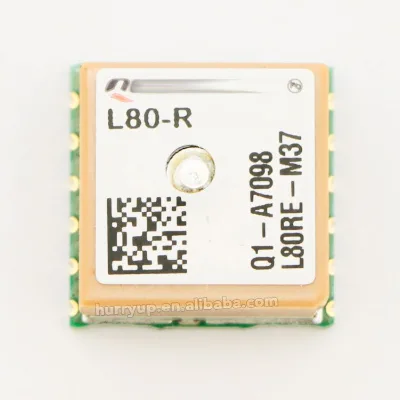
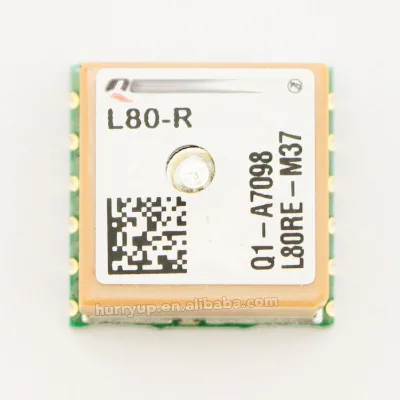
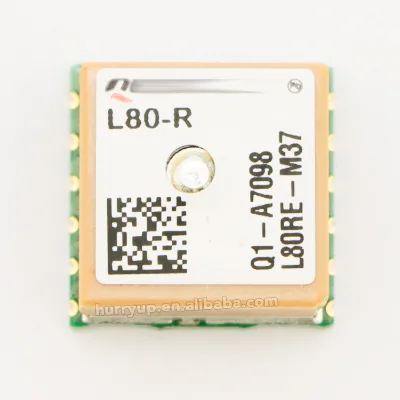
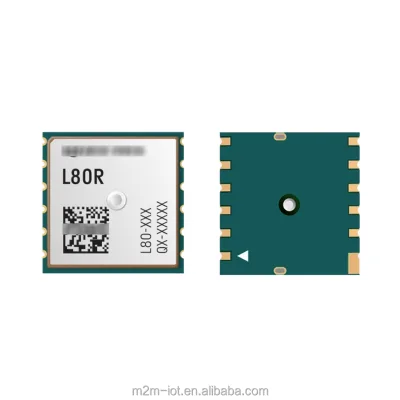
L80-R Compact GPS Module Integrated with Patch Antenna, L80-R GPS Module
$2.1391 - $3.9724
MOQ: 1 Minimum
Shenzhen Wuji Electronics Co., Ltd.
- Trading Company
- Guangdong, China
- Lead time7 days
- Avg. response≤ 5h
Main productswireless module,Antenna and Antenna Adapter,Connector and SIM card holder,GPS module,Spot IC
Main marketsNorthern Europe(35.00%), North America(15.00%), South America(10.00%), Eastern Europe(10.00%), Southern Europe(8.00%), Western Europe(6.00%), Eastern Asia(6.00%), Africa(5.00%), Southeast Asia(5.00%)
HK HongShengChuang Industrial Co., Limited
- Trading Company
- Hong Kong S.A.R.
- Lead time5 days
- Avg. response≤ 2h
Main productsintegrated circuit,Semiconductor components,Programmable Gate Array Chip,Microcontroller chip
Main marketsNorth America(10.00%), South America(10.00%), Eastern Europe(10.00%), Southeast Asia(10.00%), Africa(10.00%), Oceania(10.00%), Mid East(10.00%), Eastern Asia(10.00%), Western Europe(10.00%), Central America(10.00%), Northern Europe(10.00%)

Shenzhen Lxyee Electronics Technology Co.,Ltd
- Verified by SGS
- Trading Company
- China Guangdong
- Lead time45 days
- Avg. response≤ 11h
Main productsAgricultrual Drones, Fire Extinguishing and Cleaning Drones, Uav, Drones, Robots, Cobots, Parts of Drones
Main marketsSoutheast Asia/ Mideast,Domestic
Shenzhen Hapchuang Technology Co., Ltd.
- Verified by Intertek
- Trading Company
- Lead time7 days
- Avg. response≤ 3h
Main productsIntegrated Circuit, Wireless Module, GPS Module, Diodes, Capacitors
Main marketsNorth America(25%), Eastern Asia(12%), Western Europe(11%)
Shenzhen Hurryup Technology Co., Ltd.
- Verified by TüVRheinland
- Trading Company
- Lead time3 days
- Avg. response≤ 2h
Main productsGPS Antenna, Communication Antenna, 5G 4G 3G 2G GNSS Module, GSM LTE Modem, GPS Receiver
Main marketsDomestic Market(13%), South America(10%), Southeast Asia(10%)
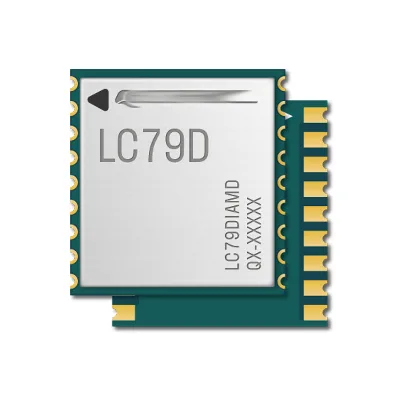
Multi GNSS Receiver Module LC79D Support GPS GLONASS IRNSS BeiDou BDS LC79D A/B LC79D(A) LC79D(B)
$4.90 - $5.90
MOQ: 5 Minimum
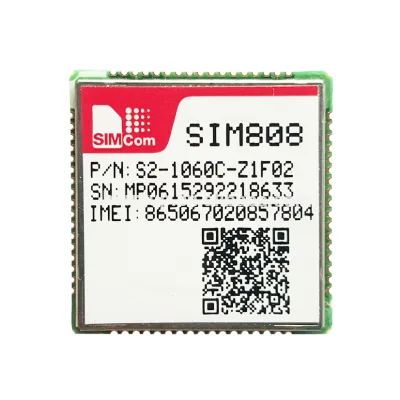
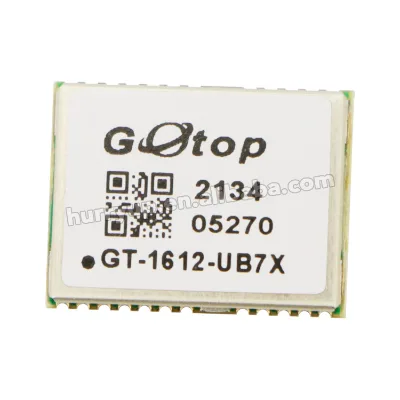
Shenzhen Hengyi Electronic Co., Ltd.
- Manufacturer, Trading Company, Buying Office, Agent, Distributor/Wholesaler
- Guangdong, China
- Lead time5 days
- Avg. response≤ 6h
Main productsSmart Products,Timing Socket,Wattmeter,Electronic Parts
Main marketsWestern Europe(30.00%), North America(30.00%), Mid East(15.00%), South America(15.00%), Southeast Asia(5.00%), Eastern Asia(5.00%)
Shenzhen Jiameishi Technology Co., Ltd.
- Manufacturer
- Guangdong, China
- Lead time0 days
- Avg. response≤ 1h
Main productsGNSS RTK Board,smart antenna,gps module,RTK gps,Gps receiver
Main marketsSoutheast Asia(30.00%), North America(20.00%), Mid East(10.00%), Eastern Europe(10.00%), Western Europe(8.00%), South America(7.00%), Oceania(5.00%), Eastern Asia(5.00%), South Asia(3.00%), Southern Europe(2.00%)

Shenzhen Gerbole Elec. Technology Co., Ltd.
- Verified by TUVRHEINLAND
- Combined
- China Guangdong
- Lead time15 days
- Avg. response≤ 25h
Main productsAntenna, Base Station & Repeater Antenna Series, Spread Spectrum Antennas, Wireless Public Telephone Antennas, Portable Antennas Series, Embedded Antennas Series, 3G Antennas Series, GPS Antennas Series/Jump Cables, DVB Antennas Series&Special Cables, Connector Series/RF Testing Material
Main marketsSoutheast Asia/ Mideast,Europe

Tianjin Unique Technology Co., Ltd.
- Verified by TUVRHEINLAND
- Trading Company,Manufacturer/Factory
- China Tianjin
- Lead time0 days
- Avg. response≤ 6h
Main productsGPS Rtk, Gnss Rtk, Handheld GPS, Handheld Gnss Rtk, Gnss Board, Gnss Antenna, Total Station, Theodolite, Machine Control, Cors Receiver

New Type Surveying Equipment Foif A90 GPS Rtk Module with 800 Channels Imu
$1750.00 - $1900.00
MOQ: 1 Pieces


China Moneypro Group Corporation Limited.
- Verified by TUVRHEINLAND
- Manufacturer/Factory
- China Guangdong
- Lead time23 days
- Avg. response≤ 25h
Main productsUav & Drone Platforms, Eo/IR Gimbal Camera Payloads, Inertial Navigation Systems (Imus)/Gyroscope, Infrared Thermal & Laser Sensing Module, Thermal Imaging Binocular & Observer, Night Vision Fusion Monocular & Optic Scope, Anti Jamming & Rtk Gnss Antenna, Anti Drone Radar Detector Systems, Turbojet & Turbofan & Turboshaft Engines, MIMO Nlos Manet Mesh Radio Datalink
Main marketsSouth America,Eastern Europe,Mid East,North America


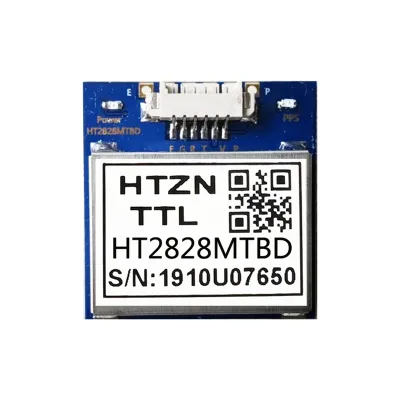
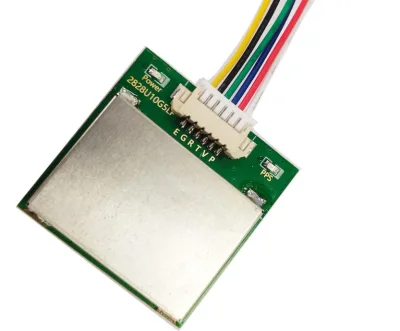
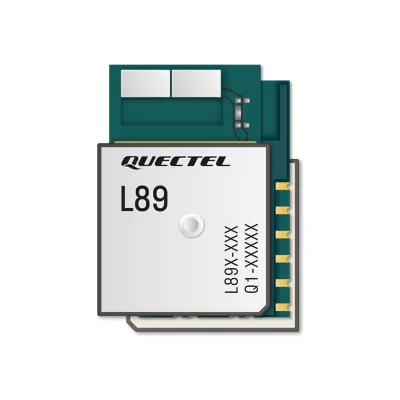
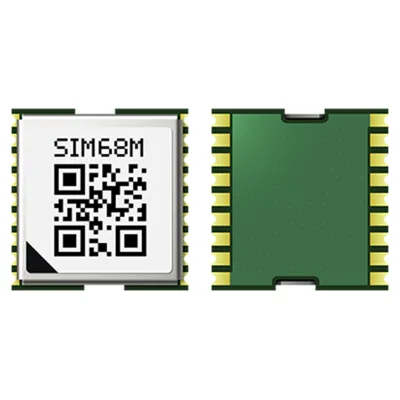
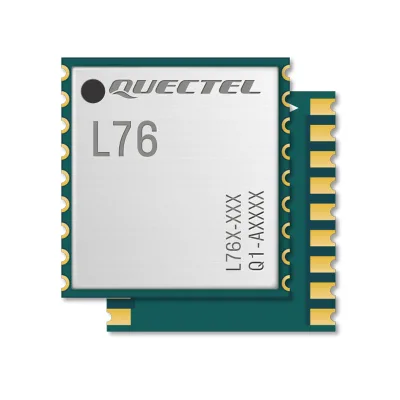
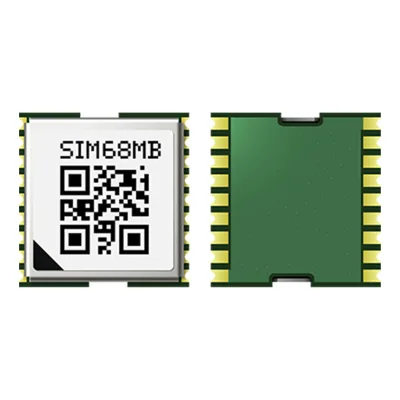
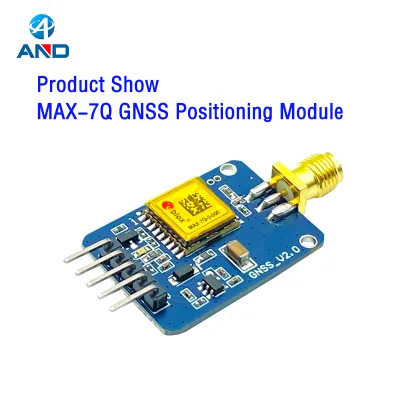






Comprehensive Sourcing Guide
88 Channel GNSS GPS Modules Supplier Concentration and Factory Types
The current supplier landscape for 88 Channel GNSS GPS Modules reveals a distinct concentration of trading companies rather than direct manufacturing entities. Analysis of the available results indicates that the predominant company type listed is a Trading Company, which suggests that buyers are primarily interacting with intermediaries who source from various manufacturers. This structural reality implies that the actual production facilities may be dispersed, while the commercial interface is centralized through these trading entities. Buyers should understand that engaging with a trading company often provides a broader catalog of electronic components, including IC chips, transistors, diodes, IGBT MOSFETs, resistors, and PCB PCBA services, alongside the specific GNSS modules they are seeking. This consolidation of product lines can be advantageous for buyers looking for a one-stop solution for their bill of materials, but it necessitates careful verification of the actual origin and quality control processes of the components being supplied.
Geographic concentration is another critical factor in understanding the supplier base. The observed results highlight a strong presence of suppliers located in China, specifically within the Guangdong region. This area is a well-known hub for electronic manufacturing and component distribution, offering logistical advantages and a dense network of supply chain partners. However, the data does not provide a comprehensive map of all potential manufacturing clusters, so buyers must rely on the specific location facts provided by individual suppliers to assess proximity and logistics feasibility. The presence of suppliers in Guangdong suggests that many of these modules are assembled or sourced from this industrial corridor, which is critical for understanding lead times and shipping costs. Buyers should verify the exact factory location if they require direct factory audits or specific regional compliance standards, as the trading company address may differ from the manufacturing site.
How to Verify 88 Channel GNSS GPS Modules Suppliers
Verification is a critical step when evaluating suppliers for 88 Channel GNSS GPS Modules, as the market contains a mix of trading companies and potential manufacturers. Buyers should prioritize suppliers who have undergone third-party verification processes, as this adds a layer of credibility to their business operations. In the current results, some suppliers are verified by Intertek, while others hold SGS verification. These certifications indicate that an independent agency has inspected the supplier’s facilities, business licenses, or product quality systems. Buyers should look for these verification badges prominently displayed on supplier profiles, as they serve as a baseline assurance of legitimacy. It is important to note that verification does not guarantee product performance but confirms the existence and operational status of the business entity. Buyers should request the verification report or certificate number to cross-reference with the issuing agency’s database for added confidence.
Beyond basic verification, buyers should assess the system certifications held by the supplier, such as ISO 9001 or ISO 9001:2015. These quality management system certifications indicate that the supplier has established processes for consistent product quality and continuous improvement. In the observed data, several suppliers list ISO 9001 certification, which is a standard expectation for reputable electronic component distributors. Additionally, product-specific certifications like RoHS and ISO/TSCE should be checked for compliance with environmental and industry standards. Buyers must verify that these certifications are current and applicable to the specific GNSS modules they intend to purchase. It is also advisable to inquire about the supplier’s response time, as a quick and professional response can indicate a well-organized customer service team. Suppliers with response times under four hours, as seen in some results, may offer better support for urgent inquiries or technical questions regarding module specifications and compatibility.
What to Compare Across 88 Channel GNSS GPS Modules Suppliers
When comparing suppliers for 88 Channel GNSS GPS Modules, lead time is a primary differentiator that impacts project timelines and inventory management. The observed data shows a wide variance in lead times, ranging from as short as one to three working days for sample processing to fifteen days for standard orders. This discrepancy highlights the importance of clarifying whether the quoted lead time applies to stock items, custom orders, or samples. Buyers should explicitly ask for the lead time for their specific order quantity and configuration to avoid production delays. Additionally, the minimum order quantity (MOQ) is a crucial factor, with some suppliers offering an MOQ of just one piece, which is ideal for prototyping and small-batch testing. Others may have higher MOQs, which could be more cost-effective for large-scale production. Buyers should align their order volume with the supplier’s MOQ policy to optimize pricing and availability.
Another key dimension for comparison is the range of main products and services offered by the supplier. Many suppliers in the current results list a broad portfolio that includes GNSS modules, RTK modules, GNSS antennas, and development boards, alongside general electronic components. This breadth of offering can simplify the sourcing process by allowing buyers to consolidate purchases. However, buyers should also evaluate the supplier’s capacity for customization, such as ODM services or graphic processing, if they require tailored solutions. The presence of capabilities like "customized on demand" suggests flexibility, but buyers should verify the technical support and engineering resources available to handle these requests. Furthermore, comparing the shipping options provided, such as DHL, UPS, FedEx, EMS, or HK Post, can help buyers estimate total landed costs and delivery speeds. Suppliers offering multiple shipping carriers provide greater flexibility in choosing the most cost-effective or fastest delivery method for their specific needs.
Common 88 Channel GNSS GPS Modules Sourcing Risks
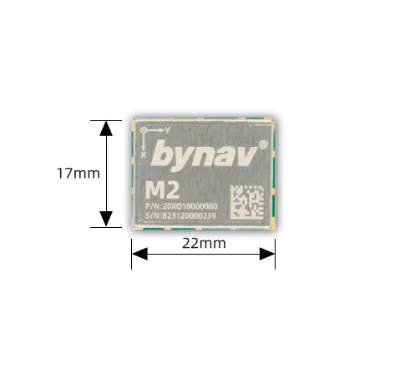
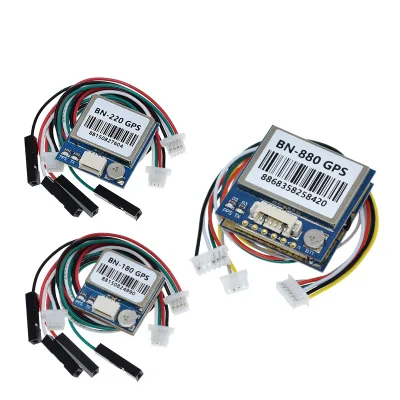
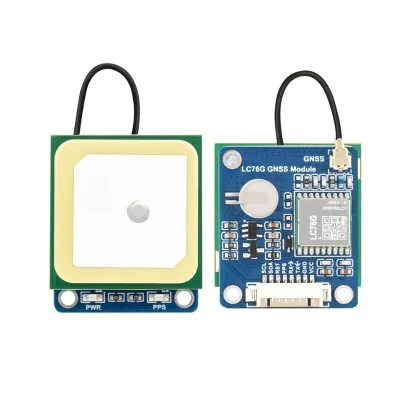
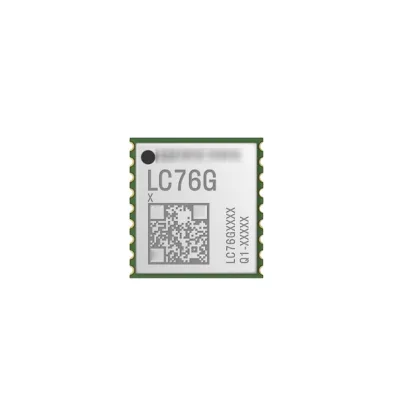
One significant risk in sourcing 88 Channel GNSS GPS Modules is the potential mismatch between advertised specifications and actual product performance. The market is filled with various module models, such as the Bynav M20, BN-880, and LC76G, each with different capabilities and chipsets. Buyers must carefully verify the model number and technical specifications provided by the supplier to ensure they match their project requirements. For instance, some modules support GPS, GLONASS, Galileo, and BDS, while others may have limited satellite system support. The risk of receiving a module with incorrect firmware or hardware revisions is real, especially when dealing with trading companies that may source from multiple factories. Buyers should request detailed datasheets and, if possible, sample units to test performance before committing to large orders. This due diligence helps mitigate the risk of integration issues or suboptimal positioning accuracy in the final application.
Another common risk is the variability in product quality and authenticity. The observed data includes claims of "Original High-quality" and "Original" brands, but buyers should be cautious and verify the source of these components. Counterfeit or refurbished modules can sometimes be passed off as new, original parts, leading to reliability issues in the field. Buyers should inquire about the supply chain transparency and ask for proof of original sourcing, such as purchase invoices from authorized distributors. Additionally, the warranty terms offered by suppliers vary, with some providing a one-year warranty while others may have limited or no warranty coverage. Buyers should clearly understand the warranty policy, including the process for returns and replacements, before placing an order. It is also important to check the packaging and labeling of the modules upon receipt to ensure they match the expected standards for original products.
88 Channel GNSS GPS Modules Regional Sourcing and Logistics
Regional sourcing from China, particularly the Guangdong province, offers logistical advantages for buyers of 88 Channel GNSS GPS Modules. The concentration of suppliers in this region facilitates efficient manufacturing and distribution networks, often resulting in faster shipping times and lower freight costs. Buyers should leverage this geographic proximity by selecting suppliers who have established logistics partnerships with major carriers like DHL, UPS, and FedEx. These carriers provide reliable tracking and expedited delivery options, which are crucial for maintaining project schedules. However, buyers must also consider the impact of international shipping regulations and customs clearance procedures. Understanding the export documentation requirements and any potential tariffs can help avoid unexpected delays or costs. Suppliers who are experienced in international shipping can provide valuable guidance on packaging and labeling to ensure smooth customs processing.
Logistics planning should also account for the single package size and weight of the modules, as these factors influence shipping costs. The observed data indicates that some modules have a single package size of 10x10x10 cm and a gross weight of 1.0 kg, while others may have different dimensions. Buyers should calculate the total shipping volume and weight for their order to estimate freight charges accurately. Additionally, buyers should consider the supplier’s packaging standards to ensure that the modules are protected during transit. Proper packaging is essential to prevent damage to the sensitive electronic components, especially when shipping internationally. Buyers may also want to inquire about the supplier’s inventory management practices to ensure that stock levels are maintained for timely fulfillment. A supplier with robust inventory management can reduce the risk of stockouts and ensure consistent supply for ongoing projects.
88 Channel GNSS GPS Modules Commercial Terms and Order Planning
Commercial terms and payment methods are critical aspects of order planning for 88 Channel GNSS GPS Modules. The observed data shows that suppliers offer various payment options, including TT, PayPal, Western Union, and Trade Assurance. Trade Assurance is particularly recommended for buyers as it provides payment protection and ensures that the supplier meets the agreed-upon terms. Buyers should prioritize suppliers who offer Trade Assurance to mitigate financial risks. Additionally, buyers should clarify the payment terms, such as the percentage of advance payment and the balance due upon shipment or delivery. Understanding these terms helps in cash flow management and reduces the risk of disputes. Buyers should also inquire about any additional fees, such as banking charges or currency conversion fees, to ensure accurate budgeting.
Order planning should also consider the supplier’s capacity for sample processing and customized orders. Some suppliers offer sample processing with a lead time of one to three working days, which is beneficial for rapid prototyping and testing. Buyers should plan their sample orders accordingly to align with their development timelines. For customized orders, buyers should verify the supplier’s ODM capabilities and the associated lead times and costs. Customization may involve changes to the module’s firmware, antenna design, or packaging, which can impact the overall project schedule. Buyers should communicate their customization requirements clearly and obtain a detailed quotation that includes all associated costs. Additionally, buyers should establish a clear communication channel with the supplier for ongoing order updates and issue resolution. Regular communication helps ensure that the order progresses smoothly and any potential issues are addressed promptly.
FAQs
What is the minimum order quantity for GNSS modules?
The minimum order quantity is one piece. This low threshold allows buyers to test product quality and functionality before committing to larger bulk orders. It supports flexible procurement strategies for small-scale development projects or initial prototype testing phases.
How long does it take to ship these modules?
Lead times typically range from one to three working days. Suppliers offer various shipping methods including DHL, UPS, FedEx, and EMS. This rapid turnaround ensures that urgent project requirements are met efficiently without significant delays in the supply chain.
Are these GNSS modules certified for quality assurance?
Yes, suppliers hold ISO 9001 and ISO9001:2015 certifications. Additionally, products may carry RoHS compliance and SGS verification. These credentials confirm adherence to international quality management standards and environmental regulations, ensuring reliable performance for professional electronic applications.
What payment methods are accepted for these orders?
Accepted payment methods include TT, PayPal, Western Union, and Trade Assurance. Trade Assurance provides secure transaction protection for buyers. These diverse options facilitate smooth financial processing for international orders while maintaining security and transparency throughout the purchasing workflow.
Where are these GNSS modules manufactured?
These modules are manufactured in Guangdong, China. This region is a major hub for electronic component production. Buyers can verify the origin through product specifications. The location supports efficient logistics and access to a robust supply chain ecosystem for global distribution.
What is the typical response time from suppliers?
Supplier response times are approximately three to four hours. This quick turnaround ensures that technical inquiries and order details are addressed promptly. Efficient communication helps streamline the sourcing process and reduces potential delays in project planning and execution phases.