Source Pressed White Wool Felt Sheets for Home, Industry, and Medical
Compare 30 listings of Pressed White Wool Felt Sheets with varying densities, thicknesses, and customization options. Buyers can evaluate specifications for home textiles, industrial machinery, and medical applications to find the right material; compare the available evidence and request quotations based on your requirements.
Updated
Key considerations
Products List

Industrial Thick White Wool Felt Sheets 100% Pure Nature Wool Felt Sheet
$1.10 - $2.20
MOQ: 1000 Square Meters

Premium High-Density Pressed Industry White Color 0.40g/cm3 Wool Felt
$1.60 - $3.20
MOQ: 1000 Square Meters

High Quality White Grey Black Color Felt Weather Strip Use Felt Wool Felt Fabric
$1.10 - $2.20
MOQ: 1000 Square Meters

Factory Supply Eco-Friendly 100% Wool Felt Industrial Fabric Customized White Nonwoven Felt
$1.60 - $3.20
MOQ: 1000 Square Meters

100% Compressed Woolen Felt Industrial Thick Wool Felt in Sheet Sheep Wool Felt Fabric
$1.60 - $3.20
MOQ: 1000 Square Meters

High-Quality Eco-Friendly High Density 100% Wool Felt Fabric Rolls Industrial Felt
$1.60 - $3.20
MOQ: 1000 Square Meters
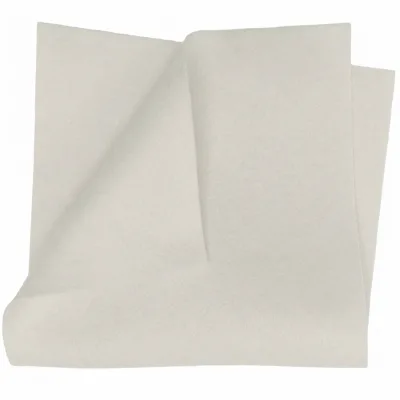

10mm 12mm Thick Felt Standard Natural White 100% Wool Felt Sheet Wool Felt Fabric
$29.0476 - $31.1222
MOQ: 100 kilograms
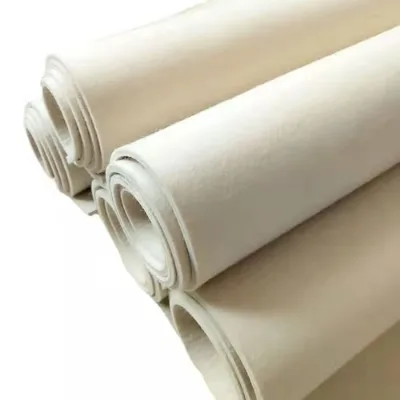
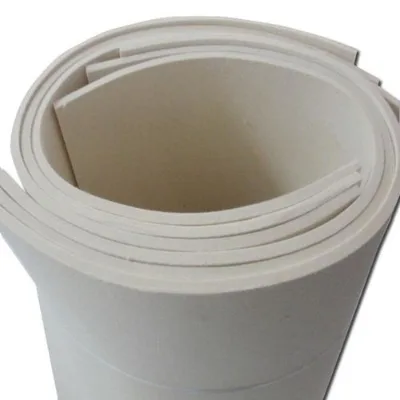
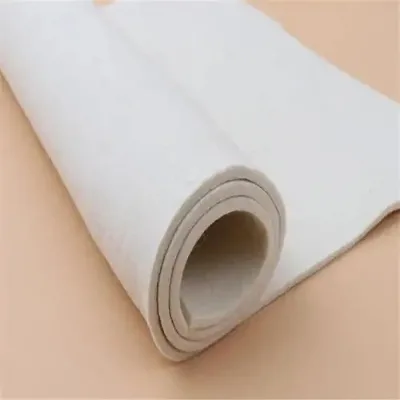
Hot Selling Natural White Pressed 100% Wool Felt for Industry Woven Technics
$22.6349 - $25.7213
MOQ: 200 square


White Industrial Craft Wool Felt Sheets: 100% Pure Wool with Custom Sizes
$2.35 - $2.73
MOQ: 200 Pieces


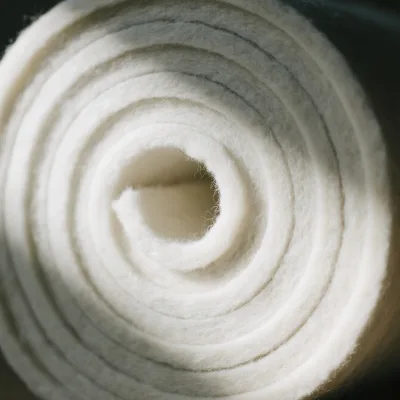
Industrial-Grade 100% Wool Felt Sheets (Pure White) - Custom Sizes for Seasonal DIY Projects
$5.4084 - $6.5251
MOQ: 100 sheets
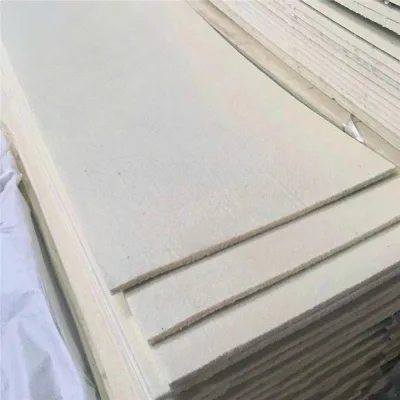
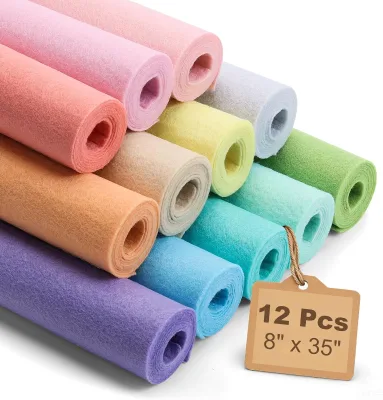
Mix Color Fall Colors Collection Wool Felt Sheets for Crafting, Sewing
$5.3185 - $6.4172
MOQ: 100 square

Comprehensive Sourcing Guide
Pressed White Wool Felt Sheets Sourcing Guide
Sourcing Pressed White Wool Felt Sheets requires a disciplined approach to material verification and supplier qualification. Buyers must distinguish between generic nonwoven descriptions and the specific structural properties of wool-based textiles. The core keyword highlights a product that combines natural fiber characteristics with industrial processing techniques. This guide provides evidence-based procurement strategies to ensure quality, compliance, and commercial viability.
The following sections detail the technical specifications, compliance requirements, and cost drivers associated with this material. Each section is designed to help procurement professionals make informed decisions. By focusing on verified attributes and observable listing signals, buyers can mitigate risks associated with material substitution and performance discrepancies. This structured approach ensures that sourcing efforts align with specific project requirements and quality standards.
Product Scope and Observed Listing Signals
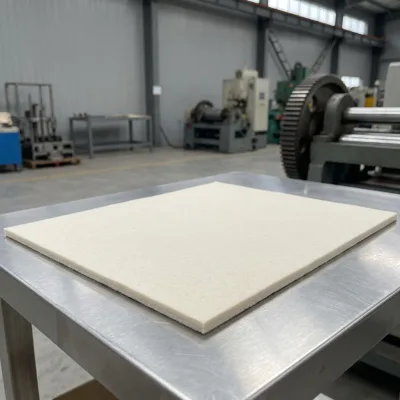
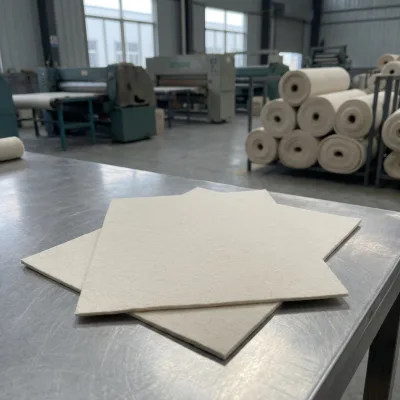
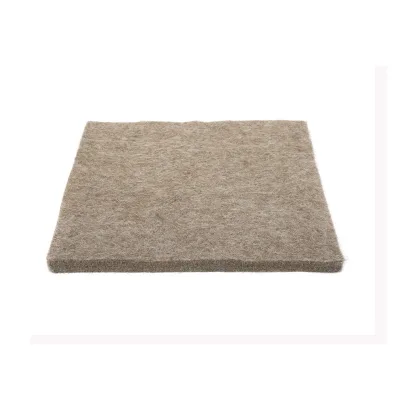
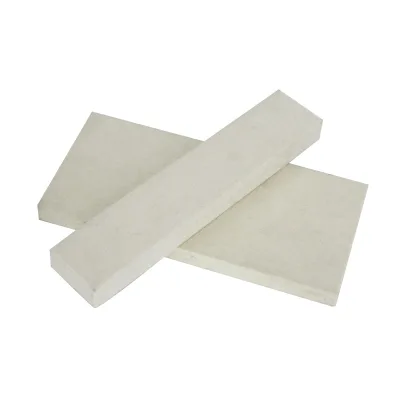
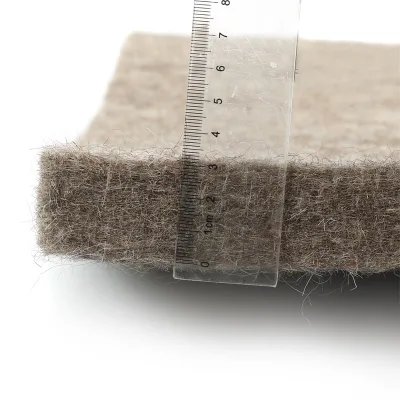
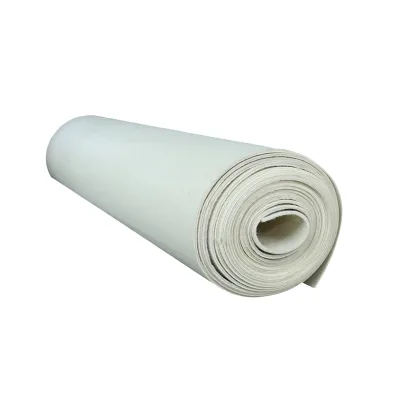
The observed product range includes white wool felt sheets with densities ranging from 0.09 to 0.8 g/cm³ and grammage between 100 and 700 GSM. Listings indicate a width of 58/60 inches or customized dimensions up to 2 meters, with thickness options spanning 0.5 to 100 mm. These variations suggest a versatile material suitable for diverse applications, from home textiles to industrial machinery components. Buyers should verify the specific density and thickness required for their application to ensure compatibility.
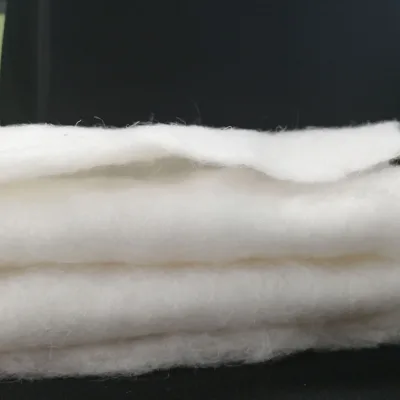
Features commonly associated with these sheets include anti-static properties, heat insulation, and high abrasion resistance. The material is described as having high elasticity and absorbency, with an eco-friendly and recyclable environmental grade. Some listings mention oil-absorbing capabilities and wear-resisting qualities, which are critical for industrial use cases. Procurement teams must confirm these features through sample testing, as observed signals may not reflect batch-to-batch consistency.
Technical Specifications to Verify
Verification of the yarn count and knitted type is essential for understanding the material's structural integrity. Some listings specify a 60S×60S yarn count with weft knitted type, while others describe the product as nonwoven with pressed technics. This discrepancy requires clarification, as the manufacturing process significantly impacts the felt's durability and texture. Buyers should request detailed technical datasheets that specify the exact production method, whether it is pressed nonwoven or a different configuration.
Size specifications vary, with standard options including 1m×1m sheets or customized lengths. The model numbers observed, such as walutz-270 and walutz-760, indicate a range of product variants. Procurement teams must ensure that the selected model meets the required width and length tolerances. Additionally, the structure is described as yarn form, which should be confirmed against the final product's physical characteristics to avoid mismatches in performance expectations.
Compliance and Safety Documentation
Certification status is a critical factor in supplier qualification, with ISO9001 and CE marks observed in some listings. Buyers must verify the current validity of these certifications and ensure they cover the specific product lines being sourced. The presence of RoHS compliance is mentioned in background context, but its applicability to wool felt sheets should be confirmed with the supplier. Documentation should explicitly state the scope of certification to avoid regulatory risks in target markets.
Environmental claims, such as recyclability and eco-friendly status, require supporting evidence. Buyers should request material safety data sheets (MSDS) and environmental compliance reports. These documents provide insight into the chemical treatments and dyes used in the production process. Ensuring that the felt sheets meet relevant safety standards is crucial, especially for applications in medical, musical instrument, or home appliance industries where material purity is paramount.
Cost Drivers and Commercial Terms
The observed price range for Pressed White Wool Felt Sheets is between $0.4 and $31.12 USD, reflecting significant variation in quality, thickness, and quantity. Minimum order quantities (MOQ) typically range from 1 to 1000 square meters, with some listings specifying an MOQ of 1000 sqm. Buyers must align their order volume with supplier MOQs to optimize pricing and avoid excess inventory costs. Understanding the cost structure helps in negotiating favorable terms and managing budget constraints effectively.
Packaging details, such as OPP bags inside and woven bags outside, influence logistics costs and product protection. The single gross weight of 1.000 kg and package size of 30x20x20 cm are useful for calculating shipping expenses. Supply type is often make-to-order, which affects lead times and production scheduling. Procurement teams should factor in these commercial terms when planning inventory levels and delivery schedules to ensure timely receipt of materials.
Supplier Qualification and Quality Control
Supplier origin is primarily identified as Hebei, China, with place of origin listed as China. Buyers should conduct thorough due diligence on suppliers to verify their manufacturing capabilities and quality control processes. Customization services, including OEM production, are available, but buyers must ensure that the supplier has the technical expertise to meet specific design requirements. Quality control checks should include visual inspection, dimensional verification, and performance testing of sample batches.
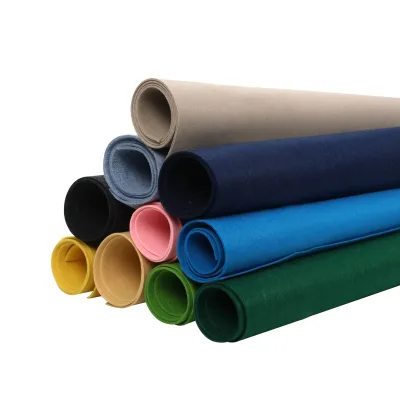
Service offerings such as make-to-order production require clear communication of specifications and expectations. Buyers should establish a robust quality assurance protocol that includes pre-shipment inspections and acceptance criteria. The availability of customization in color, size, and pattern adds flexibility but also increases the complexity of quality control. Maintaining open lines of communication with suppliers helps in resolving issues promptly and ensuring consistent product quality across orders.
Long-Term Procurement Checks
Long-term procurement success depends on continuous monitoring of supplier performance and product consistency. Buyers should establish key performance indicators (KPIs) related to delivery times, defect rates, and customer satisfaction. Regular audits of supplier facilities and quality management systems help in identifying potential risks and areas for improvement. Building a strong relationship with suppliers fosters collaboration and ensures that both parties are aligned on quality and service expectations.
Market trends and regulatory changes may impact the availability and compliance of Pressed White Wool Felt Sheets. Buyers should stay informed about industry developments and adjust their sourcing strategies accordingly. Periodic reviews of supplier contracts and pricing agreements help in maintaining competitive advantage and cost efficiency. By implementing a proactive procurement approach, buyers can mitigate risks and ensure a stable supply of high-quality wool felt sheets for their operations.
FAQs
What are the key features of Pressed White Wool Felt Sheets?
Pressed White Wool Felt Sheets offer anti-static, heat-insulation, and anti-pull properties. They are made from 100% wool with high abrasion resistance and elasticity. The material provides high absorbency and is eco-friendly. These sheets are suitable for home textiles, industrial machinery, and medical instruments, ensuring durability and functional performance in various applications.
What is the available density range for these wool felt products?
The density of Pressed White Wool Felt Sheets ranges from 0.09 to 0.8 grams per cubic centimeter. This wide range allows for customization based on specific application needs. Users can select the appropriate density to achieve desired thickness and firmness levels, ensuring the material meets precise technical requirements for industrial or textile uses.
Can buyers customize the size and packaging of the felt sheets?
Yes, customization is available for size and packaging. The standard size is 1m by 1m, but customized dimensions are supported. Packaging typically involves an OPP bag inside and a woven bag outside. This flexibility ensures that products fit specific logistical needs and storage requirements, making them suitable for diverse global supply chain operations.
What certifications and standards apply to these wool felt sheets?
These wool felt sheets comply with ISO9001 certification standards. The product origin is Hebei, China, and the material is recyclable. While RoHS is mentioned in background context, ISO9001 is the primary documented standard. Buyers should verify specific compliance needs with suppliers, as certifications ensure quality management and environmental responsibility in manufacturing processes.
What is the minimum order quantity for wholesale purchases?
The minimum order quantity is typically 1000 square meters. However, observed listings show MOQs ranging from 1 to 1000 units depending on the supplier. Buyers should confirm exact MOQs with manufacturers, as policies vary. This flexibility allows both large-scale industrial buyers and smaller purchasers to source Pressed White Wool Felt Sheets effectively.
What are the primary uses for industry thick wool felt sheets?
Industry thick wool felt sheets are used in cars, hospitals, industrial machinery, home appliances, medical devices, and musical instruments. They serve as geotextile fabrics and accessories. The material's high elasticity and wear resistance make it ideal for sound insulation, filtration, and padding applications across various sectors requiring durable and flexible wool-based solutions.