Automotive Red Copper Connector Suppliers and Manufacturers
Compare 24 verified Automotive Red Copper Connector suppliers by location, lead time, and response time. Review certifications like ISO 9001 and SGS, then request quotes for copper terminals and battery connectors; review the available evidence before requesting comparable quotations from suitable candidates.
Updated
Suppliers List

Yueqing Maija Electric Co., Ltd.
- Verified by SGS
- Trading Company
- China Zhejiang
- Lead time23 days
- Avg. response≤ 5h
Main productsDistribution Cabinet, Electric Cabinet, Cable Clamp, Bimetal Connector, Tension Clamp, Earthing Rod, Junction Box, Auto Metal Part, Cable Lug, Distribution Box
Main marketsSouth America

Copper Connectors, Sockets, Copper Connection Terminals, Automotive Parts Terminals
$0.86 - $1.50
MOQ: 1 Pieces

Hejian Huiran Auto Parts Co., Ltd.
- Manufacturer, Trading Company
- Hebei, China
- Lead time10 days
- Avg. response≤ 2h
Main productscar Radiator cap,Brake brake repair kit,Battery terminal,Battery stand
Main marketsSoutheast Asia(15.00%), Eastern Asia(15.00%), South Asia(10.00%), Mid East(10.00%), Domestic Market(5.00%), South America(5.00%), Southern Europe(5.00%), Northern Europe(5.00%), Central America(5.00%), Western Europe(5.00%), North America(5.00%), Eastern Europe(5.00%), Oceania(5.00%), Africa(5.00%)

Dongguan Jianchang Hardware Products Co., Ltd.
- Verified by SGS
- Manufacturer/Factory
- China Guangdong
- Lead time15 days
- Avg. response≤ 7h
Main productsPrecision Stamping, Terminal, Hardware Stamping, Sheet Metal Parts, Fuse, Fuse Box, Fuse Holder, Metal Shrapnel, Metal Bracket
Main marketsSouth America,Eastern Europe,North America,Southeast Asia

Wenzhou Mogen Electric Co., Ltd.
- Verified by TUVRHEINLAND
- Combined
- China Zhejiang
- Lead time15 days
- Avg. response≤ 3h
Main productsTerminal Block, Terminals, Insulated Terminals, Cable Ties, Cable Lug, Terminal Ends, Connectors, Wire Joints, Power Fitting, Nylon Cable Ties
Main marketsSoutheast Asia/ Mideast

Shanghai Star Electronic Technology Co., Ltd.
- Verified by SGS
- Combined
- China Shanghai
- Lead time15 days
- Avg. response≤ 5h
Main productsWire Harness, Terminal Block, Connector, Auto Connector, Female Header, Male Header, ISO Harness, Car Connector, Automotive Connector, Cable Assembly
Main marketsSouth America,Southeast Asia/ Mideast,East Asia(Japan/ South Korea),Europe,North America


8 Pin Connector Connector for Electrical Automotive Automotive Industrial
$0.15 - $0.50
MOQ: 100 Pieces

Nissan Connector Electrical Connectors Automotive Wire Connector Power Connector
$0.10 - $1.00
MOQ: 200 Pieces


Wire Connector Nissan Connector Automotive Connector Waterproof Connector
$0.10 - $1.00
MOQ: 200 Pieces
Chongqing Jns Import And Export Co., Ltd.
- Trading Company
- Chongqing, China
- Lead time2 days
- Avg. response≤ 4h
Main productsautomobile steering system,automobile suspension system,cooling system of automobile,Automobile fuel system,Auto Parts
Main marketsSouthern Europe(10.00%), Northern Europe(10.00%), Western Europe(10.00%), Eastern Asia(10.00%), Mid East(10.00%), Africa(10.00%), Southeast Asia(10.00%), Eastern Europe(10.00%), South America(10.00%), North America(10.00%)

Guangzhou City Youye Electronics Co., Ltd
- Combined
- China Guangdong
- Lead time15 days
- Avg. response≤ 3h
Main productsWiring Harness, Connector, Terminals, Auto Wire Harness, Automotive Wire Harness, Cable Assembly, Wire Harness Assmbly, Auto Connector, Custom Cable Assembly, Wire Loom
Main marketsSoutheast Asia/ Mideast

- Verified by TUVRHEINLAND
- Trading Company,Manufacturer/Factory
- China Jiangsu
- Lead time15 days
- Avg. response≤ 25h
Main productsIndustrial Wire Harness, Automotive Wire Harness, Wire Harness, Metal Parts, CNC Machining Parts, Sheet Metal Fabrication, Metal Bracket, Stamping Part, Heat Sink, Turned Part
Xiamen Cavas Import & Export Co., Ltd.
- Trading Company
- Fujian, China
- Lead time7 days
- Avg. response≤ 1h
Main productsSeries Brushless Fan Jumper Harness, 3-Wire Car Pigtail Socket Wiring Harness, GM Dual Cooling Fan Harness, LED Light Bulb Connector Wiring Harness
Main marketsNorthern Europe(40.00%), Southeast Asia(30.00%), Oceania(20.00%), Eastern Asia(10.00%)

SHENZHEN FORMAN PRECISION INDUSTRY CO., LTD.
- Verified by TUVRHEINLAND
- Combined
- China Guangdong
- Lead time15 days
- Avg. response≤ 3h
Main productsAutomotive Connector, Energy Storage Connector, Circular Connector, Fluid Connector, Heavy Duty Connector, E-Motorcycle Connector, Board to Board Connector, Wire to Board Connector, Industrial Machinery Connector, Metal Part & Plastic Part
Main marketsSouth America,Southeast Asia/ Mideast,Europe,North America

Automotive OEM Wire Connectors Automotive Connector Female ECU Auto Connector
$0.01 - $0.50
MOQ: 1000 Pieces

2 Pin Car Connector Socket Automotive ECU Connector Vehicle ECU Connectors
$0.01 - $0.50
MOQ: 1000 Pieces
Jinan Hongjing International Trade Co., Ltd.
- Verified by TüVRheinland
- Trading Company
- Lead time15 days
- Avg. response≤ 2h
Main productsTruck Urea System, ECU, Diesel Nozzle, Engine Wiring Harness, Nitrogen Oxide Sensor
Main marketsSouth America(40%), Southeast Asia(20%), Mid East(10%)
Karve Electronics Enterprise Co., Limited
- Verified by TüVRheinland
- Trading Company
- Lead time15 days
- Avg. response≤ 1h
Main productsCable Assembly, Wire Harness, Power Adapter, Connector, Consumer Electronic Accessories
Main marketsOceania(30%), Southeast Asia(20%), North America(10%)
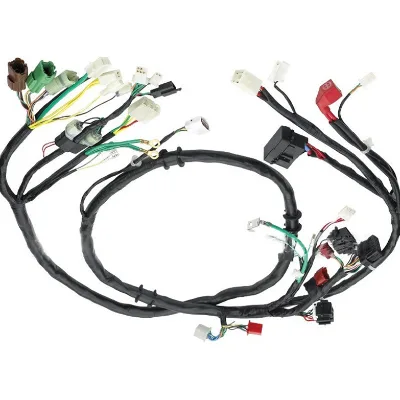
$43.29 - $50.00
MOQ: 1000 Minimum
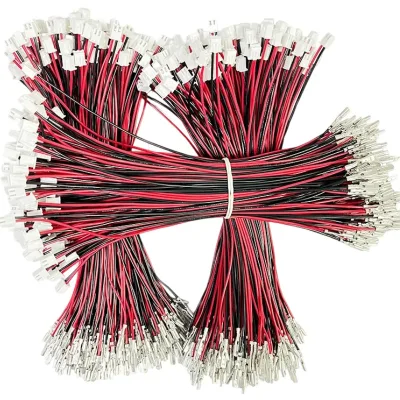
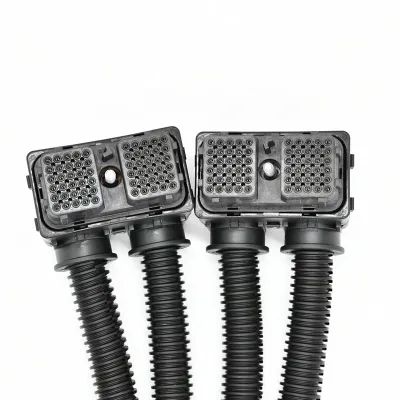
$24.29 - $25.72
MOQ: 100 Minimum
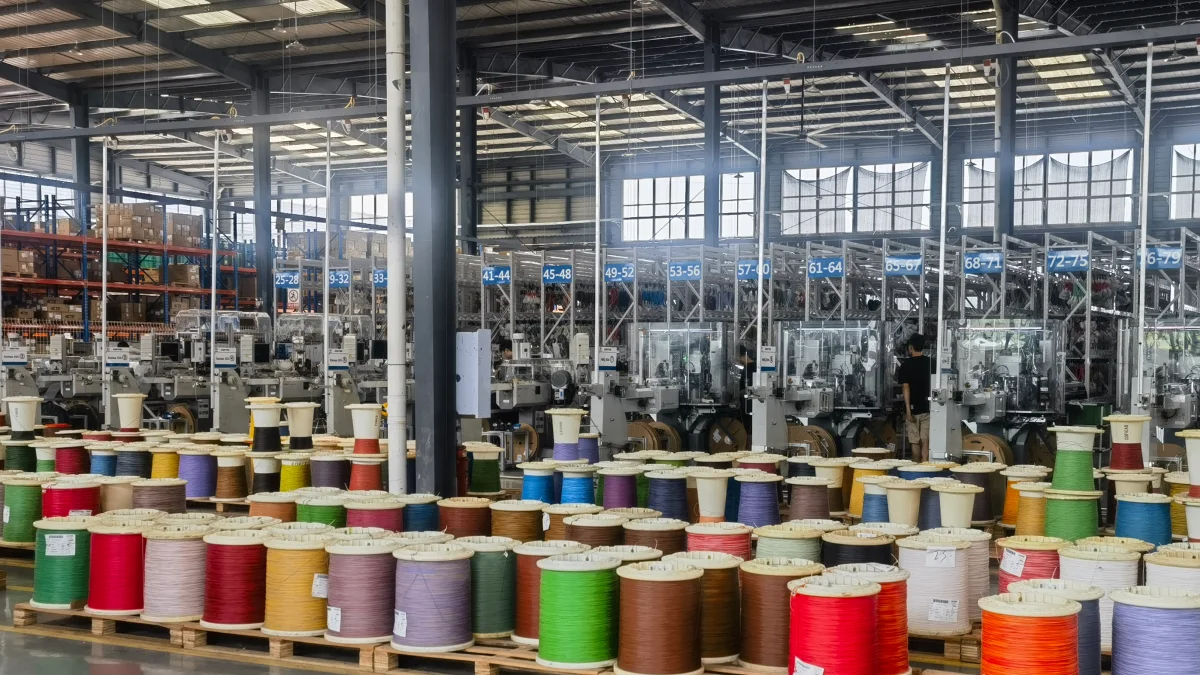
Zhengzhou Bey Electronic Technology Co., Ltd.
- Trading Company
- Henan, China
- Lead time3 days
- Avg. response≤ 4h
Main productsConnector,Termainal,Seal,Wire harness,other auto parts
Main marketsNorth America(20.00%), Northern Europe(16.00%), Eastern Europe(15.00%), Southern Europe(12.00%), Western Europe(9.00%), Central America(6.00%), Africa(5.00%), Southeast Asia(5.00%), South America(5.00%), Mid East(3.00%), Oceania(3.00%), South Asia(0.50%), Eastern Asia(0.50%)

- Verified by BV
- Trading Company,Manufacturer/Factory
- China Zhejiang
- Lead time38 days
- Avg. response≤ 25h
Main productsAuto Connector, Terminal, Wire Harness, Car Modification Parts, Mold Development, Rubber Seals
Main marketsSouth America,Eastern Europe,Mid East,North America,Southeast Asia,Eastern Asia,Oceania,Western Europe,Africa

High-Quality Automotive Wiring Connector for Durable Vehicle Connections
$0.20 - $0.25
MOQ: 500 Pieces

Durable Black 2-Pin Automotive Wiring Connector for Reliable Connections
$0.28 - $0.33
MOQ: 200 Pieces


Efficient 6 Pins Harness Plug Connector for Reliable Automotive Connections
$0.35 - $0.40
MOQ: 200 Pieces

Durable 3-Plug Harness Connector for Reliable Automotive Wiring Solutions
$0.35 - $0.40
MOQ: 200 Pieces

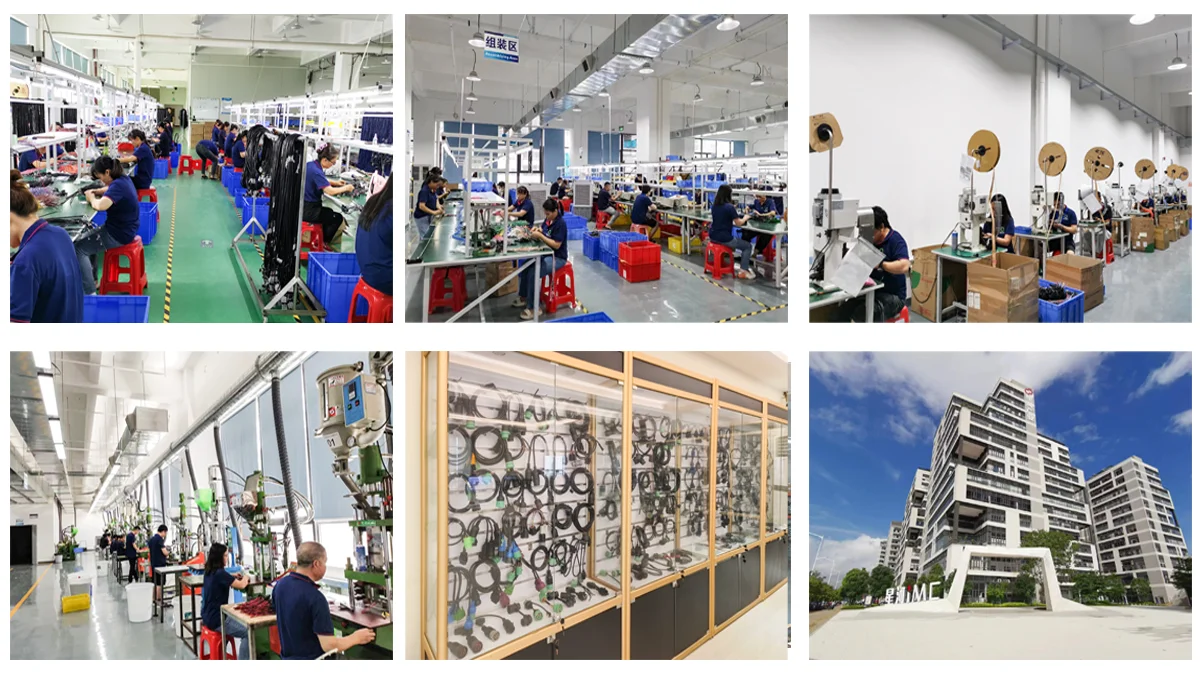
Shenzhen Cactus Electronics Co., Ltd.
- Manufacturer, Trading Company
- Guangdong, China
- Lead time15 days
- Avg. response≤ 6h
Main productsOBD2 Cable/Fleet management harness,Automotive Cables/Automotive Connectors/Antenna Cables,Connectors,Terminals,Electronic components
Main marketsNorth America(50.00%), Eastern Europe(10.00%), Western Europe(8.00%), Domestic Market(5.00%), South America(5.00%), Northern Europe(5.00%), Eastern Asia(5.00%), Southeast Asia(5.00%), South Asia(4.00%), Southern Europe(3.00%)
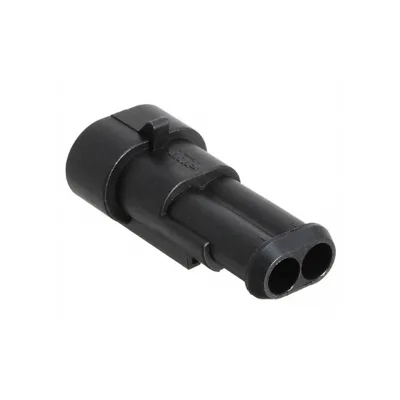
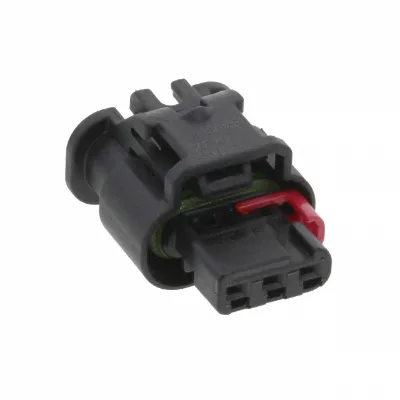
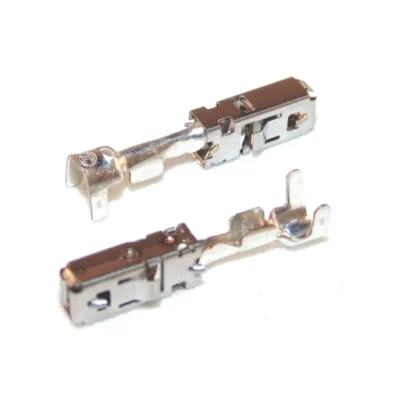
TE Connectivity 282104-1 Automotive AMP SUPERSEAL 1.5 SE Connector with Copper Contacts
$0.46 - $0.55
MOQ: 1500 pieces
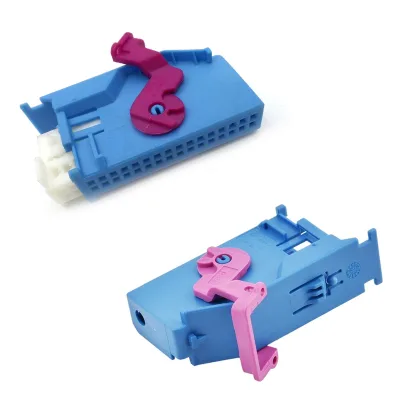
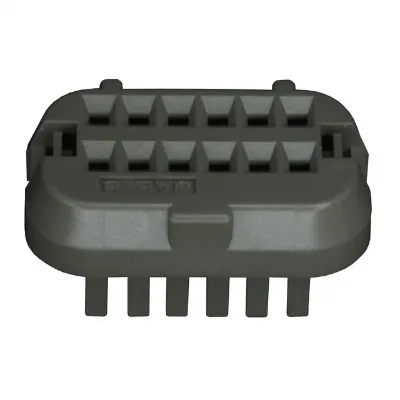
TE 1719057-2 32 Pin Automotive Auto Connector Waterproof with Copper Contacts and Nylon Housing
$0.3927 - $0.4122
MOQ: 500 pieces
Yantai Dongrun Import And Export Co., Ltd.
- Trading Company
- Shandong, China
- Lead time0 days
- Avg. response≤ 3h
Main productswire & cable,data line,adapter,Drone accessories,connector
Main marketsSoutheast Asia(15.00%), North America(15.00%), Mid East(10.00%), Western Europe(10.00%), Eastern Asia(10.00%), South America(10.00%), Eastern Europe(10.00%), Northern Europe(5.00%), Central America(5.00%), Oceania(5.00%), Africa(5.00%)
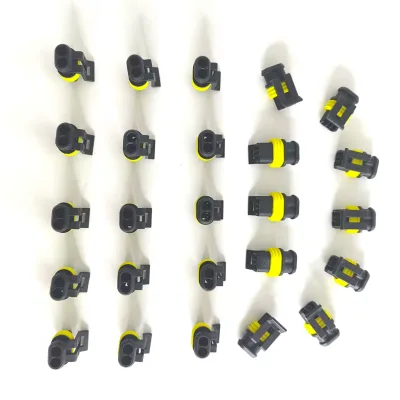
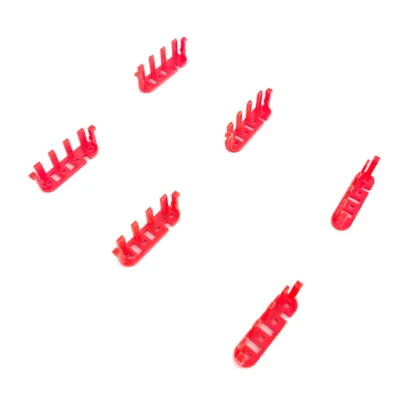
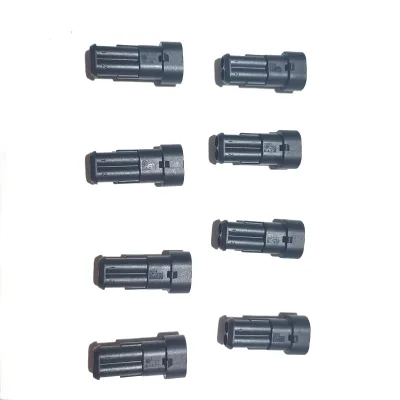
Ultra-Sealed 2-Way 1.5 Series Automotive Wire Connector Electric Waterproof Connectors
$0.2054
MOQ: 100 Minimum
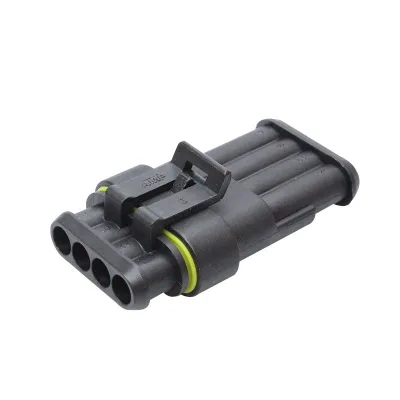
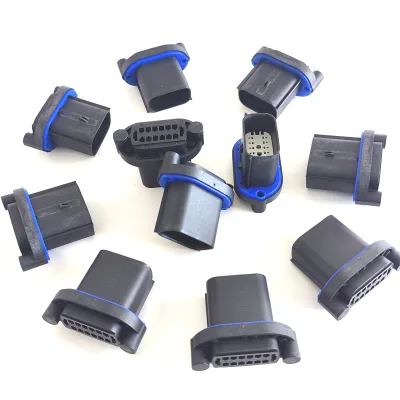
Auto Waterproof Male/Female High Quality Connesctors for Secure Wire Connection
$1.1542 - $2.3175
MOQ: 300 Minimum

Zhejiang Tongsheng Electronic Co., Ltd.
- Combined
- China Zhejiang
- Lead time15 days
- Avg. response≤ 4h
Main productsWire Harness, Auto Connector, Wiring Harness, Automotive Connector, Housing
Main marketsEast Asia(Japan/ South Korea),Europe,North America
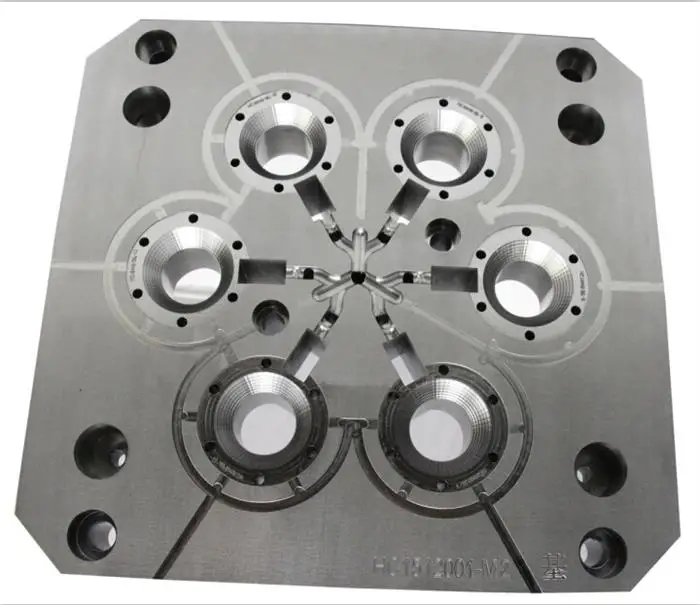
Kunshan Feiya Precision Moulding Co., Ltd.
- Manufacturer, Trading Company
- Jiangsu, China
- Lead time10 days
- Avg. response≤ 4h
Main productsInjection Plastic Product,Stamping Mould,Stamping Products,Injection Plastic Mould,CNC Machining Parts
Main marketsDomestic Market(75.00%), Western Europe(10.00%), North America(5.00%), Eastern Europe(5.00%), Southeast Asia(5.00%)
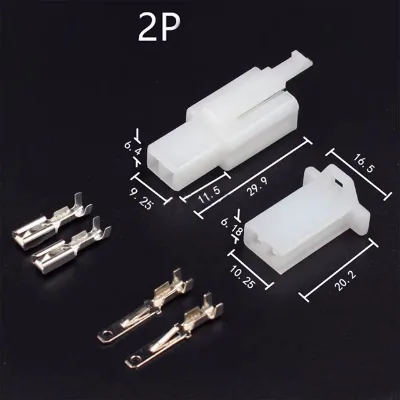
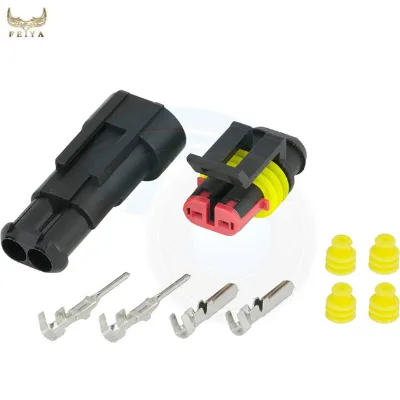
OEM High Quality Waterproof Automotive Connector,2pin Electronic Connector Cable Set
$0.1029 - $1.0298
MOQ: 10 Minimum
Wenzhou LeYi Auto Parts Co., Ltd.
- Verified by TüVRheinland
- Manufacturer, Trading Company
- Lead time0 days
- Avg. response≤ 1h
Main productsAuto Connector, Wire Harness, Needle Seat, Terminal, Electronic Connector
Main marketsDomestic Market(50%), Eastern Asia(20%), North America(10%)
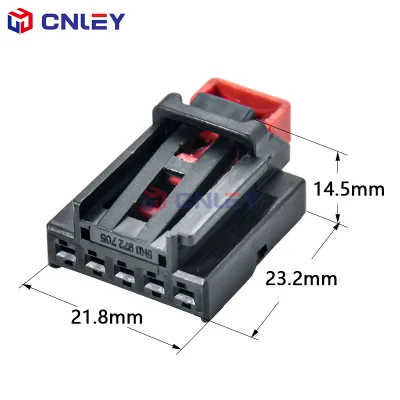
5P Black Auto Connector With Red Secondary Lock
$0.50 - $1.00
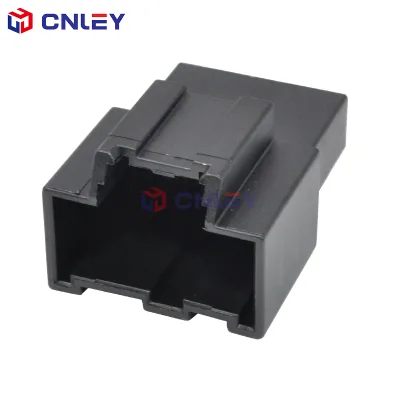
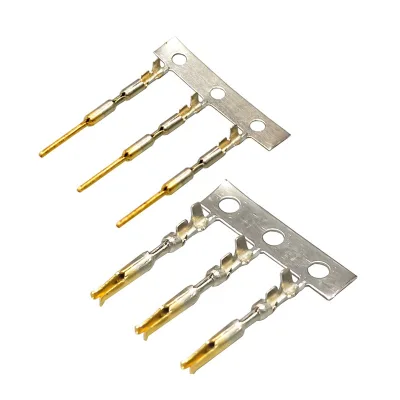
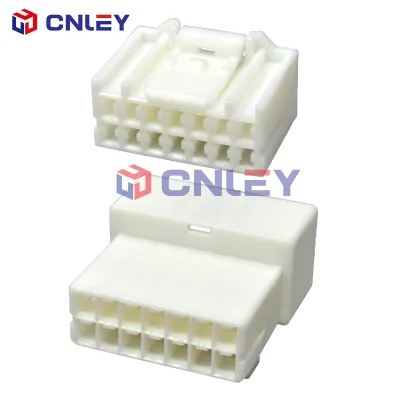
18-Pin Automotive Electrical Wire Connector Auto Adaptor Brass Contacts Housing for Electron
$0.2204 - $0.5666
MOQ: 10 pieces
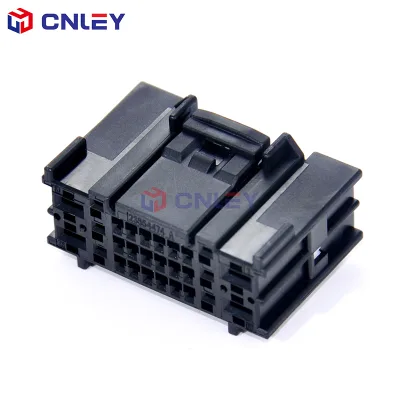
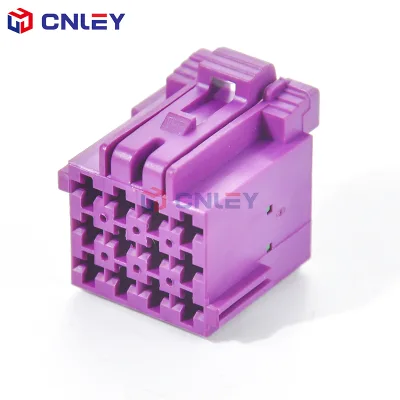
$0.5172 - $0.8784
MOQ: 20 pieces
Shanghai Changyu Electronics Technology Co., Ltd.
- Trading Company
- Shanghai, China
- Lead time5 days
- Avg. response≤ 7h
Main productsConnectors,Semiconductors,Power,wave filter,sensor
Main marketsNorth America(25.00%), Africa(10.00%), Southeast Asia(10.00%), Domestic Market(5.00%), South Asia(5.00%), Southern Europe(5.00%), Northern Europe(5.00%), Central America(5.00%), Western Europe(5.00%), Eastern Asia(5.00%), Mid East(5.00%), Oceania(5.00%), Eastern Europe(5.00%), South America(5.00%)

Yueqing Minyang Electric Co., Ltd.
- Verified by BV
- Trading Company
- China Zhejiang
- Lead time23 days
- Avg. response≤ 12h
Main productsAutomotive Connector, Terminal Block, Wire Harness, PCB Heaer Connector, Housing Connector, Wire Connector, Tyco Connector, Aptiv Connector, Cable Tie, Wire Seal
Main marketsDomestic

SHENZHEN XIANGTIANZHONG TECHNOLOGY CO., LTD.
- Manufacturer/Factory
- China Guangdong
- Lead time23 days
- Avg. response≤ 5h
Main productsUSB C Type Series Cable, USB Series Connector, Wire Harness Cable, HDMI Cable, Displayport Cable
Main marketsSouth America,Eastern Europe,Mid East,North America,Southeast Asia,Eastern Asia,Oceania,Western Europe,Africa
Hebi Chunyi Electric Co., Ltd.
- Manufacturer, Trading Company
- Henan, China
- Lead time0 days
- Avg. response≤ 1h
Main productsFuses Relay Box,terminals&seals,connectors,Wire harness,assembles&tools
Main marketsNorth America(90.00%)
Foshan Lesun Electric Co., Ltd.
- Manufacturer, Trading Company
- Lead time旺季: "1 - 300":15,"301 - 5000":30,"5001 - 10000":40,"> 10000":"To be negotiated", 淡季: "1 - 300":15,"301 - 5000":30,"5001 - 10000":40,"> 10000":"To be negotiated"
- Avg. response≤ 2h
Main productsAutomotive Wire Harness, Cable Assembly, Battery Power Cable, DC Extension Cable, Cable
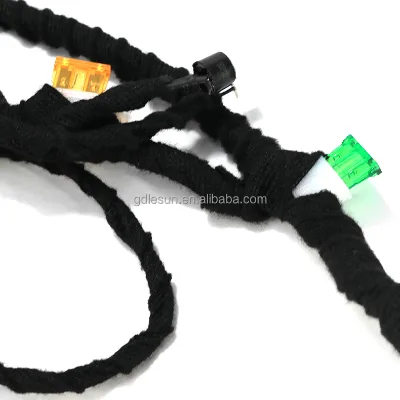
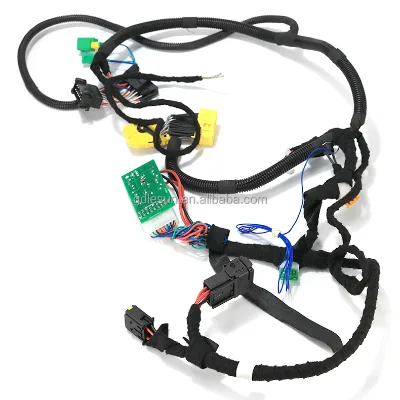
Good Price Car Waterproof Electrical Wire Connector Electrical Wire Cable Car Auto Wire Harness
$4.5345 - $5.1521
MOQ: 300 pieces








Comprehensive Sourcing Guide
Automotive Red Copper Connector Supplier Concentration and Factory Types
Current data indicates a concentration of suppliers in China, specifically within the Zhejiang, Hebei, and Guangdong provinces. In Zhejiang, trading companies dominate the landscape, offering a broad range of electrical equipment including distribution cabinets and cable clamps alongside copper connectors. These entities often bridge the gap between manufacturing and global distribution, providing access to diverse product lines such as bimetal connectors and tension clamps. Hebei-based suppliers frequently operate as a hybrid of manufacturers and trading companies, focusing heavily on automotive-specific components like battery terminals and quick-release clips. This dual role allows them to manage production while handling logistics for international buyers.
Guangdong represents another significant cluster where manufacturer and factory entities are prevalent, specializing in precision stamping and sheet metal parts. These suppliers often possess OEM and ODM capabilities, enabling them to produce custom automotive terminal connectors with specific environmental protection characteristics. The presence of ISO 9001 certification among these Guangdong-based factories suggests a structured approach to quality management within the manufacturing process. Buyers should note that while some suppliers are verified by third parties like SGS or TÜV Rheinland, the specific factory type—whether purely a manufacturer or a combined trading entity—directly influences the customization options and production flexibility available for Automotive Red Copper Connector orders.
How to Verify Automotive Red Copper Connector Suppliers
Verification of supplier credibility relies heavily on checking for specific third-party certifications and verification badges provided in the supplier profile. Some suppliers in the current results display SGS verification, while others hold ISO 9001 or ISO 9001:2015 certificates, and a few are verified by TÜV Rheinland. These credentials serve as critical indicators of a supplier's adherence to international quality standards and their commitment to maintaining consistent production processes. Buyers must confirm that these certifications are current and relevant to the specific automotive components being sourced, rather than assuming general business registration implies product quality. The presence of a verification badge should be the first step in validating a supplier's operational legitimacy before proceeding to deeper technical assessments.
Beyond static certifications, response time and lead time data offer dynamic insights into a supplier's operational efficiency and reliability. Response times vary significantly across the supplier pool, with some entities responding within two hours while others take nearly seven hours to reply to inquiries. Similarly, lead times for production range from ten days to twenty-three days, depending on the complexity of the order and the specific factory capacity. A supplier with a rapid response time and a shorter lead time may indicate a more agile production line capable of handling urgent automotive orders. However, buyers should verify that these metrics are consistent over time and not merely temporary spikes, ensuring that the supplier can maintain these performance levels throughout the duration of a large-scale contract.
What to Compare Across Automotive Red Copper Connector Suppliers
When evaluating potential partners, buyers should prioritize comparing minimum order quantities (MOQ) and pricing structures to ensure alignment with their procurement strategy. The data shows a wide variance in MOQ requirements, ranging from as low as one unit for certain terminal products to 1,800 units for specific stamped connectors. Pricing also fluctuates based on material specifications and order volume, with some copper connectors listed between 0.20 and 1.50 units of currency, while others are priced between 0.86 and 1.10. Understanding these thresholds is essential for budgeting, as a supplier with a low unit price might impose an MOQ that is too high for a pilot run, whereas a supplier with a low MOQ might have a higher per-unit cost that impacts overall margins.
Material composition and customization capabilities are equally critical dimensions for comparison when selecting a supplier for automotive red copper connectors. While many suppliers list copper as the primary material, some also offer brass or iron options, and surface finishing can vary from brass plating to gold plating. Customization availability is a key differentiator, with some suppliers explicitly stating that customization is available for shape, type, and production processes like welding. Buyers must verify if the supplier can accommodate specific requirements such as single-hole terminals, socket terminals, or rectangular shapes. Additionally, the production process details, such as whether the product is welded or stamped, should be matched against the buyer's technical specifications to ensure the final component meets the necessary electrical and mechanical standards for automotive applications.
Common Automotive Red Copper Connector Sourcing Risks
One significant risk in sourcing automotive red copper connectors involves the discrepancy between product descriptions and actual manufacturing capabilities. Some suppliers list a wide array of main products, including distribution cabinets and battery stands, which may indicate a lack of specialized focus on high-precision automotive terminals. This broad product range can sometimes lead to inconsistencies in quality control or a lack of deep expertise in the specific metallurgy required for reliable copper connections. Buyers must be cautious of suppliers who claim to be manufacturers but primarily operate as trading companies, as this may result in a lack of direct oversight over the production process and potential delays in resolving technical issues that arise during manufacturing.
Another critical risk is the variability in packaging and shipping standards, which can affect the integrity of the connectors during transit. Product attributes indicate that packing methods range from inner boxes and cartons to neutral packing or OPP bags, depending on the supplier and product size. Inconsistent packaging can lead to damage, particularly for delicate components like crimp terminals or insulated connectors that require protection from environmental factors. Furthermore, the lack of standardized production processes across different suppliers means that a buyer might receive components with varying degrees of high-temperature resistance or environmental protection. Without clear verification of these specific attributes, there is a risk of receiving products that do not meet the rigorous demands of the automotive industry, potentially leading to field failures or safety hazards.
Automotive Red Copper Connector Regional Sourcing and Logistics
Sourcing from China offers distinct logistical advantages due to the established manufacturing clusters in Zhejiang, Hebei, and Guangdong. These regions provide a dense network of suppliers specializing in electrical equipment and automotive parts, facilitating efficient supply chain integration. The proximity of raw material sources and specialized factories in these provinces often results in shorter lead times, with some suppliers capable of delivering within ten to fifteen days. However, buyers must account for the specific location of the factory, as Hebei-based suppliers may have different shipping routes compared to those in Guangdong, impacting transit times and freight costs. Understanding the geographic distribution of suppliers helps in planning logistics more effectively and anticipating potential delays associated with regional infrastructure or seasonal variations.
Logistics planning also requires careful consideration of the supplier's location relative to major shipping ports and their experience with international trade. Suppliers in Guangdong, for instance, often have direct access to major ports, which can streamline the export process for large orders. In contrast, suppliers in Hebei or Zhejiang might require additional inland transportation to reach the nearest port, potentially adding time and cost to the overall delivery schedule. Buyers should verify the specific place of origin listed for each product, as this information is crucial for calculating accurate shipping costs and estimating delivery timelines. Additionally, the supplier's ability to handle different packing requirements, such as neutral packing or custom cartons, plays a vital role in ensuring that the goods arrive safely and are ready for immediate integration into the buyer's production line.
Automotive Red Copper Connector Commercial Terms and Order Planning
Commercial terms for automotive red copper connectors often include specific requirements regarding customization, material specifications, and production processes. Many suppliers offer customization options, allowing buyers to tailor the shape, type, and surface finishing of the connectors to meet precise automotive standards. However, these customizations may come with higher minimum order quantities, such as 200 pairs or 500 units, which buyers must factor into their order planning. Understanding the relationship between customization and MOQ is essential for balancing cost efficiency with the need for specific product features. Buyers should also verify the production process details, such as welding or stamping, to ensure that the manufacturing method aligns with their quality expectations and technical requirements.
Order planning must also account for the supplier's response time and lead time to ensure timely delivery and project alignment. With response times ranging from two hours to nearly seven hours, communication efficiency can significantly impact the speed of order confirmation and issue resolution. Lead times, which vary from ten to twenty-three days, further influence the overall timeline for receiving the connectors. Buyers should plan their orders well in advance, considering these variables to avoid production bottlenecks. Additionally, the availability of escrow services and the supplier's verification status should be evaluated to mitigate financial risks. By carefully analyzing these commercial terms and planning accordingly, buyers can secure a reliable supply chain for their Automotive Red Copper Connector needs while maintaining control over costs and delivery schedules.
FAQs
What is the price range for automotive copper connectors?
Prices for copper connectors typically range from $0.01 to $1.50 per unit depending on specifications. Some high-quality automotive terminals are priced between $0.86 and $1.50, while basic stamped parts can be as low as $0.01. Buyers should verify exact costs based on order volume and customization needs.
What are the minimum order quantities for these connectors?
Minimum order quantities vary significantly by supplier and product type. Some manufacturers accept orders as low as one piece, while others require 200 pairs or 500 units. Specific automotive battery terminals often have an MOQ of 200 pairs, whereas standard cable lugs may start at 1800 units.
How long does production take for copper connectors?
Lead times generally range from 10 to 23 days for standard orders. Suppliers in Hebei often report a 10-day lead time, while those in Zhejiang may take up to 23 days. Guangdong manufacturers typically require around 15 days. Expedited options may be available for urgent requirements.
Where are these copper connectors manufactured?
Manufacturing locations primarily include Zhejiang, Hebei, and Guangdong provinces in China. Suppliers in Zhejiang focus on distribution cabinets and cable lugs, while Hebei manufacturers specialize in automotive battery terminals. Guangdong factories often produce precision stamped terminals and fuse box components for various electrical applications.
Are these suppliers verified for quality assurance?
Yes, several suppliers hold recognized verification certifications. Some are verified by SGS, while others possess ISO 9001 or ISO 9001:2015 system certifications. Additional verification includes TÜV Rheinland certification for specific manufacturers. Buyers should check individual supplier profiles for current certification status and audit results.
What materials are used in these connectors?
Connectors are primarily made from copper, brass, or iron with various plating options. Common materials include pure copper for high conductivity and brass for durability. Some terminals feature brass or gold plating for corrosion resistance. The core material ensures efficient electricity transmission and high-temperature resistance for automotive applications.