eco-friendly anti-slip kids socks Suppliers and Manufacturers
Find 27 verified suppliers offering eco-friendly anti-slip kids socks with customizable designs and varying lead times. Compare locations, certifications, and response times to source the right partner for your needs today; review the available evidence before requesting comparable quotations from suitable candidates.
Updated
Suppliers List

Nantong Bi'antong Textile Fabrics Trade Co., Ltd.
- Verified by SGS
- Trading Company
- China Jiangsu
- Lead time0 days
- Avg. response≤ 24h
Main productsCotton Socks, Hat, Scarf, Blanket, Knee Pad, Cap, Underwear, Wash Accessories, Fabric, Tool Bag


Negotiable
Haining Huming Knitting Factory
- Manufacturer, Trading Company
- Zhejiang, China
- Lead time35 days
- Avg. response≤ 4h
Main productsrunning socks,printing socks,ski socks,merino wool socks,sports socks
Main marketsNorth America(70.00%), Eastern Asia(28.00%), Domestic Market(2.00%)

Zhuji Dongling Knitting & Textile Co., Ltd.
- Combined
- China Zhejiang
- Lead time30 days
- Avg. response≤ 9h
Main productsSocks, Man Socks, Lady Socks, Sport Socks, Baby & Kids Socks, Tights, Wristband, Non-Slip Socks, Mobile Phone Pouch, Hiking Socks
Main marketsAfrica,Europe,North America

- Verified by CTI
- Trading Company
- China Anhui
- Lead time23 days
- Avg. response≤ 2h
Main productsFurniture, Home Furniture
Main marketsSoutheast Asia/ Mideast
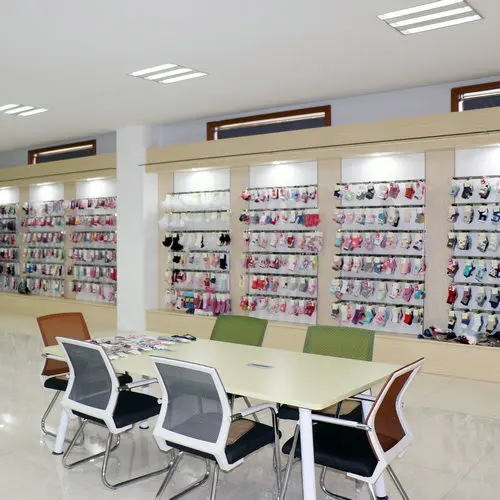
- Manufacturer, Trading Company
- Zhejiang, China
- Lead time15 days
- Avg. response≤ 2h
Main productssocks,women socks,men socks,wholesale socks,custom socks
Main marketsNorth America(38.00%), Western Europe(14.00%), Northern Europe(11.00%), Eastern Europe(8.00%), Eastern Asia(6.00%), South America(5.00%), Southern Europe(4.00%), Southeast Asia(4.00%), Central America(3.00%), South Asia(3.00%), Domestic Market(1.00%), Oceania(1.00%), Africa(1.00%), Mid East(1.00%)
Huzhou Zhili Jingcheng Apparel Co., Ltd.
- Verified by Intertek
- Manufacturer, Trading Company
- Lead time0 days
- Avg. response≤ 6h
Main productsKid Clothes, Apparel Accessory, Baby Supplies, Kids Shoes
Main marketsMid East(45%), Africa(30%), North America(15%)
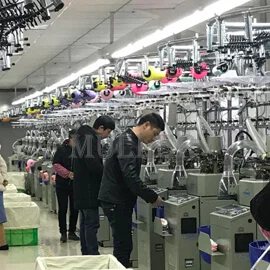
Nanjing Muller Textile Co., Ltd.
- Manufacturer, Trading Company
- Jiangsu, China
- Lead time30 days
- Avg. response≤ 2h
Main productsBaby Socks & Legwear,Dress & Work Socks,Indoor Socks & Booties,Outdoor & Sport Socks,Women's Hosiery
Main marketsSouth America(30.00%), North America(30.00%), Northern Europe(10.00%), Eastern Europe(10.00%), Southern Europe(5.00%), Central America(5.00%), Western Europe(5.00%), Southeast Asia(3.00%), South Asia(2.00%)

Foshan Youyan Clothing Co., Ltd.
- Combined
- China Guangdong
- Lead time30 days
- Avg. response≤ 7h
Main productsHeadband, Scrunchies, Hair Tie, Hair Clip, Hairband
Main marketsSouth America,Africa,Southeast Asia/ Mideast,East Asia(Japan/ South Korea),Domestic,Europe,Australia,North America

- Verified by CTI
- Combined
- China Zhejiang
- Lead time30 days
- Avg. response≤ 2h
Main productsCottton Sock, Crew Sock, Kids Sock, Adult Sock, Men Sock, Sports Sock, Pilates Sock, Football Sock, Ankle Sock
Main marketsEurope,Australia,North America


Wholesale Boys and Girls Cartoon Children Crew Sock 100% Cotton Kids Sock Anti-Slip Baby Socks
$0.49 - $1.95
MOQ: 100 Pairs


Custom Children Breathable Cotton Sports Crew Socks Unisex Anti Slip Football Stockings
$0.49 - $1.95
MOQ: 100 Pairs

High Quality Comfortable Soft Non-Slip Cotton Sock Crew Baby Sock Kids Socks
$0.49 - $1.95
MOQ: 100 Pairs

Summer Thin Breathable Cute Custom Anti Slip Cotton Unisex Kids Ankle Socks
$0.49 - $1.95
MOQ: 100 Pairs

- Verified by CTI
- Trading Company
- China Zhejiang
- Lead time30 days
- Avg. response≤ 5h
Main productsSocks, Men Socks, Sports Socks, Cotton Socks, Custom Socks, Women Socks, Merino Wool Socks, Grip Socks, Bamboo Socks, Pilates Socks
Main marketsSoutheast Asia/ Mideast
Hangzhou Xianghui International Trading Co., Ltd.
- Verified by SGS Group
- Trading Company
- Lead time30 days
- Avg. response≤ 7h
Main productsSocks, Sports Bag, Shopping Bag
Main marketsNorth America(35%), Western Europe(18%), Oceania(15%)
- Manufacturer
- Zhejiang, China
- Lead time20 days
- Avg. response≤ 2h
Main productsSocks, Men's Socks, Women's Socks, Children's Socks, Sport Scoks
Main marketsWestern Europe(50.00%), Eastern Asia(35.00%), North America(10.00%), Domestic Market(5.00%)

Shanghai Jspeed Industry Co., Ltd.
- Verified by BV
- Trading Company
- China Shanghai
- Lead time60 days
- Avg. response≤ 7h
Main productsMen/Women Swimwear, Underwear, Bra, Socks, Men/Women Pants, Men/Women Jackets, Dress, Sportwear, Skirt, Shirt
Main marketsEurope

- Manufacturer, Trading Company
- Zhejiang, China
- Lead time7 days
- Avg. response≤ 7h
Main productsSOCKS,custom socks,sport socks,cotton socks,baby socks
Main marketsNorth America(20.00%), Central America(10.00%), Northern Europe(10.00%), Eastern Europe(8.00%), Western Europe(8.00%), Oceania(7.00%), Southern Europe(7.00%), South America(5.00%), Southeast Asia(5.00%), Mid East(5.00%), South Asia(5.00%), Domestic Market(5.00%), Eastern Asia(3.00%), Africa(2.00%)
Shanghai Lingxia Trading Co., Ltd.
- Trading Company
- Shanghai, China
- Lead time20 days
- Avg. response≤ 24h
Main productsCotton Socks,Nylon Socks,Sport socks,Ankle sleeve,Polyester socks
Main marketsNorth America(80.00%), Western Europe(10.00%), Oceania(10.00%)
- Verified by SGS Group
- Manufacturer, Trading Company
- Lead time7 days
- Avg. response≤ 3h
Main productsSocks
Main marketsNorth America(18%), Central America(13%), Eastern Europe(11%)
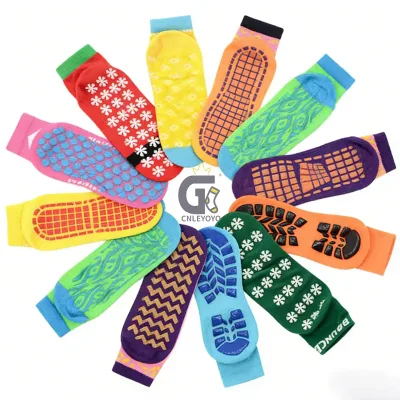
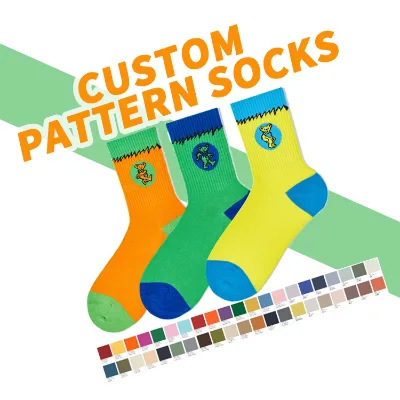
New Arrival ECO Skin Friendly Combed Cotton Kids Socks Size logo Pattern Custom Print Socks Supplier
$0.8724 - $2.2365
MOQ: 50 pairs

Sungnan Import & Export Co., Ltd.
- Verified by TUVRHEINLAND
- Combined
- China Zhejiang
- Lead time30 days
- Avg. response≤ 6h
Main productsScarf, Socks, China Scarf, Leggings, Hats, Bags, Gloves
Main marketsNorth America


$0.29 - $0.40
MOQ: 1000 Pairs


Hot Sales Kids Non Slip Skid Socks Grips Sticky Slippery Cotton Crew Socks
$0.79 - $1.06
MOQ: 500 Pairs
Haining Annasky Clothing Co., Ltd.
- Verified by SGS Group
- Manufacturer, Trading Company
- Lead time30 days
- Avg. response≤ 5h
Main productsSocks, Clothing
Main marketsNorth America(50%), Western Europe(30%), Domestic Market(10%)
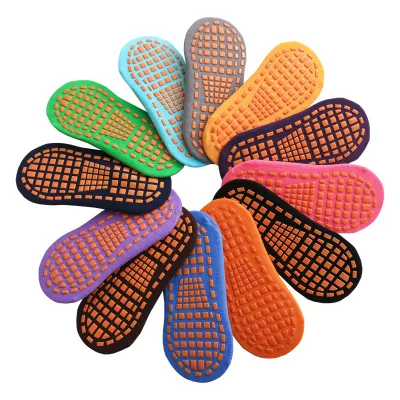
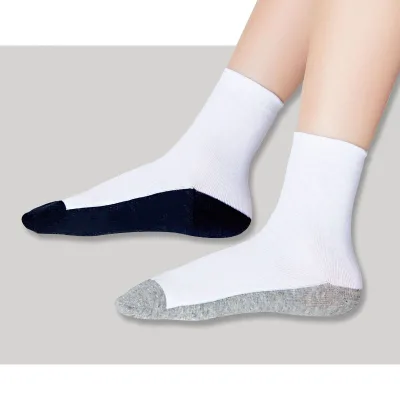
Spring Autumn White Kids Socks With Black Bottom Sport Cotton Crew Student Socks
$0.50 - $0.95
MOQ: 12
- Verified by SGS Group
- Manufacturer, Trading Company
- Lead time35 days
- Avg. response≤ 2h
Main productsSport Socks and Cotton Socks, Wrist Band, Pilates socks, Gym Socks, Gift Socks
Main marketsNorth America(33%), Western Europe(15%), South America(10%)
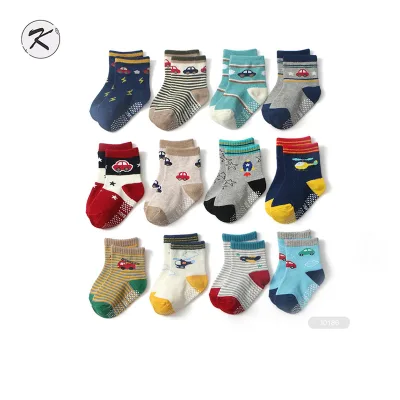
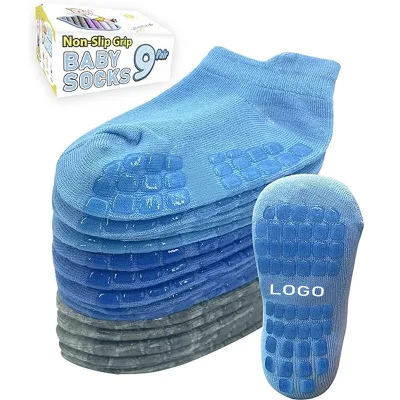
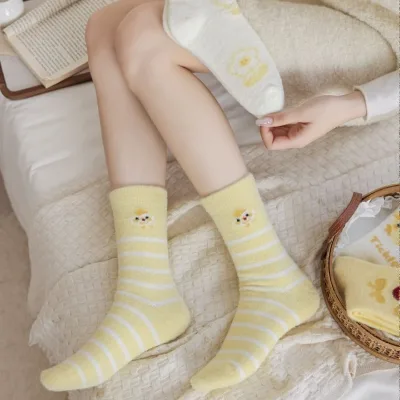
Custom Cute Children's Socks, Comfortable and Soft High-quality Children's Socks
$0.5112 - $1.9772
MOQ: 100 pairs
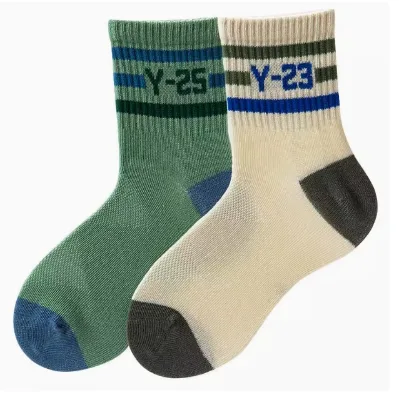
$0.5112 - $1.9802
MOQ: 50 pairs
Yiwu Donghong Knitting Co., Ltd.
- Manufacturer, Trading Company
- Zhejiang, China
- Lead time28 days
- Avg. response≤ 15h
Main productsTrading Company,Manufacturer,Custom socks,Low cut socks,Ankle socks
Main marketsNorth America(32.50%), South America(21.70%), Eastern Europe(12.80%), Southeast Asia(8.50%), Africa(6.40%), Oceania(6.20%), Mid East(4.60%), Eastern Asia(4.20%), Western Europe(3.10%)
Hangzhou Fishjumping Industry Co., Ltd.
- Verified by Intertek
- Manufacturer, Trading Company
- Lead time30 days
- Avg. response≤ 3h
Main productsSports Socks, Compression Socks, Yoga Pants, Tights, Pantyhose
Main marketsNorth America(65%), Eastern Europe(14%), Eastern Asia(6%)

Jingjiang Pingdong Import & Export Co., Ltd.
- Verified by TUVRHEINLAND
- Trading Company
- China Jiangsu
- Lead time30 days
- Avg. response≤ 20h
Main productsSock
Main marketsEurope,North America
Zhuji Fontenay Knitting Co., Ltd.
- Verified by Intertek
- Manufacturer, Trading Company
- Lead time5 days
- Avg. response≤ 2h
Main productsSocks
Main marketsNorth America(60%), Western Europe(10%), Eastern Asia(8%)

- Verified by TUVRHEINLAND
- Trading Company,Manufacturer/Factory
- China Chongqing
- Lead time38 days
- Avg. response≤ 5h
Main productsBaseball Cap, Beanie Hat, Trucker Hat, Bucket Hat, Snapback Hat, Scarf, Gloves, Apron, Sock, T Shirt&Polo Shirt
Main marketsSouth America,Eastern Europe,Mid East,North America,Southeast Asia,Eastern Asia,Oceania,Western Europe,Africa
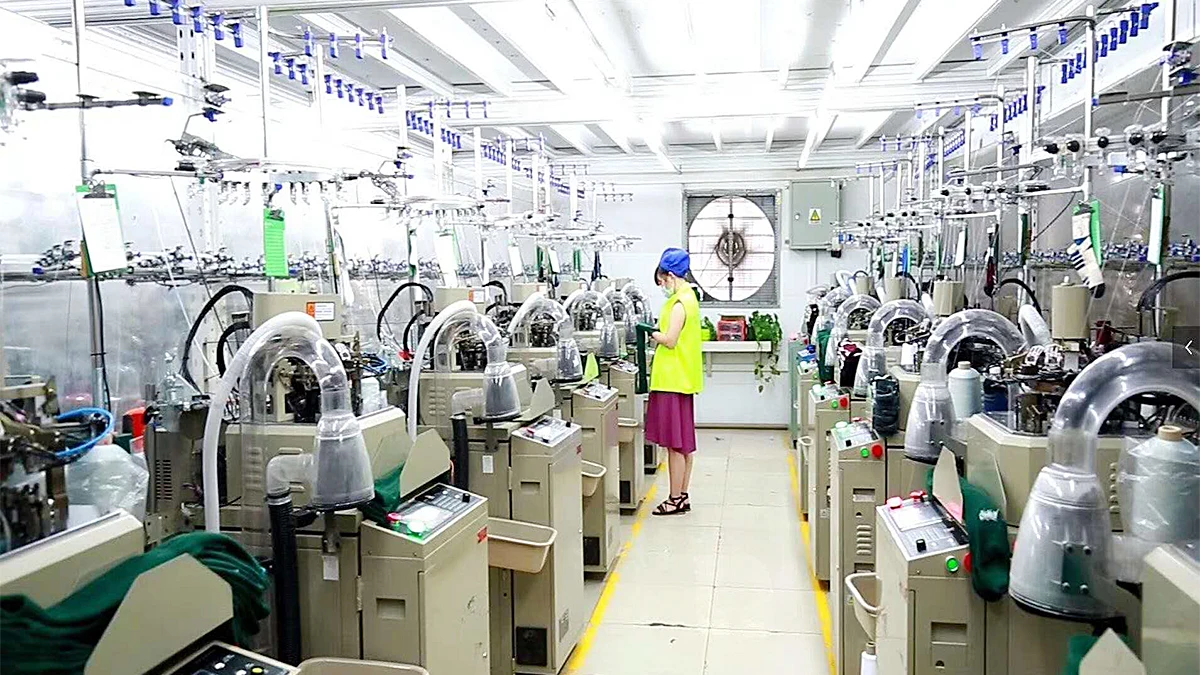
NANHAI JIXINGFENG KNIT FACTORY
- Manufacturer, Trading Company
- Guangdong, China
- Lead time15 days
- Avg. response≤ 11h
Main productsSocks,Hats,Gloves,Scarves
Main marketsDomestic Market(60.00%), North America(20.00%), Southern Europe(5.00%), Western Europe(5.00%), Northern Europe(2.00%), Eastern Europe(2.00%), South Asia(1.00%), Oceania(1.00%), Eastern Asia(1.00%), Mid East(1.00%), Central America(1.00%), South America(1.00%)
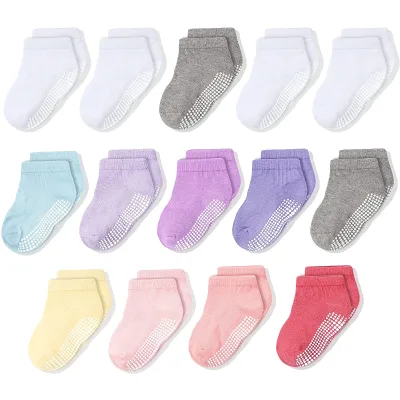
$0.4662 - $0.4977
MOQ: 500 pairs
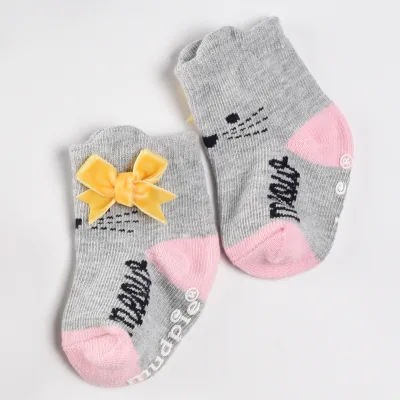
Infant Anti-slip Socks for Baby Girl 0 to 12 Months
$0.40 - $0.50
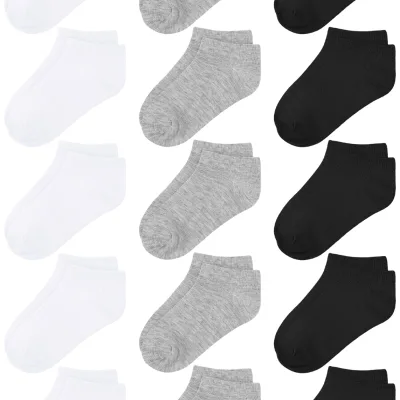
Jiaxing Mingzhi Textile Co., Ltd..
- Verified by Intertek
- Manufacturer, Trading Company
- Lead time15 days
- Avg. response≤ 3h
Main productsMen's Socks, Socks & Hosiery, Women's Hosiery, Children Socks, Sports Socks
Main marketsNorth America(60%), South America(15%), Eastern Europe(5%)
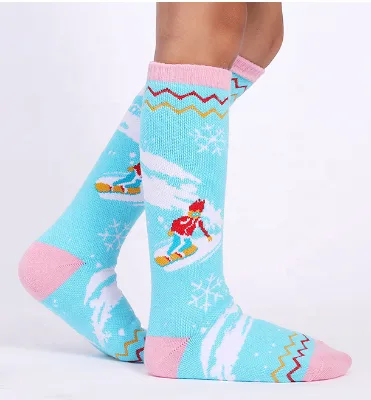
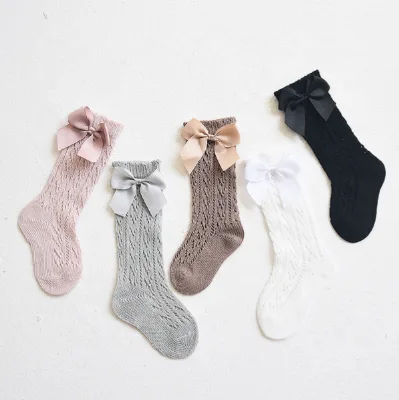
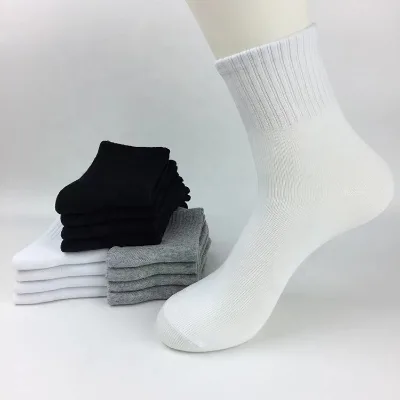
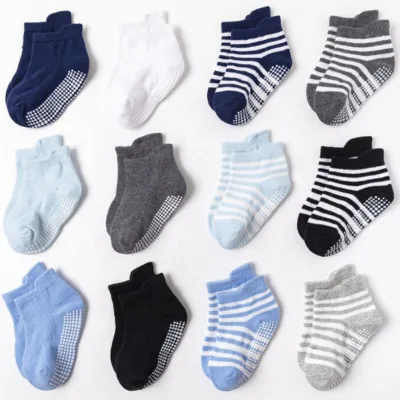
$0.6491 - $1.0298
MOQ: 6 pairs
- Verified by Intertek
- Manufacturer, Trading Company
- Lead time15 days
- Avg. response≤ 1h
Main productsSocks
Main marketsDomestic Market(30%), Eastern Europe(20%), Mid East(20%)


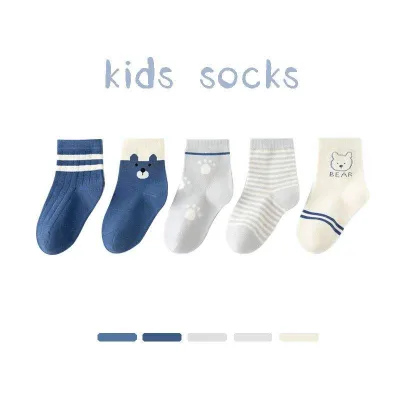
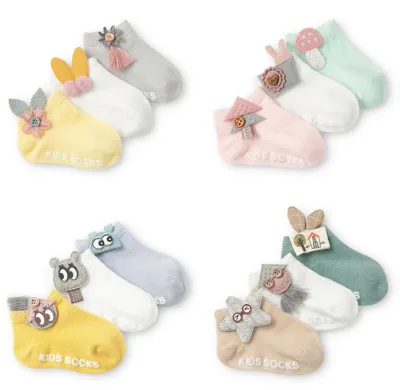
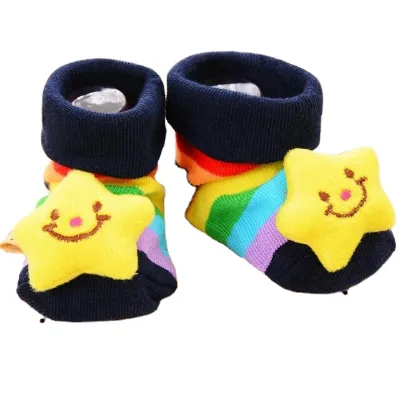
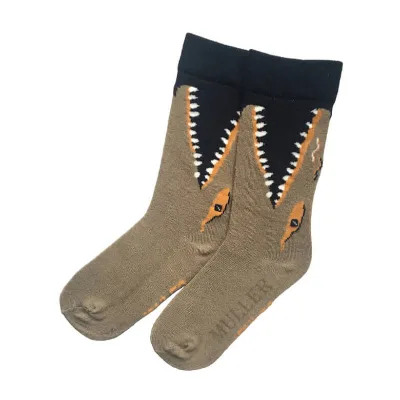


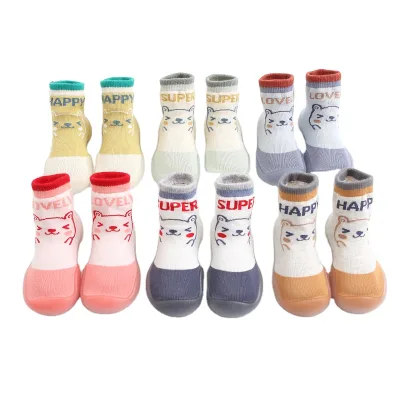
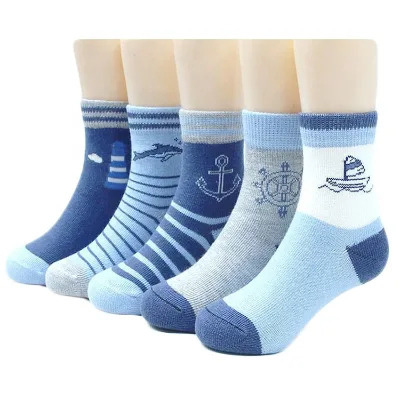
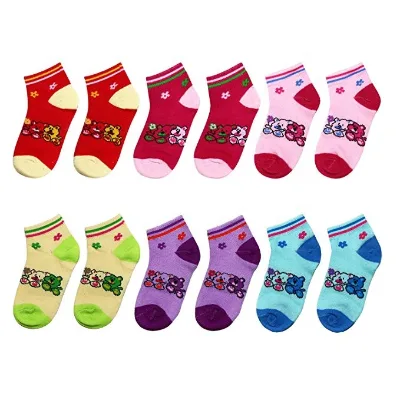
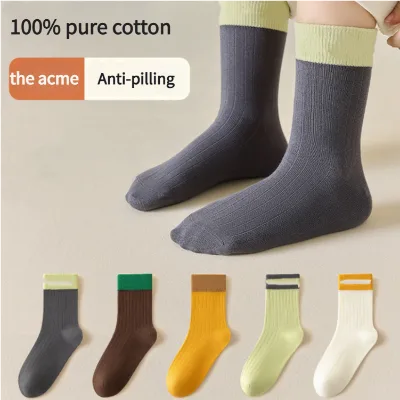


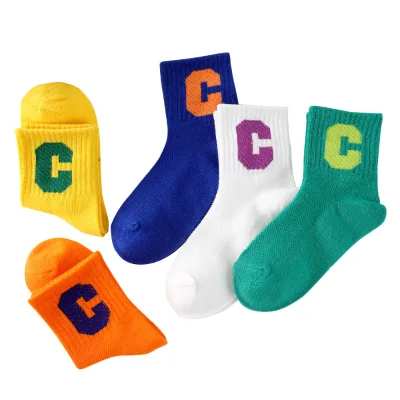
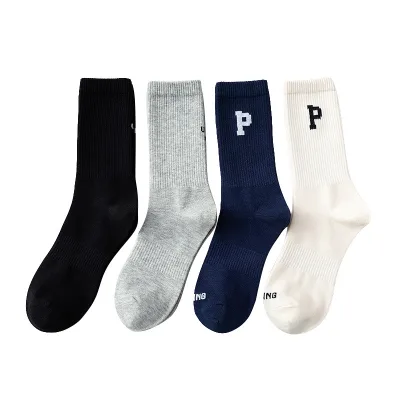


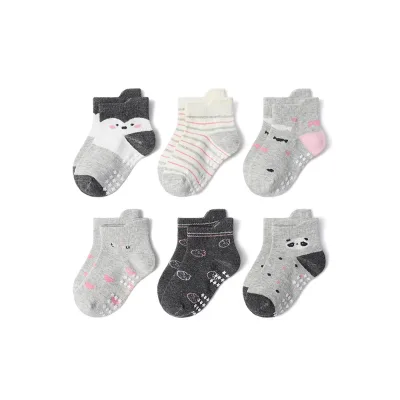
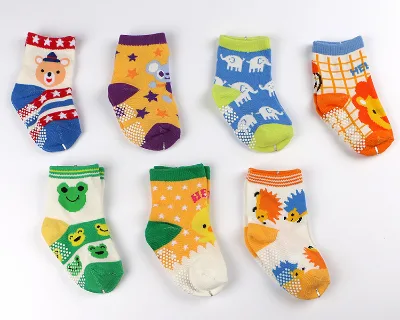
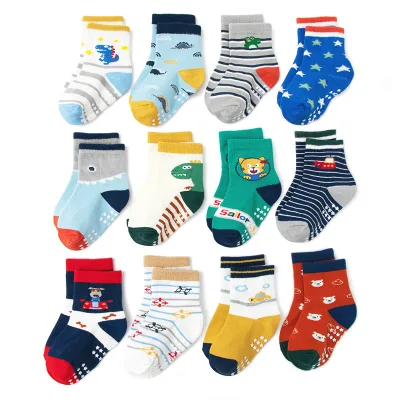


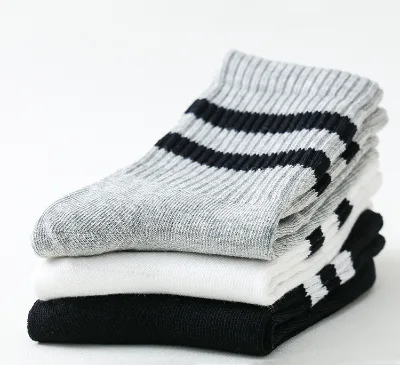
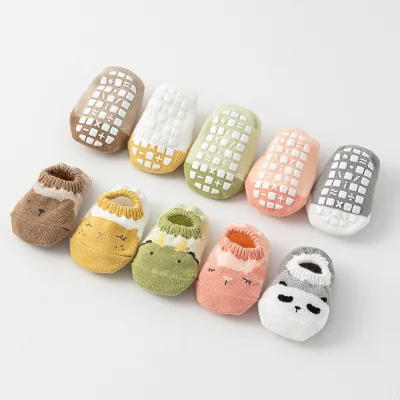
Comprehensive Sourcing Guide
Eco-Friendly Anti-Slip Kids Socks Supplier Concentration and Factory Types
Buyers sourcing eco-friendly anti-slip kids socks will find that supplier listings in this category cluster heavily around two Chinese provinces, Jiangsu and Zhejiang, which appear repeatedly as listed locations in current supplier results. Zhejiang entries tend to describe themselves as manufacturers or combined manufacturer-and-trading companies, with main product lines covering running socks, printing socks, ski socks, merino wool socks, sports socks, baby and kids socks, tights, wristbands, and non-slip socks. Jiangsu entries in these results are more often trading companies whose catalogues span cotton socks, hats, scarves, blankets, knee pads, caps, underwear, wash accessories, fabric, and tool bags, meaning socks sit alongside many unrelated goods.
This distinction matters when you assess eco-friendly anti-slip kids socks suppliers. A dedicated Zhejiang-style knitting manufacturer will usually control its own machines, dyeing inputs, and anti-slip printing processes, which supports tighter control over materials and grip durability. A Jiangsu-style trading company may instead consolidate output from several factories, which can widen your material options but adds a layer between you and the production floor. Neither structure is automatically better; what matters for this product is whether the entity you contract with can document yarn sourcing, grip-coating application, and children's-product handling. Because listings change, always re-check whether a listed company type is manufacturer, trading company, or combined, and treat that label as a starting question rather than a verified capability.
How to Verify Eco-Friendly Anti-Slip Kids Socks Suppliers
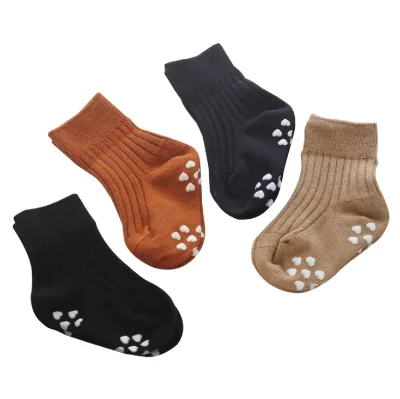
Verification for eco-friendly anti-slip kids socks should start with the credentials actually displayed on supplier listings, because these results show real variation. At least one Jiangsu-based listing carries ISO 9001 system certification and SGS verification, while other listings display no such badges at all, so you cannot assume every supplier in this category is third-party verified. When a badge is absent, ask the supplier directly for evidence of quality management and any eco-material documentation relevant to children's hosiery, and treat unverifiable verbal claims as unconfirmed. Product listings themselves provide useful verification signals: several entries state needle detection is performed, heat-transfer printing is used, and seven-day sample order lead time is supported.
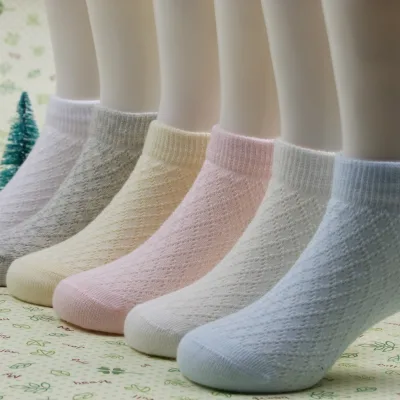
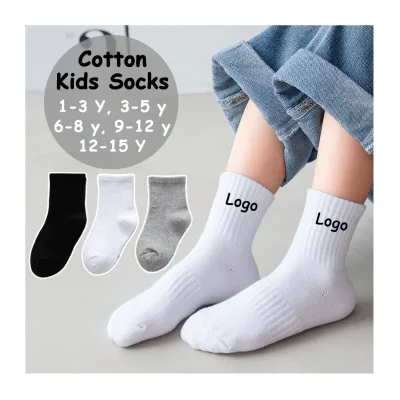
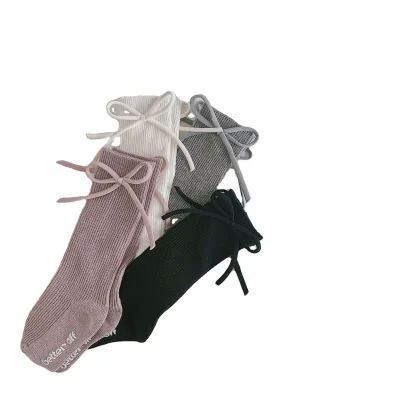
Go beyond badges by testing responsiveness and transparency. Listed response times in these results range from around four hours to roughly twenty-three hours, a spread you can validate yourself by timing a technical question about grip application or cotton composition. Request the sample products advertised, such as anti-slip baby socks or cartoon-pattern children's socks, and inspect sole grip texture, seam construction, and fibre content against what the listing claims. Product attributes shown in the results, including knitted weaving method, breathable and elastic features, and OEM service supply type, should be confirmed on the physical sample. Keep a written record of every claim, because discrepancies between listing text and the sample are your earliest and cheapest warning before any deposit is paid.
What to Compare Across Eco-Friendly Anti-Slip Kids Socks Suppliers
Comparison should be built on the dimensions actually visible in supplier results, starting with lead time. One Zhejiang entry lists a thirty-five-day lead time and supports seven-day sample orders, while a Jiangsu trading listing shows a lead time recorded as zero, which likely means no published figure rather than instant production. Response time is another concrete divider: roughly four hours versus twenty-three hours in these results, which affects how quickly grip-spec questions or artwork revisions get answered. Minimum order quantities also differ sharply, with displayed MOQs of 100 pairs on one listing and 2,000 pairs on another, so match MOQ to your launch scale.
Price bands and product scope complete the comparison. Listed unit prices in this category span from about $0.50–$0.53 for basic child's socks to roughly $1.00, $1.60, and $2.17 for other anti-slip and kids styles, so quote against comparable constructions rather than the cheapest headline figure. Company type is a structural differentiator: manufacturer-and-trading combinations in Zhejiang list deep sock-specific catalogues, while Jiangsu trading companies list diversified products including cotton socks, blankets, and tool bags. Also compare customization support, which multiple listings mark as available, with design accepted according to your artwork or samples. Not every supplier displays every attribute, so where a field is blank, ask for the value directly and score suppliers on both their published data and their willingness to fill gaps.
Common Eco-Friendly Anti-Slip Kids Socks Sourcing Risks
The most common risk in this category is treating eco-friendliness as a confirmed property when listings prove otherwise. The product attributes displayed in current results describe features such as breathable, anti-slip, anti-bacterial, soft, and elastic, and materials such as cotton, but no listing in these results documents an eco-certification for yarn or dyes. If a supplier markets a sock as eco-friendly without documented material sourcing, you may receive conventional cotton with standard chemical finishes. Since these are children's products, unverified fibre and coating claims are a compliance risk, not just a quality one, so demand written material declarations before sampling converts into bulk.
Operational risks are equally concrete. A trading company with a broad non-sock catalogue may be brokering production from an unnamed mill, which complicates responsibility when grip soles peel after washing. A lead-time field showing zero or missing values can hide seasonal capacity crunches; compare that with the published thirty-five-day lead time elsewhere to understand what a realistic window looks like. Low MOQs such as 100 pairs may reflect stock designs rather than true make-to-order capability, while MOQs of 2,000 pairs per style, matching the packing note of 120 pairs per export carton, signal genuine production runs. Finally, heat-transfer printing, the method several listings declare, can wear differently from woven-in grips, so test wash durability on samples before committing, and never rely on a single unverified supplier claim.
Eco-Friendly Anti-Slip Kids Socks Regional Sourcing and Logistics
The regional picture supplied by these results is specific and usable. Jiangsu and Zhejiang both appear as listed origins, and Zhejiang listings explicitly state place of origin for individual products, with one baby-sock listing naming Zhejiang, China and another naming China generally. Zhejiang's supplier profile, covering sports socks, baby and kids socks, and non-slip socks as main products, suggests a knitting-industrial base suited to this category, while Jiangsu's trading-company profile suggests consolidation and export handling. For logistics, note the packing declaration on one product: 120 pairs in one export carton, which lets you estimate carton counts, container fill, and freight cost per dozen before negotiating.
Use this geography to plan rather than to assume. When only "China" is listed as origin, ask which factory city production actually occurs in, because that determines trucking distance to port and inspection access. Lead-time data also interacts with region: the thirty-five-day figure attached to a Zhejiang manufacturer gives a benchmark for made-to-order cycles, while sample lead times of seven days, where supported, let you schedule air-freighted samples separately from sea-freighted bulk. For children's socks, plan inbound QC at the factory before consolidation, since grip placement and size grading are hard to inspect after cartonization. Confirm carton dimensions, gross weight, and whether mixed sizes can pack into the same export carton, then align that packing plan with your destination-country labelling requirements before the first bulk booking.
Eco-Friendly Anti-Slip Kids Socks Commercial Terms and Order Planning
Commercial planning for eco-friendly anti-slip kids socks should anchor on the numbers suppliers actually publish, then negotiate around them. Price evidence in these results ranges from $0.50–$0.53 per pair for a basic child's anti-slip sock up to approximately $1.00, $1.60, and $2.17 for other styles, illustrating how construction, size, and design complexity drive cost. MOQ evidence ranges from 100 to 2,000 pairs, and one listing's 2,000-pair MOQ aligns neatly with its 120-pairs-per-carton packing, so build your first order in whole carton multiples to simplify inspection and freight. Ask each supplier to quote the same specification—cotton-rich knit, heat-transfer or comparable grip method, size set, and packing—so bids are genuinely comparable.
Order sequencing matters as much as price. Where a listing supports seven-day sample orders, use that window to test grip durability and sizing across the stated size ranges before releasing bulk, and confirm whether sample fees credit against the bulk invoice. Clarify customization terms explicitly: several listings state customization is available with design accepted according to your artwork or samples, but you should confirm who owns the artwork, whether grip patterns incur tooling costs, and how colour availability is handled. For payments and escrow, the current results show no escrow arrangements, so raise the topic directly and choose a protection mechanism you can document. Finally, reconcile the supplier's lead-time quote—whether thirty-five days or unpublished—with your retail calendar, and lock production slots in writing at deposit.
FAQs
What is the price range for eco-friendly anti-slip kids socks?
Prices for these socks typically range from $0.50 to $2.17 per pair depending on material and customization. Basic cotton options start near $0.50, while specialized knitted styles with heat-transfer printing cost around $2.00. Buyers should verify exact pricing based on order volume and specific design requirements before finalizing procurement.
What is the minimum order quantity for these socks?
Minimum order quantities vary significantly by supplier and product type. Some manufacturers require a minimum of 2000 pairs for standard bulk orders, while others accept smaller quantities starting at just 100 pairs. Buyers must check specific product listings to confirm the exact MOQ applicable to their desired style and customization level.
How long does production take for custom orders?
Production lead times depend on the supplier's location and current capacity. Some manufacturers in Zhejiang report a lead time of 35 days for bulk production. Sample orders can often be prepared within 7 days. Buyers should confirm specific timelines with suppliers to ensure alignment with their inventory planning and delivery schedules.
Are these socks suitable for babies and young children?
Yes, many suppliers offer specific designs for babies and children. Products include anti-slip features for infants and breathable cotton materials for toddlers. Options range from ankle styles to middle-height stockings. Buyers can find items tailored for specific age groups, ensuring comfort and safety for young wearers through specialized design and material choices.
What certifications do these suppliers hold?
Several suppliers hold ISO 9001 system certification, indicating adherence to quality management standards. Additionally, some suppliers undergo SGS verification for product reliability. Buyers should request specific certification documents to ensure compliance with international safety and quality standards, particularly for children's apparel and accessories requiring strict regulatory oversight.
Can I customize the design and color of these socks?
Customization is widely available for most sock products. Suppliers typically allow designs according to your artwork or samples, with color options available to match your brand. Features like heat-transfer printing support detailed patterns. Buyers should confirm customization capabilities and any associated costs or minimum order requirements directly with the supplier before placing orders.