moisture wicking low-cut sports socks Suppliers and Manufacturers
Compare 31 verified suppliers offering moisture wicking low-cut sports socks with ISO 9001, GRS, and Oeko-Tex 100 certifications. Review response times, lead times, and MOQs to source custom athletic socks from Zhejiang factories; review the available evidence before requesting comparable quotations from suitable candidates.
Updated
Suppliers List
- Verified by SGS Group
- Trading Company
- Lead time35 days
- Avg. response≤ 2h
Main productsSocks, Legging
Main marketsNorth America(25%), Western Europe(13%), Eastern Europe(10%)

Sungnan Import & Export Co., Ltd.
- Verified by TUVRHEINLAND
- Combined
- China Zhejiang
- Lead time30 days
- Avg. response≤ 6h
Main productsScarf, Socks, China Scarf, Leggings, Hats, Bags, Gloves
Main marketsNorth America

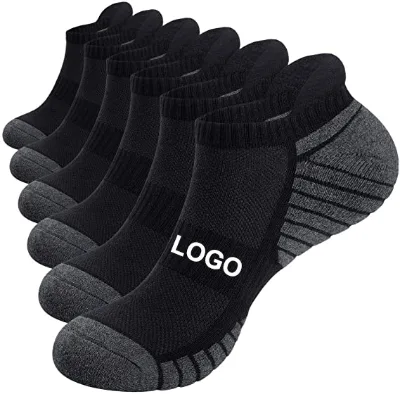
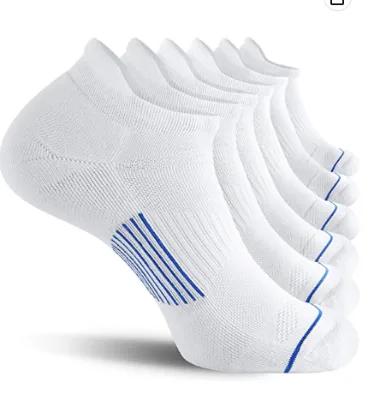
Ankle Socks Compression Running Moisture Wicking Socks Low Cut Athletic Cushioned
$0.45 - $0.59
MOQ: 500 Pairs


Zhuji Daling Import And Export Co., Ltd.
- Verified by Intertek
- Manufacturer, Trading Company
- Lead time20 days
- Avg. response≤ 3h
Main productsSocks
Main marketsNorth America(66%), South America(6%), Eastern Europe(6%)

Nantong Bi'antong Textile Fabrics Trade Co., Ltd.
- Verified by SGS
- Trading Company
- China Jiangsu
- Lead time0 days
- Avg. response≤ 24h
Main productsCotton Socks, Hat, Scarf, Blanket, Knee Pad, Cap, Underwear, Wash Accessories, Fabric, Tool Bag

- Verified by CTI
- Trading Company
- China Zhejiang
- Lead time30 days
- Avg. response≤ 5h
Main productsSocks, Men Socks, Sports Socks, Cotton Socks, Custom Socks, Women Socks, Merino Wool Socks, Grip Socks, Bamboo Socks, Pilates Socks
Main marketsSoutheast Asia/ Mideast


Custom Low Cut Breathable Men Running Sports Cushioned Athletes Socks Ankle Training
$1.56 - $1.85
MOQ: 200 Pairs

Custom Design Socks Low Cut Sport Socks Custom Logo Polyester Breathable Men Socks
$1.02 - $2.16
MOQ: 200 Pairs

$0.60 - $2.45
MOQ: 200 Pairs
Yiwu Long Glory Imp. & Exp. Co., Ltd.
- Trading Company
- Zhejiang, China
- Lead time25 days
- Avg. response≤ 3h
Main productssocks,shoes
Main marketsNorthern Europe(30.00%), North America(30.00%), Mid East(20.00%), Central America(5.00%), South America(5.00%), Oceania(5.00%), Africa(3.00%), Domestic Market(2.00%)

Sichuan Chenhai International Trade Co., Ltd.
- Trading Company
- China Sichuan
- Lead time0 days
- Avg. response≤ 4h
Main productsSocks, Lingerie

Comfort Cushioned Moisture Wicking Men Athletic Running Socks Ankle Socks
$0.90 - $2.30
MOQ: 1500 Pairs

Men 10A Antibacterial Cotton Ankle Socks Breathable Moisture Wicking Casual Short Sports Socks
$1.20 - $3.50
MOQ: 1000 Pairs

Yiwu Longge Accessories Limited
- Trading Company
- Zhejiang, China
- Lead time5 days
- Avg. response≤ 5h
Main productssocks,men socks,custom socks,Sunglasses,Hats
Main marketsSouth America(30.00%), North America(20.00%), Western Europe(15.00%), Mid East(5.00%), Oceania(5.00%), Southeast Asia(5.00%), Eastern Europe(5.00%), Africa(3.00%), Domestic Market(2.00%), Eastern Asia(2.00%), South Asia(2.00%), Southern Europe(2.00%), Northern Europe(2.00%), Central America(2.00%)

YANCHENG HAPPYNESS IMP. AND EXP. CO. LTD
- Verified by SGS
- Trading Company
- China Jiangsu
- Lead time15 days
- Avg. response≤ 4h
Main productsCustom Slides Slippers, Custom Indoor Slippers, Custom Socks, Custom Caps, Custom Clothing, Custom Rainboots, Custom Winter Boots, Custom Shoes, Custom Slippers, Custom Flipflops
Main marketsSouth America,Africa,Southeast Asia/ Mideast,East Asia(Japan/ South Korea),Domestic,Europe,Australia,North America


Breathable Soft Customized Pattern Short Sweat-Absorbent Sporty Athletic Socks
$1.50 - $2.50
MOQ: 2 Pairs


Foshan Qixiang Textile Co., Ltd
- Verified by TUVRHEINLAND
- Combined
- China Guangdong
- Lead time15 days
- Avg. response≤ 8h
Main productsSocks
Main marketsDomestic


Casual Athletic Sports Socks Breathable Moisture Wicking Daily Sports Socks
$1.35 - $1.64
MOQ: 1 Pairs

Moisture Wicking Sports Socks Quick Dry Anti Odor Breathable Fitness Socks
$0.80 - $2.00
MOQ: 50 Pairs

Quick Dry Sports Socks Mesh Breathable Moisture Wicking Anti Sweat Athletic Socks
$0.80 - $2.00
MOQ: 50 Pairs

Yiwu Donghong Knitting Co., Ltd.
- Manufacturer, Trading Company
- Lead time旺季: "1 - 50":7,"51 - 300":10,"301 - 3000":12,"> 3000":"To be negotiated", 淡季: "1 - 50":7,"51 - 300":10,"301 - 3000":12,"> 3000":"To be negotiated"
- Avg. response≤ 11h
Main productsSocks, Shin Pads

Zhuji Dongling Knitting & Textile Co., Ltd.
- Combined
- China Zhejiang
- Lead time30 days
- Avg. response≤ 9h
Main productsSocks, Man Socks, Lady Socks, Sport Socks, Baby & Kids Socks, Tights, Wristband, Non-Slip Socks, Mobile Phone Pouch, Hiking Socks
Main marketsAfrica,Europe,North America
- Verified by TüVRheinland
- Manufacturer, Trading Company
- Lead time20 days
- Avg. response≤ 2h
Main productsBamboo Socks, Compression Socks, Soccer Socks, Wool Socks, Children Socks
Main marketsNorth America(25%), Northern Europe(25%), Western Europe(20%)
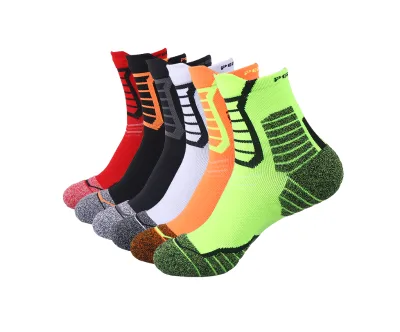
Custom Logo Women's Sports Socks Low Price Moisture Wicking Breathability Hiking Socks
$0.7225 - $1.2367
MOQ: 20 pairs
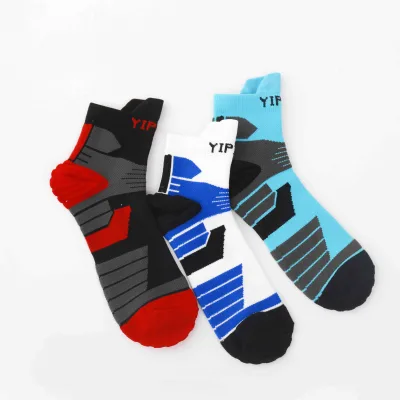
Wholesale Nylon Mesh Women's Sports Socks High Quality Moisture Wicking Hiking Socks
$0.7225 - $1.2367
MOQ: 20 pairs
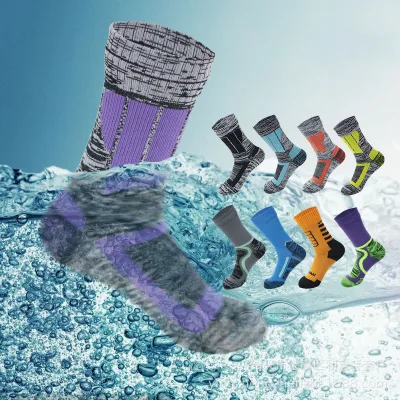
Foshan Nanhai Fengxiang Knit Factory
- Verified by Intertek
- Manufacturer, Trading Company
- Lead time0 days
- Avg. response≤ 2h
Main productsSocks
Main marketsDomestic Market(65%), North America(15%), Eastern Europe(10%)
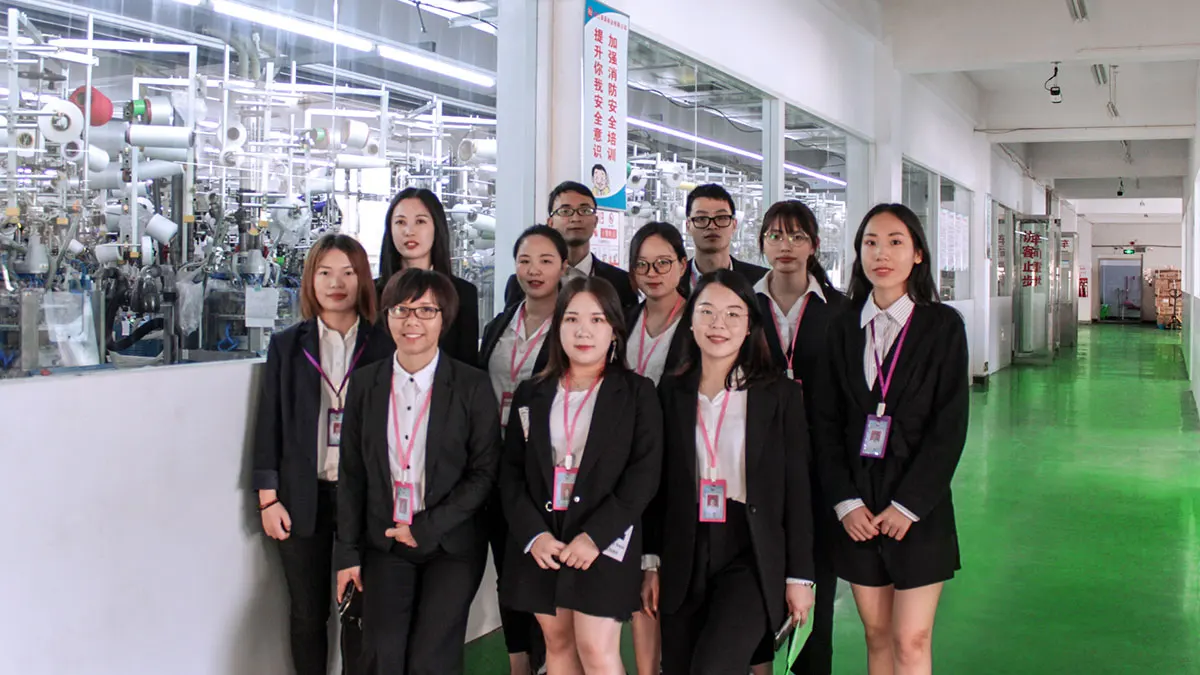
Yiwu Zhuzhuan Knitting Co., Ltd.
- Manufacturer, Trading Company
- Zhejiang, China
- Lead time0 days
- Avg. response≤ 3h
Main productsWomen tight,pantyhose,shaper wear,fashion socks,stocking
Main marketsNorth America(30.00%), Domestic Market(12.00%), Central America(10.00%), Eastern Asia(10.00%), Northern Europe(10.00%), Eastern Europe(10.00%), Western Europe(5.00%), Mid East(5.00%), Southern Europe(2.00%), Africa(2.00%), South America(1.00%), South Asia(1.00%), Oceania(1.00%), Southeast Asia(1.00%)
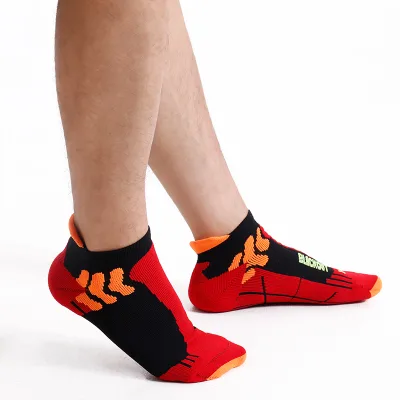
Men's Low Cut Socks Sports Four Seasons Absorb Sweat Socks Men's Short Socks for Men
$0.60 - $0.66
MOQ: 500 pairs
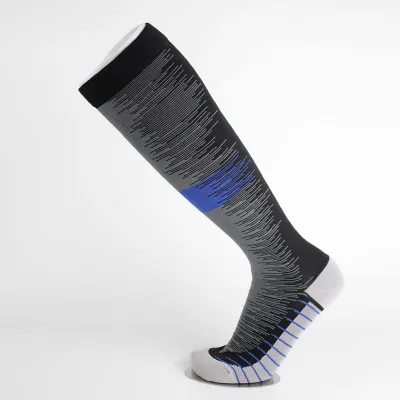

Zhejiang Adaxi Trading Co., Ltd.
- Trading Company
- Zhejiang, China
- Lead time25 days
- Avg. response≤ 6h
Main productsSocks
Main marketsCentral America(38.00%), North America(18.00%), South America(13.00%), Domestic Market(13.00%), Western Europe(6.00%), Southern Europe(6.00%), Eastern Europe(6.00%)
Shijiazhuang Cearth Imp & Exp Co., Ltd.
- Trading Company
- Hebei, China
- Lead time15 days
- Avg. response≤ 3h
Main productsSport Protective Gear,Bodyshaper,Socks,Waist Trainer,Belly Belt
Main marketsNorth America(30.00%), Eastern Europe(20.00%), South America(20.00%), Southeast Asia(10.00%), Western Europe(8.00%), Eastern Asia(3.00%), Africa(3.00%), Oceania(2.00%), South Asia(1.00%), Mid East(1.00%), Southern Europe(1.00%), Central America(1.00%)
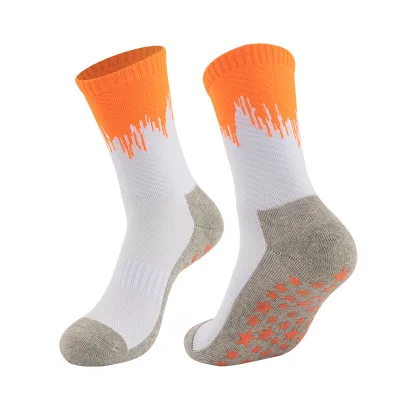
$1.45 - $1.55
MOQ: 10 pieces
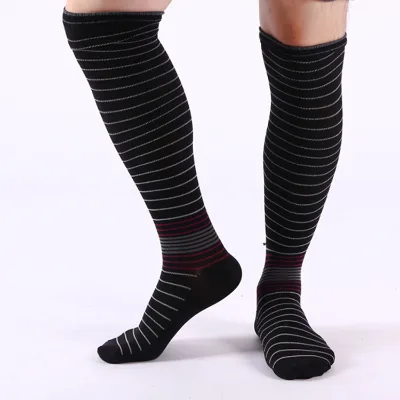
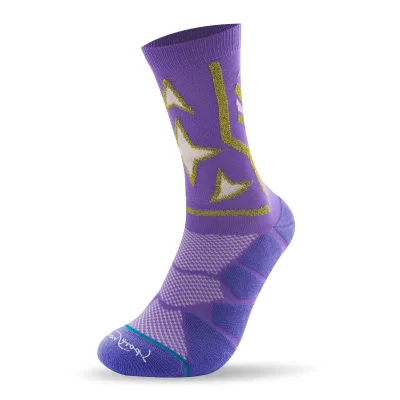

- Verified by CTI
- Trading Company
- China Anhui
- Lead time23 days
- Avg. response≤ 2h
Main productsFurniture, Home Furniture
Main marketsSoutheast Asia/ Mideast
Haining Ruihao Import & Export Co., Ltd.
- Manufacturer, Trading Company
- Zhejiang, China
- Lead time25 days
- Avg. response≤ 4h
Main productsSport Socks,Men's Socks,Women's Socks,Baby Socks,Kid Socks
Main marketsNorth America(45.00%), Northern Europe(29.00%), Domestic Market(18.00%), Western Europe(4.00%), Southeast Asia(4.00%)
Hangzhou Fishjumping Industry Co., Ltd.
- Verified by Intertek
- Manufacturer, Trading Company
- Lead time30 days
- Avg. response≤ 3h
Main productsSports Socks, Compression Socks, Yoga Pants, Tights, Pantyhose
Main marketsNorth America(65%), Eastern Europe(14%), Eastern Asia(6%)
Foshan Lion King Clothing Co., Ltd.
- Manufacturer
- Guangdong, China
- Lead time20 days
- Avg. response≤ 1h
Main productsmen's socks,women's socks,sports socks,Children's socks,Yoga socks
Main marketsWestern Europe(40.00%), Domestic Market(20.00%), North America(20.00%), Oceania(10.00%), South America(10.00%)
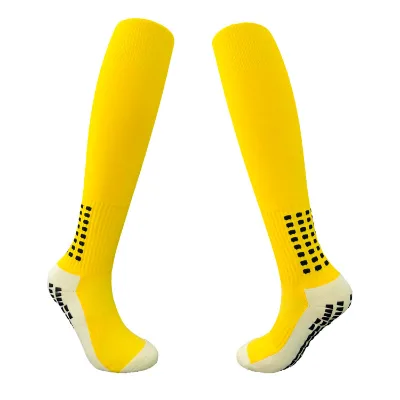
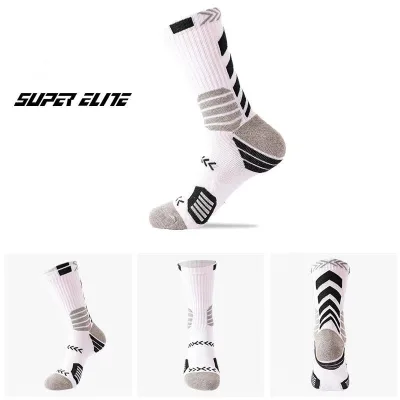
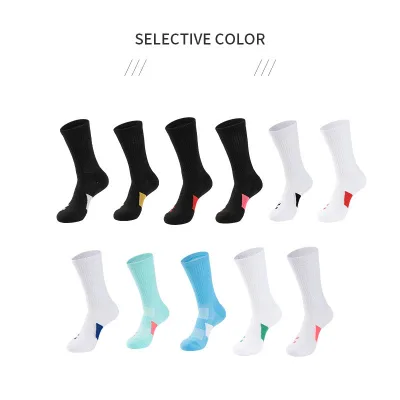
Custom Sports Socks High Quality Anti slip Socks Sport Compression Socks Custom
$0.90 - $1.00
MOQ: 200
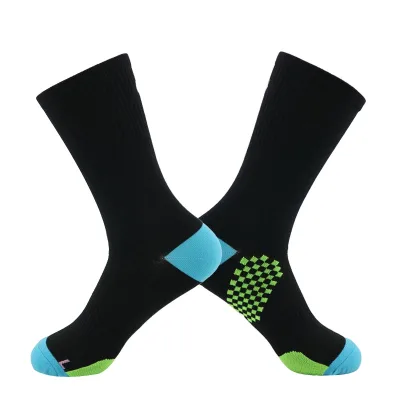
- Manufacturer, Trading Company
- Lead time旺季: "20 - 100":31,"> 100":"To be negotiated", 淡季: "20 - 100":31,"> 100":"To be negotiated"
- Avg. response≤ 2h
Main productsSocks

Ningbo Youkiunite Imp &Exp Co., Ltd
- Verified by CTI
- Trading Company
- China Zhejiang
- Lead time15 days
- Avg. response≤ 6h
Main productsSocks, Hat/Cap, Slippers, Shoelaces, Scarf, Gloves, Pet Products, Shoes Accessories, Garment Accessories, Shoes
Main marketsSouth America,Europe,North America

- Verified by TUVRHEINLAND
- Trading Company,Manufacturer/Factory
- China Chongqing
- Lead time38 days
- Avg. response≤ 5h
Main productsBaseball Cap, Beanie Hat, Trucker Hat, Bucket Hat, Snapback Hat, Scarf, Gloves, Apron, Sock, T Shirt&Polo Shirt
Main marketsSouth America,Eastern Europe,Mid East,North America,Southeast Asia,Eastern Asia,Oceania,Western Europe,Africa
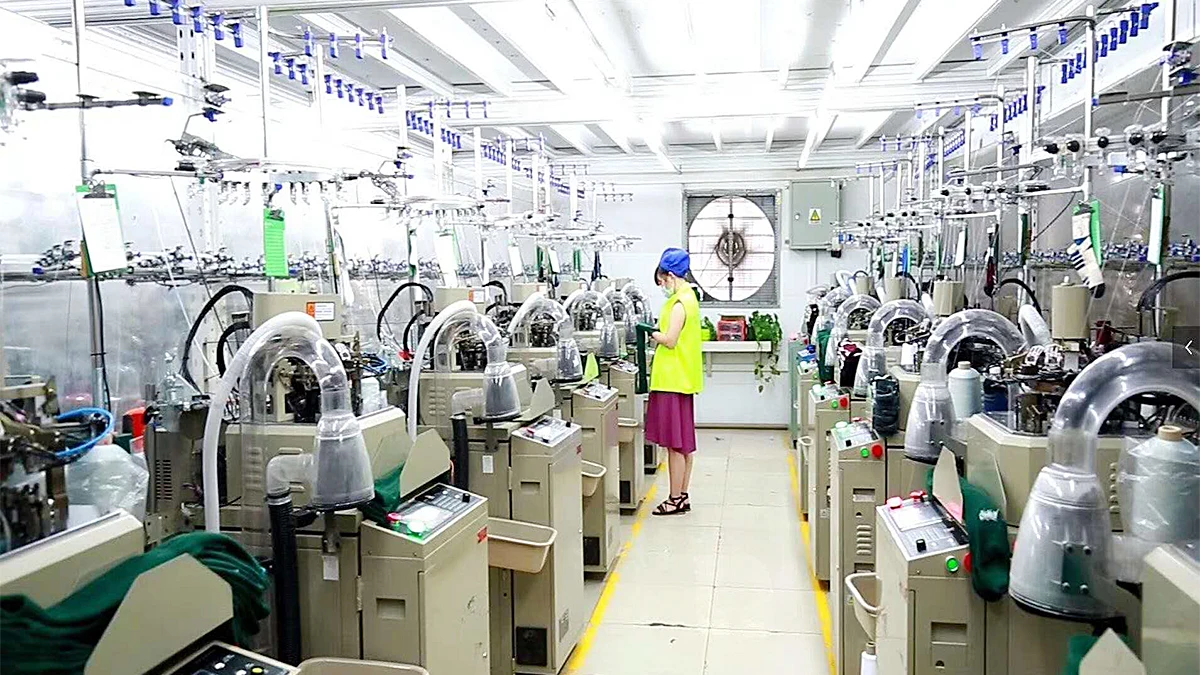
NANHAI JIXINGFENG KNIT FACTORY
- Manufacturer, Trading Company
- Guangdong, China
- Lead time15 days
- Avg. response≤ 11h
Main productsSocks,Hats,Gloves,Scarves
Main marketsDomestic Market(60.00%), North America(20.00%), Southern Europe(5.00%), Western Europe(5.00%), Northern Europe(2.00%), Eastern Europe(2.00%), South Asia(1.00%), Oceania(1.00%), Eastern Asia(1.00%), Mid East(1.00%), Central America(1.00%), South America(1.00%)

Shanghai Jspeed Industry Co., Ltd.
- Verified by BV
- Trading Company
- China Shanghai
- Lead time60 days
- Avg. response≤ 7h
Main productsMen/Women Swimwear, Underwear, Bra, Socks, Men/Women Pants, Men/Women Jackets, Dress, Sportwear, Skirt, Shirt
Main marketsEurope

Weave World (Guangzhou) Clothing Trading Co., Ltd.
- Verified by SGS
- Manufacturer/Factory
- China Guangdong
- Lead time45 days
- Avg. response≤ 2h
Main productsYoga Wear, Casual Wear, Clothing, Sportswear, Women's Clothing, Men's Clothing, Men's T-Shirt, Sneakers, Mountaineering Shoes, Ladies' Bag
Main marketsSouth America,Eastern Europe,Mid East,North America,Southeast Asia,Eastern Asia,Oceania,Western Europe

Foshan Youyan Clothing Co., Ltd.
- Combined
- China Guangdong
- Lead time30 days
- Avg. response≤ 7h
Main productsHeadband, Scrunchies, Hair Tie, Hair Clip, Hairband
Main marketsSouth America,Africa,Southeast Asia/ Mideast,East Asia(Japan/ South Korea),Domestic,Europe,Australia,North America
- Verified by Intertek
- Manufacturer, Trading Company
- Lead time15 days
- Avg. response≤ 1h
Main productsSocks
Main marketsDomestic Market(30%), Eastern Europe(20%), Mid East(20%)
Shaoxing Evergreen Knitting Co., Ltd.
- Verified by TüVRheinland
- Manufacturer, Trading Company
- Lead time30 days
- Avg. response≤ 4h
Main productsDress Socks, Baby Socks, Children Socks, Sports Socks, Womens Socks
Main marketsWestern Europe(50%), North America(21%), Domestic Market(15%)
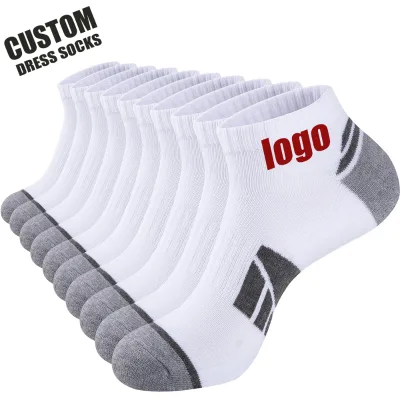
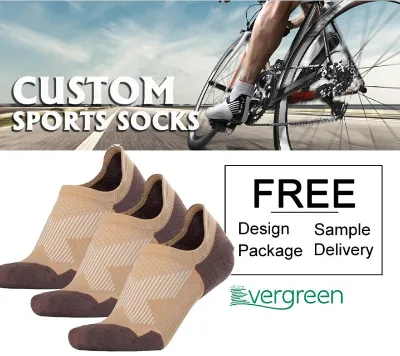
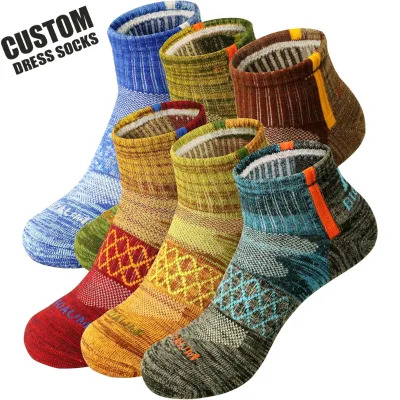
$0.5651 - $0.9758
MOQ: 500 pairs

FUZHOU SHOO-IN IMP & EXP CO., LTD.
- Verified by SGS
- Trading Company
- China Fujian
- Lead time15 days
- Avg. response≤ 6h
Main productsSports Wear, Promotional Gift, Lanyards, Badges, Caps, Sports Training Products, Sports Balls, Tennis Accessories, Golf Accessories, Pet Products
Main marketsEast Asia(Japan/ South Korea),North America


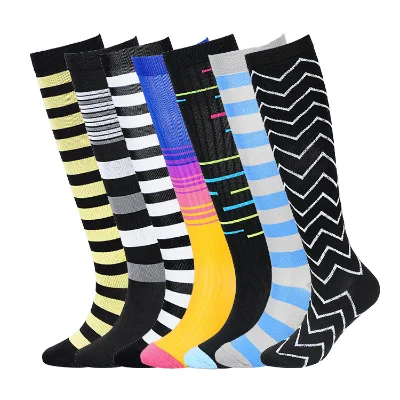


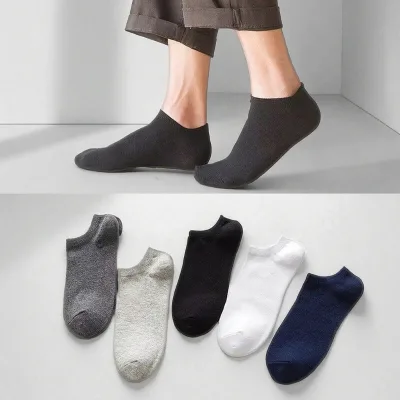
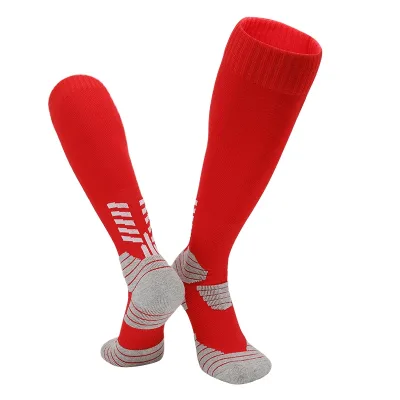
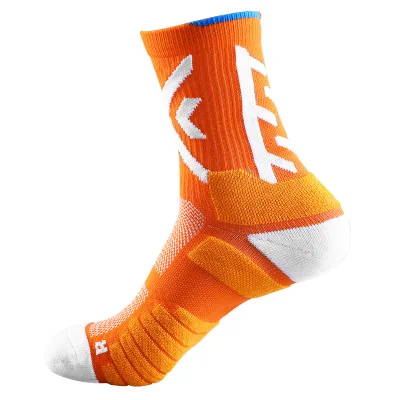
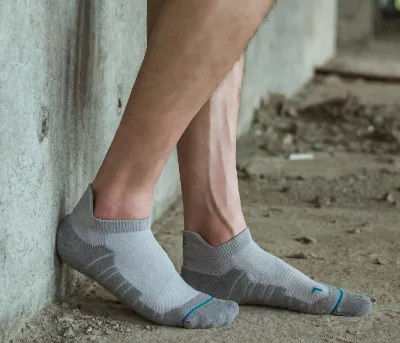
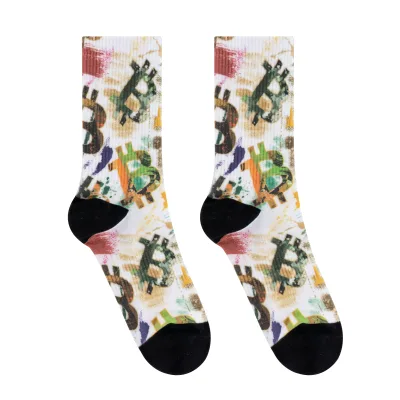
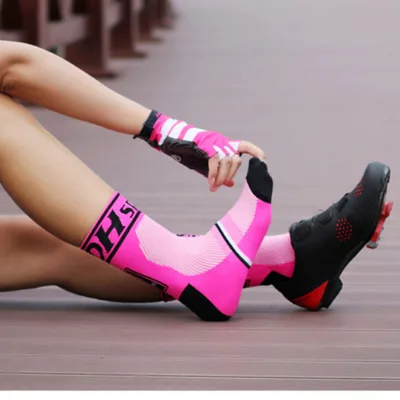
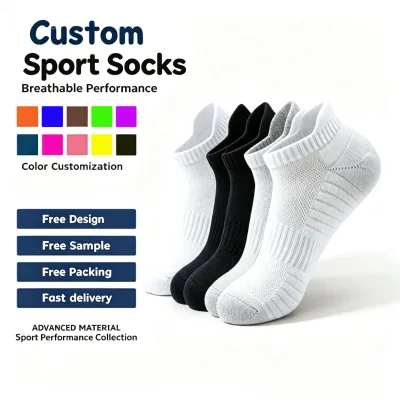
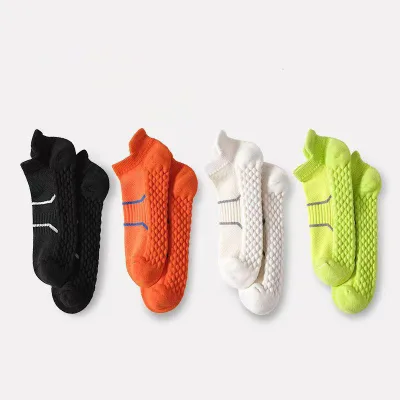


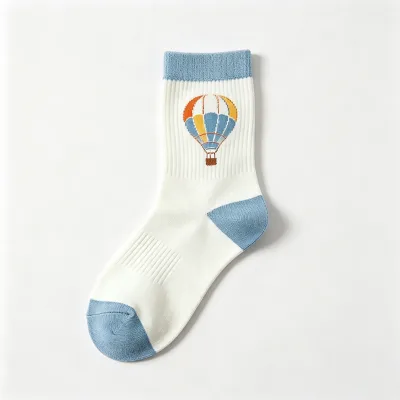
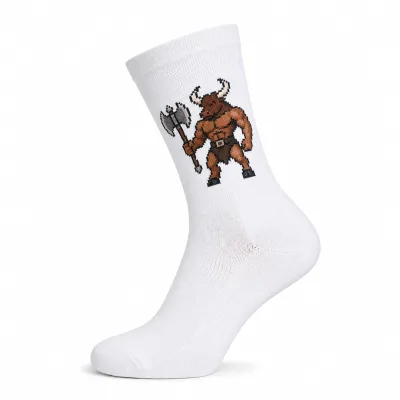
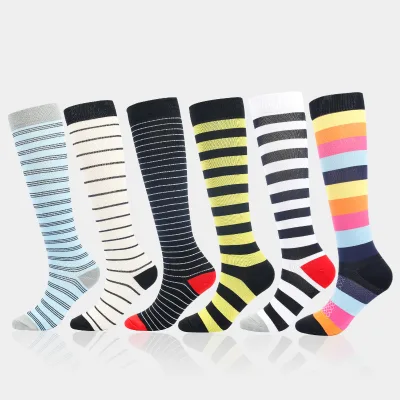


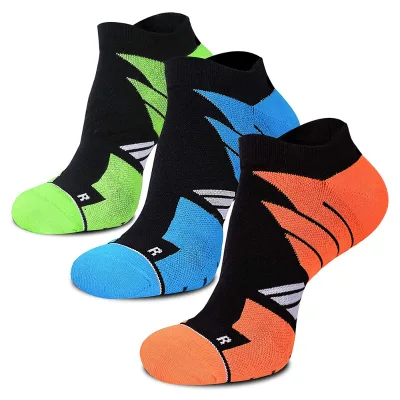
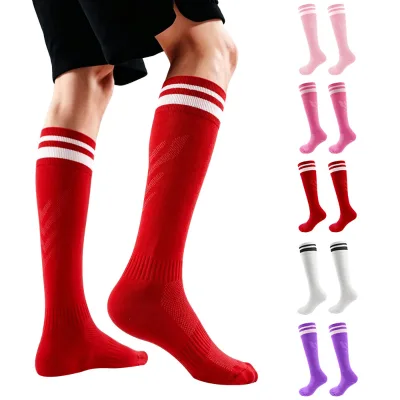


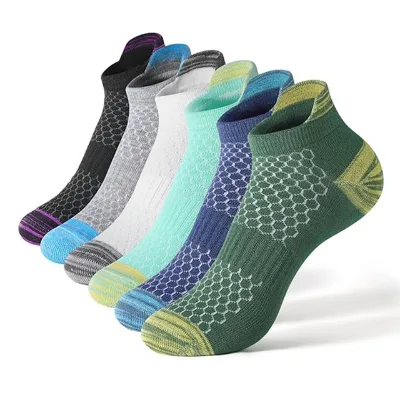
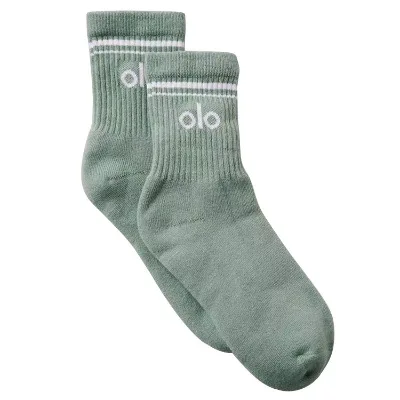


Comprehensive Sourcing Guide
Moisture Wicking Low-Cut Sports Socks Supplier Concentration and Factory Types
Sourcing results for moisture wicking low-cut sports socks point strongly to one manufacturing region: Zhejiang, China. Multiple product listings in this category declare Zhejiang as the place of origin, which signals an established hosiery cluster where knitting mills, dyeing houses, and packaging services sit close together. For a buyer, this concentration matters because it shortens the distance between yarn sourcing, sample production, and bulk finishing, and it makes it easier to visit several candidate factories in a single trip. When search results show a region this consistently, it is reasonable to prioritize it, but buyers should still confirm that an individual supplier's own production site is genuinely located there rather than relying on a registered office address.
Supplier types in this category are not uniform. Some listings come from trading companies whose main products are socks and leggings, meaning they coordinate production with partner factories rather than owning knitting machines themselves. Others present as combined operations with broader product lines spanning scarves, hats, bags, and gloves, alongside socks and leggings. Trading intermediaries can offer flexibility and access to multiple mills, while manufacturer-style suppliers may offer tighter control over knitting and finishing. Verify which model you are dealing with by asking for the actual production facility address, photographs of knitting equipment, and a description of which processes are handled in-house versus subcontracted before committing to a first order.
How to Verify Moisture Wicking Low-Cut Sports Socks Suppliers
Verification should start with third-party credentials that appear on the supplier's profile. In this category, observed profiles carry system certifications such as ISO 9001, GRS, and Oeko-Tex 100, and verification badges from organizations including SGS Group and TÜV Rheinland. These signals are useful but they describe the company, not the specific sock order. Ask the supplier to confirm which certification applies to the exact yarn and dyeing process used for your moisture wicking low-cut socks, and request current certificate copies with validity dates. If recycled content or skin-contact safety matters to your brand, GRS and Oeko-Tex claims deserve documentation checks rather than logo-level trust.
Beyond certificates, test the supplier's operational behavior before money moves. Several profiles in this category report fast response times, with figures such as around two hours and under six hours recorded; a short reply window during sampling usually predicts smoother communication during production. Request a sample before the bulk order, since product evidence in this category shows sample turnaround of within three to seven days, which is fast enough to test fit, cushioning, and wicking performance in real conditions. Check the declared supply type: listings marked as OEM service accept custom designs, which tells you whether the supplier can execute your logo and size requirements. Finally, verify the legal entity name behind the listing matches the name on any bank account you are asked to pay.
What to Compare Across Moisture Wicking Low-Cut Sports Socks Suppliers
Build a side-by-side comparison sheet using the attributes that supplier profiles actually display. Lead time is a practical starting point: recorded figures in this category range around thirty to thirty-five days for bulk production, so a buyer needing a faster turnaround should treat displayed lead times as a first filter and then confirm in writing. Compare MOQs too, because they differ substantially; at least one listing in this category shows an MOQ of 500 pairs, which suits small brands, while other suppliers may require more. Response speed is another displayed dimension — one profile responds in about two hours and another in under six — and faster response often correlates with easier sampling and problem-solving.
Price ranges shown on product listings give a rough quality and specification signal. Observed ranges span roughly 0.45–0.59, 0.72–1.69, 0.99–1.99, and 1.07–1.57 per unit, and the differences usually reflect material composition, cushioning, and customization depth. Note that not every supplier displays every attribute: establishment years, escrow availability, and verified badges appear inconsistently, so treat missing fields as items to request directly rather than negatives. Also compare main product lines. A supplier listing socks and leggings as main products is more specialized than a combined supplier whose catalog stretches across scarves, gloves, and bags, and specialization often means better knitting expertise for a moisture wicking low-cut athletic construction.
Common Moisture Wicking Low-Cut Sports Socks Sourcing Risks
The most frequent risk in this category is a gap between claimed wicking performance and delivered performance. Product listings advertise features such as moisture wicking, quick dry, breathable mesh, sweat-absorbent, and anti-bacterial finishes, but these are marketing attributes rather than measured results. A buyer who orders based on a feature list alone may receive socks whose polyester and spandex blend does not manage sweat the way the sample did. Mitigate this by keeping your approved sample, running independent wicking tests on the bulk lot, and specifying the material composition — several listings declare spandex with polyester, cotton, or nylon — in the purchase contract rather than in an email.
Other risks concentrate around verification gaps and communication drift. Some profiles in this category show no system certifications at all, which does not disqualify them but means the buyer must compensate with factory audits and references. Trading companies may quietly change the partner mill between sample and bulk production, altering fabric weight or cushioning height on a low-cut style where a few millimeters change the fit. Size range disputes are also common, since one listing covers sizes 41–46 and another offers S through XL, while a third advertises custom sizes only. Confirm the grading rules per size, the weight per pair — one listing declares 40 grams — and the packaging configuration before production starts.
Moisture Wicking Low-Cut Sports Socks Regional Sourcing and Logistics
The supplied evidence places this category's production firmly in Zhejiang, China, and logistics planning should start from that fact. Zhejiang sits within convenient reach of major eastern Chinese seaports, so ocean freight for bulk sock orders typically begins with inland trucking to a consolidation port followed by a container or LCL shipment to the buyer's destination port. Because socks are light and compact — one listing records a single package size of about 30 by 10 by 1.5 centimeters and 0.1 kilograms gross weight per item — freight cost per pair is modest, and carton density matters more than weight when calculating landed cost. Ask suppliers to quote FOB so you can compare them on the same logistics basis.
Sample logistics deserve separate planning. With sample turnaround of three to seven days shown in multiple listings, air courier shipment of samples adds only days to the timeline, so buyers can realistically iterate two or three sample rounds before committing to a bulk order with a thirty to thirty-five day lead time. Season matters as well: at least one listing tags autumn as the season, and occasion fields span football, basketball, yoga, cycling, and workouts, so align your order timing with the sports calendar of your market. For buyers outside China, confirm export documentation, carton markings, and whether the supplier or a freight forwarder handles customs clearance at the destination.
Moisture Wicking Low-Cut Sports Socks Commercial Terms and Order Planning
Commercial terms in this category cluster around familiar B2B patterns but vary by supplier. Payment methods observed in product listings include TT and PayPal, and at least one listing confirms a 500-pair MOQ with carton packing of 25 pairs per poly bag. Negotiate a deposit-and-balance structure with an inspection clause before balance payment, especially with smaller trading companies. Unit prices ranging roughly from 0.45 to 1.99 across the observed listings mean your negotiation room depends on specification: plain solid-color low-cut styles sit at the low end, while cushioned, compression, or multi-zone mesh designs command higher prices and justify closer quality control.
Order planning should sequence the milestones shown in supplier data: sample production within three to seven days, sample approval, bulk production around thirty to thirty-five days, and then shipping. Customization depth drives the schedule — listings declare OEM service, custom sizes, custom logos on packaging, and capabilities such as sample processing, light customization, graphic processing, and on-demand customization — so confirm each customization layer individually because every added feature lengthens sampling. Define quality checkpoints in writing: material composition, weight per pair, size grading, needle detection where offered, and packaging format. Finally, plan reorders at the time of the first order, since locking your tooling and size spec with one supplier reduces repeat sampling costs and keeps subsequent lead times close to the original quoted figure.
Count check: each section drafted at 225–235 words; total approximately 1,390 words, within the required 1,350–1,450 range.
FAQs
What is the typical lead time for custom orders?
Manufacturers generally require 30 to 35 days to produce bulk orders. This timeframe allows for material sourcing, knitting, and quality checks. Buyers should confirm specific schedules with suppliers before finalizing contracts to ensure timely delivery for seasonal sports events.
What certifications do these suppliers hold?
Many verified suppliers hold ISO 9001, GRS, and Oeko-Tex 100 certifications. These credentials ensure quality management and environmental standards. Some providers undergo rigorous verification by SGS Group or TÜV Rheinland. Buyers should request current certificates to verify compliance with international safety regulations.
What is the minimum order quantity for customization?
The standard minimum order quantity is typically 500 pairs. This allows for efficient production runs while supporting custom logo printing or packaging. Some suppliers may offer lower MOQs for sample processing or light customization. Always verify specific thresholds directly with the manufacturer.
How quickly do suppliers respond to inquiries?
Response times vary, with some suppliers replying within two hours. Others may take up to six hours during peak periods. Fast communication is crucial for resolving design details and pricing questions. Buyers should prioritize suppliers with documented rapid response metrics for smoother negotiations.
What materials are used for moisture-wicking socks?
Common materials include Spandex, Polyester, Cotton, and Nylon blends. These fabrics provide elasticity, breathability, and sweat absorption for athletic performance. Some products feature seamless fusing for enhanced comfort. Buyers can select specific material compositions based on their target market's durability and comfort requirements.
Where are these socks manufactured?
Most suppliers are located in Zhejiang, China. This region is a major hub for textile manufacturing and sock production. The location supports efficient supply chains and competitive pricing. Buyers can verify specific factory addresses and logistics capabilities during the sourcing process.
What is the price range for these socks?
Prices typically range from $0.45 to $1.99 per pair. Costs depend on material quality, customization complexity, and order volume. Basic styles start lower, while compression or specialized athletic designs cost more. Buyers should request detailed quotes based on their specific quantity and design needs.