EPE Buoyancy Life Jacket Suppliers and Manufacturers
Compare 22 verified EPE Buoyancy Life Jacket suppliers in China by location, response time, and lead time. Review certifications like ISO and CE, plus pricing and MOQ details. Contact suppliers directly to request samples and confirm customization options; review the available evidence before requesting comparable quotations from suitable candidates.
Updated
Suppliers List

Shaoxing Shangyu Lianya Garment Co., Ltd.
- Verified by BV
- Combined
- China Zhejiang
- Lead time30 days
- Avg. response≤ 9h
Main productsLife Jackets, Marine Life Vest, Buoyancy Aids Vest, Life Jacket Adult, Life Vests, Life Vest Jacket for Adult, Professional Oxford Fabric Thickened Adult Child
Main marketsEurope

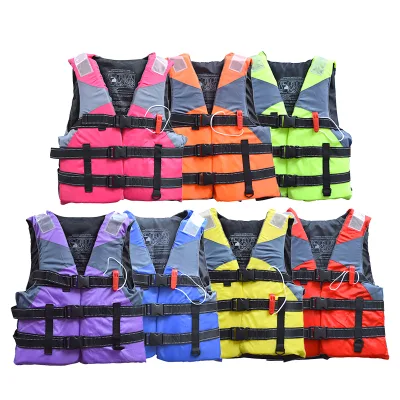
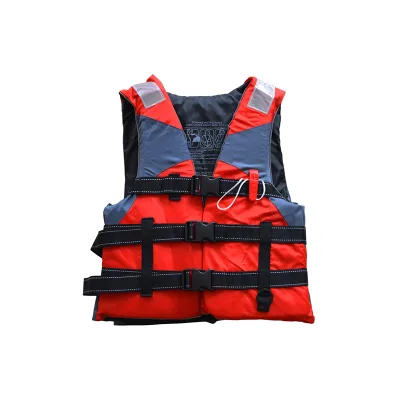
EPE Foam Core Quick-Release Buckle System Buoyancy Life Jacket Buoyancy Life Jacket
$9.50 - $10.40
MOQ: 100 pieces


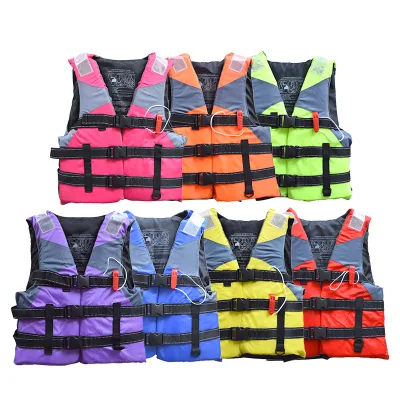
Comfort - Oriented Lightweight EPE Construction Multi-Layered Buoyancy Design Life Jacket
$9.50 - $10.40
MOQ: 100 pieces

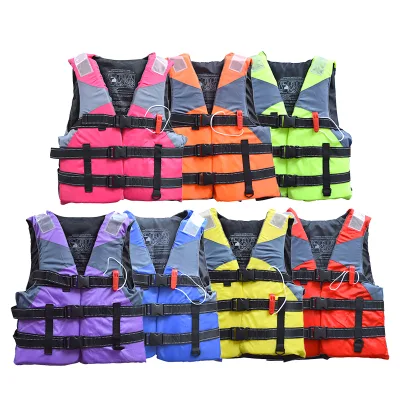
Budget - Friendly Lightweight EPE Construction Multi-Layered Buoyancy Design Life Jacket
$9.50 - $10.40
MOQ: 100 pieces


Chongqing New Maritime Import & Export Co., Ltd.
- Trading Company
- China Chongqing
- Lead time23 days
- Avg. response≤ 11h
Main productsFloating Pontoon, Marine Equipment, Marine Propeller, Marine Shaft, Marine Anchor, Anchor Chain, Kayak, Marine Mooring Bollard, Marine Winch, Marine Door
Main marketsSouth America,Eastern Europe,Mid East,North America,Southeast Asia,Eastern Asia,Oceania,Western Europe,Africa

Jiangsu Baizhou Safety Technology Co., Ltd.
- Combined
- China Jiangsu
- Lead time15 days
- Avg. response≤ 4h
Main productsLife Jacket, Inflatable Life Jacket, Life Buoy, Rescue Tube, FRP Box, Fire Hose Box, Scba
Main marketsSouth America,Africa,Southeast Asia/ Mideast,East Asia(Japan/ South Korea),Domestic,Europe,Australia,North America

Zhenjiang Matchau Marine Equipment Co., Ltd.
- Verified by TUVRHEINLAND
- Trading Company,Manufacturer/Factory,Group Corporation
- China Jiangsu
- Lead time23 days
- Avg. response≤ 3h
Main productsWater Weight Bag, Life Boat, Life Raft, Life Jacket, Rescue Boat, Single Arm Davit, Davit, Crane, Rubber Fender, Anchor Chain
Main marketsSouth America,Eastern Europe,Mid East,North America,Southeast Asia,Eastern Asia,Oceania,Western Europe,Africa
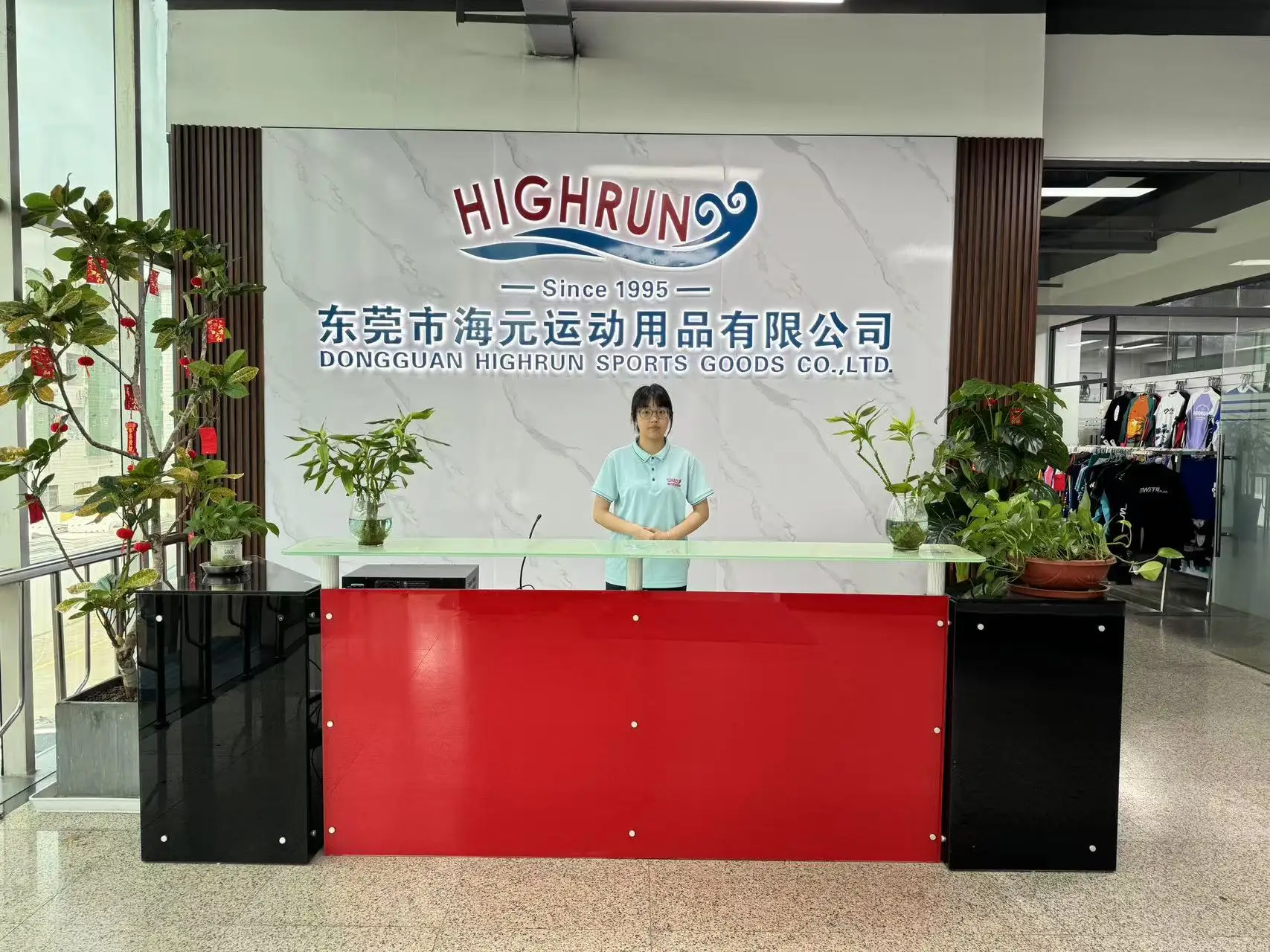
Dongguan High Run Sports Goods Co., Ltd.
- Manufacturer, Trading Company
- Guangdong, China
- Lead time30 days
- Avg. response≤ 2h
Main productsRash Guard/Swimwear/Bikini/Swim Suit/Beach Shorts/Swim Shorts/Float Swim Suits/Life Jacket
Main marketsEastern Europe(30.00%), Western Europe(30.00%), Domestic Market(25.00%), North America(10.00%), South America(5.00%)
Guangdong H-Fun Water Recreational Articles Co., Ltd.
- Manufacturer, Trading Company
- Guangdong, China
- Lead time30 days
- Avg. response≤ 6h
Main productsWater Park Tube,Water Slide Raft,Water Slide Mat,Life Jacket,bumper collar
Main marketsDomestic Market(30.00%), North America(13.00%), Western Europe(12.00%), Mid East(11.00%), Southeast Asia(10.00%), South Asia(5.00%), Eastern Europe(5.00%), Oceania(5.00%), South America(2.00%), Africa(2.00%), Southern Europe(2.00%), Eastern Asia(1.00%), Northern Europe(1.00%), Central America(1.00%)
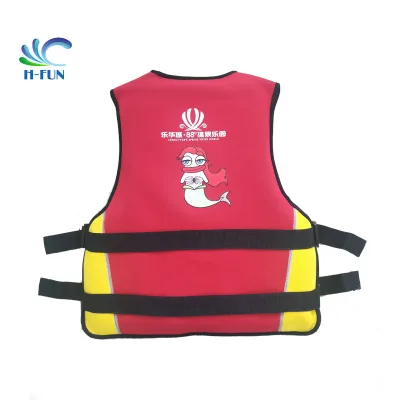
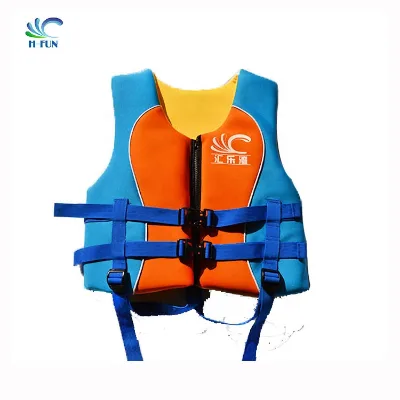
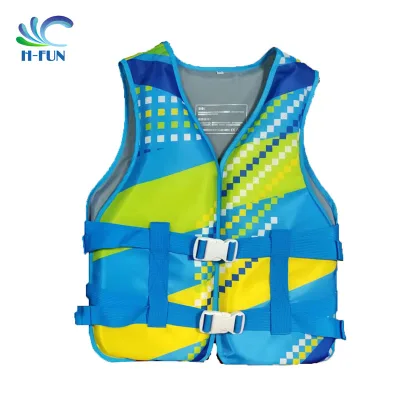
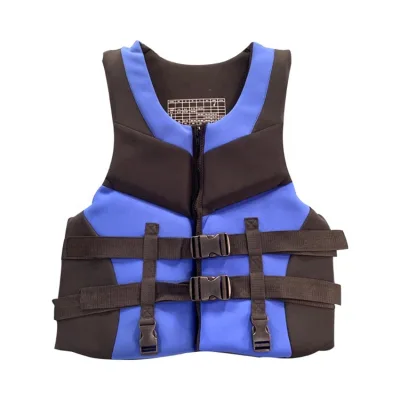
Water Sport EPE Foam Life Jackets Children Life Vests Adult Neoprene Buoyancy Life Jacket
$7.00 - $9.00
MOQ: 100 pieces
Shanghai Waterfun Outdoor Supplies Co., Ltd.
- Manufacturer, Trading Company
- Shanghai, China
- Lead time15 days
- Avg. response≤ 4h
Main productsWater Park Life Jacket,Lifeguard Gear,Water Floating Mat,Rescuer PFD,Water Play Toy
Main marketsDomestic Market(49.00%), North America(15.00%), South America(10.00%), Eastern Asia(10.00%), Western Europe(5.00%), Southeast Asia(2.00%), South Asia(2.00%), Mid East(2.00%), Southern Europe(2.00%), Northern Europe(1.00%), Central America(1.00%), Eastern Europe(1.00%)
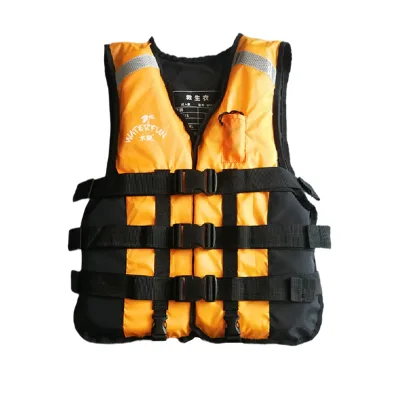
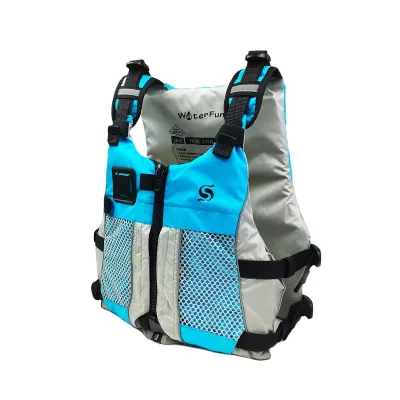
$25.89 - $26.68
MOQ: 100 pieces
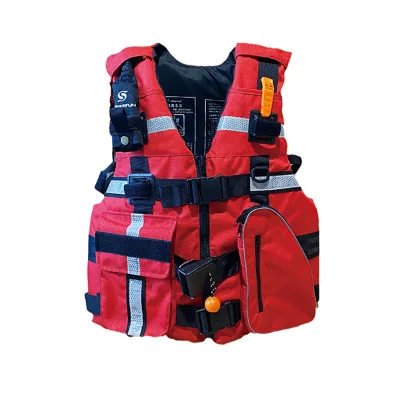
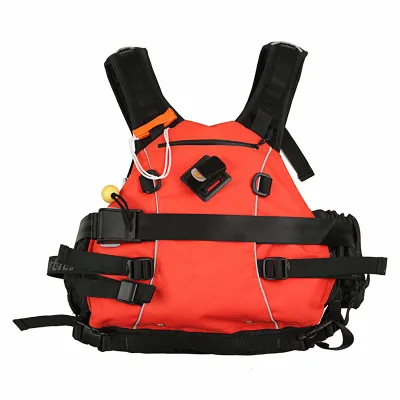
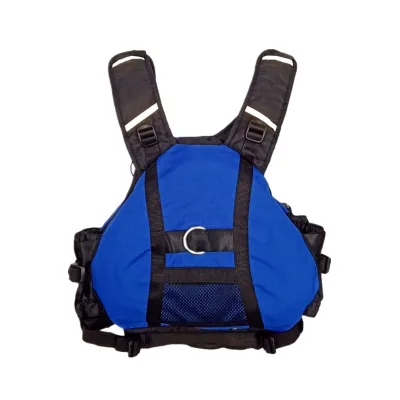
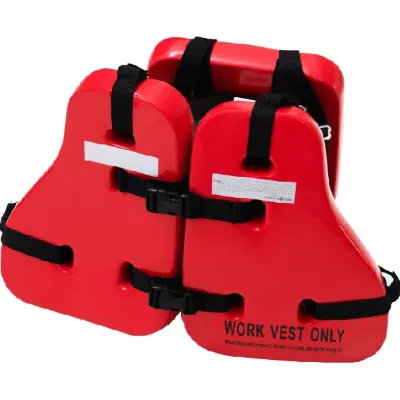
High Quality Adult Life Jacket Reflective 130N Buoyancy Floating Life Vest Life Jacket
$67.1972 - $81.6715
MOQ: 10 pieces
Zhangjiagang Jiekang Medical Equipment Co., Ltd.
- Verified by TüVRheinland
- Manufacturer, Trading Company
- Lead time20 days
- Avg. response≤ 5h
Main productsStretcher, Spine Board, Splints, Life Vest, First Aid Kit
Main marketsSouth America(30%), North America(20%), Domestic Market(8%)
$6.7155 - $8.7826
MOQ: 1 pieces
Jiangsu Baizhou Trading Co., Ltd.
- Manufacturer, Trading Company
- Jiangsu, China
- Lead time30 days
- Avg. response≤ 6h
Main productsLife Jacket, Life Buoy, Life Saving Equipment, Marine Equipment, Outdoor Equipment
Main marketsSoutheast Asia(30.00%), Africa(15.00%), Eastern Europe(15.00%), Domestic Market(15.00%), Mid East(15.00%), Western Europe(10.00%)
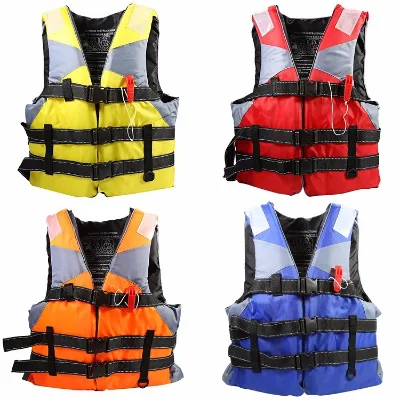
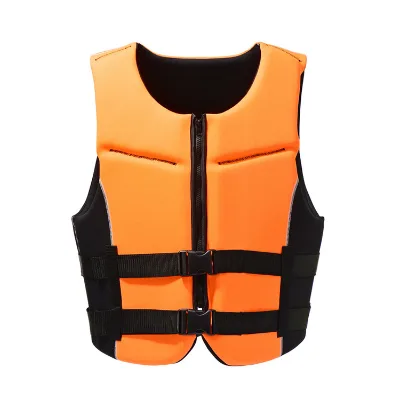
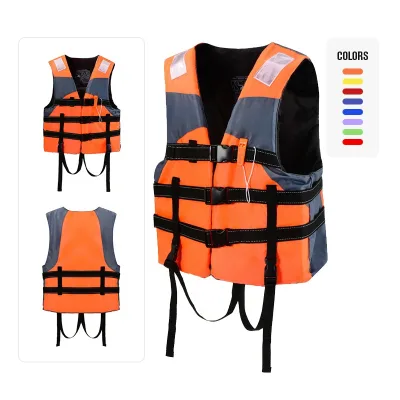
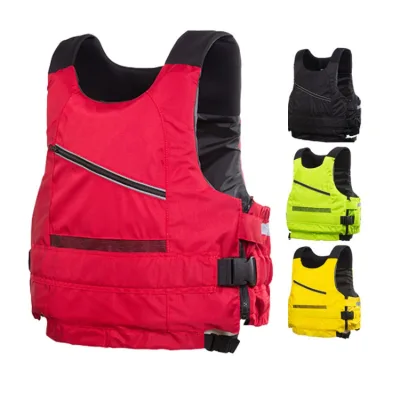
Cheap Swimming Boating Surfing Water Sports Buoyancy Salvavidas Life Vest Jacket
$20.40 - $21.80
MOQ: 100
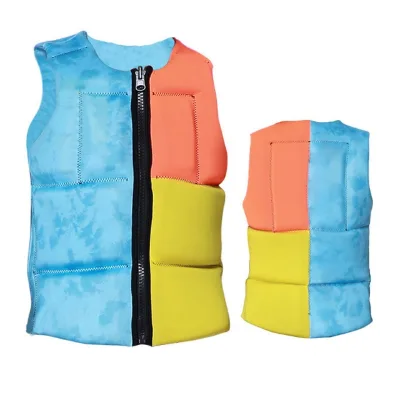
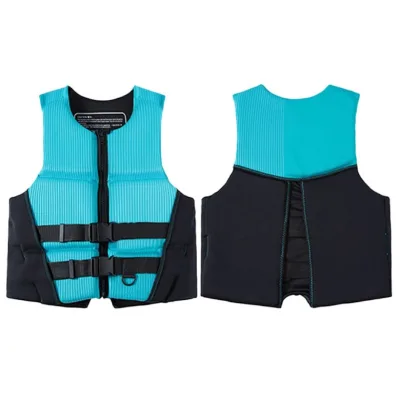
Manufacture High Quality OEM Durable High Buoyancy Water Rescue Lifesaving Life Jacket
$10.50 - $10.80
MOQ: 500

Shanghai Acdive Technology Co., Ltd.
- Trading Company,Manufacturer/Factory
- China Shanghai
- Lead time30 days
- Avg. response≤ 4h
Main productsWetsuit, Rash Guard, Diving Boot, Hunting Boot, Diving/Hunting Gloves, Neoprene Top/Pants, Neoprene Life Jacket, Snorkeling Goods, Swimming Goods, Mask Strap Cover
Main marketsSouth America,Eastern Europe,North America,Eastern Asia,Oceania,Western Europe

$9.60 - $10.50
MOQ: 500 Pieces

$10.30 - $11.80
MOQ: 5 Pieces
Xiamen Double-S Lifesaving Products Co., Ltd.
- Verified by Intertek
- Manufacturer, Trading Company
- Lead time30 days
- Avg. response≤ 3h
Main productsLife Jacket, Waterproof Bag
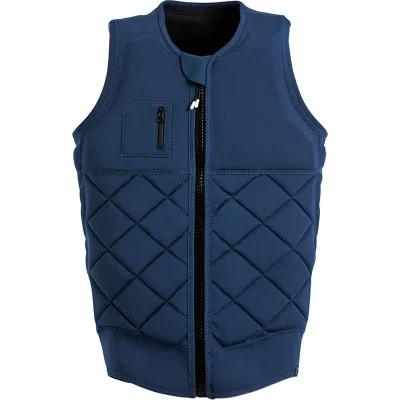
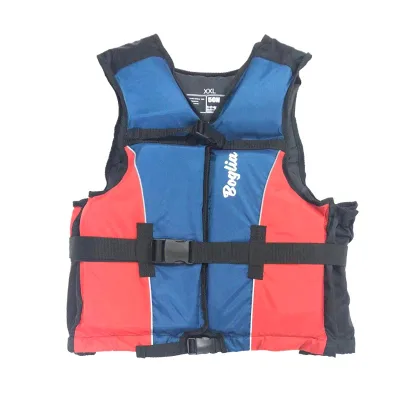
Wholesale Price Flood and Natural Disaster Rescue Boating High Buoyancy Marine Life Jacket
$20.00 - $22.80
MOQ: 100 pieces
Dongguan Svs Sports Goods Co., Ltd.
- Verified by SGS Group
- Manufacturer, Trading Company
- Lead time20 days
- Avg. response≤ 2h
Main productsWetsuit, Diving Suit, Spearfishing Suit, Surfing Wetsuit, Water Sports Accessories
Main marketsNorth America(20%), Southern Europe(20%), South America(10%)
Qingdao Alastin Outdoor Products Co., Ltd.
- Manufacturer, Trading Company
- Lead time旺季: "1 - 2":7,"3 - 300":15,"301 - 500":35,"> 500":"To be negotiated", 淡季: "1 - 2":7,"3 - 300":15,"301 - 500":35,"> 500":"To be negotiated"
- Avg. response≤ 2h
Main productsInflatable Boat,Inflatable RIB boat,Life jacket,Paddle Board,Boat Accessories
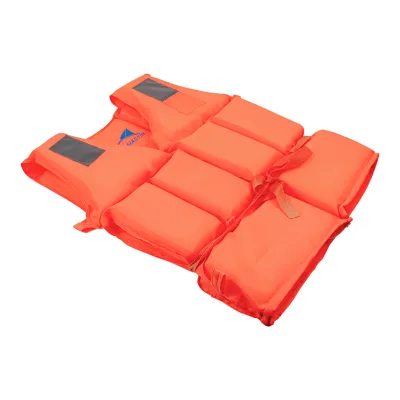
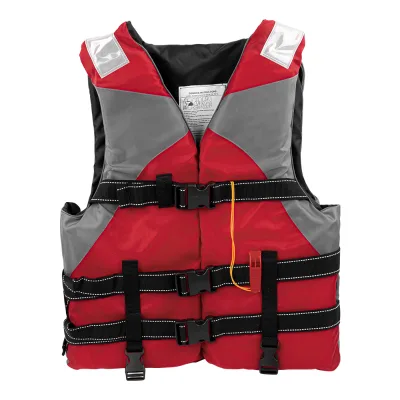
Customized Logo Portable Marine Light Float Life Jacket Swimming Rescue Adult Life Vest
$5.924 - $8.8396
MOQ: 2 pieces
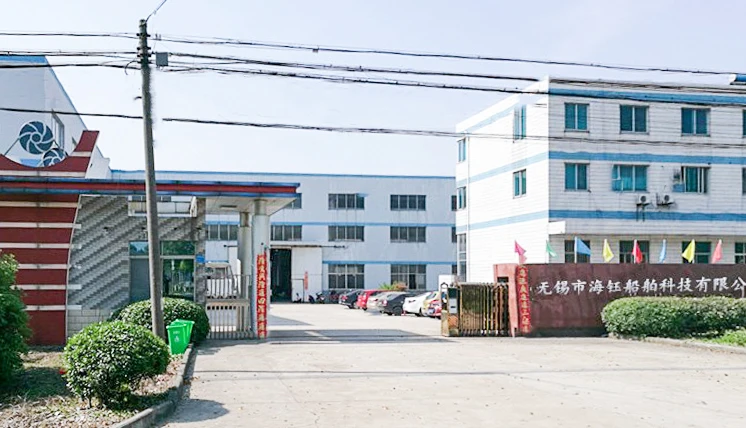
Wuxi Haiyu Marine Technology Co., Ltd.
- Manufacturer
- Jiangsu, China
- Lead time60 days
- Avg. response≤ 10h
Main productsfishing boat,aluminum fishing boat,aluminum yacht,official boat,sightseeing boat
Main marketsNorthern Europe(50.00%), Mid East(50.00%)
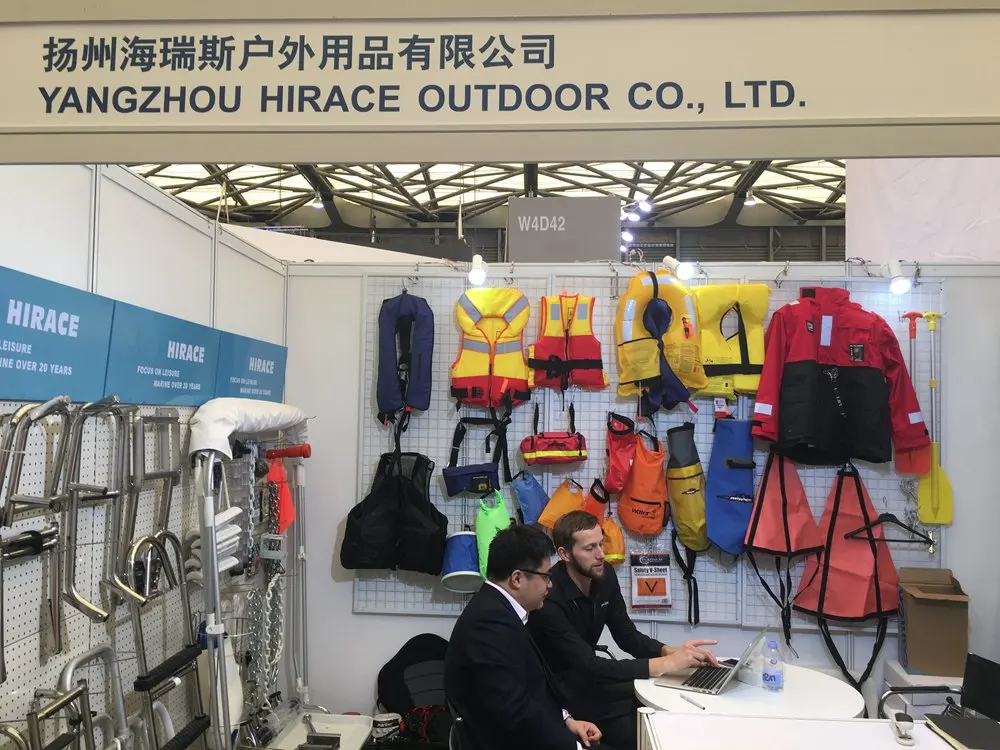
Yangzhou Hirace Outdoor Co., Ltd.
- Trading Company
- Jiangsu, China
- Lead time30 days
- Avg. response≤ 3h
Main productsOutdoor Products,Boat Accessories,Life Jacket,Hardware Fitting,Bimini Top
Main marketsNorth America(40.00%), Oceania(30.00%), Western Europe(10.00%), Eastern Europe(10.00%), Northern Europe(5.00%), Mid East(5.00%)

NINGBO MERCE TECHNOLOGY CO., LTD.
- Verified by TUVRHEINLAND
- Trading Company,Manufacturer/Factory
- China Zhejiang
- Lead time23 days
- Avg. response≤ 2h
Main productsLifejacket, Floating Pontoon, Inflatable Fender, Lifebuoy, Pilot&Embarkation Ladder, Liferaft, Breathing Apparatus, Load Test Waterbag, Lifeline, Used Marine Appliance
Main marketsSouth America,Eastern Europe,Mid East,North America,Southeast Asia,Eastern Asia,Oceania,Western Europe,Africa


Blue Life Jacket for Adults and Children Double Row Buckle High Buoyancy Jacket for Lifesaving
$13.00 - $25.00
MOQ: 1 Pieces


Water Sport High Buoyancy Floating Kayaking Boating Raft Foam Lifejacket
$12.00 - $15.00
MOQ: 500 Pieces
Zhenjiang Matchau Marine Equipment Co., Ltd.
- Trading Company
- Jiangsu, China
- Lead time15 days
- Avg. response≤ 2h
Main productsload test water bags,life boat,rubber fender,life jacket,anchor chain
Main marketsSouth Asia(30.00%), Western Europe(11.00%), Eastern Europe(10.00%), Northern Europe(8.00%), Central America(7.00%), Mid East(6.00%), Africa(6.00%), Southeast Asia(5.00%), Oceania(5.00%), South America(5.00%), North America(3.00%), Domestic Market(2.00%), Southern Europe(2.00%)
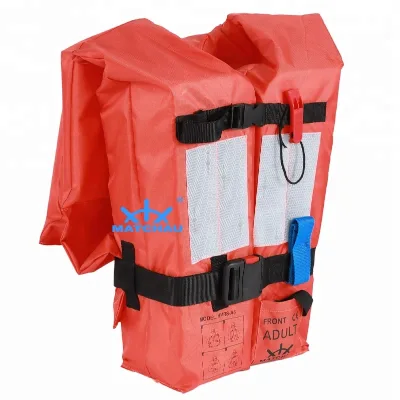
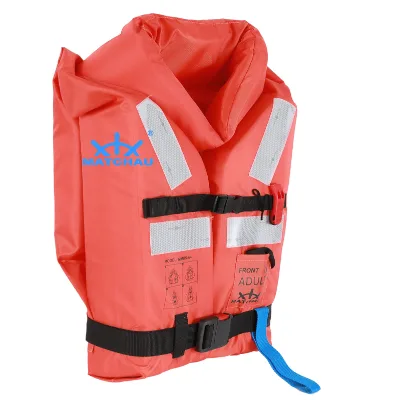
$15.8504 - $16.3616
MOQ: 1 pieces
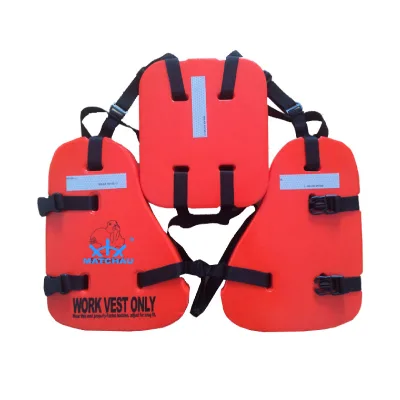
Three Piece Marine Floating Life Jacket Foam Sea Work Vest
$29.80 - $30.00
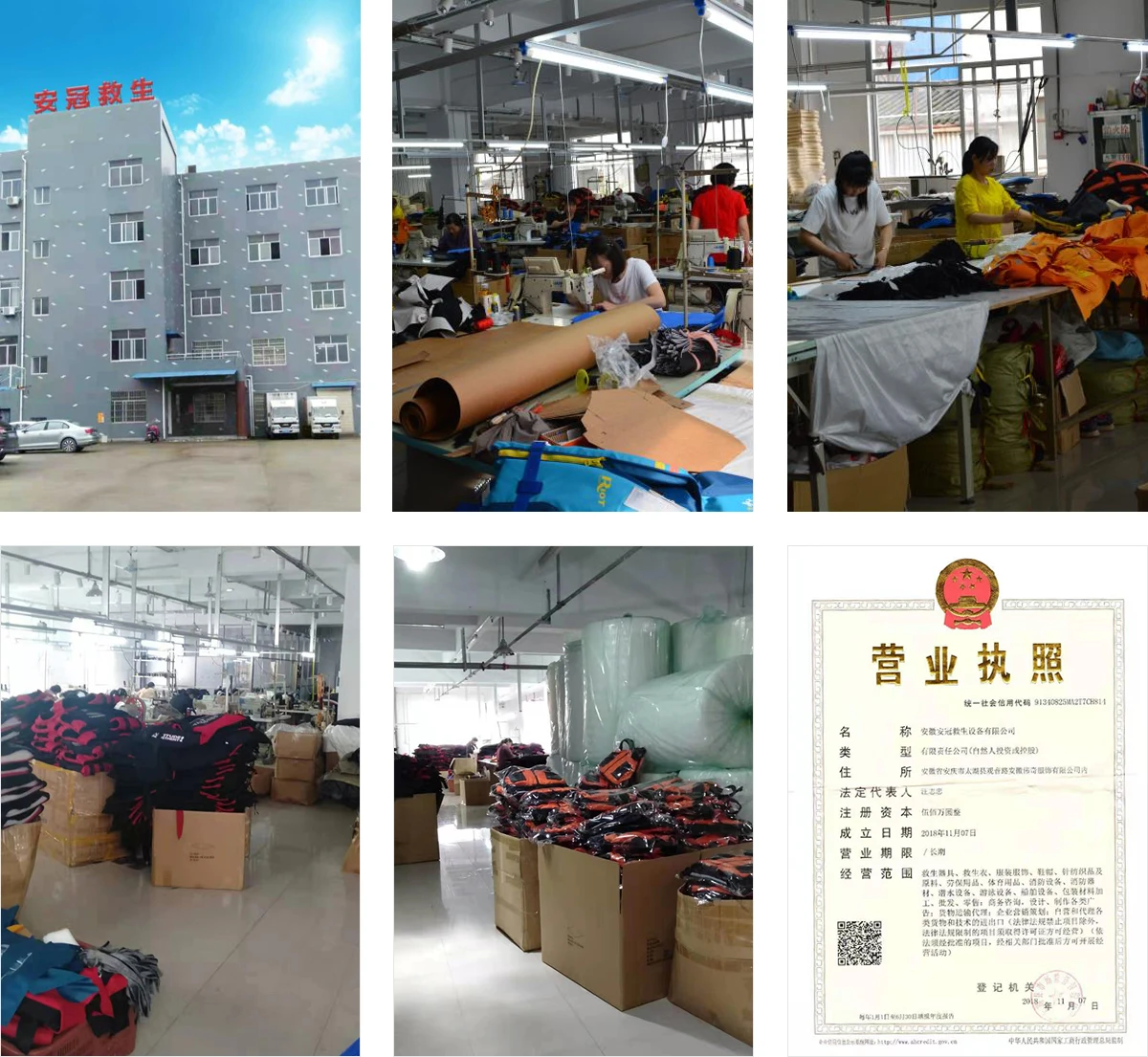
Anhui Anguan Lifesaving Equipment Co., Ltd.
- Manufacturer, Trading Company
- Anhui, China
- Lead time10 days
- Avg. response≤ 7h
Main productsbuoyancy aid,CE life jacket,neoprene life jackets,dog life jacket,inflatable PFD
Main marketsNorth America(35.00%), Eastern Asia(15.00%), South America(15.00%), Africa(13.00%), Western Europe(10.00%), Domestic Market(4.00%), Southern Europe(4.00%), Northern Europe(2.00%), Oceania(1.00%), Eastern Europe(1.00%)
Jiangsu Baizhou Safety Technology Co., Ltd.
- Verified by Intertek
- Manufacturer, Trading Company
- Lead time20 days
- Avg. response≤ 5h
Main productsLife Jacket, GFRP, Life Buoy, Rescue Tube, Hardware
Main marketsDomestic Market(50%), North America(18%), Africa(17%)
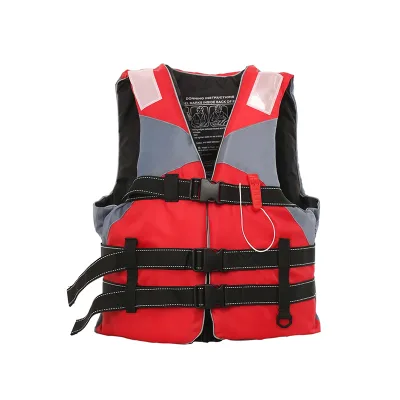
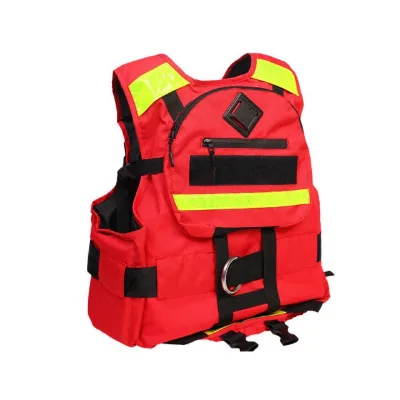
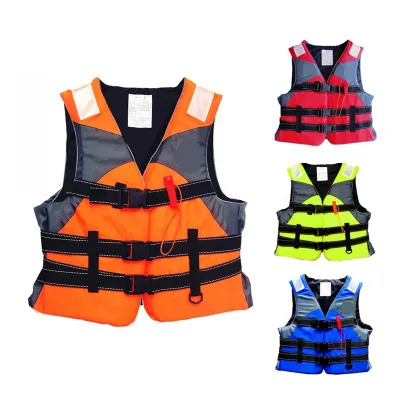
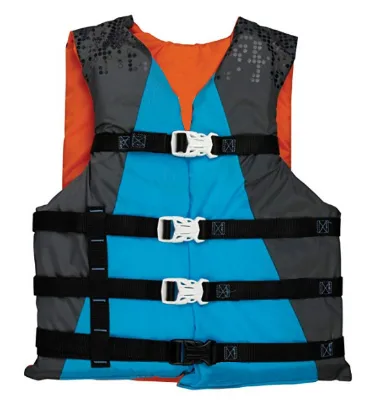
Factory Supply Kayak Water Trampoline Safe Lightweight Buoyant Life Jacket Vest
$4.58 - $5.40
MOQ: 100
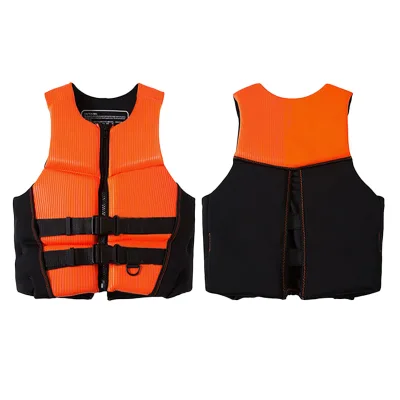
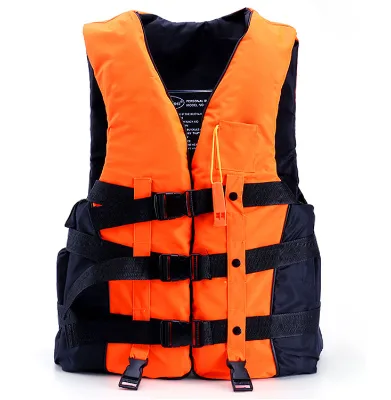

Wealida Marine Power System (Suzhou) Co., Ltd.
- Verified by TUVRHEINLAND
- Manufacturer/Factory
- China Jiangsu
- Lead time90 days
- Avg. response≤ 4h
Main productsBow Thruster, Rudder Propeller, Deck Machinery, Winch, Windlass, Controllable Pitch Propeller, Tunnel Thruster, Lifejacket
Main marketsSouth America,Eastern Europe,Mid East,North America,Southeast Asia,Eastern Asia,Oceania,Western Europe,Africa

Adult Life Jacket for Water Sports: Secure Fit with Reliable Buoyancy Support
$28.00 - $32.00
MOQ: 100 Sets


Dongtai Yuantu Rescue Equipments Co., Ltd.
- Manufacturer, Trading Company
- Jiangsu, China
- Lead time30 days
- Avg. response≤ 6h
Main productslife jacket,life buoy,liferaft
Main marketsNorth America(1.00%), South America(1.00%), Eastern Europe(1.00%), Southeast Asia(1.00%), Africa(1.00%), Oceania(1.00%), Mid East(1.00%), Eastern Asia(1.00%), Western Europe(1.00%), Central America(1.00%), Northern Europe(1.00%), Southern Europe(1.00%), South Asia(1.00%), Domestic Market(1.00%)
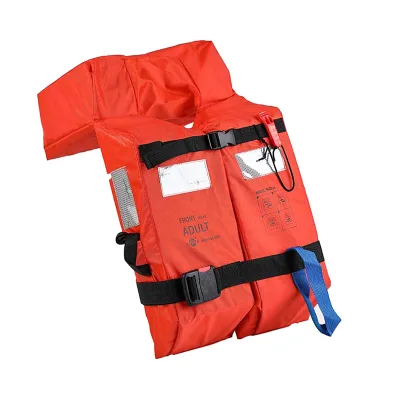
Orange Adult Foam Life Jacket for Swimming or Marine Rescue
$25.00 - $35.00
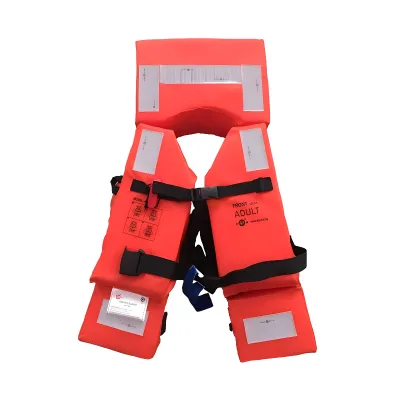
Good Quality and Low Price Lifejacket with Good In-water Performance for Ships
$25.00 - $35.00
MOQ: 100 pieces
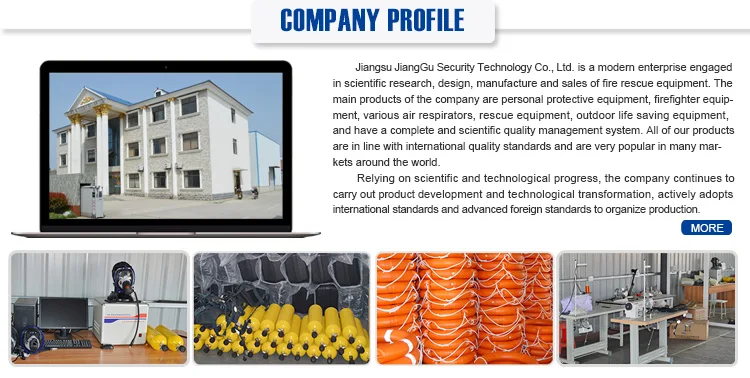
Jiangsu Jianggu Security Technology Co., Ltd.
- Manufacturer
- Jiangsu, China
- Lead time10 days
- Avg. response≤ 3h
Main productsbreathing apparatus,firefighting suit,scba mask,fire escape mask,SCBA
Main marketsSouth America(3.00%), North America(1.00%)
$5.6317 - $7.1682
MOQ: 1 sets
$5.6977 - $7.2522
MOQ: 1 sets


Comprehensive Sourcing Guide
EPE Buoyancy Life Jacket Supplier Concentration and Factory Types
The current supplier landscape for Epe Buoyancy Life Jackets reveals a distinct geographic and structural concentration that buyers must navigate carefully. Data indicates that manufacturing activity is heavily clustered in China, with specific hubs identified in Zhejiang and Chongqing. Suppliers in Zhejiang are primarily categorized as combined entities, suggesting a hybrid operational model that may blend manufacturing capabilities with trading functions. This structure often allows for greater flexibility in product customization and order volume management compared to pure factories. In contrast, suppliers located in Chongqing are explicitly identified as trading companies. This distinction is critical for procurement strategies, as trading companies may offer a broader range of marine equipment, including floating pontoons, propellers, and anchors, but might have different lead times and pricing structures than direct manufacturers. The presence of these specific location facts allows buyers to map their supply chain more accurately, understanding that Zhejiang-based combined suppliers might be the primary source for the core life jacket products, while Chongqing-based traders could serve as alternative sources for complementary marine gear or bulk orders.
Understanding the company type is equally important when evaluating the supplier base. The observed data shows a mix of combined companies and trading companies, each offering distinct advantages. Combined suppliers often possess the internal capacity for both Original Design Manufacturing (ODM) and Original Equipment Manufacturing (OEM), which is essential for buyers seeking custom branding or specific design modifications to their Epe Buoyancy Life Jackets. This dual capability ensures that the supplier can handle both the production and the design aspects of the order. On the other hand, trading companies, such as those in Chongqing, may leverage their network to source products from various factories, potentially offering competitive pricing or faster access to existing stock. However, this model might introduce additional layers in the communication and quality control process. Buyers should assess whether their priority lies in direct factory interaction and customization potential, which favors combined suppliers, or in the convenience and breadth of product offerings that trading companies might provide. This structural insight helps in selecting the right partner type based on the specific needs of the procurement project.
How to Verify EPE Buoyancy Life Jacket Suppliers
Verification is the cornerstone of mitigating risk when sourcing Epe Buoyancy Life Jackets from international suppliers. The most immediate step is to check for third-party verification badges, such as BV (Bureau Veritas), which serve as an initial indicator of a supplier’s legitimacy and operational stability. While verification provides a baseline of trust, it does not guarantee product quality or compliance with safety standards. Therefore, buyers must go beyond the badge and scrutinize the specific certifications listed for the products themselves. For instance, some suppliers display certifications like ISO, CE, and RoHS, while others may highlight compliance with EU 2016/425 or specific standards like Eniso12402-5. These certifications are not merely decorative; they are legal requirements for selling life-saving equipment in many markets. Buyers should request copies of these certificates and verify their validity with the issuing bodies. Additionally, the presence of CCS (China Classification Society) certification in some product listings indicates adherence to maritime safety standards, which is particularly relevant for marine-grade life jackets. This multi-layered verification process ensures that the supplier is not only a legitimate business entity but also produces products that meet rigorous safety benchmarks.
Beyond certifications, buyers should evaluate the supplier’s responsiveness and transparency as indicators of reliability. The response time metric, observed at approximately 8.68 hours for some suppliers, provides a quantitative measure of how quickly a supplier engages with potential buyers. A faster response time often correlates with better customer service and a more active sales team, which is crucial for resolving issues during the procurement process. However, response time alone is insufficient; buyers should also assess the quality of the communication. Are the suppliers providing detailed product specifications, clear pricing, and honest answers to technical questions? Furthermore, buyers should verify the supplier’s main product focus. Suppliers listing life jackets alongside unrelated items like marine anchors or winches may be trading companies with a broad inventory, whereas those focusing exclusively on water safety products might offer deeper expertise. By combining verification badges, certification checks, response time analysis, and product focus assessment, buyers can build a comprehensive profile of each supplier’s reliability and suitability for their specific needs.
What to Compare Across EPE Buoyancy Life Jacket Suppliers
When comparing suppliers, buyers must analyze a range of operational and product-specific metrics to determine the best fit for their requirements. One of the most critical factors is the lead time, which varies significantly across the supplier base. Some suppliers offer a lead time of 30 days, while others may provide faster turnaround times, such as 23 days. This difference can impact inventory planning and order fulfillment, especially for time-sensitive projects. Alongside lead time, the Minimum Order Quantity (MOQ) is a key consideration. Suppliers may require MOQs as low as 100 pieces, which is accessible for small to medium-sized buyers, while others might have higher thresholds. Buyers should also compare the price ranges, which can vary from approximately $9.50 to $16.50 per unit depending on the product features, materials, and customization options. These price differences often reflect variations in quality, such as the use of Oxford cloth versus nylon shells, or the inclusion of reflective strips and specific buoyancy ratings. By mapping these variables, buyers can create a comparison matrix that highlights the trade-offs between cost, speed, and volume.
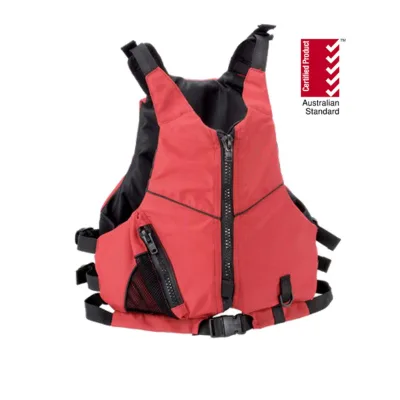
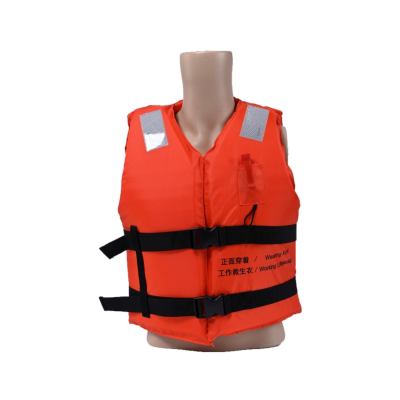
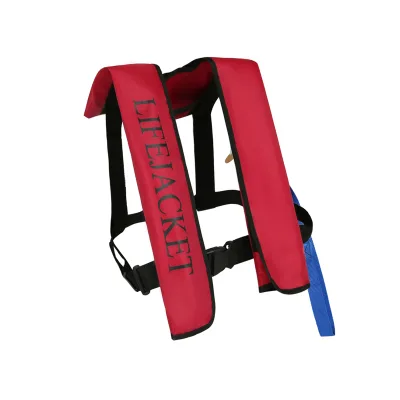
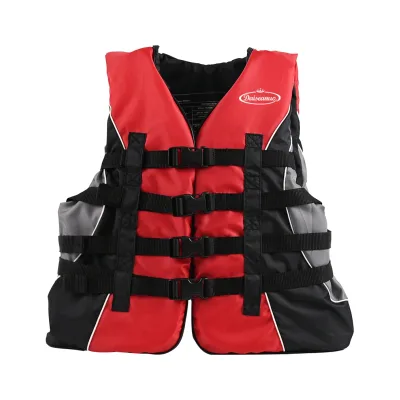
Product specifications and customization options are equally important in the comparison process. Buyers should examine the materials used, such as EPE foam cores, Oxford fabric, nylon, or polyester shells, as these affect durability, comfort, and buoyancy performance. The buoyancy rating is another critical specification, with options ranging from 100N to 150N, suitable for different applications like water sports, fishing, or professional rescue work. Customization availability is a key differentiator; some suppliers offer extensive customization for colors, logos, and packaging, while others may have limited options. Additionally, features like closure types (zippers vs. buckles), reflective elements, and pocket designs should be compared to ensure the product meets the end-user’s needs. Buyers should also consider the packaging details, such as polybag and carton quantities, which can affect shipping costs and storage efficiency. By systematically comparing these product attributes alongside operational metrics like lead time and MOQ, buyers can make informed decisions that align with their quality standards, budget constraints, and logistical requirements.
Common EPE Buoyancy Life Jacket Sourcing Risks
Sourcing Epe Buoyancy Life Jackets involves several inherent risks that buyers must proactively manage to ensure a successful procurement outcome. One significant risk is the discrepancy between claimed certifications and actual product compliance. While suppliers may list certifications like CE, ISO, or EU 2016/425, there is a possibility that the products do not consistently meet these standards in every batch. This risk is heightened when dealing with trading companies that may source from multiple factories with varying quality control practices. Buyers must be vigilant in verifying that the certifications apply to the specific products they are ordering and not just to the company’s general portfolio. Another risk is the variability in product quality, particularly regarding the buoyancy material and shell durability. EPE foam is a common material, but its density and longevity can vary. Similarly, the quality of zippers, buckles, and reflective strips can impact the overall safety and usability of the life jacket. Buyers should request samples to physically inspect these components and test their functionality before committing to large orders.
Logistical and communication risks also pose challenges in the sourcing process. Differences in time zones and language barriers can lead to misunderstandings regarding product specifications, delivery schedules, and payment terms. This is particularly relevant when dealing with suppliers in different regions, such as Zhejiang and Chongqing, which may have different operational cultures and practices. Additionally, the reliance on third-party verification badges does not eliminate the risk of supplier insolvency or operational disruptions. Buyers should assess the supplier’s financial stability and production capacity to ensure they can fulfill orders as promised. Another risk is the potential for hidden costs, such as shipping fees, customs duties, and packaging charges, which can significantly impact the total landed cost. Buyers should request detailed quotes that include all costs to avoid surprises. By identifying and addressing these risks through thorough due diligence, sample testing, and clear communication, buyers can mitigate potential issues and ensure a smoother sourcing experience.
EPE Buoyancy Life Jacket Regional Sourcing and Logistics
The geographic distribution of suppliers significantly influences logistics planning and supply chain efficiency. With suppliers concentrated in China, specifically in Zhejiang and Chongqing, buyers must consider the implications of these locations on shipping routes and transit times. Zhejiang, a major manufacturing hub, likely offers well-established logistics networks and proximity to major ports, which can facilitate faster and more cost-effective shipping for international orders. Suppliers in this region, often categorized as combined entities, may benefit from this infrastructure, enabling them to manage both production and export processes efficiently. On the other hand, Chongqing, located in the western part of China, may present different logistical challenges. While it is a significant industrial center, shipping from this region might involve longer transit times or higher freight costs depending on the destination. Buyers should evaluate the supplier’s location in the context of their own distribution centers to optimize logistics costs and delivery speeds. Understanding these regional dynamics allows buyers to make strategic decisions about which suppliers to engage based on their logistical preferences and requirements.
Logistics planning also involves coordinating with suppliers to ensure smooth order fulfillment and delivery. Buyers should discuss shipping methods, such as sea freight or air freight, and negotiate terms that align with their inventory needs. For large orders, sea freight is often more economical, but it requires longer lead times and advance planning. Air freight, while faster, is more expensive and suitable for urgent or smaller orders. Buyers should also consider the packaging dimensions and weights, as these factors directly impact shipping costs. For example, some suppliers pack ten pieces per carton, which can optimize container space and reduce per-unit shipping costs. Additionally, buyers should verify the supplier’s ability to handle export documentation, including commercial invoices, packing lists, and certificates of origin. Clear communication regarding logistics responsibilities, such as who handles customs clearance and insurance, is essential to avoid delays and additional costs. By integrating regional supplier locations into their logistics strategy, buyers can enhance supply chain resilience and ensure timely delivery of Epe Buoyancy Life Jackets.
EPE Buoyancy Life Jacket Commercial Terms and Order Planning
Commercial terms and order planning are critical components of a successful sourcing strategy for Epe Buoyancy Life Jackets. Buyers must carefully review payment terms, such as deposits, balance payments, and the use of escrow services, to protect their financial interests. Escrow services can provide an additional layer of security by holding funds until the buyer confirms receipt and quality of the goods. It is also important to negotiate clear terms regarding price validity, as raw material costs and exchange rates can fluctuate. Buyers should request quotes that specify the price per unit, including any discounts for bulk orders, and clarify whether these prices are based on specific Incoterms, such as FOB or CIF. Understanding these terms helps in calculating the total landed cost and comparing offers from different suppliers accurately. Additionally, buyers should establish a clear order planning timeline, considering the supplier’s lead time and production capacity. For suppliers with a 30-day lead time, buyers should plan orders well in advance to avoid stockouts, while those with shorter lead times may allow for more flexible ordering.
Order planning also involves managing customization and quality control processes. If buyers require custom branding, colors, or packaging, they should confirm the additional costs
FAQs
What is the price range for EPE foam life jackets?
Prices for EPE foam life jackets typically range from $2.50 to $16.50 per unit. The lowest cost options are available for basic marine rescue models, while premium certified versions with reflective strips and custom packaging cost more. Buyers should expect minimum order quantities of 100 pieces for standard pricing tiers.
What certifications do these life jackets hold?
Many EPE foam life jackets hold ISO 12402, CE, and RoHS certifications. Some models are specifically certified under EU 2016/425 and Eniso12402-5 standards. Additional certifications like CCS are available for marine professional equipment. Buyers should verify specific certification documents for their target market compliance requirements before placing orders.
What is the typical lead time for production?
Production lead times generally range from 23 to 30 days depending on the supplier and order volume. Suppliers in Zhejiang and Chongqing offer these timelines for standard EPE foam life jacket orders. Expedited production may be possible for smaller quantities, but buyers should confirm exact delivery schedules with the supplier during negotiation.
Can I customize the life jackets with my logo?
Customization is available for most EPE foam life jacket models. Suppliers offer OEM and ODM services, allowing for color customization, reflective element adjustments, and specific packaging requirements. Buyers can request custom polybag or carton packing solutions. It is advisable to discuss design specifications and minimum order quantities for custom branding directly with the manufacturer.
What materials are used in these life jackets?
EPE foam life jackets primarily use EPE foam or PE foam for buoyancy. The outer shell is typically made from Oxford cloth, nylon, or polyester fabric. Some models feature water-resistant materials and reflective strips for safety. The combination of durable foam cores and robust fabric exteriors ensures longevity and effective buoyancy for adult users.
What is the minimum order quantity for these products?
The minimum order quantity is typically 100 pieces for standard EPE foam life jackets. Some suppliers may offer lower MOQs for specific models or customized orders, but 100 pieces is the common baseline. Buyers should verify the exact MOQ with the supplier, as it may vary based on the product model and customization requirements.