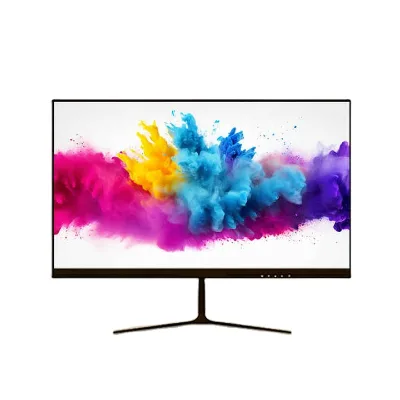
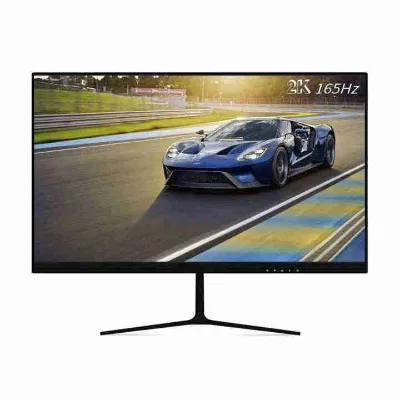
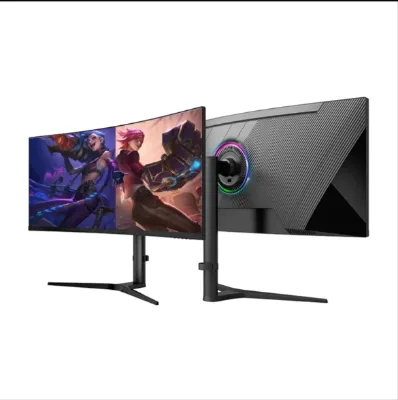
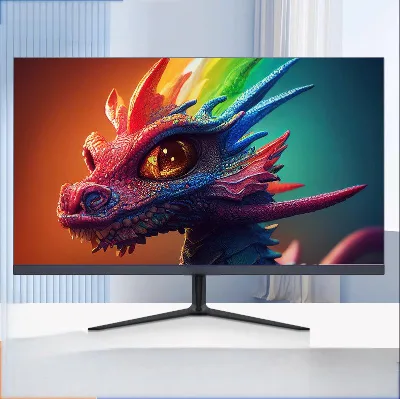
Frameless LED RGB Gaming Monitor Suppliers and Manufacturers
Explore 25 verified suppliers offering Frameless LED RGB Gaming Monitor options with varying lead times, response speeds, and certifications. Compare specifications like refresh rates and resolution to find the right factory for your needs; review the available evidence before requesting comparable quotations from suitable candidates.
Updated
Suppliers List

Shenzhen Wucaihong Electronic Technology Co., Ltd
- Verified by SGS
- Combined
- China Guangdong
- Lead time15 days
- Avg. response≤ 5h
Main productsMonitor, LCD Monitor, LED Monitor, Gaming Monitor, Touch Screen Monitor, Digital Photo Frame, Business Display, Advertising Machine, Industrial Display
Main marketsNorth America


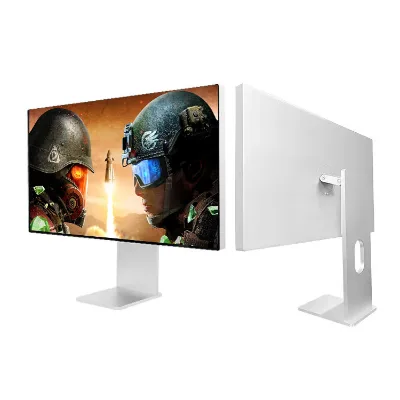
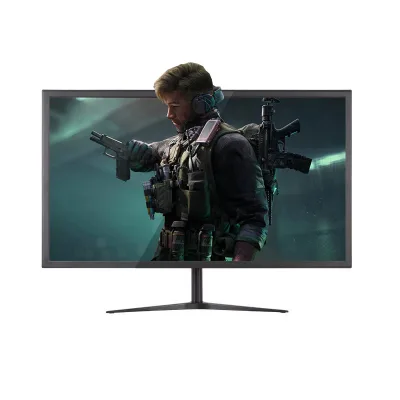
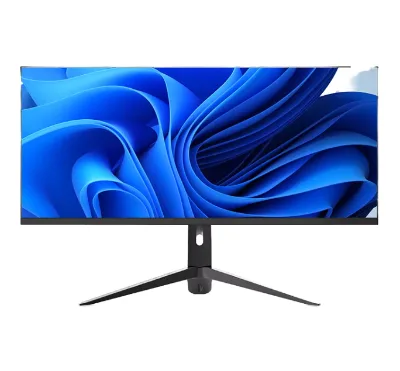
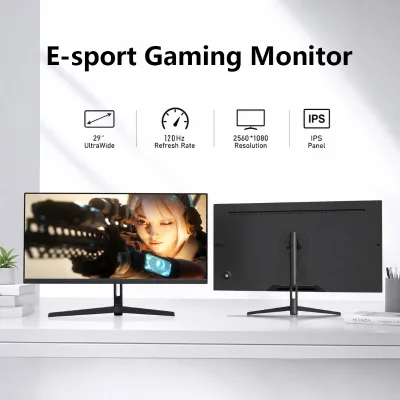
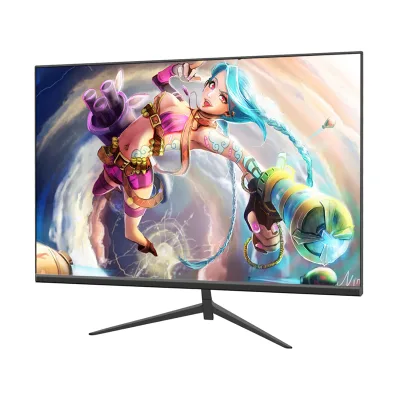
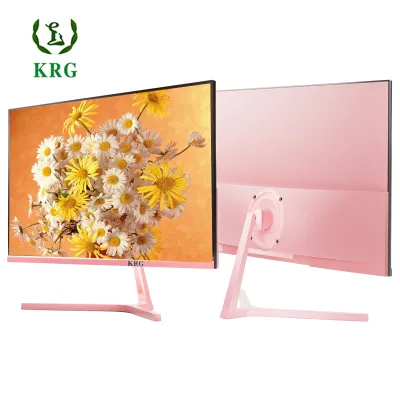
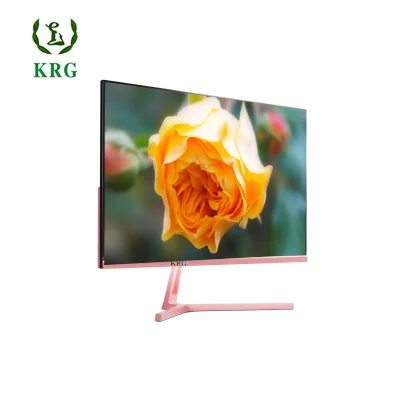
27inch 1920*1080 165Hz Frameless LED Flat Screen Computer Gaming Monitor
$44.14 - $176.56
MOQ: 1 Pieces


Factory Wholesale 21.5inch Flat Frameless Monitor LED Computer Desktop Gaming Monitor
$47.83 - $200.00
MOQ: 1 Pieces

New Frameless 24 Inch Computer Monitor Desktop Monitor 144Hz 165Hz Gaming Monitor
$48.32 - $52.00
MOQ: 1 Pieces

Guangzhou Benner Electronic Technology Co., Ltd
- Verified by BV
- Manufacturer/Factory
- China Guangdong
- Lead time45 days
- Avg. response≤ 21h
Main productsLED Monitor, LED TV, Computer LED Monitor, PC LED Monitor, Gaming Monitor, LED Display, 19 Inch Ultra Slim LED Monitor, 18.5 Cheap LED Monitor, LED Smart TV, 24 Inch IPS LED Monitor
Main marketsSouth America,Eastern Europe,Mid East,North America,Southeast Asia,Eastern Asia,Oceania,Western Europe,Africa
Shenzhen Mio-Lcd Technology Co., Limited
- Verified by Intertek
- Manufacturer, Trading Company
- Lead time0 days
- Avg. response≤ 5h
Main productsLCD monitors, touchscreen monitors, all in one pc , rugged tablet pc, advertising displays
Main marketsMid East(30%), North America(20%), Western Europe(17%)

Guangdong Kuai Intelligent Technology Co., Ltd
- Combined
- China Guangdong
- Lead time15 days
- Avg. response≤ 9h
Main productsAll in One Computer, All in One PC, Laptops, Computer
Main marketsSouth America,Africa,Southeast Asia/ Mideast

Gaming Monitor 165Hz 27 Inch Frameless LED 24 Inch LCD Gaming PC Computer Monitor
$46.00 - $53.00
MOQ: 5 Pieces


Thin Frameless 75Hz 144Hz 165Hz 1080P 2K 4K Gaming Monitor VGA HDMI 27 Inch LED Monitor
$38.00 - $58.00
MOQ: 5 Pieces

Jiangxi Langshi Electronic Technology Co., Ltd
- Verified by TUVRHEINLAND
- Manufacturer/Factory
- China Guangdong
- Lead time15 days
- Avg. response≤ 23h
Main productsLED TV, LCD TV, LED Monitor, LCD Monitor, Gaming Monitor
Main marketsSouth America,Eastern Europe,Mid East,Southeast Asia,Eastern Asia,Oceania,Africa

Shenzhen rCloud Technology Co., Ltd
- Manufacturer
- China Guangdong
- Lead time15 days
- Avg. response≤ 7h
Main productsCard Reader, RFID Card Reader, Magnetic Card Reader, IC Card Reader, Hybrid Card Reader, DIP Card Reader, Bar Type LCD Display, Double Sided Monitor, LED Gaming Monitor, Curved Gaming Monitor
Main marketsSouth America,Southeast Asia/ Mideast,Europe,North America

Shenzhen Montronics Technology Co., Limited
- Verified by BV
- Combined
- China Guangdong
- Lead time15 days
- Avg. response≤ 15h
Main productsTouch Screen Monitor, LCD LED Monitor, All in One PC, Advertising Display, Digital Photo Frame, Touch All in One PC, Android Tablet, Tablet PC, Open Frame Kiosk Monitor, All in One Computer
Main marketsSouth America,Africa,Southeast Asia/ Mideast,East Asia(Japan/ South Korea),Domestic,Europe,Australia,North America
Shenzhen Hopestar Sci-Tech Co., Ltd.
- Verified by SGS Group
- Manufacturer, Trading Company
- Lead time7 days
- Avg. response≤ 2h
Main productsLCD/LED Monitor, Gaming Monitor, Touch Screen Monitor, Android AD Play, LED Display
Main marketsNorth America(25%), Eastern Europe(16%), Western Europe(15%)
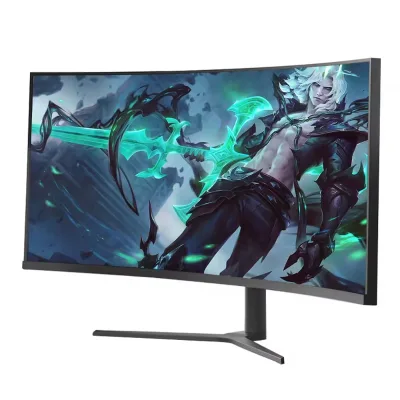
Hopestar Hot Selling Gaming Screen Frameless Best Monitors IPS Gaming Monitor Pc
$89.00 - $119.00
MOQ: 2 pieces
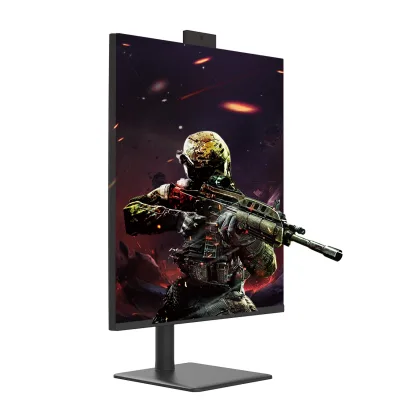
27.6inch White or Black Gaming Monitor with 2560*2880 60HZ RGB Backlight Camera Monitor Display
$380.9109 - $405.5515
MOQ: 1 pieces
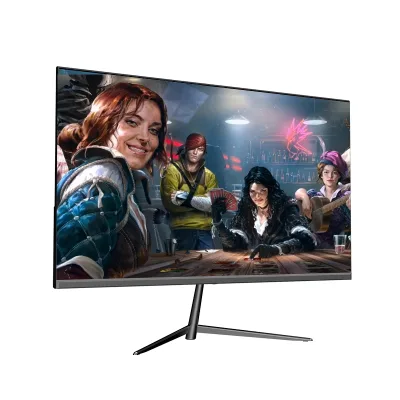
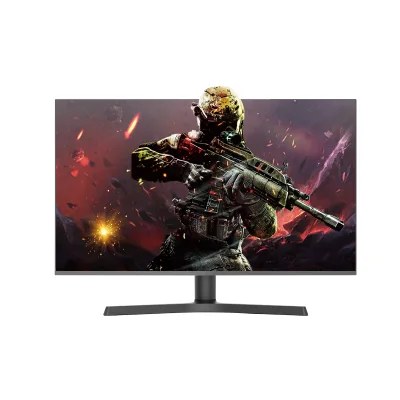
Backlight 23.8-Inch Brand New Gaming Monitor 1920*1080 Gaming Monitor Multi-Language Monitor
$51.50 - $53.50
MOQ: 1 pieces
$214.00 - $219.00
MOQ: 1 pieces
Shenzhen Wucaihong Electronic Technology Co., Ltd.
- Verified by Intertek
- Manufacturer, Trading Company
- Lead time7 days
- Avg. response≤ 2h
Main productsMonitor, Gaming Monitor, All-in-One PC, Business Monitor, Industrial Touch Monitor
Main marketsNorth America(51%), Western Europe(20%), Domestic Market(10%)
Shenzhen Skyblue Technology Co., Ltd.
- Manufacturer
- Guangdong, China
- Lead time20 days
- Avg. response≤ 3h
Main productsAndroid Tablet PC,Pos Machine,Gaming Monitor,All In One PC,Touch Screen Monitor
Main marketsAfrica(20.00%), North America(15.00%), Mid East(10.00%), Northern Europe(10.00%), South America(10.00%), Eastern Europe(10.00%), Domestic Market(5.00%), South Asia(5.00%), Oceania(5.00%), Western Europe(5.00%), Eastern Asia(5.00%)

Guangzhou CJY Import & Export Co., Ltd.
- Verified by TUVRHEINLAND
- Trading Company
- China Guangdong
- Lead time15 days
- Avg. response≤ 15h
Main productsComputer Case, Power Supply, LED TV, Computer Monitor, Gaming Computer Case, ATX Computer Case, Cabinet, PC Case, TV, Flex Power Supply
Main marketsOthers(foreignTradeCapacity.exportBusinessCapacityMarketOther)
ABELOE (HK) TECHNOLOGY CO., LIMITED
- Trading Company
- Lead time旺季: "1 - 10":20,"11 - 100":30,"101 - 1000":50,"> 1000":"To be negotiated", 淡季: "1 - 10":20,"11 - 100":30,"101 - 1000":50,"> 1000":"To be negotiated"
- Avg. response≤ 3h
Main productsgaming monitor,LCD/LED Monitor,Touch Screen Monitor,led display,Android AD Play
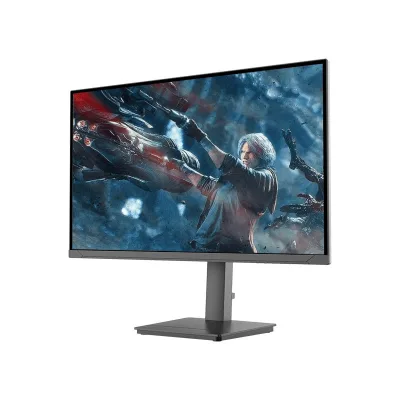
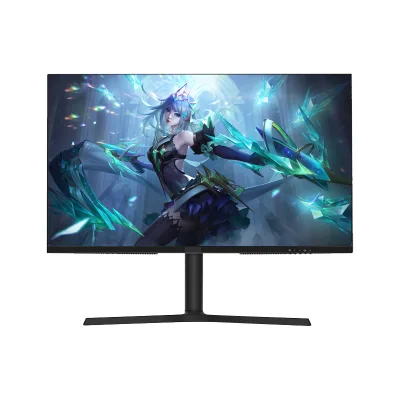
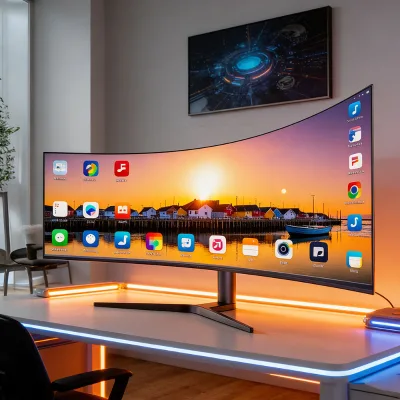
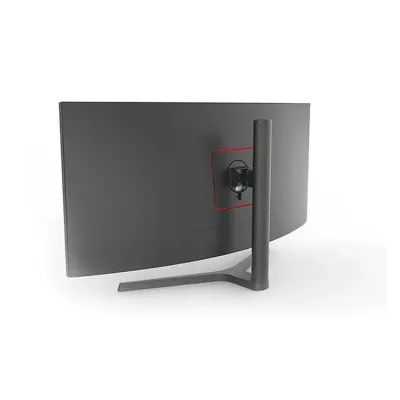
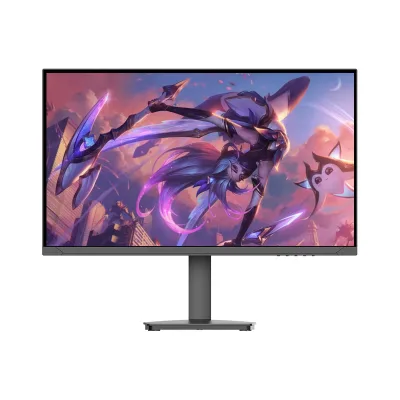
27inch Gaming Monitor 2560*1440 240hz Monitor WLED Computer Monitor
$214.00 - $219.00
Foshan Aitou Information Technology Co., Ltd.
- Manufacturer, Trading Company
- Guangdong, China
- Lead time20 days
- Avg. response≤ 6h
Main productsMonitor,LED Monitor,Gaming Monitor,LCD monitor,PC monitor
Main marketsSoutheast Asia(25.00%), South America(25.00%), South Asia(25.00%), Mid East(10.00%), Domestic Market(5.00%), North America(5.00%), Northern Europe(5.00%)

Guangzhou Aevision Electronics Technology Co., Ltd.
- Verified by CTI
- Manufacturer/Factory
- China Guangdong
- Lead time0 days
- Avg. response≤ 4h
Main productsCCTV Monitor, PC Monitor, LCD Video Wall, LED Monitor, LCD Monitor, Gaming Monitor, Splicing Screen, Interactive Touch Panel, Digital Signage, LED Display
Main marketsSouth America,Eastern Europe,Mid East,North America,Southeast Asia,Eastern Asia,Oceania,Western Europe,Africa


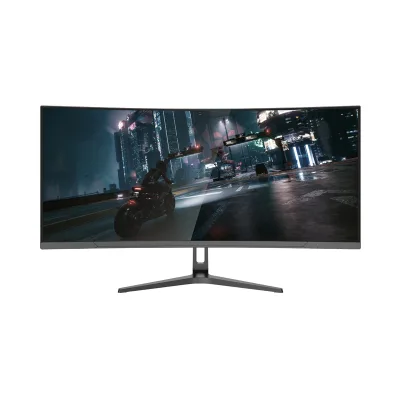
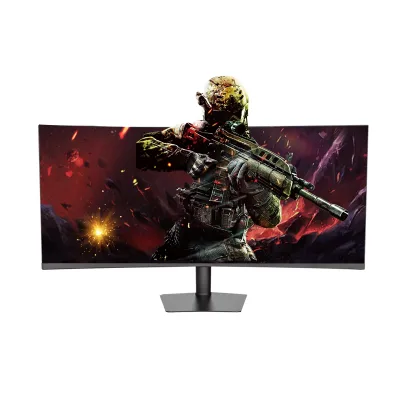
24 Inch 100Hz 144Hz 165Hz LCD LED Display Frameless Curve Gaming Monitor
$83.30 - $88.60
MOQ: 4 Pieces


Shenzhen Nereus Industrial Co., Ltd.
- Manufacturer, Trading Company
- Guangdong, China
- Lead time20 days
- Avg. response≤ 2h
Main productsGaming Monitor,Monitor,led monitor
Main marketsEastern Europe(20.00%), Western Europe(15.00%), Northern Europe(15.00%), North America(15.00%), South America(15.00%), Southern Europe(10.00%), Mid East(5.00%), Southeast Asia(5.00%)
Shenzhen Hopestar Sci-Tech Co., Ltd.
- Manufacturer, Trading Company
- Lead time旺季: "1 - 100":25,"101 - 500":60,"501 - 1000":90,"> 1000":"To be negotiated", 淡季: "1 - 100":25,"101 - 500":60,"501 - 1000":90,"> 1000":"To be negotiated"
- Avg. response≤ 2h
Main productsLCD/LED Monitor, Gaming Monitor, Touch Screen Monitor, Android AD Play, LED Display
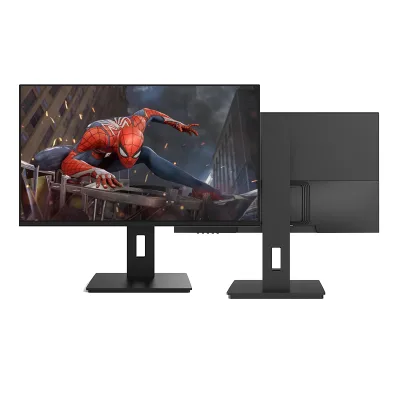
$75.00 - $89.00
MOQ: 2 pieces
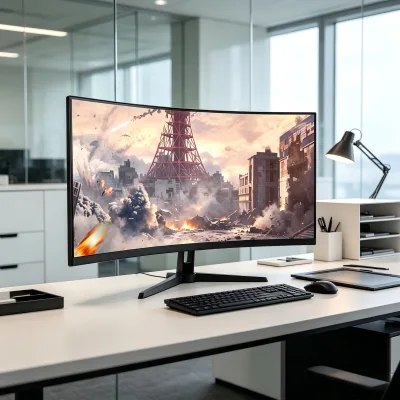
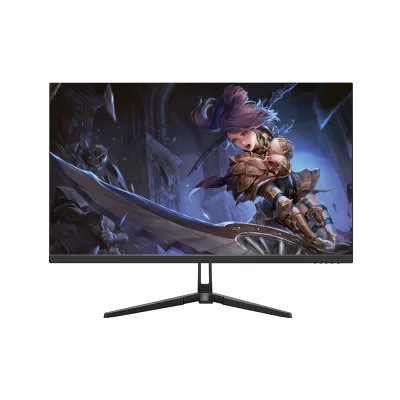
Cheap Price 32inch Frameless IPS 4K 144Hz Gaming Monitor with 5ms Response Time and 100% SRGB
$234.2517 - $264.0459
MOQ: 2 pieces
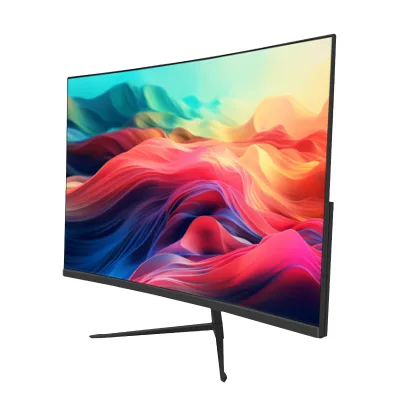
$60.6181 - $63.70
MOQ: 10 pieces
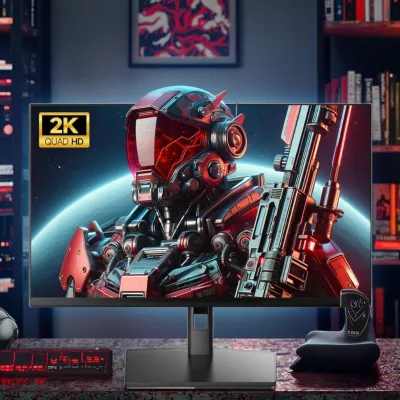
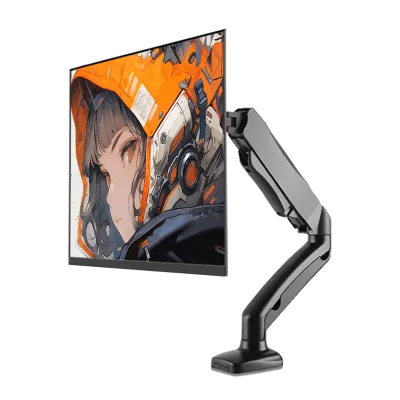
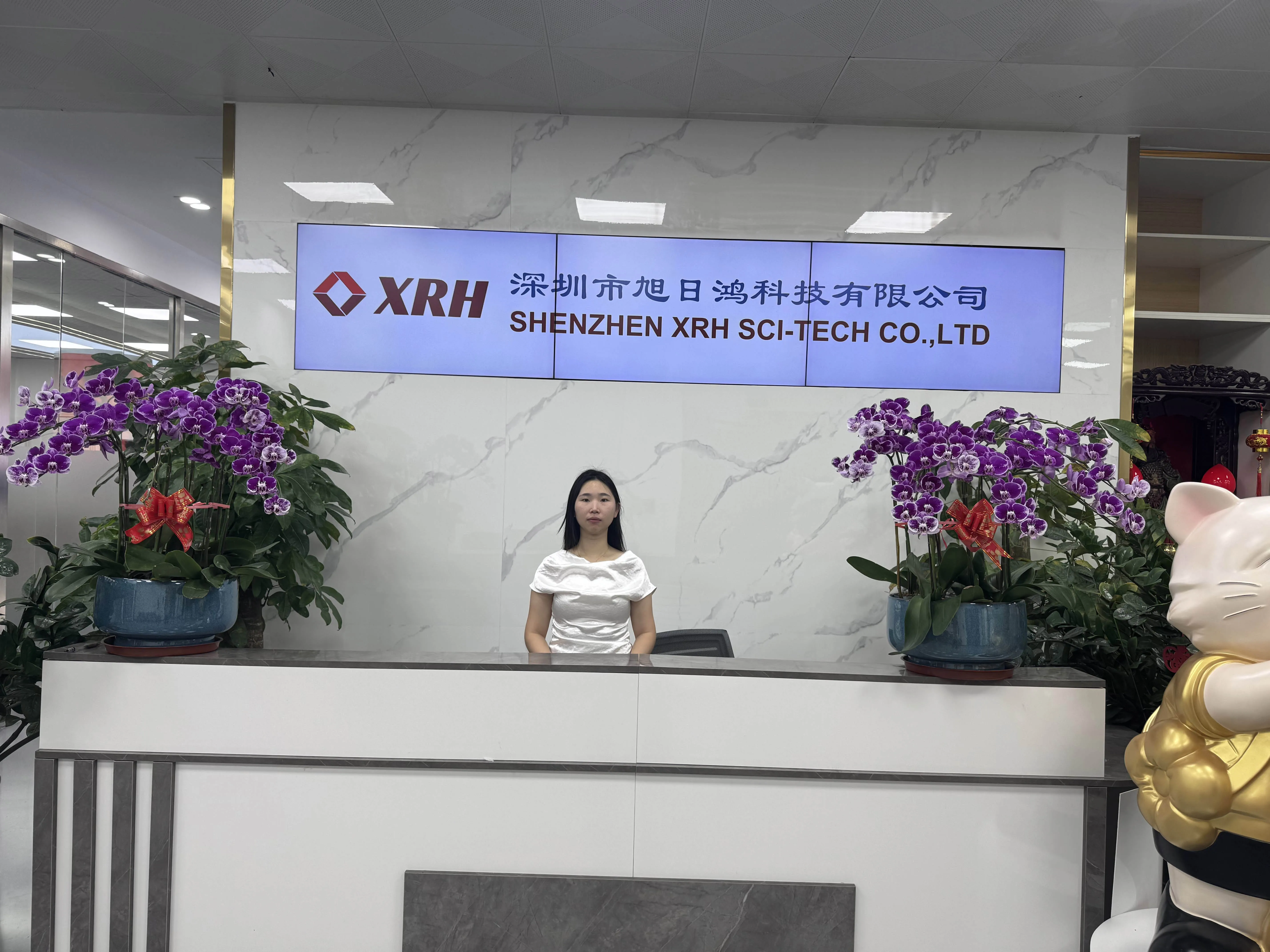
Shenzhen XRH Sci-Tech Co., Ltd.
- Manufacturer
- Guangdong, China
- Lead time3 days
- Avg. response≤ 4h
Main productstouch monitor,panel pc,LED monitor,touch monitor,ALL IN ONE
Main marketsNorth America(30.00%), Eastern Europe(20.00%), South America(20.00%), Western Europe(10.00%), Northern Europe(10.00%), Africa(1.00%)
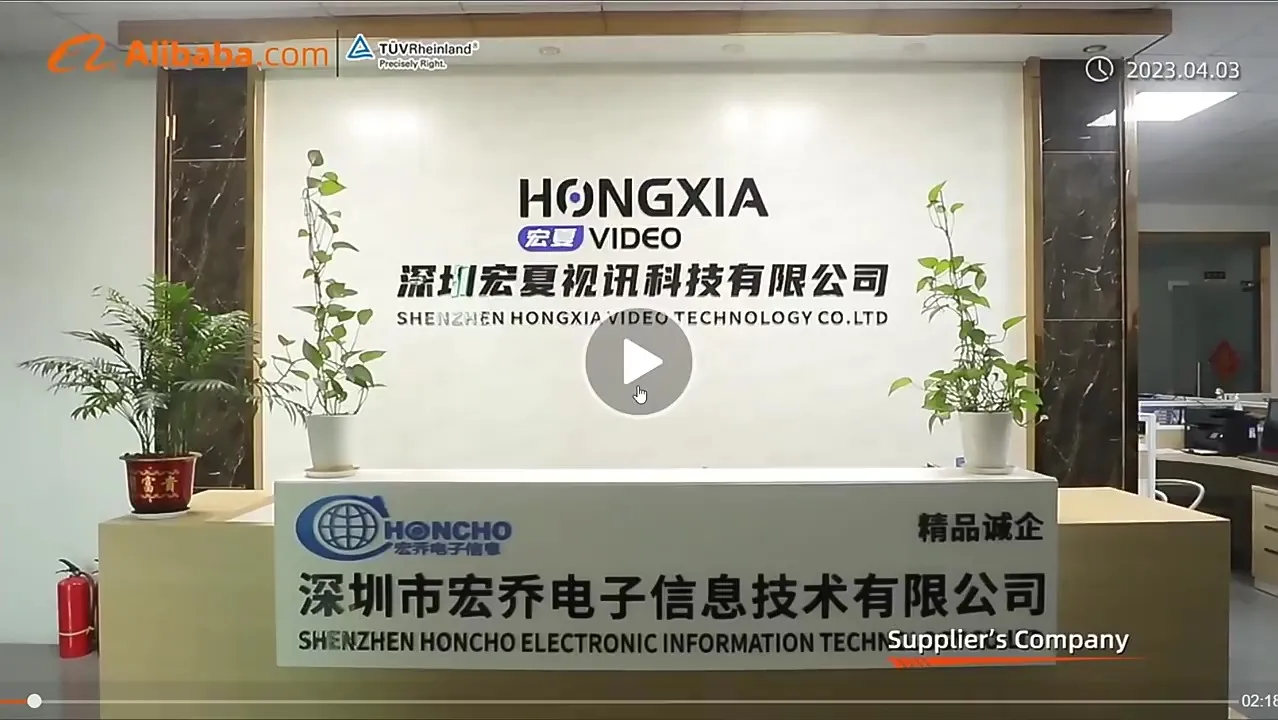
Shenzhen Honcho Electronic Information Technology Co.,ltd
- Manufacturer, Trading Company
- Guangdong, China
- Lead time15 days
- Avg. response≤ 10h
Main productsCommercial Display, Portable Monitor, Gaming Monitor, LCD Monitor, Customized Display Screen
Main marketsSouth America(30.00%), Southeast Asia(30.00%), North America(20.00%), Domestic Market(20.00%)
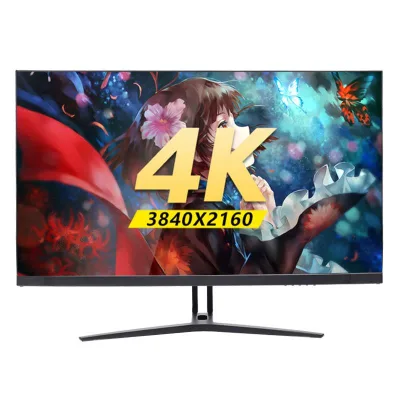
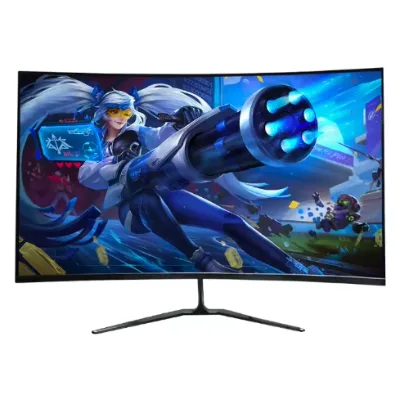
OEM Borderless Gaming Monitors - 19'' to 32'', 144Hz/165Hz, 2K/4K LED Display
$108.00 - $112.00
MOQ: 20 pieces
Guangdong Chaoye Import& Export Co., Ltd.
- Verified by SGS Group
- Manufacturer, Trading Company
- Lead time0 days
Main productsLED TV, Interactive Whiteboard, Monitor
Main marketsSoutheast Asia(20%), Africa(20%), South Asia(20%)
Chongqing Chuangjie Electronic Technology Co., Ltd.
- Trading Company
- Chongqing, China
- Lead time0 days
- Avg. response≤ 4h
Main productsComputer,Motherboards,Touch Screen Monitors,CPUs,Hard Drives
Main marketsDomestic Market(100.00%), South Asia(100.00%), Southern Europe(100.00%), Northern Europe(100.00%), Central America(100.00%), Western Europe(100.00%), Eastern Asia(100.00%), Mid East(100.00%), Oceania(100.00%), Africa(100.00%), Southeast Asia(100.00%), North America(100.00%), Eastern Europe(100.00%), South America(100.00%)
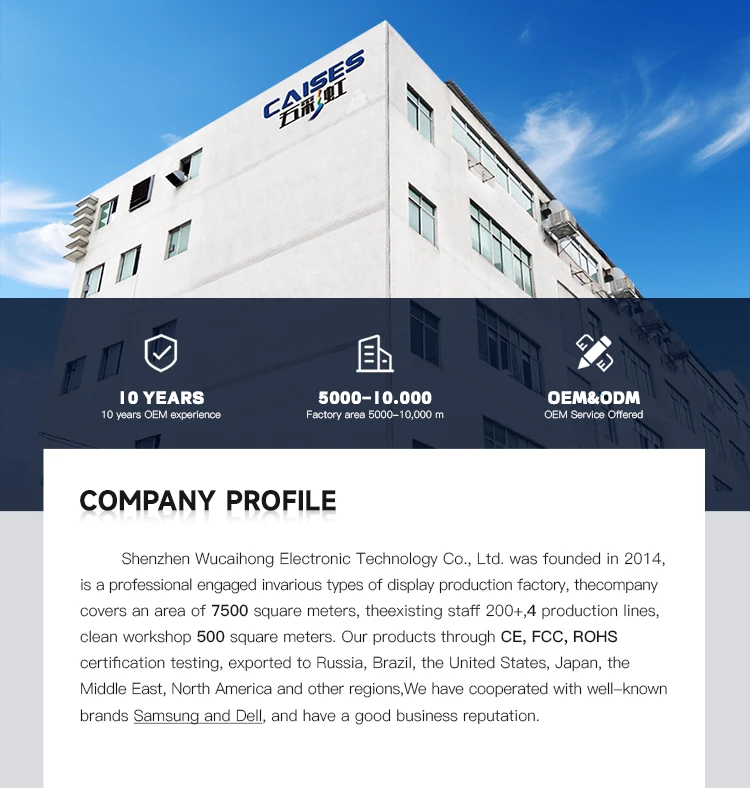
Shenzhen Chengyu Electronic Technology Co., Ltd.
- Manufacturer, Trading Company
- Guangdong, China
- Lead time7 days
- Avg. response≤ 6h
Main productsMonitor,Gaming Monitor,Office Monitor,Business Monitor,Industrial Touch Monitor
Main marketsNorth America(50.00%), Western Europe(20.00%), Domestic Market(10.00%), Southern Europe(2.00%), Northern Europe(2.00%), Central America(2.00%), South America(2.00%), Eastern Asia(2.00%), Eastern Europe(2.00%), Oceania(2.00%), South Asia(2.00%), Southeast Asia(2.00%), Mid East(1.00%), Africa(1.00%)
Guangzhou Souxin Appliances Co., Ltd.
- Manufacturer, Trading Company
- Guangdong, China
- Lead time15 days
- Avg. response≤ 8h
Main productsWall Split Air Conditioner,Central Air Conditioner,Air Cooled Chiller Water Unit,LED TV,LED Monitor
Main marketsDomestic Market(30.00%), Mid East(20.00%), South America(20.00%), North America(10.00%), Southeast Asia(7.00%), Eastern Asia(7.00%), South Asia(6.00%)
Shenzhen Abeloe Technology Co., Ltd.
- Manufacturer, Distributor/Wholesaler
- Guangdong, China
- Lead time15 days
- Avg. response≤ 2h
Main productsAndroid Tablet PC,Pos All In One,Smart TV,Consumer Tablet PC,Lcd/Led Gaming Monitor
Main marketsNorth America(15.00%), Southeast Asia(10.00%), Eastern Europe(10.00%), South America(10.00%), Western Europe(10.00%), Domestic Market(5.00%), South Asia(5.00%), Southern Europe(5.00%), Africa(5.00%), Northern Europe(5.00%), Central America(5.00%), Eastern Asia(5.00%), Mid East(5.00%), Oceania(5.00%)
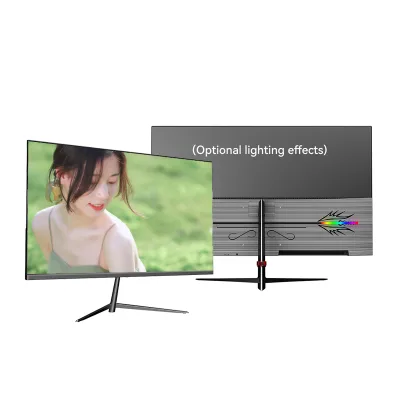
$62.3734 - $70.5534
MOQ: 1 pieces
$228.8718 - $237.1193
MOQ: 1 square
Shenzhen Abeloe Technology Co., Ltd.
- Manufacturer, Trading Company
- Lead time旺季: "1 - 100":7,"101 - 500":10,"501 - 1000":15,"> 1000":"To be negotiated", 淡季: "1 - 100":7,"101 - 500":10,"501 - 1000":15,"> 1000":"To be negotiated"
- Avg. response≤ 3h
Main productsLCD Monitor, Gaming Monitor, Tablet PC, Touch Screen Moitor, All In One PC
Shenzhen Abeloe Technology Co., Ltd.
- Manufacturer, Trading Company
- Lead time旺季: "1 - 100":8,"> 100":"To be negotiated", 淡季: "1 - 100":8,"> 100":"To be negotiated"
- Avg. response≤ 5h
Main productsled monitor,lcd monitor,touch monitor,cctv monitor,android Advertising player






Comprehensive Sourcing Guide
Frameless LED RGB Gaming Monitor Supplier Concentration and Factory Types
The current supplier landscape for frameless LED RGB gaming monitors reveals a distinct concentration of manufacturing activity within China, specifically in the Guangdong region. This geographic clustering is significant because it indicates a mature supply chain ecosystem where components such as LCD panels, LED backlights, and driver boards are readily available. Buyers evaluating potential partners should recognize that this regional density often correlates with faster prototyping cycles and more competitive pricing structures due to reduced logistics friction for raw materials. The presence of combined company types alongside dedicated manufacturers suggests a hybrid market where some entities function primarily as trading companies while others operate as direct factories. This distinction is crucial for buyers who need to determine whether they are engaging with the source of production or an intermediary. Understanding this mix helps in assessing the depth of technical support available, as factory-type suppliers may offer more direct access to engineering teams for customizations, whereas combined entities might provide broader product portfolios but less direct control over the production line.
Within this concentrated region, the types of companies offering these monitors vary significantly in their operational focus and capabilities. Some suppliers are identified as manufacturers or factories, which typically implies they own the production lines and have direct control over quality assurance processes. These entities often highlight their ability to handle OEM and ODM projects, allowing buyers to customize specifications such as refresh rates, panel types, and casing designs. Other suppliers are classified as combined entities, which may blend trading operations with manufacturing capabilities or focus on a wider array of consumer electronics beyond just monitors. This diversity means that buyers must carefully review the specific product evidence and company type declarations to align their sourcing strategy with their needs. For instance, a buyer seeking high-volume production with strict quality control might prefer a factory-type supplier, while one looking for rapid diversification of SKUs might find a combined supplier more suitable. The variation in company types directly impacts the flexibility and scalability of the supply chain, making it essential to verify the actual operational model before committing to large orders.
How to Verify Frameless LED RGB Gaming Monitor Suppliers
Verifying the legitimacy and capability of suppliers requires a multi-layered approach that goes beyond simple profile reviews. One critical step is to examine the verification status provided by third-party inspection agencies. In the current results, some suppliers are verified by SGS, while others hold BV verification. These verifications serve as a baseline indicator of the supplier’s operational stability and compliance with international standards. Buyers should prioritize suppliers with these external validations, as they have undergone rigorous checks regarding business licenses, factory audits, and product quality management systems. Additionally, the presence of specific system certifications, such as ISO 9000 or ISO 9001, further reinforces a supplier’s commitment to standardized quality processes. These certifications are not merely decorative; they indicate that the supplier has established documented procedures for manufacturing, testing, and continuous improvement. Buyers should request copies of these certificates and verify their validity through the issuing bodies to ensure they are current and applicable to the specific products being sourced.
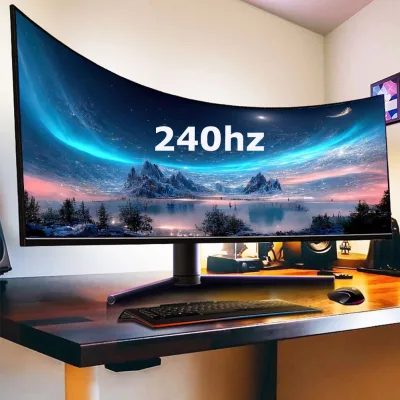
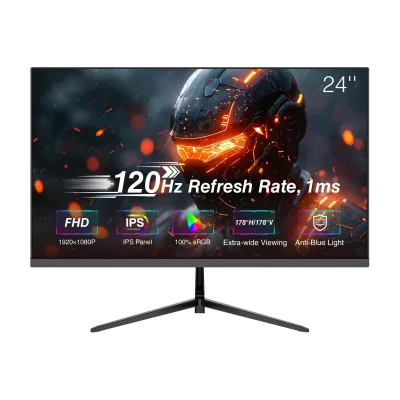
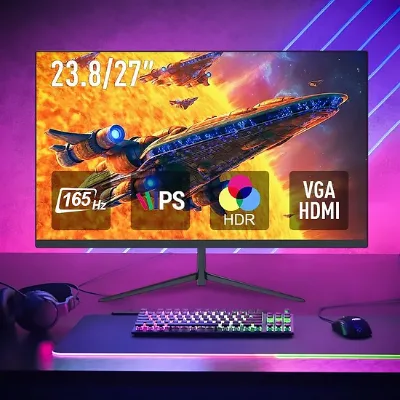
Beyond certifications, buyers must scrutinize the technical specifications and product evidence provided by the supplier. Detailed product attributes, such as optimum resolution, screen refresh rates, and panel types, offer insight into the supplier’s technical proficiency. For example, suppliers listing monitors with high refresh rates like 165Hz or 240Hz and specific panel technologies like IPS or VA demonstrate a capability to produce advanced gaming hardware. Buyers should cross-reference these claims with independent reviews or sample testing to ensure accuracy. Furthermore, the response time of the supplier is a key metric for assessing their professionalism and reliability. A quick response time, such as under five hours, often correlates with efficient internal communication and a customer-centric approach. Buyers should also look for evidence of customization capabilities, as this indicates the supplier’s flexibility in meeting unique requirements. By combining verification checks with technical due diligence, buyers can significantly reduce the risk of partnering with unreliable or unqualified suppliers.
What to Compare Across Frameless LED RGB Gaming Monitor Suppliers
When evaluating multiple suppliers, buyers should focus on comparing key operational metrics that directly impact their supply chain efficiency. Lead time is a critical factor, as it determines how quickly orders can be fulfilled and delivered to the end market. In the current results, lead times vary, with some suppliers offering as little as 15 days, while others may require up to 45 days. This variance can significantly affect inventory management and market responsiveness, especially for time-sensitive gaming product launches. Buyers should align their order planning with the lead times of their preferred suppliers to avoid stockouts or excess inventory. Additionally, the minimum order quantity (MOQ) is another important consideration. Some suppliers offer low MOQs, such as one unit, which is ideal for testing the market or fulfilling small-scale orders. Others may have higher MOQs, which can be more cost-effective for bulk purchases but require greater capital investment. Understanding these thresholds helps buyers optimize their purchasing strategy based on their sales volume and cash flow constraints.
Another vital aspect of comparison is the pricing structure and the range of products offered. Prices for frameless LED gaming monitors can vary widely, from around $44 to over $200, depending on specifications such as screen size, resolution, and refresh rate. Buyers should analyze the price-to-feature ratio to ensure they are getting value for money. It is also important to compare the main products and customization options available. Suppliers that offer a wide range of monitors, from 21.5-inch to 34-inch models, provide greater flexibility in product diversification. Additionally, the availability of OEM and ODM services allows buyers to create unique products that stand out in the market. Buyers should also consider the supplier’s response time, as a quicker response can facilitate smoother communication and faster problem resolution. By systematically comparing these factors, buyers can identify the suppliers that best match their specific business needs and strategic goals.
Common Frameless LED RGB Gaming Monitor Sourcing Risks
One of the primary risks in sourcing frameless LED gaming monitors is the potential discrepancy between advertised specifications and actual product performance. Suppliers may list high refresh rates or specific panel types, but the actual products delivered might not meet these claims. This risk is particularly prevalent in the consumer electronics sector, where marketing materials can sometimes exaggerate capabilities. Buyers must mitigate this risk by requesting detailed technical datasheets and, if possible, conducting pre-shipment inspections or ordering samples for testing. Another significant risk is the variability in build quality and durability. Frameless designs, while aesthetically appealing, can sometimes compromise the structural integrity of the monitor, leading to issues with stand stability or screen protection. Buyers should inquire about the materials used in the casing and the testing procedures employed to ensure durability. Additionally, the lack of standardized certifications in some cases can pose a risk, as non-compliant products may face regulatory hurdles in target markets.
Supply chain disruptions are another common risk that buyers must anticipate. Geopolitical tensions, raw material shortages, or logistical bottlenecks can delay production and delivery. Suppliers with longer lead times or those located in regions prone to disruptions may pose a higher risk. Buyers should diversify their supplier base to reduce dependency on a single source. Furthermore, intellectual property risks are a concern, especially when working with suppliers that offer OEM services. Buyers must ensure that their designs and branding are protected through proper legal agreements and that the supplier does not share their designs with competitors. Communication barriers can also lead to misunderstandings regarding product specifications and order details. Buyers should establish clear communication channels and use detailed purchase orders to minimize errors. By proactively identifying and addressing these risks, buyers can build a more resilient and reliable supply chain for their gaming monitor products.
Frameless LED RGB Gaming Monitor Regional Sourcing and Logistics
Sourcing from the Guangdong region in China offers distinct logistical advantages due to its status as a major manufacturing hub. The concentration of suppliers in this area facilitates efficient transportation of goods to major ports, reducing transit times and costs. Buyers should leverage this geographic advantage by working with suppliers who have established logistics partnerships. However, the density of suppliers also means that competition for shipping space can be high during peak seasons, potentially leading to delays. Buyers should plan their shipments well in advance and consider using freight forwarders with experience in handling electronics. Additionally, the regional infrastructure supports rapid prototyping and small-batch production, which is beneficial for buyers testing new product designs. The availability of local component suppliers further enhances the efficiency of the supply chain, allowing for quicker adjustments to production schedules.
Despite the advantages, buyers must be aware of the complexities involved in international logistics. Customs regulations, import duties, and compliance requirements vary by destination country and can impact the total cost of ownership. Buyers should work with suppliers who are familiar with export procedures and can provide necessary documentation, such as certificates of origin and product compliance certificates. The choice of packaging is also critical, as monitors are fragile and require robust protection during transit. Suppliers in the Guangdong region often use carton packing, but buyers should verify the packaging standards to ensure they meet the requirements of their target markets. Additionally, the environmental impact of shipping should be considered, with buyers exploring options for more sustainable logistics solutions. By understanding the logistical landscape, buyers can optimize their supply chain and ensure timely delivery of their products.
Frameless LED RGB Gaming Monitor Commercial Terms and Order Planning
Commercial terms play a crucial role in the success of any sourcing transaction. Buyers should negotiate clear payment terms that protect their interests, such as using escrow services or letters of credit for large orders. These financial instruments provide security by ensuring that payment is only released upon satisfactory delivery of the goods. Additionally, buyers should clarify the warranty terms and after-sales support provided by the supplier. A robust warranty policy can mitigate the risk of defects and reduce the cost of returns. Buyers should also consider the total cost of ownership, including shipping, insurance, and potential tariffs, when evaluating supplier quotes. Transparent pricing helps in accurate budgeting and prevents unexpected expenses. Furthermore, buyers should establish clear communication protocols for handling disputes or quality issues, ensuring that both parties have a shared understanding of the resolution process.
Order planning is essential for maintaining a smooth supply chain. Buyers should align their order volumes with their sales forecasts to avoid overstocking or stockouts. Working with suppliers who offer flexible MOQs can help in managing inventory more effectively. Buyers should also consider the supplier’s production capacity and lead times when planning their orders. Suppliers with higher capacity and shorter lead times can provide greater flexibility in responding to market changes. Additionally, buyers should maintain a buffer stock of critical components or finished goods to mitigate the risk of supply chain disruptions. Regular communication with suppliers about market trends and demand fluctuations can help in adjusting order quantities and schedules. By implementing robust order planning strategies, buyers can enhance their operational efficiency and competitiveness in the gaming monitor market.
FAQs
What is the price range for frameless LED gaming monitors?
Prices for frameless LED gaming monitors typically range from $44.14 to $200.00 per unit. The final cost depends on screen size, refresh rate, and panel type. Buyers can find budget-friendly options starting around $44 for standard 165Hz models, while high-specification units with higher refresh rates may cost closer to $200.
What is the minimum order quantity for these monitors?
The minimum order quantity is generally one unit, allowing for easy sample testing. This low MOQ supports buyers who need to evaluate product quality before committing to larger bulk orders. It provides flexibility for small businesses or individual purchasers looking to source specific gaming monitor configurations without significant upfront inventory investment.
How long does production and delivery take?
Lead times for manufacturing these monitors vary between 15 and 45 days. The specific duration depends on the supplier type and order volume. Combined suppliers may offer faster turnaround times around 15 days, whereas dedicated manufacturers might require up to 45 days to complete production and prepare shipments for international delivery.
Are customization and OEM services available?
Yes, customization and OEM services are widely available for these monitors. Suppliers offer ODM, OEM, and own brand capabilities to meet specific buyer requirements. Buyers can request custom packaging, branding, or specific technical configurations. This flexibility ensures that the final product aligns with your brand identity and technical specifications for the gaming market.
What certifications do these suppliers hold?
Certification status varies among suppliers, with some holding ISO 9000 and ISO 9001 standards. Others may have different system certifications or none listed. Verification services like SGS or BV are also used to confirm supplier reliability. Buyers should verify specific certification requirements for their target market to ensure compliance with local regulations.
Where are these monitors manufactured?
These monitors are primarily manufactured in China, specifically in the Guangdong region. Key production hubs include Shenzhen, which is a major center for electronics manufacturing. This location offers a robust supply chain for components like LCD panels and LED backlights, facilitating efficient production and export of gaming monitors to global markets.