Large Capacity Fruit Peeler Machine Suppliers and Manufacturers
Explore 30 verified suppliers offering large capacity fruit peeler machines with customizable voltage, capacity, and material options. Compare response times, lead times, and certifications like ISO 9001 to find the right factory for your needs; review the available evidence before requesting comparable quotations from suitable candidates.
Updated
Suppliers List

ZHENGZHOU HONGLE MACHINERY EQUIPMENT CO., LTD.
- Trading Company,Manufacturer/Factory
- China Henan
- Lead time0 days
- Avg. response≤ 9h
Main productsVegetable Fruit Production Machine, Meat Processing Machines, Nuts Processing Machine, Water Treatment System, Snack Processing Machine
Main marketsSouth America,Eastern Europe,Mid East,North America,Southeast Asia,Eastern Asia,Oceania,Western Europe,Africa

Zhengzhou Hento Machinery Co., Ltd.
- Verified by SGS
- Trading Company,Manufacturer/Factory,Group Corporation
- China Henan
- Lead time15 days
- Avg. response≤ 7h
Main productsMeat Processing Machinery, Egg Processing Machinery, Dairy Processing Machinery, Fruit & Vegetable Processing Machinery, Grain Product Making Machines, Snack Machines, Nuts Processing Machinery, Packing Machines, Drying Machines, Commodity Making Machines
Main marketsSouth America,Eastern Europe,Mid East,North America,Southeast Asia,Eastern Asia,Oceania,Western Europe,Africa


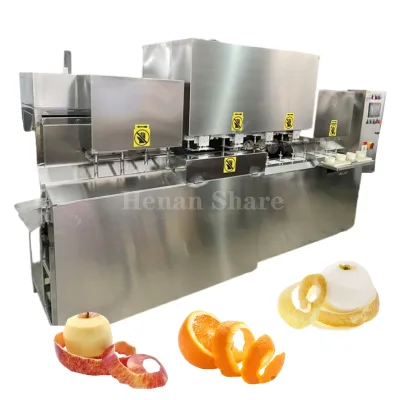
High Automation Fruit Apple Peeling Machine / Apple Peeler Corer Slicer
$11805.00 - $14165.00
MOQ: 1 Sets


$11899.00 - $14899.00
MOQ: 1 Set
Henan Share M&E Equipment Co.,Ltd
- Verified by SGS Group
- Trading Company
- Lead time7 days
- Avg. response≤ 3h
Main productsTextile Machinery, Printing Machinery, Construction Machinery, Wood Machinery
Main marketsNorth America(20%), South America(20%), Eastern Europe(10%)
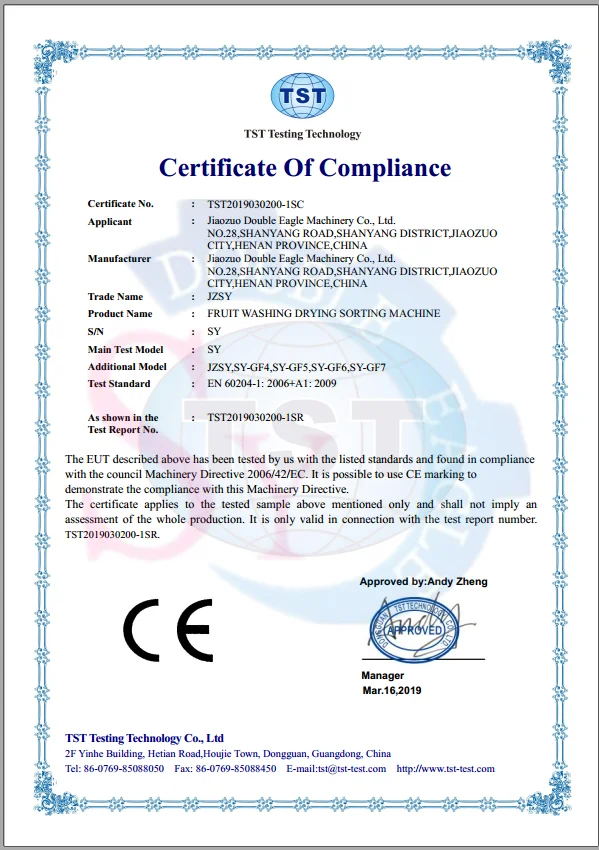
Jiaozuo Double Eagle Machinery Co., Ltd.
- Trading Company
- Henan, China
- Lead time7 days
- Avg. response≤ 8h
Main productscharcoal briquette equipment,food process machine,pellet making line,woodworking machinery,farm machinery
Main marketsSouth Asia(10.00%), Africa(10.00%), North America(10.00%), Western Europe(8.00%), Eastern Asia(8.00%), South America(8.00%), Southeast Asia(8.00%), Central America(6.00%), Mid East(6.00%), Eastern Europe(6.00%), Domestic Market(5.00%), Oceania(5.00%), Southern Europe(5.00%), Northern Europe(5.00%)
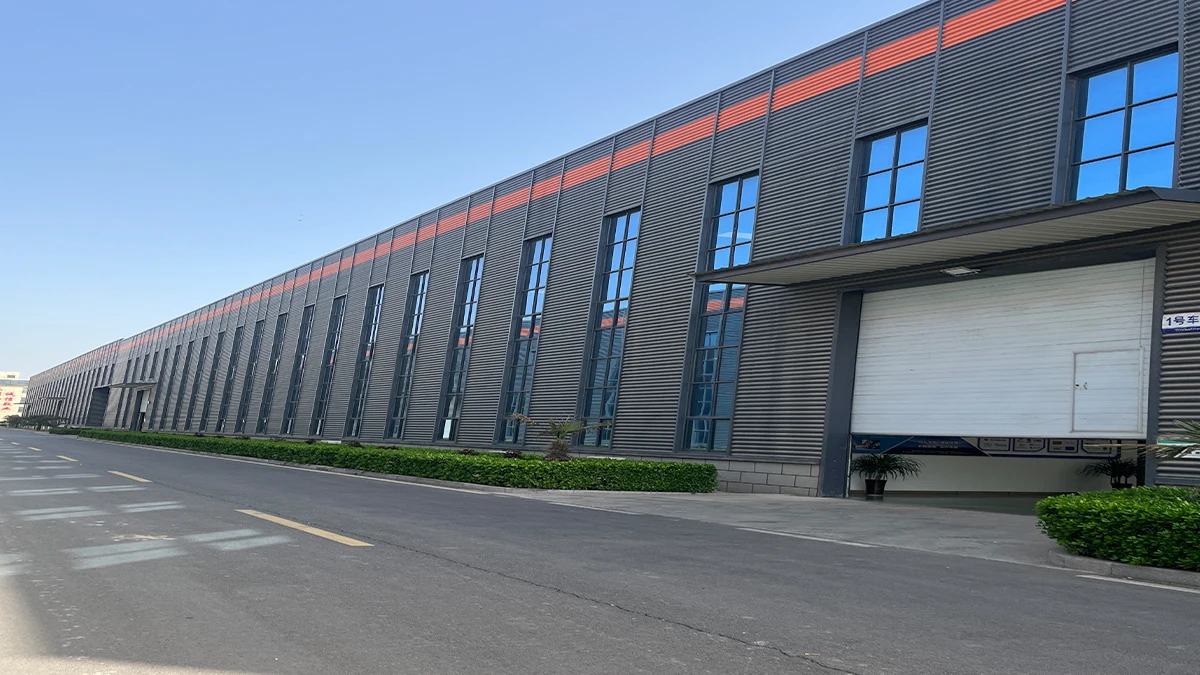
Henan Daheng Machinery CO., LTD.
- Trading Company
- Henan, China
- Lead time3 days
- Avg. response≤ 5h
Main productsFood Machine,Farm Machine,Packaging Machine,Coal and Charcoal Briquette Machine,Plastic Recycling Machine
Main marketsAfrica(30.00%), South America(25.00%), Domestic Market(15.00%), Mid East(8.00%), Eastern Asia(5.00%), Southeast Asia(3.00%), Eastern Europe(2.00%), South Asia(2.00%), Southern Europe(2.00%), Northern Europe(2.00%), Western Europe(2.00%), North America(2.00%), Oceania(2.00%)
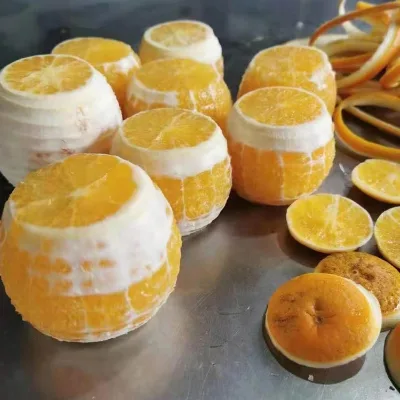
Strong Structure Orange Fruit Peeler Orange Peeling Machine
$21600.00 - $25200.00
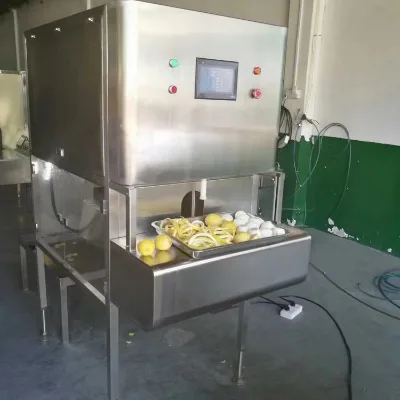
High Efficiency Orange Peeler Machine Automatic Industrial apple Peeler
$22176.9375 - $25873.0938
MOQ: 1 sets
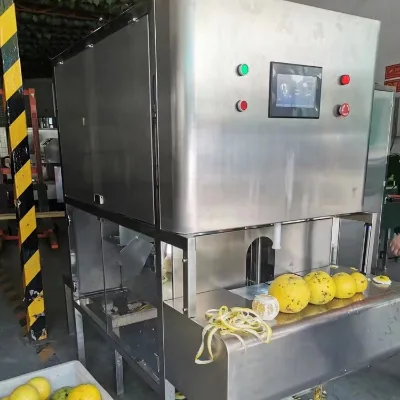
New Professional Automatic mango Peeler Machine Orange Peel Machine
$21600.00 - $25200.00
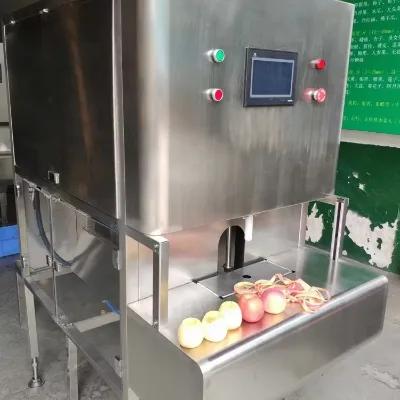
Good Quality Peeling Machine Peaches Automatic Peach Pitter and Peeler Machine
$22176.9375 - $25873.0938
MOQ: 1 sets
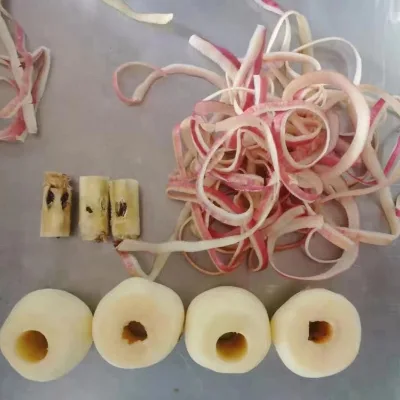
Made in China Automatic Electric Peeler Fruit apple Peeling and Separating Machine
$21600.00 - $25200.00
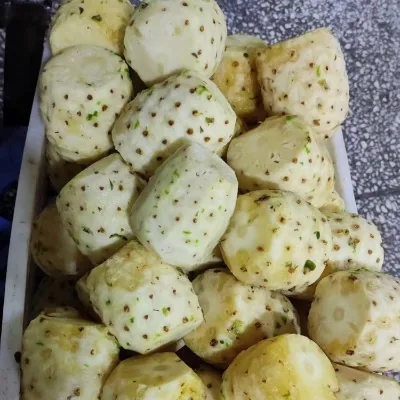

Tianjin Sure International Trading Co., Ltd.
- Verified by SGS
- Combined
- China Tianjin
- Lead time30 days
- Avg. response≤ 3h
Main productsFood Processing Machinery, Refrigeration & Heat Exchange Equipment, Agricultural & Food Processing Machinery, Meat Processing Machinery, Vegetables & Fruits Processing Line, Bakery Machinery, Quick-Freezing Equipments
Main marketsSouth America,Europe,North America

Advanced Automatic Mango Peeler for Large Scale Production with High Speed Operation
$23000.00
MOQ: 1 Pieces


Henan Foodmax Machinery Co., Ltd.
- Trading Company
- China Henan
- Lead time0 days
- Avg. response≤ 4h
Main productsBiscuit Machine, Vegetable Washing Machine, Quick Freezer, Yogurt Production Line, Chili Sauce Production Line, Vacuum Low Temperature Fryer, Slaughter Production Line, Cashew Production Line, Freeze Dryer, Cold Storage

Large-Capacity Efficient Continuous Efficient Quickly Fruit Peeling Machine
$3000.00 - $3500.00
MOQ: 1 Pieces

Jiaozuo Zhiyou Machinery Co., Ltd.
- Trading Company
- henan, China
- Lead time7 days
- Avg. response≤ 2h
Main productsFood machine,Farm machine,Drying machine,Pellet machine,Recycling Machine
Main marketsMid East(12.00%), Africa(11.00%), North America(10.00%), Oceania(10.00%), Southeast Asia(9.00%), Eastern Asia(8.00%), South Asia(7.00%), South America(6.00%), Southern Europe(6.00%), Northern Europe(5.00%), Eastern Europe(5.00%), Western Europe(4.00%), Domestic Market(4.00%), Central America(3.00%)
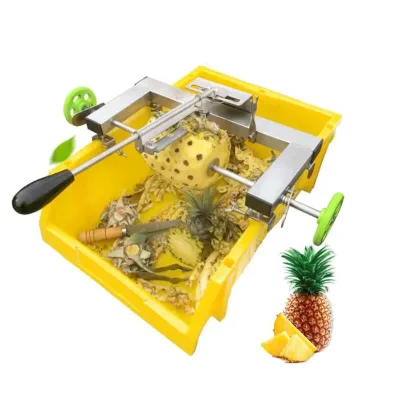
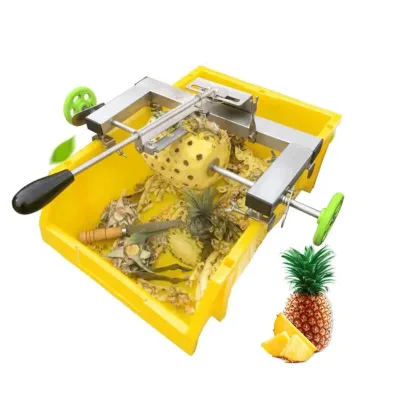
Large Capacity Pineapple Peeling Machine for Sale
$35.00 - $49.00
Henan Huanor Import And Export Trade Co., Ltd.
- Verified by TüVRheinland
- Trading Company
- Lead time0 days
- Avg. response≤ 6h
Main productsMeat Grinder, Bowl Cutter, Slicer, Beef Patty Machine
Main marketsNorth America(20%), Western Europe(20%), Eastern Europe(8%)
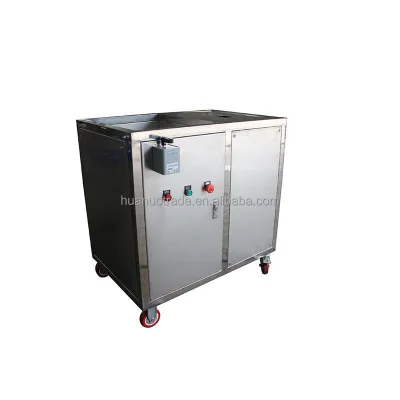
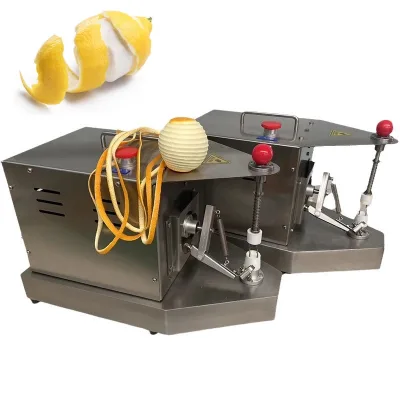
$600.00 - $630.00
MOQ: 1 sets
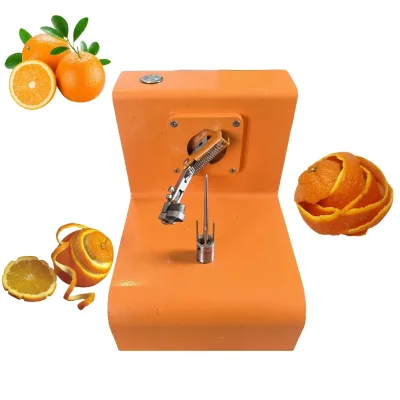
Henan Qinbiao Industrial Development Co., Ltd.
- Trading Company
- Henan, China
- Lead time45 days
- Avg. response≤ 1h
Main productsFruit and vegetable slicer,Fruit and vegetable peeler,Sauce making machine,Dumpling skin making machine,Wax melting pot
Main marketsDomestic Market(70.00%), North America(8.00%), Northern Europe(5.00%), Mid East(5.00%), Eastern Europe(5.00%), Central America(4.00%), South America(3.00%)
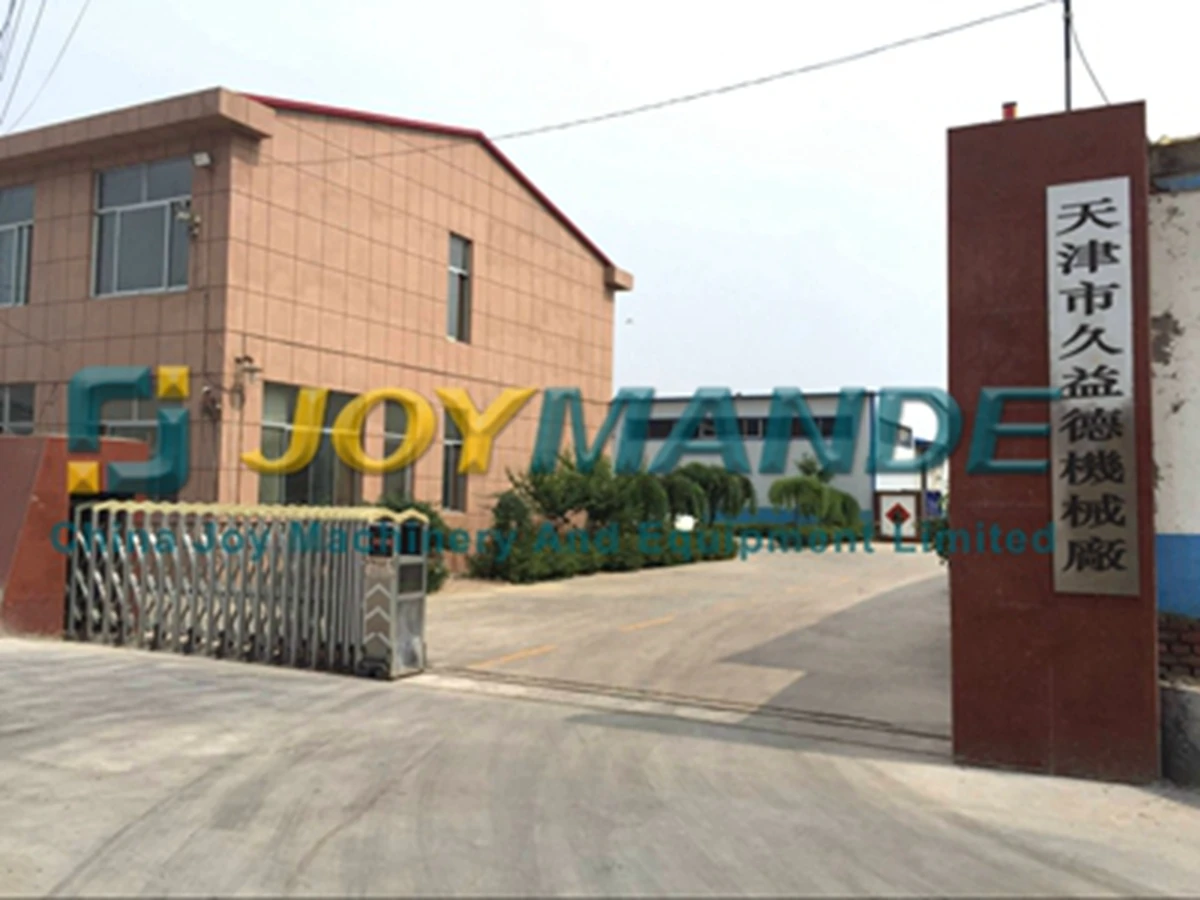
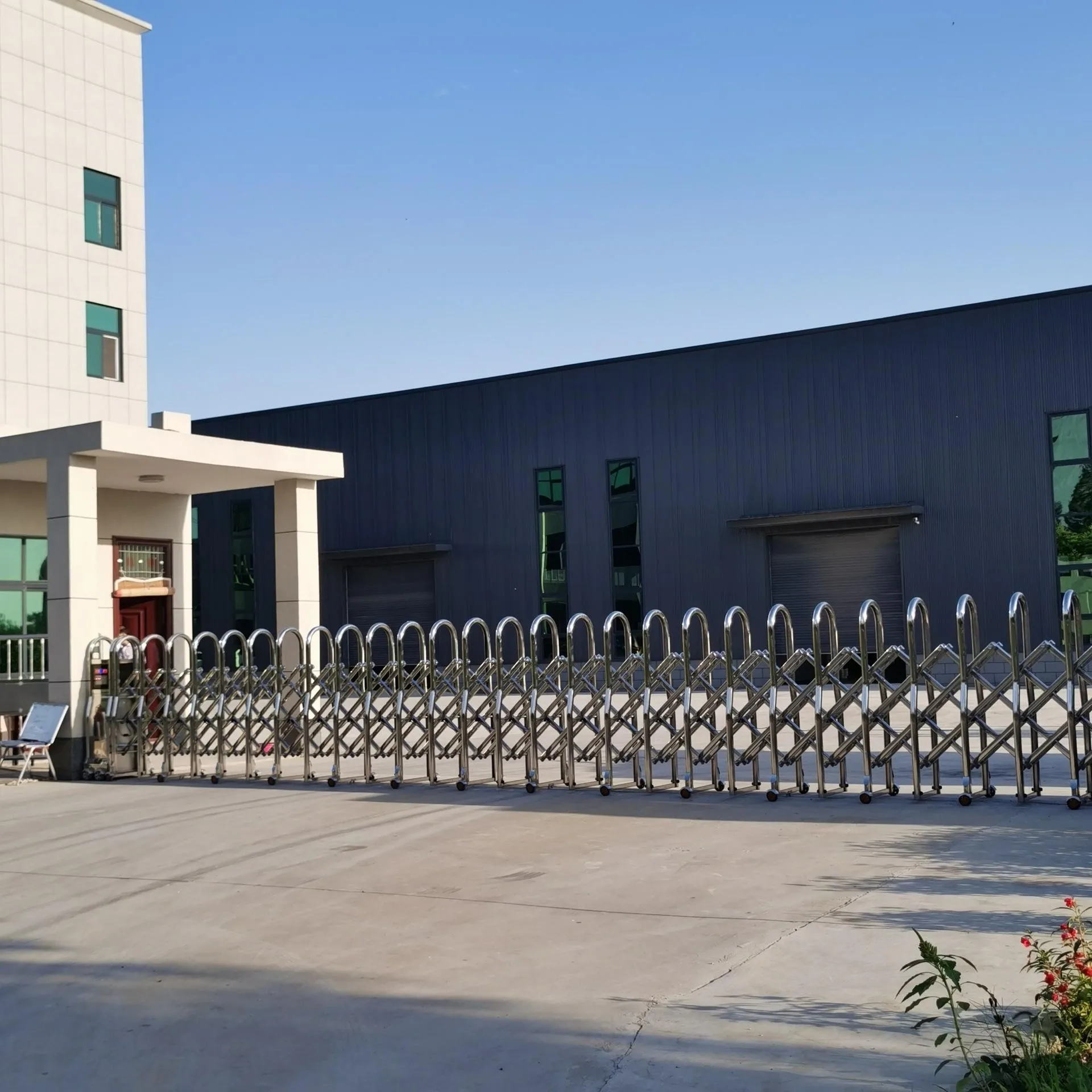
Tianjin Joy Machinery And Equipment Co. Ltd
- Manufacturer, Trading Company
- Tianjin, China
- Lead time25 days
- Avg. response≤ 1h
Main productsFruit and vegetable processing machines,Meat processing machines,Food processing machines,High pressure pump,Crate washing machine
Main marketsNorth America(20.00%), Northern Europe(15.00%), South America(15.00%), Eastern Asia(10.00%), Southeast Asia(8.00%), Eastern Europe(5.00%), Domestic Market(5.00%), Western Europe(5.00%), Southern Europe(5.00%), Mid East(5.00%), South Asia(3.00%), Central America(2.00%), Africa(2.00%)
Zhengzhou Hongle Machinery Equipment Co., Ltd.
- Verified by SGS Group
- Manufacturer, Trading Company
- Lead time15 days
- Avg. response≤ 4h
Main productsFruit and Vegetables Production Line, Chicken Feet Production Line, Packing Machine Production Line, Nut Processing Line, Frying Production Line
Main marketsCentral America(20%), Africa(15%), Southern Europe(10%)

Zhengzhou Awisy Machinery Equipment Co., Ltd.
- Verified by CTI
- Trading Company
- China Henan
- Lead time15 days
- Avg. response≤ 4h
Main marketsSoutheast Asia/ Mideast

Zhengzhou Jawo Machinery Co., Ltd.
- Verified by TUVRHEINLAND
- Manufacturer/Factory
- China Henan
- Lead time15 days
- Avg. response≤ 7h
Main productsSausage Making Machine, Dumpling Machine, Frozen Meat Cutter, French Fries Production Line, Garlic Separator, Egg Grading Machine, Sand Blasting Machine, Metal Detector, Embroidery Machine, Spray Dryer
Main marketsSouth America,Eastern Europe,Mid East,North America,Southeast Asia,Eastern Asia,Oceania,Western Europe,Africa

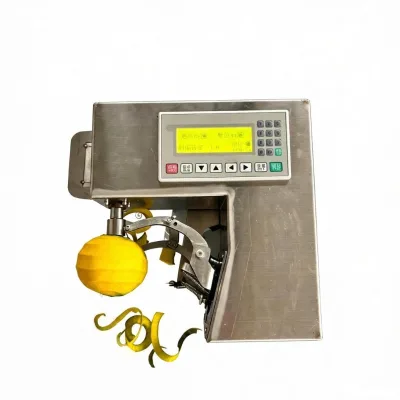
Lemon Peeler Fruit Peeling Machine Apple Peeler Machine with High Quality
$590.00 - $620.00
MOQ: 1 Sets

Zhengzhou Furui Machinery Co., Ltd.
- Verified by TüVRheinland
- Manufacturer, Trading Company
- Lead time7 days
- Avg. response≤ 6h
Main productsSolid Liquid Separator, Dewatering Machine, Double Shaft Shredding Machine, Fruit & Vegetable Juicing Machine
Main marketsSoutheast Asia(30%), Western Europe(20%), North America(10%)

Zhaoqing Tengsheng Machinery Co., Ltd.
- Verified by SGS
- Combined
- China Guangdong
- Lead time15 days
- Avg. response≤ 6h
Main productsVegetable Machine
Main marketsSoutheast Asia/ Mideast,Europe,North America

Guangdong Shenghui Machinery Co., Ltd
- Verified by TUVRHEINLAND
- Combined
- China Guangdong
- Lead time23 days
- Avg. response≤ 10h
Main productsFood Machine, Vegetable Cutting Machine, Vegetable Washing Machine, Fruit Cleaning Machine, Bone Sawing Machine, Grinding Machine, Peeling Machine, Packing Machine, Fish Skinning Machine, Fish Extraction Machine
Main marketsSoutheast Asia/ Mideast,Domestic

Automatic Apple Peeling Machine Apple Peeler Corer Fruit Peeling Machine
$2190.00 - $2550.00
MOQ: 1 pc


Automatic Fruit Peeling Machine Apple Peeler Food Machinery Fruit Skin Removing Machine
$2190.00 - $2550.00
MOQ: 1 pc


Automatic Pumpkin Peeling Equipment Fruit Peeler Pineapple Peeling Machine
$1450.00 - $1600.00
MOQ: 1 pc

Automatic Apple Peeler Corer Slicer Machine Pear Fruit Peeling Equipment Cutter
$2190.00 - $2550.00
MOQ: 1 pc
Guangzhou Daribo Food Machinery Co., Ltd.
- Manufacturer, Trading Company
- Guangdong, China
- Lead time15 days
- Avg. response≤ 3h
Main productsMeat Cutting Machine,Meat Slicer,Meat Dicer,Vegetable Cutting Machine,Washing Machine
Main marketsDomestic Market(30.00%), North America(15.00%), Southeast Asia(15.00%), South America(10.00%), Central America(5.00%), Northern Europe(5.00%), Oceania(3.00%), Western Europe(3.00%), Eastern Asia(3.00%), Mid East(3.00%), Eastern Europe(2.00%), South Asia(2.00%), Southern Europe(2.00%), Africa(2.00%)
Zhengzhou Share Machinery Co., Ltd.
- Trading Company
- Henan, China
- Lead time7 days
- Avg. response≤ 3h
Main productsConstruction Machinery/Industrial Machinery/Printing Machinery
Main marketsSouth America(20.00%), North America(20.00%), Africa(10.00%), Southeast Asia(10.00%), Eastern Europe(10.00%), Oceania(7.00%), South Asia(5.00%), Southern Europe(5.00%), Central America(5.00%), Western Europe(2.00%), Eastern Asia(2.00%), Northern Europe(2.00%), Mid East(2.00%)

Shanghai Genyond Technology Co., Ltd.
- Verified by CTI
- Combined
- China Shanghai
- Lead time30 days
- Avg. response≤ 10h
Main productsEssential Oil Machine, Drying Machine, Fruit Juice Machine, Fruit Jam Machine, Milk Machine, Fruit Chips Machine, Filling Packing Machine, Evaporator, Yogurt Machine, Ice Cream Machine
Main marketsSouth America,Africa,Others(foreignTradeCapacity.exportBusinessCapacityMarketOther),Southeast Asia/ Mideast,East Asia(Japan/ South Korea),Domestic,Europe,Australia,North America

Zhengzhou Honest Machinery Co., Ltd.
- Trading Company,Manufacturer/Factory
- China Henan
- Lead time15 days
- Avg. response≤ 6h
Main productsFood Machinery, Packing Machines, Microwave Equipment, Drying Machines, Grain Product Making Machines, Commodity Making Machines, Texitle Machines, Construction Machinery
Main marketsSouth America,Eastern Europe,Mid East,North America,Southeast Asia,Eastern Asia,Oceania,Western Europe,Africa

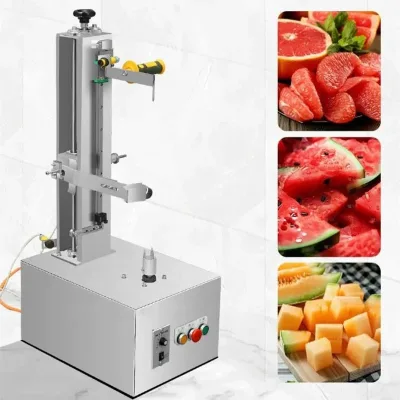
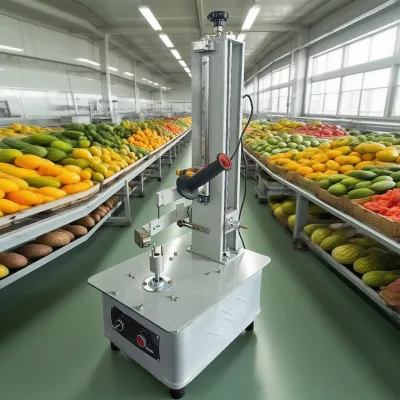
High Efficiency Vegetable Peeling Machine / Pineapple Peeler / Papaya Peeler Machine
$799.00 - $1099.00
MOQ: 1 Set


Fruit Processing Machine / Fruit Peeler / Apple Peeling Machine / Apple Peeler Corer Slicer
$1089.00 - $1689.00
MOQ: 1 SET


Fruit Peeling Machine / Apple Peeler and Slicer / Electric Apple Peeler Corer Slicer
$1089.00 - $1689.00
MOQ: 1 set

Automatic Fruit Peeler / Metal Apple Peeler / Fruit Peeling Machine / Apple Peeling Machine
$1089.00 - $1689.00
MOQ: 1 SET

Henan Topp Machinery Co., Ltd.
- Verified by BV
- Trading Company,Manufacturer/Factory
- China Henan
- Lead time23 days
- Avg. response≤ 2h
Main productsFruit Juicing Machine, Fruit Stone Extractor, Fruit and Vegetable Peeling Machine, Fruit Sorting Machine, Snack Machinery, Soft Ice Cream Machine, Peanut Brittle Machine, Donut Making Machine, Candy Cane Production Line, Cookies Making Machine
Main marketsSouth America,Eastern Europe,Mid East,North America,Southeast Asia,Eastern Asia,Oceania,Western Europe,Africa

Jiaozuo Fineway Trading Co., Ltd
- Verified by BV
- Trading Company,Manufacturer/Factory
- China Henan
- Lead time23 days
- Avg. response≤ 3h
Main productsTortilla Roti Pita Machines, Bakery Equipment, Textile Machines, Milk and Yogurt Production Machine, Chocolate Processing Machines, Candy Making Machines, Meat Processing Machines, Vegetable Processing Machine, Sausage Production Line, Juice Making Production Line
Main marketsSouth America,Eastern Europe,Mid East,North America,Southeast Asia,Eastern Asia,Oceania,Western Europe,Africa
Yantai Jett Machinery Co., Ltd.
- Manufacturer, Trading Company
- Shandong, China
- Lead time0 days
- Avg. response≤ 5h
Main productsEmma: Thicknesser,Planer,Band saw,Edge banding machine
Main marketsCentral America(14.00%), South Asia(12.00%), Oceania(11.00%), South America(10.00%), Africa(9.00%), Southern Europe(8.00%), Western Europe(7.00%), Mid East(6.00%), Eastern Europe(5.00%), Northern Europe(5.00%), Eastern Asia(4.00%), Southeast Asia(4.00%), Domestic Market(3.00%), North America(2.00%)

Luohe Xingdian Electromechanical Equipment Co., Ltd.
- Verified by BV
- Manufacturer/Factory
- China Henan
- Lead time0 days
- Avg. response≤ 2h
Main productsDrilling Rig, Meat Process Machine, Farm Machine, Packing Machine, Vegetable Process Machine, Textile Machine, Food Machine, Embroidery Machine, Construction Products, Industrial Product
Main marketsSouth America,Eastern Europe,Mid East,North America,Southeast Asia,Eastern Asia,Oceania,Western Europe,Africa

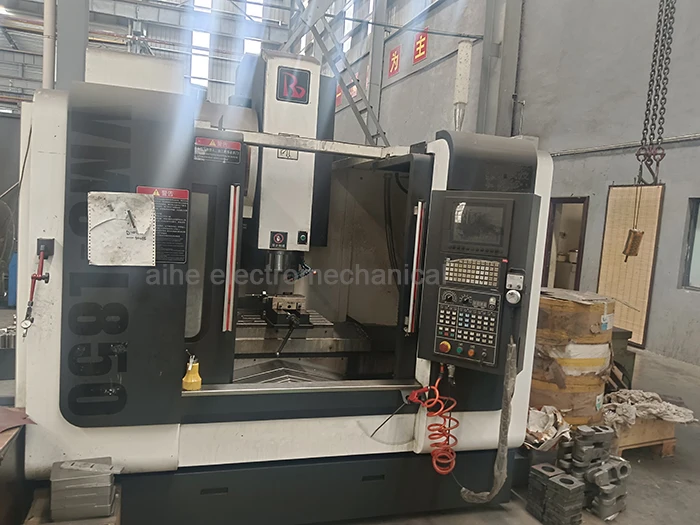
High Quality Fruit Vegetable Peeling Machine Skin Removing Machines Peeler
$1880.00 - $1950.00
MOQ: 1 Pieces


Luohe Aihe Electromechanical Equipment Co., Ltd.
- Trading Company
- Henan, China
- Lead time0 days
- Avg. response≤ 2h
Main productsPasteurization tank,Yogurt production line,Oil frying production line equipment,Baking production equipment,Grain machinery
Main marketsWestern Europe(40.00%), Africa(20.00%), Southeast Asia(11.00%), Mid East(10.00%), North America(8.00%), Northern Europe(5.00%), South America(3.00%), Eastern Europe(2.00%), Central America(1.00%)
Luohe Tengli Mechanical And Electrical Equipment Co., Ltd.
- Verified by SGS Group
- Manufacturer, Trading Company
- Lead time0 days
- Avg. response≤ 2h
Main productsVegetable Cutter, Packaging Machine, Pasta Machinery, Meat Machinery
Main marketsNorth America(28%), Africa(21%), Northern Europe(17%)
ZHE CHENG HONGXIN MACHINRERY FACTORY
- Verified by TüVRheinland
- Manufacturer, Trading Company
- Lead time15 days
- Avg. response≤ 3h
Main productsIntestine Case Cleaning Machine, Sesame Peeling Machine, Cardboard Expanding Shredder Machine, Flax Brake, Grain Thresher Machine
Main marketsNorth America(20%), Southeast Asia(20%), Africa(20%)
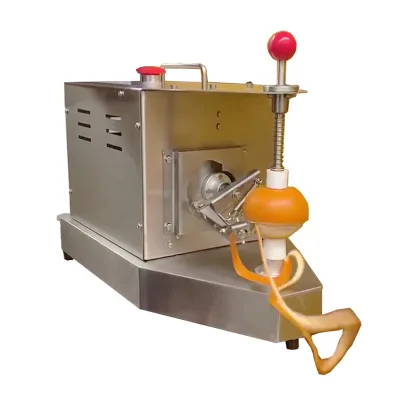
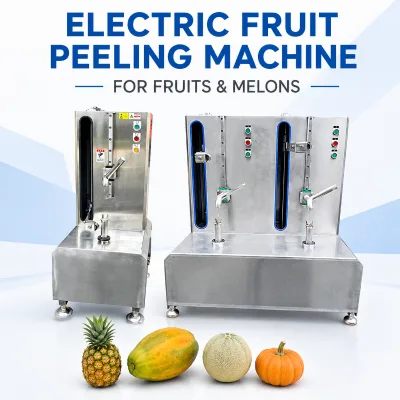
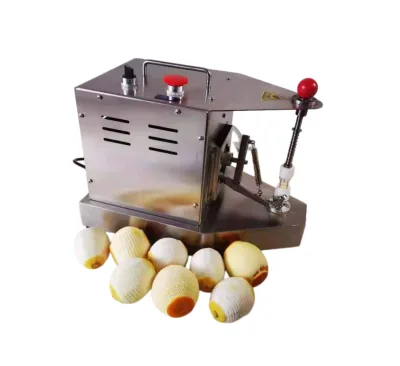
Commercial Fruit Peeler Small Lemon Peeler Apple Peeling Machine Stainless Steel
$740.00 - $800.00
MOQ: 1 sets
Luohe High Mechanical Equipment Co., Ltd.
- Verified by SGS Group
- Manufacturer, Trading Company
- Lead time10 days
- Avg. response≤ 2h
Main productsPackaging Machines, Vegetable Machine, Meat Machine, Flat Bread Making Machine , Frying Machine
Main marketsNorth America(40%), Southeast Asia(25%), Western Europe(15%)

- Verified by SGS
- Combined
- China Shandong
- Lead time30 days
- Avg. response≤ 3h
Main productsCrate/Can/Pallet /Basket Washing Machine, Vegetable /Fruit Washing Cutting Production Line, Continuous Frying Machine, Blanching Machine, Steam Peeling Machine, Vegetable Salad Processing Line, Vegetable /Fruit Peeler, Frozen French Fries Production Line, Garlic Production Line, Vacuum Marinator
Main marketsSouth America,Domestic,Europe

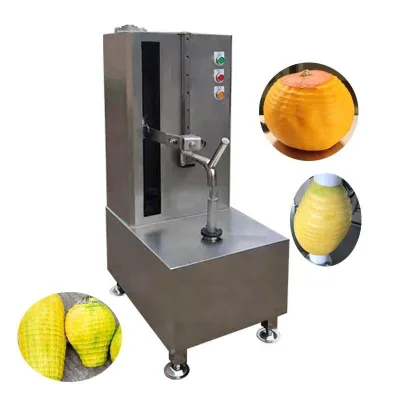
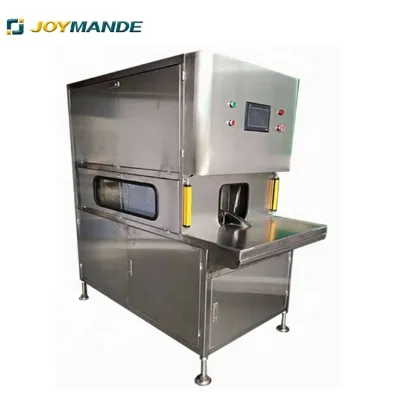
Industrial Fruits Peeler Mango Peeling Machine with User-Friendly Controls and High Output
$20000.00 - $25000.00
MOQ: 1 Boxes


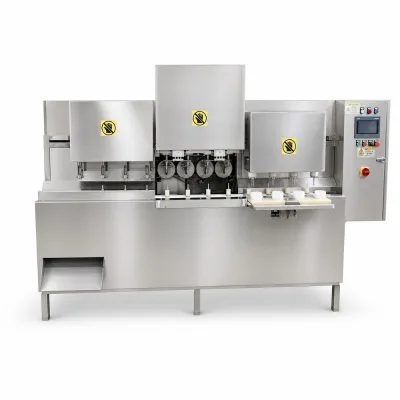


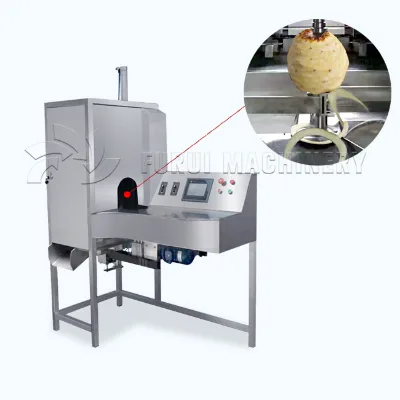
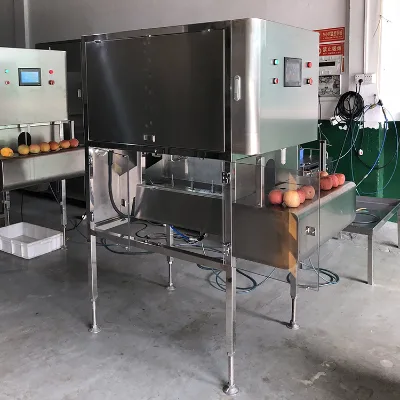


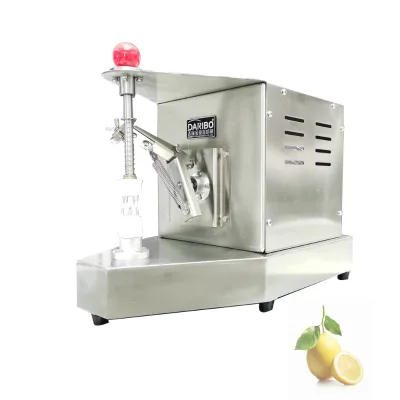
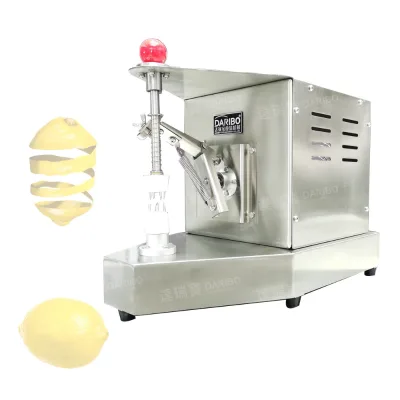
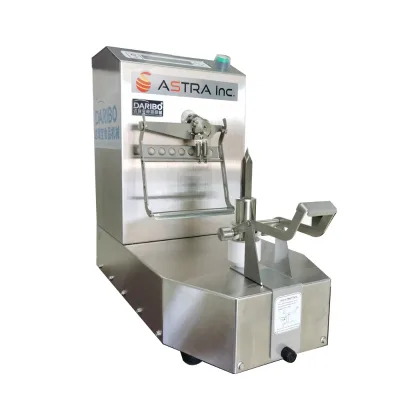
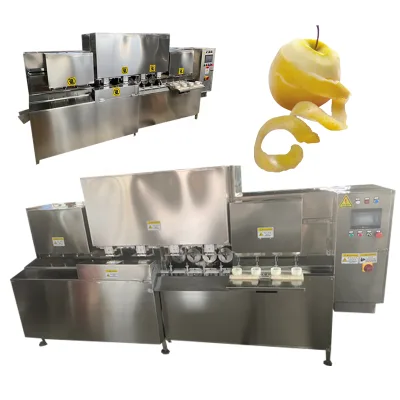
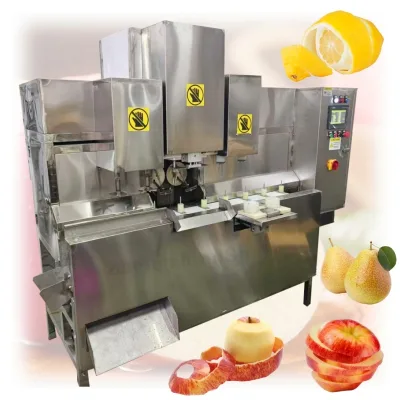
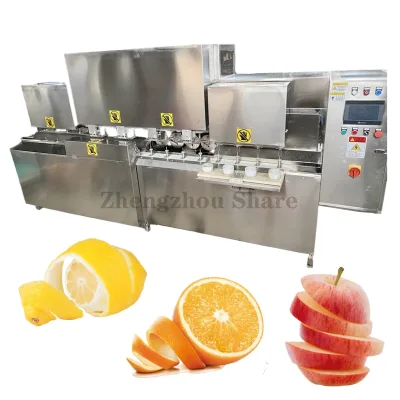


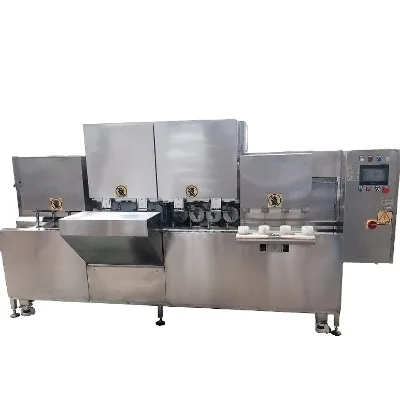
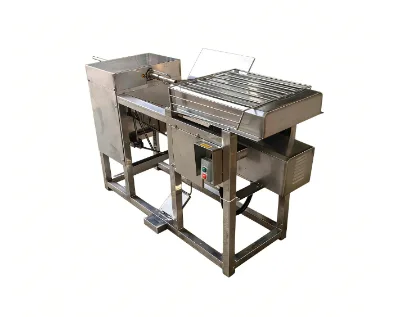
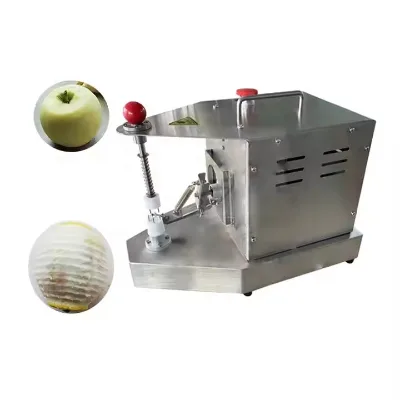
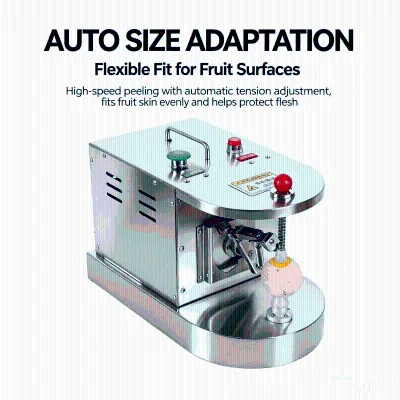
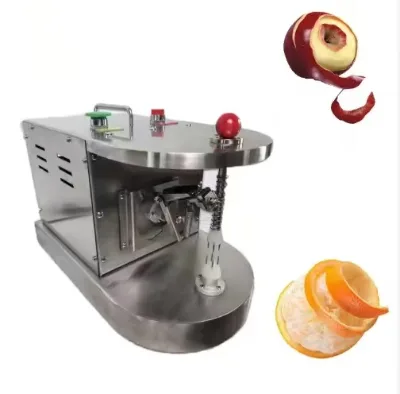
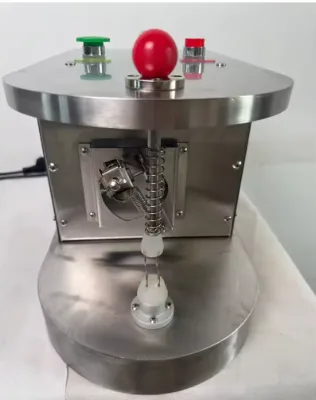
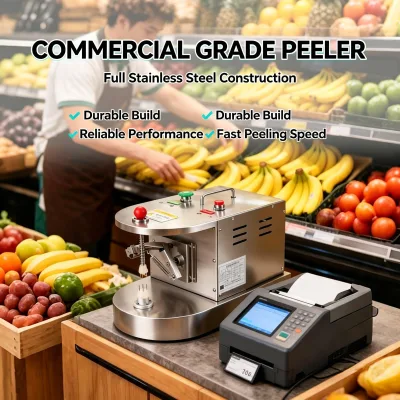
Comprehensive Sourcing Guide
Large Capacity Fruit Peeler Machine Supplier Concentration and Factory Types
When sourcing a Large Capacity Fruit Peeler Machine, understanding where suppliers cluster helps you narrow the field quickly. Several listings in this category originate from Henan, China, which appears as a documented location for suppliers offering fruit and vegetable processing equipment. Henan is widely recognized as a base for food machinery manufacturing, and the concentration of trading companies and manufacturers there gives buyers a meaningful starting point for supplier searches. That said, location data in supplier results reflects where companies are registered or listed, not necessarily where every production line sits, so treat origin labels as a filter rather than a guarantee.
The supplier types you will encounter generally fall into two groups. Some are manufacturer/factory operations, often combining production with direct sales, and some of these also hold OEM or ODM capability, sometimes alongside their own brands. Others are trading companies, which may aggregate products from multiple factories and can be useful when you need variety or smaller consolidated shipments. A notable number of suppliers in this category are hybrids, registered as both trading company and manufacturer/factory, and at least one operates as part of a group corporation. This matters because the entity you contract with determines who is accountable for specifications, spares, and warranty claims. Ask every candidate to state plainly whether they manufacture the peeler in-house or resell it, and request the actual production address for any factory audit you plan.
How to Verify Large Capacity Fruit Peeler Machine Suppliers
Verification begins with documented evidence rather than messaging claims. In this category, some suppliers display third-party verification such as SGS, and at least one holds an ISO 9001 system certification. These credentials are meaningful signals, but you should confirm they are current and scoped to the entity you are dealing with, because certificates sometimes belong to a parent group rather than the selling account. Ask for the certificate number and issuing body, and check validity directly where the issuing scheme allows public lookup.
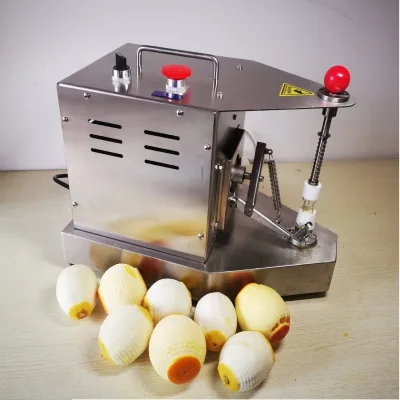
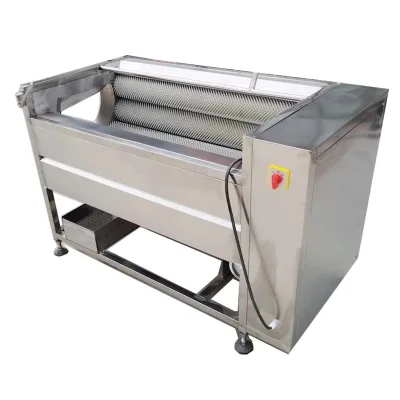
Beyond credentials, verify production reality against the product data shown. Listings in this category include specific models, dimensions, weights, voltages, capacities, and materials—for example, 304 stainless steel construction, capacities ranging from roughly 100 to 500 pieces per hour on peeler listings, and defined packing such as standard export wooden boxes. Request photos or a live video call from the actual workshop, and ask the supplier to run the specific machine model you are buying with fruit similar to yours. Pay attention to consistency between the listing and what staff say: mismatched model numbers, vague answers about materials, or reluctance to show the production floor are warning signs. Also confirm customization claims. Several listings state customization is available; test this by asking a concrete technical question about peel thickness settings, voltage options, or throughput targets and judging whether the answer is specific or evasive. Finally, verify business registration details against the listed company name before transferring any funds.
What to Compare Across Large Capacity Fruit Peeler Machine Suppliers
Build a comparison table using the attributes suppliers actually display, and remember that not every supplier publishes every field. Useful dimensions in this category include company type (manufacturer/factory, trading company, or hybrid), main product lines, response time, lead time, establishment year, verification status, system certifications, and R&D capacity such as OEM, ODM, or own-brand capability. Response times in current results vary noticeably between suppliers—one around 6 to 7 hours on average, another closer to 9—so messaging speed is a fair proxy for communication discipline during a project.
Then compare commercial parameters. Minimum order quantities differ; some peeler listings show an MOQ of a single unit, while others do not state one, so you must ask. Price ranges are wide: documented listings span from roughly the mid-thousand-dollar range for smaller peelers to nearly 27,000 for high-output automatic lines, so normalize quotes by capacity, material, and included tooling before judging cost. Lead time is another differentiator; one supplier in this set displays a 15-day lead time, while others show zero or no data, which usually means unconfirmed rather than instant. Also weigh main-product fit: a supplier whose core lines are meat, dairy, egg, or nut processing machinery may treat fruit peelers as a side item, whereas a supplier specializing in fruit and vegetable processing machines is more likely to offer deeper engineering support. Rank suppliers on technical fit first, then responsiveness, then terms.
Common Large Capacity Fruit Peeler Machine Sourcing Risks
The most frequent risk in this category is specification drift between the listing and the delivered machine. Listings display parameters such as capacity, peel thickness range, weight, dimensions, voltage, and material, but these are claimed values. A machine quoted at 304 stainless steel or food-grade stainless steel may arrive with lower-grade contact surfaces, and a stated capacity in pieces per hour may assume large, uniform fruit rather than your actual produce. Mitigate this by writing every claimed parameter into the purchase contract, including the model number shown on the listing, and by defining acceptance testing with your own fruit samples before shipment.
Other risks cluster around identity and accountability. Hybrid trading-company/manufacturer profiles can obscure who actually builds the machine, so a warranty promise may be unenforceable against the real factory. Verification badges can lapse or apply to the wrong legal entity. Customization promises are easy to make and hard to enforce; several listings advertise customization, but you should require drawings and a signed specification sheet before paying any deposit. Payment risk is also real in this price band—orders can run from a few thousand dollars into five figures—so use escrow or staged payments tied to inspection milestones rather than full prepayment. Finally, beware of lead-time optimism: where lead time is not displayed or shows as zero, treat it as unknown, get a written delivery date with a delay clause, and confirm packaging (wooden export crates are standard here) so the machine survives freight without damage claims disputes.
Large Capacity Fruit Peeler Machine Regional Sourcing and Logistics
Henan, China appears as a documented supplier location in this category, and it sits within China's broader inland manufacturing belt rather than on the coast. That geography has practical logistics consequences. Inland origins typically mean longer domestic trucking legs to major seaports, which adds cost and time to each shipment and makes it worth asking suppliers to quote on FOB a named port, CIF, or other Incoterms explicitly rather than assuming a default. Machines in this category are heavy—documented units range from roughly 80 kg to 800 kg with footprints over a meter and a half long—so freight class, crating, and container utilization all matter for your landed cost.
Plan for the packing and handling details shown in listings. Standard export wooden boxes, fumigation-free wooden cases, and wooden packages are the documented norms, which is appropriate for machinery but worth confirming for your destination's import rules on wood packaging. Confirm voltage compatibility before ordering: listings in this set show both 220V and 380V machines, and frequency assumptions of 50Hz may not match your grid, so specify your local electrical standard in writing. Ask each supplier for the shipping dimensions and gross weight of the crated unit, not just the bare machine, so you can calculate container load accurately. Because lead times vary across suppliers and some show no confirmed value, build buffer time into your schedule for production, inland transport, and port cut-offs, and request the estimated vessel departure when placing the order.
Large Capacity Fruit Peeler Machine Commercial Terms and Order Planning
Commercial terms in this category vary enough that you should negotiate rather than accept listed defaults. Documented price points range widely—from about 1,650 to 2,500 for smaller or single-fruit peelers, 5,600 to 7,000 for banana and onion units, and 9,900 to 26,900 for high-output automatic apple peeling and slicing lines. Use these bands as sanity checks, not as quotes: your final price depends on capacity, material grade, customization, and tooling. Where an MOQ of one unit is displayed, single-unit trial orders are feasible; where it is not shown, ask directly. Payment structure matters more than headline price—prefer a deposit with balance due after pre-shipment inspection, or escrow where available.
Order planning should sequence verification, specification, and payment deliberately. Lock the technical specification first, referencing the exact model number and parameters from the listing—such as the 6 GXS-6 peeler's 500 pcs/h capacity and 1.5 to 10 peel thickness range, or a listed banana peeler's 300 kg/h throughput—so any deviation is a contract breach, not a debate. Then confirm lead time in writing; the 15-day figure shown by one supplier is an example of the kind of stated value to obtain from any supplier you choose. Include acceptance criteria (test run with your fruit, capacity verification, material certificates), spare-part lists, packing details, and warranty duration. Finally, plan a pilot order before any volume commitment, document every agreed point in English and, where possible, in the supplier's language, and keep all specification files version-controlled so future reorder negotiations start from evidence rather than memory.
FAQs
What is the price range for large capacity fruit peeler machines?
Prices for these machines typically range from $1,650 to $26,900 depending on specifications. Lower-cost options around $1,650 offer 100-120 PCS/H capacity, while high-output industrial models reach $26,900 with capacities up to 3,600 PCS/H. Buyers should verify specific pricing for customized configurations.
What is the minimum order quantity for these machines?
The minimum order quantity is generally one unit. Suppliers list an MOQ of 1 for various models, including large fruit peelers and specialized onion or banana peelers. This allows buyers to purchase single units for testing or small-scale operations without needing bulk commitments.
What is the typical lead time for manufacturing these machines?
Lead times vary by supplier, with some listing zero days and others indicating fifteen days. One verified manufacturer specifies a fifteen-day lead time for production. Buyers should confirm current delivery schedules directly with suppliers, as manufacturing times depend on order volume and customization requirements.
What materials are used in constructing these fruit peeling machines?
Most machines are constructed from 304 stainless steel or food-grade stainless steel. This material ensures durability and compliance with food safety standards. The texture of the material is consistently listed as stainless steel across various models, providing resistance to corrosion and easy cleaning for industrial environments.
What certifications do these suppliers hold?
Some suppliers hold ISO 9001 system certification and undergo SGS verification. These credentials indicate adherence to quality management standards. Buyers should request specific certification documents to verify compliance with international safety and quality requirements before finalizing procurement agreements for industrial food processing equipment.
Where are these fruit peeler machines manufactured?
These machines are manufactured in China, specifically in the Henan region. The origin is consistently listed as China or Henan, China Mainland. Buyers sourcing from this region should consider logistics and shipping costs when evaluating the total landed cost of the equipment.
What is the processing capacity of large capacity fruit peelers?
Capacities range from 100-120 PCS/H for smaller units to 3,600 PCS/H for high-output industrial models. Specific machines handle 300kg/h for bananas or 2,400-3,600 PCS/H for apples. Buyers must select capacity based on their specific throughput requirements and the type of fruit being processed.