Lower Front Left Swing Arm Suppliers and Manufacturers
Compare 22 verified suppliers offering Lower Front Left Swing Arm parts with varying lead times, MOQs, and certifications. Review response times and prices to select a partner for your automotive needs; review the available evidence before requesting comparable quotations from suitable candidates.
Updated
Suppliers List

Ningbo Maxwell Mechanical and Electrical Co.,Ltd.
- Verified by TUVRHEINLAND
- Combined
- China Zhejiang
- Lead time30 days
- Avg. response≤ 5h
Main productsShaft
Main marketsSoutheast Asia/ Mideast
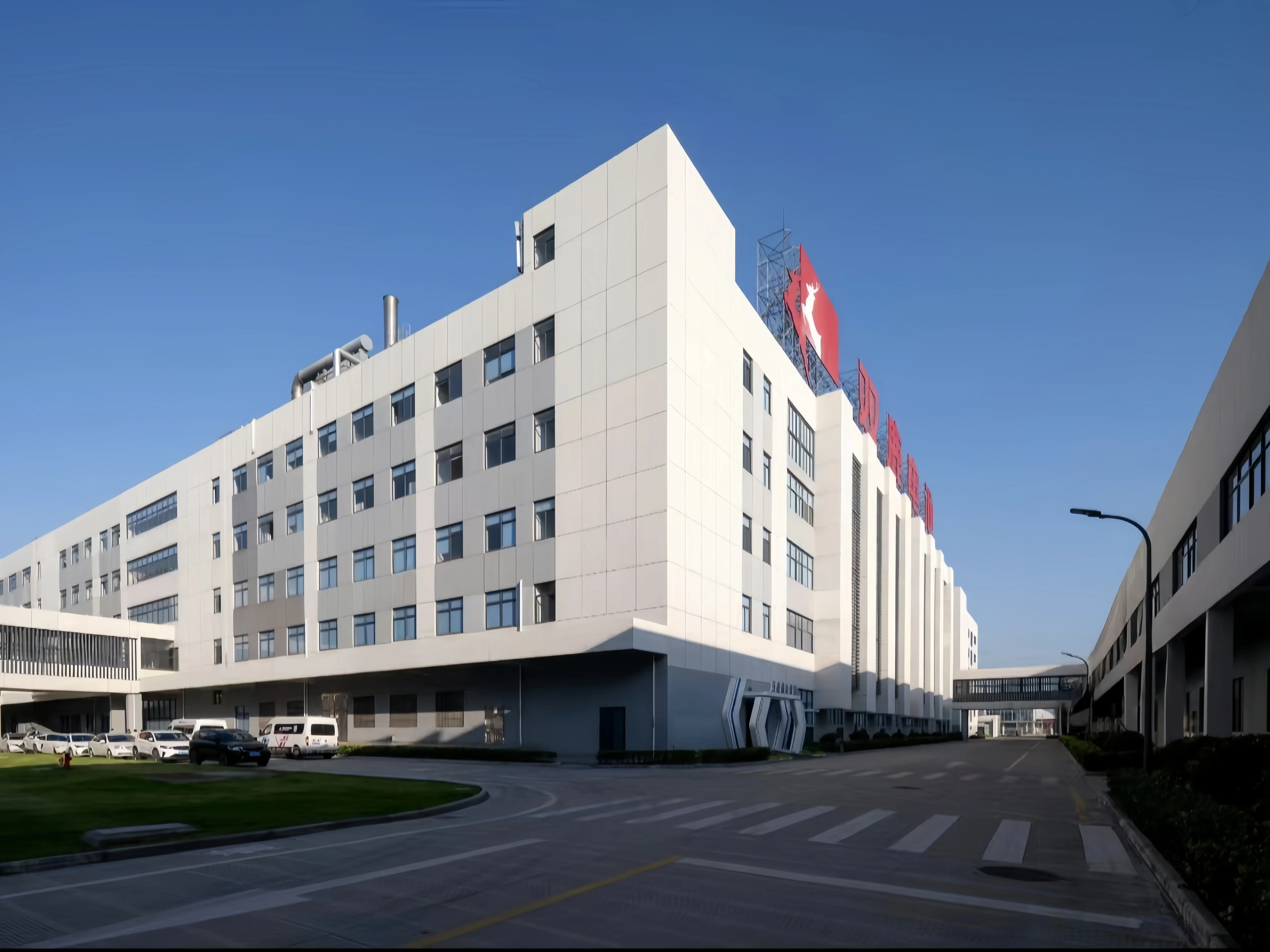
Henan Young Flying Elephant International Trade Co. Ltd
- Trading Company
- Henan, China
- Lead time15 days
- Avg. response≤ 3h
Main productsAuto parts,New energy auto parts,Automotive sheet metal parts,Automobile exterior parts,Automobile chassis
Main marketsDomestic Market(28.00%), Mid East(9.00%), Southeast Asia(8.00%), Northern Europe(7.00%), South America(6.00%), North America(6.00%), Western Europe(6.00%), Eastern Europe(5.00%), Central America(5.00%), Africa(5.00%), Southern Europe(5.00%), South Asia(4.00%), Oceania(3.00%), Eastern Asia(3.00%)

Hangzhou Yuqi Industrial Technology Co., Ltd.
- Verified by CTI
- Trading Company
- China Zhejiang
- Lead time15 days
- Avg. response≤ 10h

Henan Forging Emperor Industry Co.,Ltd.
- Verified by BV
- Manufacturer/Factory
- China Henan
- Lead time45 days
- Avg. response≤ 4h
Main productsForging, Casting, Machining, Machining Parts, CNC Machining Parts, Casting Part, CNC Parts, Hot Die Forging, Machinery Parts, Customized Part
Main marketsSouth America,Eastern Europe,Mid East,North America,Southeast Asia,Eastern Asia,Oceania,Western Europe,Africa
Benzhibao (guangzhou) Automotive Parts Co., Ltd.
- Manufacturer, Trading Company, Distributor/Wholesaler
- Guangdong, China
- Lead time0 days
- Avg. response≤ 5h
Main productsbody parts,brake parts,engine parts,suspension parts,steering systems
Main marketsDomestic Market(50.00%), Southeast Asia(11.00%), Africa(9.00%), North America(8.00%), Northern Europe(5.50%), South Asia(5.00%), Eastern Asia(4.50%), Central America(3.00%), South America(2.00%), Mid East(1.00%), Eastern Europe(0.70%)
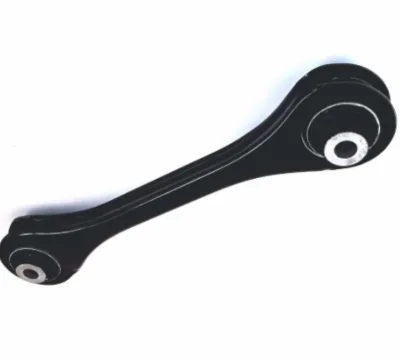
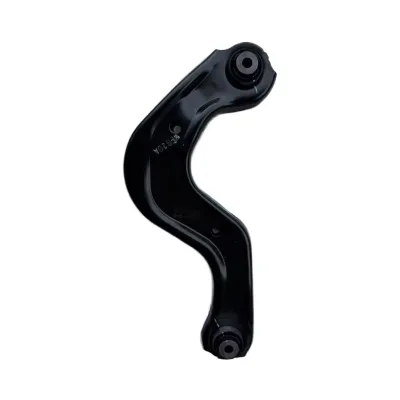
Rear Swing Arm/straight Left 1KD501529A
$1.00 - $3.20
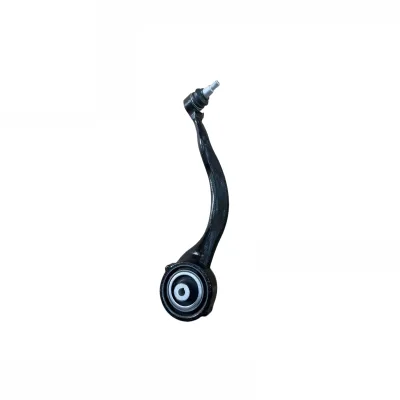
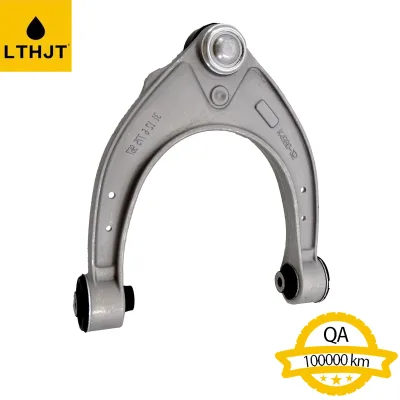
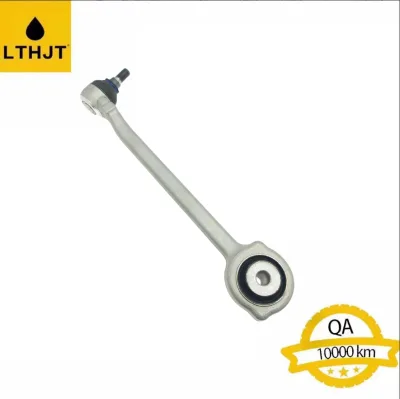
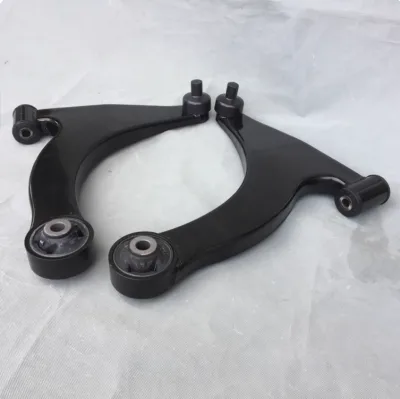
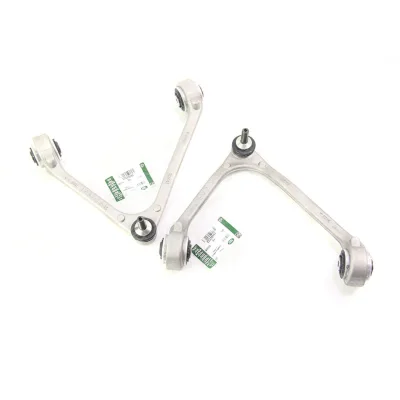
New Front Lower Left Control Arm for Sport LR034220 LR148060 LR126102 LR113307 LTHJT
$25.00 - $26.40
MOQ: 50 bags
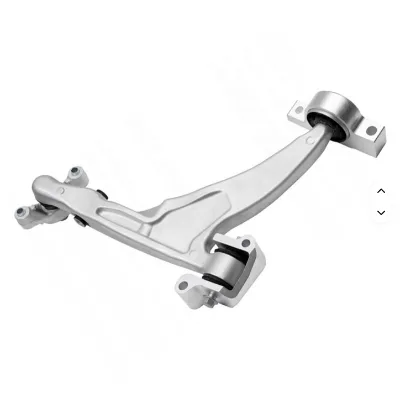
$30.99 - $59.88

Deqing Lizheng Metal Works Co., Ltd.
- Verified by SGS
- Combined
- China Zhejiang
- Lead time15 days
- Avg. response≤ 6h
Main productsWelding, Sheet Metal Fabrication, Medical Equipment Parts, Metal Casting, Fasteners
Main marketsDomestic
Guangzhou Jing Tao Trading Co., Ltd.
- Verified by Intertek
- Trading Company
- Lead time5 days
- Avg. response≤ 3h
Main productsAuto Parts
Main marketsNorth America(40%), Southeast Asia(30%), Western Europe(10%)
$20.6487 - $30.9723
MOQ: 2 pieces
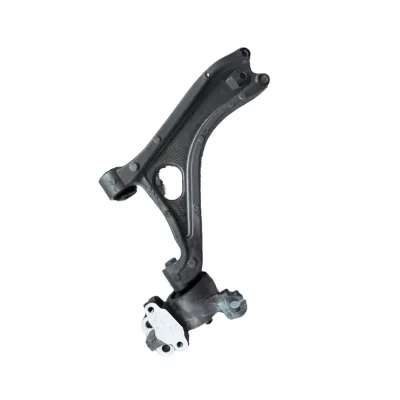
Guangzhou Daheng Auto Parts Co., Ltd.
- Manufacturer, Trading Company
- Guangdong, China
- Lead time0 days
- Avg. response≤ 4h
Main productsauto parts
Main marketsAfrica(40.00%), Mid East(30.00%), South America(25.00%), South Asia(5.00%)

Zhejiang Shengxuan Industry Co., Ltd
- Verified by SGS
- Combined
- China Zhejiang
- Lead time30 days
- Avg. response≤ 5h
Main productsAluminum Casting, Aluminum Auto Parts, Aluminum Wheel, Customize Metal Parts
Main marketsAustralia,North America
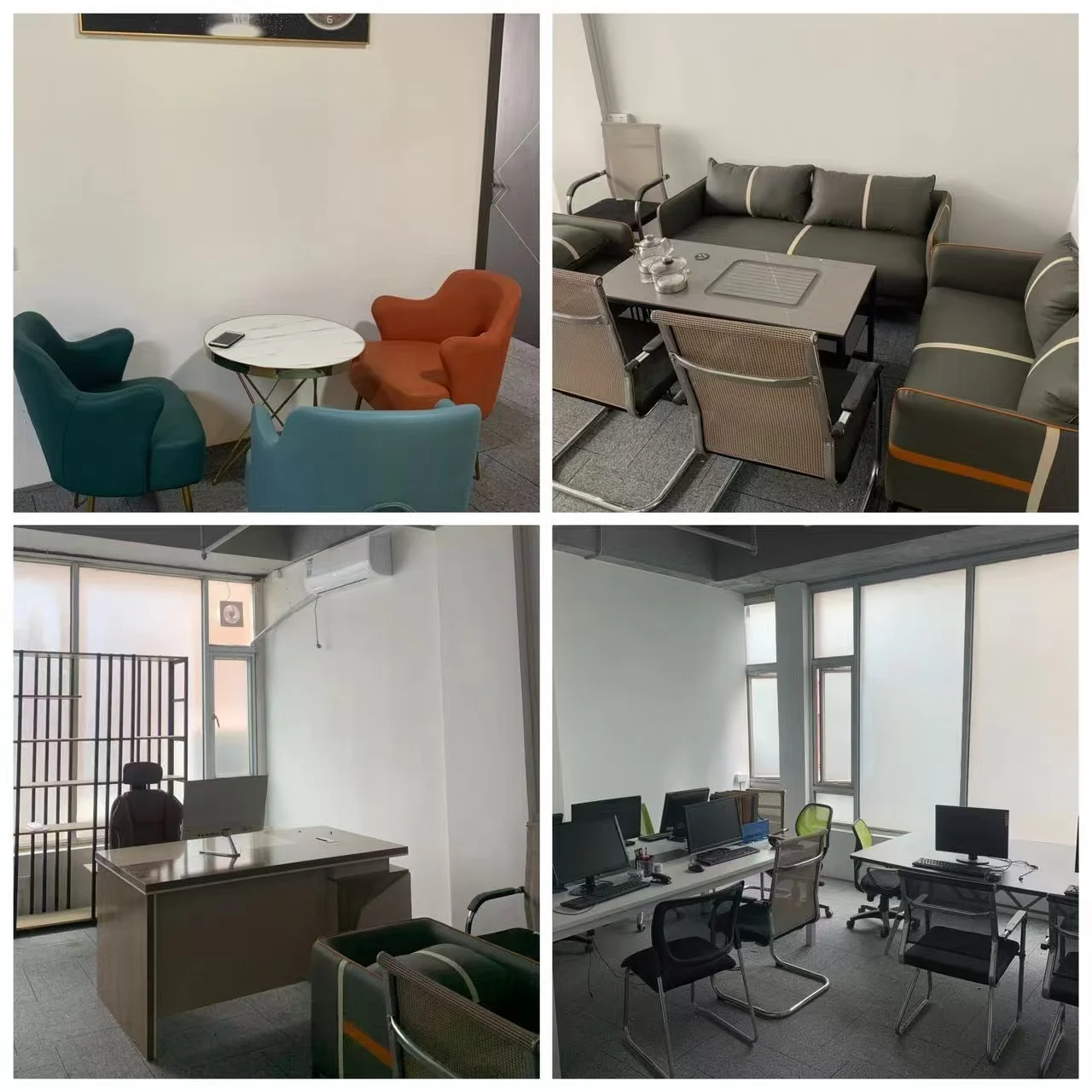
Guangzhou Shiheng Auto Parts Co., Ltd.
- Manufacturer, Trading Company, Other
- guangdong, China
- Lead time0 days
- Avg. response≤ 6h
Main productsMercedes-benz auto parts,BMW auto parts,All car parts,Porsche accessories,Auto parts
Main marketsNorth America(15.00%), South America(14.00%), Domestic Market(10.00%), Southeast Asia(10.00%), Eastern Asia(10.00%), South Asia(7.00%), Northern Europe(6.00%), Oceania(5.00%), Southern Europe(5.00%), Mid East(5.00%), Africa(5.00%), Eastern Europe(5.00%), Central America(3.00%)
Jinan Zhonglang Auto Parts Co., Ltd.
- Trading Company
- Shan'dong, China
- Lead time0 days
- Avg. response≤ 4h
Main productsShanghai Automotive Industry Corporation,Shanghai Volkswagen,FAW-Volkswagen,Whole vehicle accessories
Main marketsSoutheast Asia(30.00%), Mid East(25.00%), Eastern Asia(20.00%), South America(10.00%), North America(10.00%), South Asia(5.00%)
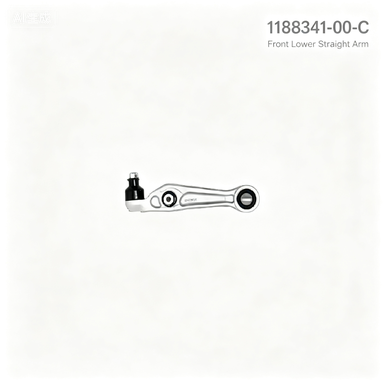
Front Right Lower Curved Arm RH1420428-00-B-Z
$35.88 - $38.64
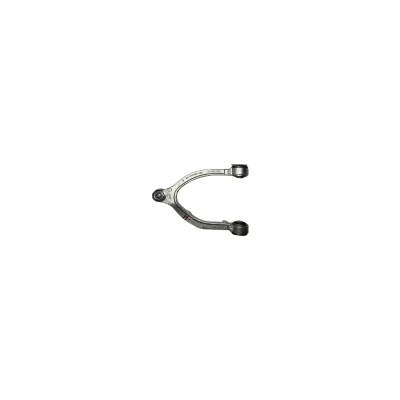
New 1188326-00-A Front Right Upper Control Arm RH
$31.70 - $34.50
Hefengyuan Auto Parts (guangzhou) Co., Ltd.
- Manufacturer, Trading Company, Buying Office
- Guangdong, China
- Lead time0 days
- Avg. response≤ 8h
Main productsauto spare parts
Main marketsEastern Europe(30.00%), North America(30.00%), Southeast Asia(20.00%), South America(20.00%)

Wenzhou Espeed Industry & Trade Co., Ltd.
- Trading Company
- Zhejiang, China
- Lead time0 days
- Avg. response≤ 14h
Main productsAuto Sensor,Engine Parts,Electrical Parts,Cooling System,Auto Switch
Main marketsSouth America(40.00%), Eastern Europe(25.00%), North America(20.00%), Western Europe(5.00%), Southeast Asia(5.00%), Africa(2.00%), Southern Europe(1.00%), Mid East(1.00%), South Asia(1.00%)
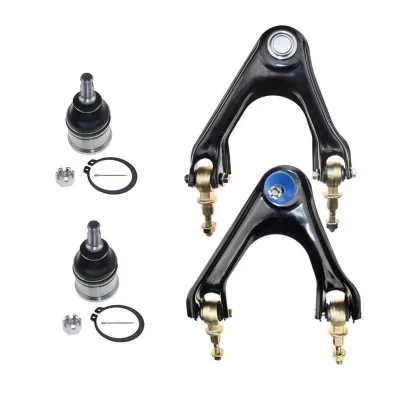
Front Iron Swing Arm Chassis Suspension Control Arm K90446 K90447 51450-SV4-000
$24.00 - $29.00
MOQ: 10
Shanghai Luxi Electronics Co., Ltd.
- Trading Company
- Shanghai, China
- Lead time3 days
- Avg. response≤ 7h
Main productsEngine parts,Cooling system,Fuel system,Suspension parts,Interior parts
Main marketsNorthern Europe(20.00%), Central America(10.00%), Southern Europe(10.00%), Western Europe(10.00%), Eastern Europe(10.00%), North America(10.00%), Oceania(5.00%), Southeast Asia(5.00%), South Asia(5.00%), Mid East(5.00%), Domestic Market(3.00%), Eastern Asia(3.00%), Africa(2.00%), South America(2.00%)

Ningbo Qiancheng Machinery Technology Co., Ltd.
- Verified by BV
- Manufacturer
- China Zhejiang
- Lead time30 days
- Avg. response≤ 1h
Main productsSheet Metal Stamping Part, Welded Assembly, Subframe, Automotive Hinge, Control Arm, Cargo Box

High Durability Left Front Lower Control Arm Assembly, Chassis Suspension Part
$5.00 - $15.00
MOQ: 10 Pieces

Durable Chassis Suspension Parts: Custom Front Lower Control Arm Assembly
$5.00 - $15.00
MOQ: 10 Pieces

Custom Chassis Suspension Parts: Reliable Front Lower Control Arm Assembly
$5.00 - $15.00
MOQ: 10 Pieces

High-Quality Chassis Suspension Parts: Custom Front Lower Control Arm Assembly
$5.00 - $15.00
MOQ: 10 Pieces

Customizable Chassis Suspension Parts, Custom Front Lower Control Arm Assembly
$5.00 - $15.00
MOQ: 10 Pieces

High-Quality Chassis Suspension Parts: Premium Custom Front Lower Control Arm Assembly
$5.00 - $15.00
MOQ: 10 Pieces

Ningbo Mecoo Trading Co., Ltd.
- Verified by TUVRHEINLAND
- Manufacturer
- China Zhejiang
- Lead time23 days
- Avg. response≤ 9h
Zhejiang Jinhua Aifuntar Auto Parts Co., Ltd.
- Trading Company
- Zhejiang, China
- Lead time30 days
- Avg. response≤ 6h
Main productsengine,lamp,shock absorber,door,clutch set
Main marketsAfrica(60.00%), Domestic Market(10.00%), Eastern Asia(10.00%), Mid East(10.00%), South America(10.00%)
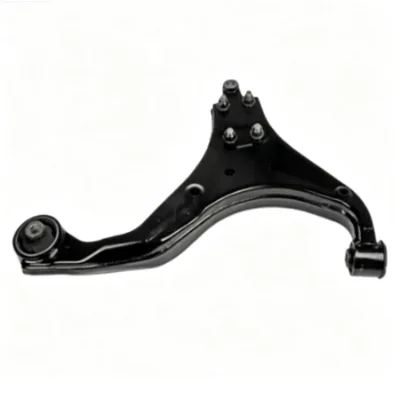
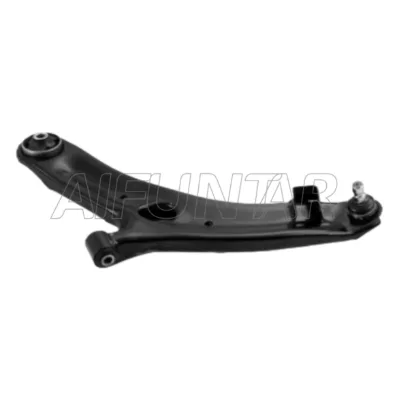
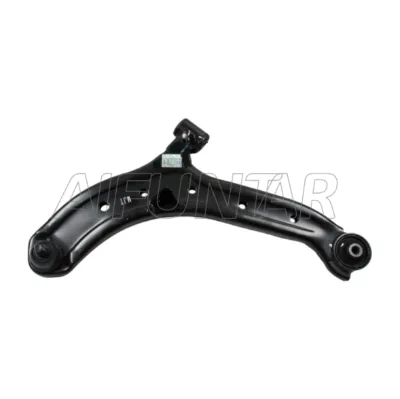
H YUN DAI Front Lower Arm Left 54500-25000
$10.00 - $12.00
Wenzhou Naqin Auto Parts Co., Ltd.
- Trading Company
- Zhejiang, China
- Lead time45 days
- Avg. response≤ 2h
Main productsBrake Pad/Brake Shoes/Brake Disc, Ball Joint/Linkage/Rack End/Tie Rod/Suspension Bushing, Universal Joint
Main marketsAfrica(40.00%), Mid East(23.00%), South America(20.00%), South Asia(5.00%), Eastern Europe(5.00%), Southeast Asia(5.00%), North America(2.00%)
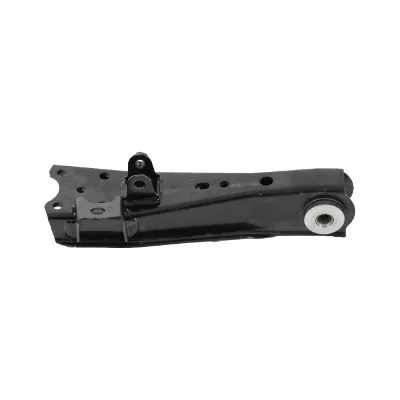
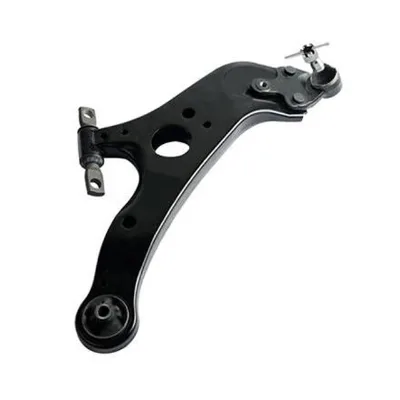
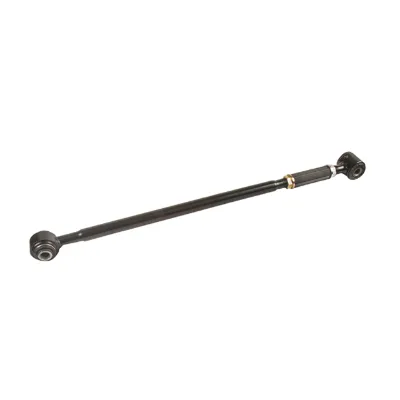
Control Arm Rear Axle NAQIN Brand OE48740-32020/48730-32060 Can Discuss Warranty for
$16.00 - $25.00
MOQ: 50

TAIZHOU TUOBA MACHINERY CO., LTD.
- Verified by SGS
- Trading Company
- China Zhejiang
- Lead time30 days
- Avg. response≤ 8h
Main productsBall Joints, Tie Rod Ends, Shock Absorber, Rack End, Control Arm, Brake Pads, Idler Arm/Pitman Arm, Stabilizer Link, Engine Mounts, Strut Mount
Main marketsEurope
Guangzhou Haocheng Auto Parts Co., Ltd.
- Trading Company, Agent, Distributor/Wholesaler
- Guangdong, China
- Lead time7 days
- Avg. response≤ 5h
Main productsFront and rear bumper,Car glass Sunroof glass Front and rear windshield glass door glass,Auto sheet metal parts front rear wing hood trunk door,Front and rear shock absorption automotive suspension control arm front and rear bearings brake pads brake discs brake sub pump,Reversing radar air conditioning filter element air conditioning compressor condenser
Main marketsDomestic Market(50.00%), North America(30.00%), Southeast Asia(10.00%), Africa(10.00%)

Ningbo Tengyuan Machinery Manufacturing Co., Ltd
- Verified by BV
- Combined
- China Zhejiang
- Lead time23 days
- Avg. response≤ 4h
Main productsTrailer Hitch, Suspension Coil Spring, Leveling Lift Kits, Fifth Wheel to Gooseneck Adapter, Towing Hitch Accessories, Gooseneck Hitch Ball Kit, Wheel Accessories & Parts, 5th Wheel Hitches
Main marketsDomestic

Xiamen Monake Import and Export Co., Ltd.
- Verified by TUVRHEINLAND
- Trading Company
- China Fujian
- Lead time30 days
- Avg. response≤ 6h
Main productsEngine Mounting, Strut Mount, Rubber Bush, Center Bearing, Control Arm, Arm Bushing, Auto Parts, Fan Blade, Auto Spare Parts, Car Parts
Main marketsOthers(foreignTradeCapacity.exportBusinessCapacityMarketOther),Domestic










Comprehensive Sourcing Guide
Lower Front Left Swing Arm Supplier Concentration and Factory Types
The current supplier landscape for lower front left swing arms reveals a distinct geographic and structural diversity that buyers must navigate carefully. Evidence indicates that manufacturing capabilities are concentrated in specific industrial hubs within China, with Zhejiang and Henan provinces emerging as notable locations for production. Suppliers in Zhejiang often operate as combined entities, blending manufacturing and trading functions, which can offer a streamlined interface for international buyers seeking both production capacity and logistical support. These combined companies frequently list main products such as shafts and various auto suspension components, suggesting a broad capability in metal fabrication and automotive part assembly. The presence of suppliers in Henan, particularly those identified as trading companies, highlights a different operational model where the focus may be more on sourcing aggregation and distribution rather than direct factory output. This distinction is critical because it affects how a buyer evaluates production control, quality assurance processes, and the ability to handle custom orders. Trading companies may offer greater flexibility in product variety but might have less direct oversight over the manufacturing floor compared to combined or pure manufacturing entities. Understanding this structural difference allows buyers to align their sourcing strategy with their specific needs for supply chain transparency and direct factory communication.
Furthermore, the types of companies listed provide insight into the scale and specialization available in the market. Some suppliers specialize in specific automotive brands, such as Toyota or Foton, indicating a level of OEM experience and part-specific engineering knowledge. Others may focus on broader categories like new energy auto parts or general automotive sheet metal parts, suggesting versatility in handling different material requirements and design specifications. The verification status of these suppliers also varies, with some holding certifications from recognized bodies like TÜV Rheinland or CTI, which adds a layer of credibility regarding their operational standards and quality management systems. However, not all suppliers display such verification, leaving buyers to rely on other indicators of reliability. The diversity in company types, from combined manufacturers to specialized trading firms, means that buyers must carefully assess which model best fits their procurement goals. Whether prioritizing direct factory engagement for cost efficiency or leveraging trading companies for broader product access, understanding the underlying structure of the supplier base is essential for making informed sourcing decisions in the Lower Front Left Swing Arm category.
How to Verify Lower Front Left Swing Arm Suppliers
Verifying the legitimacy and capability of Lower Front Left Swing Arm suppliers requires a multi-layered approach that goes beyond surface-level profile information. One of the primary steps is to examine the verification badges and certifications displayed on supplier profiles. For instance, some suppliers may hold TÜV Rheinland or CTI verification, which indicates that an independent third party has assessed their business operations or product quality. Buyers should prioritize suppliers with these verifications, as they provide an external validation of the company’s claims. Additionally, checking for specific product certifications, such as ISO standards, can offer further assurance of manufacturing consistency. However, it is important to note that not all suppliers will display these credentials, and the absence of a badge does not necessarily imply a lack of quality. In such cases, buyers should request direct documentation, such as audit reports or test certificates, to confirm compliance with industry standards. This proactive verification process helps mitigate the risk of engaging with unreliable partners and ensures that the supplier meets the necessary quality benchmarks for automotive components.
Beyond certifications, buyers should assess the supplier’s response time and communication efficiency as indicators of their operational maturity. Suppliers with faster response times, such as those averaging under five hours, often demonstrate a more organized and customer-centric approach to business. This responsiveness can be crucial during the negotiation and order placement phases, where quick clarifications can prevent misunderstandings and delays. Additionally, examining the supplier’s main products and product keywords can provide insight into their specialization. A supplier listing specific control arm variations, such as front lower forward and rearward control arms, suggests a focused expertise in suspension systems rather than a generalist approach. Buyers should also look for details on customization capabilities, as many suppliers offer OEM services, which is vital for those requiring parts tailored to specific vehicle models. By combining verification checks with an analysis of communication speed and product specialization, buyers can build a more comprehensive picture of a supplier’s reliability and suitability for their sourcing needs.
What to Compare Across Lower Front Left Swing Arm Suppliers
When evaluating multiple suppliers for lower front left swing arms, buyers must systematically compare key operational metrics to identify the most suitable partner. Lead time is a critical factor, as it directly impacts inventory management and order fulfillment speed. Some suppliers may offer lead times as short as fifteen days, while others might require thirty days or more. This variation can be influenced by the supplier’s production capacity, current order backlog, and the complexity of the requested customization. Buyers should align their lead time expectations with their project timelines, ensuring that the supplier can meet delivery deadlines without compromising quality. Additionally, the minimum order quantity (MOQ) is another essential comparison point. Suppliers may have MOQs ranging from small batches of four pieces to larger quantities of one hundred or more. For buyers testing new markets or requiring small-scale production, suppliers with lower MOQs offer greater flexibility, whereas those with higher MOQs may provide better economies of scale for bulk orders. Understanding these thresholds helps buyers optimize their purchasing strategy and avoid unnecessary inventory costs.
Price and payment terms also play a significant role in supplier comparison, although they should be evaluated in conjunction with other factors. Price ranges can vary widely, with some suppliers offering lower-cost options for standard parts and others charging premium prices for specialized or high-quality components. Buyers should request detailed quotations that break down costs, including material, labor, and shipping, to ensure transparency. It is also important to compare the supplier’s response time, as quicker replies can indicate a more efficient internal process and better customer service. Furthermore, examining the supplier’s location can provide insights into potential logistics advantages. Suppliers located in major industrial hubs like Zhejiang or Henan may have better access to shipping routes and ports, potentially reducing transit times and costs. By systematically comparing lead times, MOQs, prices, response speeds, and locations, buyers can make data-driven decisions that balance cost, quality, and delivery efficiency. This comprehensive comparison ensures that the selected supplier aligns with the buyer’s specific operational requirements and strategic goals.
Common Lower Front Left Swing Arm Sourcing Risks
Sourcing lower front left swing arms from international suppliers introduces several risks that buyers must proactively manage to ensure a smooth procurement process. One significant risk is the potential mismatch between product specifications and actual delivery. Since swing arms are critical safety components, even minor deviations in dimensions or material quality can lead to installation issues or premature failure. Buyers should be cautious of suppliers who do not provide detailed product attributes, such as material composition, certification status, or exact fitting positions. For example, some listings may indicate stainless steel construction, while others might specify different alloys, which can affect durability and performance. Without clear verification of these specifications, buyers risk receiving parts that do not meet their engineering requirements. Additionally, the risk of counterfeit or substandard parts is heightened when dealing with suppliers who lack proper certifications or verification badges. Buyers should insist on third-party testing reports or factory audits to confirm that the products meet international quality standards, thereby mitigating the risk of receiving inferior goods.
Another common risk is the variability in supplier reliability and communication consistency. While some suppliers demonstrate high responsiveness and transparency, others may be slow to reply or provide vague information about production status. This inconsistency can lead to delays in order processing and fulfillment, disrupting the buyer’s supply chain. Furthermore, the risk of logistical complications cannot be overlooked, especially when sourcing from distant locations. Shipping delays, customs clearance issues, and damage during transit can all impact the final delivery of the swing arms. Buyers should carefully review the supplier’s shipping terms and ensure that they have a clear understanding of the responsibilities for both parties in case of transit issues. Additionally, the risk of financial loss is present if the supplier fails to deliver or if the products do not meet the agreed-upon quality standards. To mitigate these risks, buyers should consider using secure payment methods, such as escrow services, which offer protection until the goods are received and verified. By anticipating and addressing these common risks, buyers can establish a more resilient and reliable sourcing strategy for lower front left swing arms.
Lower Front Left Swing Arm Regional Sourcing and Logistics
Regional sourcing plays a pivotal role in determining the efficiency and cost-effectiveness of procuring lower front left swing arms. Suppliers located in China, particularly in provinces like Zhejiang and Henan, offer distinct logistical advantages due to their proximity to major manufacturing hubs and shipping ports. Zhejiang, known for its robust industrial infrastructure, often hosts combined suppliers who can handle both production and export logistics, streamlining the supply chain for international buyers. This concentration of suppliers in specific regions can lead to economies of scale, reducing transportation costs and lead times. Buyers sourcing from these areas may benefit from established logistics networks and experienced freight forwarders who are familiar with the export procedures for automotive parts. Additionally, the presence of trading companies in Henan provides an alternative sourcing channel, where buyers can access a wider variety of products through a single point of contact. This regional diversity allows buyers to choose between direct factory sourcing and trading company aggregation, depending on their specific needs for product variety and supply chain control.
Logistics planning must also account for the specific requirements of shipping automotive components, which are often bulky and require careful handling to prevent damage. Buyers should consider the packaging methods used by suppliers, as some may offer palletized packing to ensure stability during transit. Understanding the supplier’s packing standards is crucial for minimizing the risk of damage and ensuring that the swing arms arrive in optimal condition. Furthermore, buyers should evaluate the supplier’s experience with international shipping, including their familiarity with customs documentation and regulatory compliance. Suppliers with a track record of exporting to various markets are likely to have more efficient processes for handling these logistical challenges. Additionally, buyers should consider the impact of regional trade agreements and tariffs on the final cost of the products. Sourcing from regions with favorable trade relations can result in cost savings and smoother customs clearance. By carefully assessing the regional logistics capabilities of suppliers, buyers can optimize their supply chain, reduce transit times, and ensure the timely delivery of lower front left swing arms to their destination.
Lower Front Left Swing Arm Commercial Terms and Order Planning
Effective order planning for lower front left swing arms requires a thorough understanding of the commercial terms offered by suppliers, including pricing structures, payment conditions, and warranty policies. Price ranges can vary significantly, with some suppliers offering competitive rates for standard parts while others charge higher prices for customized or high-specification components. Buyers should request detailed quotations that include all costs, such as material, manufacturing, and shipping, to avoid hidden fees. Additionally, payment terms are a critical aspect of commercial negotiations, with options ranging from upfront payments to secure escrow services. Using escrow can provide an added layer of security, ensuring that funds are only released once the goods are received and verified. Buyers should also inquire about the supplier’s warranty policies, as some may offer limited warranties, such as six months, while others might provide more extensive coverage. Understanding these terms helps buyers assess the supplier’s confidence in their product quality and their commitment to after-sales support.
Furthermore, order planning must consider the supplier’s production capacity and lead times to ensure timely delivery. Suppliers with shorter lead times, such as fifteen days, may be preferable for urgent orders, while those with longer lead times might require advance planning for bulk purchases. Buyers should also evaluate the supplier’s flexibility in handling order modifications or cancellations, as this can impact their ability to adapt to changing market demands. Additionally, the minimum order quantity (MOQ) is a key factor in order planning, as it determines the minimum investment required to initiate a purchase. Buyers with smaller volume needs may need to seek suppliers with lower MOQs, while those planning large-scale production
FAQs
What is the price range for lower front left swing arms?
Prices for these components typically range from $1.00 to $60.00 per unit depending on the specific vehicle application and material quality. Buyers can find budget-friendly options starting at $1.00 for general control arms, while specialized assemblies for brands like Foton may cost between $31.00 and $60.00. Always verify the exact pricing for your required OEM number before placing an order.
What is the minimum order quantity for these parts?
Minimum order quantities vary significantly by supplier and product type. Some manufacturers accept orders as low as 4 pieces for specific suspension arms, while others require a minimum of 100 units for standard control arms. Buyers should check the specific MOQ listed for each product to ensure it aligns with their inventory needs and budget constraints.
How long does delivery take for these swing arms?
Lead times generally range from 3 to 30 days depending on the supplier and stock availability. Some suppliers offer rapid delivery within 3 to 7 days for specific models, while others may require up to 30 days for production. Response times also vary, with some suppliers replying within hours and others taking longer, so prompt communication is recommended.
Are these parts suitable for Toyota vehicles?
Yes, many available control arms are explicitly suitable for Toyota vehicles, including models like the Toyota Hiace. Suppliers list these parts as compatible with various Toyota applications, often providing OEM numbers for verification. Buyers should confirm the specific model compatibility and position, such as front lower or upper, to ensure the part fits their vehicle correctly.
What certifications do these suppliers hold?
Several suppliers hold ISO certifications, indicating adherence to quality management standards. Some products are verified by TÜV Rheinland or CTI, providing additional assurance of product quality and safety. Buyers should look for these certifications when selecting suppliers to ensure the parts meet international quality standards and are suitable for their specific market requirements.
Where are these suppliers located?
Suppliers offering these parts are primarily located in China, with specific regions including Zhejiang, Henan, and Chongqing. Zhejiang suppliers often focus on general auto parts, while Henan and Chongqing suppliers may specialize in specific vehicle brands like Foton or Li Xiang. Buyers can filter by location to find suppliers closer to their shipping preferences or logistics hubs.