Nordic Style Nonstick Soup Pot with Glass Cover Suppliers and Manufacturers
Explore 30 verified suppliers offering Nordic Style Nonstick Soup Pot with Glass Cover options from Guangdong and Tianjin. Compare response times, lead times, certifications, and material specifications to find the right factory for your needs. Contact suppliers directly to request quotes.
Updated
Suppliers List
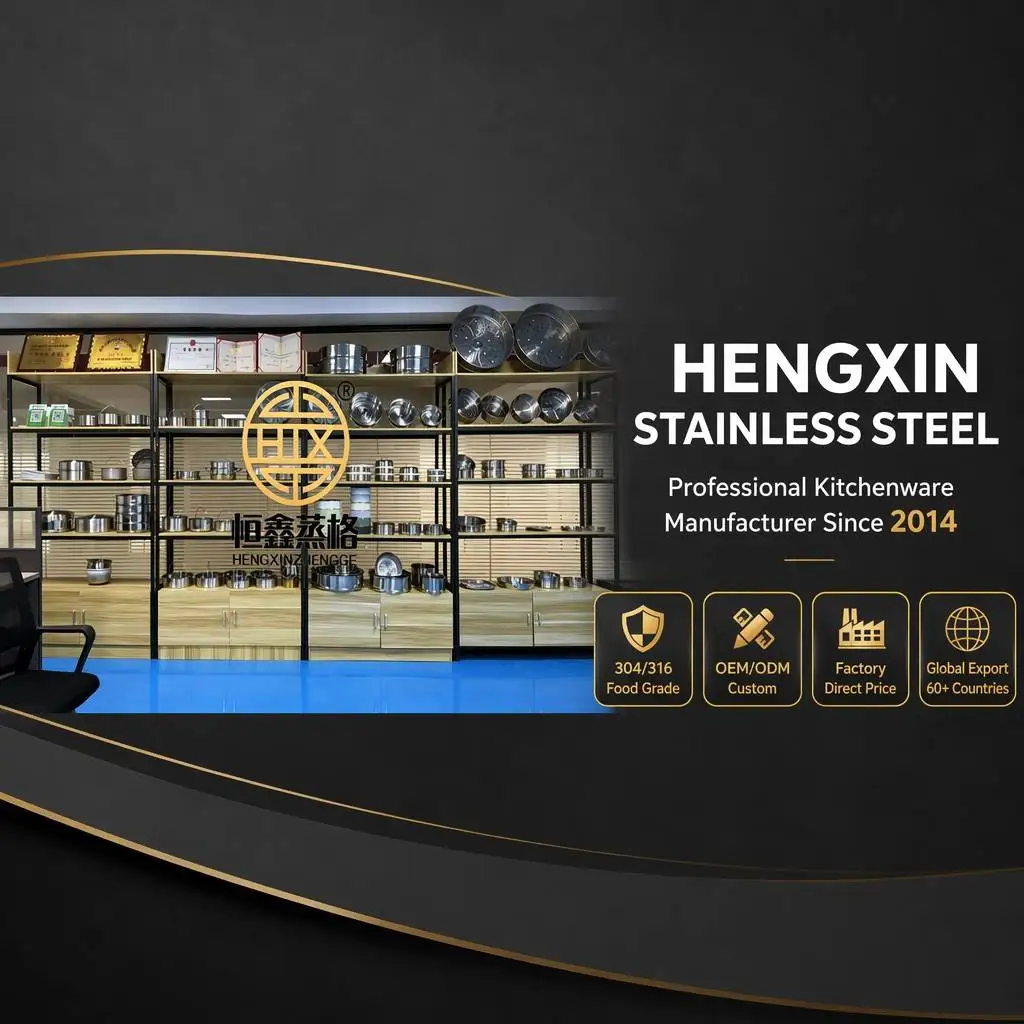
Chaozhou City Chaoan District Dongfeng Town Hengxin Stainless Steel Products Factory
- Manufacturer
- Guangdong, China
- Lead time0 days
- Avg. response≤ 2h
Main productsSteamer Basket & Desugared Rice Cooker Basket,Stainless Steel Cookware Sets,Stainless Steel Frying Pans & Woks,Stainless Steel Baking Trays & Bakeware,Stainless Steel Soup Pot & Saucepan
Main marketsNorth America(40.00%), South America(30.00%), Africa(10.00%), Western Europe(10.00%), Central America(10.00%)

Hemera (Tianjin) Technology Development Limited
- Verified by TUVRHEINLAND
- Manufacturer/Factory
- China Tianjin
- Lead time38 days
- Avg. response≤ 8h
Main productsGlass Cup, Glass Teapot, Glass Jar&Container, Glass Pitcher&Carafe, Water Jug, Coffee Set, Wine Set, Glass Cooking Ware
Main marketsSouth America,Eastern Europe,Mid East,North America,Southeast Asia,Eastern Asia,Oceania,Western Europe,Africa

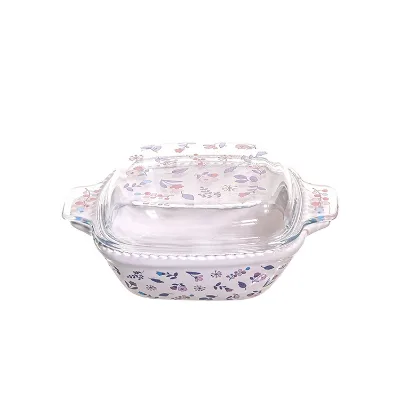
Heat Resistant Borosilicate Glass Noodle Soup Pot with Glass Handle and Cover
$3.25 - $4.25
MOQ: 500 Pieces

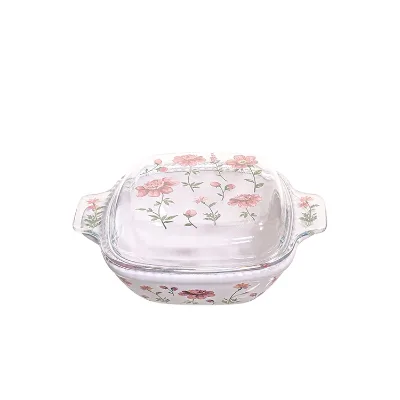
Fire Safe Borosilicate Glass Soup Cooking Pot with Glass Handle and Cover
$2.70 - $4.20
MOQ: 500 Pieces

Fire Safe Borosilicate Glass Noodle Soup Cooking Pot with Glass Handle and Cover
$3.99 - $5.25
MOQ: 500 Pieces


$3.99 - $5.25
MOQ: 500 Pieces

Hot Selling Pyrex Glass Soup Pot Customize Glass Cooking Pot with Glass Cover
$3.99 - $5.25
MOQ: 500 Pieces

- Verified by TUVRHEINLAND
- Trading Company,Manufacturer/Factory
- China Guangdong
- Lead time45 days
- Avg. response≤ 4h
Main productsStainless Steel Cookware, Stainless Steel Untensil, Stainless Steel Kitchenware, Stainless Steel Colander Bowl, Stainless Steel G. N Pan, Stainless Steel Pressure Cooker, Stainless Steel Buckets, Stainless Steel Dishes Rack, Stainless Steel Chafing Dishes, Stainless Steel Fittings
Main marketsSouth America,Eastern Europe,Mid East,North America,Southeast Asia,Eastern Asia,Oceania,Western Europe,Africa


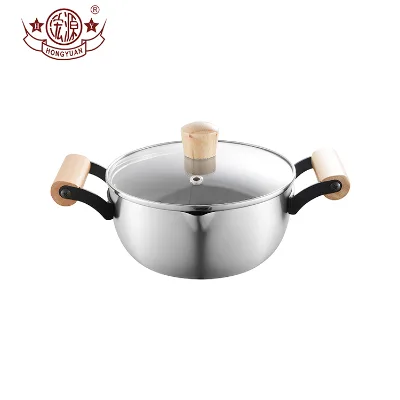
Kitchenware Non-Stick Cookware Stainless Steel Cooking Pot with Lid Milk Pot
$4.50 - $9.00
MOQ: 100 Pieces

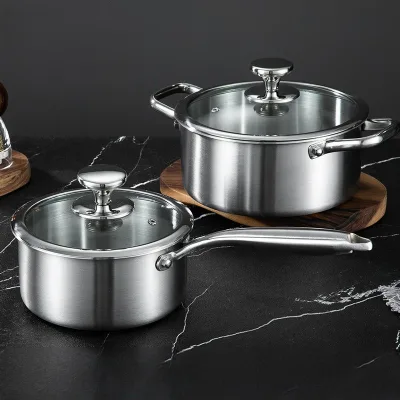
Kitchenware Stockpots Stainless Steel Cookware with Cover Soup Pot Cooking Pot with Double Handles
$3.50 - $20.00
MOQ: 100 Pieces

$3.50 - $20.00
MOQ: 100 Pieces

Stainless Steel Kitchenware Cookware Soup Pot Stockpot with Lid Black Double Handle
$5.50 - $14.80
MOQ: 200 Pieces

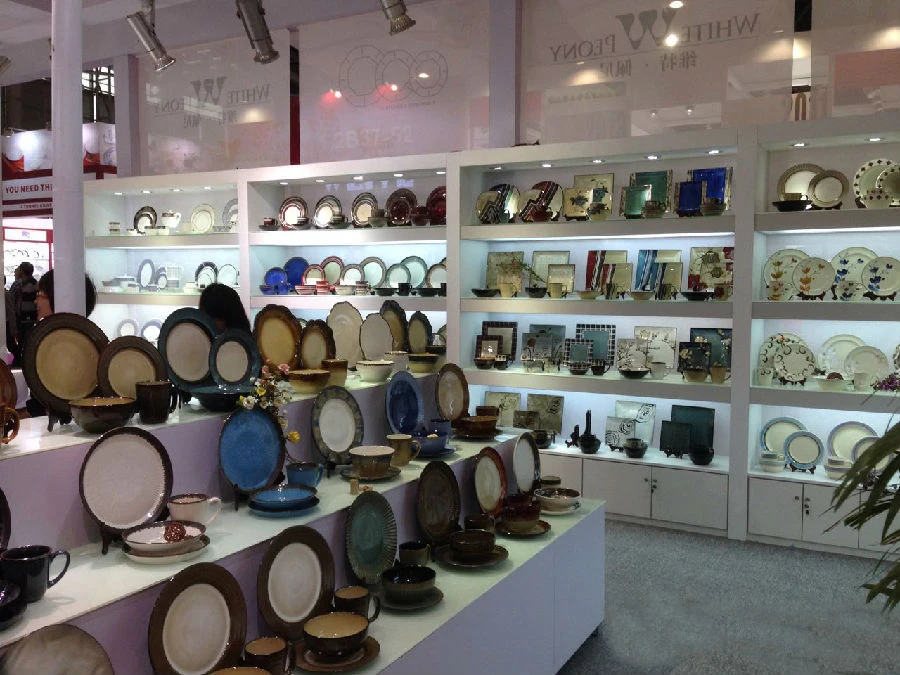
Chaozhou Sanding Pottery Co., Ltd.
- Trading Company
- Guangdong Province, China
- Lead time3 days
- Avg. response≤ 3h
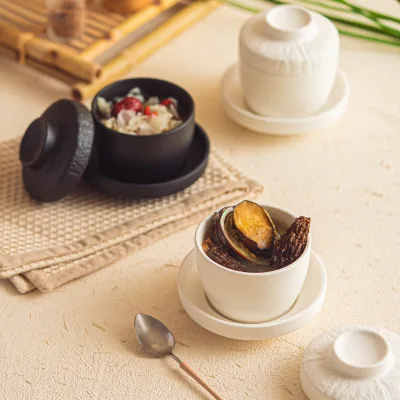
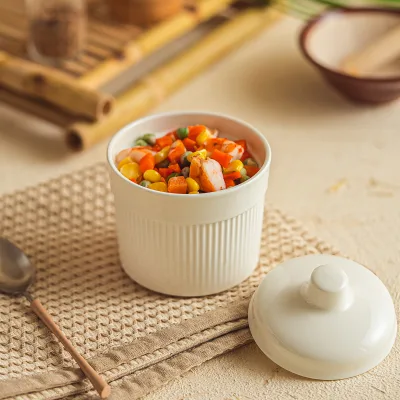
Main productsPromotional Ceramic Mugs,Stainless Steel Tumblers,Enamel Mugs,Ceramic Dinner Set,Ceramic Soup Pot
Main marketsNorth America(35.00%), Mid East(10.00%), Western Europe(10.00%), Eastern Europe(10.00%), Northern Europe(10.00%), Southeast Asia(6.00%), Eastern Asia(5.00%), Southern Europe(5.00%), Oceania(3.00%), South America(2.00%), Domestic Market(1.00%), South Asia(1.00%), Africa(1.00%), Central America(1.00%)
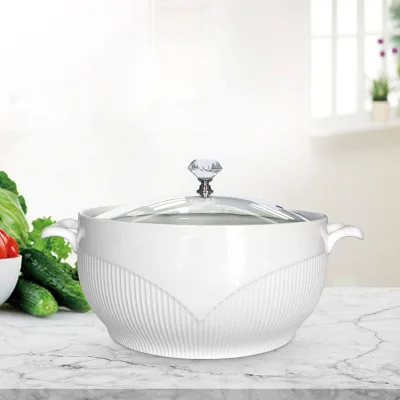
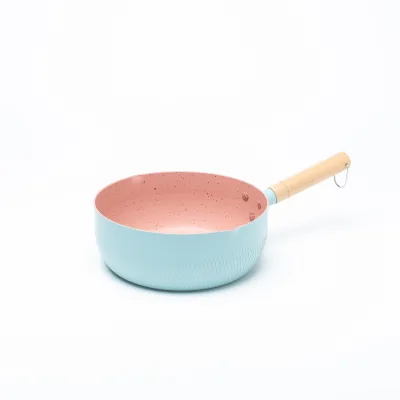
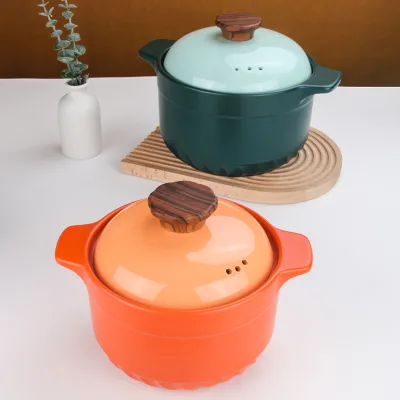
Luxury Nordic Embossed Decoration Cooking Ceramic Coated Soup Pot with Glass Lid
$5.00 - $5.56
MOQ: 20 Minimum
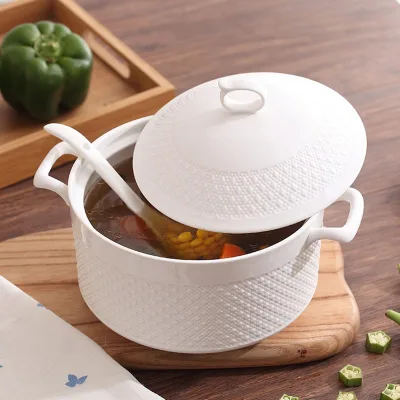
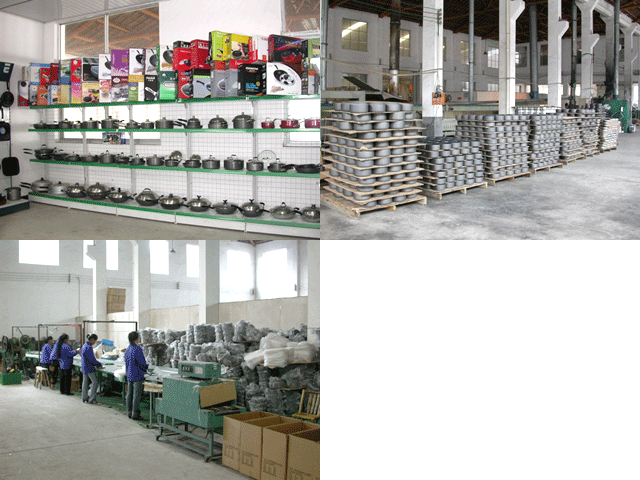
Wuyi Huakang Electric Appliance Co., Ltd.
- Manufacturer, Trading Company
- Zhejiang, China
- Lead time0 days
- Avg. response≤ 7h
Main productsCookware,fry pans,sauce pots,milk pots,casserole
Main marketsWestern Europe(11.11%), Eastern Asia(11.11%), Mid East(11.11%), Oceania(11.11%), Africa(11.11%), Southeast Asia(11.11%), Eastern Europe(11.11%), South America(11.11%), North America(11.11%)
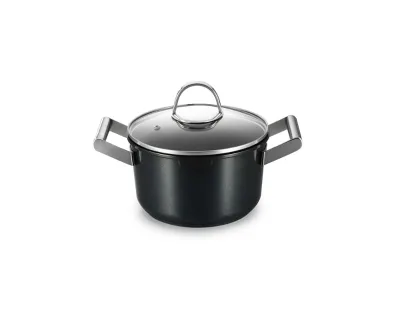
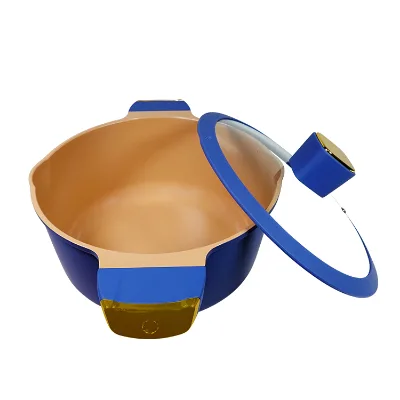
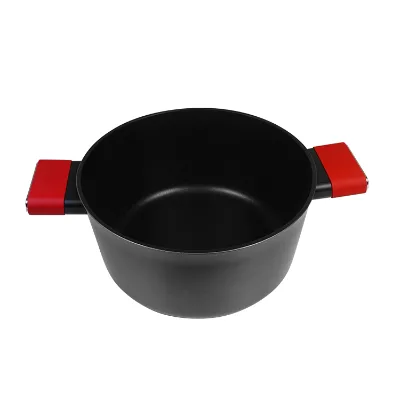
Customized one person soup pot for high-quality kitchen, essential for home use
$6.54 - $7.19
MOQ: 100 parcels

- Verified by TUVRHEINLAND
- Trading Company
- China Hunan
- Lead time45 days
- Avg. response≤ 1h
Main productsCeramic Mug, Vacuum Flask, Dinner Set, Cup, Mug, Thermal Bottle, Ceramic Dinner Set, Glass Jar, Glass Cup, Wine Cup
Main marketsSoutheast Asia/ Mideast

Chaozhou Nicety Technology Co., Ltd
- Verified by CTI
- Trading Company
- China Guangdong
- Lead time30 days
- Avg. response≤ 7h
Main productsLunch Box, Stainless Steel Lunch Box, Pet Product, Pet Bowl, Car Accessory, Bathroom Fitting
Main marketsSouth America,Southeast Asia/ Mideast,East Asia(Japan/ South Korea),Domestic,Europe,Australia,North America


Classic Cookware Wholesale Cooking Pots Stainless Steel18/10 Nonstick Soup Pot with Flat Cover
$13.60 - $14.65
MOQ: 100 Sets

Classic Cookware Wholesale Cooking Pots Stainless Steel 18/10 Nonstick Soup Pot with Flat Lid
$6.50 - $6.80
MOQ: 8 Pieces

New Design with Lid Handle Stainless Steel Cookware Casserole Soup Pot Cooking Saucepan Pot
$5.60 - $5.88
MOQ: 20 Pieces
Yongkang Gcook Imp&Exp Co., Ltd.
- Verified by SGS Group
- Trading Company
- Lead time0 days
- Avg. response≤ 2h
Main productsSauce Pots, Roasting Pans, Fry Pans, Stainless Steel Cookware Sets, Soup Pot
Dongguan Huayue Business Co., Ltd.
- Verified by SGS Group
- Manufacturer, Trading Company
- Lead time15 days
- Avg. response≤ 4h
Main productsStainless Steel Baby Cutlery, BBQ Tools, Stainless Steel Cutlery Sets, Cookie Cutter, Cutlery With Polyresin Handles
Main marketsMid East(28%), North America(20%), Eastern Europe(19%)
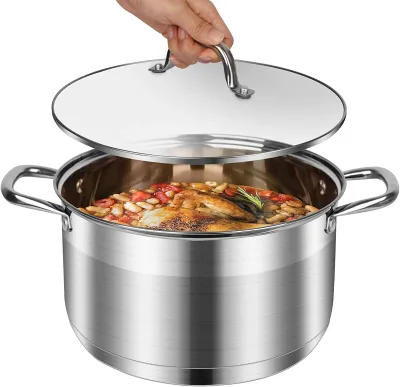
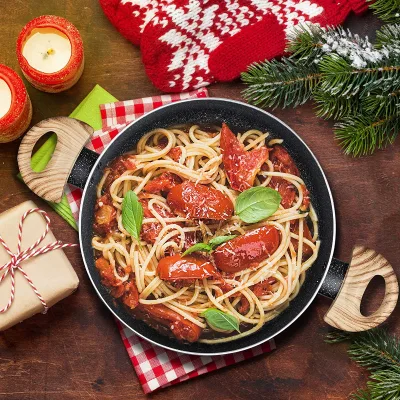
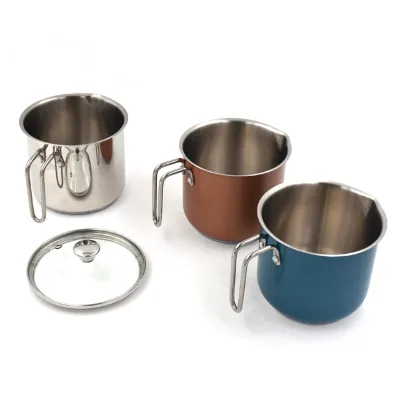
Stainless Steel 1.2-Quart Multipurpose Pot With Visible Glass Lid Non-stick Cookware Pot
$6.00 - $7.00
MOQ: 5000
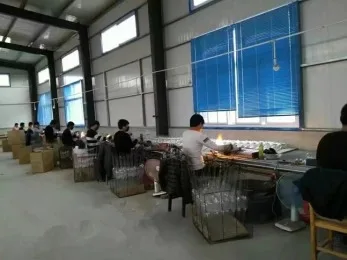
Cangzhou Bontop Glass Products Co., Ltd.
- Trading Company
- hebei, China
- Lead time7 days
- Avg. response≤ 4h
Main productsglass storage jar,Glass kitchenware,wine decanter,glass dome,double wall glass cup
Main marketsNorth America(18.00%), Western Europe(13.00%), Southeast Asia(12.00%), Northern Europe(12.00%), Central America(11.00%), Eastern Europe(8.00%), Mid East(6.00%), Eastern Asia(5.00%), Southern Europe(5.00%), South America(5.00%), Africa(3.00%), South Asia(2.00%)
Chaozhou Jiesheng Ceramics Co., Ltd.
- Verified by TüVRheinland
- Manufacturer, Trading Company
- Lead time20 days
- Avg. response≤ 3h
Main productsDinnerware, Stoneware, Ceramic Plate, Kitchenware, Bakeware
Main marketsNorth America(40%), Western Europe(25%), South America(10%)
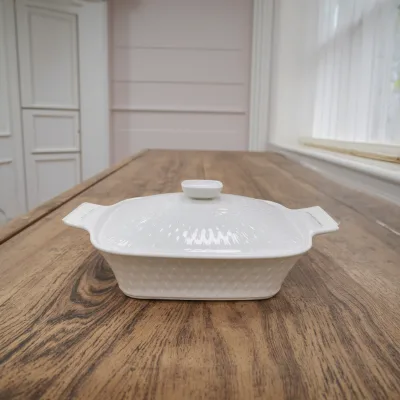
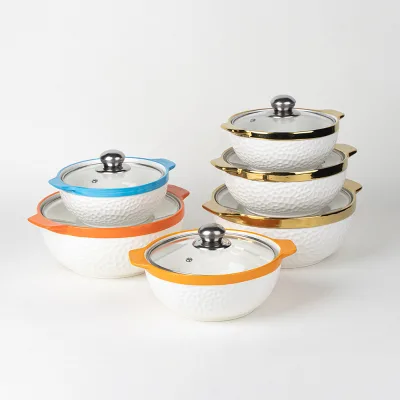
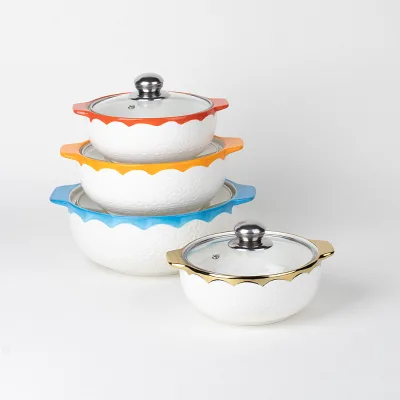
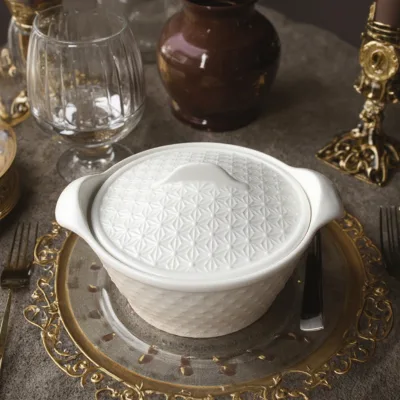
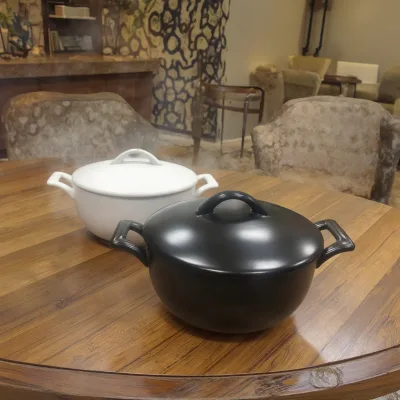
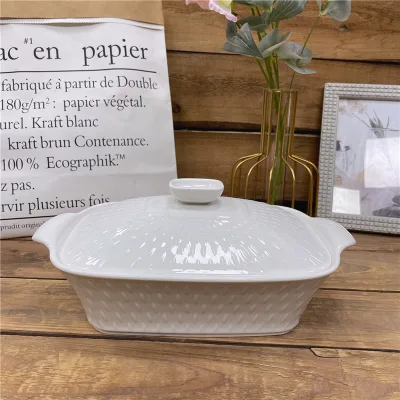
High Quality Soup Pot with Glass Lid and Four Colors Ceramic Emboss Cooking Soup Pot
$8.10 - $9.23
MOQ: 1000
Guangzhou Jiatong Import And Export Trade Co., Ltd.
- Verified by TüVRheinland
- Trading Company
- Lead time0 days
- Avg. response≤ 4h
Main productsHot Pot, Wok, Pressure Cooker, Soup Pot, Frying Pan
Main marketsNorth America(20%), South America(20%), Eastern Europe(20%)

- Verified by SGS
- Trading Company
- China Chongqing
- Lead time23 days
- Avg. response≤ 4h
Main productsStainless Steel Pot, Aluminum Pot, Pot
Main marketsOthers(foreignTradeCapacity.exportBusinessCapacityMarketOther)

Chaozhou Chao'an Yusheng Hardware Products Co., Ltd
- Verified by SGS
- Manufacturer
- China Guangdong
- Lead time15 days
- Avg. response≤ 3h
Main productsStainless Steel Gn Pan, Stainless Steel Buffet Dish, Stainless Steel Chafing Dish, Stainless Steel Juice Dispenser, Stainless Steel Milk Can, Stainlese Steel Barral, PC Gn Pan, Stainless Steel Deep Tray, Stainless Steel Soup Kettle, Stainless Steel Food Warmer
Main marketsDomestic


Stainless Steel 201 European Type Soup Pot with/Without Tap Good Quality Pot
$4.78 - $5.28
MOQ: 20 Pieces

Zhejiang Honghai Commodity Co., Ltd
- Verified by TUVRHEINLAND
- Combined
- China Zhejiang
- Lead time30 days
- Avg. response≤ 7h
Main productsDie-Casting Aluminum Casserole, Forged Alumimun Casserole, 3-Ply Stainless Steel Cookware, Die-Casting Aluminum Frying Pan, Forged Alumimun Sauce Pan, Forged Alumimun Milk Pan, Casserole Set, Wok Pan, Pan, Sauce Pan
Main marketsSouth America,Southeast Asia/ Mideast,Domestic,Europe,North America
Zhejiang Jinsaozi Industry & Trade Co., Ltd.
- Verified by Intertek
- Manufacturer, Trading Company
- Lead time35 days
- Avg. response≤ 5h
Main productsCookware
Main marketsDomestic Market(90%), North America(5%), Western Europe(5%)
Chaozhou Guangjia Ceramics Manufacture Co., Ltd.
- Manufacturer, Trading Company
- Guangdong, China
- Lead time30 days
- Avg. response≤ 3h
Main productsHousehold Porcelain, Craft Porcelain
Main marketsDomestic Market(83.00%), Southeast Asia(5.00%), Western Europe(3.00%), Southern Europe(3.00%), Northern Europe(3.00%), Eastern Europe(3.00%)

Linyi Feifan Imp. & Exp. Co., Ltd.
- Verified by TUVRHEINLAND
- Trading Company
- China Shandong
- Lead time30 days
- Avg. response≤ 12h
Main productsEnamel Mug/Cup, Enamel Bowl, Enamel Basin, Enamel Plate/Tray/Kettle, Enamel Casserole/Pot, Enamel Bucket, Safety Shoe/Boot, Safety Gloves
Main marketsSoutheast Asia/ Mideast,Domestic


Straight Form Cooking Pot/Soup Pot/Enamel Casserole with Enamel Cover Colorfull
$6.15 - $6.50
MOQ: 500 Sets


Eagle Catering Equipment Co., Ltd.
- Manufacturer/Factory
- China Guangdong
- Lead time30 days
- Avg. response≤ 12h
Main productsTrolleys, Gastronorm Containers, Table, Shelves, Sink, Barrier Post, Cookware, Buffetware, Barware, Kitchen Utensils
Main marketsSouth America,Eastern Europe,Mid East,North America,Southeast Asia,Eastern Asia,Oceania,Western Europe,Africa
Guangdong Dk Houseware Co., Limited
- Verified by SGS Group
- Trading Company
- Lead time30 days
- Avg. response≤ 3h
Main productsGlass Food Container, Glass Bakeware, Glass Bottles, Glass Storage Jar, Opal Glass Dinnerware
Main marketsWestern Europe(30%), North America(20%), South America(10%)
Chaozhou City Chaoan District Caitang Town Hongyuan Hardware Products Factory
- Verified by SGS Group
- Manufacturer, Trading Company
- Lead time6 days
- Avg. response≤ 3h
Main productsStainless Steel Plate, Stainless Steel Basin, Stainless Steel Pot, Stainless Steel Square Plate, Stainless Steel Bowl
Main marketsNorth America(25%), Southeast Asia(20%), Western Europe(20%)

Jiangmen Ruida Houseware Co., Ltd.
- Verified by TUVRHEINLAND
- Trading Company,Manufacturer/Factory
- China Guangdong
- Lead time60 days
- Avg. response≤ 4h
Main productsCookware, Stainless Steel Kettle, Stainless Steel Cookware, Kettle, Tableware, Kitchenware, Cooker, 30PCS Stainless Steel Cookware, Utensil, Cooking Pot
Main marketsSouth America,Eastern Europe,Mid East,North America,Southeast Asia,Eastern Asia,Oceania,Western Europe,Africa

Hot Sales Nonstick Stainless Steel Cookware with Glass Lids Pan and Pot
$20.40 - $25.30
MOQ: 1000 Sets

Factory Price High Quality Soup Pot Casserole 12PCS Stainless Steel Cookware Set
$20.40 - $25.30
MOQ: 1000 Sets
Chaozhou Chaoan Yunfan Stainless Steel Product Co., Ltd.
- Trading Company
- Guangdong, China
- Lead time30 days
- Avg. response≤ 5h
Main productsStainless Steel Cookware Sets, Stainless Steel Stock Pot, Stainless Steel Lunch Box, Stainless Steel Chafing Dishes, Stainless Steel Tray
Main marketsMid East(36.00%), Eastern Asia(20.00%), Southeast Asia(20.00%), North America(15.00%), Africa(5.00%), South America(4.00%)
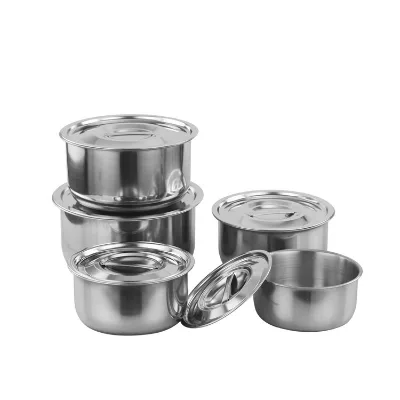
Ordinary good quality home restaurant serving cookware cooking stainless steel soup pot with lid
$1.2532 - $4.0968
MOQ: 500 Minimum

Guangzhou Garbo International Trading Co., Ltd.
- Verified by TUVRHEINLAND
- Trading Company,Manufacturer/Factory
- China Guangdong
- Lead time45 days
- Avg. response≤ 5h
Main productsGlassware, Glass Cup, Glass Mug, Glass Bowl, Glass Candy Jar, Glass Pitcher, Glass Ice Cream Cup and Ice Bucket, Opal Glassware, Stainless Steel Cutlery, Ceramic Dinnerware
Main marketsSouth America,Eastern Europe,Mid East,North America,Southeast Asia,Eastern Asia,Oceania,Western Europe,Africa

Zensun Stainless Steel Products Co. , Ltd.
- Verified by SGS
- Trading Company
- China Guangdong
- Lead time30 days
- Avg. response≤ 10h
Main productsGn Pan, Chafing Dish, Food Tray, Stock Pot, Kettle, Cutlery, Kitchenware, Cookware, Restraurant and Hotel Supplies, Milk Pot
Main marketsDomestic
Chaozhou Youqu Hardware Co., Ltd.
- Trading Company
- Guangdong, China
- Lead time60 days
- Avg. response≤ 3h
Main productsStainless steel plate,Stainless steel bowl,Stainless steel mug,Stainless steel lunch box,Stainless steel Flatware
Main marketsEastern Asia(20.00%), Southeast Asia(20.00%), Northern Europe(20.00%), North America(20.00%), Eastern Europe(10.00%), Southern Europe(5.00%), Western Europe(5.00%)

- Verified by BV
- Trading Company
- China Zhejiang
- Lead time30 days
- Avg. response≤ 13h
Main productsLunch Box
Main marketsSouth America,Africa,Southeast Asia/ Mideast,East Asia(Japan/ South Korea),Europe,Australia,North America
Hejian Avanti Craft Glass Products Co., Ltd.
- Manufacturer, Trading Company
- Hebei, China
- Lead time30 days
- Avg. response≤ 4h
Main productsGlass cup,Glass Coffee maker,Glass jars,coffee pot,glass coffee server
Main marketsDomestic Market(40.00%), Southeast Asia(20.00%), North America(10.00%), Eastern Europe(10.00%), Eastern Asia(5.00%), South Asia(5.00%), Southern Europe(5.00%), Western Europe(5.00%)
Changsha Jiyuan Technology Co., Ltd.
- Trading Company
- Hunan, China
- Lead time0 days
- Avg. response≤ 2h
Main productsAcrylic Mahjong Set,Mahjong Set,Blank Mahjong Tiles,Mahjong Game Accessories,Custom Mahjong Tiles
Main marketsNorth America(20.00%), Northern Europe(10.00%), Africa(10.00%), Southeast Asia(10.00%), Mid East(10.00%), South America(10.00%), Oceania(5.00%), Central America(5.00%), Western Europe(5.00%), Eastern Asia(5.00%), Eastern Europe(5.00%), Southern Europe(3.00%), South Asia(2.00%)
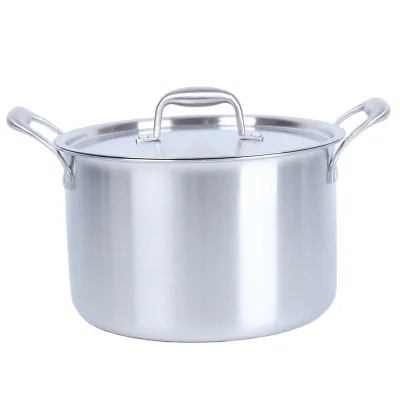
$21.51 - $28.28
MOQ: 30 Minimum
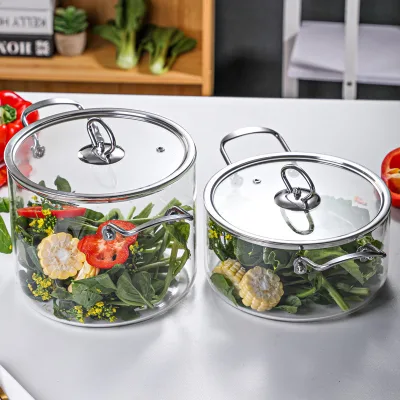
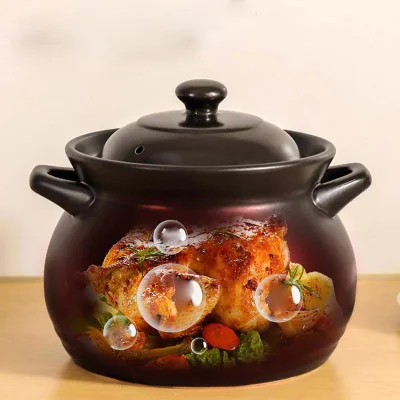
$6.2119 - $12.3113
MOQ: 10 Minimum
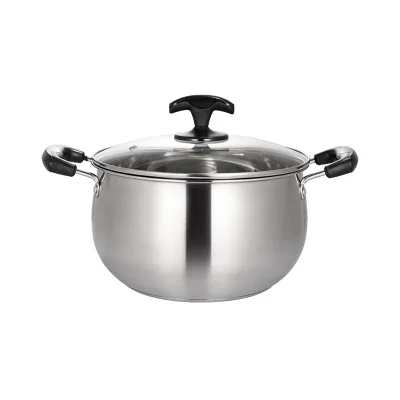
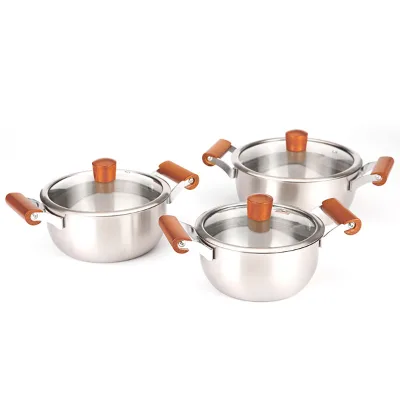
$3.2558 - $4.1223
MOQ: 10 Minimum
Xiamen Jozing Industrial Co., Ltd.
- Verified by Intertek
- Trading Company
- Lead time15 days
- Avg. response≤ 3h
Main productsCeramic Dinnerware, Ceramic Mug & Cup, Ceramic Cup & Saucers, Ceramic Decoration & Vase, Ceramic Bakeware
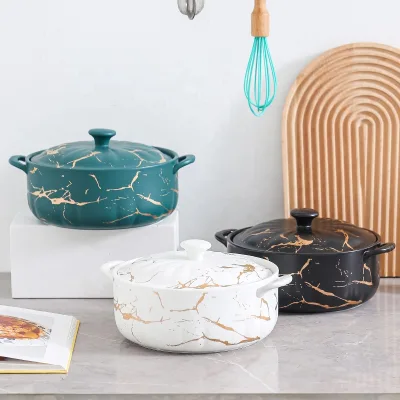
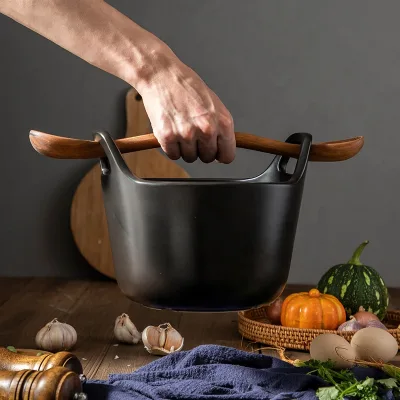
Black Creative Heat Resistant Casseroles Soup Pot Can Be Used on Open Flame
$12.8869 - $17.4349
MOQ: 6 Minimum










Comprehensive Sourcing Guide
Nordic Style Nonstick Soup Pot with Glass Cover Supplier Concentration and Factory Types
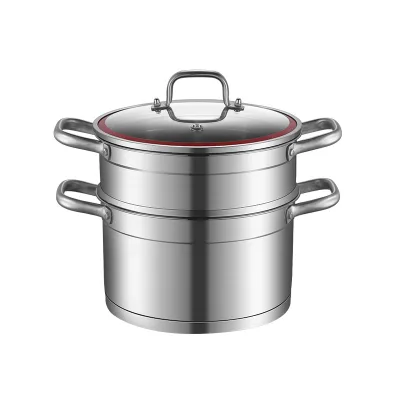
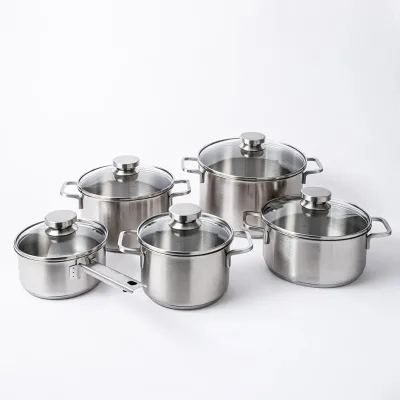
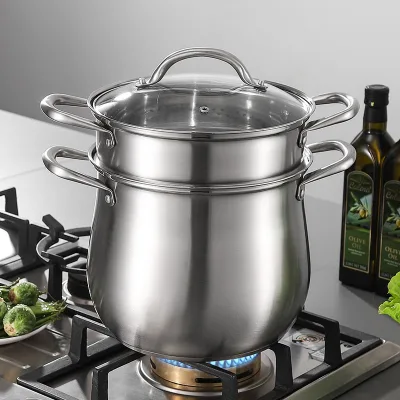
The current supplier landscape for Nordic style nonstick soup pots with glass covers reveals a distinct concentration of manufacturing activity within Guangdong, China. This region serves as a primary hub for producers specializing in stainless steel cookware sets, frying pans, and baking trays, indicating a mature industrial ecosystem capable of supporting complex metalwork and coating applications. The presence of manufacturers in this area suggests that buyers can expect a high density of suppliers who possess the necessary infrastructure to produce durable, multi-layered cookware items. These factories often leverage established supply chains for raw materials such as stainless steel and specialized non-stick coatings, allowing them to maintain consistent quality standards across large production runs. The geographic clustering in Guangdong facilitates efficient logistics and rapid prototyping, which are critical for buyers seeking to iterate on designs quickly.
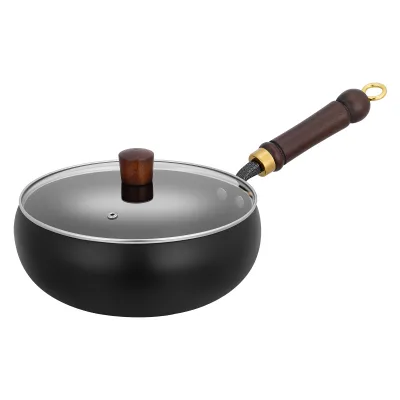
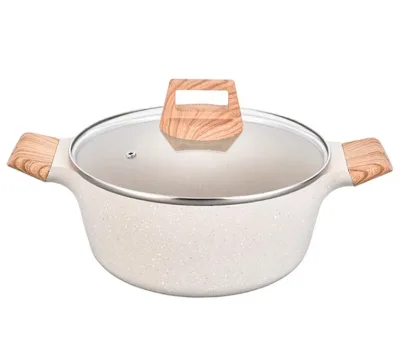
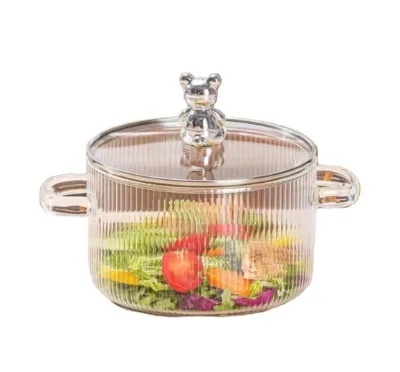
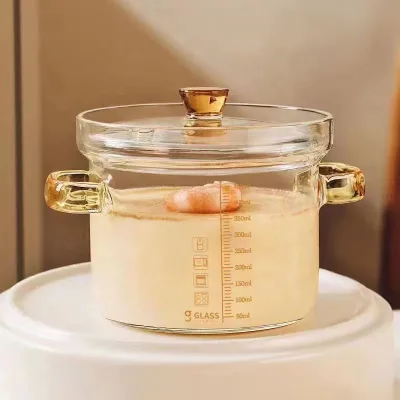
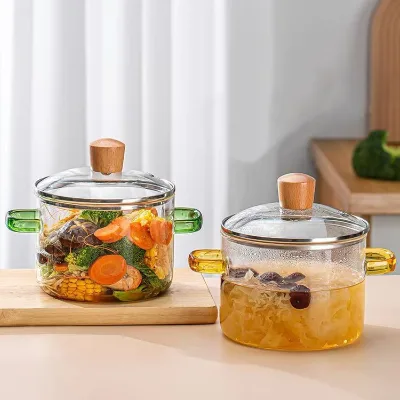
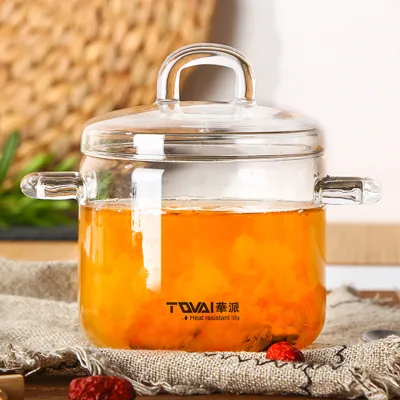
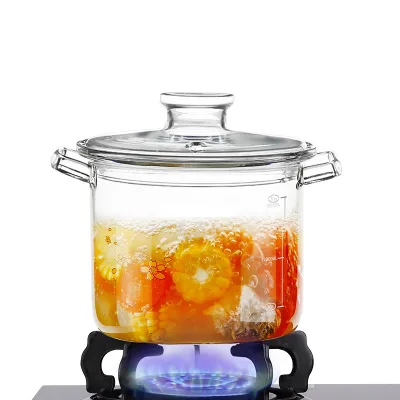
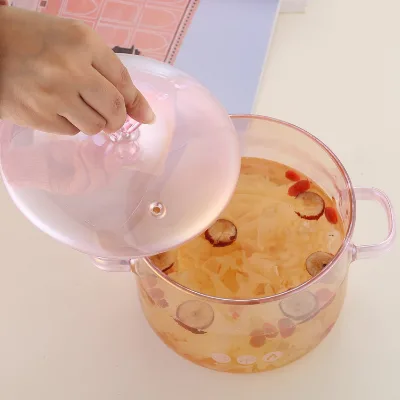
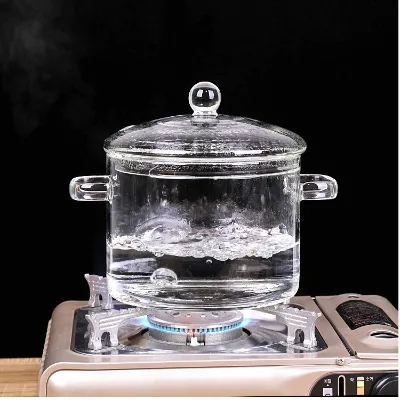
In addition to the Guangdong-based stainless steel specialists, the market also includes manufacturers located in Chaozhou and Tianjin, each bringing different material expertise to the table. Suppliers in Chaozhou are observed producing iron ore-based non-stick soup pots, while those in Tianjin focus on glass cookware, including borosilicate glass noodle soup pots. This diversity in location and material specialization means that buyers must carefully align their product specifications with the correct supplier type. For instance, if the requirement is for a traditional metal pot with a non-stick interior, a Guangdong or Chaozhou manufacturer is likely more suitable. Conversely, if the Nordic aesthetic is interpreted through transparent, heat-resistant glass, a Tianjin-based glass manufacturer would be the appropriate choice. Understanding these regional specializations helps buyers narrow down their search to factories that already have the relevant production lines and technical knowledge, reducing the risk of miscommunication and production errors.
How to Verify Nordic Style Nonstick Soup Pot with Glass Cover Suppliers
Verifying the legitimacy and capability of suppliers requires a multi-layered approach that goes beyond simple profile reviews. Buyers should prioritize suppliers who display third-party verification badges, such as those from TÜV Rheinland, which indicate that an independent agency has audited the company’s business license and operational capabilities. This verification is particularly important for manufacturers claiming to offer OEM or ODM services, as it confirms their legal standing and financial stability. Additionally, examining the supplier’s response time is a practical indicator of their operational efficiency. A supplier with a response time of two days or less is likely to have a dedicated sales team that can address technical queries regarding coating durability or glass thickness promptly. In contrast, longer response times may signal a lack of resources or a high volume of unmanaged inquiries, which could delay the sourcing process.
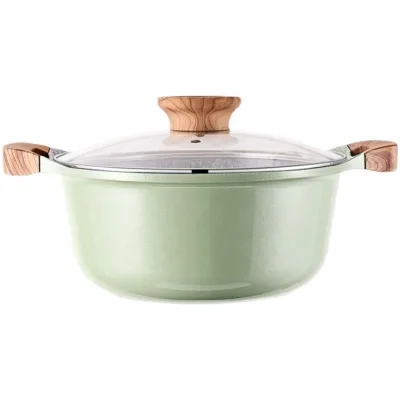
Beyond verification badges and response metrics, buyers must scrutinize the specific product attributes listed in the supplier’s catalog to ensure alignment with Nordic design principles. For example, a supplier listing a "Korean-style" pot may not fully understand the minimalist aesthetic associated with Nordic design, whereas a supplier offering "modern minimalist" designs with wood-grain handles or clean stainless steel finishes is more likely to meet the stylistic requirements. Buyers should also check for certifications such as LFGB or CE/EU, which are critical for ensuring that the non-stick coatings and glass materials are safe for food contact and comply with international standards. If a supplier does not explicitly list these certifications, buyers should request test reports directly. Furthermore, assessing the supplier’s main products can provide insight into their core competency; a factory that primarily produces stainless steel cookware sets is likely more proficient in metal fabrication than one that focuses on glass jars, even if both offer soup pots.
What to Compare Across Nordic Style Nonstick Soup Pot with Glass Cover Suppliers
When evaluating multiple suppliers, buyers should compare key operational dimensions such as lead time, main products, and customization capabilities to determine the best fit for their specific needs. Lead times vary significantly across the market, with some suppliers indicating a lead time of zero days, which may imply ready-stock items, while others show lead times of up to 38 days, suggesting a more customized or batch-production model. Understanding these differences is crucial for inventory planning, especially for buyers who need to restock frequently or launch new product lines with tight deadlines. Additionally, comparing the main products offered by each supplier helps identify their primary focus. A supplier whose main products include stainless steel cookware sets and frying pans is likely to offer higher quality metal construction, whereas a supplier focusing on glass cups and teapots may provide better options for glass-based Nordic designs.
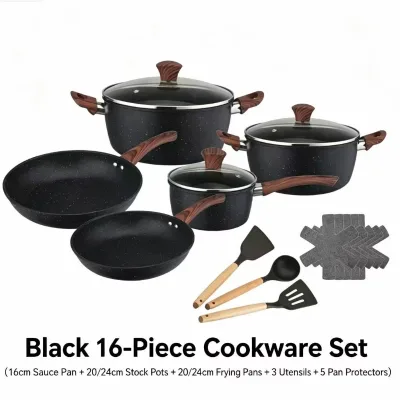
Customization capabilities and material specifications are another critical area for comparison. Buyers should assess whether the supplier offers OEM or ODM services, as this determines the level of control they have over the final product’s design and branding. For instance, some suppliers explicitly state that customization is available, allowing buyers to modify handle materials, such as choosing wood-grain finishes, or adjust the pot cover type to match specific aesthetic preferences. Material quality should also be compared, with attention paid to details like the thickness of the stainless steel, the type of non-stick coating (e.g., Maifanite or standard non-stick), and the grade of glass used. Suppliers listing features such as "insulation" or "not easy to rust" provide additional value propositions that may justify a higher price point. By systematically comparing these attributes, buyers can create a shortlist of suppliers that not only meet their functional requirements but also align with their brand’s quality standards and design philosophy.
Common Nordic Style Nonstick Soup Pot with Glass Cover Sourcing Risks
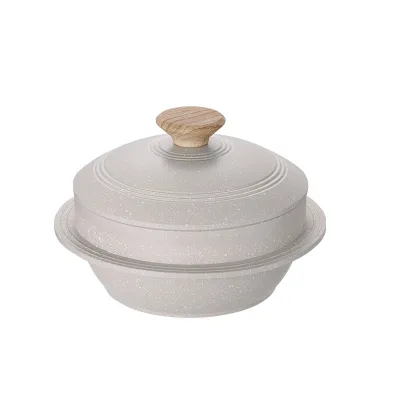
One of the primary risks in sourcing Nordic style nonstick soup pots with glass covers is the potential mismatch between the supplier’s design language and the buyer’s aesthetic expectations. Many suppliers may list products with generic descriptors such as "Korean-style" or "modern minimalist," but these terms can be subjective and may not accurately reflect the clean, functional, and often monochromatic look associated with Nordic design. Buyers who do not carefully review product images and detailed specifications may receive items that feature ornate handles, bright colors, or complex patterns that clash with their intended brand identity. This risk is exacerbated by the fact that some suppliers may use stock photos that do not accurately represent the actual product’s finish or material quality, leading to disappointment upon receipt of the goods.
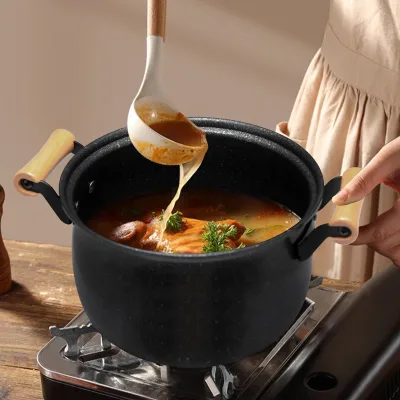
Another significant risk involves the durability and safety of the non-stick coatings and glass components. While suppliers may claim their products are "non-stick" or "heat resistant," the actual performance can vary widely depending on the quality of the materials and the manufacturing process. For example, a pot with a "Maifanite non-stick" coating may degrade faster than one with a high-quality PTFE or ceramic coating, especially if used on high-heat stoves. Similarly, glass pots must be made from borosilicate glass to withstand thermal shock, but suppliers may not always clearly specify the glass type, leading to potential breakage during use. Buyers must also be cautious of suppliers who do not provide clear information about the applicable stove types, as some non-stick coatings are not suitable for induction cookers. To mitigate these risks, buyers should request samples and conduct their own testing before placing large orders, ensuring that the products meet their durability and safety standards.
Nordic Style Nonstick Soup Pot with Glass Cover Regional Sourcing and Logistics
Sourcing from different regions in China presents distinct logistical advantages and challenges that buyers must consider when planning their supply chain. Suppliers located in Guangdong benefit from a well-developed infrastructure for exporting metal cookware, with easy access to major ports and a high concentration of logistics partners. This region’s expertise in stainless steel manufacturing means that buyers can often find suppliers who are experienced in handling the specific packaging requirements for heavy, bulky items, reducing the risk of damage during transit. However, the high density of suppliers in Guangdong can also lead to increased competition for shipping space during peak seasons, potentially affecting lead times and freight costs. Buyers should factor in these logistical variables when negotiating delivery schedules and choosing their shipping method.
In contrast, sourcing from Chaozhou or Tianjin may offer different logistical dynamics, particularly for buyers seeking specialized materials like iron ore-based pots or borosilicate glass cookware. Suppliers in Chaozhou, for instance, may have lower shipping costs for certain types of cookware due to regional trade agreements or specialized export channels. Meanwhile, Tianjin-based glass manufacturers may benefit from proximity to northern ports, which can be advantageous for buyers targeting markets in North America or Europe. However, buyers must be aware that shipping glass products requires extra care and specialized packaging to prevent breakage, which can increase overall logistics costs. Additionally, the lead times for glass products may be longer due to the fragility of the material and the need for careful handling during production and shipping. By understanding these regional logistical nuances, buyers can optimize their supply chain for cost, speed, and reliability.
Nordic Style Nonstick Soup Pot with Glass Cover Commercial Terms and Order Planning
Effective order planning for Nordic style nonstick soup pots with glass covers requires a clear understanding of commercial terms, including MOQs, payment structures, and after-sales support. Buyers should inquire about the supplier’s minimum order quantity, as this can vary significantly depending on whether the product is a standard item or a customized design. Suppliers offering OEM services may have higher MOQs to justify the setup costs for custom molds or coatings, while those with ready-stock items may allow for smaller trial orders. Understanding these terms helps buyers manage their cash flow and inventory levels, ensuring that they do not overstock items that may not sell or understock popular designs. Additionally, buyers should clarify the payment terms, such as whether the supplier requires a deposit before production or offers escrow services to protect their funds until the goods are shipped.
Beyond initial order terms, buyers should also consider the supplier’s capacity for scaling production and handling future orders. Suppliers with established OEM and ODM capabilities are better positioned to accommodate growth, allowing buyers to increase order volumes without facing significant lead time delays. It is also important to discuss quality control measures and warranty policies, as these can impact the long-term cost of sourcing. For example, a supplier that offers a warranty against defects in the non-stick coating or glass breakage provides an additional layer of security for the buyer. By carefully negotiating these commercial terms and planning for scalability, buyers can build a sustainable and profitable sourcing relationship with their suppliers, ensuring that they can meet market demand for Nordic style cookware while maintaining high quality standards.
FAQs
What materials are used for the soup pots?
Most available options use stainless steel or borosilicate glass. Some sets feature cast iron with non-stick coatings. Verify specific material grades like 304 stainless steel before ordering to ensure durability and safety for your kitchen needs.
Are these pots compatible with induction cookers?
Yes, many stainless steel models support gas and induction stoves. Glass pots generally work on electric or gas but may not suit induction. Check the product attributes for applicable stove types to confirm compatibility with your specific kitchen equipment.
What is the typical response time for suppliers?
Response times vary significantly between manufacturers. Some suppliers reply within two hours, while others may take up to seven days. Contact multiple vendors to compare speed and ensure you receive timely quotes for your bulk purchasing requirements.
Do suppliers offer customization for glass lids?
Customization is available for certain glass lid designs and branding. Suppliers often provide OEM and ODM services for logos and packaging. Confirm specific customization options and minimum order quantities directly with the manufacturer to meet your unique design standards.
What certifications do the glass cookware products hold?
Selected glass products carry LFGB and CE/EU certifications for safety. These ensure the materials are food-grade and suitable for household use. Always request valid certification documents from the supplier to verify compliance with international safety standards before finalizing orders.
Where are the manufacturers located?
Manufacturers are primarily located in Guangdong and Chaozhou, China. Some suppliers operate from Tianjin. Knowing the location helps estimate shipping costs and lead times. Verify the specific factory address to ensure it matches your logistical requirements.
What is the lead time for production?
Lead times range from zero days for stock items to thirty-eight days for custom orders. Production speed depends on order volume and customization needs. Confirm the exact delivery schedule with the supplier to align with your project timeline effectively.