Adjustable Valve Grinding Machine Suppliers and Manufacturers
Compare 26 Adjustable Valve Grinding Machine suppliers by location, lead time, response time, and certifications. Review product specs like voltage, warranty, and dimensions before contacting factories in China for quotes; review the available evidence before requesting comparable quotations from suitable candidates.
Updated
Suppliers List

Shanghai Shenji International Co., Ltd.
- Verified by BV
- Trading Company,Manufacturer/Factory
- China Shanghai
- Lead time23 days
- Avg. response≤ 22h
Main productsEngine Rebuilding, Machine Tools, Auto Maintenance, Lathe, Grinder, Metal Forming Machine, Grinding Machine, Honing Machine, Boring Machine, Measuring Instruments
Main marketsSouth America,Eastern Europe,Mid East,North America,Southeast Asia,Eastern Asia,Oceania,Western Europe,Africa
- Verified by SGS Group
- Manufacturer, Trading Company
- Lead time45 days
- Avg. response≤ 2h
Main productsLathe Machine, Cutting Machine, Shearing Machine, Grinding Machine, Tube Bender
Main marketsSouth America(20%), Eastern Europe(15%), Southeast Asia(15%)
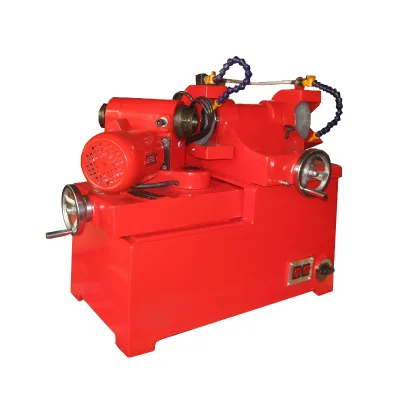
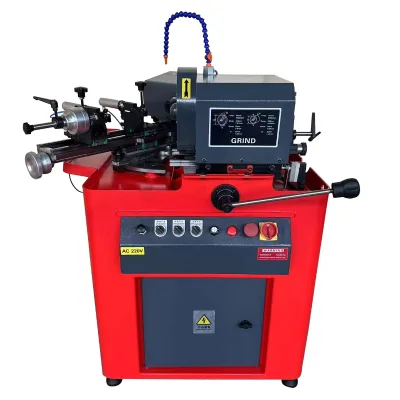
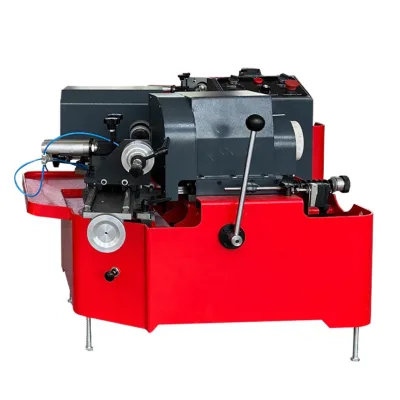
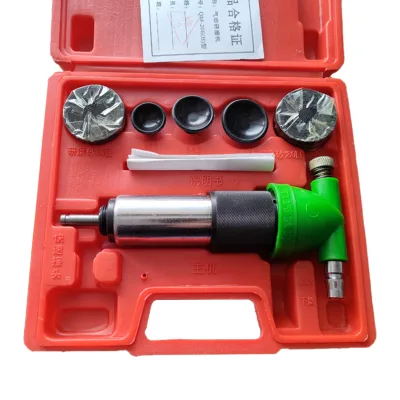
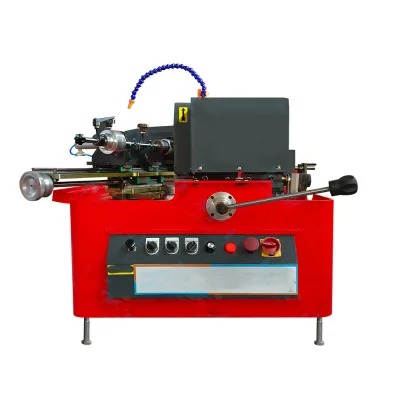
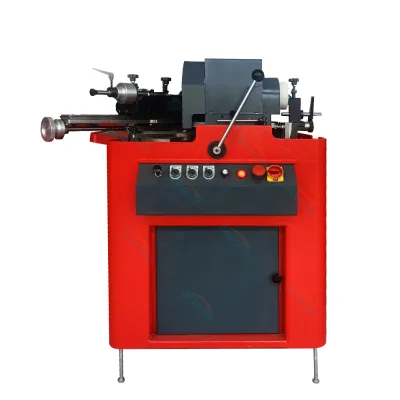
220v Economic Universal Electric Speed Adjustable Valve Grinder
$990.00 - $1900.00
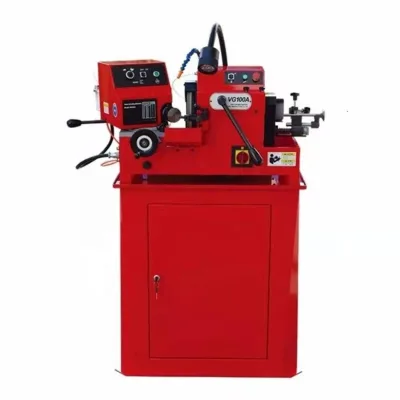
Universal High Accuracy Automatic CE Certificated Engine Valve Refacer Grinder Grinding Machine
$1016.4434 - $1950.7491
MOQ: 1 sets

Jinan Quality CNC Machinery & Equipment Co., Ltd.
- Trading Company
- Shandong, China
- Lead time15 days
- Avg. response≤ 11h
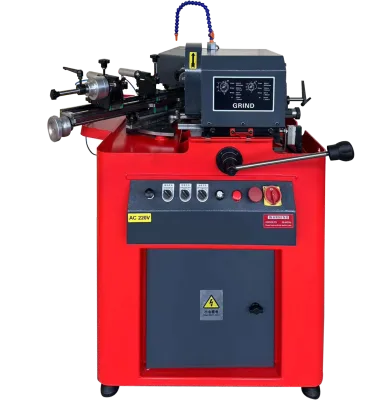
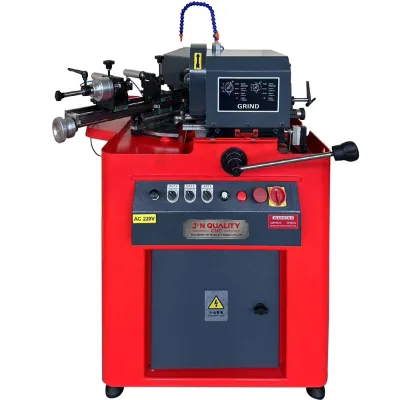
Main productsBrake Disc and Drum Lathe,Brake Disc Lathe,Brake Disc Skimming Machine,Flywheel Grinding Machine,Cylinder boring machine
Main marketsDomestic Market(26.00%), Southeast Asia(20.00%), North America(15.00%), Africa(10.00%), Western Europe(10.00%), Eastern Europe(8.00%), Southern Europe(6.00%), South America(5.00%)
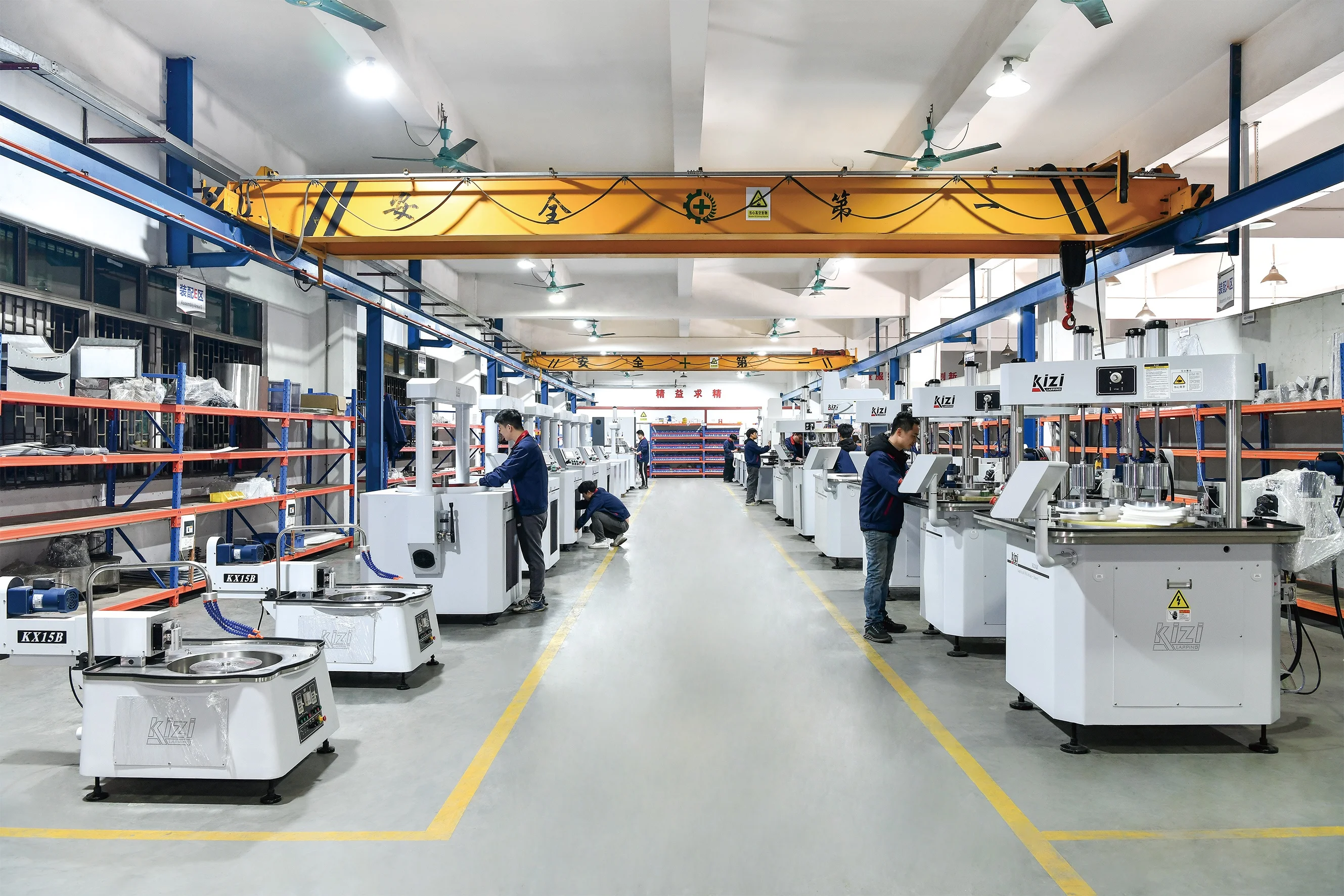
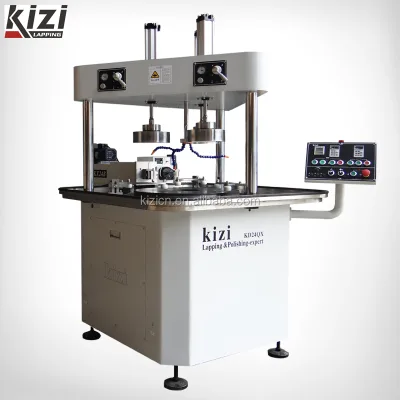
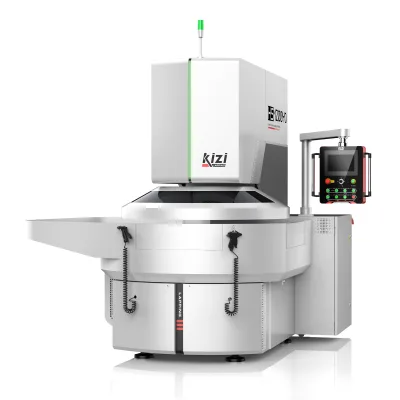
Dongguan Kizi Precision Lapping Mechanical Manufacture Co., Ltd.
- Manufacturer, Trading Company
- Guangdong, China
- Lead time40 days
- Avg. response≤ 16h
Main productsflat lapping machine,flat polishing machine,single-sided lapping machine,double-sided lapping machine,lapping plates
Main marketsWestern Europe(20.00%), Southeast Asia(20.00%), Eastern Europe(20.00%), South America(20.00%), North America(20.00%)

Wenzhou Caminix Machinery Co., Ltd
- Verified by CTI
- Trading Company
- China Zhejiang
- Lead time23 days
- Avg. response≤ 6h
Main productsPipe Threading Lathe
Main marketsAfrica,Southeast Asia/ Mideast

Special Customized Valve Grinding Machine for Ball Valve Seat and Balls Lapping Machine
$10000.00 - $20000.00
MOQ: 1 Pieces


Valve Disc Grinding Machine Cheap and Good Quality for Gate Valve Safety Valve Grinding
$10000.00 - $20000.00
MOQ: 1 Pieces

Valve Grinding Machines an Essential Procedure in Valve Maintenance
$9000.00 - $10000.00
MOQ: 1 Pieces
Hefei Chegongshe Hardware Technology Co., Ltd.
- Verified by Intertek
- Manufacturer, Trading Company
- Lead time7 days
- Avg. response≤ 2h
Main productsJack, Grease Gun, Tool Sets, Dent Repairing Machine, Snow Chain
Main marketsNorth America(20%), South America(20%), Eastern Asia(20%)
Shaanxi Aps Machinery Equipment Co., Ltd.
- Manufacturer, Trading Company
- Lead time旺季: "1 - 1":45,"2 - 5":60,"> 5":"To be negotiated", 淡季: "1 - 1":45,"2 - 5":60,"> 5":"To be negotiated"
- Avg. response≤ 3h
Main productsBoring Machine, Honing Machine, Grinding Machine, Milling Machine
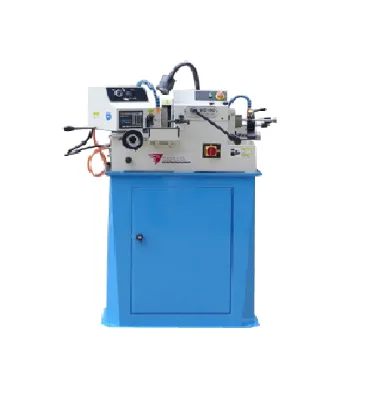
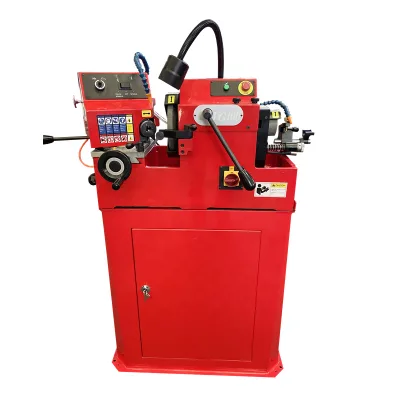
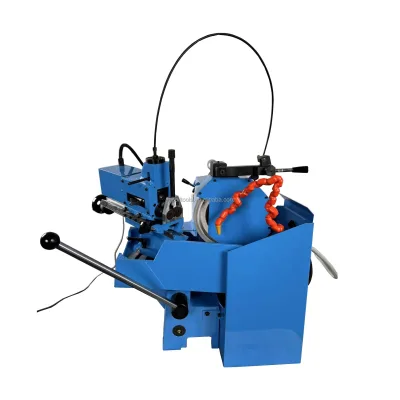
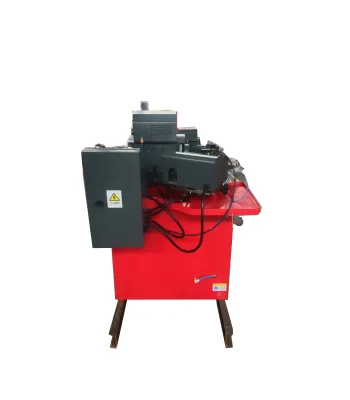
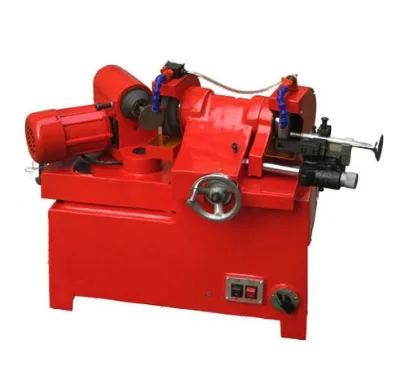
$1450.00 - $1500.00
Jiangsu Hoston Machine Tools Co., Ltd.
- Verified by TüVRheinland
- Trading Company
- Lead time25 days
- Avg. response≤ 3h
Main productsLathe Machine, CNC Metal Spinning Machine, Welding Table, Plate Rolling Machine, Press Brake Machine
Main marketsWestern Europe(25%), North America(20%), South America(15%)
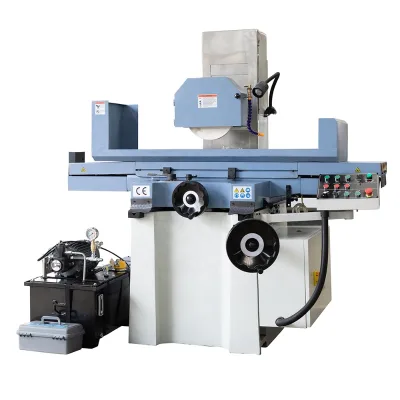
Steel Flat bar Grinding Machine Engine Valve Grinding Machine
$9800.00 - $10000.00
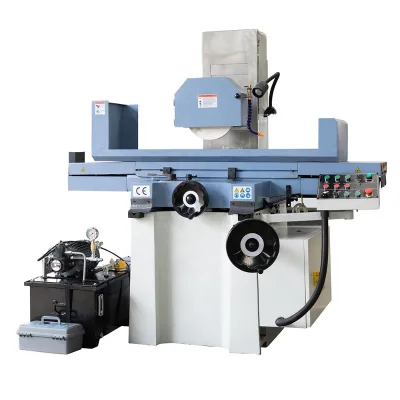
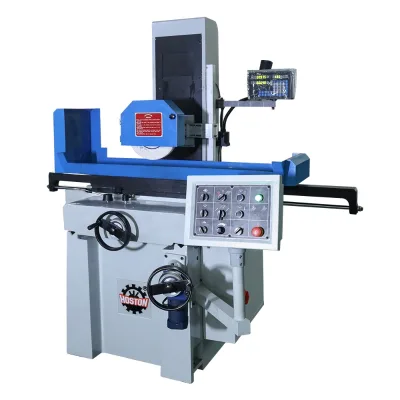
High Efficiency Grinding Machine Crusher Valve Grinding Automatic Reversing of Worktable
$4100.00 - $4300.00
MOQ: 1 sets
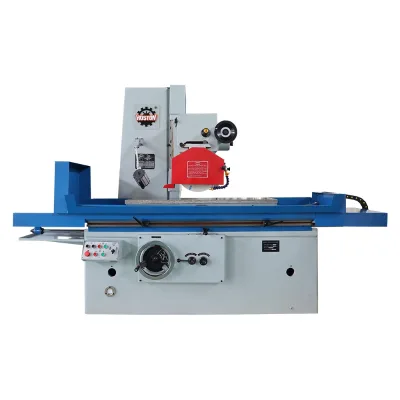
Cylindrical Grinding Machine Valve Grinding Machine Prices with Good Flange Wrench
$4700.00 - $5000.00
MOQ: 1 sets
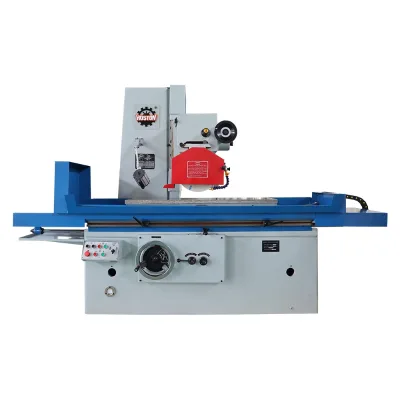
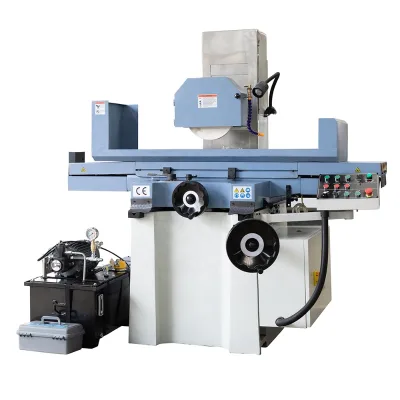
Valve Grinding Lapping Machine Mini Flat Grinding Machine High Abrasive Resistance
$19700.00 - $20000.00

Zaozhuang Dedang Machinery Co., Ltd.
- Trading Company
- China Shandong
- Lead time30 days
- Avg. response≤ 2h
Main productsCNC Machine
Main marketsSouth America,Africa,Southeast Asia/ Mideast,East Asia(Japan/ South Korea),Domestic,Europe,Australia
Shandong Beacon Machine Manufacturing Co., Ltd.
- Verified by TüVRheinland
- Trading Company
- Lead time7 days
- Avg. response≤ 3h
Main productsMechanical Injector Pump Test Bench, Gasoline Fuel Injector Tester, Common Rail Injector Pump Test Bench, Diesel Fuel Injector Test Bench, Common Rail Tools
Main marketsSoutheast Asia(50%), South America(30%), Mid East(10%)

- Trading Company
- China Shandong
- Lead time23 days
- Avg. response≤ 25h
Main productsCar Lift Factory, Car Parking System, Tire Changer Manufacture, Wheel Balancer Factory, Wheel Alignment Machine, Frame Machine, Spray Booth, Air Compressor, Car Jack, Car Wash Machine
Main marketsSouth America,Africa,Southeast Asia/ Mideast,Domestic,Europe,Australia,North America


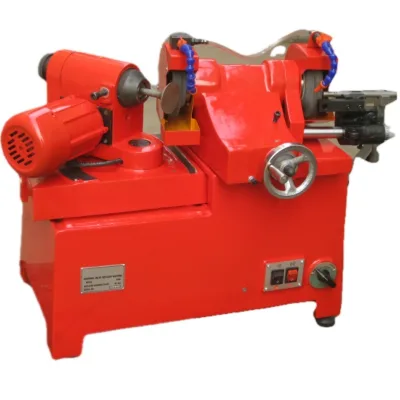
High Accuracy Precise Grinding Machine Air/ Electric Valve Grinding Machine Valve Grinder Vg100
$3000.00 - $4000.00
MOQ: 1 Pieces
- Verified by SGS Group
- Manufacturer, Trading Company
- Lead time30 days
- Avg. response≤ 3h
Main productsLathe Machine, Cutting Machine, Shearing Machine, Grinding Machine, Tube Bender
Main marketsSouth America(20%), Eastern Europe(15%), Southeast Asia(15%)
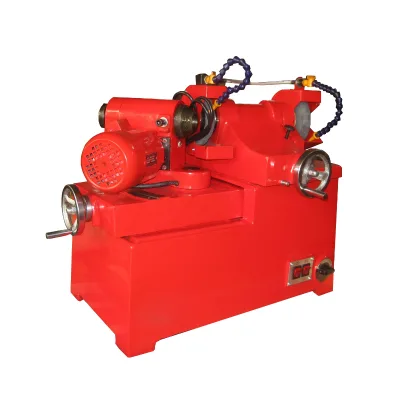
Superior Quality Various Styles Button Valve Seat Grinding Machine
$900.00 - $1400.00
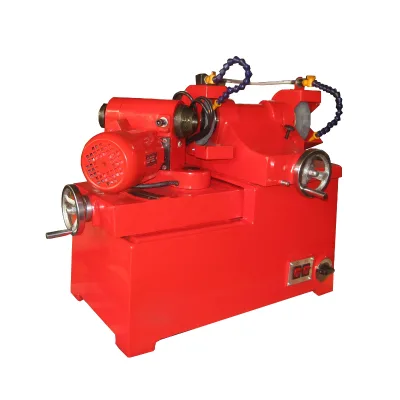
Easy to Operate Valve Seat Grinding Rectificadora De Valvulas
$750.00 - $1400.00

- Verified by SGS
- Trading Company,Manufacturer/Factory
- China Anhui
- Lead time45 days
- Avg. response≤ 6h
Main productsCNC Machine, Lathe Machine, Milling Machine, CNC Milling Machine, CNC Lathe, CNC Machining Center, Surface Grinding Machine, EDM Machine, Band Saw, Vertical Lathe
Main marketsSouth America,Eastern Europe,Mid East,North America,Southeast Asia,Eastern Asia,Oceania,Western Europe,Africa
Tengzhou Hoton Machinery Co., Ltd.
- Trading Company
- Shandong, China
- Lead time30 days
- Avg. response≤ 7h
Main productsCNC Lathe,Milling Machine,Surface Grinder Machine,Band Saw,sheet metal machine
Main marketsDomestic Market(50.00%), Southern Europe(15.00%), Eastern Europe(10.00%), Eastern Asia(7.00%), South America(5.00%), Southeast Asia(5.00%), North America(5.00%), Mid East(3.00%)
- Trading Company
- Lead time旺季: "1 - 1":45,"> 1":"To be negotiated", 淡季: "1 - 1":45,"> 1":"To be negotiated"
- Avg. response≤ 1h
Main productsPaper Machine, Hot Melt Glue Machine, Glass Machine, Auto Repair Machine, Metal Processing Machine
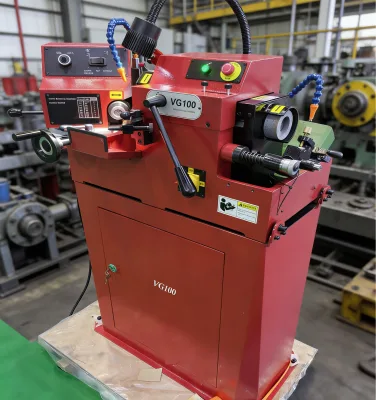
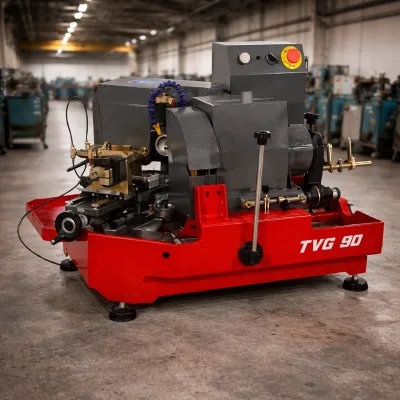
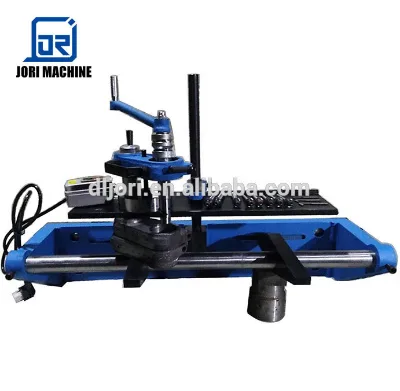
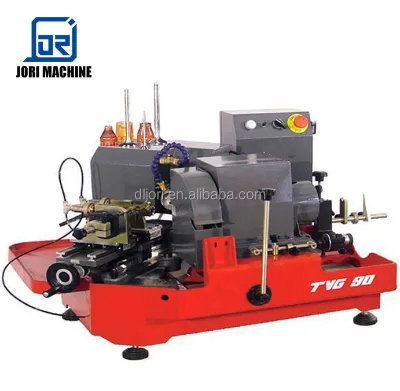
TVG90 Valve Refacer Machine for Engine Rebuild
$1630.00 - $1900.00
Henan Jane Machinery Co., Ltd.
- Manufacturer, Trading Company
- Henan, China
- Lead time0 days
- Avg. response≤ 2h
Main productsroof tile making machine,cz purlin making machine,light steel keel making machine,metal embossing machine,metal embossing machine
Main marketsSouth America(30.00%), Southeast Asia(20.00%), Northern Europe(10.00%), Central America(10.00%), North America(10.00%), Eastern Europe(10.00%), Western Europe(5.00%), Africa(5.00%)
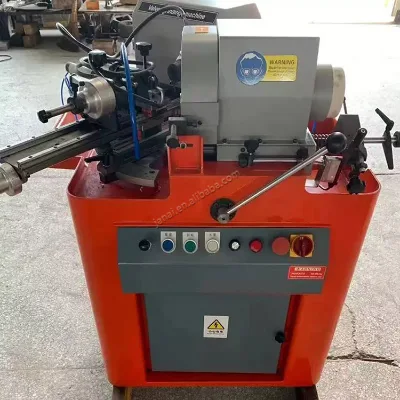
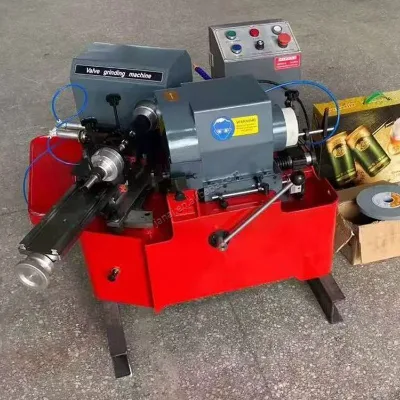
China Factory LD100 Valve Refacer Machine Valve Grinder Grinding Machines Price
$2800.00 - $3000.00
MOQ: 1 sets
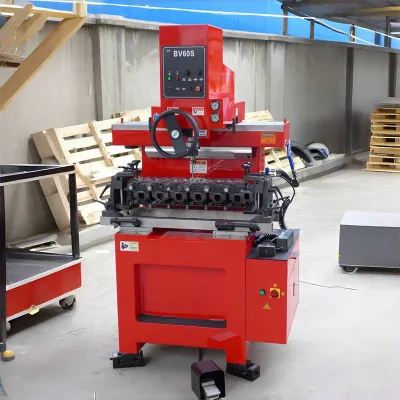
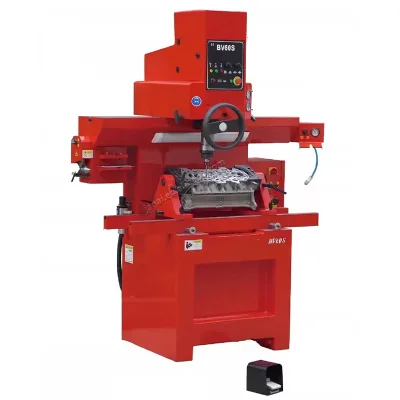
BV60S Valve Grinding Machine a specialized Machine for Automotive Aftermarket Valve Repair
$8200.00 - $9200.00
MOQ: 1 sets
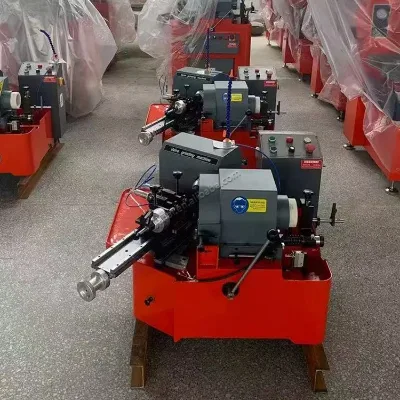
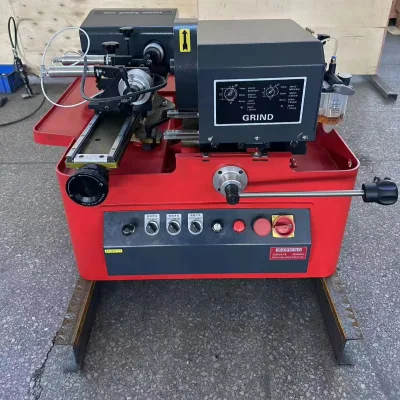
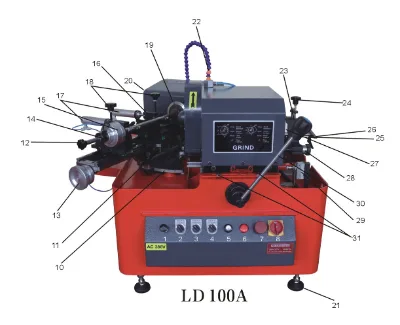
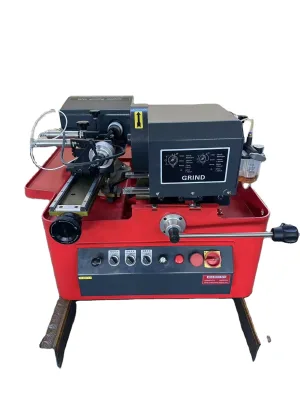
Easy Daily Operation Valve Grinder LD100A
$2200.00 - $2500.00

Tengzhou Hoton Machinery Co., Ltd.
- Verified by TUVRHEINLAND
- Trading Company
- China Shandong
- Lead time30 days
- Avg. response≤ 8h
Main productsCNC Lathe Machine, Gap Bed Lathe, Turret Milling Machine, Milling Drilling Machine, Surface Grinders, Band Saw, Radial Drilling Machine, Sheet Metal Bending Machine, Shears, Press Machine
Main marketsSouth America,Southeast Asia/ Mideast

Guangxi Xiashi Machinery Equipment Co., Ltd.
- Trading Company
- Guangxi, China
- Lead time0 days
- Avg. response≤ 8h
Main productsLathe,Power press,Baler,Milling machine,Rolling machine
Main marketsAfrica(20.00%), Western Europe(15.00%), South America(15.00%), Southeast Asia(15.00%), Mid East(10.00%)
Shanghai AA4C Auto Maintenance Equipment Co., Ltd
- Verified by SGS Group
- Manufacturer, Trading Company
- Lead time15 days
- Avg. response≤ 3h
Main productsCar Lift/Tire Changer/Wheel Balancer/Wheel Aligner/Rim Straightening, Car Washing Machine, Vehicle Inspection Equipments
Main marketsNorthern Europe(23%), Western Europe(16%), Oceania(15%)

Shenzhen Ponda Grinding Technology Co.,Ltd.
- Verified by CTI
- Combined
- China Guangdong
- Lead time15 days
- Avg. response≤ 6h
Main productsLapping Machine, Polishing Machine, Double-Disc Lapping Machine, Double-Disc Polishing Machine, Wafer Thinner, Substrate Thinner, Brush-Polishing Machine, Lathe Machine, Grinding Machine, Thinning Machine
Main marketsSoutheast Asia/ Mideast,East Asia(Japan/ South Korea),Domestic,Europe,Australia,North America

High Precision Double Side Polishing and Grinding Machine for Automotive Valves Repairing
$8000.00 - $20000.00
MOQ: 1 Pieces


Jinan Beacon Machine Co., Ltd.
- Manufacturer, Trading Company
- Shandong, China
- Lead time0 days
- Avg. response≤ 5h
Main productspump test bench,injector test bench,cr test bench,injector spare parts,injector repair tools
Main marketsSouth America(15.00%), Southeast Asia(15.00%), Mid East(8.00%), South Asia(8.00%), Northern Europe(8.00%), North America(8.00%), Central America(8.00%), Oceania(5.00%), Southern Europe(5.00%), Africa(5.00%), Eastern Europe(5.00%), Western Europe(5.00%), Eastern Asia(5.00%)

Jiangsu Phisong CNC Machines Co., Ltd.
- Verified by TUVRHEINLAND
- Combined
- China Jiangsu
- Lead time60 days
- Avg. response≤ 6h
Main productsCenterless Grinding Machine, Centerless Grinder, Cylindrical Grinder, Cylindrical Grinding Machine, Vertical Grinding Machine, Vertical Grinder, External Cylindrical Grinding Machine, Internal Cylindrical Grinding Machine, Bearing Roller Grinding Machine, Bearing Rings Grinding Machine
Main marketsSoutheast Asia/ Mideast,Domestic

Processing Machinery CNC Centerless Grinding Machine Cylindrical Grinder for Valves
$1.00 - $180000.00
MOQ: 1 Pieces

China Factory Centerless Grinding Machine Cylindrical Grinder for Valves, Shafts
$1.00 - $210000.00
MOQ: 1 Pieces

High Precision Grinder CNC Centreless Grinding Machine for Spool Valve
$1.00 - $210000.00
MOQ: 1 Pieces

Anhui Snalpo Machinery Equipment Co., Ltd.
- Verified by TUVRHEINLAND
- Trading Company
- China Anhui
- Lead time30 days
- Avg. response≤ 2h
Main productsCNC Honing Machine, CNC Vertical Honing Machine, Deep Hole Horizontal Honing Machine, CNC Cylindrical Grinding Machine, Surface Grinding Machine, Crankshaft Grinding Machine, Cylinder Boring Machine, Cylinder Head Honing Machine, CNC Rotary Table, Tool Cutter Grinder
Main marketsOthers(foreignTradeCapacity.exportBusinessCapacityMarketOther),Europe

Globe Valve Special Portable Valve Lapping & Grinding Machine From China Factory
$10200.00 - $10500.00
MOQ: 1 Pieces


Portable Valve Lapping & Grinding Machine for Gate/Globe Valves for on-Site Valve Sealing Repair
$6200.00 - $6400.00
MOQ: 1 Pieces

- Verified by TUVRHEINLAND
- Trading Company
- China Shandong
- Lead time30 days
- Avg. response≤ 5h
Main productsLathe Machine, Metal Milling Machine, Metal Cutting Band Sawing Machine, CNC Milling Machine, Surface Grinding Machine, CNC Lathe Machine, Cylindrical Grinding Machine, CNC Vmc Vertical Machining Center, Turning Machine, Drilling Machine
Main marketsSoutheast Asia/ Mideast,North America

Zhengzhou Timeway Machine Tool Co., Ltd.
- Verified by TUVRHEINLAND
- Trading Company
- China Henan
- Lead time60 days
- Avg. response≤ 9h
Main productsLathe, Milling Machine, Drilling Machine, Grinding Machine, CNC Machines, Shearing Machine, Press Brakes, Rolling Machine, Forklift Truck, Vehicle Machine
Main marketsSouth America,Africa,Southeast Asia/ Mideast,Europe,Australia,North America

- Trading Company,Manufacturer/Factory,Group Corporation
- China Jiangsu
- Lead time0 days
- Avg. response≤ 25h
Main productsCNC Machine Tools, Lathe Machine, Press Brake Machine, CNC Milling Machine, Grinder Machine, Cutting Machine, Plate Bending Machine, Shearing Machine, CNC Lathe Machine
Main marketsSouth America,Eastern Europe,Mid East,North America,Southeast Asia,Eastern Asia,Oceania,Western Europe,Africa






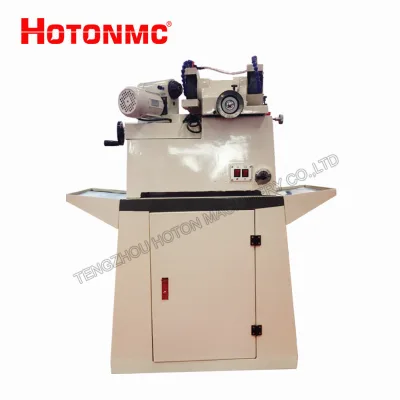
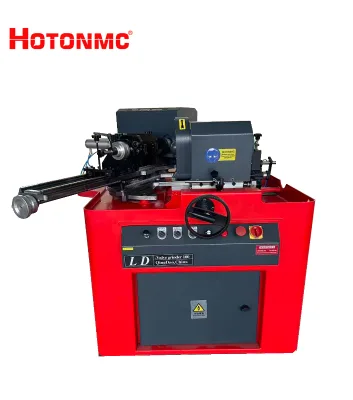
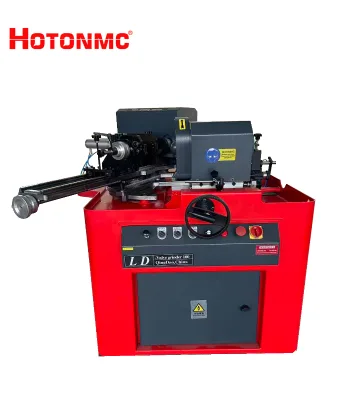
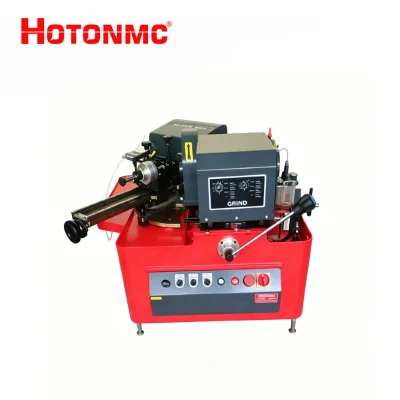
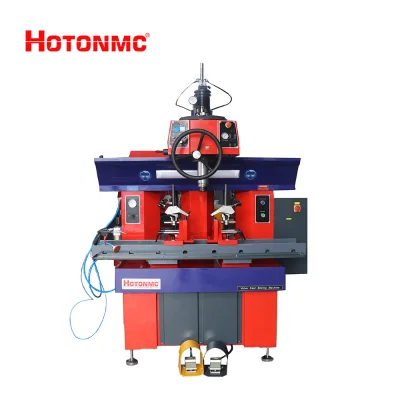
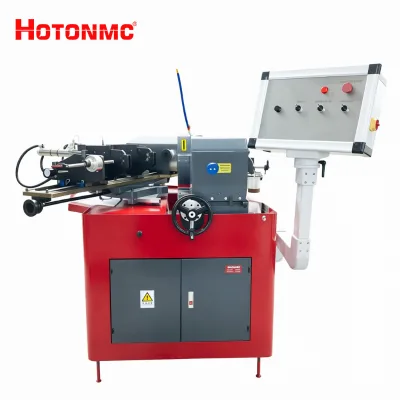


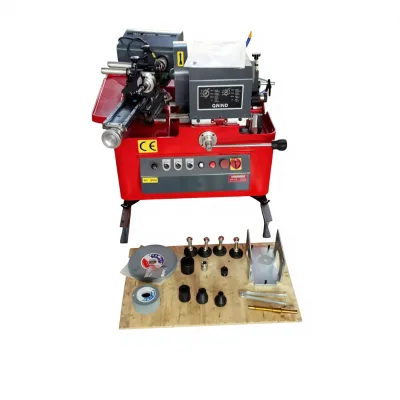
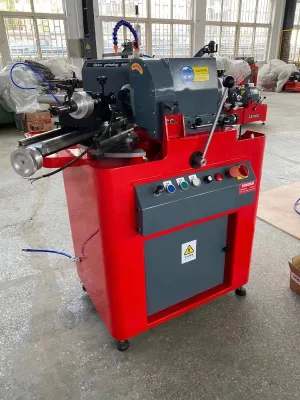
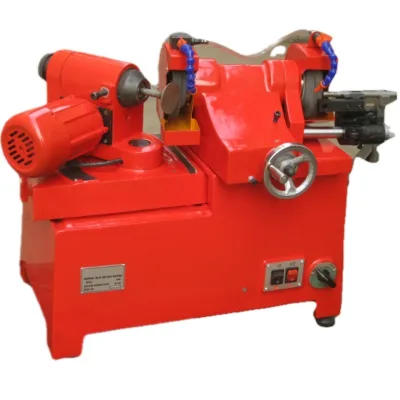
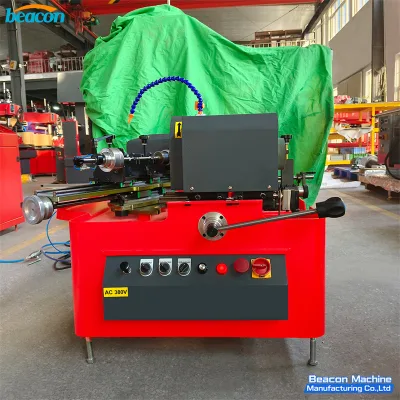
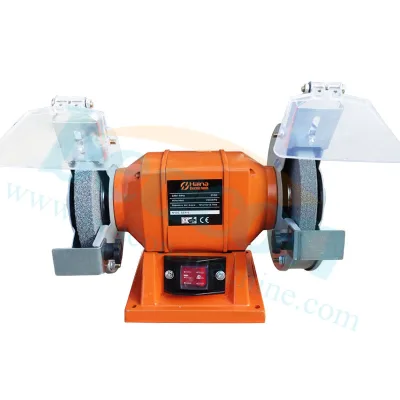


Comprehensive Sourcing Guide
Adjustable Valve Grinding Machine Supplier Concentration and Factory Types
The current supplier landscape for adjustable valve grinding machines reveals a distinct mix of manufacturing capabilities and trading structures, primarily concentrated in specific Chinese industrial hubs. Data indicates that suppliers are located in regions such as Shanghai and Shandong, with some origins noted in Jiangsu. These geographic clusters suggest established industrial ecosystems where machine tool components and assembly services are readily available. The company types listed include both Manufacturer/Factory entities and Trading Companies, offering buyers a choice between direct factory engagement and intermediary procurement services. This diversity allows purchasers to select partners based on their preferred level of direct interaction with production lines versus the logistical convenience of a trading partner.
Understanding the distinction between these entity types is crucial for sourcing decisions. Manufacturer/Factory suppliers often provide more direct control over production schedules and customization options, as evidenced by capabilities like "customized on demand" and "light customization." In contrast, Trading Companies may offer a broader portfolio of related machinery, such as brake disc lathes or cylinder boring machines, potentially simplifying the procurement of multiple tool types from a single source. The presence of both types in the results highlights the need for buyers to verify the actual operational nature of the supplier. Some entities may be manufacturers with trading arms, while others are pure distributors. This structural variation impacts how buyers should approach negotiations, quality assurance protocols, and long-term supply chain stability for their valve grinding equipment needs.
How to Verify Adjustable Valve Grinding Machine Suppliers
Verification is a critical step in mitigating risk when sourcing industrial machinery, and several key indicators are available in the current supplier data to assist buyers. One primary method is checking for third-party verification badges, such as BV or SGS Group, which indicate that an independent agency has assessed the supplier’s business legitimacy. Additionally, system certifications like ISO 9001, ISO14001, ISO45001, and CE marks provide evidence of adherence to international quality, environmental, and safety standards. These certifications are particularly important for machinery that involves electrical components and moving parts, ensuring that the equipment meets regulatory requirements for operation in various markets. Buyers should prioritize suppliers who display these credentials prominently, as they serve as a baseline for operational reliability and compliance.
Beyond certifications, buyers should examine the availability of machinery test reports and video outgoing-inspection services. The presence of these documents suggests a transparent manufacturing process where product quality is validated before shipment. For instance, some listings explicitly mention that machinery test reports are provided, which can be a valuable tool for verifying performance specifications such as grinding accuracy or spindle speed. Furthermore, the response time metric offers insight into the supplier’s operational efficiency and customer service readiness. A faster response time, such as two hours compared to twenty-one hours, may indicate a more agile organization capable of addressing technical queries or order modifications promptly. Buyers should use these verification markers to build a shortlist of trustworthy partners, ensuring that the selected supplier has a proven track record of transparency and compliance in the Adjustable Valve Grinding Machine sector.
What to Compare Across Adjustable Valve Grinding Machine Suppliers
When evaluating multiple suppliers for adjustable valve grinding machines, several quantitative and qualitative dimensions must be compared to identify the best fit for specific operational needs. Lead time is a significant factor, with observed ranges varying from fifteen days to forty-five days. This variance can impact production schedules and inventory management, making it essential for buyers to align supplier capabilities with their delivery requirements. Similarly, response times differ across suppliers, ranging from two hours to over twenty-one hours. A quicker response can facilitate smoother communication during the customization or troubleshooting phases, which is often necessary for specialized machinery. Buyers should weigh these temporal metrics against the complexity of their orders to determine which supplier offers the most suitable balance of speed and reliability.
Price and minimum order quantity (MOQ) are also critical comparison points. The data shows price ranges for various models, such as the VG-100 series priced between two thousand and four thousand dollars, and other models like the VR90 ranging from six hundred to two thousand dollars. MOQs are often set at one unit, providing flexibility for small-scale purchases or trial orders. However, buyers should also consider the specifications of the machinery, including voltage requirements (e.g., 220V vs. 380V), grinding wheel sizes, and warranty periods. Some suppliers offer a one-year warranty, while others provide twenty-four months, which can affect long-term maintenance costs. By systematically comparing these attributes, buyers can create a weighted scoring matrix that reflects their specific priorities, whether they are cost-driven, speed-focused, or quality-oriented, ensuring a data-backed selection process.
Common Adjustable Valve Grinding Machine Sourcing Risks
Sourcing adjustable valve grinding machines from international suppliers introduces several potential risks that buyers must proactively manage to ensure a successful procurement outcome. One significant risk is the discrepancy between advertised specifications and actual product performance. While suppliers may list detailed attributes such as spindle speed, cutting torque, and dimensions, there is a possibility that the delivered machine may not meet these exact standards. This risk is heightened when dealing with trading companies that may not have direct oversight of the manufacturing process. Buyers should mitigate this by requesting detailed technical drawings and performance test data before placing orders. Additionally, the variability in lead times, which can range from fifteen to forty-five days, poses a risk to production planning. Delays in shipping or manufacturing can disrupt downstream operations, so buyers should establish clear communication channels and contingency plans to handle potential schedule deviations.
Another common risk involves the compatibility of electrical and mechanical components with the buyer’s local infrastructure. The data shows machines with varying voltage requirements, such as 220V and 380V, and different power ratings. If a buyer selects a machine without verifying local electrical standards, they may face costly modifications or operational failures. Furthermore, the warranty terms, which vary from one to two years, may not cover all aspects of maintenance or spare parts availability. Buyers should clarify the scope of warranty coverage and the availability of replacement parts in their region. Additionally, the risk of intellectual property or branding issues exists, especially when dealing with suppliers offering "own brand" products. Buyers should ensure that any custom branding or labeling requirements are clearly documented in the contract to avoid disputes. By identifying and addressing these risks early in the sourcing process, buyers can protect their investment and ensure the reliable operation of their valve grinding equipment.
Adjustable Valve Grinding Machine Regional Sourcing and Logistics
The geographic location of suppliers plays a pivotal role in determining logistics costs, shipping times, and overall supply chain efficiency. Current data indicates that suppliers are primarily located in Shanghai, Shandong, and Jiangsu in China. These regions are known for their robust manufacturing infrastructure and proximity to major ports, which can facilitate efficient export processes. Shanghai, in particular, is a major international shipping hub, potentially offering more frequent and diverse shipping options for buyers. However, the specific location of the factory within these regions can still impact inland transportation costs and lead times. Buyers should consider the total landed cost, which includes not only the product price but also freight, insurance, and customs duties, when evaluating suppliers from different locations.
Logistics planning must also account for the packaging and dimensions of the machinery. The data shows that products are typically packed in wooden cases, with dimensions varying by model. For example, some machines have dimensions around 980x780x1120mm, while others are smaller, such as 68x60x60cm. These dimensions directly influence shipping volume and cost, as well as the handling requirements at the destination. Buyers should verify the packaging standards to ensure that the machinery is protected during transit, especially for sensitive components like grinding wheels and electronic controls. Additionally, the weight of the machines, ranging from 120kg to 320kg, affects freight charges and the need for specialized handling equipment at the receiving facility. By carefully assessing the logistical implications of supplier locations and product specifications, buyers can optimize their supply chain and minimize unexpected costs associated with international shipping and handling.
Adjustable Valve Grinding Machine Commercial Terms and Order Planning
Effective order planning for adjustable valve grinding machines requires a thorough understanding of commercial terms, payment structures, and after-sales support. The data indicates that some suppliers offer escrow services, which can provide a layer of security for buyers by holding payments until the goods are confirmed as received and satisfactory. This is particularly useful for first-time transactions or high-value orders. Buyers should also pay close attention to the warranty terms, which range from one to two years. A longer warranty period may indicate higher confidence in product quality, but it is essential to understand what is covered, such as parts, labor, or shipping costs for replacements. Additionally, the availability of machinery test reports and video inspections can serve as pre-shipment verification, reducing the risk of receiving non-conforming goods.
Beyond the initial purchase, buyers should plan for long-term operational support, including maintenance and spare parts availability. The data shows that some suppliers highlight low maintenance costs as a key selling point, which can be beneficial for total cost of ownership calculations. However, buyers should verify the availability of specific spare parts, such as grinding wheels or motor components, and the lead times for their delivery. Furthermore, the customization capabilities of suppliers, such as light customization or on-demand adjustments, should be clearly defined in the contract to avoid misunderstandings. Buyers should also consider the supplier’s response time for technical support, as a quick resolution to operational issues can minimize downtime. By carefully negotiating commercial terms and planning for post-purchase support, buyers can ensure a smooth and sustainable procurement experience for their Adjustable Valve Grinding Machine needs.
FAQs
What is the price range for adjustable valve grinding machines?
Prices typically range from $600 to $4,000 depending on the model and specifications. Basic units like the VR90 start around $600, while advanced models such as the VG100 can reach up to $4,000. Buyers should verify specific pricing for customized configurations or bulk orders directly with suppliers to ensure accurate quotes.
What is the minimum order quantity for these machines?
The minimum order quantity is generally one unit, allowing buyers to purchase single machines for immediate operational needs. This low MOQ facilitates testing equipment performance before committing to larger industrial orders. Buyers should confirm if volume discounts apply when increasing the quantity beyond the initial single-unit purchase requirement.
How long does delivery take for these machines?
Lead times vary significantly, ranging from 15 to 45 days depending on the supplier and machine complexity. Some manufacturers offer faster turnaround times of around 15 days, while others may require up to 45 days for production and shipping. Buyers should confirm specific delivery schedules with their chosen supplier before finalizing orders.
What certifications do these machines typically hold?
Many machines carry CE certification, ensuring compliance with European safety and quality standards. Suppliers often hold ISO 9001, ISO 14001, and ISO 45001 certifications for quality management and environmental responsibility. Buyers should request valid certification documents to verify that the equipment meets specific regional regulatory requirements for their operations.
What is the typical response time from suppliers?
Supplier response times vary, with some companies responding within two days and others taking up to 21 days. Faster response times indicate more active sales teams and potentially quicker order processing. Buyers should prioritize suppliers with shorter response times to ensure efficient communication throughout the procurement and after-sales support phases.
Where are these machines manufactured?
These machines are primarily manufactured in China, with specific production hubs in Shanghai, Jiangsu, and Shandong provinces. The origin is clearly stated on product specifications, ensuring transparency regarding manufacturing location. Buyers should verify the exact place of origin to assess logistics costs and potential import duties applicable to their region.
What warranty is provided for valve grinding machines?
Warranty periods typically range from one to two years, covering core components and manufacturing defects. Some suppliers offer a one-year warranty, while others provide up to 24 months of coverage. Buyers should review the specific warranty terms, including coverage details and claim procedures, to ensure adequate protection for their investment.