Antibacterial Quick-Dry Jacquard Fabric Suppliers and Manufacturers
Explore 27 verified options for antibacterial quick-dry jacquard fabric from Zhejiang, Fujian, and Taiwan. Compare response times, lead times, certifications like ISO9001:2015, and MOQs to select the right partner. Review product specs and request samples to finalize your sourcing decision.
Updated
Suppliers List

Shaoxing Chenzhi Textile Co., Ltd
- Verified by SGS
- Trading Company
- China Zhejiang
- Lead time30 days
- Avg. response≤ 5h
Main productsWoven Fabric Polyester Fabric
Main marketsDomestic

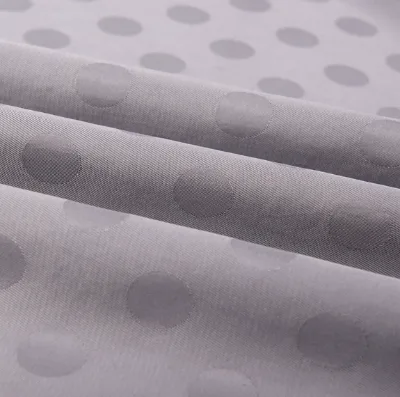
Quick-Drying Two Tone Jacquard Fabric with Anti-Static Functional Properties
$1.30 - $2.00
MOQ: 3000 Meters

Premium Two Tone Jacquard Fabric with Quick-Drying and Anti-Static Features
$1.30 - $2.00
MOQ: 3000 Meters


Versatile Two Tone Jacquard Fabric with Excellent Moisture Management Qualities
$1.30 - $2.00
MOQ: 3000 Meters

Fuzhou Fangtuosi Textile Materials Ltd.
- Manufacturer
- China Fujian
- Lead time30 days
- Avg. response≤ 3h
Main productsSport Fabric, Yoga Fabric, Recycled Fabric
Main marketsSoutheast Asia/ Mideast,Europe,North America
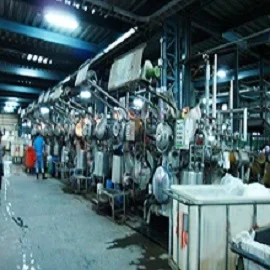
- Manufacturer, Trading Company
- Taiwan, China
- Lead time35 days
- Avg. response≤ 3h
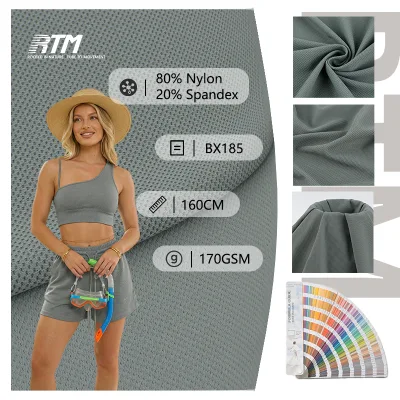
Main productsFunctional fabric,Wicking fabric,Filament fabric,Nylon fabric,Spandex fabric
Main marketsWestern Europe(15.00%), Eastern Asia(15.00%), Oceania(10.00%), Northern Europe(10.00%), North America(10.00%), Domestic Market(5.00%), South Asia(5.00%), Southern Europe(5.00%), Southeast Asia(5.00%), Central America(5.00%), South America(5.00%), Eastern Europe(5.00%), Mid East(5.00%)

HangZhou Aspiring Textile and Accessories Co., Ltd.
- Verified by BV
- Trading Company,Manufacturer/Factory
- China Zhejiang
- Lead time23 days
- Avg. response≤ 5h
Main productsT/C Fabric, Denim Fabric, Non-Woven Fabric, Cotton Fabric, Accessories, Polyester Fabric, Printing Fabric, Flannel Fabric, Home Textile, Grey Fabric
Main marketsSouth America,Eastern Europe,Mid East,North America,Southeast Asia,Eastern Asia,Oceania,Western Europe,Africa
MELISSA IMPORT AND EXPORT LIMITED
- Verified by SGS Group
- Trading Company
- Lead time0 days
- Avg. response≤ 3h
Main productsFabric
Main marketsNorth America(80%), Oceania(10%), Western Europe(10%)
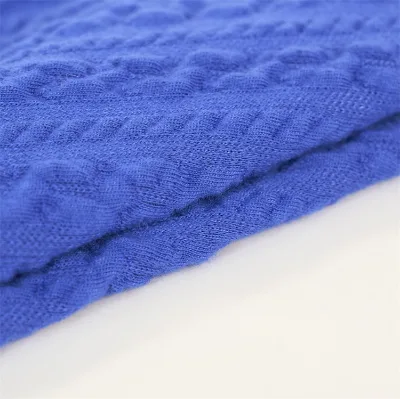
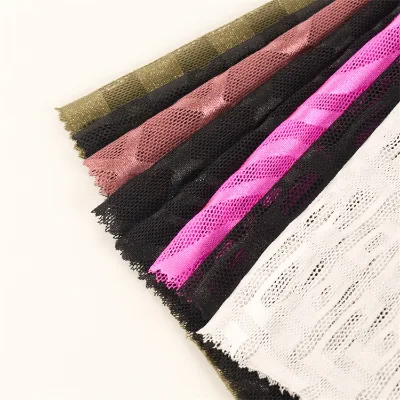
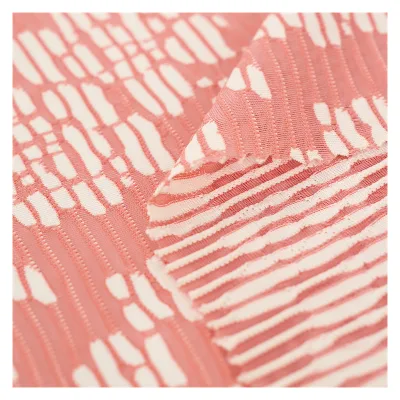
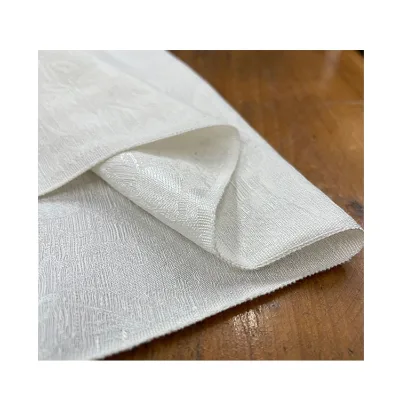
Popular Selling Jacquard Fabric Bag Jacquard Fabric Stock Silk Jacquard Fabric for Clothing
$3.9768 - $4.8223
MOQ: 100 yards
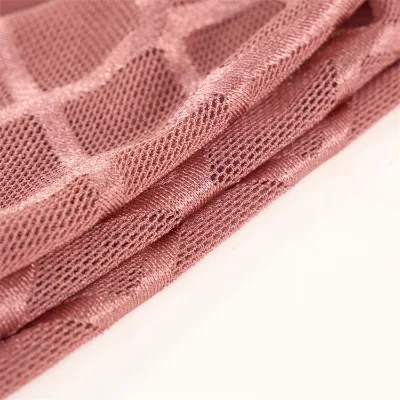
Best Price Jacquard Brocade Fabric 5 Yards Jacquard Fabric Jacquard for Sofa Cover
$4.08 - $4.38
MOQ: 100
Xiamen Bcyb Supply Chain Management Co., Ltd.
- Trading Company
- Fujian, China
- Lead time0 days
- Avg. response≤ 1h
Main productsPIGMENT PRINTED FABRIC,Crepe Fabric,Mesh Fabric,Lace Fabric,Sportswear Fabric
Main marketsNorthern Europe(20.00%), Mid East(20.00%), Eastern Europe(20.00%), South America(20.00%), North America(20.00%)
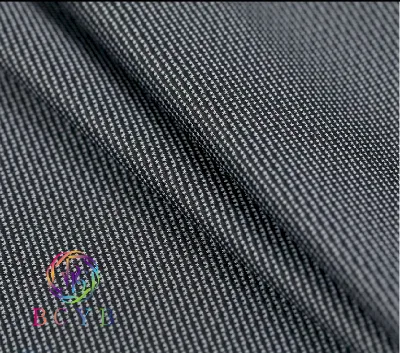
Polyester Knitting Jacquard Fabric Dying Fabric Blanket and Cloth Fabric
$1.4315 - $2.0461
MOQ: 20 yards
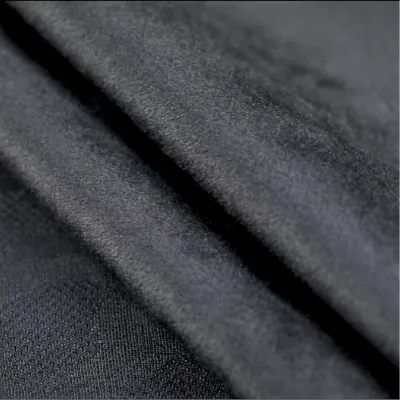
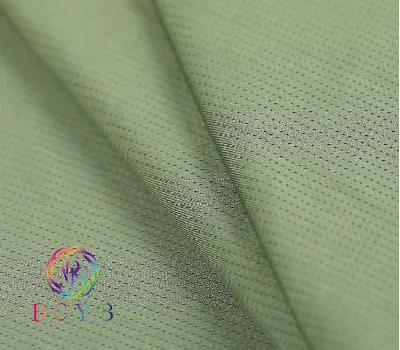
High Quality 175gsm 91%polyester 9%spandex Jacquard Fabric for Clothing,mattress
$1.0313 - $1.4435
MOQ: 20 yards

Shaoxing Kouzi Trading Co., Ltd.
- Verified by TUVRHEINLAND
- Trading Company,Manufacturer/Factory
- China Zhejiang
- Lead time45 days
- Avg. response≤ 12h
Main productsEmbroidery Fabric, Textile, Polyester Fabric, Embroidery Thread, Curtain, Event Textiles, Mattress Cover, Down Feather Bedding, Roller Blinds, Tablecloth
Main marketsSouth America,Eastern Europe,Mid East,North America,Southeast Asia,Eastern Asia,Oceania,Western Europe

Hangzhou Yaoyang Technology Co., Ltd.
- Trading Company,Manufacturer/Factory
- China Zhejiang
- Lead time15 days
- Avg. response≤ 25h
Main productsPolyester Fiber, Plush Toys, Fabric, Air Cepration Plant, Paper
Main marketsSouth America,Eastern Europe,Mid East,North America,Southeast Asia,Eastern Asia,Oceania,Western Europe,Africa
Shaoxing Keqiao East Silk Import & Export Co., Ltd.
- Verified by SGS Group
- Manufacturer, Trading Company
- Lead time20 days
- Avg. response≤ 10h
Main productsCoat Fabric, Sweater Fabric, Pajamas Fabric, Suit & Hoodie & Pants Fabric, Shirt & Dresses Fabric
Main marketsWestern Europe(55%), South America(35%), Mid East(4%)
Shaoxing Keqiao Feiyou Textile Co., Ltd.
- Verified by Intertek
- Trading Company
- Lead time10 days
- Avg. response≤ 18h
Main productsSingle Jersey, HACCI, Double Jersey, Fleece, Rib
Main marketsNorth America(50%), Western Europe(22%), Northern Europe(20%)
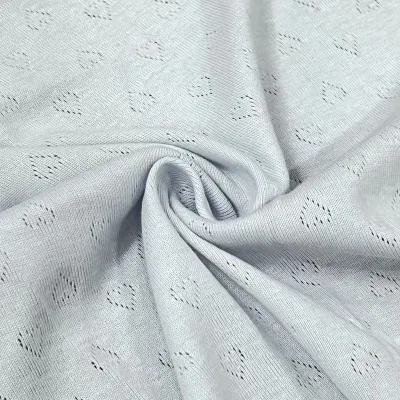
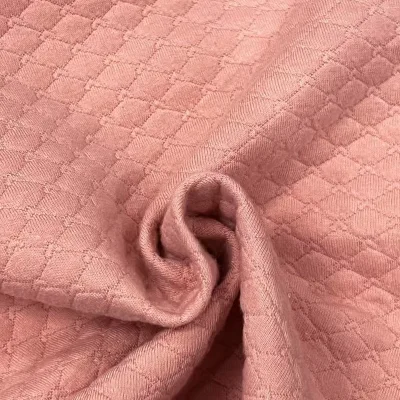
Hot Sale 100%Cotton Jacquard Knit Fabric Customised 185Cm 180Gsm Jacquard Fabric for Clothes
$6.38 - $6.46
MOQ: 200 kilograms
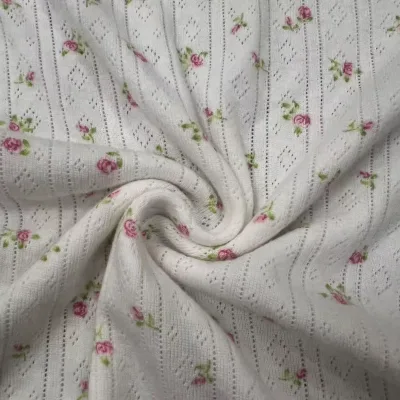
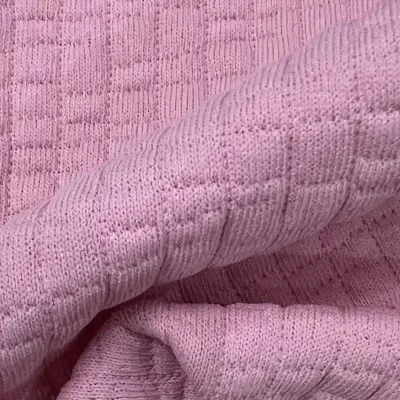
$2.68 - $2.75
MOQ: 200 kilograms
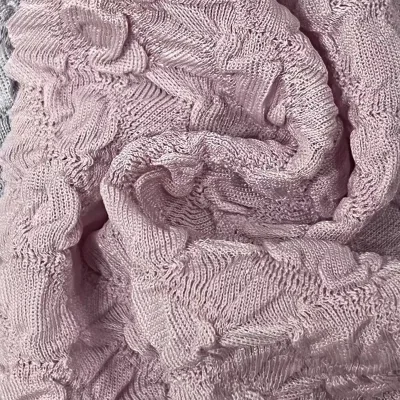
$3.83 - $3.89
MOQ: 200 kilograms
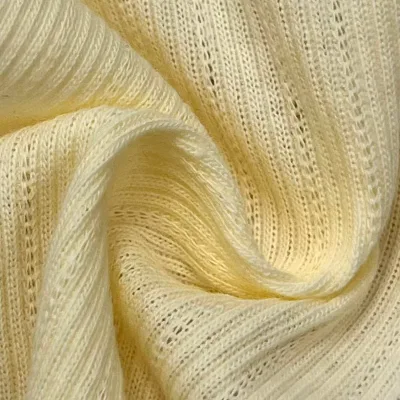
Durable 160-165cm 160-170gsm Fabric for Garment Breather 100%cotton Jacquard Fabric for Garments
$5.83 - $5.89
MOQ: 200 kilograms

Hangzhou Yuhang Mingjing Textile Co., Ltd
- Verified by SGS
- Combined
- China Zhejiang
- Lead time30 days
- Avg. response≤ 22h
Main productsoutdoor fabric
Main marketsDomestic
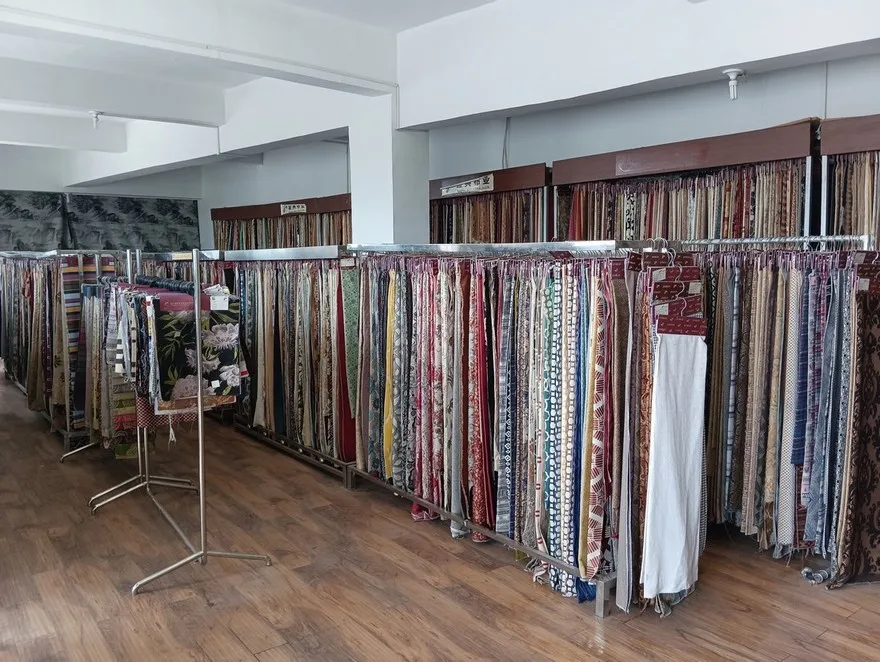
Hangzhou Jindian Fabric Co., Ltd.
- Manufacturer, Trading Company
- zhejiang, China
- Lead time30 days
- Avg. response≤ 9h
Main productsJacquard Fabric,Cushion/Pillows cover,Home textile fabrics
Main marketsWestern Europe(20.00%), Oceania(20.00%), North America(20.00%), Domestic Market(10.00%), Central America(10.00%), Southern Europe(10.00%), Northern Europe(5.00%), Mid East(5.00%)
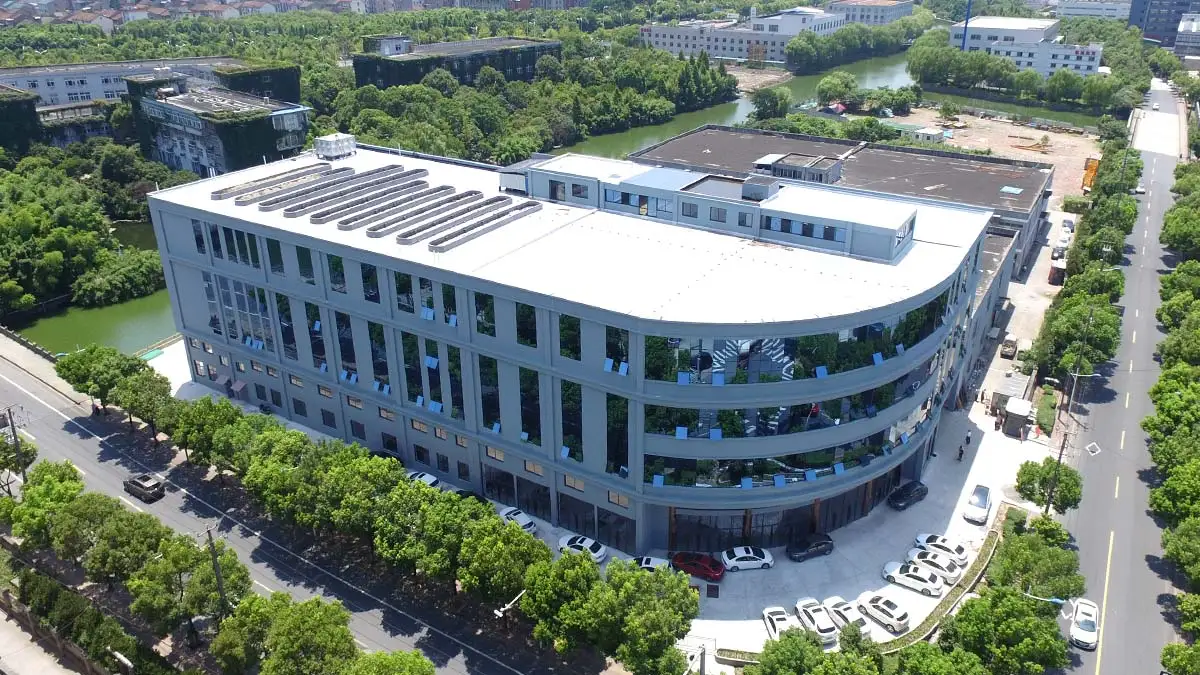
Shaoxing Yongshu Trade Co., Ltd.
- Trading Company
- Zhejiang, China
- Lead time20 days
- Avg. response≤ 4h
Main productsKnit Fabric,Eco-friendly Fabric,Bamboo Fabric,Organic Cotton Fabric,Recycled Fabric
Main marketsNorth America(22.00%), Southeast Asia(20.00%), South America(18.00%), Mid East(12.00%), Eastern Europe(10.00%), Domestic Market(5.00%), Oceania(3.00%), Northern Europe(3.00%), Eastern Asia(2.00%), Africa(2.00%), Central America(2.00%), South Asia(1.00%)

Suzhou Jinghua Textile Technology Co., Ltd.
- Verified by TUVRHEINLAND
- Trading Company
- China Jiangsu
- Lead time15 days
- Avg. response≤ 7h
Main productsChiffon, Georgette, Koshibo, Satin, Bonding, Taffeta Pongee Micro PNP Moss Nylon, Nylon Cotton Poly Cotton, Oxford 150d 200d 300d 400d 500d 600d 1680d, PVC Silver Coated, Metallic
Main marketsSoutheast Asia/ Mideast

Suzhou Quality Fiber Technology Co., Ltd.
- Trading Company,Manufacturer/Factory
- China Jiangsu
- Lead time23 days
- Avg. response≤ 1h
Main productsPolyester Fabric, Chiffon Fabric for Dress, Nylon Fabric, Spandex Fabric, Tr/Tc Fabric for Suit, Linen Fabric, Yarn Dyed Fabric, Blended Natural Yarn Fabric(Cotton/Linen/Bamboo/
Main marketsSouth America,Eastern Europe,North America,Southeast Asia,Eastern Asia,Western Europe

Breathable Quick Dry 96%Polyester 4%Spandex Jacquard Fabric for Textile
$1.86 - $1.96
MOQ: 1200 Meters


Ningbo Wokailian Textile Co., Ltd.
- Verified by BV
- Combined
- China Zhejiang
- Lead time30 days
- Avg. response≤ 4h
Main productsFunctional Fabric, Jacquard Fabric, Hacci Fabric, Scuba Fabric, Pique Fabric, Terry&Fleece Fabric, Jersey Fabric, Interlock Fabric, Tweed Fabric, Rib Fabric
Main marketsSouth America,Africa,Southeast Asia/ Mideast,East Asia(Japan/ South Korea),Europe,Australia,North America

100%Polyester Antibacterial/Anti UV/Wicking Functional Jersey Jacquard Fabric for Cloth
$2.50 - $7.50
MOQ: 100 Meters

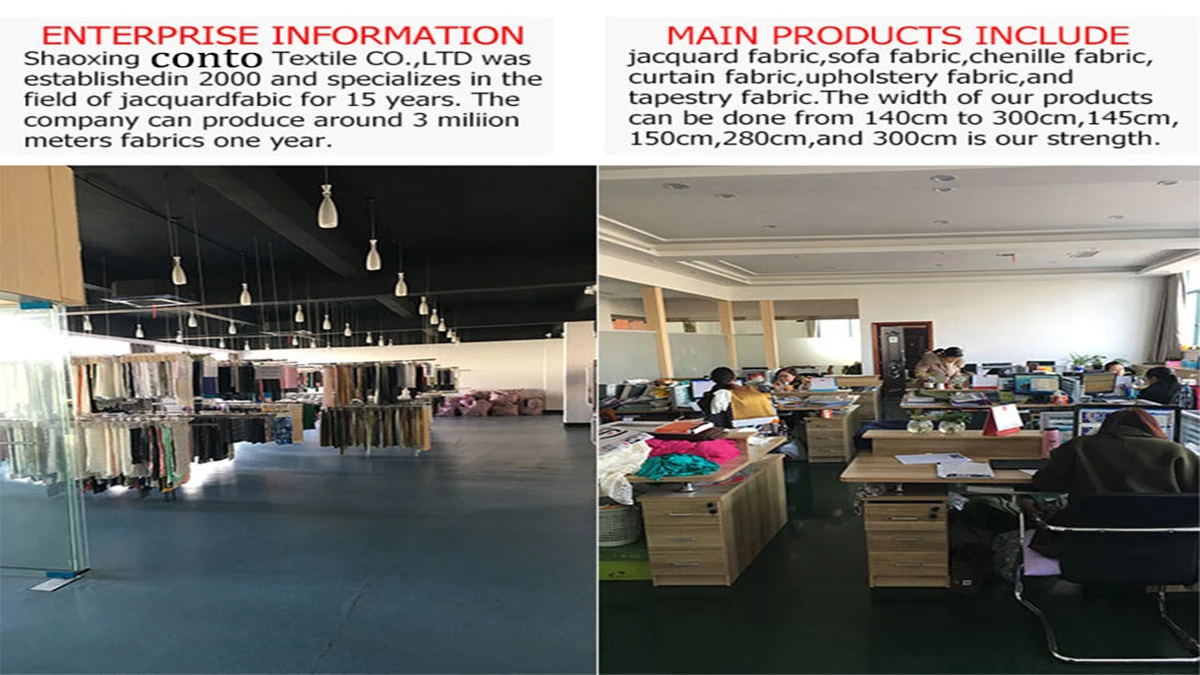
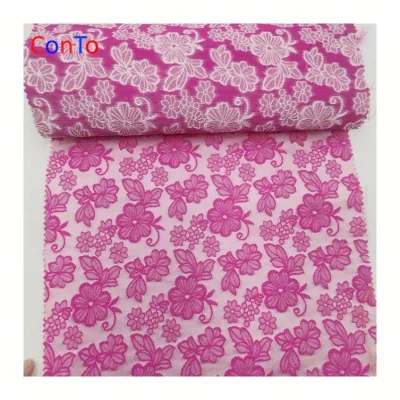
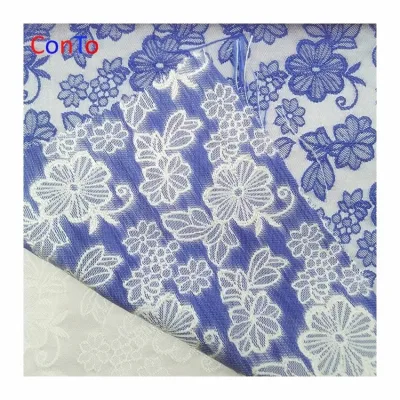
Shaoxing Keqiao Conto Textile Co., Ltd.
- Trading Company
- Zhejiang, China
- Lead time60 days
- Avg. response≤ 7h
Main productssofa fabric,garment fabric,flannel blanket,pu/pvc fabric,curtain
Main marketsSouth Asia(15.00%), Southern Europe(10.00%), North America(10.00%), Eastern Europe(10.00%), Northern Europe(10.00%), Domestic Market(5.00%), Africa(5.00%), Southeast Asia(5.00%), South America(5.00%), Central America(5.00%), Western Europe(5.00%), Eastern Asia(5.00%), Mid East(5.00%), Oceania(5.00%)
- Trading Company
- Jiangsu, China
- Lead time7 days
- Avg. response≤ 3h
Main productsSilk Scarf,Silk fabric,Silk Pillowcase,Silk eye mask,Silk Scrunchies
Main marketsNorthern Europe(15.00%), Western Europe(15.00%), Southern Europe(15.00%), North America(15.00%), Eastern Asia(10.00%), Southeast Asia(5.00%), Central America(5.00%), Eastern Europe(5.00%), South Asia(5.00%), South America(5.00%), Mid East(3.00%), Africa(2.00%)

Shaoxing Lanfex Import and Export Co., Ltd.
- Verified by SGS
- Trading Company
- China Zhejiang
- Lead time23 days
- Avg. response≤ 2h
Main productsFabric, Knitted Fabric, Thermal Fabric, Sports Fabric, Polyester Fabric, Garment Fabric, Woven Fabric, Textile Fabric, Clothing Fabrics, Sunscreen Fabric
Main marketsSouth America,North America


Premium Jacquard Textile Fabric for Fashion-Forward Apparel Production Polyester Fabric
$0.20 - $0.35
MOQ: 30 kg


- Verified by BV
- Combined
- China Shandong
- Lead time45 days
- Avg. response≤ 2h
Main productsMattress Protector, Mattress Cover, Waterprof Pad, Waterproof Mattress Fitted Sheet, Mattresss Fitted Sheet, Mattress Encasement, Mattress Pad, Lamianted Fabric, Terry Fabric, Ultrasonic Product
Main marketsSouth America,Southeast Asia/ Mideast,East Asia(Japan/ South Korea),Europe,Australia,North America

Soft Waterproof Jacquard Fabric for Bed Covers and Fitted Sheets/Jacquard Fabric
$1.90 - $5.99
MOQ: 1000 Meters

Waterproof Cool-Feeling Jacquard Fabric for Home Bedding and Textile Sourcing
$1.90 - $5.99
MOQ: 1000 Meters


Shaoxing Suerte Textile Co., Ltd.
- Combined
- China Zhejiang
- Lead time23 days
- Avg. response≤ 5h
Main productsRib Fabric, Single Jersey Fabric, Double Jersey Fabric, French Terry Fabric, Hacci Fabric, Velvet Fabric, Jacquard Fabric, Athletic Fabric, Rayon Fabric, Woven Fabric
Main marketsSouth America,Europe,North America
Foshan Jinhui Textile Co., Ltd.
- Manufacturer, Trading Company, Distributor/Wholesaler
- Guangdong, China
- Lead time0 days
- Avg. response≤ 3h
Main productsknitted fabrics,woven fabrics,fashion fabrics,Sport fabric
Main marketsDomestic Market(50.00%), North America(20.00%), Mid East(15.00%), Eastern Europe(3.00%), Northern Europe(2.00%), Western Europe(2.00%), Eastern Asia(2.00%), South America(2.00%), Africa(2.00%), Southeast Asia(1.00%), Southern Europe(1.00%)

- Verified by BV
- Trading Company
- China Jiangsu
- Lead time15 days
- Avg. response≤ 2h
Main productsGarment Fabric, Outdoor Jacket Fabric, Knitted Fabric, Lining Fabric, Bag Fabric, Tent Fabric, Down Jacket Fabric, Sportswear Fabric, Uniform Fabric, Woven Fabric
Main marketsSouth America,Southeast Asia/ Mideast,Domestic
Shaoxing Chengchong Imp& Exp Co., Ltd.
- Verified by SGS Group
- Trading Company
- Lead time0 days
- Avg. response≤ 5h
Main productsFabric
Main marketsSouth America(59%), Eastern Europe(20%), North America(15%)
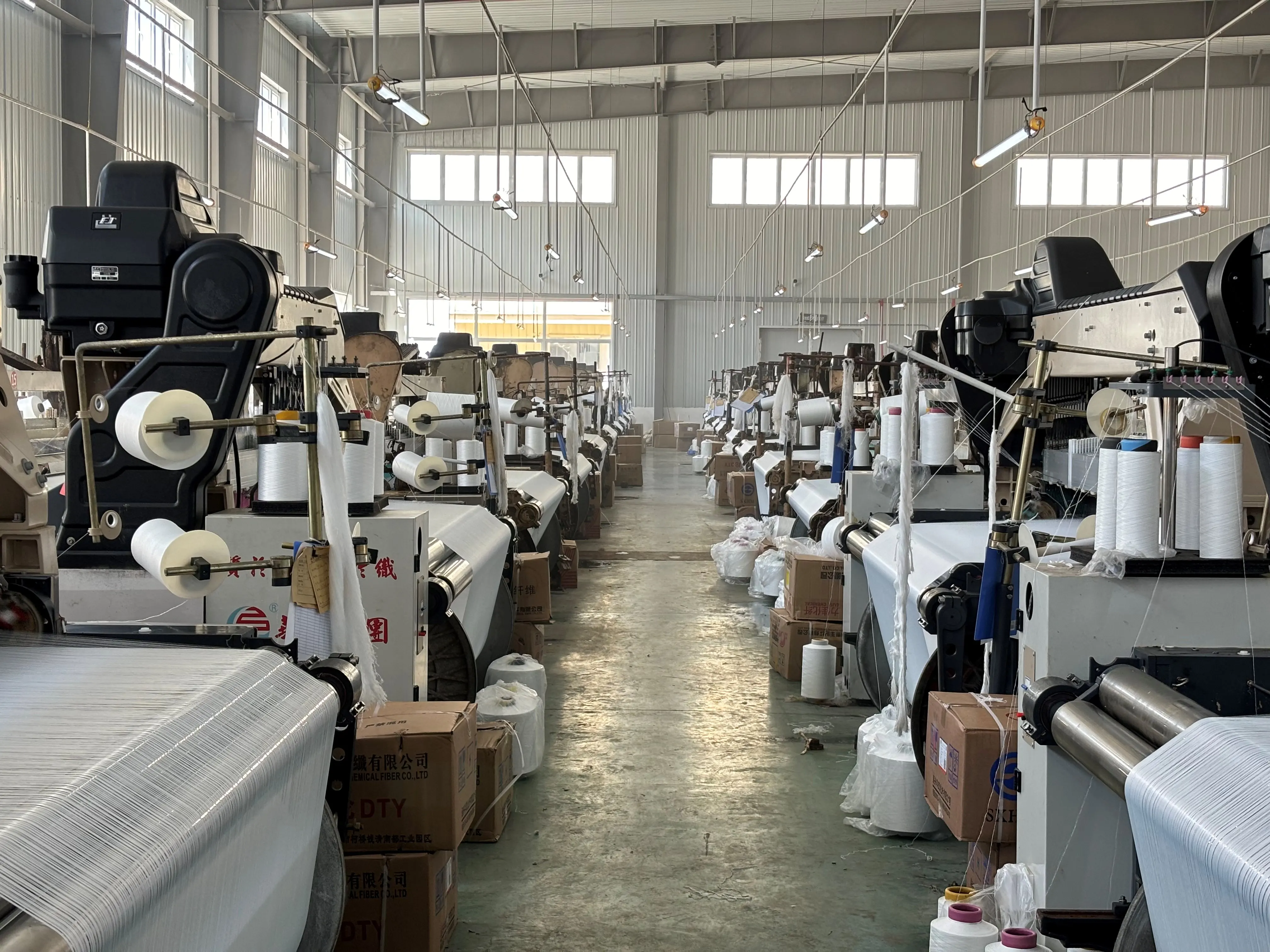
Suzhou Linhan Textile Technology Co., Ltd
- Trading Company
- Jiangsu, China
- Lead time25 days
- Avg. response≤ 5h
Main productsSuede Fabric;Corduroy Fabric;Faux Linen Fabric;Peach Skin Fabric;Home Textile Fabric
Main marketsDomestic Market(100.00%)
Suzhou Bulink Textile Co., Ltd.
- Trading Company
- Jiangsu, China
- Lead time15 days
- Avg. response≤ 4h
Main productsPolyester Fabric,Nylon Fabric,Outdoor Fabric,Stretch fabric,Oxford Fabric
Main marketsDomestic Market(80.00%), Southeast Asia(9.00%), Africa(5.00%), North America(2.00%), Western Europe(2.00%), South America(2.00%)
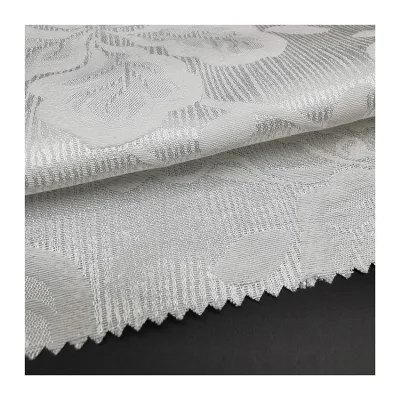
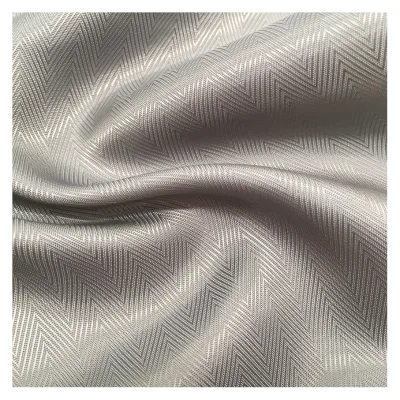
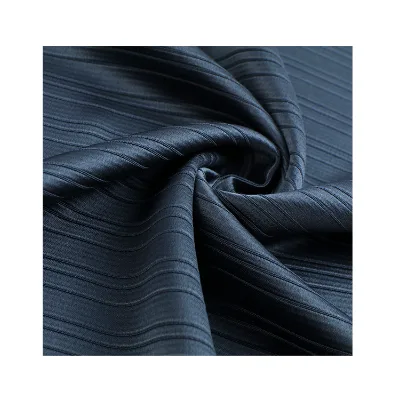
Chinese Supplier High Quality 52 Polyester 48 Viscose Stripe Jacquard Lining Fabric
$2.00 - $2.50
MOQ: 1000
Changxing Hualong Silk Co., Ltd.
- Manufacturer, Trading Company
- Zhejiang, China
- Lead time10 days
- Avg. response≤ 5h
Main productsMini Matt,Gabardine,Printing Fabric
Main marketsSouth America(50.00%), Southeast Asia(15.00%), Mid East(10.00%), Eastern Europe(8.00%), Central America(5.00%), South Asia(5.00%), Africa(5.00%), Western Europe(2.00%)
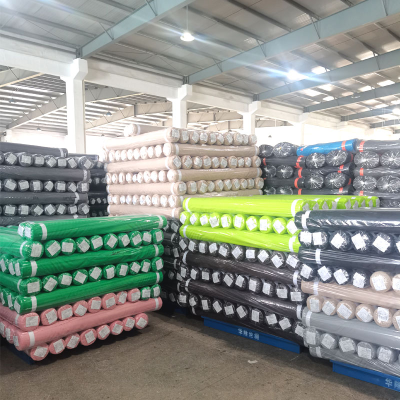
Factory Cheap Price Woven 100% Polyester Fabric
$0.31 - $0.99
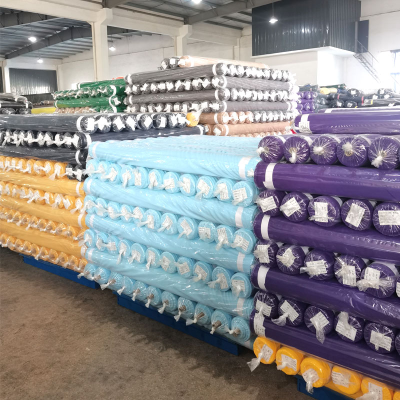
Factory Cheap Price Woven 100% Polyester Fabric
$0.19 - $0.99


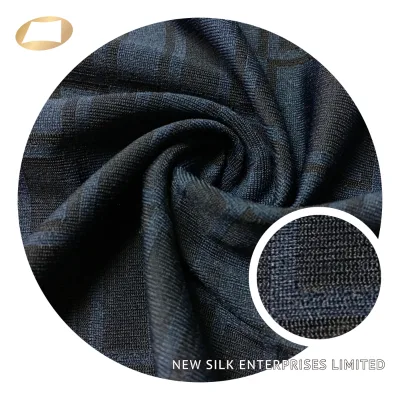
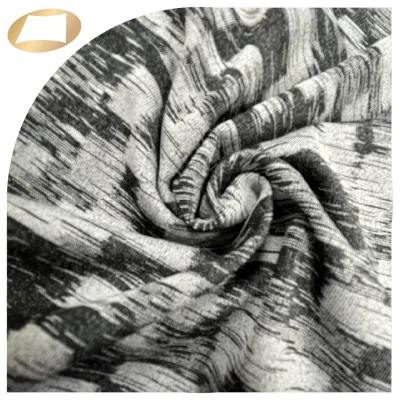


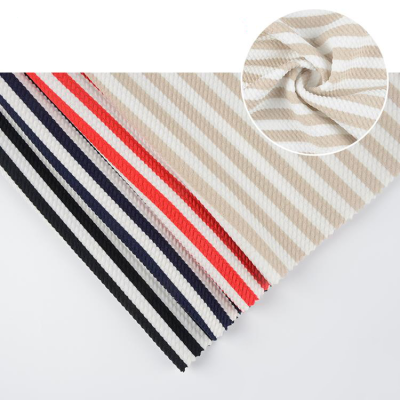
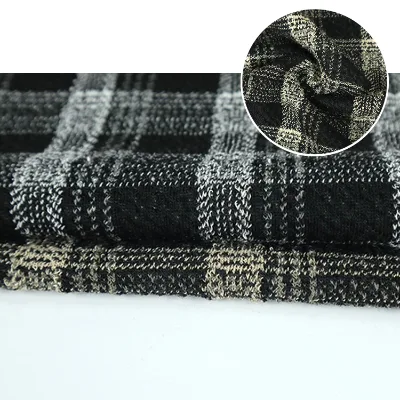


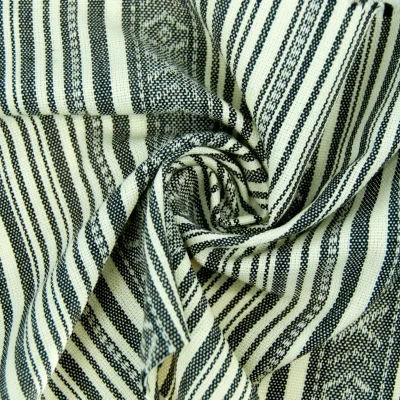
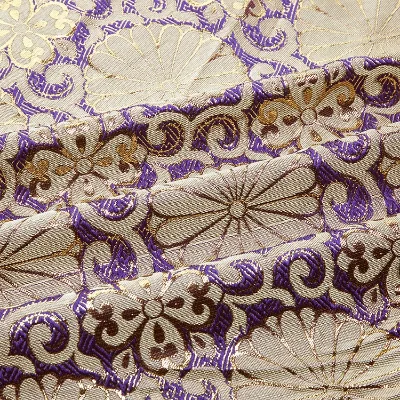




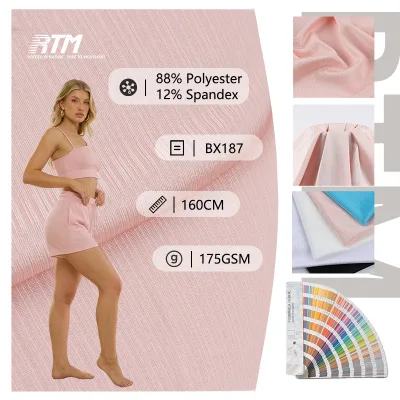
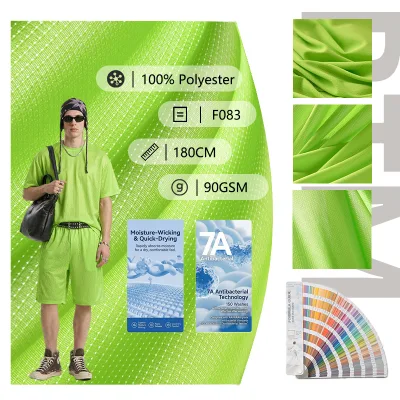
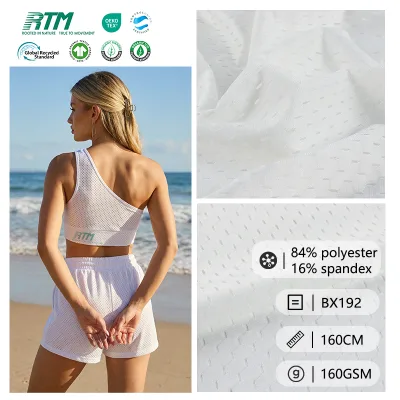


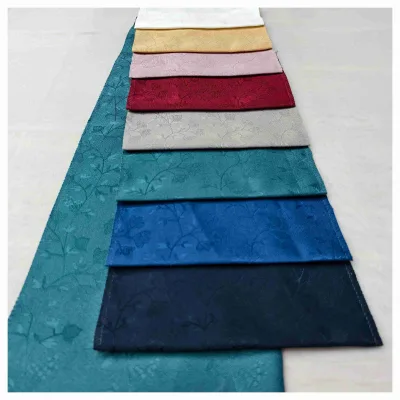
Comprehensive Sourcing Guide
Antibacterial Quick-Dry Jacquard Fabric Supplier Concentration and Factory Types
The current supplier landscape for antibacterial quick-dry jacquard fabric reveals a distinct split between manufacturing capabilities and trading operations, primarily concentrated in specific Chinese provinces. Evidence indicates that suppliers are located in regions such as Zhejiang and Fujian, which are known textile hubs. In Zhejiang, the available data points to a Trading Company structure, suggesting that buyers may encounter intermediaries who source from various mills rather than owning production lines directly. This entity offers ODM capabilities and focuses on products like quick-drying two-tone jacquard fabric with anti-static properties. Conversely, suppliers in Fujian are identified as Manufacturers, providing a more direct link to production facilities. These manufacturers hold ISO9001:2015 certification and offer a broader range of services including OEM and own-brand development. This distinction is critical for buyers seeking either flexible design support or direct factory pricing and control over the production process.
Understanding the company type helps buyers align their sourcing strategy with their operational needs. Trading companies often provide a wider variety of styles and lower barriers to entry for small orders, leveraging their network of multiple factories. However, they may have longer response times or less visibility into the actual production floor. Manufacturers, on the other hand, typically offer greater consistency in quality and material composition, such as 100% polyester or polyester-spandex blends, which are common in quick-dry applications. The presence of both types in the results allows buyers to choose based on their priority for customization versus cost efficiency. It is important to verify the actual production capacity and facility details, as trading companies may not disclose their upstream partners. Buyers should inquire about the specific factory location and audit reports to ensure that the claimed manufacturing capabilities match the reality of the supply chain, especially when dealing with complex jacquard weaves that require specialized machinery.
How to Verify Antibacterial Quick-Dry Jacquard Fabric Suppliers
Verification is a crucial step in ensuring that the claimed antibacterial and quick-dry properties are genuine and not just marketing terms. Buyers should prioritize suppliers who have undergone third-party verification processes, such as SGS certification, which adds a layer of credibility to their business operations and product claims. In the current results, one supplier is explicitly marked as verified by SGS, indicating a higher level of trustworthiness regarding their business legitimacy. Beyond basic business verification, buyers must request specific test reports for the functional properties of the fabric. For antibacterial claims, this means asking for laboratory results from accredited bodies that confirm the reduction of bacteria like Staphylococcus aureus or E. coli over a specified period. Similarly, quick-dry performance should be validated through moisture management tests, such as water absorption time or wicking height measurements. These technical documents provide objective evidence that the fabric meets the stated performance standards, protecting the buyer from receiving substandard materials that fail to perform in end-use applications.
In addition to product testing, verifying the supplier’s production capabilities and quality control systems is essential. Buyers should ask for details on the supplier’s quality assurance protocols, including how they handle raw material inspection and finished goods testing. For manufacturers, requesting a virtual factory tour or recent audit reports can provide insight into their production environment and consistency. The presence of ISO9001:2015 certification, as seen with some suppliers, indicates a structured quality management system, but buyers should still inquire about specific quality control measures for jacquard fabrics, which are prone to defects like dropped stitches or pattern misalignment. It is also advisable to check the supplier’s response time and communication efficiency, as a quick and professional response often correlates with better customer service and problem-solving capabilities. Suppliers with faster response times, such as those under three hours, may be more responsive to urgent orders or quality issues. Buyers should not rely solely on online ratings but should conduct due diligence by asking for references or samples to personally evaluate the fabric’s hand feel, durability, and functional performance before committing to large orders.
What to Compare Across Antibacterial Quick-Dry Jacquard Fabric Suppliers
When evaluating multiple suppliers, buyers should compare key operational metrics such as lead time, minimum order quantity (MOQ), and response speed to determine which partner best fits their supply chain requirements. The available data shows significant variation in these areas. For instance, one supplier in Zhejiang has a lead time of 30 days and an MOQ of 3000 meters, while a manufacturer in Fujian offers lower MOQs ranging from 1700 to 2500 meters depending on the specific product style. These differences can impact inventory planning and cash flow, especially for smaller buyers or those testing new markets. Response time is another critical factor; suppliers with response times under three hours, such as the Fujian manufacturer, may offer better support for urgent inquiries or custom requests. Buyers should also compare the range of customization options, such as ODM or OEM services, and the availability of specific fabric compositions like 100% polyester or polyester-spandex blends. Understanding these operational differences allows buyers to select suppliers that align with their volume needs and timeline constraints.
Price and product specifications are equally important comparison points. The price range for these fabrics varies, with some products starting around $1.30 per meter and others going up to $2.62 per meter, depending on the material composition and functional features. Buyers should compare the price per unit against the MOQ and lead time to calculate the total cost of ownership. Additionally, the specific features of the fabric, such as anti-static, abrasion-resistant, or stain-release properties, should be compared across suppliers to ensure they meet the end-product requirements. For example, some suppliers offer fabrics with high color fastness and good stretch recovery, which are important for apparel applications. Buyers should also consider the supplier’s main products and expertise; a supplier specializing in sport and yoga fabrics may have better expertise in quick-dry technologies than a general textile trader. By systematically comparing these factors, buyers can identify the most suitable supplier for their specific needs, balancing cost, quality, and service levels to optimize their sourcing strategy.
Common Antibacterial Quick-Dry Jacquard Fabric Sourcing Risks
One of the primary risks in sourcing antibacterial quick-dry jacquard fabric is the potential discrepancy between claimed functional properties and actual performance. Suppliers may use generic terms like "antibacterial" or "quick-dry" without providing verifiable test data, leading to products that fail to meet regulatory or customer expectations. This is particularly risky in the apparel industry, where performance claims are often scrutinized by consumers and retailers. Buyers must be vigilant in requesting and validating test reports to ensure that the fabric’s antibacterial efficacy and moisture-wicking capabilities are genuine. Another risk is the inconsistency in jacquard weave quality, which can result in defects such as pattern misalignment, loose threads, or uneven texture. These defects can be more prevalent in fabrics with complex patterns or those made from blended fibers like polyester-spandex. Buyers should request samples to physically inspect the fabric for quality issues and establish clear quality standards in their purchase agreements. Failure to do so can result in high rejection rates and production delays.
Supply chain transparency and reliability are also significant risks. Trading companies may not have full visibility into their upstream suppliers, leading to potential issues with material sourcing or production delays. If a trading company’s primary mill faces capacity constraints or quality issues, the buyer may be affected without immediate recourse. Additionally, the use of recycled or synthetic materials may involve compliance with environmental standards, which can vary by region. Buyers should ensure that their suppliers adhere to relevant environmental regulations and can provide documentation for sustainable practices if required. Another risk is the variability in lead times, which can impact production schedules. Suppliers may quote optimistic lead times that do not account for raw material shortages or production bottlenecks. Buyers should build buffer time into their planning and maintain open communication with suppliers to monitor progress. By identifying and mitigating these risks through thorough verification and clear contractual terms, buyers can protect their interests and ensure a smoother sourcing process.
Antibacterial Quick-Dry Jacquard Fabric Regional Sourcing and Logistics
Sourcing from specific regions like Zhejiang and Fujian in China offers access to established textile clusters with mature supply chains and specialized expertise in jacquard fabric production. Zhejiang is known for its trading companies and diverse product offerings, making it a good option for buyers seeking variety and customization. The presence of ODM capabilities in this region suggests that suppliers can assist with design development and product innovation. Fujian, on the other hand, is home to manufacturers with strong production capabilities and certifications like ISO9001:2015, which can be advantageous for buyers prioritizing quality control and direct factory relationships. Logistics from these regions are generally well-developed, with access to major ports for efficient export. However, buyers should consider the specific logistics requirements for their destination, including shipping methods, transit times, and customs procedures. Understanding the regional strengths and logistics infrastructure can help buyers optimize their sourcing strategy and reduce transportation costs.
Buyers should also evaluate the logistical implications of working with different supplier types. Trading companies may consolidate shipments from multiple factories, which can simplify logistics but may also introduce complexity in tracking and quality control. Manufacturers typically handle their own logistics, providing more direct control over the shipping process. Buyers should discuss shipping terms, such as FOB or CIF, with their suppliers to understand who is responsible for transportation and insurance costs. Additionally, buyers should consider the impact of regional trade policies and tariffs on their total landed cost. For example, changes in trade agreements or tariffs between China and the buyer’s country can affect the cost-effectiveness of sourcing from these regions. By carefully evaluating the regional advantages and logistical considerations, buyers can make informed decisions that balance cost, quality, and supply chain efficiency. It is also advisable to work with experienced freight forwarders who can navigate the complexities of international shipping and ensure timely delivery of goods.
Antibacterial Quick-Dry Jacquard Fabric Commercial Terms and Order Planning
Commercial terms and order planning are critical components of a successful sourcing strategy for antibacterial quick-dry jacquard fabric. Buyers should negotiate clear payment terms, such as a deposit followed by balance payment against shipping documents, to mitigate financial risk. The MOQs observed in the current results, ranging from 1700 to 3000 meters, require buyers to plan their orders carefully to avoid excess inventory or stockouts. For buyers with smaller volume needs, negotiating lower MOQs or participating in group orders may be necessary. Lead times, which vary from 30 to 35 days, should be factored into production schedules to ensure timely delivery. Buyers should also discuss packaging requirements, such as roll packing on strong tubes, to prevent damage during transit. Clear communication of these commercial terms in the purchase agreement helps prevent misunderstandings and disputes.
Order planning should also include considerations for quality assurance and after-sales support. Buyers should establish a process for inspecting goods upon receipt and define procedures for handling defects or non-conformities. This may include retaining a portion of the payment until quality verification is complete. Additionally, buyers should plan for potential supply chain disruptions by identifying alternative suppliers or maintaining safety stock. Regular communication with suppliers regarding production progress and any potential delays can help manage expectations and adjust plans as needed. Buyers should also consider the long-term relationship with their suppliers, as consistent ordering and timely payments can lead to better pricing and priority service. By carefully planning commercial terms and order logistics, buyers can build a resilient and efficient supply chain that supports their business goals and minimizes risks. This proactive approach ensures that the sourcing process runs smoothly and delivers the desired results.
FAQs
What are the typical lead times for quick-dry jacquard fabric orders?
Manufacturers in China Zhejiang and Fujian typically require 30 to 35 days for production and delivery. Trading companies may have slightly different schedules, but standard woven and knit options generally fall within this window. Buyers should confirm specific timelines with suppliers before placing bulk orders to ensure alignment with project deadlines.
What is the minimum order quantity for antibacterial quick-dry jacquard fabric?
Minimum order quantities vary by supplier and material composition. Some manufacturers require as few as 1,700 meters, while others set the threshold at 2,500 meters or higher. Synthetic fiber fabrics often have different MOQs compared to blended materials. Buyers should verify the specific MOQ for their desired fabric type and customization needs.
Which certifications are available for quick-dry jacquard textile suppliers?
Verified suppliers often hold ISO9001:2015 system certifications and SGS verification status. These credentials indicate adherence to quality management standards and independent product testing. Buyers seeking antibacterial or quick-dry properties should request these certificates to ensure the fabric meets functional performance claims and international quality benchmarks for textile manufacturing.
What is the price range for quick-dry jacquard fabric per meter?
Prices typically range from $1.30 to $2.62 per meter depending on material and features. Basic polyester options start around $1.30, while complex blends with spandex or specialized finishes can reach $2.62. Buyers should consider that higher MOQs and specific customizations may influence the final unit cost offered by the supplier.
How quickly do suppliers respond to sourcing inquiries for jacquard fabric?
Response times generally range from 2.49 to 4.91 hours for verified suppliers. Manufacturers in Fujian often respond faster than trading companies in Zhejiang. Quick response indicates active inventory and streamlined communication channels. Buyers should prioritize suppliers with faster response times to ensure timely negotiation and order processing for urgent textile requirements.
What materials are used in antibacterial quick-dry jacquard fabrics?
Common materials include 100% polyester, polyester-spandex blends, and specialized fibers like Sorona. These materials provide breathability, moisture management, and durability. Some fabrics also incorporate anti-static and abrasion-resistant properties. Buyers should check product specifications to confirm the exact material composition and functional properties required for their specific garment or textile application.