Automatic Screws Bolt Counting Machine Suppliers and Manufacturers
Compare 12 verified suppliers offering automatic screws bolt counting machines with varying lead times, response speeds, and certifications like CE ISO. Review product specs and request quotes to find the right factory for your hardware packaging needs; review the available evidence before requesting comparable quotations from suitable candidates.
Updated
Suppliers List
ZHENGZHOU ASLAN MACHINERY CO.,LTD
- Trading Company
- Lead time旺季: "1 - 1":12,"> 1":"To be negotiated", 淡季: "1 - 1":12,"> 1":"To be negotiated"
- Avg. response≤ 6h
Main productsFood Machine, Packing Machine, Vegetable Processing Machine , Meat Processing Machine , Nuts Processing Machine
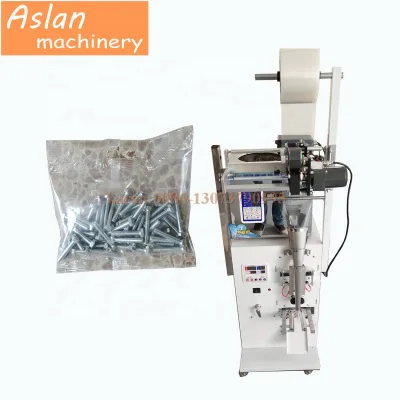
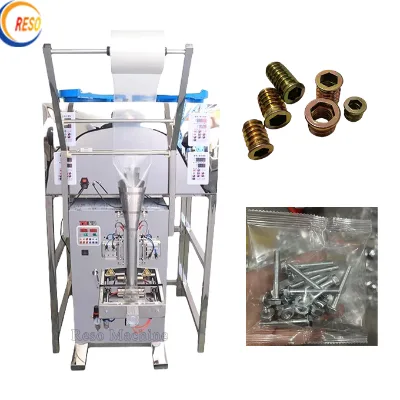
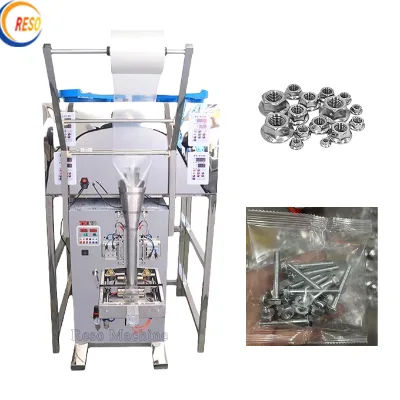
Hardware Fittings Packing Machine Screws Bolt Counting Packing Machine
$999.00 - $1300.00
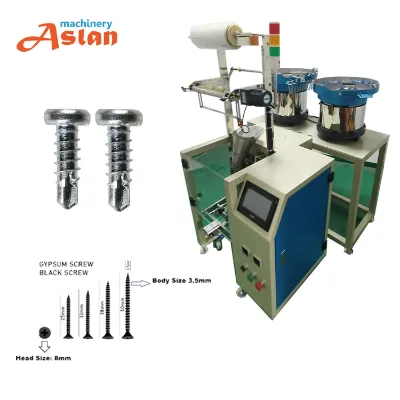
Steel Ball Counting Packing Machine Wood Screw Counting Packing Machine
$3200.00 - $3500.00
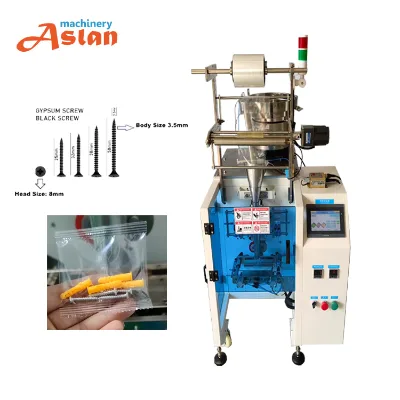

Dongguan Ming Xin Intelligent Equipment Co., Ltd.
- Verified by BV
- Combined
- China Guangdong
- Lead time23 days
- Avg. response≤ 6h
Main productsVibrating Bowl, Bowl Feeder, Automatic Feeder, Full-Automatic Packaging Machine, Full-Automatic Filling Machine, Full-Automatic Optical Sorting Machine, Full-Automatic Tapping, Automatic Assembly Machine, Automatic Screw Packing Machine, Automatic Feed Bin
Main marketsAfrica,Southeast Asia/ Mideast,Europe


Automatic Customized Vibrating Bowl Screw Counting Packing Machine Packaging Machine
$2800.00 - $10000.00
MOQ: 1 Pieces

Automatic Customized Vibrating Bowl Screw Counting Packing Machine Packaging Machine
$2800.00 - $10000.00
MOQ: 1 Pieces

Shanghai Huihe Industry Co., Ltd.
- Verified by BV
- Trading Company,Manufacturer/Factory
- China Shanghai
- Lead time15 days
- Avg. response≤ 7h
Main productsPowder Packing Machine, Tea Bag Packing Machine, Granule Packing Machine, Horizontal Packing Machine, Liquid Packing Machine, Paste Packing Machine, Shrinking Packing Machine, Toothpick Packing Machine, Premade Bag Packing Machine, Hardware Packing Machine
Main marketsSouth America,Eastern Europe,Mid East,North America,Southeast Asia,Eastern Asia,Oceania,Western Europe,Africa

Automatic Counting Packing Machine for Screw Bolt Fastener Plastic Parts
$3900.00 - $10000.00
MOQ: 1 Pieces

$3900.00 - $10000.00
MOQ: 1 Pieces

Automatic Screw Hardware Kits Nuts and Bolts Fastener Counting Packing Machine
$3900.00 - $10000.00
MOQ: 1 Pieces

Automatic Screw Counting Packing Machine Hardware Nut Bolt Nail Fastener Screw Packing Machine
$3900.00 - $10000.00
MOQ: 1 SET

Small Parts Hardware Screw Bolt Packing Machine Automatic Counting and Packing Machine
$3900.00 - $10000.00
MOQ: 1 Pieces

Automatic Wood Pellet/ Nut Bolt Screw Hardware Counting and Packing Machine
$3900.00 - $10000.00
MOQ: 1 Pieces

Foshan Double Intelligent Equipment Co., Ltd
- Verified by TUVRHEINLAND
- Trading Company,Manufacturer/Factory
- China Guangdong
- Lead time23 days
- Avg. response≤ 10h
Main productsVertical Form Fill Seal Machine, Flow Pack Machine, Filling Machine, Cartoning Machine, Doypack Machine, Screw Packing Machine, High Speed Packaging Machine, Shisha Tobacco Packing Machine, Tea & Coffee Bag Packaging Machine, Labeling Machine
Main marketsSouth America,Eastern Europe,Mid East,North America,Southeast Asia,Eastern Asia,Oceania,Western Europe,Africa


High Accuracy Automatic Counting Packing Machine for Washer Bolts Nuts Fastener
$2500.00 - $3800.00
MOQ: 1 Pieces


Automatic Stud Bolts and Self Drilling Screws Anchor Counting Bag Packing Machine
$2500.00 - $3800.00
MOQ: 1 Pieces

China Automatic Screw Hardware Fastener Hardware Counting Packing Machine Price
$2500.00 - $3800.00
MOQ: 1 Pieces

Kunshan Xuxin Industrial Equipment Co., Ltd.
- Trading Company
- Jiangsu, China
- Lead time5 days
- Avg. response≤ 7h
Main productsWire stripping machine,Auto Tape Dispenser,Auto Label Dispenser,ZCUT-9 Auto Tape Dispenser,Tape cutting machine
Main marketsSouthern Europe(8.33%), Northern Europe(8.33%), Central America(8.33%), Western Europe(8.33%), Eastern Asia(8.33%), Mid East(8.33%), Oceania(8.33%), Africa(8.33%), Southeast Asia(8.33%), Eastern Europe(8.33%), South America(8.33%), North America(8.33%)

Qingdao Zhongkang Printing and Packaging Machinery Co., Ltd.
- Verified by TUVRHEINLAND
- Trading Company
- China Shandong
- Lead time30 days
- Avg. response≤ 3h
Main productsPacking Machine, Non-Woven Bags, Filling Machine, Capping Machine, Vacuum Packing Machine, Labeling Machine, Strapping Machine, Sealing Machine, Printer Coding Machine, Packaging Bag
Main marketsSouth America,Domestic,Europe

Automatic Bolt Counting and Packing Machine for Screws, Nuts and Hardware
$2880.00 - $13500.00
MOQ: 1 set

Automatic Vertical Fastener Bolt Screw Counting Packing Machine for Screw Bag
$3650.00 - $8750.00
MOQ: 1 set


Counting Screw Packing Machine/Fastener Nut Bolts Counting Machinery/Washers Bagging Machine
$4350.00 - $8750.00
MOQ: 1 set

Automatic Hardware Screw Counting and Packing Machine for Washer Socket Screw and Pins
$1950.00 - $14550.00
MOQ: 1 set

Automatic Plastic Parts Fastener Hardware Sorting Counting and Packing Machine
$3650.00 - $8750.00
MOQ: 1 set
- Trading Company
- Henan, China
- Lead time0 days
- Avg. response≤ 1h
Main productsFood machinery,Industrial machine,Textile machinery,Agricultural machinery,Commercial machinery
Main marketsAfrica(20.00%), North America(13.00%), Southeast Asia(12.00%), South America(12.00%), Mid East(10.00%), Central America(5.00%), South Asia(5.00%), Eastern Asia(5.00%), Eastern Europe(5.00%), Domestic Market(5.00%), Southern Europe(3.00%), Western Europe(2.00%), Oceania(2.00%), Northern Europe(1.00%)

Dongguan Anxiang Intelligent Packaging Equipment Co., Ltd.
- Verified by TUVRHEINLAND
- Combined
- China Guangdong
- Lead time15 days
- Avg. response≤ 3h
Main productsPackaging Machine, Weighing Packing Machine, Screw Packing Machine, Hardware Packing Machine, Fastener Packing Machine, Nails Packing Machine, Furniture Fittings Packing Machine, Screw Box Packing Machine, Counting Packing Machine, Visual Counting Packing Machine
Main marketsNorth America

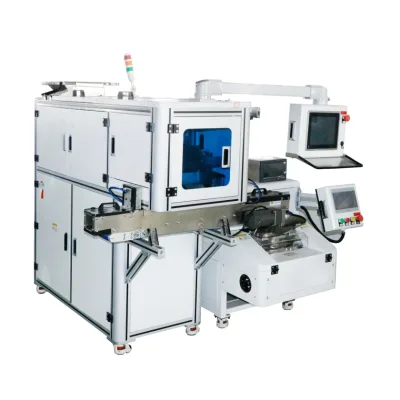
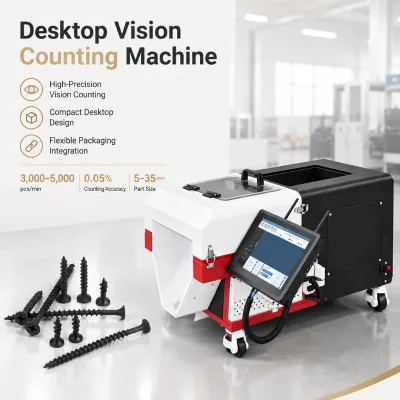
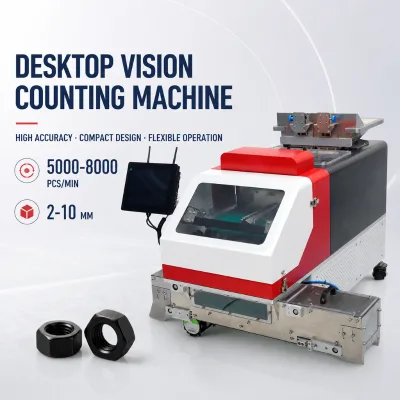
Automatic Turntable Vision Parts Counting Machine for Hardware Screws Nuts Fasteners
$39000.00 - $40000.00
MOQ: 1 Sets


Advanced Visual Counting Machine for Hardware and Plastic Parts Counting
$10000.00 - $30000.00
MOQ: 1 Sets


Dongguan Jindu Electronic Technology Co., Ltd
- Verified by BV
- Trading Company,Manufacturer/Factory
- China Guangdong
- Lead time30 days
- Avg. response≤ 2h
Main productsWeighing System, Blueberry Weighing Line, Strawberry Mushroom Weighing Line, Tray Sealing Machine, Weight Sorting Machine
Main marketsSouth America,Eastern Europe,Mid East,North America,Southeast Asia,Eastern Asia,Western Europe


for Automotive Fasteners Hardware Small Parts Bolts Screws Nails Piece Counting Machine
$2590.00 - $4290.00
MOQ: 1 Sets

Ly Sinobiz Machinery Co., Ltd.
- Verified by TüVRheinland
- Trading Company
- Lead time15 days
- Avg. response≤ 4h
Main productsClean Room, Packing Machine, Liquid Filling Machine, Counting Machine, Cartoning Machine
Main marketsNorth America(40%), Western Europe(40%), Eastern Europe(5%)
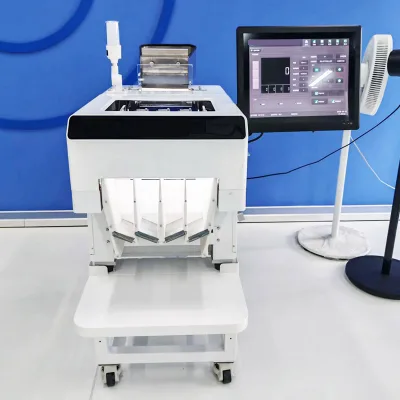
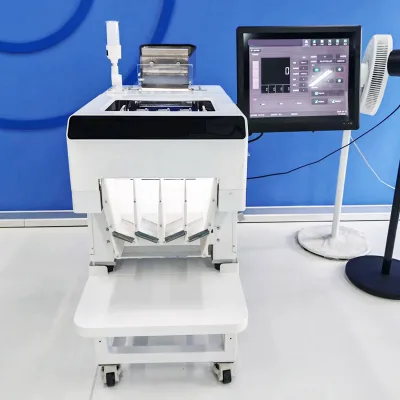
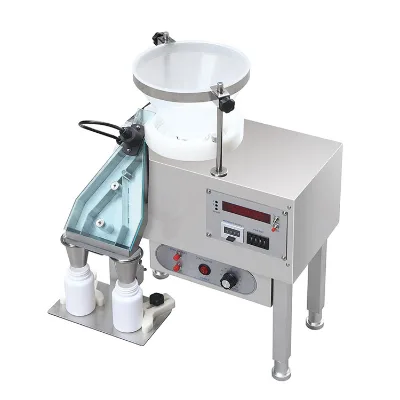
Screw Counting Packing Machine Durable Counting Machines for Small Items
$1899.00 - $1999.00
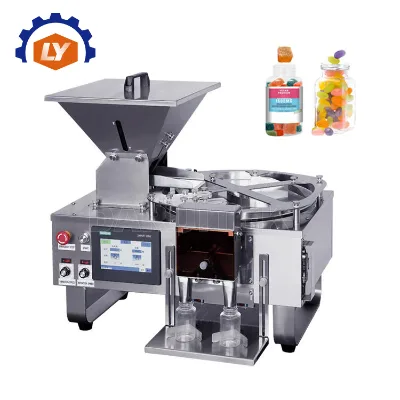
Semi Automatic Screw Counting Machine Manufacturing Plant Stainless Steel
$1999.00 - $2300.00
MOQ: 1 sets
Dongguan Anxiang Intelligence Packing Equipment Co., Ltd.
- Verified by Intertek
- Manufacturer
- Guangdong, China
- Lead time30 days
- Avg. response≤ 2h
Main productsPacking Machine,Visual Counting Packing Machine,Weighing Packing Machine,Inspection Machine
Main marketsDomestic Market(70%), South America(5%), Eastern Europe(5%)

Zhengzhou Benfu Industrial Co., Ltd.
- Verified by CTI
- Manufacturer/Factory
- China Henan
- Lead time38 days
- Avg. response≤ 3h
Main productsDry Ice Pelletizer, Fruit Sorting Machine, Chain Trencher, Charcoal Briquette Machine, Fruit Pitting Machine, Wood Log Splitter, Wall Spraying Machine, Paper Tube Cutting Machine, Wood Chipper, Toothpick Making Machine
Main marketsSouth America,Eastern Europe,Mid East,North America,Southeast Asia,Eastern Asia,Oceania,Western Europe,Africa

$2650.00 - $6750.00
MOQ: 1 Sets

Bf Industrial Best Auto Weighing Counting Metal Clip Bearing Screw Bolt Nail Packing Machine
$2650.00 - $6750.00
MOQ: 1 Sets

Hot Sale Multi-Function Small Parts Hardware Screw Counting Packaging Machine
$2650.00 - $6750.00
MOQ: 1 Sets
Comprehensive Sourcing Guide
Automatic Screws Bolt Counting Machine Supplier Concentration and Factory Types
Buyers searching for an Automatic Screws Bolt Counting Machine will encounter two broad supplier archetypes. The first is the specialist manufacturer whose listings focus tightly on counting and packing equipment for fasteners, screws, bolts, nuts and washers. These suppliers typically list multiple machine variants on one storefront, such as compact benchtop counting packers alongside larger pillow-bag systems, and they describe capacities in bags per minute or bags per hour. The second archetype is the broader machinery supplier whose main product lines also cover food machinery, packing machinery, vegetable and meat processing, and nuts processing equipment. Such suppliers may list a screw counting model as one item among many, which means fastener-specific engineering depth should be verified rather than assumed.
Location evidence in current results points to Guangdong and Henan as provinces where listed machines originate, so it is reasonable to treat southern and central China as regions where this equipment is offered. However, concentration claims should stop there; you should not assume a specific industrial cluster exists without independent confirmation. Company type also varies: some storefronts are trading companies, others are combined manufacturer-and-trader entities, and a few carry third-party business verification badges. Trading companies can still be legitimate sourcing partners, but they add a layer between you and the factory. Ask each candidate directly whether they manufacture the counting head and vibration feeding system themselves, because these are the components that most affect counting accuracy and long-term reliability.
How to Verify Automatic Screws Bolt Counting Machine Suppliers
Verification starts with the attributes suppliers themselves publish, then moves to documents you request. Several current listings state that a video outgoing-inspection is provided and that a machinery test report is provided, which are useful, free evidence sources: request the actual video of your target model counting a sample of your own screws or bolts, not a generic demonstration. One supplier in the results holds a BV verification badge, and some listings display certifications such as CE and ISO on the machine attributes, while another lists GS, RoHS, CE and ISO9001 for an optical sorting machine. Treat certification claims as unverified until you receive copies of the certificates, check the certificate numbers against the issuing bodies, and confirm the certificates cover the exact model number quoted, such as an ASL-series counting packer rather than a different product line.
Next, verify the commercial entity behind the storefront. If the profile states trading company, ask which factory builds the machines and whether you may contact or audit that factory. If the profile is a combined manufacturer-trader, ask what the company manufactures in-house versus outsources. Check the response time displayed on the profile against your actual experience during inquiries; one current profile shows roughly a six-hour average and another around five and a half hours, but displayed averages can drift. Finally, verify technical claims against your product: supply your screw dimensions, head types, and mix ratios, and ask the supplier to confirm counting accuracy and rejection handling on those exact parts before you rely on any stated capacity figure.
What to Compare Across Automatic Screws Bolt Counting Machine Suppliers
Build a comparison sheet using the dimensions that current supplier profiles actually expose, then add your own test results. Useful displayed dimensions include response time, company type, verification status, location, and main product lines, since a supplier whose main products are fastener-adjacent machinery will generally support spare parts and firmware questions faster than a generalist. Some profiles publish lead times: one shows peak-season lead times starting around twelve units with longer volumes negotiated to order, while another lists an average lead time of roughly 23 days. Do not assume every supplier displays a lead time; where none is shown, request one in writing for your order quantity and season.
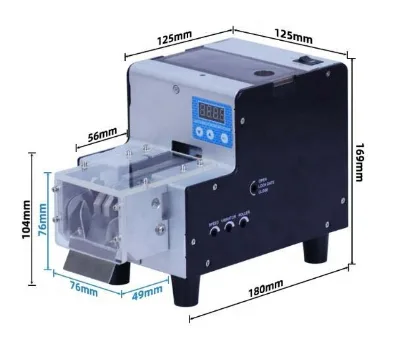
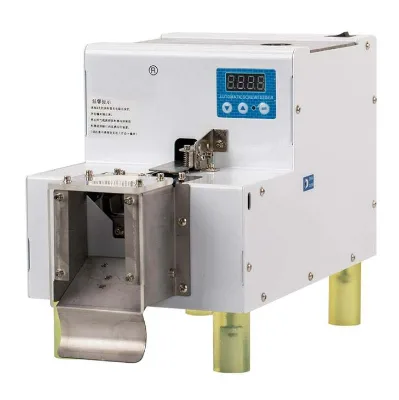
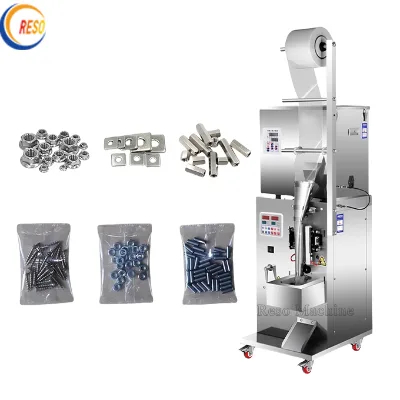
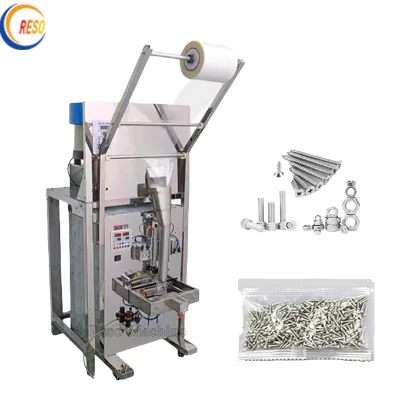
On the machine side, compare specifications across the listed models as a benchmark of what the market offers. Current listings span a wide range: a compact 220V panel-controlled stainless steel counting packer rated around 20 to 50 bags per minute with a one-year warranty and roughly 85 to 95 kg weight; a 380V PLC-controlled pillow-bag system around 280 kg suitable for screws, nuts and bearings; and a 380V bolt and washer packer rated at 2400 bags per hour. Compare voltage compatibility with your facility, sealing types offered, film or packaging material compatibility, counting method, and whether ODM or OEM customization is available, since at least one supplier advertises both. Weigh these specifications against your actual SKU mix rather than choosing on price alone.
Common Automatic Screws Bolt Counting Machine Sourcing Risks
The most common risk in this category is counting accuracy collapse on mixed or unusual parts. Machines are usually demonstrated with uniform, easy-feeding screws, but real production involves mixed lengths, nylon washers, coated fasteners that cling together, and parts with unusual head geometry. A supplier may quote a capacity such as 20 to 50 bags per minute or 2400 bags per hour based on ideal parts, yet deliver significantly lower effective output on yours. Mitigate this by contractually tying acceptance to a counting-accuracy test on your own supplied parts, witnessed by video, before final payment.
A second cluster of risks involves specification drift and entity mismatch. Listings in this category sometimes show inconsistent weights for the same machine family, and attribute sheets can blend details across models, so confirm the exact model number, weight, dimensions, power draw, and voltage in the purchase contract rather than relying on a listing page. If you buy from a trading company, you inherit risk if the underlying factory changes or discontinues the model; ask about spare-part availability commitments for at least the warranty period, which on some listings is stated as one year. Certification risk is also real: CE or ISO claims on a listing do not guarantee the shipped unit matches the certified configuration. Finally, beware of prices that look like outliers. Current listings range from roughly a thousand US dollars for compact units to the low thousands for larger PLC-controlled systems; quotes far below this band should trigger extra scrutiny of materials, core components, and after-sales support.
Automatic Screws Bolt Counting Machine Regional Sourcing and Logistics
Regional considerations start with the two provinces visible in current results. Machines listing Henan as the place of origin and suppliers located in Guangdong both serve export markets, but distance affects your site-visit cost, agent availability, and port logistics. Guangdong suppliers sit closer to major southern container ports, which can simplify consolidated shipments, while Henan-origin machines may move through central Chinese logistics hubs before reaching a coast. Neither position is inherently better; what matters is the supplier's demonstrated export experience, so ask how many similar counting machines they have shipped internationally and to which markets, and request packing details.
Physical logistics deserve specific attention because these machines vary enormously in size and weight within one category. Current listings describe everything from a compact unit around 85 to 95 kg with dimensions near 500 by 600 by 1450 mm, up to systems of roughly 180 to 280 kg shipping in crates around 150 by 85 by 155 cm or larger. That difference determines whether you ship by express courier, air freight, or LCL sea freight, and whether wooden case fumigation or ISPM-compliant crating is required in your country. Ask each supplier for the single gross weight and packaged dimensions of your specific model, since listings can show both machine weight and gross shipping weight. Also confirm voltage on arrival: several listed machines run on 220V or 380V, and destination mismatch is a costly, avoidable error that should be fixed in the order confirmation before production begins.
Automatic Screws Bolt Counting Machine Commercial Terms and Order Planning
Commercial terms should be settled in writing before any deposit. Current market signals suggest this category supports low-to-moderate minimum commitments: compact counting packers are listed in a price band from roughly one thousand to thirteen hundred US dollars, mid-size PLC systems around three thousand to thirty-five hundred, and a bolt and washer variant near twenty-eight hundred to twenty-nine hundred, which indicates accessible entry pricing for pilot lines. Lead-time signals also exist: one profile shows peak and off-peak lead times of about twelve days for small quantities with larger volumes negotiated to order, and another shows an average of around twenty-three days. Plan your order calendar against these figures but confirm them for your specific quantity, configuration, and season.
Structure payments to protect the acceptance testing described earlier. A common approach is a deposit with balance due after a witnessed video inspection of your parts running on the configured machine, and, where available, trade-assurance or escrow-style protection through the platform you use rather than direct transfer. Confirm in the contract: exact model number, warranty duration, what the warranty covers, spare parts included, packaging material compatibility, sealing type, and whether ODM or OEM customization carries extra lead time. For repeat orders, negotiate a framework agreement covering spare-part pricing and firmware or PLC support. Finally, schedule commissioning support, since at least one supplier advertises remote, logistics, and on-site after-sales service options, and clarify which tier applies to your order before signing.
Word count check: sections 231, 226, 229, 228, 231, 226 ≈ 1371 words total. All within limits.
FAQs
What is the price range for automatic screw counting packing machines?
Prices typically range from $999 to $3,500 depending on the model and capacity. Basic units for small hardware items start near $999, while heavy-duty machines with PLC controls and higher speeds cost up to $3,500. Buyers should verify specific pricing for their required bag width and sealing type.
What certifications are available for these counting machines?
Many models offer CE, ISO9001, RoHS, and GS certifications to meet international safety and quality standards. These documents ensure the equipment complies with regulatory requirements for machinery and electrical components. Buyers should request specific certification copies during the inquiry process to confirm compliance for their region.
How long does production take for these machines?
Lead times vary by season, generally taking 12 days for orders of one unit during peak or off-peak periods. Larger orders exceeding one unit require negotiation for specific delivery schedules. Buyers should confirm current production slots and shipping methods to ensure timely arrival for their operational needs.
What is the response time for supplier inquiries?
Suppliers typically respond within 5 to 6 hours after receiving an inquiry. This quick turnaround helps buyers clarify technical specifications and pricing details efficiently. Prompt communication ensures that questions about voltage, power consumption, and machine dimensions are addressed before placing an order.
What core components are used in these packing machines?
Core components usually include motors, PLCs, and pneumatic systems depending on the model. Some units feature panel control systems for easy operation, while others use advanced PLCs for precise counting. Buyers should check the specific component list to ensure compatibility with their local power supply and maintenance capabilities.
Where are these automatic counting machines manufactured?
These machines are primarily manufactured in China, with specific origins noted in Henan and Guangdong provinces. Suppliers located in these regions offer various models for hardware, screws, and bolts. Buyers should verify the exact place of origin to understand logistics costs and supply chain reliability.