Automatic Sea Food Soup Filling and Sealing Machine Suppliers and Manufacturers
Compare 27 verified suppliers offering automatic sea food soup filling and sealing machines with ISO9001:2015 certification and OEM capabilities. Review response times, lead times, and pricing to select a factory in Zhejiang, China for your packaging needs; review the available evidence before requesting comparable quotations from suitable candidates.
Updated
Suppliers List

Wenzhou KEDI Machinery Co., Ltd.
- Combined
- China Zhejiang
- Lead time15 days
- Avg. response≤ 13h
Main productsMachine, Machinery, Packing Machine, Packaging Machine, Filling Machine, Granular Packing Machine, Powder Packing Machine, Liquid Packing Machine, Pouch Packing Machine, Pouch Packaging Machine
Main marketsSouth America,Southeast Asia/ Mideast,Europe,North America


Automatic Food Filling and Sealing Packing Machine with Premade Pouch
$20000.00 - $22000.00
MOQ: 1 Pieces

Wenzhou Chunlai Packing Machinery Co., Ltd.
- Verified by BV
- Trading Company,Manufacturer/Factory
- China Zhejiang
- Lead time45 days
- Avg. response≤ 12h
Main productsCup Filling and Sealing Machine, Automatic Filling and Sealing Machine, Modified Atmosphere Packaging Machine, Sealing Machine, Tray Sealing Machine, Filling Machine, Tray Vacuum Skin Packing Machine, Multi-Function Packing Machine, Bottle Filling Machine, Pre-Made Bag Packing Machine
Main marketsSouth America,Eastern Europe,Mid East,North America,Southeast Asia,Eastern Asia,Oceania,Western Europe,Africa


High Quality Automatic Rotary Type Liquid Filling and Sealing Machine
$5000.00 - $15000.00
MOQ: 1 Pieces

Fish, Meat Rice, Flour Packing Fully Automatic Line Filling Sealing Machine
$9000.00 - $12000.00
MOQ: 1 Pieces
Wenzhou Chunlai Packing Machinery Co., Ltd.
- Verified by SGS Group
- Manufacturer, Trading Company
- Lead time30 days
- Avg. response≤ 8h
Main productsFilling Machine/Sealing Machine/Filling and Sealing Machine/MAP Packaging Machine/Packing Machine
Main marketsNorth America(23%), Domestic Market(15%), Mid East(13%)
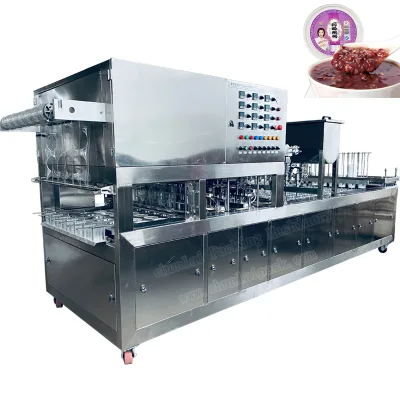
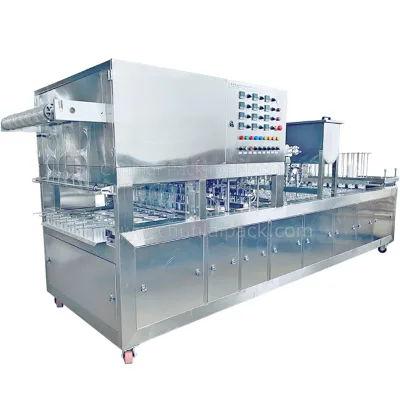
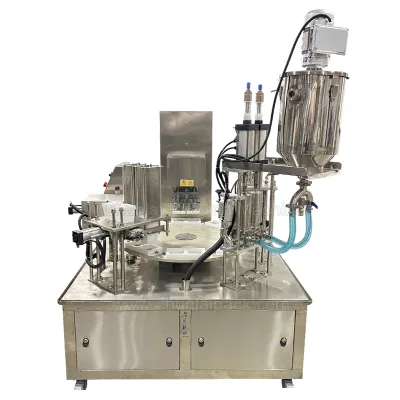
$6000.00 - $15000.00
MOQ: 1 sets

ANHUI IAPACK MACHINERY CO., LTD.
- Verified by SGS
- Combined
- China Anhui
- Lead time30 days
- Avg. response≤ 3h
Main productsPacking Machine
Main marketsSoutheast Asia/ Mideast,Europe,North America
Henan Banglan Machinery Co., Ltd.
- Verified by TüVRheinland
- Trading Company
- Lead time15 days
- Avg. response≤ 1h
Main productsIndustrial Machinery, Meat Processing Machinery, Food Processing Machinery, Packaging Machinery, Paper Product Making Machinery
Main marketsAfrica(25%), Southeast Asia(17%), South America(16%)
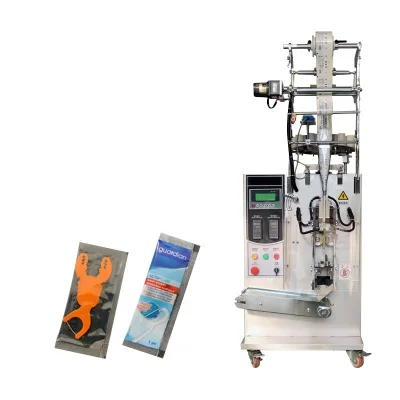
$3328.00 - $3528.00
MOQ: 1 sets
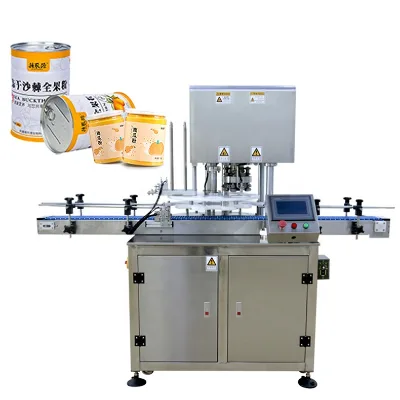
$1800.00 - $2000.00
MOQ: 1 sets
Zhengzhou Hento Machinery Co., Ltd.
- Verified by SGS Group
- Trading Company
- Lead time5 days
- Avg. response≤ 2h
Main productsMeat Processing Machinery, Egg Processing Machinery, Dairy Processing Machinery, Fruit and Vegetable Processing Machinery, Grain Product Making Machines
Main marketsSoutheast Asia(14%), Western Europe(12%), North America(10%)
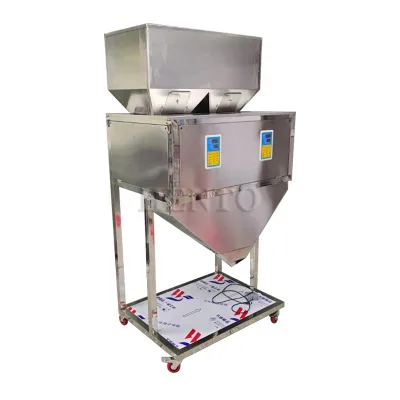
Good Quality Packing and Filling Machine / Weighing and Packing Machine / Food Packing Machinery
$687.341 - $892.8239
MOQ: 1 sets
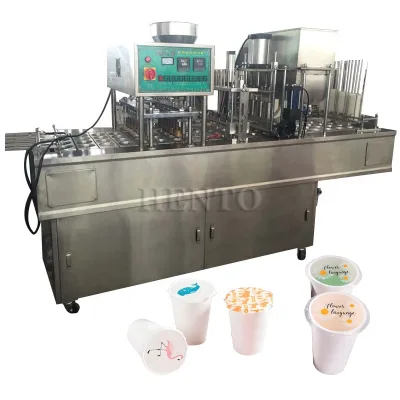
Automatic Sealing Machine Plastic Cup / Cup Sealing Machine / Cup Filling and Sealing Machine
$2027.00 - $2636.00
MOQ: 1 sets

Hangzhou Merry Sino Technology Co., Ltd.
- Trading Company
- China Zhejiang
- Lead time30 days
- Avg. response≤ 5h
Main productsMachine, Packing Machine, Packing Machinery, Packaging Machine, Packaging Machinery, Filling Machine, Food Packing Machine, Sachet Packing Machine, Powder Packing Machine, Vacuum Packing Machine for Food
Main marketsSouth America,Southeast Asia/ Mideast,East Asia(Japan/ South Korea),Europe,Australia,North America


Filling and Sealing Packaging Automatic Machinery Food Packing Machine with Good Service
$30000.00 - $38000.00
MOQ: 1 Sets

Food Machinery Sealing Filling Packaging Package Chicken Automatic Packing Machine
$52000.00 - $68000.00
MOQ: 1 Sets


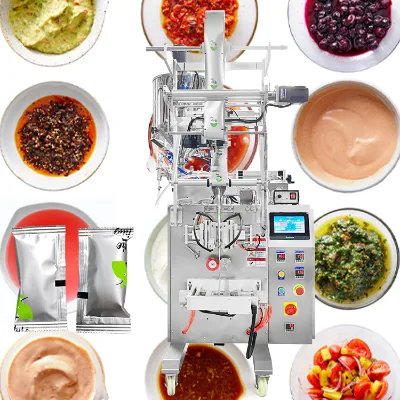
Automatic Filling Sealing Packing Machine for Chili, Sauce, Ketchup, Salad Packing Machine
$22000.00 - $25000.00
MOQ: 1 Pieces


Shanghai Mingrui Mingde Intelligent Technology Co., Ltd
- Verified by SGS
- Trading Company
- China Shanghai
- Lead time90 days
- Avg. response≤ 3h
Main productsPackaging Machine Line, Filling Packing Machine, Tray Sealing Machine, Vacuum Packing Machine, Premade Pouch Packing Machine, Carton Packing Machine, Pillow Packing Machine, Premade Pouch Packaging Machine, Vertical Packing Machine, Bottling Filling Packing Machine
Main marketsDomestic
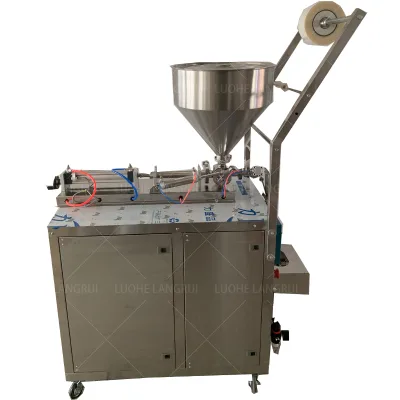
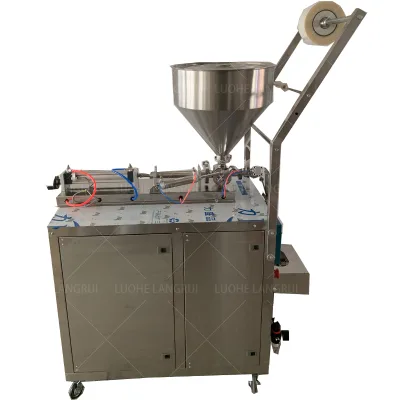
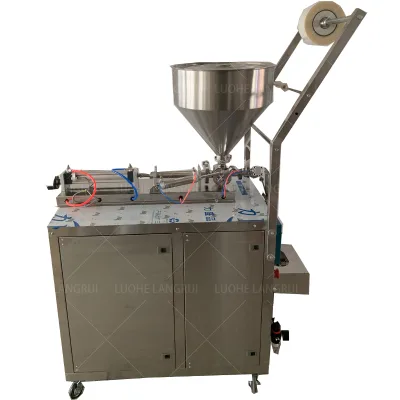
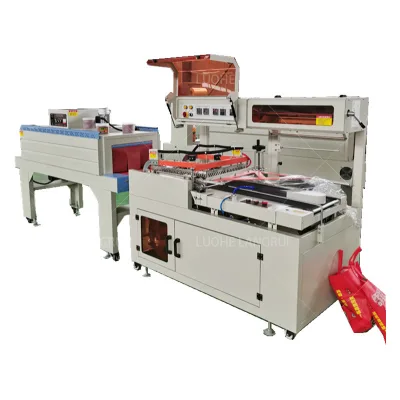
Luohe Langrui Electromechanical Equipment Co., Ltd.
- Verified by TüVRheinland
- Trading Company
- Lead time15 days
- Avg. response≤ 2h
Main productsFruit And Vegetable Processing Equipment, Meat Processing Machinery, Nut Processing Machinery, Snack Processing Machinery, Packaging Machinery
Main marketsAfrica(25%), North America(20%), Southeast Asia(18%)
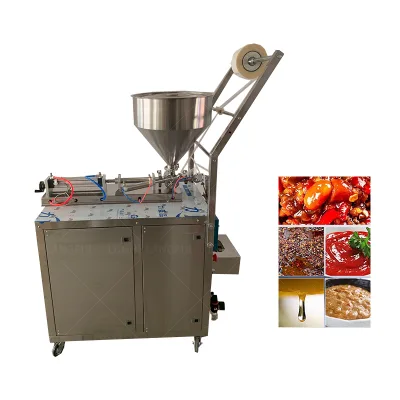
$1009.00 - $1029.00
MOQ: 1 sets

Shenyang Innov Technology Co., Ltd.
- Verified by SGS
- Trading Company
- China Liaoning
- Lead time23 days
- Avg. response≤ 3h
Main productsInkjet Printer, Laser Marking Machine
Main marketsSouth America,North America

Automatic Food Packaging Machine for Sachet Water and Liquid Filling Machine
$5024.40 - $5426.36
MOQ: 1 Pieces

Food Packaging Machine for Liquid Filling Machine and Sachet Water Packing
$5024.40 - $5426.36
MOQ: 1 Pieces

Automatic Packing Machine with Liquid Filling Machine for Food Packaging Use
$5024.40 - $5426.36
MOQ: 1 Pieces

Shanghai Grepack Packing Machinery Co., Ltd
- Verified by TUVRHEINLAND
- Manufacturer/Factory
- China Shanghai
- Lead time45 days
- Avg. response≤ 4h
Main productsAutomatic Packing Machine, Automatic Filling Machine, Automatic Labeling Machine, Capping Machine, Automatic Packing Line, Carton Erector, Carton Packing Machine, Carton Sealing Machine, Palletizer, Checkweigher
Main marketsSouth America,Eastern Europe,Mid East,North America,Southeast Asia,Eastern Asia,Oceania,Western Europe,Africa
Dongguan Strong Machinery Engineering Co., Ltd.
- Trading Company
- Guangdong, China
- Lead time0 days
- Avg. response≤ 5h
Main productsPacking Machine
Main marketsEastern Asia(8.00%), Mid East(8.00%), Africa(8.00%), South Asia(8.00%), Southeast Asia(8.00%), South America(8.00%), Central America(8.00%), North America(8.00%), Domestic Market(6.00%), Oceania(6.00%), Eastern Europe(6.00%), Southern Europe(6.00%), Northern Europe(6.00%), Western Europe(6.00%)
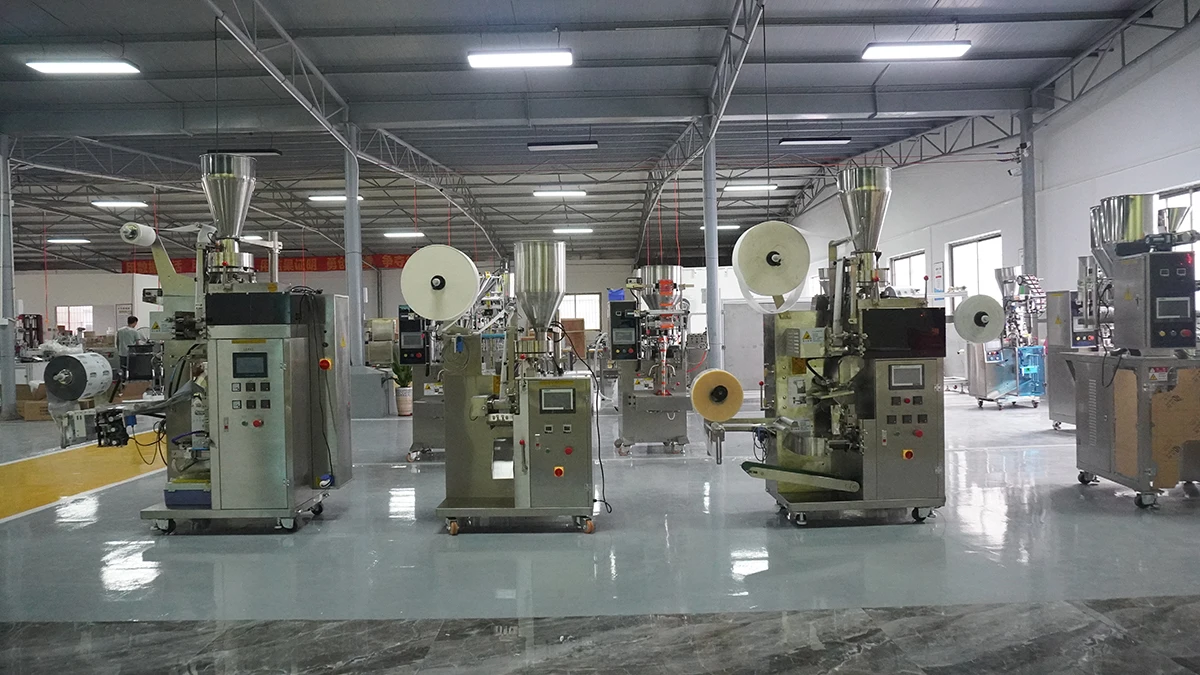
Foshan Lucky Automation Equipment co, Ltd.
- Manufacturer
- Guangdong, China
- Lead time10 days
- Avg. response≤ 2h
Main productsPacking Machine,Packaging Machine,Packaging Equipment,Packing Equipment,filling machine
Main marketsDomestic Market(20.00%), Africa(19.00%), North America(16.00%), Mid East(15.00%), South America(6.00%), Western Europe(6.00%), Southern Europe(4.00%), Southeast Asia(4.00%), Eastern Asia(2.00%), Northern Europe(2.00%), Eastern Europe(2.00%), Central America(2.00%), Oceania(1.00%), South Asia(1.00%)
Luohe Quality Mechanical Equipment Co., Ltd.
- Verified by SGS Group
- Manufacturer, Trading Company
- Lead time10 days
- Avg. response≤ 2h
Main productsPackaging Machines
Main marketsNorth America(30%), Southeast Asia(20%), Eastern Europe(15%)
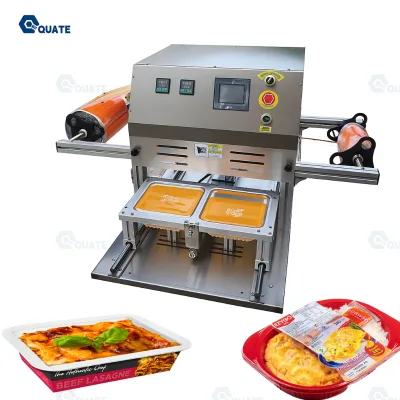
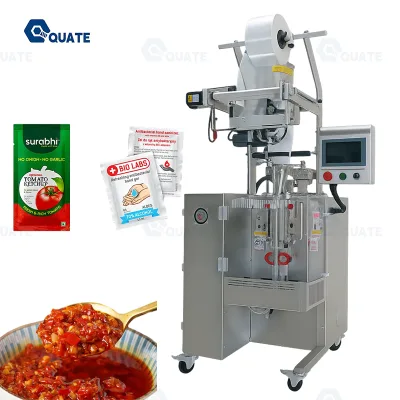
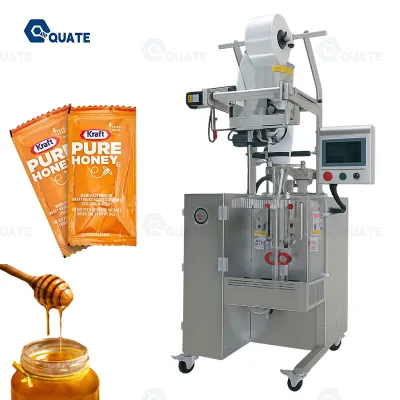
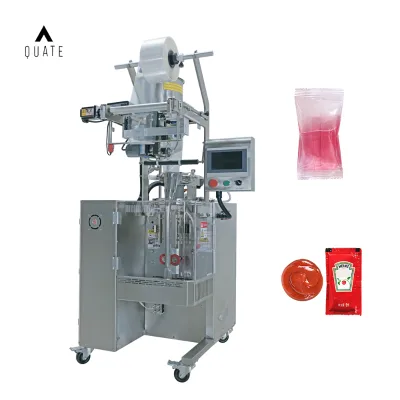
Factory Direct Packaging Machine Sauce Packing Machine Honey Packaging Machine
$2200.00 - $2500.00
MOQ: 1 sets
Luohe Bangxi Trading Co., Ltd.
- Manufacturer, Trading Company
- Henan, China
- Lead time20 days
- Avg. response≤ 4h
Main productsDumpling Making Machine,Vacuum Dough Mixer,Vegetable cutting Machine,Meat Grinding Machine,Stuffing Mixing Machine
Main marketsSouth America(27.00%), Southeast Asia(25.00%), Mid East(18.00%), Eastern Europe(8.00%), Oceania(6.00%), North America(6.00%), Eastern Asia(5.00%), Western Europe(3.00%), Africa(2.00%)
Henan Cyril Machinery Equipment Co., Ltd
- Trading Company
- He'nan, China
- Lead time10 days
- Avg. response≤ 4h
Main productsFilling Machine, Labeling Machine, Capping Machine, Packaging Machine, Coding Machine
Main marketsDomestic Market(40.00%), South America(15.00%), Mid East(10.00%), North America(5.00%), Western Europe(5.00%), Central America(5.00%), Southeast Asia(5.00%), South Asia(3.00%), Eastern Asia(2.00%), Oceania(2.00%), Southern Europe(2.00%), Northern Europe(2.00%), Africa(2.00%), Eastern Europe(2.00%)

- Verified by SGS
- Trading Company
- China Zhejiang
- Lead time30 days
- Avg. response≤ 11h
Main productsCapsule Filling Machine, Labelling Machine, Blister Packaging Machine, Pillow Packing Machine, Cartonging Machine, Tablet Press Machine, Automatic Labeling Machine, Wet Wipe Packaging Machine, Heat Shrink Wrapping Machine, Capsule Counting Machine
Main marketsSouth America,Southeast Asia/ Mideast,Europe,North America

Dongguan ZhengRui Automatic Equipment Technology Co., Ltd.
- Verified by TUVRHEINLAND
- Combined
- China Guangdong
- Lead time30 days
- Avg. response≤ 3h
Main productsMask Making Machine, Silicon Sealant Filling Machine, Viscous Products Filling Machine, Carton Sealer, Carton Sealing Packing Machine, Testing Machine, Test Equipment, Sausage Type Filling Machine, Adhesive Silicone Filling Machine, Silicone Glue Filling Machine
Main marketsNorth America

Filling and Sealing Machine Sausage Type Automatic Silicone Sealant Filling Machine
$21000.00 - $22000.00
MOQ: 1 Pieces

$21000.00 - $22000.00
MOQ: 1 Pieces
Xiamen Buyfook Machinery Co., Ltd.
- Manufacturer, Trading Company, Distributor/Wholesaler
- Fujian, China
- Lead time7 days
- Avg. response≤ 2h
Main productsPackaging machine,Quarrying tools,Mining machine,Flling machine,DTH drill bits
Main marketsAfrica(15.00%), Northern Europe(10.00%), Southern Europe(10.00%), Domestic Market(10.00%), Eastern Asia(10.00%), South America(10.00%), South Asia(5.00%), Southeast Asia(5.00%), Western Europe(5.00%), Eastern Europe(5.00%), Mid East(5.00%), Oceania(4.00%), Central America(4.00%), North America(2.00%)

Ruian Onfocus Machinery Company Limited
- Verified by TUVRHEINLAND
- Combined
- China Zhejiang
- Lead time30 days
- Avg. response≤ 3h
Main productsAutomatic Packing Machine, Granule Packing Machine, Liquid Packing Machine, Power Packing Machine, Paste Packing Machine, Liquid Filling Machine, Automatic Packaging Machine, Liquid Packaging Machine, Vertical Packing Machine, Horizonal Packing Machine
Main marketsDomestic
Dongguan Rainbow Pack Machine Co., Ltd.
- Manufacturer
- Guangdong, China
- Lead time5 days
- Avg. response≤ 6h
Main productsFilling machine,Sealing machine,Capping machine,Labeling machine,Packing machine
Main marketsSoutheast Asia(15.00%), Africa(10.00%), North America(10.00%), South Asia(10.00%), South America(10.00%), Domestic Market(5.00%), Eastern Europe(5.00%), Southern Europe(5.00%), Northern Europe(5.00%), Central America(5.00%), Western Europe(5.00%), Eastern Asia(5.00%), Mid East(5.00%), Oceania(5.00%)
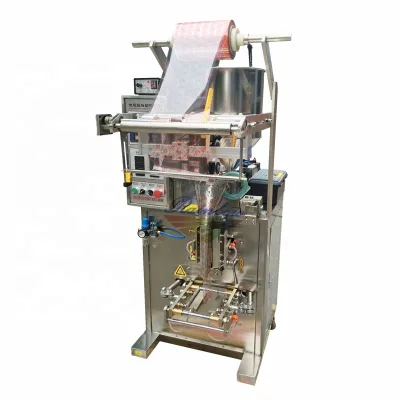
High Speed Automatic Liquid Soap Bag Filling Sealing Packing Machine
$2454.7939 - $2715.9422
MOQ: 1 sets
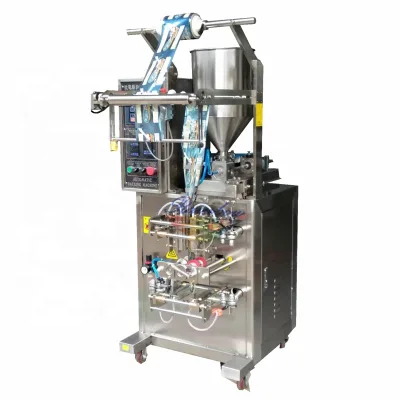
Factory Price High Speed Automatic Liquid 4 Sides Seal Packing Machine
$2000.00 - $2500.00

Shanghai Huihe Industry Co., Ltd.
- Verified by BV
- Trading Company,Manufacturer/Factory
- China Shanghai
- Lead time15 days
- Avg. response≤ 7h
Main productsPowder Packing Machine, Tea Bag Packing Machine, Granule Packing Machine, Horizontal Packing Machine, Liquid Packing Machine, Paste Packing Machine, Shrinking Packing Machine, Toothpick Packing Machine, Premade Bag Packing Machine, Hardware Packing Machine
Main marketsSouth America,Eastern Europe,Mid East,North America,Southeast Asia,Eastern Asia,Oceania,Western Europe,Africa


$7000.00 - $9000.00
MOQ: 1 SET
Guangdong Mingyue Packaging Machinery Co., Ltd.
- Verified by SGS Group
- Manufacturer, Trading Company
- Lead time10 days
- Avg. response≤ 4h
Main productsMultifunctional Packaging Machine, Blister Packaging Machine, Filling Machine, Sealing Machine, Counting Machine
Main marketsDomestic Market(25%), North America(16%), Mid East(16%)
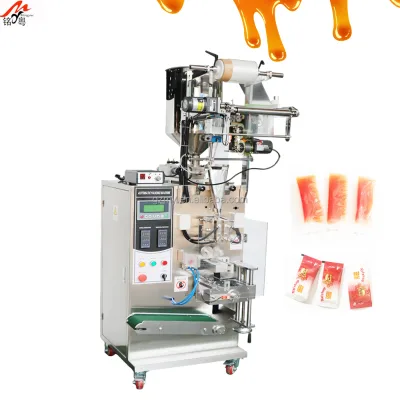
Hot Sale Sauce Package to Packaging Machine Filling Machine Liquid
$3200.00 - $3500.00
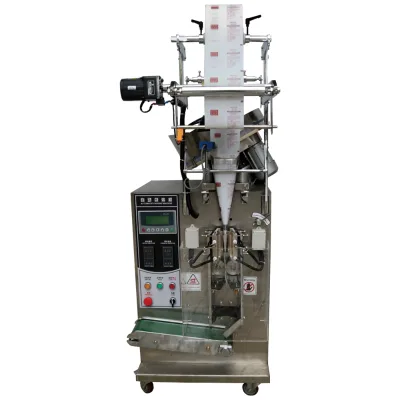
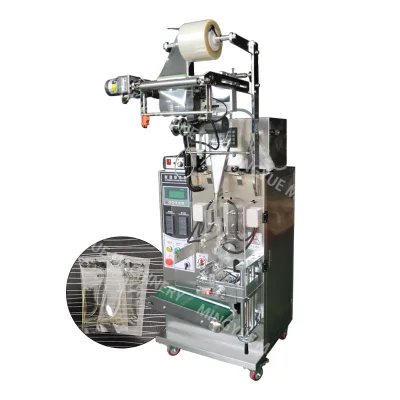
Small Oil Packing Machine Sachet Soy Sauce Packaging Machine Multifunction Packing Machine
$3000.00 - $3500.00
MOQ: 1 pieces
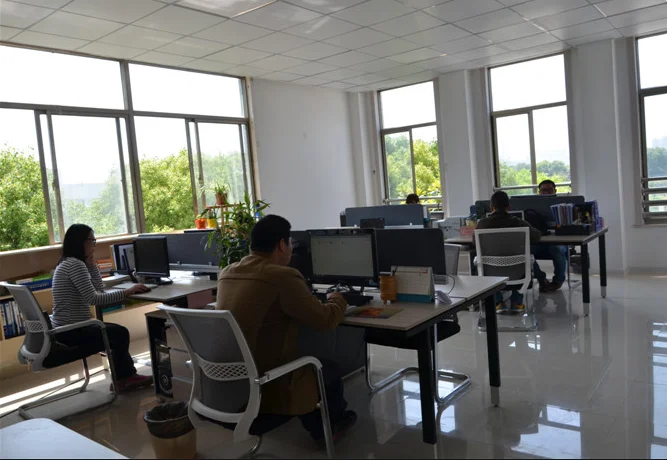
Henan K Snow Machinery Co., Ltd.
- Manufacturer, Trading Company
- Henan, China
- Lead time5 days
- Avg. response≤ 2h
Main productsvertical automatic packing machine,liquid/cream filling machine,tube filling sealing machine,shrink packing machine,labeling machine
Main marketsSoutheast Asia(15.00%), North America(15.00%), Northern Europe(10.00%), Domestic Market(10.00%), Eastern Europe(10.00%), Southern Europe(6.00%), Africa(5.00%), Central America(5.00%), Western Europe(5.00%), South America(5.00%), Oceania(5.00%), Eastern Asia(3.00%), South Asia(3.00%), Mid East(3.00%)
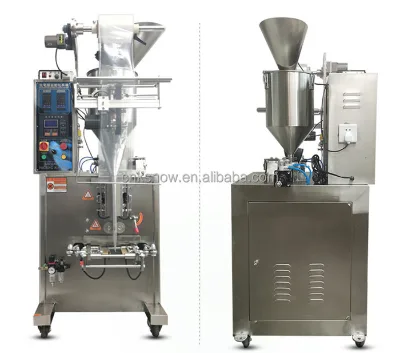
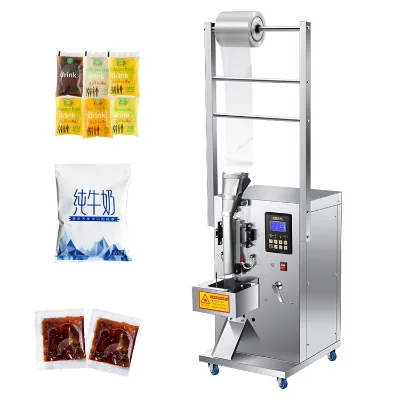
Stainless Steel Automatic Chilli Sauce Bag Pouch Packing Machine for Food Cream Material Packing
$2300.00 - $2550.00
MOQ: 1 sets
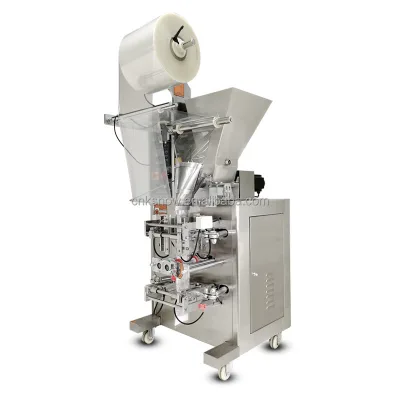
Efficiency 5 to 1000g Spices Packing Machine Automatic for Food Flour Spices Filling Packing
$2200.00 - $2500.00
MOQ: 1 sets

Foshan Ruipuhua Machinery Equipment Co., Ltd.
- Verified by BV
- Combined
- China Guangdong
- Lead time30 days
- Avg. response≤ 5h
Main productsPacking Machine, Flow Wrapper, Automatic Package Machine Line, Pillow Packing Machine, Horizontal Flow Packing Machine, Wrapper Package Machine, High Speed Packing Machine, Package Machine, Automatic Package Machine, Automatic High Speed Package Machinery
Main marketsOthers(foreignTradeCapacity.exportBusinessCapacityMarketOther),Southeast Asia/ Mideast,East Asia(Japan/ South Korea),Europe,Australia,North America

Ruian Tiancheng Packing Machinery Co., Ltd.
- Combined
- China Zhejiang
- Lead time30 days
- Avg. response≤ 15h
Main productsPaper Cup Packing Machine, Plastic Cup Packing Machine, Lids/Container Packing Machine, Roll Shrink Wrapping Machine, Roll Rewinding Machine, Wallpaper Packing Machine, Shrink Sleeve Label Center Seaming Machine, Shrink Sleeve Label Cutting Machine, Shrink Sleeve Label Inspection Machine
Main marketsSouth America,Europe,North America
Shanghai Grepack Packing Machinery Co., Ltd.
- Verified by SGS Group
- Manufacturer, Trading Company
- Lead time30 days
- Avg. response≤ 2h
Main productsFilling Machines, Multi-Function Packaging Machines, Labeling Machine, Capping Machine, Palletizer
Main marketsNorth America(15%), South America(15%), Southeast Asia(15%)
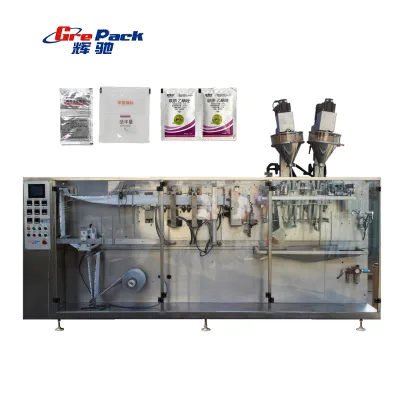
High Speed Automatic Twin Linked Sachet Packing Machine
$32000.00 - $34000.00
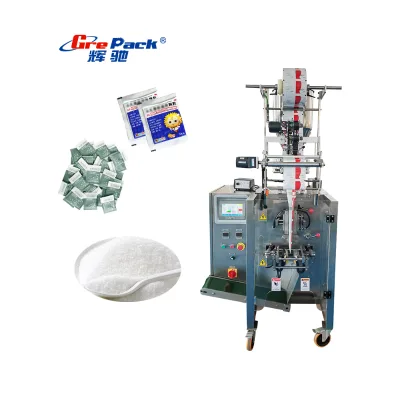
Automatic 5 Grams Hotel Sugar Salt Sachet Packing Machine
$6000.00 - $6500.00


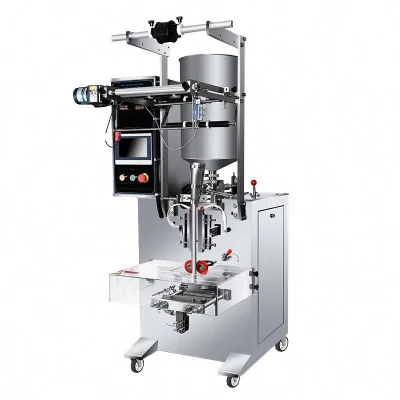
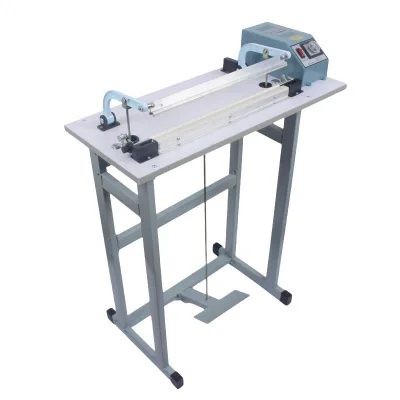
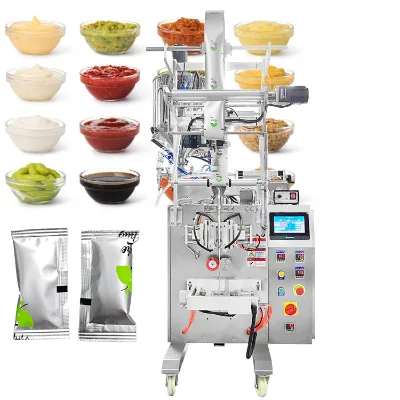




Comprehensive Sourcing Guide
Automatic Sea Food Soup Filling and Sealing Machine Supplier Concentration and Factory Types
The sourcing landscape for automatic sea food soup filling and sealing machines reveals a distinct concentration of manufacturing capabilities within specific industrial regions in China. Current supplier data indicates that a significant portion of these specialized machinery providers are located in Zhejiang province, with specific operational hubs noted in Wenzhou. This geographic clustering suggests a mature supply chain ecosystem where component suppliers, assembly factories, and logistics providers operate in close proximity, potentially reducing lead times and facilitating easier quality control visits for international buyers. The presence of manufacturers in this region often correlates with established expertise in packaging machinery, allowing for rapid iteration of designs tailored to the viscous and particulate nature of seafood soups. Buyers evaluating potential partners should prioritize suppliers with a documented physical presence in these known industrial clusters, as it often serves as a proxy for operational stability and access to skilled labor.
Supplier types in this sector vary significantly, ranging from pure trading companies to combined entities that function as both manufacturers and distributors. The available data highlights that many suppliers identify as "Combined" or "Trading Company, Manufacturer/Factory," indicating a hybrid business model. This structure can offer buyers the benefit of direct factory pricing and technical support while maintaining the flexibility of a trading arm for export documentation and customer service. Furthermore, the capacity for Original Design Manufacturing (ODM) and Original Equipment Manufacturing (OEM) is widely available among these providers, suggesting that buyers are not limited to off-the-shelf solutions. Many suppliers also maintain their own brands, such as Chunlai, which implies a level of proprietary technology and standardized product lines. Understanding whether a supplier is primarily a reseller or a true manufacturer is crucial for negotiating technical support terms and warranty obligations, as the latter typically offers more direct access to engineering resources for customizing machines for seafood applications.
How to Verify Automatic Sea Food Soup Filling and Sealing Machine Suppliers
Verifying the legitimacy and capability of suppliers requires a multi-layered approach that goes beyond basic company profiles. One critical verification metric is the presence of third-party audit badges, such as the BV (Bureau Veritas) verification observed in current results. This indicates that an independent inspector has physically visited the facility to confirm business licenses, production capacity, and quality management systems. Buyers should actively look for this badge or similar credentials from recognized inspection agencies to ensure the supplier is not merely a virtual entity. Additionally, system certifications like ISO 9001:2015 or ISO 9001 are frequently cited, signaling that the supplier adheres to standardized quality management processes. While these certifications do not guarantee machine performance, they provide a baseline assurance of organizational maturity and consistent manufacturing practices, which is essential for complex machinery like automatic filling and sealing units.
Beyond static certifications, dynamic performance metrics offer valuable insights into supplier reliability and responsiveness. The response time of suppliers, which has been recorded at approximately 11.70 to 12.76 hours, serves as a preliminary indicator of their communication efficiency. A faster response time often correlates with better after-sales support and quicker resolution of pre-sales technical queries, which is vital when discussing customizations for seafood soup packaging. Buyers should also verify the supplier's ability to provide detailed product evidence, including specific model numbers like GD6-200C or BG60A-4C, and comprehensive attribute lists. These details demonstrate technical depth and transparency. It is advisable to request video demonstrations of the machines in operation, specifically handling viscous liquids and solid particulates, to verify that the "Automatic Grade" and "Forming Function" claims match actual performance. Cross-referencing these technical details with the supplier's stated main products ensures they are specialists rather than generalists.
What to Compare Across Automatic Sea Food Soup Filling and Sealing Machine Suppliers
When evaluating multiple suppliers, comparing key commercial and operational parameters is essential to identify the best fit for your specific production needs. Lead time is a critical differentiator, with observed ranges varying significantly, such as 15 days versus 45 days. A shorter lead time may indicate higher inventory readiness or more efficient production scheduling, which can be crucial for meeting tight market launch deadlines. Conversely, a longer lead time might reflect a more customized build process or lower production volume. Buyers should also scrutinize the Minimum Order Quantity (MOQ), which is often listed as low as 1 unit for these machines. This low MOQ flexibility allows for smaller trial orders, reducing initial risk and enabling buyers to test machine performance before committing to larger fleet purchases. Comparing these logistical constraints helps in aligning supplier capabilities with your procurement budget and timeline.
Price and customization options form another vital comparison axis. The price range for automatic filling and sealing machines can vary widely, with some models listed between $2,000 and $22,000, while others range from $3,500 to $19,000. These variations often reflect differences in automation level, material quality, and brand reputation. Buyers should compare the specific features included in these price points, such as the type of sealing mechanism (e.g., roll film vs. pre-cut foil) and the driven type (mechanical vs. pneumatic). Additionally, the availability of customization is a key differentiator. Suppliers offering "Available" customization can tailor the machine to handle specific seafood soup consistencies, packaging materials like composite films or plastic cups, and specific output speeds. Comparing the extent of these customization options, along with the supplier's R&D capacity for ODM/OEM, ensures that the selected machine can adapt to future product line changes without requiring a complete equipment overhaul.
Common Automatic Sea Food Soup Filling and Sealing Machine Sourcing Risks
Sourcing automatic filling and sealing machines for seafood soup presents unique technical risks due to the product's complex physical properties. Seafood soups often contain a mixture of viscous liquids, solid particulates like fish chunks or vegetables, and varying densities. A common risk is selecting a machine that is not adequately rated for "Bulk Solid" or "Paste" material types, leading to clogging, inconsistent filling weights, or poor sealing integrity. Buyers must carefully verify the machine's "Application" specifications to ensure it explicitly supports the specific ingredients in their soup. For instance, some machines are optimized for liquids or powders and may struggle with the abrasive or chunky nature of seafood. Additionally, the "Packaging Material" compatibility is a frequent pitfall; machines designed for rigid cups may not seal effectively on flexible pouches or composite materials, which are common in modern seafood packaging.
Another significant risk involves the after-sales support and technical documentation provided by the supplier. Since these machines are complex industrial equipment, the lack of comprehensive manuals, spare parts lists, or remote troubleshooting capabilities can lead to prolonged downtime. Buyers should assess the supplier's "Response Time" not just for initial inquiries but for potential technical support requests. A slow response time, such as those exceeding 24 hours, could indicate a lack of dedicated engineering support. Furthermore, the risk of receiving machines that do not meet international safety or electrical standards is present if the supplier lacks proper certifications. While ISO 9001 indicates quality management, it does not guarantee electrical safety compliance in the buyer's destination country. Buyers must proactively verify that the machine's electrical components and safety guards meet local regulatory requirements, as this is often an oversight that can result in customs delays or operational hazards.
Automatic Sea Food Soup Filling and Sealing Machine Regional Sourcing and Logistics
The geographic location of suppliers significantly impacts logistics costs, lead times, and the ease of factory audits. With a high concentration of suppliers located in Zhejiang province, particularly in Wenzhou, buyers benefit from access to a well-developed industrial infrastructure. This region is known for its robust manufacturing ecosystem, which includes specialized component suppliers for packaging machinery, reducing the risk of supply chain disruptions. Sourcing from this cluster allows for more efficient consolidation of shipments, as multiple machines or spare parts can be packed together in wooden cases or cartons, optimizing container space. The proximity to major ports in Zhejiang further facilitates international shipping, potentially reducing transit times and freight costs compared to sourcing from more remote industrial regions. Buyers should consider the logistical advantages of this cluster when evaluating total landed costs.
Logistics planning must also account for the specific packaging requirements of these heavy machines. Product evidence indicates that machines are often shipped in "Wooden Package" or "Wooden Case" formats, which are necessary to protect the equipment during transit but add weight and volume to the shipment. Buyers need to factor in the cost of fumigation or ISPM 15 compliance for wooden packaging, depending on the destination country's regulations. Additionally, the "Packing" details, such as the use of composite materials for the machine's own packaging or the inclusion of protective films, should be reviewed to ensure minimal damage during handling. For buyers in regions with strict environmental regulations, the choice of packaging material may also be a consideration. Understanding the logistical nuances of sourcing from Zhejiang, including customs clearance procedures for machinery, helps in creating a more accurate and reliable supply chain plan.
Automatic Sea Food Soup Filling and Sealing Machine Commercial Terms and Order Planning
Effective order planning for automatic filling and sealing machines requires a clear understanding of commercial terms and payment structures. The availability of low MOQs, such as 1 unit, provides flexibility for initial procurement, but buyers should be aware that unit prices may be higher for single-unit orders compared to bulk purchases. It is essential to clarify whether the quoted price includes installation, training, and commissioning services, as these are critical for ensuring the machine operates correctly from day one. Some suppliers may offer these services as part of the package, while others may charge extra. Buyers should also inquire about the warranty period and the scope of coverage, including whether spare parts are included for the first year of operation. Clear commercial terms help avoid unexpected costs and ensure a smooth transition from purchase to production.
Escrow and secure payment methods are vital for mitigating financial risk in international transactions. Buyers should prioritize suppliers who offer secure payment platforms that hold funds until the goods are received and verified. This protects against scenarios where the machine does not match the agreed specifications or arrives damaged. Additionally, buyers should plan for the total cost of ownership, which includes not just the machine price but also installation, training, maintenance, and energy consumption. The "Automatic Grade" and "Driven Type" of the machine will influence operational costs, with pneumatic systems potentially requiring compressed air infrastructure investments. By carefully reviewing the commercial terms, payment security, and total cost implications, buyers can make informed decisions that align with their long-term business goals and ensure a successful integration of the Automatic Sea Food Soup Filling and Sealing Machine into their production line.
FAQs
What is the price range for automatic filling and sealing machines?
Prices for automatic filling and sealing machines typically range from $3,500 to $22,000. The cost depends on the specific model and application, such as bowl filling or bucket sealing. Buyers should check the exact specifications for their required packaging material and automatic grade to determine the final quote.
What is the minimum order quantity for these machines?
The minimum order quantity is generally one unit. This allows buyers to purchase a single machine for testing or small-scale production. It is advisable to confirm the specific MOQ with the supplier, as some specialized models might have different requirements depending on the customization options selected.
How long does it take to manufacture and ship these machines?
Lead times vary significantly, ranging from 15 days to 45 days. The duration depends on the machine type and whether it is a standard or customized model. Buyers should verify the current production schedule with the supplier to ensure timely delivery for their specific operational needs.
Are these machines suitable for sealing plastic cups and trays?
Yes, many models are designed for sealing plastic cups, trays, and buckets. They support applications like chili sauce, porridge, and seafood soup. The machines use film or pre-cut aluminum foil for sealing, ensuring a tight seal for various liquid and paste products in food packaging.
What certifications do these suppliers typically hold?
Suppliers often hold ISO 9001 or ISO 9001:2015 system certifications. These certifications indicate adherence to quality management standards. Buyers should request valid certificates to verify the supplier's manufacturing processes and ensure the equipment meets international safety and quality requirements for industrial machinery.
Where are these automatic filling machines manufactured?
These machines are primarily manufactured in China, specifically in Zhejiang province and Wenzhou. The region is known for its industrial machinery production. Buyers can expect products to originate from these locations, which are hubs for packaging equipment manufacturing and export.