Electric Water Bottling Machine Suppliers and Manufacturers
Compare 27 Electric Water Bottling Machine suppliers in China Jiangsu by lead time, response time, and certifications. Review product specs like capacity and material, then request quotes for your specific bottling needs; review the available evidence before requesting comparable quotations from suitable candidates.
Updated
Suppliers List

Zhangjiagang Sunswell Machinery Co., Ltd.
- Verified by TUVRHEINLAND
- Combined
- China Jiangsu
- Lead time60 days
- Avg. response≤ 5h
Main productsFilling Machine, Water Bottling Machine, Water Filling Machine, Beverage Bottling Machine, Carbonated Filling Machine, Juice Filling Machine, Water Bottling Line, Packaging Machine, Labeling Machine, Hot Filling Machine
Main marketsAfrica,Others(foreignTradeCapacity.exportBusinessCapacityMarketOther),Europe

Zhangjiagang King Machine Tech Co., Ltd.
- Verified by BV
- Combined
- China Jiangsu
- Lead time45 days
- Avg. response≤ 4h
Main productsWater Filling Machine, Beverage Filling Machine, Carbonated Drink Filling Machine, 5gallon Bottle Filling Machine, Bottle Blowing Machine, Glass Bottle Filling Machine, Can Filling Machine, Wrapping Machine, Juice Filling Machine, Labeling Machine
Main marketsSoutheast Asia/ Mideast
Zhangjiagang City Ak Machinery Co., Ltd.
- Verified by TUVRHEINLAND
- Combined
- China Jiangsu
- Lead time30 days
- Avg. response≤ 19h
Main productsFilling Machine, Shrink Sleeve Labeling Machine, Shrink Packaging Machine, Shrink Wrapping Packaging Machine, Water Treatment Plant, Water Production Line, Bottled Water Plant, Drinking Water Plant, Mineral Water Plant, Juice Making Machine
Main marketsSouth America,Africa,Southeast Asia/ Mideast,Australia


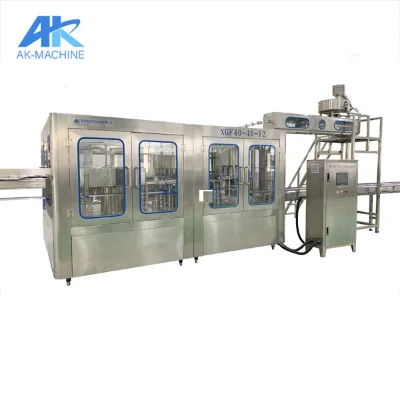
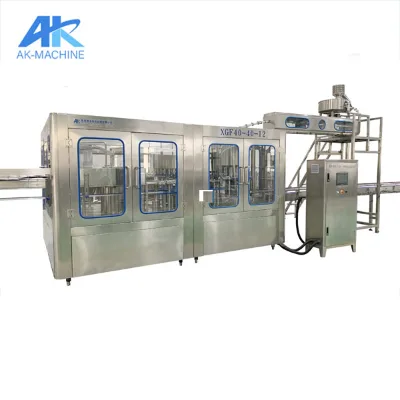
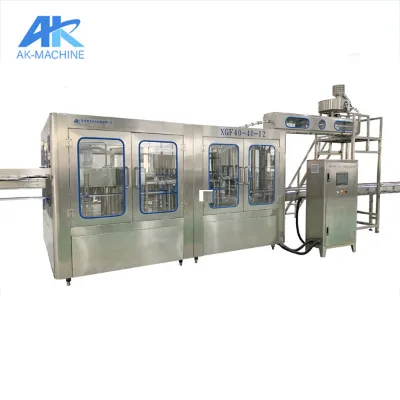
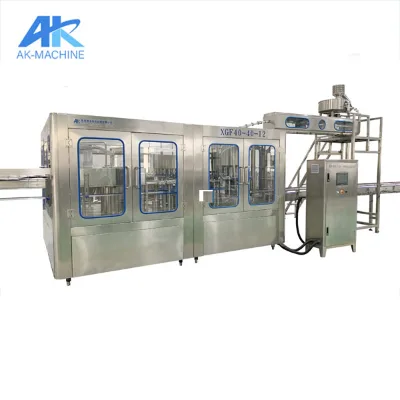
Water Bottling Machine Water Bottle Filling Equipment Table Water Filling Plant Machine
$10000.00 - $50000.00
MOQ: 1 Pieces

Qingzhou Gofar Packaging Machinery Co., Ltd.
- Verified by BV
- Combined
- China Shandong
- Lead time60 days
- Avg. response≤ 4h
Main productsFilling Machine, Auto Liquid Filling Machine, Auto Water Filling Machine, Auto Oil Filling Machine, Auto Juice Production Line, Auto Aluminum Cap Sealing Machine, Auto Labeling Machine, Auto Water Treatment Equipment
Main marketsSouth America,Africa,Southeast Asia/ Mideast,Domestic,Europe,North America
- Verified by TüVRheinland
- Manufacturer, Trading Company
- Lead time10 days
- Avg. response≤ 1h
Main productsPlastic Blowing Machine, Air Compressor, Bottle Cutting Machine, AGV, Robotic Arm Manipulator
Main marketsDomestic Market(50%), Africa(15%), Western Europe(10%)
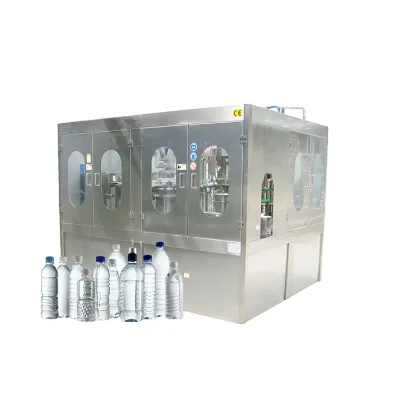
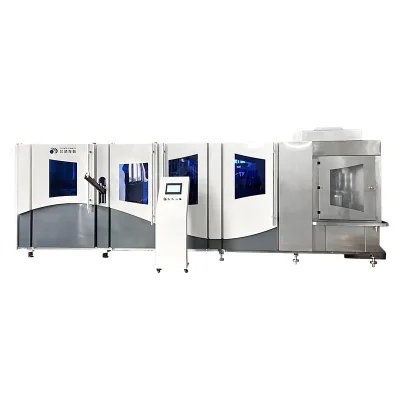
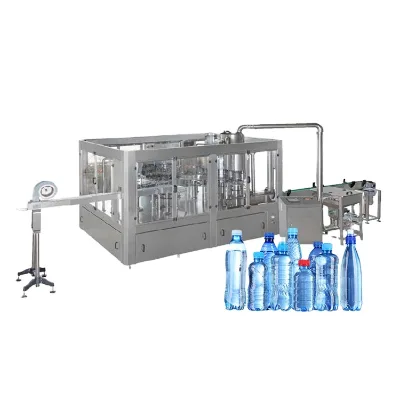
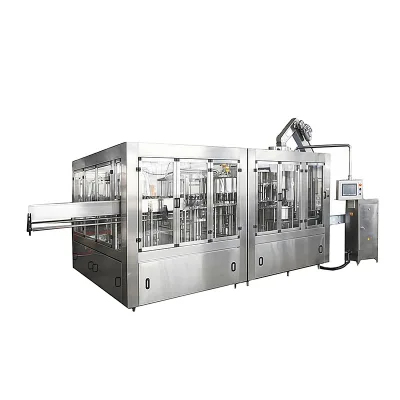
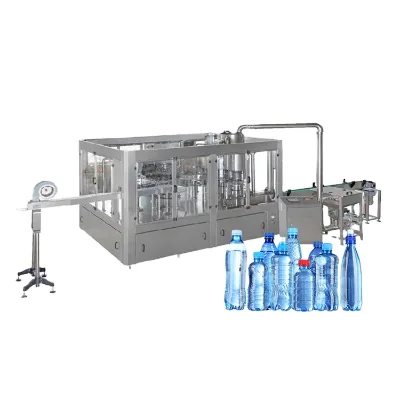
One Person Operation Bottling Machine Simple HMI for Easy Control and Maintenance
$20534.2014
MOQ: 1 Minimum
Zhangjiagang City Ak Machinery Co., Ltd.
- Verified by TüVRheinland
- Manufacturer, Trading Company
- Lead time30 days
- Avg. response≤ 3h
Main productsWater Treatment Machine, Filling Machine, Shrink Sleeve Labeling Machine, Sticker Labeling Machine, Wrapping Machine
Main marketsSoutheast Asia(30%), Africa(30%), North America(5%)

Zhangjiagang Lexse Machinery Co., Ltd.
- Verified by SGS
- Trading Company
- China Jiangsu
- Lead time45 days
- Avg. response≤ 1h
Main productsWater Filling Line, Carbonated Drinking Line, Juice Filling Line, 3-10L Water Filling Line, 5gallon Filling Line, Can Filling Line, Beer Filling Line, Oil Filling Machine
Main marketsSouth America,Eastern Europe,North America,Southeast Asia,Eastern Asia,Oceania,Africa


Fully Automatic Water Bottling Machine Water Bottling Equipment Filling Machine
$10500.00 - $20000.00
MOQ: 1 set


Suzhou Planet Machinery Co., Ltd.
- Verified by TUVRHEINLAND
- Trading Company,Manufacturer/Factory
- China Jiangsu
- Lead time45 days
- Avg. response≤ 2h
Main productsWater Filling Machine, Juice Filing Machine, Carbonated Drinks Filling Machine, Can Filling Machine, Oil Filling Machine, Barreled Water Filling Machine, Bottle Blowing Machine, Lubricant Oil Filling Machine, Detergents Filling Machine, Water Treatment System


$17500.00 - $88000.00
MOQ: 1 Sets

Zhangjiagang Just Machinery Co., Ltd.
- Manufacturer, Trading Company
- Jiangsu, China
- Lead time30 days
- Avg. response≤ 4h
Main productsWater Juice Milk Beer Wine Beverage Filling Machine With Production Line,Automatic Labeling Machine,Water Treatment System,Automatic Film Packing Machine/ Palletizer,Bottle Blowing Machine
Main marketsSoutheast Asia(30.00%), Domestic Market(10.00%), Southern Europe(10.00%), Eastern Asia(10.00%), Mid East(10.00%), Oceania(10.00%), Africa(10.00%), North America(10.00%)
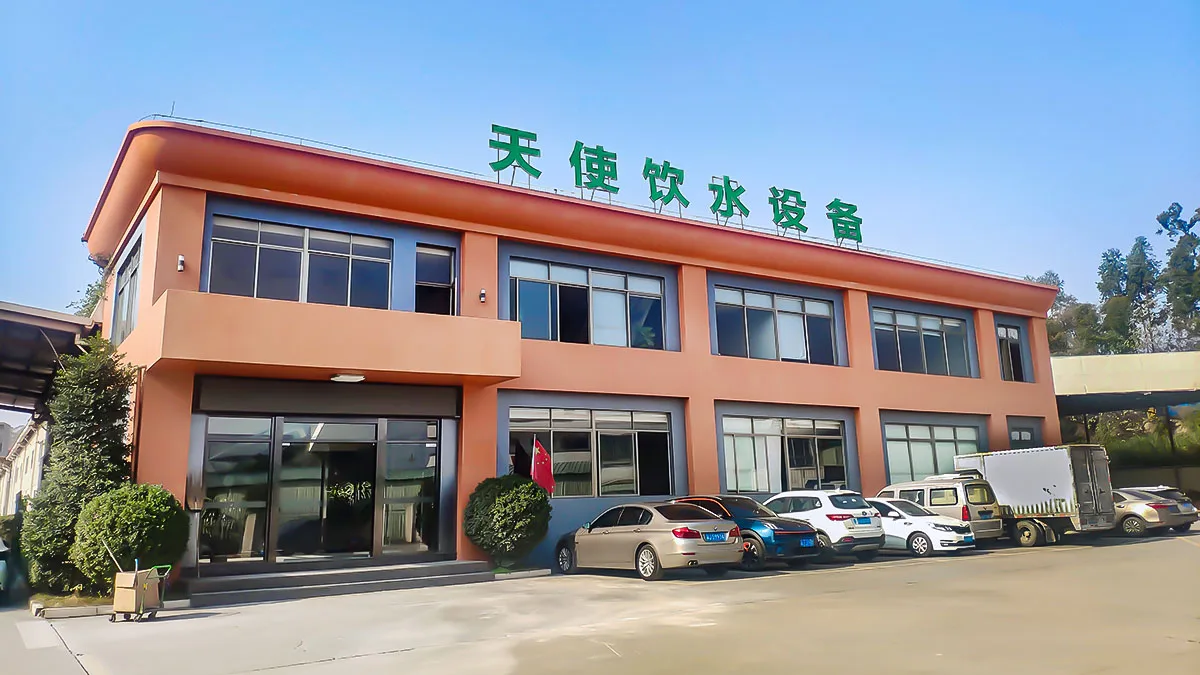
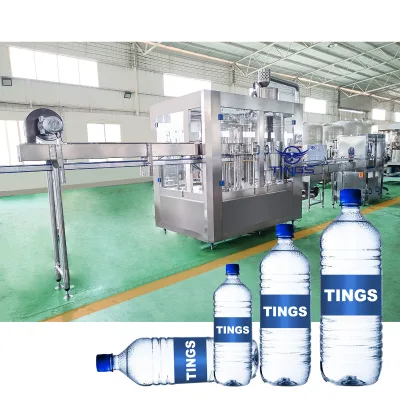
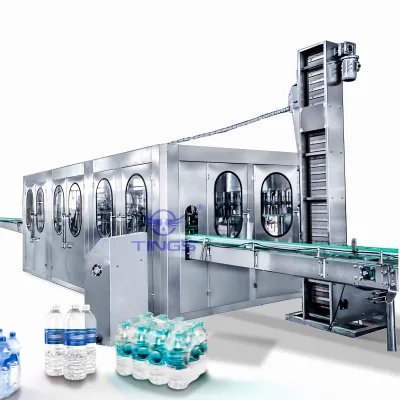
Jiangmen Tings Drinking Water Equipment Co., Ltd.
- Manufacturer
- Guangdong, China
- Lead time7 days
- Avg. response≤ 5h
Main productsBottle Mineral Water Produciton Line,Bottle Juice and Carbonated Drink Production Line,Can Beverage Production Line,Glass Bottle Filling Line,Water Treatment System
Main marketsAfrica(26.00%), Domestic Market(24.00%), Eastern Asia(22.00%), South Asia(8.00%), Southeast Asia(7.00%), Mid East(5.00%), Eastern Europe(3.00%), North America(2.00%), Southern Europe(1.00%), South America(1.00%), Northern Europe(0.50%), Central America(0.50%)
Zhangjiagang Jiayuan Machinery Co., Ltd.
- Verified by TüVRheinland
- Manufacturer, Trading Company
- Lead time30 days
Main productsFilling Production Line, Packing Production Line
Main marketsAfrica(50%), Domestic Market(25%), South America(5%)
Suzhou Luye Packaging Technology Co., Ltd.
- Verified by TüVRheinland
- Trading Company
- Lead time30 days
- Avg. response≤ 2h
Main productsBeverage Filling Machine, Labeling Machine, Water Treatment System, Bottle Blowing Machine, Multi-Function Packaging Machines
Main marketsEastern Europe(30%), Africa(30%), Mid East(30%)
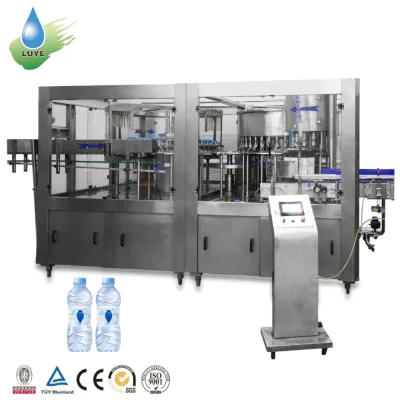
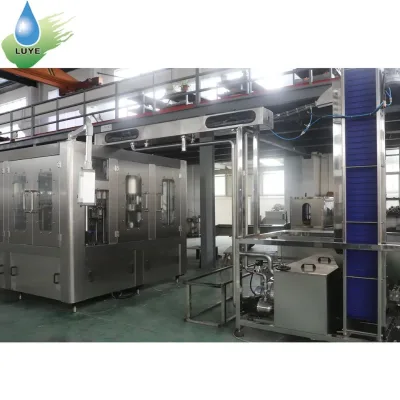
Good Quality Miniral Pure Water Filling Machine Water Plastic Bottle Capping Machine
$13000.00 - $15000.00
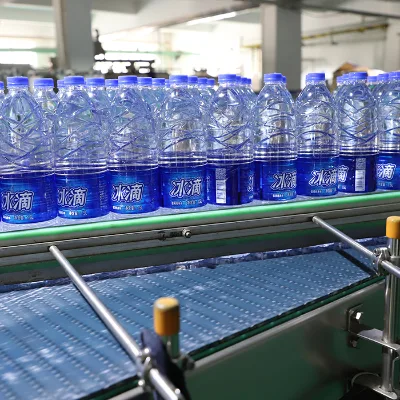
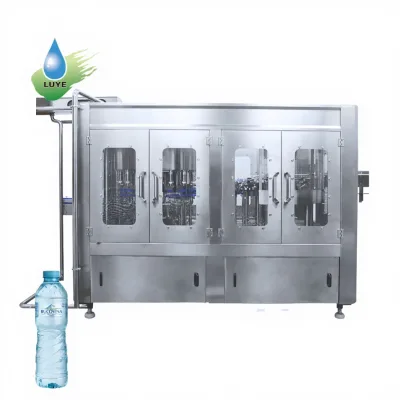
Top Selling Bottle Filling Machine Small Mini Bottle Drink Filling Machine
$9000.00 - $13000.00

- Verified by BV
- Trading Company
- China Hebei
- Lead time30 days
- Avg. response≤ 1h
Main productsElbow Machine, Induction Pipe Bending Machine, Tee Machine, Seamless Elbow, Pipe Expanding Machine, Hydraulic Press, GOST Elbow, Tee
Main marketsSouth America,Africa,Southeast Asia/ Mideast,East Asia(Japan/ South Korea),Europe,North America


Advanced Water Fill Machine Water Product Plant Water Filling Plant Bottling Filling Machine
$8000.00 - $10900.00
MOQ: 1 Sets

Water Filling Machine Bottling Water Production Line Bottled Water Filling Plant Machine
$8000.00 - $10900.00
MOQ: 1 Sets

Water Filling Machine Water Bottle Filling Line Water Filling Production Line Machine
$8000.00 - $10900.00
MOQ: 1 Sets

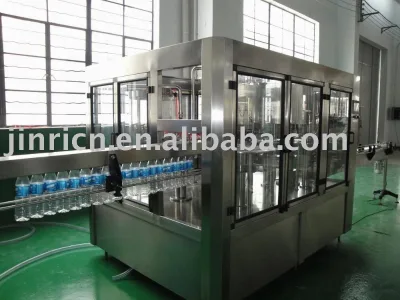
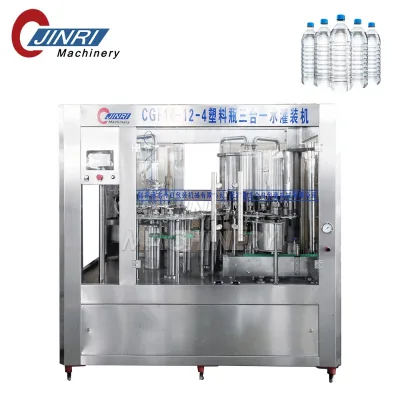
Zhangjiagang Jinri Beverage Machinery Co., Ltd.
- Manufacturer
- Jiangsu, China
- Lead time30 days
- Avg. response≤ 4h
Main productsFilling Machine,Packing Machine,Labeling Machine,Filling Production LIne
Main marketsDomestic Market(50.00%), Eastern Europe(10.00%), Western Europe(5.00%), Northern Europe(5.00%), North America(5.00%), Central America(5.00%), Southeast Asia(5.00%), South America(5.00%), Eastern Asia(3.00%), Africa(3.00%), Oceania(2.00%), South Asia(2.00%)

Zhangjiagang Klio Machinery Co., Ltd.
- Verified by SGS
- Combined
- China Jiangsu
- Lead time15 days
- Avg. response≤ 3h
Main marketsSoutheast Asia/ Mideast,Domestic

Zhangjiagang City Tango Machinery Co., Ltd.
- Trading Company
- China Jiangsu
- Lead time60 days
- Avg. response≤ 6h
Main productsWater Bottle Filling Produdction Line, 3in1 Bottle Filling Machine, Bottlig Machine, Wrapping Machine, Labeling Machine, Carton Package Machine, Beverage Filling Machine, Juice Production Line, Carbonated Beverage Production Line, 5gallon Production Line
Main marketsSouth America,Eastern Europe,Mid East,North America,Southeast Asia,Eastern Asia,Oceania,Western Europe,Africa

Zhangjiagang Longsn Machine Co., Ltd.
- Manufacturer
- China Jiangsu
- Lead time45 days
- Avg. response≤ 13h
Main productsWater Filling Machine, Cap Lining Machine, Blow Moulding Machine, Bottle Packing Machine, Bottle Labeling Machine, Bottle Neck Cutting Machine, Bottle Leak Tester, Water Production Line, Plastic Machines, Cap Assembly Machine
Main marketsSouth America,Africa,Southeast Asia/ Mideast,Domestic,Europe,Australia,North America


Water Filling Machine Water Bottling Machine Plant Automatic Mineral Water Filling Machine
$12000.00 - $50000.00
MOQ: 1 set


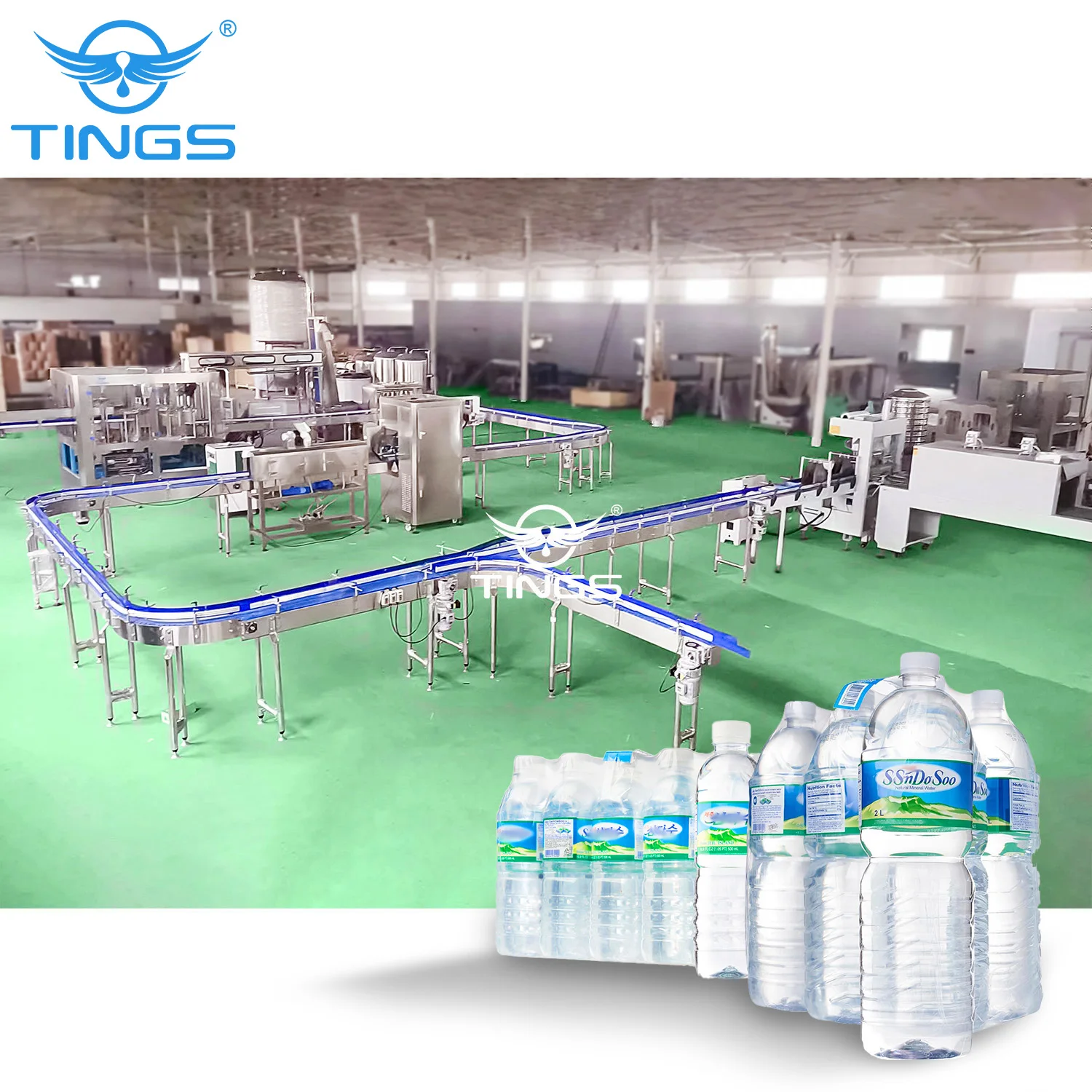
Jiangmen Angel Machinery Equipment Co., Ltd.
- Manufacturer, Trading Company
- Guangdong, China
- Lead time7 days
- Avg. response≤ 10h
Main productsBottle Mineral Water Filling Machine,Bottle Juice Filling Machine,Glass Bottle Filling Machine,Water Treatment Machine,Carbonated Drink Filling Machine
Main marketsAfrica(26.00%), Domestic Market(24.00%), Eastern Asia(22.00%), South Asia(8.00%), Southeast Asia(7.00%), Mid East(5.00%), Eastern Europe(3.00%), North America(2.00%), Southern Europe(1.00%), South America(1.00%), Northern Europe(0.50%), Central America(0.50%)
Zhangjiagang Links Machine Co., Ltd.
- Manufacturer, Trading Company
- Lead time旺季: "1 - 1":60,"> 1":"To be negotiated", 淡季: "1 - 1":60,"> 1":"To be negotiated"
- Avg. response≤ 10h
Main productsWater Filling Machine/Beverage Filling Machine,Plastic Cap,Bottle Blowing Machine,Injection Machine,Water purification system
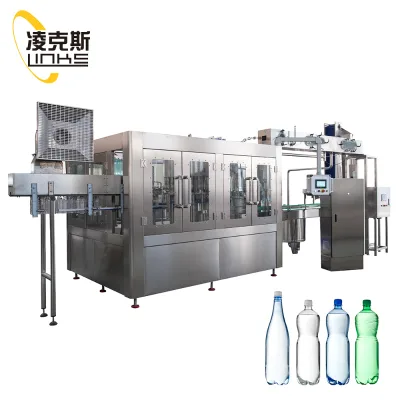
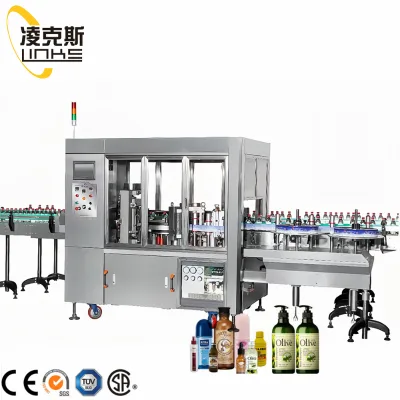
$10000.00 - $49500.00
MOQ: 1 sets
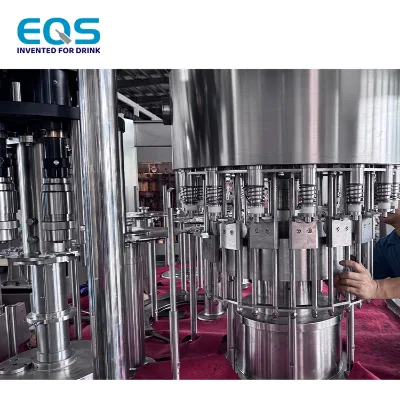
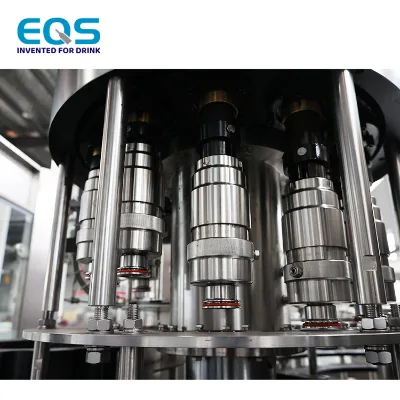
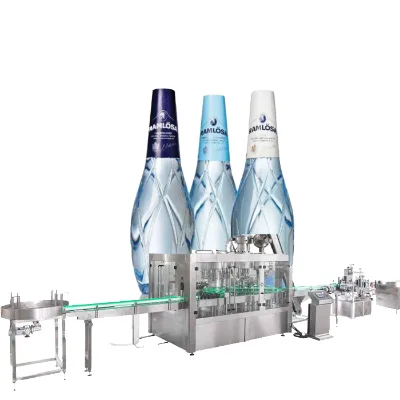
ZHANGJIAGANG EQS MACHINERY CO., LTD.
- Verified by Intertek
- Trading Company
- Jiangsu, China
- Lead time45 days
- Avg. response≤ 3h
Main productsCarbonated Drink Filling Machine, Bottle Blowing-Filling-Capping Combi-Block Machine, Water Filling Machine, Aseptic Filling Machine, Ultra Clean Filling Machine
Main marketsNorth America(41%), Southeast Asia(30%), Africa(21%)
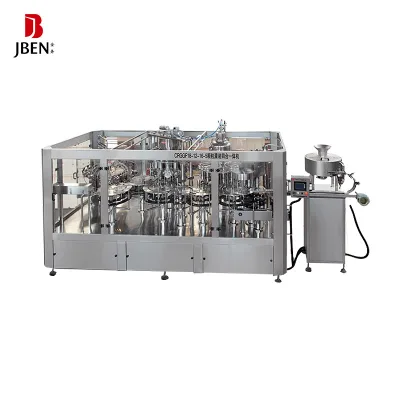
Shanghai Jinben Industrial Co., Ltd.
- Verified by SGS Group
- Manufacturer, Trading Company
- Lead time45 days
- Avg. response≤ 4h
Main productsBeverage and Bottled Water Production Line
Main marketsDomestic Market(50%), North America(10%), South Asia(10%)

ZhangJiaGang Honor Machine Co., Ltd.
- Verified by TUVRHEINLAND
- Trading Company,Manufacturer/Factory
- China Jiangsu
- Lead time45 days
- Avg. response≤ 6h
Main productsFilling Machine, Water Filling Machine, Bottling Machine, Water Treatment System, Juice Filling Machine, Bottle Blowing Machine, Packing Machine, Labeling Machine, Bottling Line, Carbonated Drink Filling Machine
Main marketsSouth America,Eastern Europe,Mid East,North America,Southeast Asia,Eastern Asia,Oceania,Western Europe,Africa
Suzhou Dps Machinery Equipment Co., Ltd.
- Manufacturer, Trading Company
- Jiangsu, China
- Lead time30 days
- Avg. response≤ 3h
Main productsbottle water filling line,water filling machine,BOPP hot melt glue labeling machine,shrink sleeve applicator,liquid filling & packing machine
Main marketsMid East(41.00%), Africa(26.00%), Southeast Asia(16.00%), South America(11.00%), North America(6.00%)
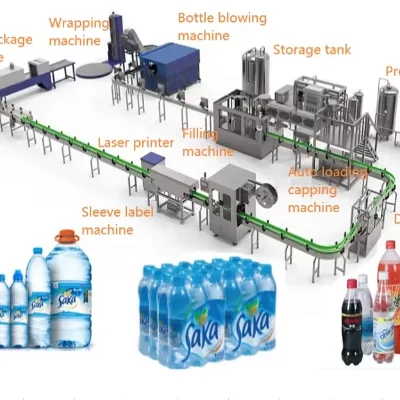
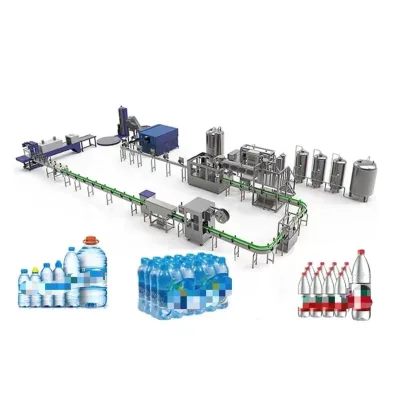
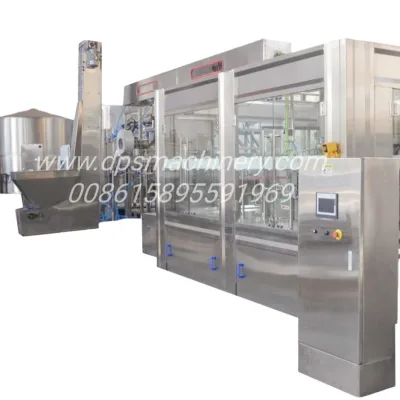
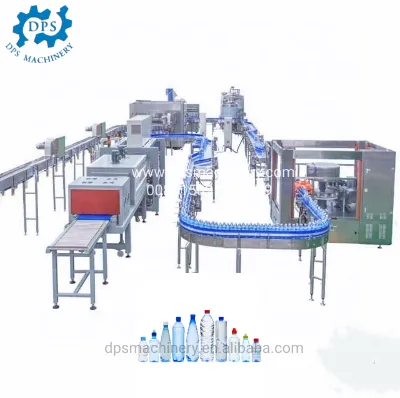
A Small Scale Water Bottling Factory PLC Control Full Automatic 500ml Bottle Water Machine Price
$8000.00 - $20000.00
MOQ: 1 Minimum
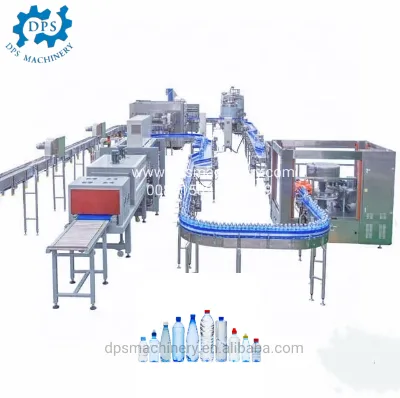
$8000.00 - $20000.00
MOQ: 1 Minimum
$8000.00 - $20000.00
MOQ: 1 Minimum
$8000.00 - $20000.00
MOQ: 1 Minimum
$5000.00 - $8000.00
MOQ: 1 Minimum
Suzhou Mingstar Company Limited
- Verified by SGS Group
- Manufacturer, Trading Company
- Lead time30 days
- Avg. response≤ 3h
Main productsFilling machine, Labeling machine, Bottle blowing machine, Film wrapping machine, Palletizing machine
Main marketsSoutheast Asia(20%), Mid East(20%), South America(12%)

Suzhou Luye Packaging Technology Co., Ltd.
- Verified by BV
- Trading Company
- China Jiangsu
- Lead time45 days
- Avg. response≤ 4h
Main productsFiling Machine, Water Filling Machine, Beverage Filling Machine, Shrink Packaging Machine, Labeling Machine, Fruit Juice Filling Machine, Bottle Water Filling Line, Drink Filling Machine, Cooking Oil Filling Line, Beer Filling Machine
Main marketsEurope
Qingzhou Angel Environmental Protection Technology Co., Ltd.
- Manufacturer, Trading Company
- Shandong Province, China
- Lead time0 days
- Avg. response≤ 2h
Main productsbottle filling line,PET filling machine,Glass bottle filling machine,Reverse osmosis equipment,Large bucket water filling machine
Main marketsSoutheast Asia(22.00%), Mid East(20.00%), South America(15.00%), Domestic Market(12.00%)
$30000.00 - $30300.00
MOQ: 1 sets
$12066.00 - $12366.00
MOQ: 1 sets
$18377.00 - $18677.00
MOQ: 1 sets

Shandong Backace Machinery Co., Ltd.
- Verified by TUVRHEINLAND
- Combined
- China Shandong
- Lead time15 days
- Avg. response≤ 6h
Main productsFilling Machine, Filling Production Line, Bottle Washing Machine, Capping Machine, Labeling Machine, Sealing Machine, Filling Line, Juice Filling Machine, Red Wine Filling Machine, Liquid Filling Machine
Main marketsDomestic


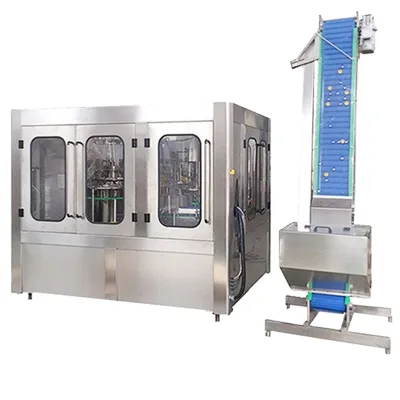
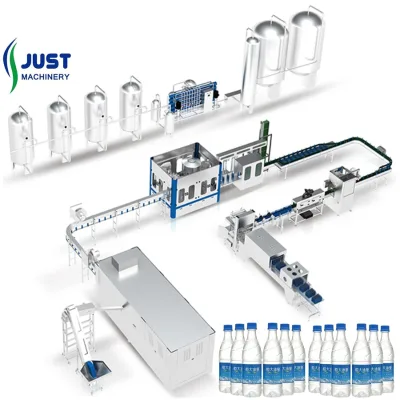
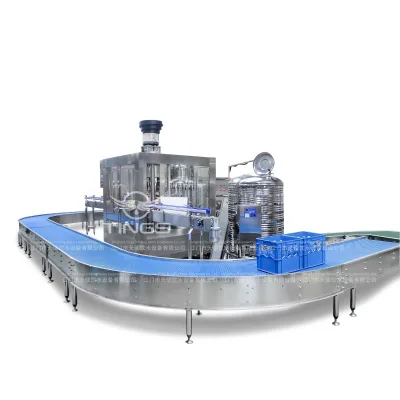
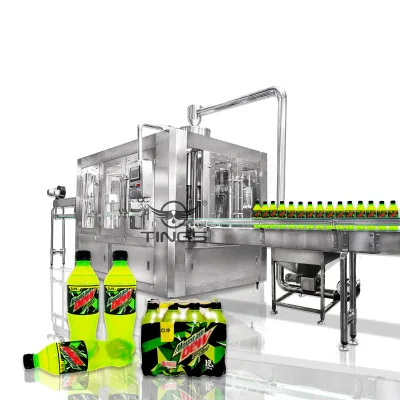






Comprehensive Sourcing Guide
Electric Water Bottling Machine Supplier Concentration and Factory Types
The current supplier landscape for electric water bottling machines reveals a distinct concentration of manufacturing capabilities within specific industrial regions, with China Jiangsu emerging as a primary hub for these operations. This geographic clustering is significant because it indicates a mature supply chain ecosystem where specialized components, such as stainless steel frames, PLC control systems, and rotary filling valves, are readily available to local assemblers. Buyers evaluating suppliers should recognize that factories located in this region often benefit from established logistics networks and a dense network of sub-suppliers, which can contribute to more consistent production schedules and potentially faster turnaround times for custom orders. The presence of combined company types, which operate as both manufacturers and trading entities, suggests that some suppliers may offer broader product ranges or flexible sourcing options, while others might focus strictly on their own branded machinery. Understanding this concentration helps buyers assess the likelihood of finding suppliers with deep technical expertise in liquid filling technologies, as the region appears to host a critical mass of firms specializing in beverage and water processing equipment.
Factory types in this sector vary significantly, ranging from pure manufacturing plants with their own assembly lines to combined entities that may outsource certain components while handling final integration and quality control in-house. The data indicates that many suppliers possess ODM and OEM capabilities, allowing them to customize machinery for specific bottle sizes, filling speeds, or automation levels required by different production environments. Some suppliers also maintain their own brands, which can imply a commitment to long-term product development and after-sales support, whereas others may act as intermediaries for multiple factories. Buyers should carefully distinguish between these models when evaluating potential partners, as the level of direct involvement in the manufacturing process can impact lead times, customization flexibility, and the ability to resolve technical issues. The availability of fully automatic grades and multi-head filling valves suggests that many factories are equipped to handle high-volume production demands, but the specific structure of each company will determine how they manage order fulfillment and quality assurance.
How to Verify Electric Water Bottling Machine Suppliers
Verifying the legitimacy and operational capacity of Electric Water Bottling Machine suppliers requires a multi-layered approach that goes beyond simple profile reviews. One critical step is to examine third-party verification badges, such as those from TÜV Rheinland or Bureau Veritas, which indicate that an independent agency has assessed the supplier’s business scope and operational history. These verifications provide a baseline of trust, confirming that the entity exists and operates within the declared parameters, but they do not guarantee the quality of every individual machine produced. Buyers should also scrutinize the supplier’s response time metrics, as a rapid and professional reply often correlates with a well-organized sales and technical support team. A response time of under four hours, for instance, suggests that the supplier has dedicated staff available to address inquiries promptly, which is essential for resolving technical questions about machine specifications or negotiating contract terms. This metric serves as a proxy for the supplier’s overall responsiveness and customer service orientation, which are crucial factors in maintaining a smooth procurement process.
In addition to verification badges and response speeds, buyers should assess the supplier’s certification claims and product standards to ensure compliance with international safety and quality benchmarks. Many suppliers list certifications such as CE, ISO, or UL, which are critical for ensuring that the electrical and mechanical components of the bottling machine meet specific regulatory requirements in the buyer’s target market. However, buyers must verify the validity of these certifications by requesting copies of the certificates and checking their expiration dates and scope. It is also important to confirm whether the supplier’s main products align with the specific type of water bottling machine required, such as still water, carbonated drinks, or large-volume 5-gallon containers. Suppliers that specialize in a narrow range of filling technologies may offer more robust and reliable solutions than those with overly broad product catalogs. By cross-referencing verification status, response efficiency, and certification validity, buyers can build a more accurate picture of a supplier’s reliability and technical competence.
What to Compare Across Electric Water Bottling Machine Suppliers
When evaluating multiple suppliers for electric water bottling machines, buyers should prioritize a detailed comparison of key operational metrics, including lead times, minimum order quantities, and production capacities. Lead times are a critical factor in supply chain planning, with some suppliers offering turnaround times of around 45 days, while others may require up to 60 days for complex custom orders. Understanding these variations allows buyers to align their procurement schedules with their production needs and avoid delays in setting up new bottling lines. Minimum order quantities also vary, with some suppliers accepting orders as low as one unit, which is beneficial for small-scale operations or pilot projects, while others may have higher thresholds that suit larger industrial buyers. Comparing these metrics helps buyers identify suppliers that match their volume requirements and budget constraints, ensuring that they can secure the necessary equipment without unnecessary financial strain or inventory risks.
Beyond lead times and MOQs, buyers should compare the technical specifications and customization options offered by different suppliers. Attributes such as filling principles, dosing devices, and automatic grades provide insight into the machine’s performance and suitability for specific applications. For example, some machines may use negative pressure filling for carbonated beverages, while others rely on atmospheric pressure for still water. The availability of customization options, such as multi-head filling valves or specific PLC brands like Siemens, can significantly impact the machine’s efficiency and ease of use. Buyers should also consider the supplier’s capacity for ODM and OEM services, as this indicates their ability to tailor the equipment to unique production requirements. By systematically comparing these technical and operational details, buyers can make informed decisions that balance cost, performance, and flexibility, ultimately selecting a supplier that best meets their specific bottling needs.
Common Electric Water Bottling Machine Sourcing Risks
One of the primary risks in sourcing electric water bottling machines is the potential mismatch between advertised specifications and actual machine performance. Suppliers may list impressive capacity figures, such as thousands of bottles per hour, but these numbers often depend on ideal operating conditions and specific bottle sizes that may not align with the buyer’s actual production environment. Buyers must carefully review the technical attributes, such as filling accuracy and bottle volume ranges, to ensure that the machine can handle their specific product requirements. Another risk is the variability in material quality, particularly regarding the stainless steel grades used in construction. While some suppliers specify SUS304 or SUS316L for food-grade contact parts, others may use lower-quality materials that do not meet hygiene standards or durability expectations. Buyers should request detailed material certificates and, if possible, conduct factory audits to verify the quality of components and assembly processes.
Another significant risk is the lack of standardized after-sales support and warranty coverage. While some suppliers offer a 12-month guarantee, the scope of this warranty may vary significantly, potentially excluding labor costs, shipping for replacement parts, or technical support for remote troubleshooting. Buyers should clarify the terms of the warranty and the supplier’s ability to provide timely maintenance and repair services in their region. Additionally, there is a risk associated with communication barriers and cultural differences, which can lead to misunderstandings regarding technical requirements or contract terms. Suppliers with slower response times or limited English proficiency may struggle to address complex technical issues promptly, leading to project delays. To mitigate these risks, buyers should establish clear communication protocols, request detailed documentation, and consider using escrow services to protect their payments until the machine is delivered and tested.
Electric Water Bottling Machine Regional Sourcing and Logistics
Sourcing electric water bottling machines from regions like China Jiangsu involves navigating specific logistical considerations that can impact the overall cost and timeline of the procurement process. The concentration of suppliers in this area often means that buyers can benefit from consolidated shipping options, as multiple components or machines can be packed together to reduce freight costs. However, buyers must also account for the complexity of exporting heavy industrial machinery, which requires specialized packaging to prevent damage during transit. Suppliers typically use seaworthy wooden cases plus wrapping film or standard export packages to ensure the machines arrive in good condition, but buyers should verify that the packaging meets the requirements of their local customs and handling facilities. Understanding the logistics chain helps buyers anticipate potential delays and plan for the installation and commissioning of the equipment upon arrival.
The regional sourcing strategy also influences the availability of spare parts and technical support. Suppliers located in established industrial hubs often have better access to a network of service providers and spare part distributors, which can facilitate faster repairs and maintenance. Buyers should inquire about the supplier’s logistics partners and their experience in handling international shipments of heavy machinery. Additionally, buyers should consider the impact of regional trade policies and tariffs on the final cost of the equipment. By understanding the logistical landscape, buyers can make more informed decisions about which suppliers to engage with and how to structure their shipping and insurance arrangements. This proactive approach to logistics planning helps minimize disruptions and ensures that the bottling line can be operational as quickly as possible after delivery.
Electric Water Bottling Machine Commercial Terms and Order Planning
Effective order planning for electric water bottling machines requires a thorough understanding of the commercial terms offered by suppliers, including pricing structures, payment methods, and delivery conditions. Prices for these machines can vary widely, ranging from a few thousand dollars for basic models to over one hundred thousand dollars for fully automated production lines with high capacities. Buyers should request detailed quotations that break down the cost of the machine, accessories, and any additional services, such as installation or training. It is also important to clarify whether the quoted price includes shipping, insurance, and customs duties, as these factors can significantly impact the total cost of ownership. By comparing these commercial terms across multiple suppliers, buyers can identify the most cost-effective option that meets their technical and operational requirements.
Payment terms are another critical aspect of order planning, with suppliers often requiring a deposit before production begins and the balance upon completion or shipment. Buyers should negotiate terms that protect their interests, such as using escrow services to hold funds until the machine is delivered and inspected. Additionally, buyers should plan for the installation and commissioning phase, which may require technical support from the supplier’s engineers. Understanding the supplier’s support capabilities and the availability of spare parts helps buyers prepare for the operational phase of the bottling line. By carefully managing commercial terms and order planning, buyers can ensure a smooth procurement process and minimize financial and operational risks associated with the acquisition of electric water bottling machines.
FAQs
What is the price range for electric water bottling machines?
Electric water bottling machines typically range from $4,000 to $120,000 depending on capacity and configuration. Basic 5-gallon units start around $4,000, while high-speed production lines with 5,000 to 40,000 bottles per hour capacity can reach up to $120,000. Prices vary based on automation level and material specifications.
What is the minimum order quantity for these machines?
The minimum order quantity is generally one unit, allowing buyers to purchase single machines for testing or small-scale operations. This low MOQ supports flexible sourcing strategies for startups or facilities needing specific capacity upgrades without committing to large bulk orders immediately.
How long does delivery take for these machines?
Lead times typically range from 45 to 60 days after order confirmation. Faster delivery options around 45 days are available from some suppliers, while more complex custom configurations may require up to 60 days. Buyers should confirm specific timelines with suppliers before placing orders.
Are these machines fully automatic?
Yes, most electric water bottling machines are fully automatic or automatic grade. Features include PLC control with Siemens touch screens, rotary structures, and multi-head filling valves. Some models offer customizable automation levels to suit different production speeds and operational requirements.
What certifications do these machines have?
Machines commonly hold CE, ISO, and UL certifications. Some suppliers also provide ISO 9001 certification. These standards ensure compliance with international safety and quality requirements. Buyers should verify specific certification documents with suppliers to confirm suitability for their local regulatory environment.
Where are these machines manufactured?
These machines are primarily manufactured in China, specifically in Jiangsu province. Key production hubs include Zhangjiagang, which is a major center for packaging machinery. Buyers should verify exact factory locations and shipping terms with suppliers to ensure accurate logistics planning.