Pressed White Wool Felt Sheets Suppliers and Manufacturers
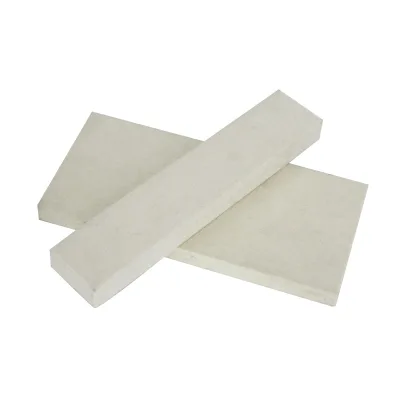
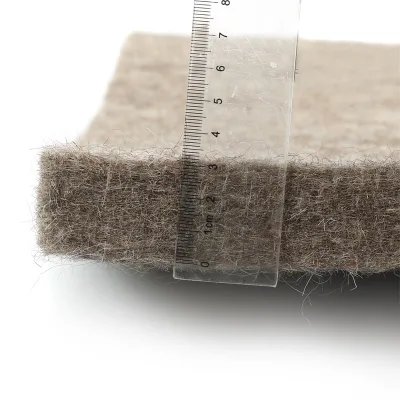
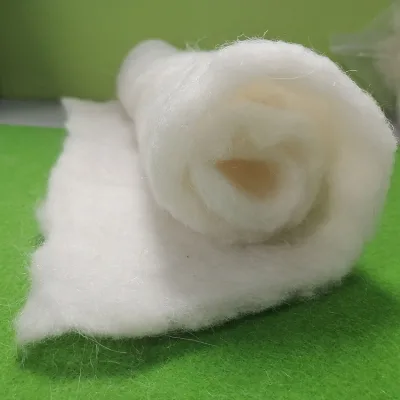
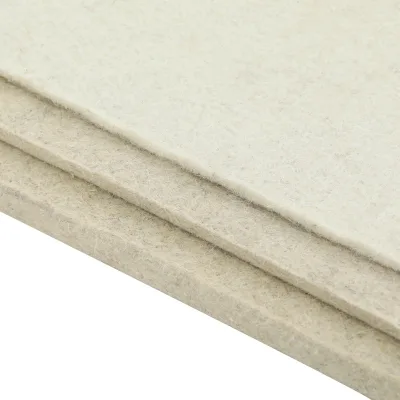
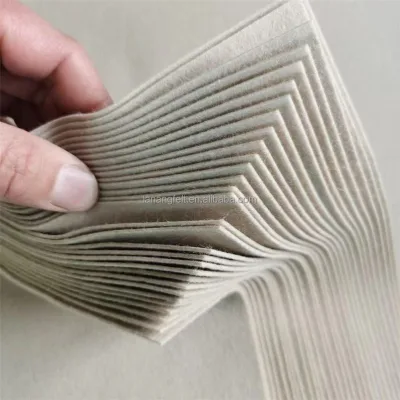
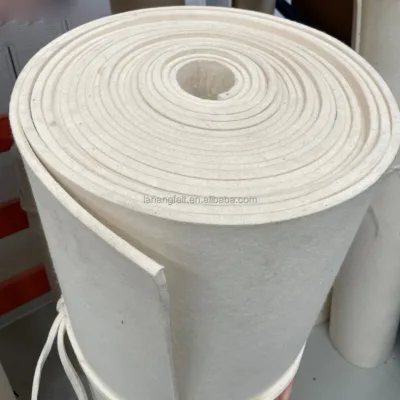
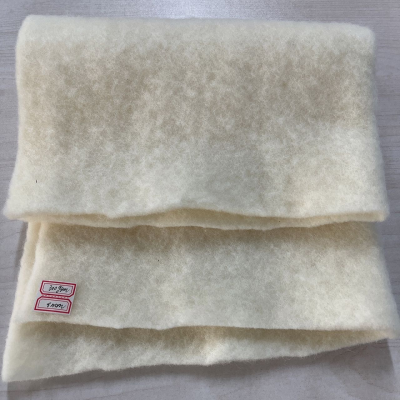
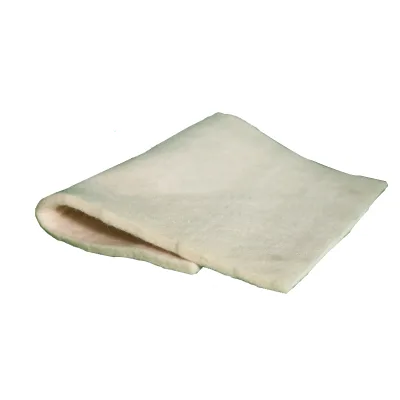
Compare 18 verified suppliers of Pressed White Wool Felt Sheets by location, response time, and lead time. Review product specs like density and MOQ before contacting factories in Hebei, China for quotes; review the available evidence before requesting comparable quotations from suitable candidates.
Updated
Suppliers List

Hebei Walutz Import and Export Trading Co., Ltd
- Verified by SGS
- Trading Company
- China Hebei
- Lead time15 days
- Avg. response≤ 1h
Main productsFelt Bags, Wool Dryer Balls, Felt Polishing Products, Felt Letter Board, Industrial Felt, Christmas Gifts, Felt Diaper Bags, Felt Storage Bags, Felt Organizer Bags, Household Felt
Main marketsSouth America

Industrial Thick White Wool Felt Sheets 100% Pure Nature Wool Felt Sheet
$1.10 - $2.20
MOQ: 1000 Square Meters

Premium High-Density Pressed Industry White Color 0.40g/cm3 Wool Felt
$1.60 - $3.20
MOQ: 1000 Square Meters

High Quality White Grey Black Color Felt Weather Strip Use Felt Wool Felt Fabric
$1.10 - $2.20
MOQ: 1000 Square Meters

Factory Supply Eco-Friendly 100% Wool Felt Industrial Fabric Customized White Nonwoven Felt
$1.60 - $3.20
MOQ: 1000 Square Meters

100% Compressed Woolen Felt Industrial Thick Wool Felt in Sheet Sheep Wool Felt Fabric
$1.60 - $3.20
MOQ: 1000 Square Meters

High-Quality Eco-Friendly High Density 100% Wool Felt Fabric Rolls Industrial Felt
$1.60 - $3.20
MOQ: 1000 Square Meters
Nangong City Dingfeng Felt Co., Ltd.
- Manufacturer, Trading Company
- Hebei, China
- Lead time15 days
- Avg. response≤ 3h
Main productsWool Felt, Polyester Felt, Felt Hats, Felt Bags, Felt Fittings
Main marketsDomestic Market(20.00%), Northern Europe(15.00%), Eastern Europe(14.00%), South Asia(13.00%), Oceania(9.00%), Western Europe(6.00%), North America(5.00%), South America(5.00%), Southern Europe(5.00%), Eastern Asia(4.00%), Mid East(4.00%)
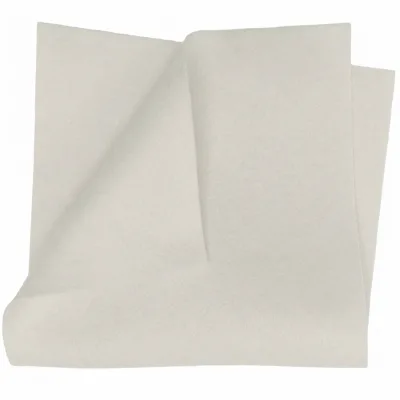

10mm 12mm Thick Felt Standard Natural White 100% Wool Felt Sheet Wool Felt Fabric
$29.0476 - $31.1222
MOQ: 100 kilograms
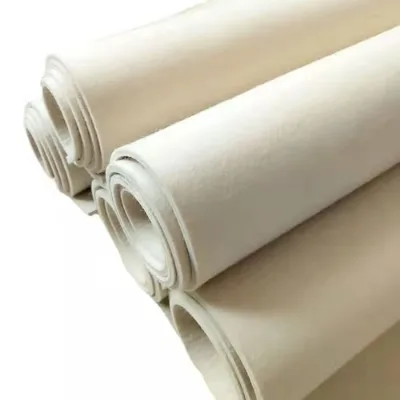
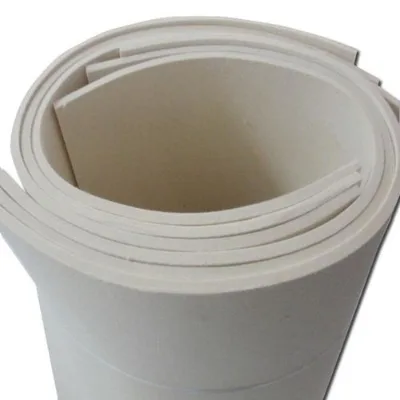
$22.6349 - $25.7213
MOQ: 200 square
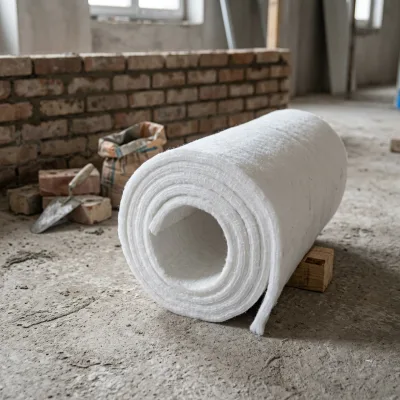

Beijing Ulike Technology Co., Ltd.
- Trading Company,Manufacturer/Factory
- China Beijing
- Lead time23 days
- Avg. response≤ 11h
Main productsHome Storage, Laundry and Kitchen Products
Main marketsSouth America,Mid East,North America,Southeast Asia,Eastern Asia,Western Europe


White Woven Wool Felt Sheets - Bulk Multi-Thickness for Craft Projects & Patchwork Material
$11.00 - $12.00
MOQ: 100 pc

White Industrial Craft Wool Felt Sheets: 100% Pure Wool with Custom Sizes
$2.35 - $2.73
MOQ: 200 Pieces


Hebei Feyt New Material Technology Co., Ltd.
- Verified by Intertek
- Trading Company
- Hebei, China
- Lead time0 days
- Avg. response≤ 3h
Main productsWooden Acoustic Wall Panel, Hexagon Wooden Acoustic Wall Panel, Flexible Acoustic Panels, Flexible Tambour Wood Panels, Felt Acoustic Panels
Main marketsNorth America(20%), Western Europe(20%), Northern Europe(20%)
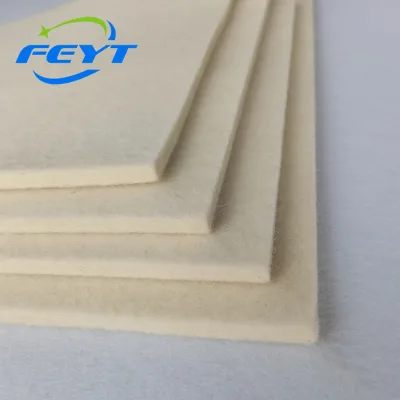
100% Pure Wool Felt Sheet Heavy Duty Industrial Grade Natural White Color Needle Punched Felt
$10.90 - $12.90
MOQ: 100 square
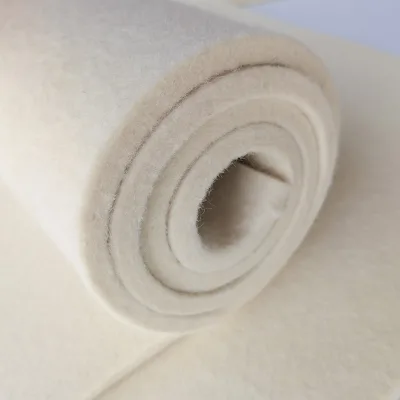
FEYT Wool Felt Felt Dustproof Sealing Wool Felt High Density Felt Strip Industrial Felt Sheet
$10.90 - $12.90
MOQ: 100 square
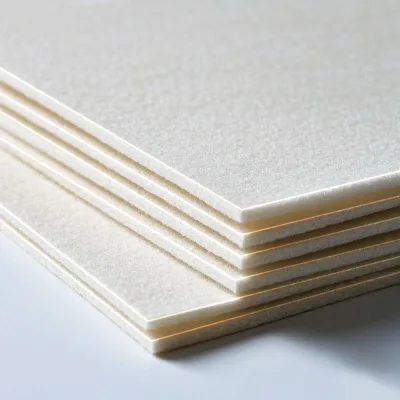
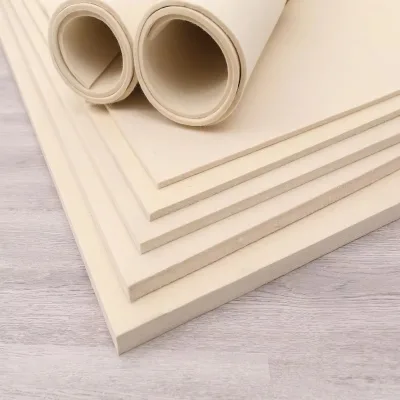
$10.4076 - $13.5615
MOQ: 100 square
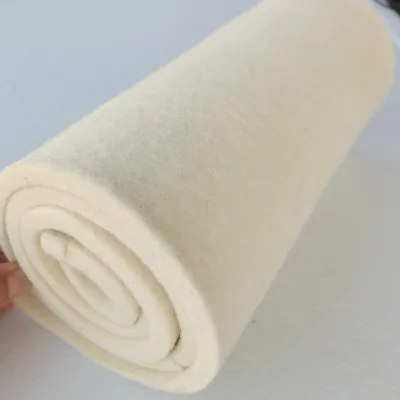
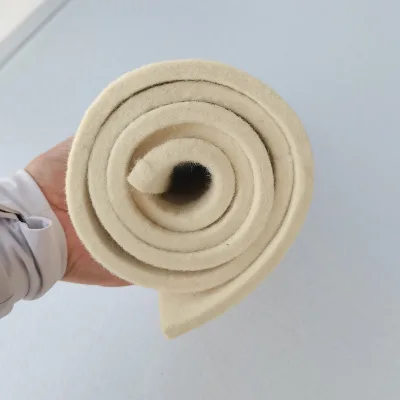
Wear-resistant 100% Woolen Felt Industrial Thick Wool Felt in Sheet Sheep Wool Felt
$10.90 - $12.90
MOQ: 100
Beijing Ulike Technology Co., Ltd.
- Verified by TüVRheinland
- Trading Company
- Lead time20 days
- Avg. response≤ 2h
Main productsSauna Hat, Wool Dryer Balls, Storage Basket, Felt Fabric, Polishing Pads
Main marketsNorth America(25%), Western Europe(20%), Central America(10%)
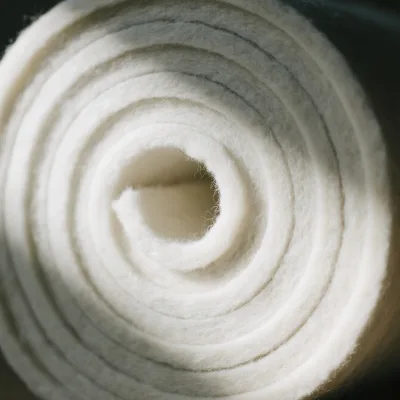
Industrial-Grade 100% Wool Felt Sheets (Pure White) - Custom Sizes for Seasonal DIY Projects
$5.4084 - $6.5251
MOQ: 100 sheets
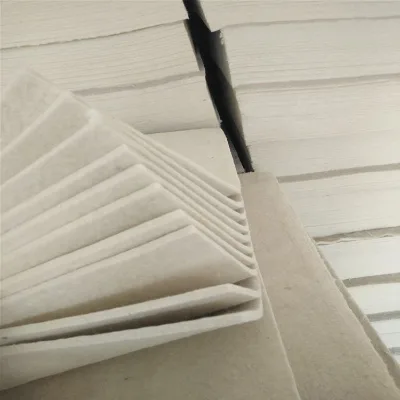
Factory Direct Wool Felt Sheets 5-30 mm High-Density Sealing & Dustproof Pads
$5.18 - $6.25
MOQ: 100 sheets
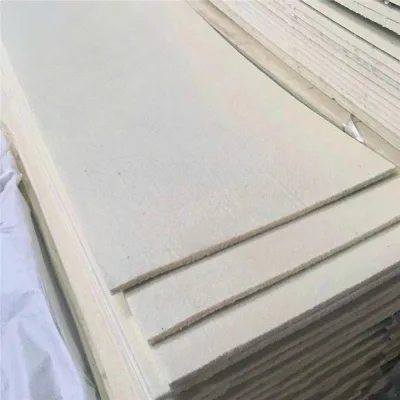
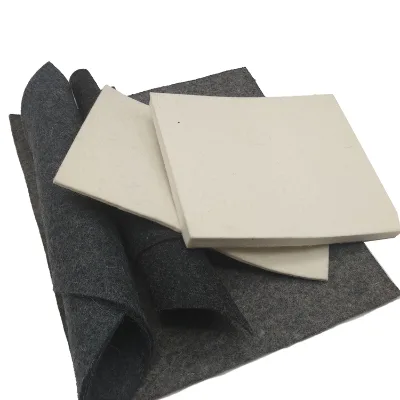
Mix Color Fall Colors Collection Wool Felt Sheets for Crafting, Sewing
$5.3185 - $6.4172
MOQ: 100 square
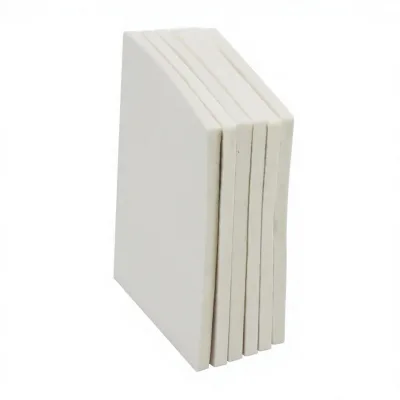
Foshan Shunde Ronggui Aigao Foam Rubber Products Factory
- Verified by SGS Group
- Manufacturer, Trading Company
- Lead time5 days
- Avg. response≤ 2h
Main productsPacking Foam Product, Silicone Rubber Product, Adhesive Tape Product, Mica Series Product, Electronic Hardware Accessories
Main marketsNorth America(25%), South America(15%), Domestic Market(13%)

Suzhou Vigor New Materials Co., Ltd.
- Verified by TUVRHEINLAND
- Combined
- China Jiangsu
- Lead time30 days
- Avg. response≤ 2h
Main productsAcoustic Wall Panel, Acoustic Panel, Painter Felt, White Sticky Felt
Main marketsEurope

Waterproof Non-Slip White Felt Sheets for Floor Protection Crafting
$0.40 - $0.48
MOQ: 1000 Square Meters


Non-Slip White Sticky Felt Sheets for Crafting Material and DIY Felt Projects
$0.40 - $0.48
MOQ: 1000 Square Meters

Adhesive White Sticky Felt Sheets for Crafting Supplies and Floor Protection
$0.40 - $0.48
MOQ: 1000 Square Meters

Good Price Self Adhesive Felt Sheets Multifunctional Protective Sticky Felt
$0.40 - $0.48
MOQ: 1000 Square Meters


Shijiazhuang Sanxing Feather Processing Co., Ltd.
- Manufacturer, Trading Company
- Hebei, China
- Lead time10 days
- Avg. response≤ 4h
Main productsscoured chinese wool,wool yarn,sheep wool waste,sheep cashmere,wool thermal box liner
Main marketsMid East(16.67%), Western Europe(16.67%), Eastern Asia(16.67%), Eastern Europe(16.67%), North America(16.67%), Southeast Asia(15.00%), Africa(1.65%)
Hebei Warner Felt Technology Co., Ltd.
- Manufacturer, Trading Company
- Hebei, China
- Lead time5 days
- Avg. response≤ 4h
Main productsFelt,Wool Felt,Felt Bag,wool dryer ball,Industrial Felt
Main marketsEastern Europe(35.00%), Oceania(15.00%), Western Europe(10.00%), Northern Europe(5.00%), Mid East(5.00%), North America(5.00%), Southern Europe(5.00%), Southeast Asia(5.00%), Eastern Asia(3.00%), Domestic Market(3.00%), South Asia(3.00%), Central America(2.00%), South America(2.00%), Africa(2.00%)
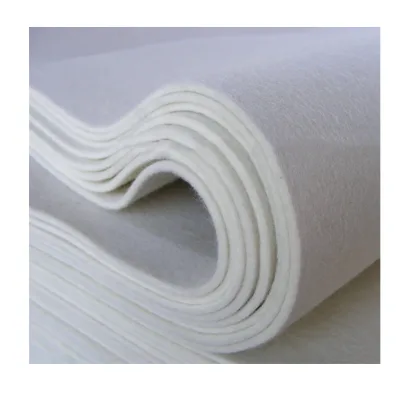
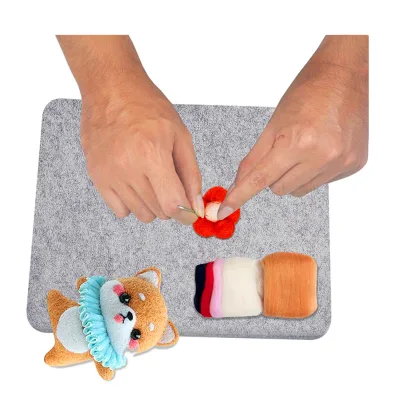
8 X 10 X 1 Inch 100% Natural Wool Needled Felting Mat Thick and Firm Needle Felting Base
$1.68 - $2.50
MOQ: 500 pieces

Dongguan Yuexin Industrial Co., Ltd.
- Manufacturer
- China Guangdong
- Lead time15 days
- Avg. response≤ 3h
Main productsFelt, Wadding/Padding/Batting, Fiber Fillings, Pillow Insert, Christmas Decoration, Non Woven Fabric, Non Slip Rug Pad, Moving Blanket, Filter Medium, Fire Barrier
Main marketsSouth America,Europe,North America
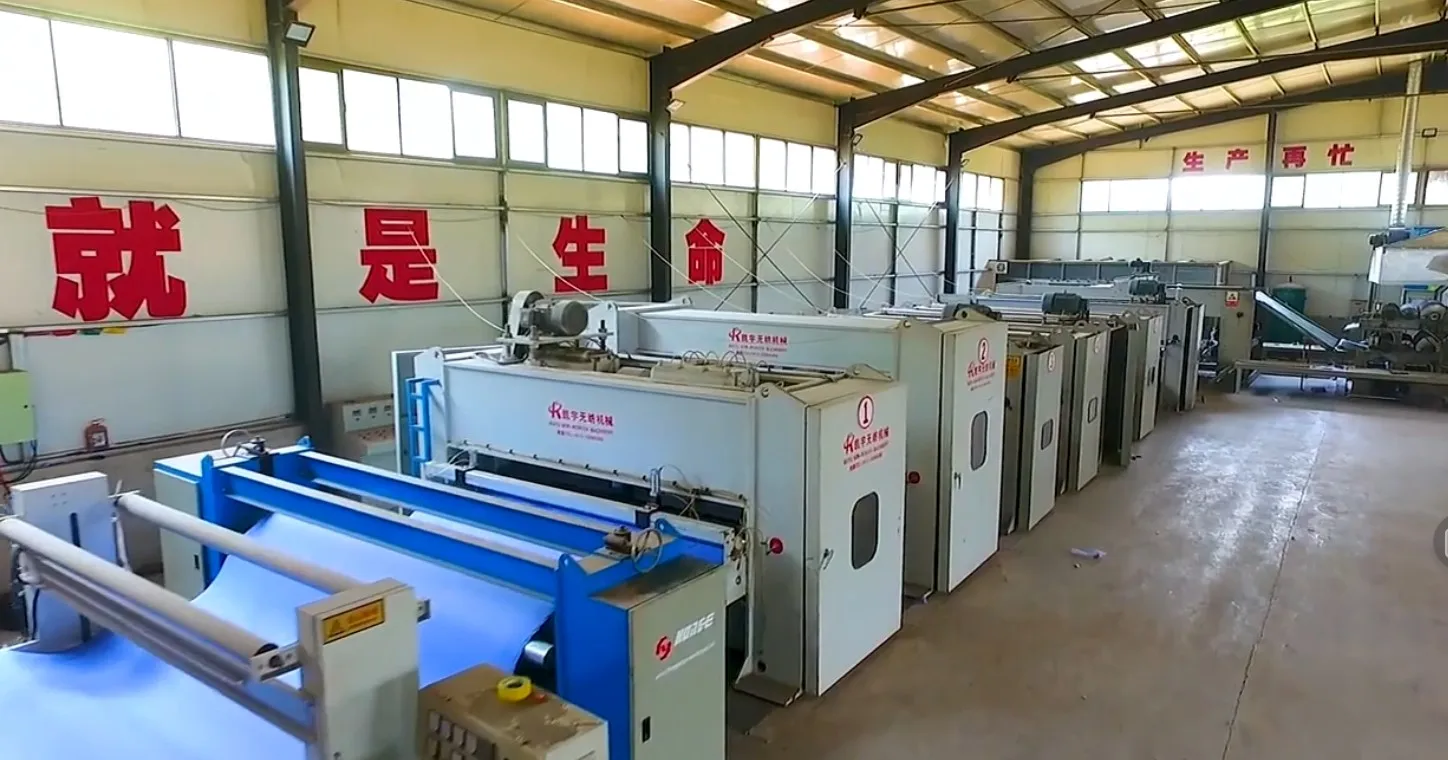
Nangong Blue Lion Felt Product Co.,LTD
- Manufacturer, Trading Company
- Hebei, China
- Lead time15 days
- Avg. response≤ 1h
Main productsfelt storage basket,felt bag organizer,Diaper caddy,Felt Grow Bag,Wool Drying Ball
Main marketsNorth America(40.00%), Northern Europe(15.00%), Western Europe(10.00%), Southern Europe(10.00%), Eastern Europe(10.00%), Oceania(5.00%), South America(5.00%), Central America(5.00%)

- Trading Company,Manufacturer/Factory,Group Corporation
- China Anhui
- Lead time15 days
- Avg. response≤ 15h
Main productsIndustrial Felt, Transfer Printing Felt, Compacting Felt, Sanforizing Felt, Tannery Felt, Sammying Felt, Ironing & Embossing Felt, Setting out Felt and Sleeve, Paper Making Felt, Corrugated Paper Belt
Main marketsSouth America,Eastern Europe,Mid East,North America,Southeast Asia,Oceania,Africa
Shandong Aobo Environmental Protection Technology Co., Ltd.
- Manufacturer, Trading Company
- Lead time旺季: "1 - 5000":3,"> 5000":"To be negotiated", 淡季: "1 - 5000":3,"> 5000":"To be negotiated"
- Avg. response≤ 11h
Main productsFilter bags,dust filter bag,filter bag cage,hepa filters,Filter Sleeves

Shandong Aobo Environmental Protection Technology Co., Ltd.
- Combined
- China Shandong
- Lead time23 days
- Avg. response≤ 10h
Main productsNonwoven Insulation, Batting, Wadding
Main marketsSouth America,Africa,Southeast Asia/ Mideast,East Asia(Japan/ South Korea),Domestic,Europe,Australia,North America

Shanghai Marlene Industrial Co. Ltd
- Verified by SGS
- Trading Company
- China Shanghai
- Lead time30 days
- Avg. response≤ 3h
Main productsNon Woven Felt, Polyester Felt, Needle Punch Felt, Non-Woven Fet, Non Woven Fabric, Non-Woven Fabric, Car Interior Felt, Automotive Felt, Car Upholstery Fabric, Automotive Headliner Fabric
Main marketsSoutheast Asia/ Mideast

$0.50 - $3.00
MOQ: 1000 Meters


Wuhu Lyman Technology Co., Ltd
- Verified by SGS
- Trading Company
- China Anhui
- Lead time15 days
- Avg. response≤ 9h
Main productsFelt, Industrial Felt, Nomex Felt, Needle Felt, Press Felt, Pbo Roller, Papermaking Felt, Pbo Belt, Felt Belt, Fiber
Main marketsSoutheast Asia/ Mideast

High Density Thick Felt Pressed Wool Felt for Oil Absorption and Industrial Use
$2.00 - $3.00
MOQ: 100 Pieces

Nangong Kangnai Felt Products Co., Ltd.
- Verified by TüVRheinland
- Manufacturer, Trading Company
- Lead time0 days
- Avg. response≤ 3h
Main productsFelt Children's Busy Board, Felt Bag, Felt Mat, Christmas Pendant, Felt
Main marketsDomestic Market(50%), North America(30%), Oceania(10%)

Shijiazhuang Huatao Import and Export Trade Co., Ltd.
- Verified by BV
- Trading Company,Manufacturer/Factory,Group Corporation
- China Hebei
- Lead time23 days
- Avg. response≤ 7h
Main productsPaper Machinery Equipments, Corrugated Cardboard Machine, Industrial Accessories
Main marketsSouth America,Eastern Europe,Mid East,North America,Southeast Asia,Eastern Asia,Oceania,Western Europe,Africa


4-12 Inch Polishing Sheet Roller Wool Felt for Polishing High-Grade Furniture
Negotiable
MOQ: 100 Square Meters








Comprehensive Sourcing Guide
Pressed White Wool Felt Sheets Supplier Concentration and Factory Types
The sourcing landscape for Pressed White Wool Felt Sheets is heavily concentrated in specific manufacturing hubs, with China’s Hebei province emerging as a primary cluster for this specialized textile material. Suppliers located in this region often leverage local raw material availability and established industrial infrastructure to produce high-density industrial felts, insulation materials, and custom-cut sheets. When evaluating potential partners, buyers should note that the supplier base includes both dedicated manufacturers and trading companies, each offering distinct advantages for different procurement strategies. Manufacturers typically control the entire production process from raw wool preparation to the final pressing and cutting stages, ensuring consistent quality control over density, thickness, and surface finish. This vertical integration is particularly valuable for orders requiring precise technical specifications, such as specific gram weights ranging from 100 to 700 GSM or custom densities between 0.09 and 0.8 g/cm³. Trading companies, on the other hand, may aggregate products from multiple factories, offering a broader catalog that includes related items like wool dryer balls, felt bags, and other household or industrial felt products. This diversification can be beneficial for buyers seeking to consolidate shipments or source complementary goods alongside their primary felt requirements. Understanding the company type is crucial because it influences pricing structures, communication channels, and the flexibility to handle small or large volume orders. Buyers must carefully distinguish between these entity types to align their expectations with the supplier’s actual capabilities and operational model.
Identifying the correct factory type requires a close examination of the supplier’s main product listings and operational declarations. Many suppliers in the Hebei region list industrial felt as a core competency, often highlighting products such as industrial thick white wool felt sheets, needle felt, and pressed wool fabric. These listings frequently include detailed technical attributes, such as anti-static properties, heat insulation capabilities, and abrasion resistance, which are critical for industrial applications in automotive, medical, and machinery sectors. Buyers should verify whether the supplier explicitly states their role as a manufacturer or a trading entity, as this impacts the directness of technical support and the ability to customize production parameters. For instance, a manufacturer might offer more flexibility in adjusting the pressing technology or dyeing processes for specific color requirements, while a trading company might provide faster access to a wider variety of standard sizes and colors. The presence of specific product models, such as those designated with internal codes like walutz-270 or walutz-760, can also indicate a supplier’s focus on standardized industrial outputs versus bespoke solutions. Additionally, the availability of customization services, such as OEM white felted wool production, suggests a supplier’s capacity to adapt to unique buyer specifications. By analyzing these product details and company declarations, buyers can better assess whether a supplier’s operational structure aligns with their specific sourcing needs, whether they prioritize direct manufacturing control or diversified product availability.
How to Verify Pressed White Wool Felt Sheets Suppliers
Verification of Pressed White Wool Felt Sheets suppliers begins with a thorough review of their certification status and third-party audit results. Buyers should prioritize suppliers who have undergone rigorous verification processes, such as those conducted by SGS, which provides an additional layer of trust regarding the supplier’s operational legitimacy and compliance with international standards. The presence of specific product certifications, such as ISO9001 for quality management systems or CE marking for certain industrial applications, serves as a strong indicator of a supplier’s commitment to maintaining consistent quality and adhering to regulatory requirements. These certifications are particularly important for buyers in regulated industries, such as automotive or medical equipment manufacturing, where material traceability and quality assurance are paramount. Buyers should request copies of these certificates and verify their validity through the issuing bodies to ensure they are current and applicable to the specific products being sourced. Additionally, suppliers who display detailed product attributes, such as environmental grades indicating recyclability or specific technical features like high elasticity and water absorbency, often demonstrate a higher level of transparency and product knowledge. This transparency can be a valuable proxy for reliability, as suppliers who are willing to share detailed technical data are typically more confident in their manufacturing capabilities and product performance.
Beyond certifications, buyers should assess the supplier’s responsiveness and communication efficiency as key indicators of their operational maturity. A supplier’s response time, often measured in hours, can provide insight into their customer service quality and ability to handle urgent inquiries or complex customization requests. Suppliers with faster response times, such as those under one hour, are generally better equipped to manage dynamic supply chain needs and provide timely support throughout the procurement process. Buyers should also examine the supplier’s main product range to ensure it aligns with their specific requirements, looking for suppliers who specialize in pressed wool felt rather than those with overly broad and unrelated catalogs. A focused product range often indicates a deeper expertise in the specific material and processing techniques required for high-quality Pressed White Wool Felt Sheets. Furthermore, buyers should verify the supplier’s place of origin and manufacturing location, as this can impact logistics costs and lead times. Suppliers who clearly state their location, such as Hebei, China, and provide detailed product origins, offer greater transparency regarding their supply chain. By combining certification checks, responsiveness assessments, and product specialization reviews, buyers can build a comprehensive profile of a supplier’s reliability and capability, ensuring they partner with entities that can consistently meet their quality and service expectations.
What to Compare Across Pressed White Wool Felt Sheets Suppliers
When comparing suppliers of Pressed White Wool Felt Sheets, buyers should focus on key operational metrics such as minimum order quantities, lead times, and pricing structures to determine the best fit for their procurement strategy. Minimum order quantities (MOQs) vary significantly across suppliers, with some requiring bulk purchases of 1000 square meters or more, which may be suitable for large-scale industrial projects but prohibitive for smaller buyers or sample testing. Buyers with lower volume needs should seek suppliers who offer flexible MOQs or sample orders to facilitate initial quality assessments before committing to larger production runs. Lead times are another critical factor, as they directly impact inventory management and project timelines. Suppliers with shorter lead times, such as those around 15 days, can provide greater agility in responding to market demands and reducing stockouts, while longer lead times may require more advanced planning and larger safety stocks. Buyers should also compare pricing, noting that costs can range from approximately $1.10 to $3.20 per unit depending on factors such as density, thickness, and customization requirements. Higher density felts, such as those with a density of 0.40 g/cm³ or greater, typically command higher prices due to the increased material usage and processing complexity. By analyzing these metrics, buyers can identify suppliers that offer the best balance of cost, volume flexibility, and delivery speed for their specific operational needs.
In addition to quantitative metrics, buyers should evaluate the technical specifications and customization options offered by each supplier to ensure alignment with their product requirements. Key technical attributes to compare include material composition, such as 100% wool versus blended options, density ranges, and specific features like anti-static, heat-insulation, and abrasion resistance properties. Suppliers who offer a wide range of densities, from 0.09 to 0.8 g/cm³, provide greater flexibility for different applications, from lightweight insulation to heavy-duty industrial sealing. Buyers should also assess the availability of customization services, such as OEM production, custom sizing, and specific color options, as these can be critical for meeting unique design or functional requirements. The technology used in production, such as pressed or needle-punched methods, also influences the final product’s characteristics and should be matched to the intended use case. Furthermore, buyers should consider the supplier’s ability to provide detailed product documentation, including technical data sheets and test results, which can facilitate easier integration into their own quality assurance processes. By systematically comparing these technical and operational factors, buyers can make informed decisions that optimize both product performance and supply chain efficiency, ensuring they select suppliers who can deliver the precise specifications required for their pressed white wool felt sheet applications.
Common Pressed White Wool Felt Sheets Sourcing Risks
One of the primary risks in sourcing Pressed White Wool Felt Sheets is the potential discrepancy between advertised product specifications and the actual delivered goods, particularly regarding density, thickness, and material purity. Buyers must be vigilant about verifying these critical attributes, as variations can significantly impact the performance of the felt in industrial applications such as insulation, sealing, or filtration. Suppliers may list a wide range of densities, such as 0.09 to 0.8 g/cm³, but the actual product may fall outside this range or exhibit inconsistent density across different batches. This inconsistency can lead to quality issues in the buyer’s final product, resulting in customer complaints or production delays. To mitigate this risk, buyers should request physical samples and conduct independent testing to verify density, thickness, and material composition before placing large orders. Additionally, buyers should be cautious of suppliers who offer unusually low prices, as this may indicate the use of inferior materials or compromised manufacturing processes. It is essential to establish clear quality standards and acceptance criteria in the purchase agreement, including provisions for rejections and refunds if the delivered goods do not meet the specified requirements. By proactively addressing these quality risks through rigorous sampling and testing, buyers can protect themselves from costly disruptions and ensure the reliability of their supply chain.
Another significant risk is the lack of transparency regarding the supplier’s manufacturing capabilities and supply chain stability, which can lead to delays or fulfillment failures. Buyers should be wary of suppliers who are primarily trading companies without clear manufacturing partnerships, as they may have limited control over production schedules and quality control processes. This lack of direct oversight can result in inconsistent lead times and difficulty in resolving issues when they arise. Furthermore, buyers should assess the supplier’s financial stability and operational history, as newer or less established suppliers may be more vulnerable to disruptions. Suppliers who have been in business for a longer period and have a proven track record of fulfilling orders are generally more reliable. Buyers should also consider the geopolitical and logistical risks associated with sourcing from specific regions, such as potential port congestion or regulatory changes that could impact shipping times and costs. By conducting thorough due diligence on the supplier’s operational history, manufacturing partnerships, and logistical capabilities, buyers can identify and mitigate these risks before they impact their procurement operations. Establishing strong communication channels and regular performance reviews can also help maintain visibility into the supply chain and address issues promptly.
Pressed White Wool Felt Sheets Regional Sourcing and Logistics
Sourcing Pressed White Wool Felt Sheets from China, particularly from the Hebei region, offers significant advantages in terms of cost efficiency and manufacturing scale, but it also introduces specific logistical considerations that buyers must manage. The concentration of suppliers in this area allows for economies of scale, which can translate into competitive pricing for bulk orders. However, buyers should be aware of the potential for longer transit times and higher freight costs associated with international shipping. To optimize logistics, buyers should work with suppliers who have experience in exporting and can provide accurate estimates of shipping durations and costs. It is also advisable to consider the use of freight forwarders who specialize in handling textile products, as they can offer valuable insights into packaging requirements and customs clearance procedures. Proper packaging is crucial to prevent damage during transit, with suppliers typically using OPP bags inside and woven bags outside to protect the felt sheets. Buyers should verify that the packaging meets their specific storage and handling requirements to minimize the risk of damage upon arrival. Additionally, buyers should stay informed about any changes in import regulations or tariffs that could impact the total landed cost of their purchases. By planning for these logistical factors in advance, buyers can ensure a smooth and cost-effective supply chain for their pressed white wool felt sheet procurement.
Beyond basic shipping, buyers should consider the environmental and sustainability aspects of their sourcing decisions, as these are increasingly important to many businesses and consumers. Suppliers
FAQs
What is the minimum order quantity for Pressed White Wool Felt Sheets?
The minimum order quantity is 1000 square meters for most Pressed White Wool Felt Sheets. This requirement applies to standard industrial grades and custom sizes. Buyers should confirm specific MOQs with suppliers before placing orders to ensure compliance with production capabilities.
How long does it take to receive Pressed White Wool Felt Sheets?
Lead times for Pressed White Wool Felt Sheets typically range around 15 days from order confirmation. This duration covers production and initial packaging. Buyers should verify exact delivery schedules with individual suppliers as shipping methods and order volumes can affect the final timeline.
What certifications do Pressed White Wool Felt Sheets have?
Some Pressed White Wool Felt Sheets carry ISO9001 certification for quality management. Others may hold CE certification depending on the specific product line and intended use. Buyers must check individual product listings to confirm which certifications apply to their specific order requirements.
Where are Pressed White Wool Felt Sheets manufactured?
Pressed White Wool Felt Sheets are manufactured in Hebei, China. This region is a known hub for textile production and felt manufacturing. Buyers should verify the specific factory location within Hebei when requesting detailed shipping information or arranging factory audits.
What is the price range for Pressed White Wool Felt Sheets?
Prices for Pressed White Wool Felt Sheets generally range from 1.10 to 3.20 per unit depending on density and thickness. Higher density options like 0.40g/cm3 may cost more than standard grades. Final pricing depends on order volume and specific customization requests made to the supplier.
Can Pressed White Wool Felt Sheets be customized?
Yes, Pressed White Wool Felt Sheets are available with customization options for size and density. Suppliers offer services to make OEM white felted wool according to specific buyer requirements. Buyers should provide detailed specifications to ensure the final product meets their exact application needs.
What are the key features of Pressed White Wool Felt Sheets?
Key features include anti-static properties, heat insulation, and high abrasion resistance. These sheets are also noted for being eco-friendly and having high elasticity. The pressed technology ensures a uniform structure suitable for industrial machinery, home appliances, and medical instrument applications.