SS316L Chemical Crystallizer Suppliers and Manufacturers
Find 14 verified suppliers offering ss316l chemical crystallizers with ISO 9001 and CE certifications. Compare response times, lead times, and prices ranging from $50,000 to $80,000. Contact suppliers directly to request machinery test reports; review the available evidence before requesting comparable quotations from suitable candidates.
Updated
Suppliers List
Wuxi Longhope Environmental Technology Co., Ltd.
- Verified by Intertek
- Manufacturer, Trading Company
- Jiangsu, China
- Lead time旺季: "1 - 1":40,"2 - 2":60,"3 - 5":90,"> 5":"To be negotiated", 淡季: "1 - 1":40,"2 - 2":60,"3 - 5":90,"> 5":"To be negotiated"
- Avg. response≤ 7h
Main productsLow Temperature Industrial Vacuum Evaporator, Low Temperature Crystallizer
Main marketsDomestic Market(50%), Southeast Asia(10%), North America(5%)
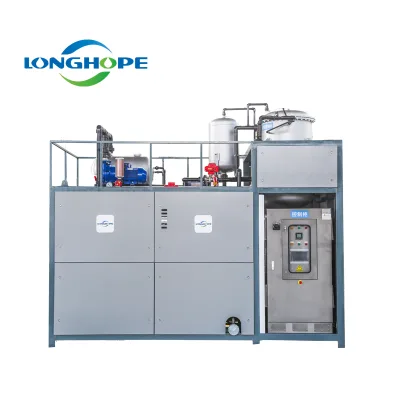
Energy-Saving SS316 Low Temperature Crystallizer for Amino Acid Crystal Purification
$51335.5035 - $71869.7049
MOQ: 1 sets
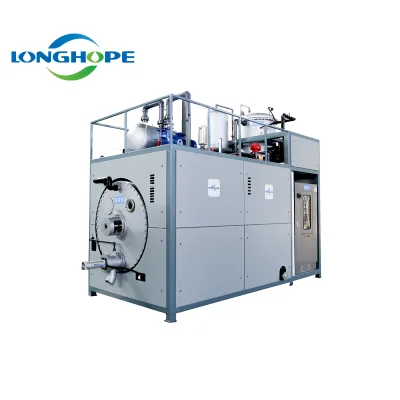
$50000.00 - $70000.00
MOQ: 1 sets
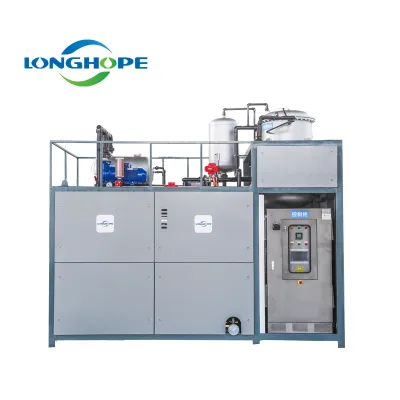
SS316 Corrosion Resistant Low Temperature Vacuum Crystallizer for Acetic Acid Related Solids
$50000.00 - $70000.00
MOQ: 1 sets
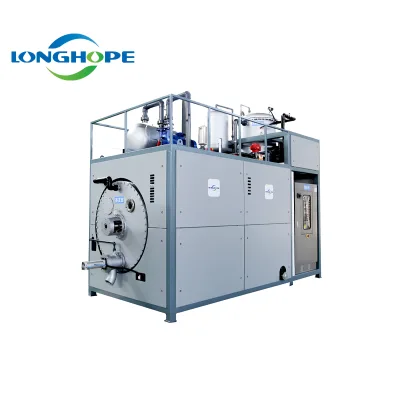
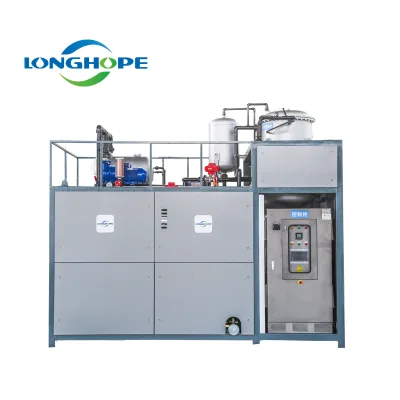
$60000.00 - $80000.00
MOQ: 1 sets
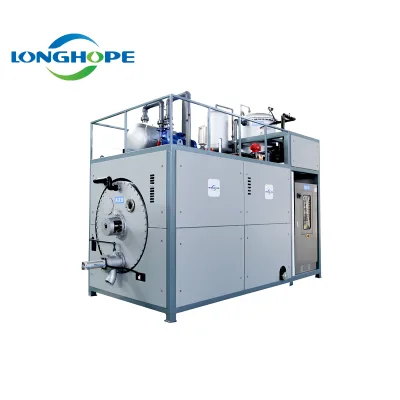
Energy-Efficient SS304 Crystallizer for Food Processing Wastewater Water Treatment Machinery
$52485.986 - $73480.3804
MOQ: 1 sets

Qingdao Conqinphi Environmental Technology Group Co, . Ltd
- Verified by SGS
- Combined
- China Shandong
- Lead time60 days
- Avg. response≤ 3h
Main productsMvr Evaporators, Multi Effect Evaporators, Forced-Circulation Evaporator, Falling Film Evaporator, Mother Liquor Dehydration, Evaporation Crystallization, Heat Exchanger, Crystallizer, Triple-Effect Evaporator, Double-Effect Evaporator
Main marketsDomestic

Stainless Steel 316L Evaporative Crystallizer for Chemical Industry Crystallization
$8700.00 - $557000.00
MOQ: 1 Pieces

Sodium Sulfide Solution Evaporation Crystallizer for Chemical Industry Salt Separation
$32500.00 - $579000.00
MOQ: 1 Pieces

Falling Film Crystallizer for Pharmaceutical Intermediate Crystallization, 316L Stainless Steel
$3020.00 - $106500.00
MOQ: 1 Pieces

Falling Film Crystallizer for Chemical Industry Crystallization, Suitable for Salt and Sugar
$15900.00 - $519000.00
MOQ: 1 Pieces

Mvr Sodium Chloride Crystallizer Used in Chemical Industry - Salt Separation System
$61500.00 - $748000.00
MOQ: 1 Pieces

Freezing Crystallizer for Fluorochemicals Acidified Oil Pharmaceutical Intermediates
$2330.00 - $33600.00
MOQ: 1 Pieces

Shijiazhuang Zhengzhong Technology Co., Ltd
- Verified by CTI
- Combined
- China Hebei
- Lead time23 days
- Avg. response≤ 3h
Main productsGfs Tanks
Main marketsAfrica,Southeast Asia/ Mideast,East Asia(Japan/ South Korea),Domestic,Europe,Australia
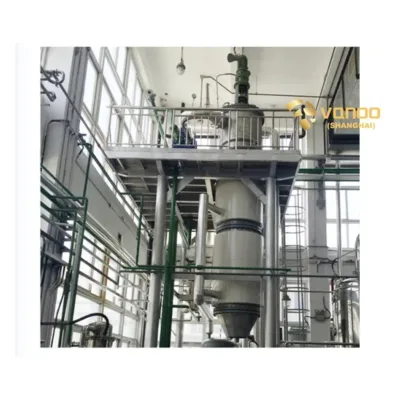
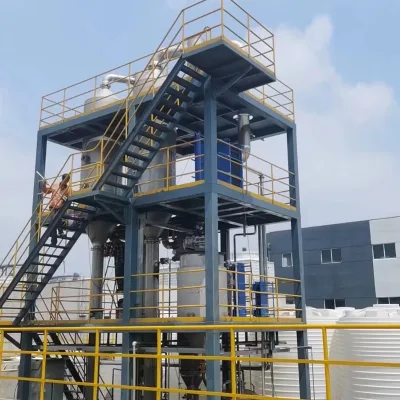
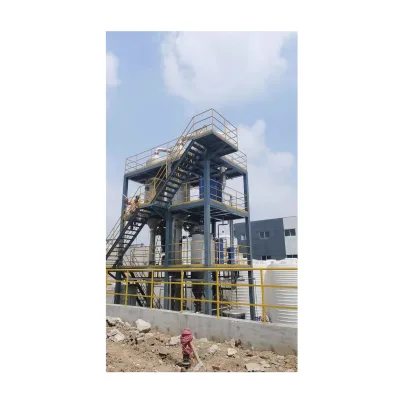
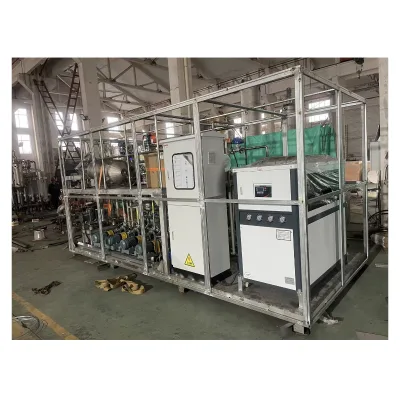
Vanoo(Shanghai) Machinery Equipment Co., Ltd.
- Trading Company
- Shanghai, China
- Lead time35 days
- Avg. response≤ 7h
Main productsEvaporation equipment,Falling film evaporator,chemical crystallizer,forced circulation evaporator,Dtb crystallizer
Main marketsNorth America(30.00%), South America(20.00%), Northern Europe(10.00%), Eastern Europe(10.00%), Western Europe(6.00%), Southern Europe(6.00%), Southeast Asia(5.00%), Africa(4.00%), Domestic Market(2.00%)

Yangzhou Tongyang Chemical Equipment Co., Ltd.
- Verified by BV
- Combined
- China Jiangsu
- Lead time30 days
- Avg. response≤ 3h
Main productsPressure Vessel, Shell and Tube Heat Exchanger, Chemical Reactor, Distillation Column, Industrial Storage Tank, Skid Mounted Process Equipment, Industrial Crystallizer, Industrial Evaporator, Floating Head Heat Exchanger, Industrial Separator
Main marketsDomestic,Europe


Industrial Multi Effect Evaporation Crystallizer for Chemical Processing
$8000.00 - $30000.00
MOQ: 1 Pieces

Cooling Continuous Crystallizer Stirred Crystallizer GOST Industrial Evaporation Crystallizer
$9000.00 - $30000.00
MOQ: 1 Pieces


Low Temperature Chemical Crystallization Tank Liquid Treatment Equipment
$9000.00 - $35000.00
MOQ: 1 Pieces

Henan Lanphan Industry Co., Ltd.
- Verified by TUVRHEINLAND
- Trading Company
- China Henan
- Lead time15 days
- Avg. response≤ 3h
Main productsFreeze Dryer, Autoclave/Sterilizer, Spray Dryer, Solvent Recovery Machine, Rotary Evaporator, Centrifuge, Trichome Separator, Muffle Furnace, Short-Path Distillation/Closed Loop, Color Sorter
Main marketsSoutheast Asia/ Mideast


Crystals Production Filter Reactor Stainless Steel Crystallizer Reactor Equipment
$13800.00
MOQ: 1 Pieces

Wenzhou Tianlong Machinery Technology Co., Ltd.
- Verified by SGS
- Trading Company,Manufacturer/Factory
- China Zhejiang
- Lead time45 days
- Avg. response≤ 2h
Main productsStainless Steel Mixing Tank, Botanical Extractor, Ss Storage Tank, Vacuum Freeze Dryer, Alcohol Distillation Equipment, Falling Film Evaporator, Food Jacket Kettle, Herb Extracts Concentrator, Customized Stainless Steel Vessels, Ss Filters
Main marketsSouth America,Eastern Europe,Mid East,North America,Southeast Asia,Eastern Asia,Oceania,Western Europe,Africa

Jiangsu Bailixin Machinery Manufacturing Co., Ltd.
- Combined
- China Jiangsu
- Lead time30 days
- Avg. response≤ 13h
Main productsGlove Making Machine, Glove Machine, Sewage Treatment Plant, Waste Water Treatment Plant, Glove Production Line, Mdeical Glove Production Line, Latex Glove Making Machine, Inspection Gloves Making Machine, Sewage Equipment, Surgical Glove Making Machine
Main marketsAfrica,Southeast Asia/ Mideast,North America

Blx Crystallization Equipment Low Temperature Evaporative Crystallizer
$100000.00 - $500000.00
MOQ: 1 Pieces

Blx Crystallizer Industrial Equipment Low Temperature Evaporative Crystallizer
$100000.00 - $500000.00
MOQ: 1 Pieces

Blx Factory Direct High Quality Low Temperature Evaporative Crystallizer
$100000.00 - $500000.00
MOQ: 1 Pieces
Hangzhou Enco Machinery Co., Ltd.
- Trading Company
- Zhejiang, China
- Lead time40 days
- Avg. response≤ 15h
Main productsMVR evaporators,Falling film evaporator,Continuous crystallizer,Wastewater treatment equipment,Food and pharmaceutical equipment
Main marketsDomestic Market(80.00%), North America(5.00%), South Asia(5.00%), Africa(5.00%), Southeast Asia(5.00%)
Geling (Shanghai) Environmental Technology Co., Ltd.
- Manufacturer, Trading Company
- Shanghai, China
- Lead time40 days
- Avg. response≤ 6h
Main productsMembrane separation filtration Equipment,Evaporator,Crystallizer,Sterlizer,Waste Water Treatment
Main marketsSouth America(38.00%), Domestic Market(20.00%), Mid East(9.00%), Africa(8.00%), North America(5.00%), South Asia(4.00%), Southeast Asia(3.00%), Eastern Europe(2.00%), Southern Europe(2.00%), Northern Europe(2.00%), Central America(2.00%), Western Europe(2.00%), Eastern Asia(2.00%), Oceania(1.00%)
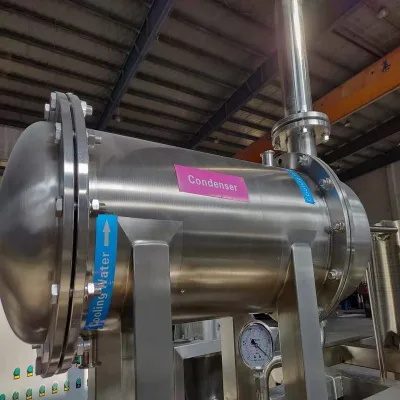
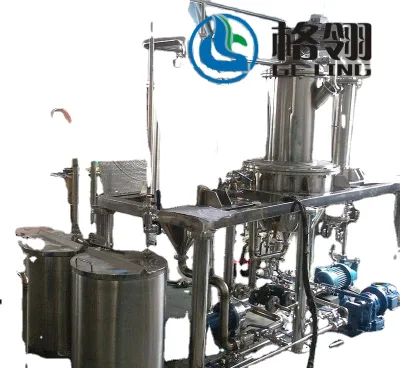
Beet Sugar Continuous Crystallization Equipment DTB Type Crystallizer
$18000.00 - $20000.00
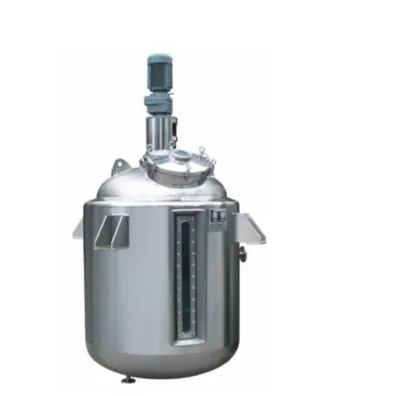
Sugar/ Honey Vacuum Negative Pressure Crystallizer / Crystallization tank
$2900.00 - $3000.00
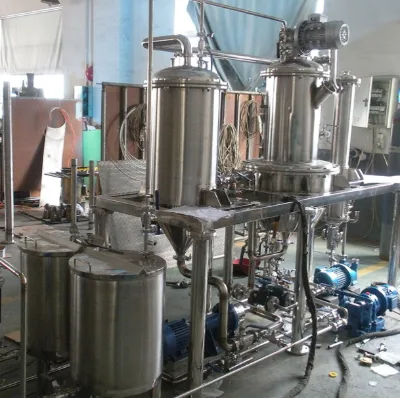
Vacuum Concentration Machine Stainless Steel Crystallization tank for Chemical Use
$14000.00 - $15000.00

Sanda Industrial Co., Ltd. Xi'an
- Trading Company
- China Shaanxi
- Lead time45 days
- Avg. response≤ 25h
Main productsEvaporator, Drying Machine, Heat Exchanger, Solvent Recycling System, Chemical Re-Actor, Extraction Vessel/Tank, Resin Column, Fermentation Tank, CIP System
Main marketsAfrica,Southeast Asia/ Mideast,Europe,Australia

Zhejiang Taikang Evaporator Co., Ltd.
- Manufacturer
- China Zhejiang
- Lead time0 days
- Avg. response≤ 6h
Main productsEvaporator, Falling Film Evaporator, Mvr Evaporator, Wiped Film Evaporator, Forced Circulation Evaporator, Crystallization Evaporator, Single Effect Evaporator, Double Effect Evaporator, Triple Effect Evaporator, Four Effect Evaporator


Multi-Effect Evaporation Crystallizer for Potassium Chloride, Potassium Sulfate Evaporator
Negotiable
MOQ: 1 Pieces

Shanghai Linbel Instrument Co., Ltd.
- Verified by TUVRHEINLAND
- Trading Company,Manufacturer/Factory
- China Shanghai
- Lead time15 days
- Avg. response≤ 5h
Main productsHeating and Cooling Device, Thermostatic Water Bath, Recirculating Chiller, Glycol Chiller, Alcohol Chiller, Jacketed Glass Reactor, Rotary Evaporator, Short Path Distillation
Main marketsSouth America,Eastern Europe,Mid East,North America,Southeast Asia,Eastern Asia,Oceania,Western Europe,Africa

Methanol Reactor C B D Crystal Reactor Stainless Steel Crystallization Reactor
$6000.00 - $8000.00
MOQ: 1 Pieces


Beijing Meckey Engineering Co.
- Manufacturer/Factory
- China Beijing
- Lead time150 days
- Avg. response≤ 13h
Main productsCorn Starch Equipment, Starch and Glucose Engineering, Cassava Topica Starch Machine, Starch Glucose Design, Wheat Starch Technology, Potato Starch Production Line, Milk Powder Machinery, Reactor Fermentater, L-Lysine Technology, Corn Powder Glucose Projects
Main marketsSouth America,Eastern Europe,Mid East,North America,Southeast Asia,Africa

Innovative Horizontal Crystallizer System for Superior Quality Crystals
$5000.00 - $50000.00
MOQ: 1 Sets






Comprehensive Sourcing Guide
SS316L Chemical Crystallizer Supplier Concentration and Factory Types
The current supplier landscape for SS316L Chemical Crystallizer equipment reveals a distinct concentration of manufacturing capabilities within specific industrial regions of China. Evidence indicates that a significant portion of these suppliers are located in Jiangsu, a province known for its robust machinery manufacturing infrastructure. This geographic clustering suggests that buyers seeking SS316L Chemical Crystallizer units may find a higher density of specialized factories in this area, potentially offering better supply chain integration for heavy industrial machinery. The presence of manufacturers in Jiangsu implies that logistics and component sourcing for these large-scale units, such as pumps and PLC systems, may be more streamlined due to local industrial ecosystems. Buyers should consider this regional concentration when evaluating shipping costs and lead times, as proximity to manufacturing hubs can sometimes reduce transit delays for heavy equipment.
In addition to geographic clustering, the types of entities offering SS316L Chemical Crystallizer solutions vary between pure manufacturers and trading companies. The observed data shows that suppliers are categorized as either Manufacturers or Trading Companies, with some entities operating as Combined entities that blend both roles. This distinction is critical for buyers because it affects pricing structures, technical support depth, and inventory flexibility. Manufacturers typically offer direct engineering support and customization options, such as the customized on-demand capabilities noted in the results. Trading companies, on the other hand, may provide a broader portfolio of related environmental machinery, including water treatment systems. Understanding whether a supplier is a factory or a trader helps buyers assess the authenticity of technical claims and the potential for direct communication with engineering teams during the design phase of their SS316L Chemical Crystallizer project.
How to Verify SS316L Chemical Crystallizer Suppliers
Verifying the credibility of SS316L Chemical Crystallizer suppliers requires a close examination of third-party verification badges and system certifications. The available data highlights that some suppliers have undergone verification by Intertek, a globally recognized inspection and certification body. This verification status serves as a preliminary indicator of the supplier’s operational legitimacy and adherence to basic business standards. Buyers should prioritize suppliers with such verified badges, as they have undergone physical or documentary checks that confirm the existence of the business and its claimed capabilities. Additionally, the presence of ISO 9001 and CE certifications is a strong signal of quality management and safety compliance. These certifications are particularly important for SS316L Chemical Crystallizer equipment, which operates under high vacuum and temperature conditions, requiring strict adherence to international safety and quality standards to ensure reliable performance in chemical processing environments.
Beyond certifications, buyers should scrutinize the specific product evidence and technical documentation provided by suppliers. The results show that many SS316L Chemical Crystallizer listings include detailed product attributes, such as core components like pumps, engines, and PLCs, as well as machinery test reports. The availability of these test reports is a crucial verification point, as it demonstrates that the equipment has been subjected to quality checks before shipment. Buyers should request these reports to verify that the SS316L Chemical Crystallizer meets the specified performance criteria, such as vacuum degrees and processing capacities. Furthermore, the inclusion of video outgoing-inspection services provides an additional layer of transparency, allowing buyers to visually confirm the build quality and assembly of the unit. By cross-referencing these technical documents with the supplier’s verification status, buyers can build a more comprehensive picture of the supplier’s reliability and technical competence.
What to Compare Across SS316L Chemical Crystallizer Suppliers
When evaluating multiple SS316L Chemical Crystallizer suppliers, buyers should compare key operational metrics such as response times, lead times, and minimum order quantities. The data indicates that response times can vary, with some suppliers responding within a few hours, which is essential for timely technical consultations. Lead times are another critical factor, with some suppliers offering specific timelines based on order quantity, such as forty days for smaller orders and up to ninety days for larger batches. Buyers must align these lead times with their project schedules, especially since SS316L Chemical Crystallizer units are often custom-engineered for specific chemical applications. Additionally, the minimum order quantity (MOQ) is typically set at one unit, which offers flexibility for buyers who need a single pilot-scale or production-scale unit. Comparing these operational metrics helps buyers identify suppliers who can meet their timeline and volume requirements without compromising on service quality.
Technical specifications and material composition are also vital comparison points for SS316L Chemical Crystallizer equipment. Buyers should compare the material grades used, such as Stainless Steel 304, 316L, or titanium, to ensure compatibility with their specific chemical processes. The data shows that some units are constructed with SS316L, which offers superior corrosion resistance, making it ideal for handling aggressive chemical waste streams. Buyers should also compare the power consumption, voltage requirements, and control systems, such as PLC automation, to ensure integration with their existing facility infrastructure. Furthermore, comparing the after-sales service provisions, such as online support or video technical assistance, is crucial for long-term operational success. By systematically comparing these technical and commercial attributes, buyers can select a supplier whose SS316L Chemical Crystallizer solution best matches their technical needs and operational constraints.
Common SS316L Chemical Crystallizer Sourcing Risks
One significant risk in sourcing SS316L Chemical Crystallizer equipment is the potential mismatch between advertised specifications and actual performance. Buyers must be cautious of suppliers who provide vague or incomplete technical data, as this can lead to operational inefficiencies or equipment failure in harsh chemical environments. The data shows that some listings include detailed attributes, but buyers should verify that these specifications, such as vacuum degrees and processing capacities, are consistent across all documentation. Another risk is the variability in core component quality, as the performance of the SS316L Chemical Crystallizer heavily depends on the reliability of pumps, engines, and PLCs. Buyers should inquire about the brands and origins of these components to ensure they meet industry standards for durability and efficiency. Failing to verify component quality can result in frequent maintenance issues and increased downtime, which can be costly in continuous chemical processing operations.
Another common risk is the lack of clear after-sales support and warranty terms. While some suppliers offer online support and video technical assistance, the extent and duration of this support can vary. Buyers should ensure that the warranty period, which is often one year, is clearly defined and covers critical components. Additionally, the availability of spare parts and local service technicians is crucial for maintaining the SS316L Chemical Crystallizer over its lifespan. Buyers should verify whether the supplier has a robust after-sales network or if they rely solely on remote support. Without adequate after-sales support, buyers may face challenges in troubleshooting issues or performing routine maintenance, leading to prolonged operational disruptions. By identifying and mitigating these risks through thorough due diligence, buyers can protect their investment and ensure the long-term reliability of their SS316L Chemical Crystallizer equipment.
SS316L Chemical Crystallizer Regional Sourcing and Logistics
Sourcing SS316L Chemical Crystallizer equipment from specific regions in China, such as Jiangsu, can offer logistical advantages due to the concentration of manufacturing facilities. The data indicates that many suppliers are located in Jiangsu, which is a major industrial hub with well-developed infrastructure for heavy machinery production. This regional concentration can facilitate easier coordination for factory audits and technical inspections, as buyers may be able to visit multiple suppliers in a single trip. Additionally, the proximity to major ports in the region can streamline the export process, potentially reducing shipping times and costs. Buyers should consider the logistical implications of sourcing from these regions, as local supply chain efficiencies can contribute to faster delivery and more reliable shipping schedules for large and heavy equipment like Ss316L Chemical Crystallizers.
However, buyers must also account for the specific logistics requirements of SS316L Chemical Crystallizer units, which are often large and heavy. The data shows that single package sizes can be substantial, with dimensions reaching up to 3.7x1.8x2.8 meters and weights up to 9000 kg. These dimensions require careful planning for transportation, including the selection of appropriate shipping containers or flat rack containers. Buyers should work closely with their suppliers to ensure that the packaging and loading processes are optimized for safe transit. Additionally, buyers should consider the impact of regional logistics on lead times, as factors such as port congestion or customs clearance can affect delivery schedules. By understanding the logistical nuances of sourcing from specific regions, buyers can better plan their procurement strategy and minimize potential delays in receiving their SS316L Chemical Crystallizer equipment.
SS316L Chemical Crystallizer Commercial Terms and Order Planning
Commercial terms for SS316L Chemical Crystallizer equipment often include a range of prices that reflect the customization and complexity of the units. The data shows that prices can vary significantly, with some units starting around $50,000 and reaching up to $80,000 or more, depending on specifications and capacity. Buyers should carefully review the pricing structure to understand what is included, such as installation, commissioning, and training services. Additionally, buyers should negotiate clear payment terms, such as deposits and balance payments upon shipment, to manage cash flow and risk. The minimum order quantity is typically one unit, which allows for flexible ordering but may impact pricing economies of scale. Buyers should consider the total cost of ownership, including energy consumption and maintenance, when evaluating the commercial terms of different SS316L Chemical Crystallizer suppliers.
Order planning for SS316L Chemical Crystallizer equipment requires careful consideration of lead times and production schedules. The data indicates that lead times can range from forty to ninety days, depending on the order quantity and customization requirements. Buyers should align their order placement with their project timelines to avoid delays in facility construction or process upgrades. Additionally, buyers should plan for the installation and commissioning phase, which may require technical support from the supplier. The availability of online support and video technical assistance can facilitate remote troubleshooting, but on-site support may be necessary for complex installations. By planning ahead and communicating clearly with suppliers, buyers can ensure a smooth procurement process and timely deployment of their SS316L Chemical Crystallizer equipment.
FAQs
What is the price range for SS316L crystallizers?
Prices typically range from $50,000 to $80,000 per unit. This range depends on specific capacity requirements and material configurations. Buyers should verify exact quotes based on their production volume needs and custom specifications.
What certifications do these crystallizers hold?
Most units carry ISO 9001 and CE certifications. Some suppliers also provide ISO 14001 certificates for environmental management. These certifications ensure compliance with international quality and safety standards for industrial machinery operations.
What is the typical lead time for orders?
Lead times generally span 40 to 90 days depending on order quantity. Peak seasons may require negotiation for larger volumes exceeding five units. Off-peak periods offer more predictable scheduling for standard capacity orders.
Where are these manufacturers located?
Manufacturers are primarily located in Jiangsu and Shandong provinces in China. These regions are known for industrial machinery production. Buyers can verify specific factory locations during the supplier verification process to ensure proximity to logistics hubs.
What is the minimum order quantity?
The minimum order quantity is usually one unit. This allows buyers to test equipment performance before committing to larger industrial deployments. Custom configurations may have different requirements, so direct confirmation with the supplier is recommended.
What after-sales support is provided?
Suppliers typically offer online support and video technical assistance. This includes remote troubleshooting and operational guidance. Buyers should confirm the duration of warranty coverage, which is often one year, and available spare parts.