SMA Male RTK Antenna Suppliers and Manufacturers in China
Compare 24 verified suppliers offering SMA Male RTK Antenna with ISO 9001 and TÜV Rheinland credentials. Review response times, lead times, and pricing to select a factory or trading company for your GNSS needs; review the available evidence before requesting comparable quotations from suitable candidates.
Updated
Suppliers List

- Verified by BV
- Manufacturer/Factory
- China Guangdong
- Lead time15 days
- Avg. response≤ 9h
Main productsRF Coaxial Connectors, RF Coaxial Cable Assembly, RF Adapters, RF Antennas, RF Attenuators, RF Terminators, Power Splliters, SMA Connectors, BNC Connectors, N Coaxial Connectors
Main marketsSouth America,Eastern Europe,Mid East,North America,Southeast Asia,Eastern Asia,Oceania,Western Europe,Africa
- Verified by TüVRheinland
- Manufacturer, Trading Company
- Lead time7 days
- Avg. response≤ 2h
Main productsPositioning Antenna, Communication Antenna, Coil Antenna, Adapter Cable, Other Electronic Devices
Main marketsDomestic Market(9%), North America(7%), South America(7%)

- Verified by TUVRHEINLAND
- Combined
- China Guangdong
- Lead time15 days
- Avg. response≤ 4h
Main productsGPS Antenna, GSM Antenna, 3G/4G Antenna, Glonass Antenna, DVB-T Antenna, WiFi Antenna, GPS/Beidou Antenna, Connector, RF Cables, G-Mouse Antenna
Main marketsAfrica,Southeast Asia/ Mideast,Europe,Australia,North America
Shenzhen Bat Wireless Technology Co., Ltd.
- Verified by TüVRheinland
- Trading Company
- Lead time7 days
- Avg. response≤ 2h
Main productsRTK Antenna, GNSS Antenna, WIFI Antenna, Lora Antenna, 4G 5G Antenna
Main marketsEastern Asia(15%), Western Europe(15%), Northern Europe(15%)

ZHENGZHOU LEHENG ELECTRONIC TECHNOLOGY CO., LIMITED
- Verified by TUVRHEINLAND
- Trading Company,Manufacturer/Factory
- China Henan
- Lead time23 days
- Avg. response≤ 5h
Main productsGpsgnss Antenna, 5g Antenna, High Precision GPS Antenna, 3G Antenna, LTE Antenna, Lora Antenna, WiFi and WLAN Antenna, Assembly Parts, Coxial Connector, GSM Antenna
Main marketsSouth America,Eastern Europe,Mid East,North America,Southeast Asia,Eastern Asia,Oceania,Western Europe,Africa

Compact 868MHz Antenna with SMA Male Connector for IoT Wireless Equipment
$0.70 - $0.88
MOQ: 500 Pieces


Shenzhen Gerbole Elec. Technology Co., Ltd.
- Verified by TUVRHEINLAND
- Combined
- China Guangdong
- Lead time15 days
- Avg. response≤ 25h
Main productsAntenna, Base Station & Repeater Antenna Series, Spread Spectrum Antennas, Wireless Public Telephone Antennas, Portable Antennas Series, Embedded Antennas Series, 3G Antennas Series, GPS Antennas Series/Jump Cables, DVB Antennas Series&Special Cables, Connector Series/RF Testing Material
Main marketsSoutheast Asia/ Mideast,Europe
Kunshan Rcd Electronic Co., Ltd.
- Verified by SGS Group
- Manufacturer, Trading Company
- Lead time5 days
- Avg. response≤ 5h
Main productsWire Harness for Vehicle, Wire Harness for Industry, Cable for Communication, Cable Assembly, Antenna for 5G Communication Antenna
Main marketsDomestic Market(55%), North America(15%), Western Europe(9%)
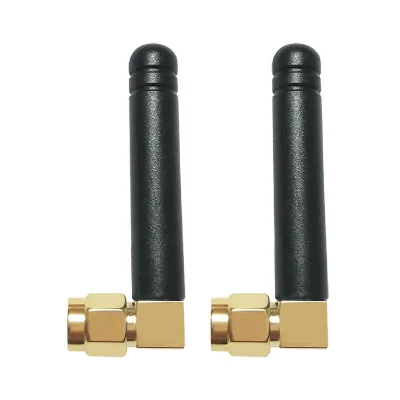
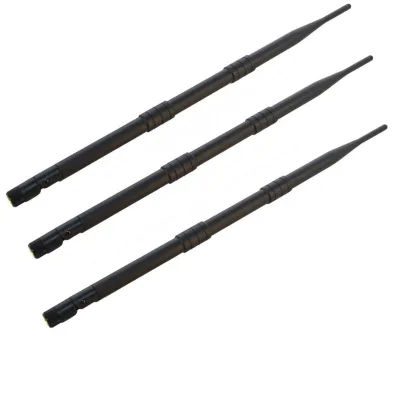
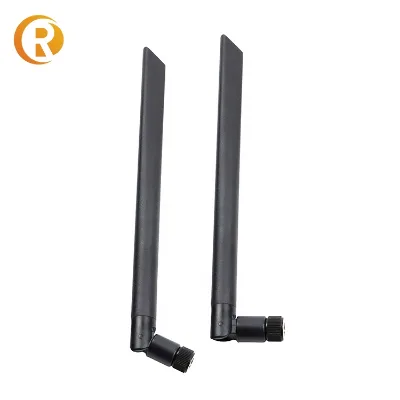
4G GSM 433mhz for SMA Male/RP for SMA 433 Omni Rubber Duck Antenna with Vertical Polarization
$0.60 - $0.95
MOQ: 10 pieces
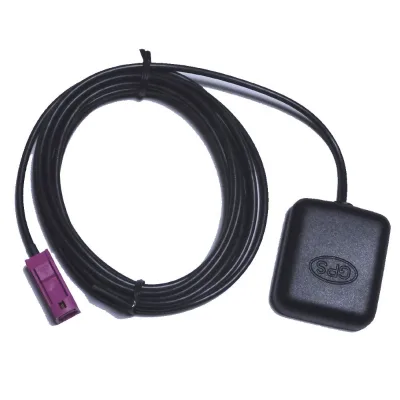
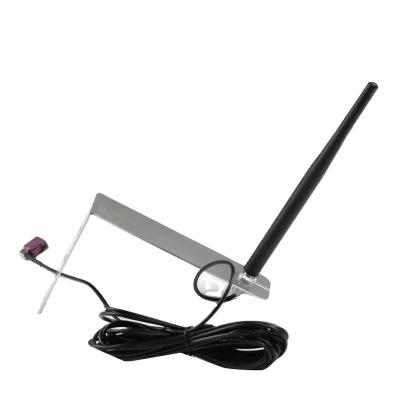
$0.8784 - $1.2712
MOQ: 2 pieces
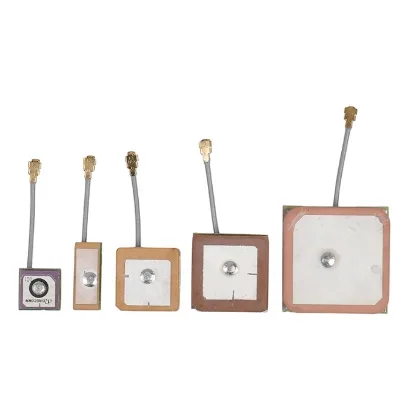
GPS Navigation External Antenna with for SMA Connector 50 Ohm Impedance Vertical Polarization
$0.50 - $1.00
MOQ: 10 pieces

Beijing Corelogic Communication Co., Ltd.
- Verified by TUVRHEINLAND
- Trading Company,Manufacturer/Factory
- China Beijing
- Lead time45 days
- Avg. response≤ 1h
Main productsVDSL Splitter, ADSL Splitter, Network Transformer, Gnss, Gnss Timing, Power Divider, Antenna, Gnss Atenna, Transformer, Splitter
Main marketsSouth America,Eastern Europe,Mid East,North America,Southeast Asia,Eastern Asia,Oceania,Western Europe,Africa
Shenzhen Kexin Wireless Technology Co., Ltd.
- Manufacturer, Trading Company
- Guangdong, China
- Lead time7 days
- Avg. response≤ 4h
Main products2G,3G,4G,5G Antenna,Fiberglass Antenna
Main marketsNorth America(30.00%), Domestic Market(15.00%), Eastern Asia(10.00%), South Asia(10.00%), Southeast Asia(5.00%), Central America(5.00%), Oceania(5.00%), South America(5.00%), Northern Europe(5.00%), Western Europe(3.00%), Mid East(2.00%), Southern Europe(2.00%), Africa(2.00%), Eastern Europe(1.00%)
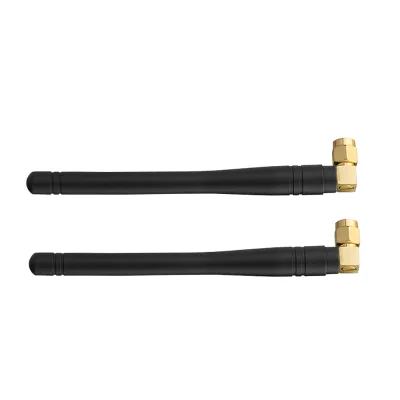
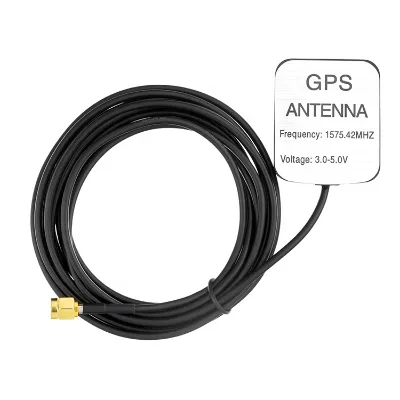
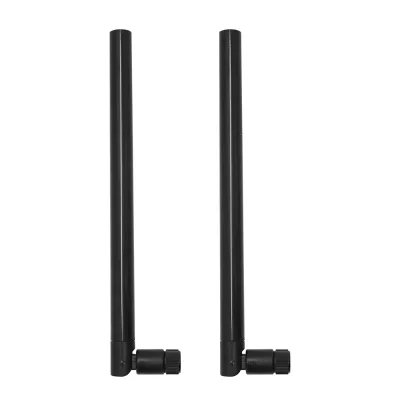
3g 4g gsm data receiver antenna 433Mhz IOT aerial omni directional External Communication antena
$1.0403 - $1.8528
MOQ: 50 pieces
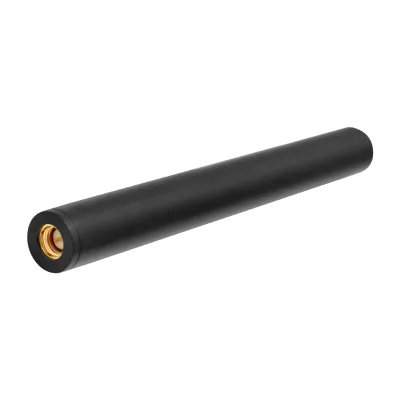
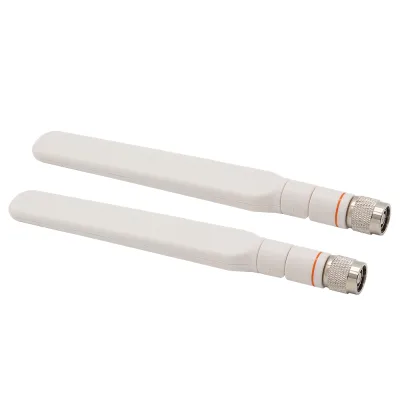
Wireless RouterLte Antenna Sma Ubiquiti 900mhz Antenna 5dbi Omni 3g External Lte Antenna Tilt
$4.2062 - $5.257
MOQ: 50 pieces
Yuanchuang Shidai (Chengdu) Technology Co., Ltd.
- Verified by TüVRheinland
- Trading Company
- Sichuan, China
- Lead time15 days
- Avg. response≤ 2h
Main productsCoaxial Connectors (RF) SMA N-Type BNC TNC DIN Cable,3G 4G 5G WiFi GPS 315MHz 433MHz Communication Antennas,M5 M8 M12 NMEA 2000 M16 AISG M23 Circular Connector,26482 D38999 MIL-DTL-5015 Mil Connectors,Battery Storage Energy HIVL MSD EV Connector
Main marketsNorth America(33%), Western Europe(11%), Northern Europe(11%)
Kunshan Rcd Electronic Co., Ltd.
- Manufacturer, Trading Company
- Lead time旺季: "1 - 10000":5,"> 10000":"To be negotiated", 淡季: "1 - 10000":5,"> 10000":"To be negotiated"
- Avg. response≤ 4h
Main productsWire Harness for Vehicle, Wire Harness for Industry, Cable For Communication, Cable Assembly, Antenna for 5G Communication Antenna
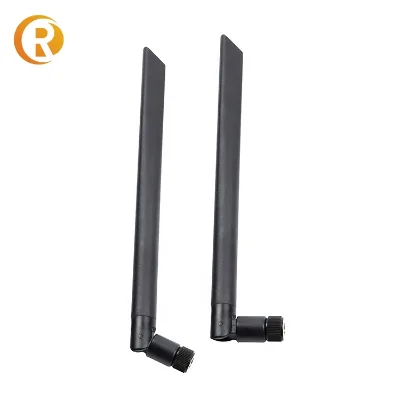
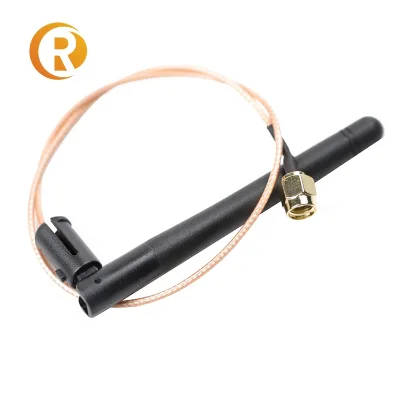
Male Black Flexible Antenna 6DBI 2.4G Long Range Rubber Wifi Omni Router Antenna
$0.65 - $1.00
MOQ: 10

Shenzhen Sta Electronic Co., Ltd
- Verified by SGS
- Combined
- China Guangdong
- Lead time15 days
- Avg. response≤ 3h
Main productsM12 Connector, EU Connector, Waterproof RJ45 Connector, Lp20 Aviation Plug, Push-Pull Metal Connector, Mil 26482 Connector, 5015 Connectors, Active Antenna, Industry Connectors, Waterproof USB Connector
Main marketsDomestic,Europe


Gnss WiFi 2-in-1 Combined Antenna SMA Male Uav Drone Integrated Positioning Antenna
$21.00 - $35.00
MOQ: 2 Pieces


Waterproof Multiband Gnss Smart Antenna Precision Robot Antenna for Uav Drone
$16.95 - $26.01
MOQ: 2 Pieces

High Precision Rtk Gnss Helix Positioning Multi-Frequency Antenna for Unmanned Vehicle
$12.33 - $15.44
MOQ: 2 Pieces

High-Performance Multiband Gnss Antenna Smart Precision GPS Antenna for Robot
$16.95 - $26.01
MOQ: 2 Pieces

Shenzhen Antbest Technology Co., Ltd.
- Manufacturer
- Guangdong, China
- Lead time7 days
- Avg. response≤ 2h
Main productsgps antenna,gsm antenna,wifi antenna,Tv antenna,rf cable
Main marketsDomestic Market(20.00%), North America(10.00%), Northern Europe(10.00%), Southeast Asia(10.00%), Central America(10.00%), Eastern Asia(10.00%), Africa(5.00%), South Asia(5.00%), Western Europe(5.00%), South America(5.00%), Mid East(5.00%), Eastern Europe(2.00%), Southern Europe(2.00%), Oceania(1.00%)
Guangzhou Huadu Datang Communication Antenna Factory
- Verified by Intertek
- Manufacturer, Trading Company
- Lead time7 days
- Avg. response≤ 1h
Main productsRubber Antenna, Magnetic Base Antenna, GPS Antenna, TV Antenna, Outdoor Antenna
Main marketsNorth America(30%), South America(20%), Domestic Market(11%)
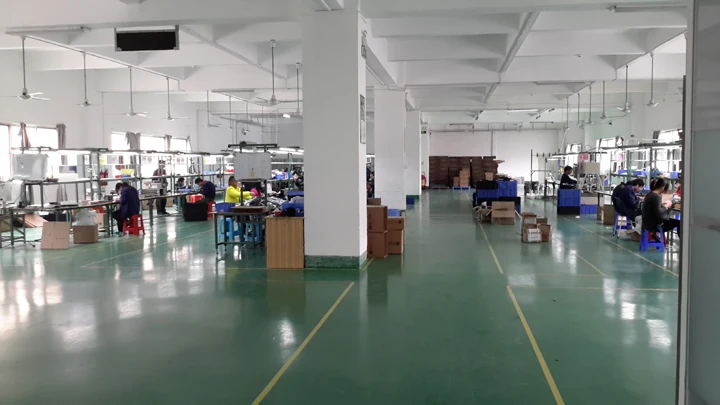
Shenzhen Kontec Eletronic Co.,limited
- Manufacturer
- Guangdong, China
- Lead time5 days
- Avg. response≤ 2h
Main productsGNSS Antenna,UAV Antenna,Car Antenna,FM/DAB Antenna,Communication Antenna
Main marketsDomestic Market(56.00%), North America(15.00%), Western Europe(5.00%), Eastern Asia(5.00%), Eastern Europe(5.00%), Oceania(3.00%), South America(3.00%), Northern Europe(3.00%), Southern Europe(2.00%), Mid East(2.00%), Southeast Asia(1.00%)
Fujian Quanzhou Huahong Communication Co., Ltd.
- Verified by Intertek
- Manufacturer, Trading Company
- Lead time14 days
- Avg. response≤ 3h
Main productsCommunication Antenna, Fiberglass Antenna, Radio Antenna, Marine Antenna, Car Antenna
Main marketsDomestic Market(57%), North America(25%), Western Europe(10%)
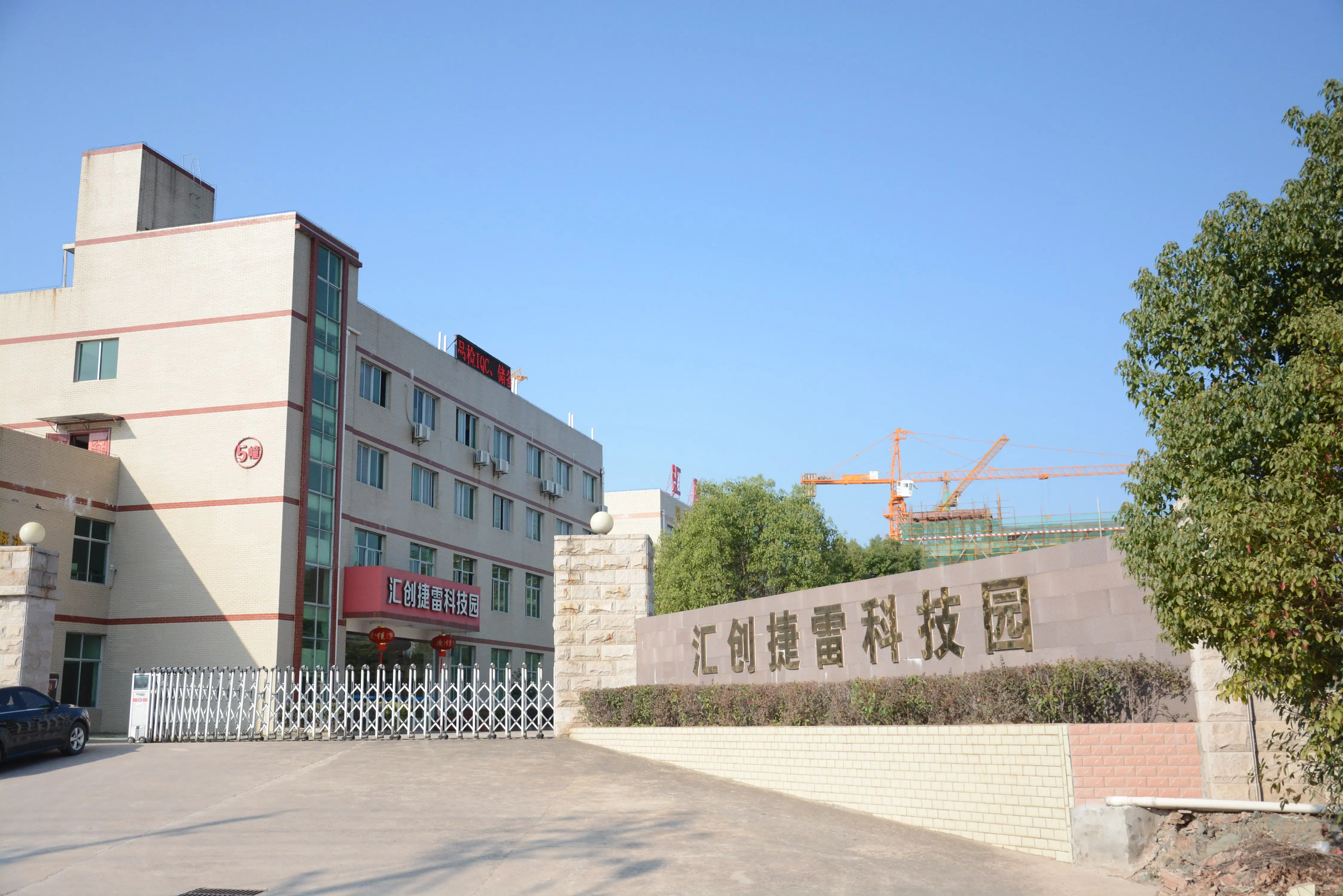
Fujian Hcxg Electronic Technology Co., Ltd.
- Manufacturer
- Fujian, China
- Lead time28 days
- Avg. response≤ 4h
Main productsCommunication Antenna, Wifi Antenna, Car Antenna, GPS&GLONASS&BEIDOU Antenna, Drone Antenna&Anti Drone Module
Main marketsDomestic Market(100.00%)

Dongguan Tengxiang Electronics Co., Ltd.
- Verified by SGS
- Combined
- China Guangdong
- Lead time15 days
- Avg. response≤ 11h
Main productsWiFi Antenna
Main marketsEurope


2.4/5.8g 90 Degree External Rubber Duck WiFi Antenna with SMA Male Connector
$0.29 - $0.79
MOQ: 500 Pieces
Hefei Maniron Electronic and Technology Co., Ltd.
- Trading Company
- Anhui, China
- Lead time2 days
- Avg. response≤ 6h
Main productsPower Splitter,Power Tapper,Combiner,Directional Coupler,RF Load
Main marketsNorth America(40.00%), Domestic Market(10.00%), Central America(10.00%), Eastern Asia(10.00%), Mid East(10.00%), Southeast Asia(10.00%), South America(10.00%)

Shenzhen Gorrwix Electronics Co., Ltd.
- Verified by SGS
- Trading Company
- China Guangdong
- Lead time15 days
- Avg. response≤ 2h
Main productsCommunication Antenna, Fpv Antenna, Fpv Motor, Drone Accessories, 4G/5g Antenna
Main marketsNorth America


High-Performance Outdoor SMA Male Connector Antenna for Communication Devices
$10.80 - $16.80
MOQ: 10 Pieces


Shanghai Saintenna Wireless Technology Co., Ltd.
- Manufacturer, Trading Company
- Shanghai, China
- Lead time15 days
- Avg. response≤ 19h
Main productsGPS Antenna,WIFI Antenna,3G & 4G Antenna,External Router Antenna,5G Antenna
Main marketsDomestic Market(100.00%)

Kaiping Taitong Communication Technology Co., Ltd
- Verified by BV
- Combined
- China Guangdong
- Lead time15 days
- Avg. response≤ 12h
Main productsAntenna
Main marketsDomestic
Kaiping Taitong Communication Technology Co., Ltd.
- Manufacturer, Trading Company
- Guangdong, China
- Lead time20 days
- Avg. response≤ 6h
Main productsCommunication Antenna,antenna,parabolic antenna,4g antenna,signal booster
Main marketsDomestic Market(80.00%), Mid East(16.00%), North America(4.00%)

Shaanxi Deruite Industry and Trade Co., Ltd.
- Verified by BV
- Trading Company
- China Shaanxi
- Lead time23 days
- Avg. response≤ 7h
Main productsSurveying Instrument, Accessories, Tripod, Staff, Prism, Prism Poles
Main marketsSouth America,Africa,Southeast Asia/ Mideast,East Asia(Japan/ South Korea),Europe,Australia,North America






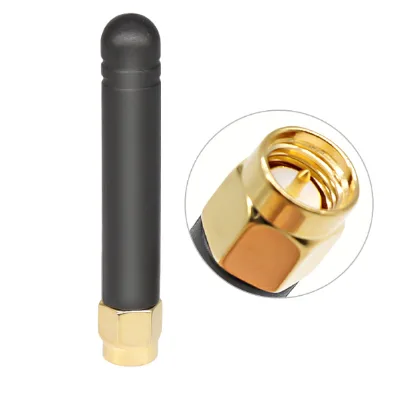
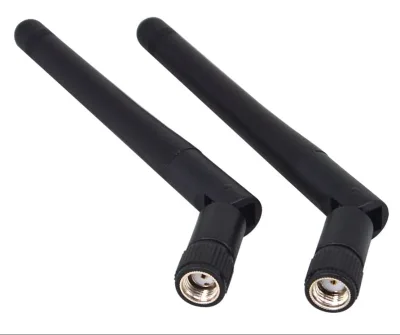
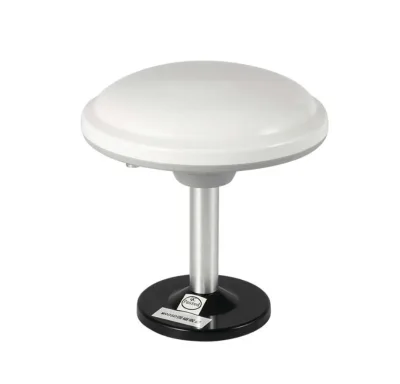
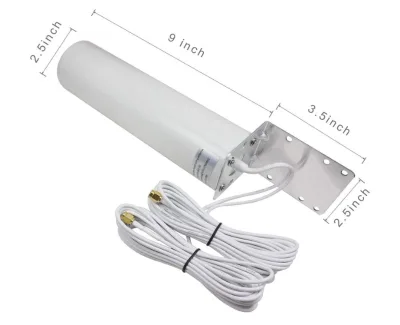





Comprehensive Sourcing Guide
SMA Male RTK Antenna Supplier Concentration and Factory Types
The current supplier landscape for SMA male RTK antennas reveals a distinct concentration of manufacturing capabilities within China, specifically in the Guangdong region. This geographic clustering is significant because it indicates a mature supply chain ecosystem where raw materials, component sourcing, and assembly lines are co-located, potentially reducing logistical friction for buyers. The observed supplier base includes a mix of pure manufacturers, trading companies, and combined entities that offer both production and sales services. This diversity allows buyers to choose between direct factory engagement for cost efficiency or trading partners for broader product variety and simplified communication. The presence of companies labeled as manufacturers or factories suggests that many suppliers have direct control over the production process, which can be crucial for maintaining quality consistency in precision electronics like GNSS antennas.
Understanding the type of supplier is the first step in aligning your sourcing strategy with your business needs. Suppliers identified as manufacturers or factories often possess specific research and development capacities, such as OEM and ODM services, which are essential for buyers requiring custom specifications or branded products. In contrast, trading companies or combined entities may offer a wider array of main products, including related items like RF coaxial connectors, adapters, and cables, providing a one-stop-shop solution for broader telecommunications needs. The verification status of these suppliers, such as BV or TÜV Rheinland certifications, adds a layer of trust regarding their operational legitimacy. Buyers should carefully review the company type to determine if they need a partner for high-volume, customized production or a flexible source for diverse, off-the-shelf components.
How to Verify SMA Male RTK Antenna Suppliers
Verification is a critical step in mitigating risk when sourcing electronic components from international markets. Buyers should prioritize suppliers who have undergone third-party verification processes, as indicated by badges such as BV or TÜV Rheinland. These verifications provide an external audit of the supplier’s business operations, ensuring that the entity is legitimate and capable of fulfilling orders. Beyond basic verification, buyers should examine the system certifications held by the supplier, such as ISO 9001, which indicates a standardized quality management system, or IATF 16949, which is relevant for automotive-grade precision. The presence of these certifications suggests that the supplier adheres to rigorous international standards for manufacturing and quality control, which is vital for RTK antennas that require high precision and reliability in positioning applications.
In addition to certifications, buyers should assess the supplier’s responsiveness and operational transparency. The response time metric provides insight into how quickly a supplier can address inquiries, which is crucial for resolving technical questions or negotiating terms efficiently. A faster response time, such as those observed in the two to four-hour range, often correlates with a more agile and customer-centric organization. Buyers should also look for detailed product evidence, including specific model numbers, frequency ranges, and connector types, to ensure the supplier has deep technical knowledge of their inventory. Requesting samples and verifying their specifications against the provided product attributes, such as VSWR values or material composition, is an essential practical step. This hands-on verification ensures that the supplier’s claims match the physical reality of the products they offer.
What to Compare Across SMA Male RTK Antenna Suppliers
When evaluating multiple suppliers, buyers must compare key operational metrics to determine the best fit for their specific requirements. Lead time is a primary differentiator, with some suppliers offering turnaround times as short as seven days, while others may require fifteen days or more. This difference can significantly impact inventory management and project timelines, especially for time-sensitive deployments. Alongside lead time, the minimum order quantity (MOQ) is a critical factor; some suppliers allow orders as low as one unit, which is ideal for prototyping or small-batch testing, while others may have higher thresholds. Buyers should also compare the price ranges, which can vary widely based on features such as waterproofing, frequency bands, and connector types. Understanding these variations helps in budgeting and selecting a supplier that offers the best value for the required specifications.
Beyond pricing and logistics, buyers should compare the technical specifications and customization options available. The product attributes, such as VSWR, gain, and polarization, directly affect performance in real-world applications. For instance, a VSWR of less than 1.5 indicates high efficiency, which is desirable for maintaining signal integrity. Buyers should also assess the supplier’s ability to provide customization, as indicated by OEM/ODM capabilities or specific product attributes like available customization options. The main products listed by each supplier can also indicate their area of expertise; a supplier focusing on RF coaxial connectors and antennas may offer better integration solutions than a general electronics trader. By systematically comparing these dimensions, buyers can create a shortlist of suppliers that align with their technical, financial, and operational needs.
Common SMA Male RTK Antenna Sourcing Risks
One of the primary risks in sourcing RTK antennas is the discrepancy between advertised specifications and actual product performance. Buyers must be cautious of suppliers who provide vague or incomplete product details, such as listing "OEM" for critical attributes like gain or VSWR. This lack of specificity can make it difficult to assess the true quality and suitability of the antenna for specific applications. Additionally, the risk of receiving products that do not meet environmental standards, such as IP67 waterproofing, is significant if the supplier does not provide clear evidence of testing or certification. Buyers should insist on detailed product data sheets and, if possible, third-party test reports to verify claims about durability, frequency range, and signal accuracy. Failing to do so can result in field failures and costly project delays.
Another risk is the inconsistency in supply chain reliability, particularly when dealing with trading companies or combined entities. While these suppliers may offer a wide range of products, they might not have direct control over manufacturing, leading to potential issues with quality control and lead time adherence. Buyers should verify the supplier’s actual production capabilities and supply chain transparency to ensure they can consistently deliver on time. Furthermore, the risk of intellectual property infringement or counterfeit components is present in markets with less stringent oversight. Buyers should work with verified suppliers who have established reputations and clear business practices. Engaging in clear communication and setting explicit contractual terms can help mitigate these risks, ensuring that the buyer receives products that meet their exact requirements.
SMA Male RTK Antenna Regional Sourcing and Logistics
Sourcing from the Guangdong region in China offers distinct logistical advantages due to its status as a major manufacturing hub for electronics. The concentration of suppliers in this area facilitates efficient shipping and reduces transit times to global destinations. Buyers should consider the proximity of the supplier to major ports, which can impact shipping costs and delivery speed. Additionally, the regional infrastructure supports a robust network of logistics providers, making it easier to arrange freight forwarding and customs clearance. However, buyers must also account for potential regional disruptions, such as seasonal production peaks or regulatory changes, which can affect lead times. Understanding the local supply chain dynamics helps in planning inventory levels and anticipating potential delays.
Logistics planning should also include considerations for packaging and handling, especially for sensitive electronic components like RTK antennas. The product attributes often include specific packing instructions, such as foam and carton packaging, which are designed to protect the antennas during transit. Buyers should verify that the supplier uses appropriate packaging to prevent damage, particularly for antennas with delicate connectors or external stands. For international shipments, buyers need to ensure that the supplier provides accurate documentation, including commercial invoices and packing lists, to facilitate smooth customs clearance. Working with suppliers who have experience in international logistics can help streamline the shipping process and reduce the risk of delays or additional fees.
SMA Male RTK Antenna Commercial Terms and Order Planning
Commercial terms play a crucial role in the final cost and risk allocation of an order. Buyers should carefully review the payment terms, including the use of escrow services, which provide a secure transaction environment by holding funds until the order is confirmed as satisfactory. This is particularly important for first-time buyers or when ordering from new suppliers. The price range observed, from approximately $4.90 to $59.99, varies significantly based on features and volume, so buyers should negotiate based on their expected order quantity. Understanding the price structure helps in budgeting and identifying potential cost savings through volume discounts or long-term agreements. Buyers should also clarify any additional costs, such as shipping, taxes, or customs duties, to avoid unexpected expenses.
Order planning should align with the supplier’s lead time and MOQ to ensure smooth production and delivery. For suppliers with a seven-day lead time, buyers can maintain lower inventory levels and respond quickly to market demands. Conversely, for suppliers with longer lead times, buyers should plan ahead to avoid stockouts. The availability of customization options, such as OEM/ODM services, allows buyers to tailor products to their specific needs, but this may require additional time and coordination. Buyers should establish clear communication channels with the supplier to track order progress and address any issues promptly. By integrating commercial terms and logistical planning, buyers can optimize their sourcing strategy and ensure a successful procurement process.
FAQs
What is the typical MOQ for an SMA Male RTK Antenna?
Listings in this category show a minimum order quantity as low as one piece, so sample testing is straightforward. Low MOQ lets you validate VSWR, connector fit, and RTK performance before committing to volume. Once sampling is approved, factories in Guangdong can quote tiered pricing for production batches, so confirm unit-price breaks when you request formal quotations.
How much does an SMA Male RTK Antenna cost?
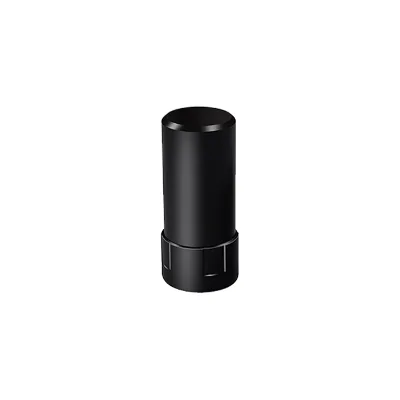
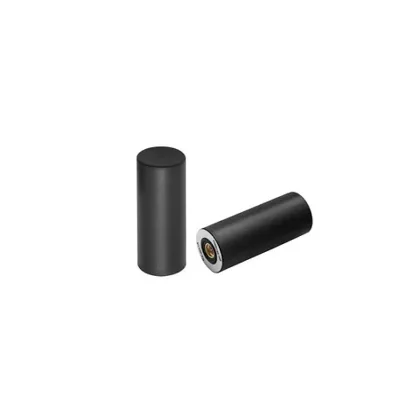
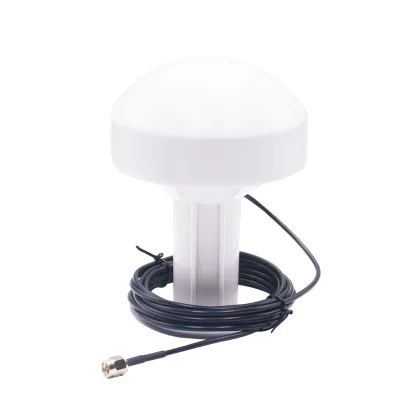
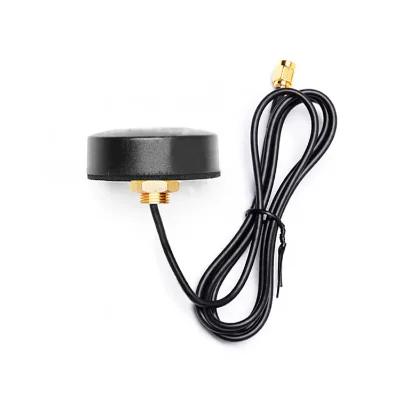
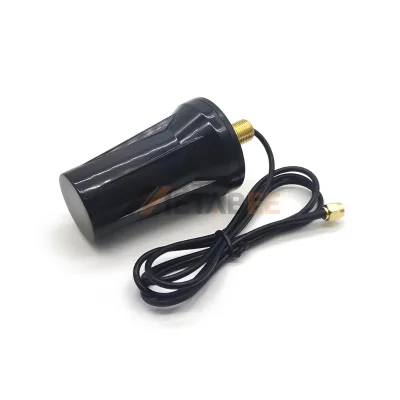
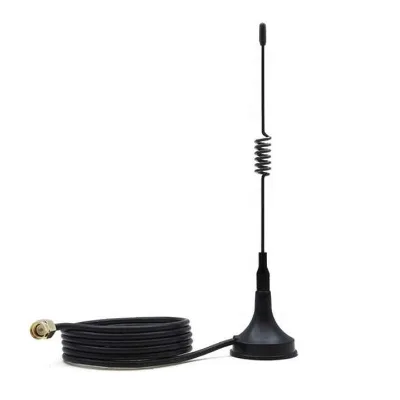
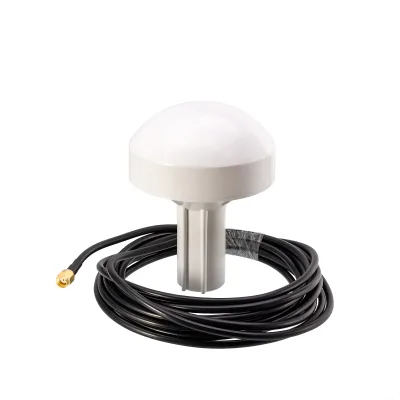
Observed unit prices range from roughly 4.90 to 59.99 US dollars depending on design. Simple magnetic or mushroom-style GPS/GNSS positioning antennas sit at the lower end, while high-precision waterproof multiband RTK antennas cost more. Final pricing depends on frequency coverage, gain, IP rating, cable assembly, and order quantity, so request quotes against your exact specification.
What lead time should I expect for RTK antenna orders?
Suppliers in these results report lead times of about 7 to 15 days. Shorter lead times typically apply to standard catalog models already in production, while customized or multiband variants may need additional time. Confirm the lead time for your specific model and order size before placing a purchase order, and factor in shipping time separately.
Which frequency bands do these RTK antennas support?
Listed products cover GPS L1 at 1575.42 MHz, GLONASS around 1600 MHz, and multiband ranges including B1/B2/B3, L1/L2/L5, and G1/G2. Full-band coverage matters for RTK accuracy because receivers combine signals from multiple constellations. Check that the antenna's frequency range matches your receiver's supported bands, and verify axial ratio and phase center error for surveying applications.
Are these antennas suitable for outdoor surveying in harsh weather?
Yes, several listed RTK antennas carry an IP67 rating, meaning they resist dust and temporary immersion. Industrial-grade models also specify operation at 95% non-condensing humidity, omnidirectional coverage, and right-handed circular polarization. For permanent outdoor installations, confirm the housing material, mounting method, and operating temperature range with the supplier so the enclosure suits your jobsite conditions.
Do suppliers offer customization for SMA male RTK antennas?
Customization is available on multiple listings, and suppliers list OEM and ODM capability. Common adjustable parameters include gain, VSWR, polarity, material, and housing dimensions, with cable length and connector type also configurable. One manufacturer supports sample processing and on-demand customization. Provide your electrical and mechanical specification early so the factory can confirm feasibility and quote tooling or sample costs.
How fast do these suppliers respond to inquiries?
Average response times in the current results range from about 2 to 8.45 hours. Faster responders make it easier to iterate on specifications and resolve technical questions during sampling. When comparing suppliers, message each with a detailed requirement and measure actual reply speed and quality, since listed averages may not reflect how quickly you receive useful engineering answers.
What certifications and verifications do these suppliers hold?
Suppliers in these results hold ISO 9001 quality system certification, and one also lists IATF 16949, which is relevant for automotive supply chains. Verification bodies include BV and TUV Rheinland. Certification confirms management systems rather than product performance, so still request test reports for VSWR, gain, and IP rating, and verify certificate validity and scope directly with the issuing body.