Class I Electric Power Supply Suppliers and Manufacturers
Explore 30 verified options for Class I Electric Power Supply from China Zhejiang and Guang Dong. Compare response times, lead times, certifications like ISO 9001 and CE, and pricing ranges. Contact suppliers directly to request samples or custom OEM services.
Updated
Suppliers List

Yueqing Kane Electric Co., Ltd.
- Verified by TUVRHEINLAND
- Trading Company,Manufacturer/Factory
- China Zhejiang
- Lead time23 days
- Avg. response≤ 3h
Main productsSolid State Relay, Temperature Controller, SCR Power Regulator, Switching Power Supply, Bridge Rectifier, Power Module, Sensor, Filter Paper
Main marketsSouth America,Eastern Europe,Mid East,North America,Southeast Asia,Eastern Asia,Oceania,Western Europe,Africa

Ninghai Yingjiao Electrical Co., Ltd.
- Verified by BV
- Combined
- China Zhejiang
- Lead time30 days
- Avg. response≤ 23h
Main productsAdapter, Power Adapter, AC/DC Adapter, Power Supply, Battery Charger, AC Adapter, CCTV Power Supply, Linear Power Adapter, LED Driver, Switching Power Adaptor
Main marketsEurope,North America
Shenzhen Jiaxinjie Technology Co., Ltd.
- Trading Company, Agent, Distributor/Wholesaler
- Guang Dong, China
- Lead time3 days
- Avg. response≤ 5h
Main productsElectronic products,Electronic module,IC Chip,Capacitance & Resistance,Medical equipment
Main marketsDomestic Market(10.00%), South Asia(10.00%), Southern Europe(10.00%), Eastern Europe(10.00%), South America(10.00%), North America(10.00%), Oceania(5.00%), Africa(5.00%), Southeast Asia(5.00%), Northern Europe(5.00%), Central America(5.00%), Western Europe(5.00%), Eastern Asia(5.00%), Mid East(5.00%)
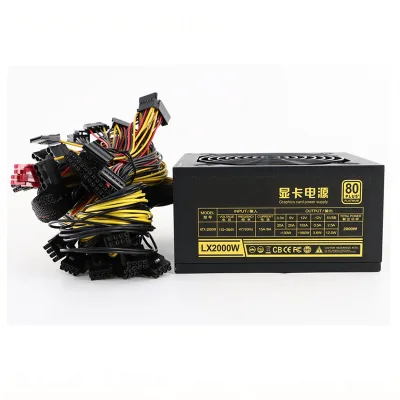
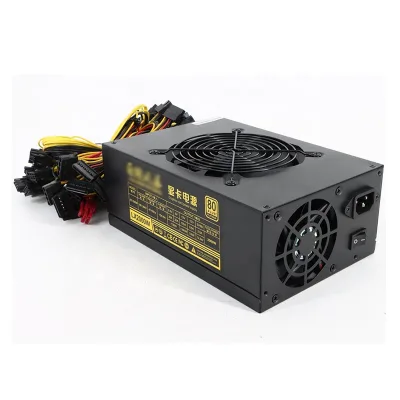
2000W110V Power Supply Supports 8-GPU Chassis Power Supply Full-voltage Silent Power Supply
$46.2981 - $49.3846
MOQ: 5 Minimum
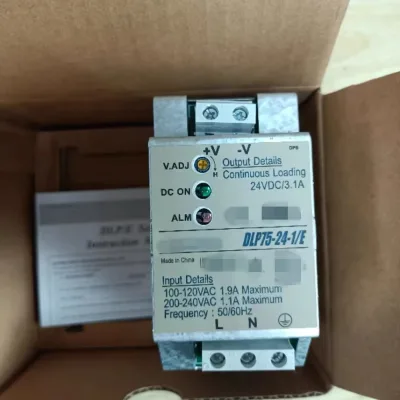
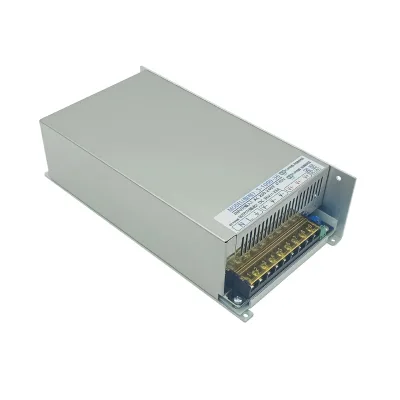
$48.3892 - $51.4772
MOQ: 5 Minimum
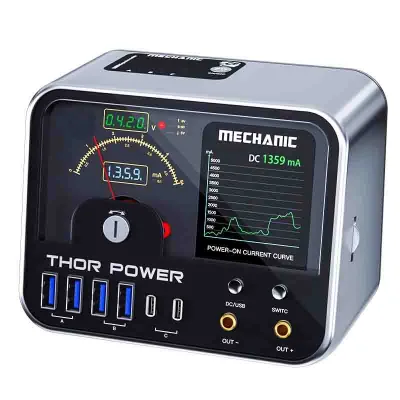
$103.00 - $105.00
MOQ: 5 Minimum

Wuhan UHV Power Technology Co., Ltd.
- Verified by SGS
- Combined
- China Hubei
- Lead time15 days
- Avg. response≤ 1h
Main productsHipot Tester, Vlf Tester, Transformer Tester, AC Resonant Test System, Loop Resistance Tester, Relay Tester, Insulating Oil Tester, Lightning Impulse Generator, CT PT Tester, Partial Discharge Test Equipment
Main marketsSouth America,Africa,Southeast Asia/ Mideast,East Asia(Japan/ South Korea),Domestic,Europe,Australia,North America

Shenzhen Kzsources Electronics Co., Ltd.
- Trading Company
- Guangdong, China
- Lead time0 days
- Avg. response≤ 3h
Main productsElectronic components,IC,FAN,Capacitor,Sensor
Main marketsMid East(25.00%), Eastern Europe(20.00%), Eastern Asia(15.00%), North America(10.00%), Western Europe(10.00%), South Asia(5.00%), Southern Europe(5.00%), Africa(5.00%), South America(5.00%)

- Manufacturer/Factory
- China Guangdong
- Lead time15 days
- Avg. response≤ 19h
Main productsAccess Control, Electromagnetic Lock, UHF Long Range Reader, RFID Access Control, Em Lock, Automatic Swing Door Opener, Frameless Bolt Lock, Glass Door Lock, Power Supply Controller, Access Exit Push Button
Main marketsSouth America,Eastern Europe,Mid East,North America,Southeast Asia,Eastern Asia,Oceania,Western Europe,Africa

Zhejiang Top Cloud-Agri Technology Co., Ltd.
- China Zhejiang
- Lead time0 days
- Avg. response≤ 8h
Main productsSoil Nutrient Analyzer, Seed Tester Meter, Chlorophyll Meter, Leaf Area Meter, Fat Analyzer, Fruit Hardness Tester, Incubator, Grain Testing Meter Tester, Plant Physical Tester, Flour and Oil Testing Instrument

Nanjing Huikaishun Electronic Technology Co., Ltd.
- Verified by TUVRHEINLAND
- Combined
- China Jiangsu
- Lead time15 days
- Avg. response≤ 2h
Main productsLow-Power High-Efficiency Power Supply, High-Voltage Power Supply for Air Purification, New Wind Controller, Group Control Display Controller, FFU Fan Controller, Dust Removal Complete Set of Electrical Control, UL Oil Fume Purification Power Supply
Main marketsDomestic

Hunan Zhongyuan Technology Co., Ltd.
- Manufacturer, Trading Company
- Hunan, China
- Lead time0 days
- Avg. response≤ 9h
Main productsDC sputtering power supply,Pulsed DC sputtering power supply,MF sputtering power supply,Unipolar pulse bias power supply,DC power sources
Main marketsDomestic Market(60.00%), Western Europe(20.00%), Southeast Asia(10.00%), North America(5.00%), Eastern Europe(5.00%)

Guangdong MYIXI Technology Co., Ltd.
- Verified by BV
- Combined
- China Guangdong
- Lead time30 days
- Avg. response≤ 1h
Main productsPower Adapter, AC Adapter, DC Adapter, Power Supply, Switching Power Supply, Charger, Power Adaptor, Travel Power Adapter, Server Power Adapter, Power Supply Company
Main marketsSouth America,Africa,Southeast Asia/ Mideast,East Asia(Japan/ South Korea),Domestic,Europe,Australia,North America
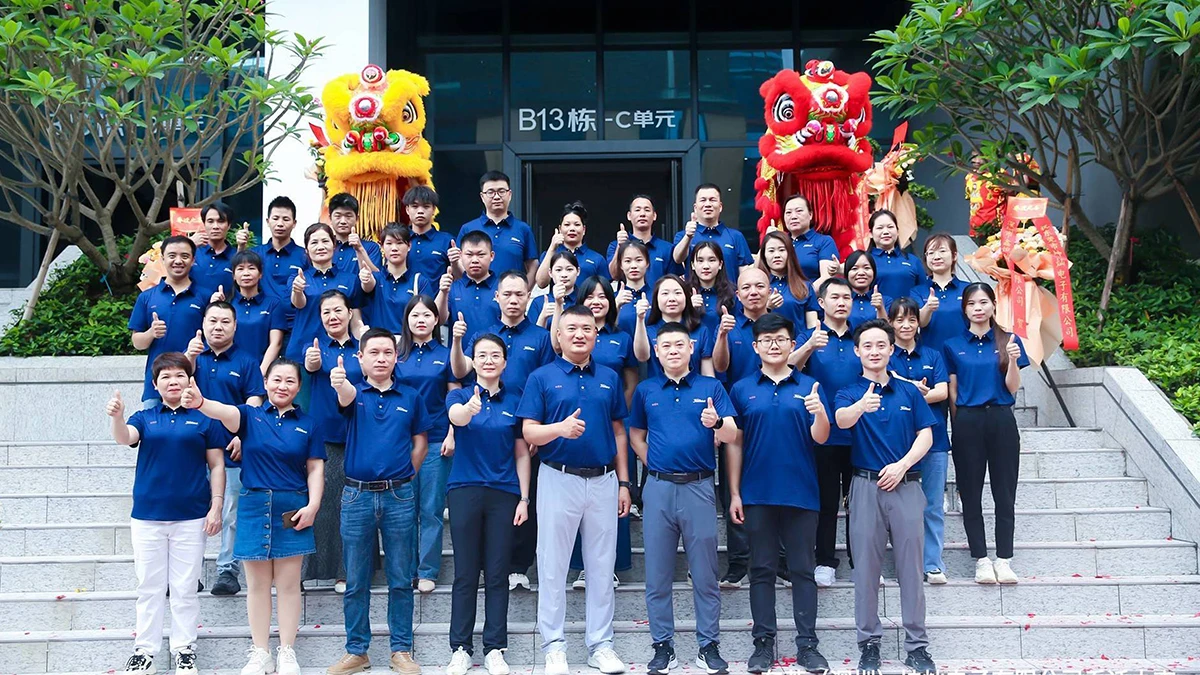
HONG KONG KUNCAN ELECTRONICS CO., LIMITED
- Trading Company
- Hong Kong S.A.R.
- Lead time15 days
- Avg. response≤ 1h
Main productsPower Cords & Extension Cords,AC/DC Adapters,DC converter cable,Gan Charger,Network cable
Main marketsEastern Europe(40.00%), North America(27.00%), Eastern Asia(16.00%), Southeast Asia(6.00%), Oceania(5.00%), Western Europe(3.00%), Domestic Market(1.00%), Northern Europe(1.00%), Mid East(1.00%)

- Verified by TUVRHEINLAND
- Trading Company,Manufacturer/Factory
- China Zhejiang
- Lead time23 days
- Avg. response≤ 9h
Main productsVoltage Stabilizer, Step-up and Down Transformer, Voltage Regulator, Power Inverter, Power Supply, Battery
Main marketsSouth America,Eastern Europe,Mid East,North America,Southeast Asia,Eastern Asia,Oceania,Western Europe,Africa

Suzhou Lingfran Electric Co., Ltd
- Verified by SGS
- Trading Company,Manufacturer/Factory
- China Jiangsu
- Lead time23 days
- Avg. response≤ 5h
Main productsVoltage Stabilizer/Regulator, Transformer, Static Frequency Converter, Uninterruptible Power Supply, DC Power Supply, Variac, Ground Power Unit, Shore Power Converter
Main marketsSouth America,Eastern Europe,Mid East,North America,Southeast Asia,Eastern Asia,Oceania,Western Europe,Africa
Shenzhen Anqishun Technology Co., Ltd.
- Manufacturer, Trading Company
- Guangdong, China
- Lead time15 days
- Avg. response≤ 6h
Main productspower supply,cctv camera power supply,cctv ups,adapter,switching power supply
Main marketsSouth America(20.00%), Eastern Asia(20.00%), Western Europe(15.00%), Eastern Europe(15.00%), Southeast Asia(14.00%), Africa(5.00%), Oceania(4.00%), Mid East(4.00%), North America(3.00%)
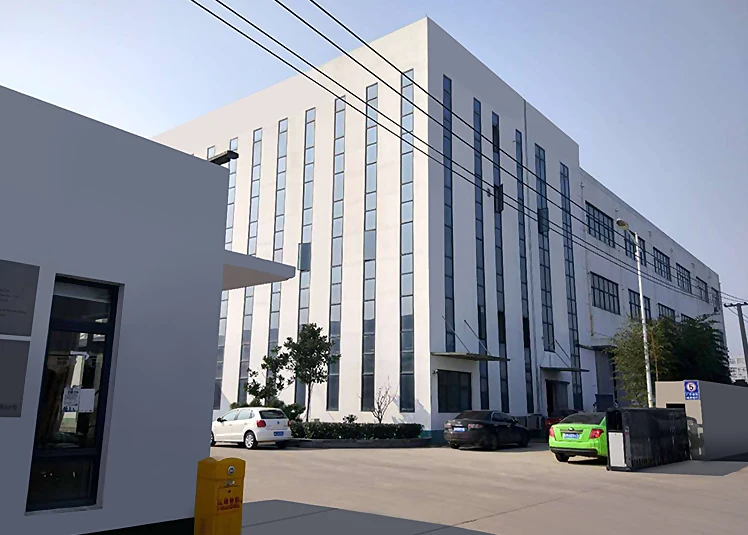
Guangzhou Jinyuanhua Trading Co., Ltd.
- Manufacturer, Buying Office, Distributor/Wholesaler
- Guangdong, China
- Lead time15 days
- Avg. response≤ 8h
Main productsAudio cable,wire rod,alligator clip,video line,Microphone
Main marketsAfrica(0.30%)
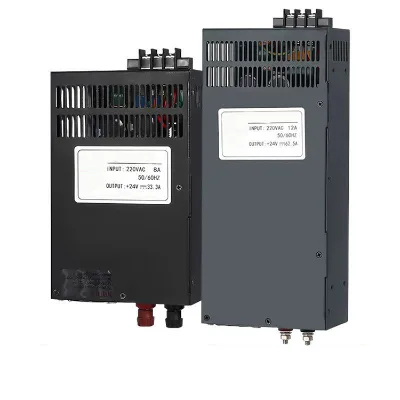
High Power Electronic Components Adjustable Switching Power Supply Adjustable Voltage
$22.7578 - $252.8393
MOQ: 50 Minimum
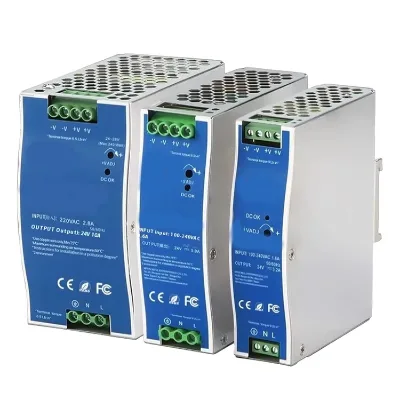
High Power 120W/480W Switching Power Supply 220V to 24V 5V Rail Type Electronic Components
$4.0683 - $47.4898
MOQ: 100 Minimum
Shenzhen Feng Chipsource Electronic Co., Ltd.
- Manufacturer, Trading Company, Distributor/Wholesaler
- Guangdong, China
- Lead time2 days
- Avg. response≤ 8h
Main productsIntegrated Circuit,Electronic Components,Development Board,Wifi module,Bluetooth module
Main marketsNorth America(20.00%), Northern Europe(16.00%), Southern Europe(10.00%), South America(10.00%), Western Europe(10.00%), Eastern Europe(10.00%), Domestic Market(3.00%), South Asia(3.00%), Oceania(3.00%), Africa(3.00%), Central America(3.00%), Southeast Asia(3.00%), Eastern Asia(3.00%), Mid East(3.00%)
$4.2107 - $8.4304
MOQ: 10 Minimum
Shenzhen Binyueda Electronics Co., Ltd.
- Trading Company, Agent, Distributor/Wholesaler
- Guangdong, China
- Lead time3 days
- Avg. response≤ 10h
Main productsElectronics Components,Computer Accessories,Integrated Circuit,Electrical Equipment
Main marketsNorth America(30.00%), Western Europe(20.00%), Northern Europe(10.00%), Southeast Asia(10.00%), Mid East(10.00%), South America(5.00%), Eastern Europe(5.00%), South Asia(2.00%), Africa(2.00%)

TANG CHENG INTERNATIONAL TRADE CO., LTD.
- Trading Company,Manufacturer/Factory
- China Jiangsu
- Lead time15 days
- Avg. response≤ 6h
Main productsWelding Robot, CNC Cutting Machine, Welding Machine, Laser Machine, Industrial Robot, Flux Recovery Machine, Welding Tractor, H-Beam Production Line, Laser Cutting Machine Parts, Plasma Cutting Machine Parts
Main marketsSouth America,Eastern Europe,Mid East,North America,Southeast Asia,Eastern Asia,Oceania,Western Europe,Africa
Guangzhou EBY Optoelectronic Technology Co., Ltd.
- Trading Company
- Guangdong, China
- Lead time10 days
- Avg. response≤ 11h
Main productsElectrical Wire,LED Connector,LED Connect Wire,LED Splitter Box,Power Supply
Main marketsWestern Europe(40.00%), North America(30.00%), Domestic Market(15.00%), Oceania(5.00%), Southeast Asia(5.00%), Mid East(5.00%)
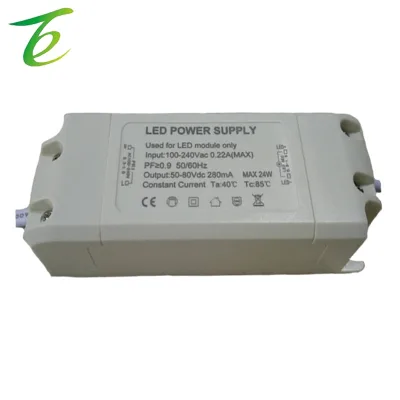
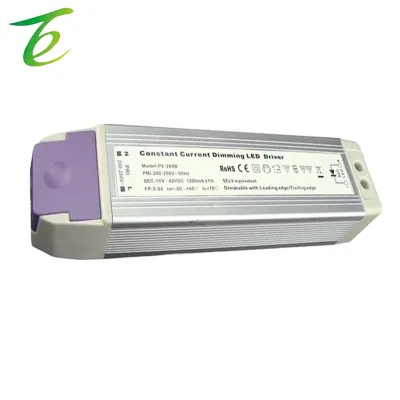
High P 50-72W 40-60V 1200mA external driver digital adjustable DALI dimming power supply
$1.00 - $10.00
MOQ: 99999 Minimum
$1.00 - $10.00
MOQ: 99999 Minimum

Guangzhou Idealplusing information technology co., LTD
- Trading Company,Manufacturer/Factory
- China Guangdong
- Lead time15 days
- Avg. response≤ 4h
Main productsDC Power Supply, DC/DC Converter, Pure Sine Wave Inverter, Retifier, Battery Charger, Rectifier System, Adjustable DC Power Supply, Frequency Converter, Swiching Power Supply
Main marketsSouth America,Eastern Europe,Mid East,North America,Southeast Asia,Eastern Asia,Oceania,Western Europe,Africa

$8.93 - $198.63
MOQ: 1 Pieces

High Power Adjustable Constant Voltage 0-120VDC 0-55A Switching Power Supply Adjustable 6000W
$954.54 - $1088.70
MOQ: 1 Pieces
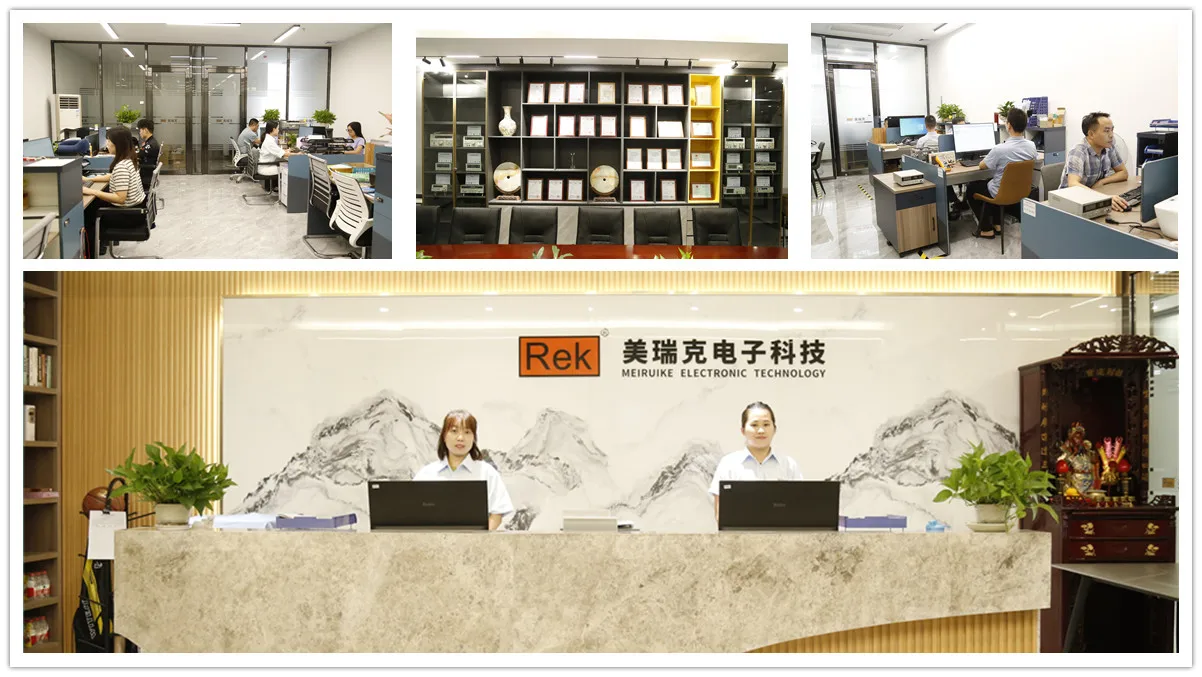
Shenzhen Meiruike Electronic Technology Co., Ltd.
- Manufacturer, Trading Company
- Guangdong, China
- Lead time30 days
- Avg. response≤ 4h
Main productsdc power supply,Hipot tester,Power meter,DC electronic load,voltage meter
Main marketsSouthern Europe(8.33%), Northern Europe(8.33%), Central America(8.33%), Western Europe(8.33%), Eastern Asia(8.33%), Mid East(8.33%), Oceania(8.33%), Africa(8.33%), Southeast Asia(8.33%), Eastern Europe(8.33%), South America(8.33%), North America(8.33%)
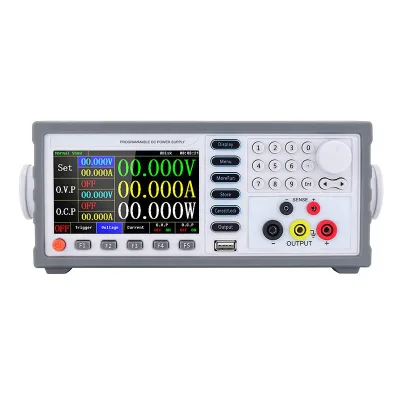
High-precision Program-controlled Cabinet Power Supply Color Screen Linear Power Supply SPL Series
$210.00 - $560.00
MOQ: 1 Minimum
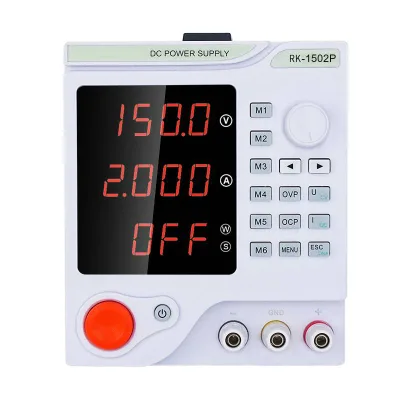
300W Ordinary Power Supply, Four-digit Programmable Switching Power Supply P Series
$65.00 - $110.00
MOQ: 1 Minimum

Guangzhou CJY Import & Export Co., Ltd.
- Verified by TUVRHEINLAND
- Trading Company
- China Guangdong
- Lead time15 days
- Avg. response≤ 15h
Main productsComputer Case, Power Supply, LED TV, Computer Monitor, Gaming Computer Case, ATX Computer Case, Cabinet, PC Case, TV, Flex Power Supply
Main marketsOthers(foreignTradeCapacity.exportBusinessCapacityMarketOther)

Wenzhou Wode Electrical Co., Ltd.
- Trading Company,Manufacturer/Factory
- China Zhejiang
- Lead time15 days
- Avg. response≤ 4h
Main productsSwitching Power Supply, LED Driver, DIN Rail Power Supply, Power Supply, LED Power Supply
Main marketsSouth America,Eastern Europe,Mid East,North America,Southeast Asia,Eastern Asia,Oceania,Western Europe,Africa

Zhejiang Junlin Electric Technology Co., Ltd.
- Verified by BV
- Trading Company,Manufacturer/Factory
- China Zhejiang
- Lead time38 days
- Avg. response≤ 10h
Main productsSwitching Power Supply, DIN Rail Power Supply, Power Supply, 12V DIN Rail Power Supply, 24V DIN Rail Power Supply, AC DC Power Supply, Switching Power Supply 24V, Switching Power Supply 12V, SMPS Power Supply, 12V 5V Power Supply


150W Switching Power Supply 150W DC 24V Switching Power Supply for Electronic Equipment
$8.00 - $10.00
MOQ: 1 pieces

Dongguan Ouke Automation Equipment Co., Ltd.
- Trading Company
- Lead time旺季: "1 - 15":31,"> 15":"To be negotiated", 淡季: "1 - 15":31,"> 15":"To be negotiated"
- Avg. response≤ 3h
Main productsDrive, Motor, Inverter, HMI, PLC Module
Dernfu Electronic (dongguan) Co., Ltd.
- Trading Company
- Guangdong, China
- Lead time旺季: "1 - 5000":15,"5001 - 10000":20,"10001 - 20000":30,"> 20000":"To be negotiated", 淡季: "1 - 5000":15,"5001 - 10000":20,"10001 - 20000":30,"> 20000":"To be negotiated"
- Avg. response≤ 12h
Main productsTransformer,Solenoid,Motor,Ozone,PCBA
Main marketsDomestic Market(30.00%), North America(21.00%), Eastern Asia(10.00%), Western Europe(10.00%), Mid East(6.00%), Southeast Asia(3.00%), South Asia(3.00%), Northern Europe(3.00%), South America(2.00%), Africa(1.00%), Southern Europe(1.00%), Eastern Europe(1.00%), Central America(1.00%), Oceania(0.50%)
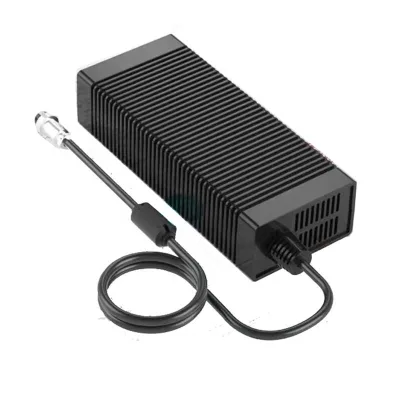
$15.4967 - $17.5638
MOQ: 2000 units
$100.3431 - $102.3907
MOQ: 5 units
Dongguan Kuncan Electronics Co., Ltd.
- Verified by SGS Group
- Manufacturer, Trading Company
- Lead time15 days
- Avg. response≤ 2h
Main productsPower Cords & Extension Cords, AC/DC Adapters, DC Converter Cable, Solar Cable, Network Cable
Main marketsNorth America(70%), Western Europe(9%), Eastern Europe(7%)

Shenzhen Gofern Electronic Co., Ltd.
- Verified by BV
- Combined
- China Guangdong
- Lead time23 days
- Avg. response≤ 12h
Main productsPower Adapter, Switching Power Supply, UPS Power Supply, Power Supply, Converter, Charger
Main marketsSouth America,Europe,Australia,North America

- Manufacturer/Factory
- China Zhejiang
- Lead time23 days
- Avg. response≤ 25h
Main productsBreakers, Contactors, Relays, Push Button, Current Transformer, Transformer, Electrical Accessories, Meter, Solar Light, Voltage Stabilizer
Main marketsSouth America,Eastern Europe,Mid East,North America,Southeast Asia,Eastern Asia,Oceania,Western Europe,Africa

Nanjing Conpo Power Tech. Co., Ltd.
- Verified by TUVRHEINLAND
- Trading Company
- China Jiangsu
- Lead time30 days
- Avg. response≤ 19h
Main productsVoltage Stabilizer/Voltage Regulator, UPS/Battery, Inverter, Solar Panel/Solar Controller, Solar Inverter/Solar Generator, Switching Power Supply, Frequency Inverter, Transformer
Main marketsSouth America


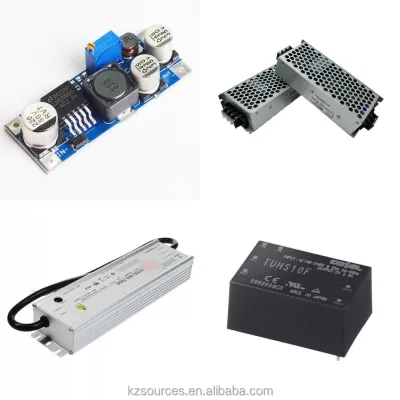


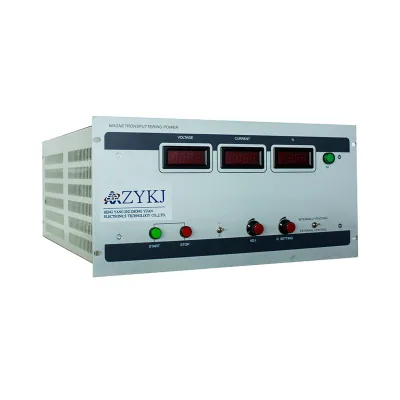
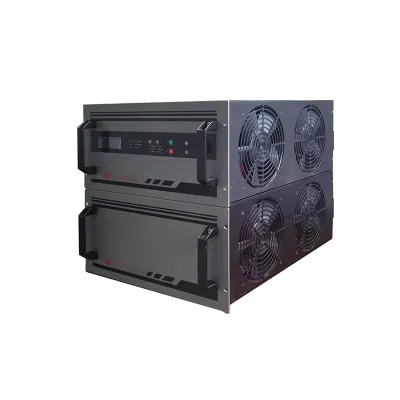
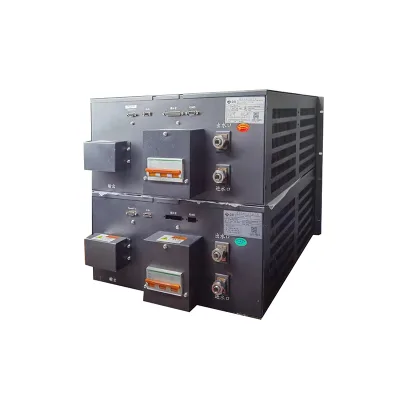








Comprehensive Sourcing Guide
Class I Electric Power Supply Supplier Concentration and Factory Types
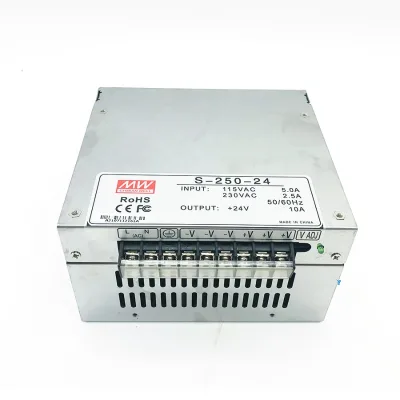
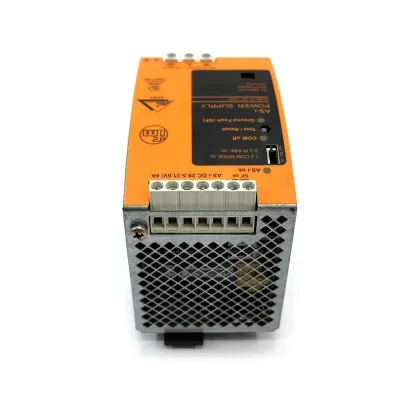
The current supplier landscape for Class I Electric Power Supply components reveals a distinct geographic and operational concentration that buyers must navigate carefully. Evidence indicates that a significant portion of manufacturing activity is clustered in China, with specific hubs identified in Zhejiang and Guang Dong provinces. Zhejiang appears to be a primary center for production, particularly for switching power supplies and related electrical equipment, where factories often operate as combined entities capable of both trading and manufacturing. This dual nature allows for flexibility in order sizes but requires buyers to distinguish between pure factory output and trading company inventory. The presence of manufacturers in these regions suggests a mature supply chain for standard components like DIN rail switching power supplies and industrial adapters, where economies of scale can drive down unit costs for high-volume orders.
In contrast, other suppliers in the dataset are identified as trading companies, agents, or distributors, often located in Guang Dong. These entities typically do not manufacture the goods themselves but act as intermediaries, sourcing from various factories to meet specific client needs. This structure can offer advantages in product variety and customer service but may introduce complexities in quality control and direct communication with the production line. The distinction between a manufacturer and a trading company is critical for Class I Electric Power Supply sourcing, as it impacts lead times, customization capabilities, and the ability to resolve technical issues. Buyers should assess whether their project requires direct factory engagement for OEM/ODM services or if the flexibility of a trading company better suits their immediate procurement needs.
How to Verify Class I Electric Power Supply Suppliers
Verification is a critical step in mitigating risk when sourcing Class I Electric Power Supply components, especially given the varied supplier types observed in the market. Buyers should prioritize suppliers who have undergone third-party verification processes, as this provides an additional layer of confidence beyond self-reported claims. In the current results, some suppliers are verified by recognized entities such as TÜV Rheinland and Bureau Veritas (BV). These verifications often include audits of the supplier’s business license, factory conditions, and quality management systems. For Class I Electric Power Supply products, which involve safety-critical electrical connections, verifying the supplier’s compliance with international standards is paramount. Buyers should look for evidence of these verifications on the supplier’s profile and understand the scope of the audit to ensure it covers the specific products they intend to purchase.
Beyond third-party verification, buyers must scrutinize the certifications listed for the products themselves. The data shows that many switching power supplies carry CE, RoHS, CCC, and VDE certifications, which are essential for market access in various regions. However, the presence of a certification on a product listing does not automatically guarantee that the supplier is authorized to use it or that the specific batch meets the standard. Buyers should request valid certification documents and, if possible, verify them with the issuing body. Additionally, checking the supplier’s system certifications, such as ISO 9001 for quality management or ISO 14001 for environmental management, can provide insight into their operational discipline. For Class I Electric Power Supply sourcing, a supplier with robust certification practices is more likely to deliver consistent quality and adhere to safety regulations, reducing the risk of product failures or compliance issues in the buyer’s home market.
What to Compare Across Class I Electric Power Supply Suppliers
When evaluating multiple suppliers for Class I Electric Power Supply needs, buyers must compare a range of operational and commercial metrics to identify the best fit for their specific requirements. One of the most significant differentiators is the lead time, which can vary widely depending on the supplier’s type and location. For instance, some manufacturers in Zhejiang report lead times around 23 days, while trading companies in Guang Dong may offer faster turnaround times of just 3 days for in-stock items. This disparity highlights the trade-off between production depth and inventory availability. Buyers should align their lead time expectations with their project schedules, considering whether they can afford the longer production cycles of factories or if the premium for faster delivery from traders is justified. Additionally, response time is a key indicator of supplier reliability, with some suppliers responding within hours while others take significantly longer, impacting the efficiency of the negotiation and order placement process.
Another critical factor is the Minimum Order Quantity (MOQ) and pricing structure, which directly affect the feasibility of the order. The data indicates that MOQs can range from as low as 10 pieces for certain DIN rail models to 1000 pieces for industrial switching power supplies. This variance allows buyers with smaller volume needs to access manufacturing capabilities, albeit potentially at higher unit prices. Conversely, high-volume buyers can leverage the lower MOQs of trading companies or negotiate better rates with factories. Price ranges also vary significantly, with some products listed between $2.00 and $67.00, reflecting differences in power output, certification levels, and customization options. Buyers should compare these metrics holistically, considering not just the unit price but also the total cost of ownership, including shipping, tariffs, and potential rework costs. For Class I Electric Power Supply sourcing, a supplier with a transparent pricing model and flexible MOQs often provides greater value than one with the lowest headline price but rigid terms.
Common Class I Electric Power Supply Sourcing Risks
Sourcing Class I Electric Power Supply components carries inherent risks that buyers must actively manage to ensure project success. One of the primary risks is the discrepancy between advertised specifications and actual product performance, particularly regarding electrical safety and efficiency. The data shows varying efficiency ratings, such as 0.87 for some DIN rail models, but buyers must verify that these figures are tested under standard conditions and not just theoretical maximums. For Class I devices, which rely on protective earth grounding for safety, any deviation from design specifications can lead to serious safety hazards. Buyers should request detailed technical datasheets and test reports from the supplier, ensuring that the products meet the specific electrical standards required in their target market. Failure to do so can result in product recalls, legal liabilities, and damage to brand reputation.
Another significant risk is the inconsistency in supply chain reliability, especially when dealing with trading companies or distributors. While these suppliers may offer attractive lead times and MOQs, they may not have direct control over production quality or inventory levels. The data indicates that some suppliers list products as "in stock," but this status can change rapidly without notice. For Class I Electric Power Supply projects with tight deadlines, relying on such inventory claims without confirmation can lead to delays. Additionally, the risk of intellectual property infringement or counterfeit components is higher when sourcing from unverified intermediaries. Buyers should conduct due diligence on the supplier’s supply chain transparency, requesting information about the original manufacturers of the components they sell. Establishing clear contractual terms regarding quality assurance and delivery guarantees can help mitigate these risks, ensuring that the buyer is protected in the event of supply chain disruptions or product defects.
Class I Electric Power Supply Regional Sourcing and Logistics
The geographic location of suppliers plays a crucial role in determining logistics costs, lead times, and overall supply chain resilience for Class I Electric Power Supply sourcing. The current data highlights a concentration of suppliers in China, specifically in Zhejiang and Guang Dong provinces. Zhejiang is noted for its manufacturing capabilities in switching power supplies and related electrical equipment, often associated with factories that offer OEM/ODM services. This region’s industrial ecosystem supports a wide range of power supply products, from low-power adapters to high-wattage industrial units. Buyers sourcing from Zhejiang should consider the logistical implications of shipping from this location, including port accessibility and transit times to their destination. The presence of both manufacturers and trading companies in this region offers buyers flexibility in choosing between direct factory orders and intermediary services, each with distinct logistical advantages.
In contrast, suppliers located in Guang Dong, often identified as trading companies or distributors, may offer different logistical benefits, such as proximity to major shipping hubs and faster processing times for smaller orders. The data shows that some Guang Dong-based suppliers have very short lead times, suggesting a focus on inventory-driven sales rather than custom manufacturing. For buyers prioritizing speed and flexibility, sourcing from this region may be advantageous. However, buyers must also consider the potential for higher logistics costs if the supplier’s warehouse is not optimally located for their specific shipping route. Additionally, regional trade policies and tariffs can impact the final cost of goods. Buyers should evaluate the total landed cost, including freight, insurance, and duties, when comparing suppliers from different regions. For Class I Electric Power Supply sourcing, understanding the logistical landscape of the supplier’s location is essential for accurate cost estimation and reliable delivery planning.
Class I Electric Power Supply Commercial Terms and Order Planning
Effective order planning for Class I Electric Power Supply components requires a thorough understanding of the commercial terms offered by suppliers, including payment conditions, warranty policies, and customization options. The data indicates that many suppliers offer OEM/ODM services, allowing buyers to customize products to their specific requirements. This capability is particularly valuable for Class I Electric Power Supply applications where unique form factors or electrical specifications are needed. Buyers should clarify the terms for customization, including any additional costs, minimum order quantities for custom orders, and the timeline for prototype approval. Additionally, the availability of free samples, as noted in some product listings, can be a valuable tool for verifying product quality before committing to a large order. Buyers should leverage this opportunity to test the supplier’s responsiveness and product consistency.
Warranty and after-sales support are also critical commercial terms that can significantly impact the long-term cost of ownership. The data shows that some suppliers offer warranties, such as a three-month warranty for high-power supplies, but the terms and conditions vary. Buyers should ensure that the warranty covers defects in materials and workmanship and understand the process for claiming warranty service. For Class I Electric Power Supply products, which are subject to strict safety regulations, having a reliable after-sales support system is essential for addressing any issues that may arise post-delivery. Furthermore, buyers should negotiate clear terms for returns and replacements in case of non-conforming products. By carefully reviewing and negotiating these commercial terms, buyers can protect their interests and ensure a smooth procurement process for Class I Electric Power Supply components, minimizing risks and maximizing value.
FAQs
What certifications do the switching power supplies hold?
Many listed products carry CE, RoHS, CCC, and VDE certifications. Some manufacturers also maintain ISO 9001 and ISO 14001 system certifications. Always verify specific product labels for current compliance status before finalizing any bulk purchase order.
What is the typical lead time for these power supplies?
Lead times vary significantly between suppliers, ranging from three days to thirty days. Some vendors offer rapid shipping within three days, while others require up to thirty days for production. Confirm the exact delivery schedule with your chosen supplier.
What are the minimum order quantities for switching power supplies?
Minimum order quantities differ by product type and supplier. Some items require a minimum of ten units, while others demand orders of five hundred or one thousand units. Check the specific product listing to determine the exact MOQ required for your needs.
Where are these power supply manufacturers located?
Manufacturers are primarily located in Zhejiang and Guangdong provinces in China. Specific origins include Ningbo and general Zhejiang regions. Verify the exact factory location on the product page to ensure it meets your logistical requirements.
Do suppliers offer customization services for power supplies?
Yes, many suppliers provide OEM and ODM customization services. Customization options often include specific output voltages, current ratings, and enclosure materials. Confirm available customization details directly with the supplier to ensure your specific design requirements can be met.
What is the price range for Class I power supplies?
Prices vary widely based on wattage and specifications. Some units start as low as two dollars, while others reach up to sixty-seven dollars. The final cost depends on the specific model, quantity ordered, and customization requirements selected.
How quickly do suppliers typically respond to inquiries?
Response times vary, with some suppliers replying within three hours and others taking up to twenty-two hours. Faster response times are often associated with verified trading companies. Check the specific supplier profile for their current average response time.